N S W E
Wildlife Expeditions

Wildlife of
Permskij kraj

Perm Krai is a taiga-and-river stronghold where the Ural foothills and the Kama basin form a prime transition zone for boreal wildlife between Europe and Siberia.
13 Species
160,236 km² Land Area
Overview

About Permskij kraj

Perm Krai is shaped by vast boreal taiga, cold clear rivers, and the western Urals where European and Siberian nature meet. This landscape supports classic northern forest mammals and many birds tied to conifer stands and wide floodplains, making it a great place for tracking, listening, and quiet observation. Key ecosystems are the Ural foothill forests (spruce-fir and mixed taiga), home to large predators and hoofed animals, and the upper Kama River basin with its tributaries, oxbows, wetlands, and riparian forests. These river systems act as movement corridors and feeding areas for birds, beaver, and semi-aquatic species, and they help connect forest blocks so animals can move with the seasons. The mix of mountain-slope taiga and a major river basin gives strong habitat changes over short distances—a true edge-of-continents experience.

Physical Features

Geography

Perm Krai covers the western slopes of the Ural Mountains and the upper Kama River basin, making a clear west-east change in climate, land shape, and plants. Mountain ridges, foothill taiga, and wide river valleys and floodplains form mixed habitats that support boreal forest, river and wetland species and link European Russia with Siberia.

160,236 km² Land Area
Approximately 25th largest federal subject in Russia (among the top ~30 by area) Size Rank
Russia Country
Federal_subject Type
Elevation Range

~90-1,469 m (low Kama valley to Mt. Tulymsky Kamen in the Urals)

Key Landscapes

Western Ural Mountains (low-to-mid mountain ridges, passes, and steep forested slopes) Ural foothills and rolling uplands transitioning into broader lowlands Upper Kama River basin (one of the dominant ecological frameworks for the region) Major rivers and tributary systems: Kama, Chusovaya, Sylva, Vishera, Kolva (river corridors, riparian forests, oxbows, and floodplains) Extensive boreal taiga forests (spruce-fir-pine and mixed forests), supporting wide-ranging mammals and forest birds Wetlands, bogs, and peatlands in low-lying areas (important for waterbirds and amphibians)
Parks & Reserves

Protected Areas

Protected Coverage

≈8% (rough order-of-magnitude; includes federal + regional SPNAs)

National Parks & Preserves

Vishersky State Nature Reserve (Вишерский государственный природный заповедник)

≈2,410 km² (≈241,000 ha)

One of the largest intact taiga and mountain-tundra landscapes on the western slope of the Northern Urals, valued for wilderness-scale conservation of boreal mammals and old-growth forest bird communities; excellent for tracking large carnivores and river-associated species in the Vishera basin.

Brown bear Wolverine Eurasian lynx Moose (elk) Western capercaillie

Basegi State Nature Reserve

≈380 km² (≈38,000 ha)

Protects the Basegi Ridge and surrounding dark-conifer taiga, a stronghold for old-growth forest biodiversity and boreal birds; important for maintaining ecological connectivity across the low/mid-mountain Urals and safeguarding headwater habitats.

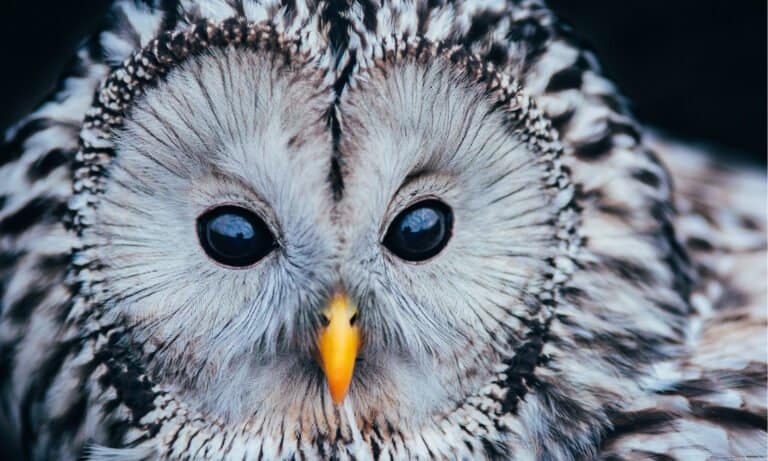
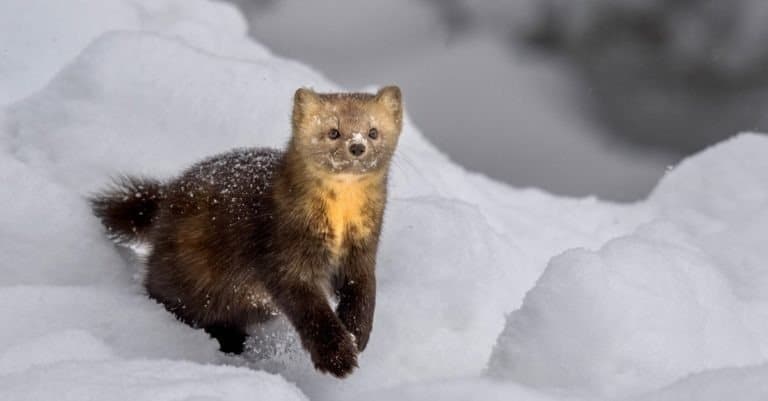
Brown bear Eurasian lynx Sable Black grouse Ural owl

Tulym (Tulym Stone) mountain area - high-value wilderness sector (commonly managed via a mosaic of federal/regional SPNAs)

Protected area configuration varies by designation; wilderness block is on the order of hundreds of km²

A particularly remote, road-poor mountain-taiga sector around the highest elevations of Perm Krai; notable as a refuge for disturbance-sensitive taiga wildlife and for raptor/boreal bird breeding habitats along cliffs and upper forests.

Wolverine Brown bear Golden eagle Eurasian three-toed woodpecker Mountain hare

State & Provincial Parks

Chusovaya River Nature Park

≈770 km² (order-of-magnitude; park zoning can vary by source)

A major river-corridor protected landscape famous for cliffs, mixed forests and floodplain habitats; supports riverine mammals and raptors and functions as an accessible wildlife-viewing area close to population centers.

Eurasian beaver Eurasian otter White-tailed eagle Osprey Black stork (rare/irregular)

Kungur Forest-Steppe protected landscape (regional protected area complex)

Tens to low hundreds of km² (varies across clustered sites within the protected landscape)

An ecotone mosaic (forest-steppe, meadows, karst features) that adds high habitat diversity relative to the surrounding taiga; important for edge-species, pollinator-rich grasslands, and small-mammal and raptor food webs.

European roe deer Red fox Common kestrel European badger Black grouse

Vishera River middle-valley protected landscape (regional SPNA cluster)

Multiple units; typically tens of km² each (combined area larger)

River-and-taiga complex supporting migratory birds, beaver/otter populations, and large-mammal movement routes; also valuable as a connectivity belt linking southern and northern taiga blocks.

Eurasian beaver Eurasian otter Moose (elk) Whooper swan (migrant) Common crane

Wildlife Refuges

Upper Kama (Verkhnekamsky) wetland and floodplain sanctuary complex (regional wildlife sanctuary protection)

Typically tens to hundreds of km² across floodplain blocks (designation-dependent)

Floodplains, oxbows and marshy forests important for waterfowl staging and breeding, and for maintaining fish-spawning and riparian mammal habitat along the Kama system.

Whooper swan Goosander White-tailed eagle Eurasian beaver Northern pike

Sylva River valley wildlife sanctuary (regional protection)

Typically tens of km² (site-dependent)

Karst-river corridor with riparian woodland and wet meadows; notable for beaver and otter and raptor use, and as a migration corridor in spring and autumn.

Eurasian otter Eurasian beaver Osprey Eurasian hobby European polecat

Kolva-Vishera confluence taiga wildlife sanctuary (regional protected area)

Exact area not confirmed here; varies by protected-area designation and should be taken from the official regional protected-areas registry.

Remote confluence-area forests and wetlands that provide secure habitat for wide-ranging carnivores and boreal birds; valued as a low-disturbance refuge and movement corridor.

Wolverine Eurasian lynx Brown bear Sable Western capercaillie

Wilderness Areas

  • Upper Vishera basin (remote taiga and headwaters north of Krasnovishersk; large roadless blocks adjacent to the Vishersky Reserve)
  • Kvarkush Plateau and surrounding taiga (road-poor uplands with extensive intact forests and bogs)
  • Tulym Stone massif and adjacent ridge country (high-elevation taiga, cliffs, and very low settlement density)
  • Basegi Ridge backcountry (areas around the Basegi Reserve with limited access and high wilderness continuity)
  • Upper Kolva river headwaters and interfluves (boreal forest and peatland complexes with minimal infrastructure)
Animals

Wildlife

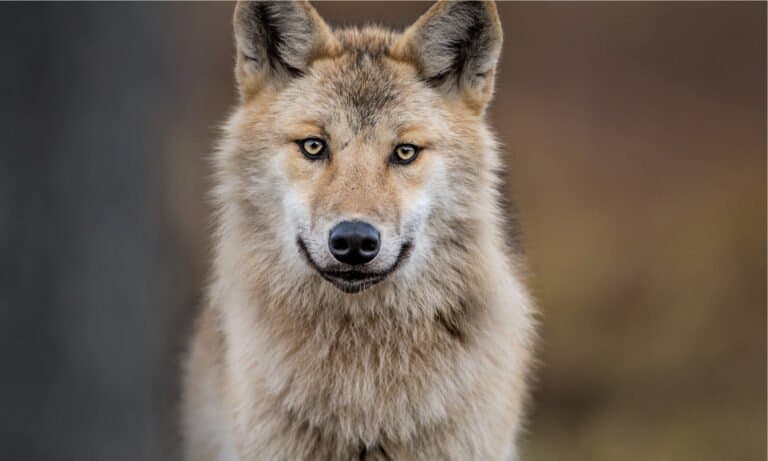
Perm Krai is where European Russia meets the western slopes of the Urals. It has large taiga forests, peatlands, and many rivers in the upper Kama basin, including the Vishera, Chusovaya, and Sylva. This mix of forest, mountains, and rivers supports moose, brown bear, wolf, forest grouse, and raptors that use big river valleys. Its rivers have rich freshwater life, including salmonids and other large-river fish. Large protected areas, such as Vishersky and Basegi Nature Reserves, help keep the taiga more intact than much of European Russia.

≈60-75 species Mammals
≈240-300 species (many migratory; fewer are regular breeders) Birds
≈5-7 species Reptiles
≈7-10 species Amphibians
≈40-60 species (river and reservoir systems of the Kama basin) Fish
Examples

Iconic Species

Eurasian Brown Bear A hallmark of Perm's taiga wilderness; tracks and signs are widespread in remote forest and mountain-river landscapes, especially near large protected areas.
Moose
Moose One of the most characteristic large mammals of the Kama basin's wetlands and young forests; frequently encountered along forest roads, river floodplains, and cutovers.
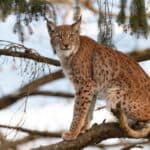
Eurasian Lynx
Eurasian Lynx A flagship predator of mature taiga; elusive but strongly associated with Perm Krai's extensive forest tracts and healthy hare/ungulate prey base.
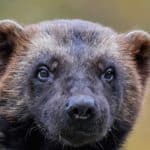
Wolverine
Wolverine A northern-taiga icon and a sought-after sighting in the most remote parts of the region; its presence signals large, low-disturbance landscapes.
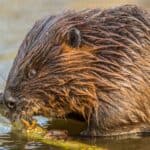
Eurasian Beaver
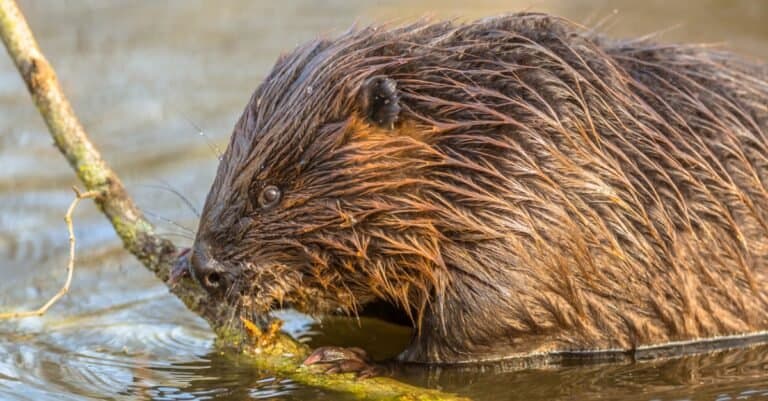
Eurasian Beaver Highly visible ecosystem engineer in tributaries of the Kama; dams, canals, and lodges are common features of many forested rivers and streams.
Western Capercaillie A defining taiga bird; spring lekking and old conifer forest habitat make it emblematic of Perm's boreal woodland wildlife experience.
Black Grouse Common in forest edges, bogs, and early-successional habitats; well-known for its communal spring displays.
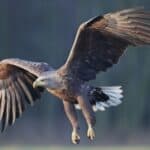
White-tailed Eagle
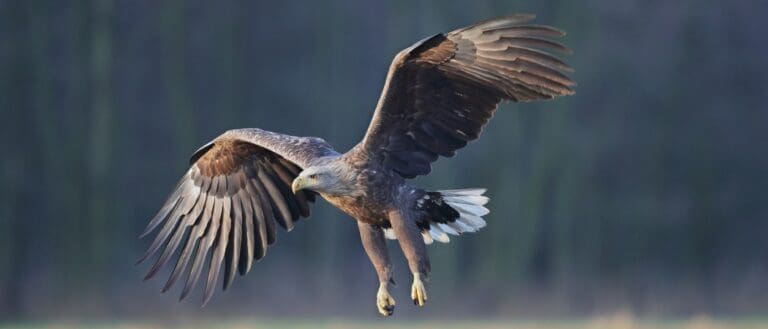
White-tailed Eagle A flagship raptor of major waterways and reservoirs; often associated with the Kama River system where large fish and waterfowl are available.
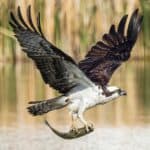
Osprey
Osprey A conspicuous fish-eater of clear rivers and lakes; a classic species to watch along the Vishera and other larger tributaries.
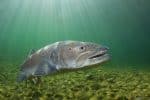
Siberian Taimen
Siberian Taimen A legendary large salmonid of cold, fast-flowing Ural rivers; defines the 'wild river' fishing-and-conservation identity of parts of northern Perm Krai.

Endemic & Rare Species

European Mink

Mustela lutreola

Critically Endangered (global); extremely rare/possibly remnant occurrences regionally where suitable riparian habitat remains

Historically tied to forest rivers and wetlands; its collapse is closely linked to habitat pressures and competition from introduced American mink, making any remaining populations conservation-significant.

Russian Desman

Desmana moschata

Vulnerable (global) and locally rare; dependent on quiet water bodies with stable banks

A distinctive semi-aquatic insectivore of floodplain lakes/oxbows and slow channels; where present, it indicates relatively intact riverine-wetland systems.

Siberian Flying Squirrel

Pteromys volans

Regionally rare in parts of European Russia; sensitive to loss/fragmentation of mature mixed forests

An emblematic old-forest species near the western edge of its broader boreal distribution; tied to mature spruce-fir and mixed stands with cavities.

Siberian Taimen

Hucho taimen

Vulnerable (global) and declining in many river systems

A top predator of cold rivers; threatened by overharvest, poaching, and habitat alteration-making well-protected Ural tributaries especially important.

Sterlet

Acipenser ruthenus

Vulnerable (global); reduced in many large rivers due to regulation and fishing pressure

A hallmark sturgeon of big river basins; historically associated with the Kama/Volga system, now of heightened conservation concern where it persists.

Golden Eagle

Aquila chrysaetos

Locally uncommon; protected in many regions due to low densities and disturbance sensitivity

A wide-ranging raptor tied to remote forests, cliffs, and open uplands; sightings are associated with the least disturbed Ural landscapes.

Notable Populations

  • Large, relatively intact taiga predator-ungulate systems (brown bear, wolf, lynx, moose) supported by extensive forest cover and major protected areas (e.g., Vishersky and Basegi reserves).
  • Forest grouse assemblages (capercaillie and black grouse) characteristic of boreal Eurasia, with strongholds in mature conifer stands and bog-forest mosaics.
  • River-raptor concentrations along major waterways (white-tailed eagle and osprey) where fish resources and nesting trees/cliffs persist.
  • Cold-water river habitats in the northern/Urals portion of the region that remain important for salmonids, including taimen, where fishing pressure is controlled.

Recent Changes

  • Recovery/expansion of Eurasian beaver in many river catchments following long-term protection and reduced trapping pressure (with local fluctuations tied to habitat and management).
  • Ongoing declines and fragmentation of sensitive large-river fish (notably sturgeons/sterlet in regulated or heavily fished reaches), with local conservation measures influencing where populations persist.
  • Taimen pressures persist in parts of the Kama tributaries due to poaching and angling mortality; catch-and-release rules and protected reaches (where implemented) can stabilize local stocks.
  • Climate variability and milder winters have supported periodic northward movement or increased wintering of some generalist species (and, conversely, can stress cold-adapted communities in southern parts of the region).
  • Wild boar numbers in many parts of European Russia have shown boom-bust dynamics in recent years, with sharp declines in some areas linked to African swine fever management; local patterns can vary by district and year.
Visit

Wildlife Viewing

Perm Krai offers classic taiga wildlife viewing in dark conifer forests, upper Kama wetlands, and western Ural slopes. See elk and roe deer at forest edges, beavers and otters on slow rivers, capercaillie and hazel grouse in pine woods, and strong spring/fall bird migration along the Kama. Travel by river, walks, snow tracks, and watching at dawn or dusk.

Best Seasons

Spring (late April-May)

Peak bird activity as rivers open and migrants arrive; excellent dawn chorus and display behavior (grouse and woodpeckers). Ice breakup on the Kama and tributaries can concentrate waterfowl. Best for birding, beaver/otter sightings at dusk, and fresh tracks on muddy forest roads.

Summer (June-August)

Long daylight for river-based wildlife watching, wetland birding, and beaver/otter evenings. Good time for butterflies/dragonflies and general forest mammals (often seen at water). Expect dense vegetation (harder spotting) but strong chances around river bends, oxbows, and marsh edges.

Autumn (September-October)

Prime big-mammal season: rut activity for elk (moose) increases encounters; leaf drop improves visibility. Strong raptor and waterfowl passage along rivers. Photogenic taiga colors; crisp mornings ideal for tracking and listening for elk calls near boggy forest complexes.

Winter (November-March)

Best for snow-tracking and reading the forest: clear prints of hare, fox, wolf (rare), lynx (rare), and ungulates. Easier to spot mammals along packed roads and river corridors; great for quieter forest walks and night listening. Cold and deep snow require proper gear and local guidance.

Top Wildlife Experiences

  • Dawn birding and wetland scanning along the Kama River floodplain near Perm and downstream reservoirs: look for migrating waterfowl in spring/autumn, and raptors cruising river edges.
  • Evening beaver-watching by quiet tributaries and oxbow lakes of the upper Kama basin: choose a spot with fresh gnaw marks and lodges; arrive 1-2 hours before sunset and stay still.
  • Taiga grouse quest in pine-spruce forests (capercaillie, black grouse, hazel grouse): early-morning walks along forest tracks and bog margins; listen for drumming/display and keep disturbance minimal.
  • Autumn elk (moose) rut listening and tracking in mixed forest-bog mosaics on the western Ural foothills: guided walks at dawn/dusk focusing on calls, fresh sign, and safe observation from clearings.
  • River-journey wildlife photography on the Chusovaya River corridor: float or hike sections to combine cliff-and-river scenery with chances for birds of prey, passerines, and mammals coming to water.
  • Winter snow-track safari on forest roads in taiga landscapes: learn to identify tracks and trails of hare, fox, martens, and ungulates; combine with hot-tea stops and short interpretive loops.
  • Night sound walk (late spring-summer) near forest wetlands: listen for owls, snipe display, frogs, and nocturnal mammals; pair with a short red-light spotlighting session only where permitted and ethical.

Wildlife Watching Types

Taiga mammal watching (elk/moose, roe deer, fox, hare; occasional wolf/lynx sign) Beaver and river-otter style riparian watching (best at dusk/dawn) Birding hotspots along major rivers and reservoirs (waterfowl, waders, gulls/terns depending on site) Forest birding (woodpeckers, crossbills, thrushes, grouse) Raptor watching along river valleys and open bog/edge habitats (migration periods best) Winter tracking and spoor identification (snow-based wildlife interpretation) Nature photography-focused excursions (river corridors, bogs, taiga edges)

Guided Options

  • Local nature guides in Perm offering Kama floodplain birding walks and seasonal migration day trips (best arranged through Perm-based eco-tour operators).
  • Chusovaya River guided rafting/trek combinations that include wildlife interpretation (birds of prey, riparian mammals, track reading on shore).
  • Winter snowshoe or ski-based tracking tours in taiga areas led by regional outdoor clubs/nature guides (often customizable for photography).
  • National park / protected-area visitor programs in the region (when available) featuring ranger-led walks, educational trails, and seasonal wildlife talks-check current access rules and permits before planning.
  • Specialized birding guides (spring/autumn) focusing on river corridors and wetlands-ideal for visitors wanting target species and early/late-day logistics.
  • Beaver-focused evening hides/quiet-wait sessions arranged by local guides near suitable tributaries (site selection based on recent activity).
Habitats

Ecosystems

Perm Krai lies on the western slopes of the Ural Mountains and in the upper Kama River basin. Taiga (boreal) forests are the main forests, shifting south into mixed/hemiboreal and some temperate broadleaf stands. Elevation makes montane forests and small alpine/subalpine areas. The Kama River and reservoirs form freshwater corridors, floodplains, and peatlands with rich wetland and riparian life.

Biomes

Boreal Forest (Taiga)

Extensive taiga forests of spruce, fir, pine and birch dominate most of the Kama basin lowlands and foothills, supporting boreal mammals and birds typical of the Ural-taiga transition.

Dominant across the krai (~70-80%), especially central and northern areas

Temperate Forest

Mixed and more broadleaf-influenced forests occur toward the south and southwest (hemiboreal/temperate transition), often with higher deciduous components and richer understories.

Patchy but significant in the south/southwest (~10-20%)

Alpine

Upper-elevation belts in the Ural Mountains include subalpine open woodlands, mountain meadows, and treeline communities transitioning to tundra-like alpine vegetation on exposed ridges.

Localized to higher Ural ridges and peaks (generally <5%)

Freshwater

Large river systems (notably the Kama and major tributaries) and reservoirs provide major lotic and lentic habitats, including oxbows, backwaters, and riparian corridors.

Widespread along the Kama basin; concentrated in river valleys and reservoir zones (~2-5% area but highly connected)

Wetland

Peatlands (bogs/fens), floodplain marshes, and forested wetlands occur in lowland depressions and along river floodplains, important for water regulation and breeding habitat.

Scattered across lowlands and river valleys; locally extensive in peatland complexes (~3-8%)

Habitats

Forest

Landscape-scale forest matrix dominated by taiga, with extensive managed and intact tracts forming the core terrestrial habitat.

Coniferous Forest

Spruce-fir and pine-dominated stands typical of taiga; important for capercaillie, owls, and large carnivore prey bases.

Deciduous Forest

Birch/aspen and mixed deciduous stands, often post-disturbance or on warmer/southern sites, increasing toward the south.

Woodland

Open or transitional stands at forest edges, on poorer soils, and in subalpine zones near treeline.

Grassland

River meadows, hayfields, and forest openings; more frequent in southern districts and broad floodplains.

Shrubland

Willow/alder shrub thickets on floodplains and subalpine shrub communities on exposed mountain slopes.

Mountain

Ural foothills and mountain landscapes with strong elevational zonation, including montane forests and ridge-top communities.

Alpine Meadow

Subalpine and alpine meadow patches on higher Ural slopes and ridgelines during the short growing season.

Cliff/Rocky Outcrop

Rock outcrops and steep riverbank escarpments in the Urals and along some river valleys, providing niche habitats for cliff flora and nesting birds.

Cave

Karst systems, notably the Kungur Ice Cave area and other Ural karst features, supporting specialized subterranean microhabitats.

River/Stream

Kama River and major tributaries forming the main ecological corridors, with riffles, backwaters, and riparian forests.

Lake

Reservoir-lakes and natural lakes/oxbow lakes in the Kama basin (including large impoundments associated with the Kama system).

Pond

Small oxbows, floodplain ponds, and man-made ponds supporting amphibians and aquatic plants.

Wetland

Floodplain wetlands and forested wetland mosaics tied to seasonal inundation regimes.

Bog

Peat bogs and peatland complexes in lowland depressions; key carbon stores and habitat for bog-specialist plants and birds.

Marsh

Reed/sedge marshes along slow-flowing river sections, backwaters, and reservoir margins.

Swamp

Forested swamps and waterlogged stands (often alder/birch/spruce) in poorly drained flats and valley bottoms.

Agricultural/Farmland

Cultivated lands and hay meadows concentrated in more southern and accessible lowland areas, creating forest-field mosaics.

Urban

Urban/industrial habitats around Perm and other towns, influencing river corridors and nearby forests via fragmentation and pollution pressures.

Ecoregions

East European taiga Sarmatic mixed forests Ural montane forests and tundra
Protection

Conservation

Primary Threats

  • Industrial clear-cutting and road building fragment mature spruce-fir and pine taiga, simplify forest structure, and reduce old-growth habitat needed by sensitive forest birds and mammals; associated skid trails increase erosion into tributaries of the Kama.
  • Extraction of potassium salts, coal, metals and construction materials in the Urals foothills and river valleys causes direct habitat loss, tailings/overburden impacts, and localized water contamination; mine-related infrastructure expands into previously remote taiga.
  • Legacy and ongoing industrial discharges in the Kama basin (including petrochemical/industrial centers) plus urban wastewater and storm runoff degrade water quality, affecting fish spawning grounds and riverine wetlands; accidental spills from oil/gas infrastructure are a periodic risk.
  • Expansion of forest roads, pipelines, power lines and transport corridors increases access (driving poaching/illegal logging), fragments habitats, and creates collision/electrocution risks for large birds (e.g., eagles, storks).
  • Conversion and degradation of riparian forests, floodplain meadows and wetlands along the Kama and major tributaries reduce nesting/foraging areas for rare birds and diminish natural flood buffering; quarrying and shoreline development add pressure near settlements.
  • River regulation in the Kama basin (reservoir operation, bank reinforcement, channel works) alters flow, temperature and sediment regimes, affecting floodplain wetlands and fish reproduction; forestry drainage/ditching in some areas lowers wetland water tables.
  • Warming and changing snow/ice regimes shift taiga composition, increase winter-thaw events that affect ungulate survival and predator-prey dynamics, and raise wildfire and pest outbreak risk; hydrological changes affect spring flooding that sustains floodplain habitats.
  • Legal hunting pressure combined with illegal take can depress local populations of large mammals (e.g., wild reindeer in northern mountain-taiga, where present) and sensitive predators; snares and unregulated access along logging roads are a recurring issue.
  • Growing nature tourism, off-road vehicle use, and recreation around karst caves, river canyons (e.g., Chusovaya) and protected-area buffer zones disturb nesting birds and trample riparian vegetation; noise and campfires increase local fire risk.
  • Replacement of the European mink by the invasive American mink along rivers and wetlands reduces native mustelid persistence; non-native plants spread along transport corridors and disturbed riverbanks.
  • Forest pest outbreaks (often climate-amplified) and diseases in wildlife populations can cause localized declines; disease risks rise where supplemental feeding/aggregations occur near settlements or where domestic animals interface with wildlife.
  • Overharvest/unsustainable take of high-value biological resources (selective illegal timber, localized overfishing in accessible river reaches) reduces ecosystem resilience and can degrade age structure of forests and fish populations.
Fun Facts

Did You Know?

The Chusovaya River crosses the Ural Mountains, flowing from Asia to Europe. Its valley forms a passage that lets animals from both continents live together in Perm Krai despite the Europe–Asia divide.

Taimen aren't just big fish-they can be extremely long-lived (often cited at multiple decades) and are sensitive to river fragmentation; intact, cold tributaries in the upper Kama basin matter disproportionately for keeping these "river old-timers" on the landscape.

Siberian stone pine (Pinus sibirica) reaches its western natural limit on the Ural slopes, including in Perm Krai; birds like the spotted nutcracker effectively act as forest planters by caching (and forgetting) seeds, shaping where pine regeneration succeeds.

Beavers in taiga rivers build dams that make chains of wetlands. In the upper Kama basin, their dams often increase amphibian breeding sites and feeding areas for wading birds by turning narrow streams into open water, sedge, and flooded shrubs.

The Vishera River system (a major Kama tributary) is a European-Ural key place for taimen (Hucho taimen), the world's largest salmonid, often over 1.5 m and a top predator in cold, fast rivers.

Vishera State Nature Reserve (~2,412 km²) is among the largest strict nature reserves in European Russia, protecting a vast, near-roadless block of dark-conifer taiga that can support wide-ranging mammals such as brown bear, wolf, and (in the Northern Urals) wolverine.

Perm Krai lies on the western slopes of the Urals, where Siberian taiga species (Siberian jay, Siberian tit) are found unusually far west and live alongside typical European forest species.

In the Kama basin, you're in the headwaters of the Kama River-hydrologically the largest tributary of the Volga-so local floodplains and backwaters support some of the most extensive riverine habitats in the western Urals for fish and waterbirds.

Thank you for reading! Have some feedback for us?