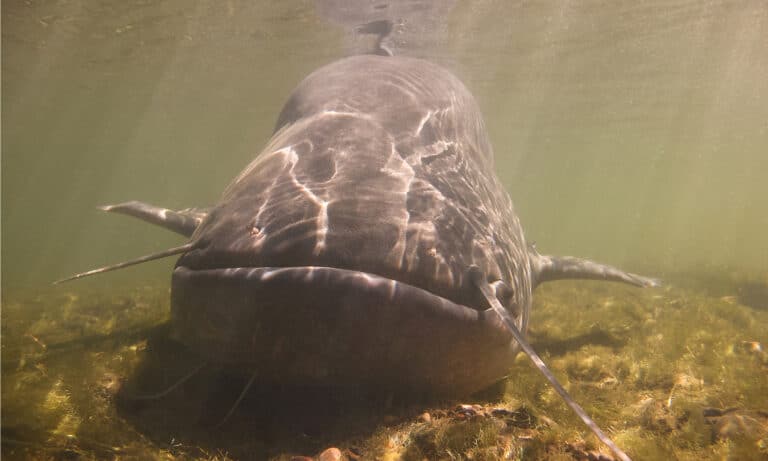
Wels Catfish
The whiskered giant of Eurasian rivers

The whiskered giant of Eurasian rivers
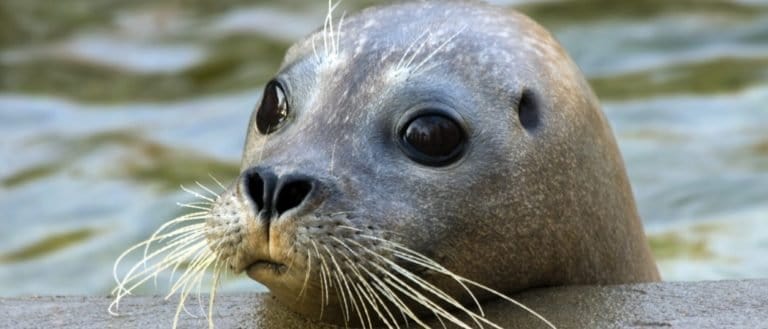
No ears. Big whiskers. Coastal pro.
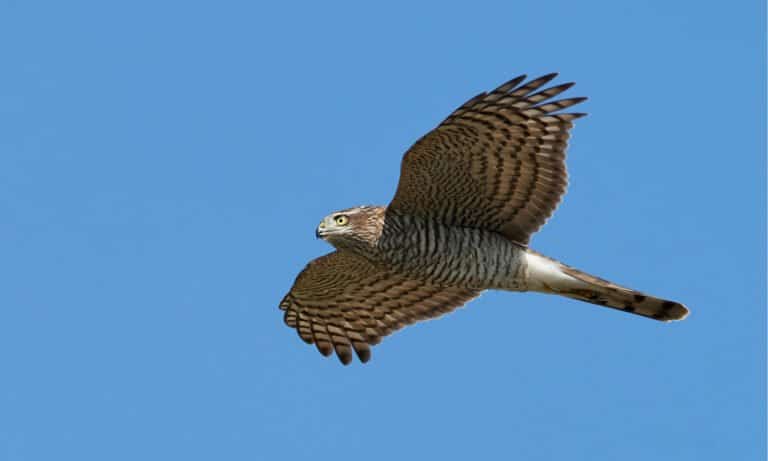
The woodland sprinter with a long tail
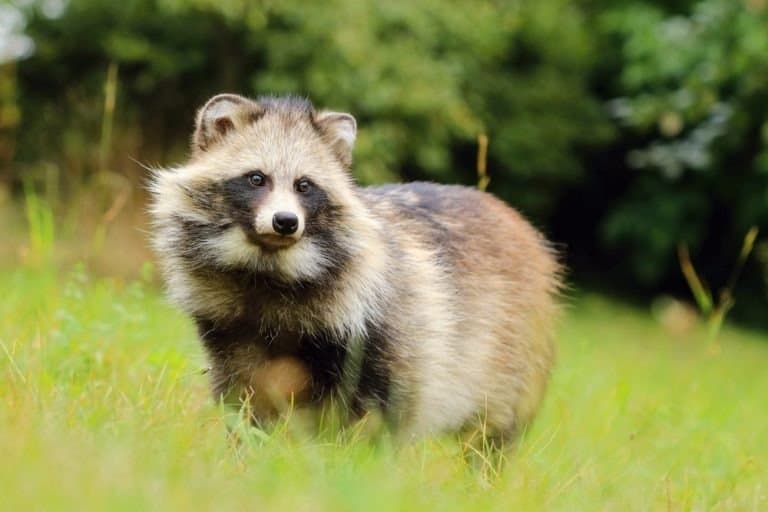
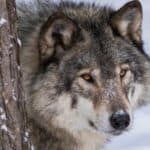
Masked canid, master of winter torpor
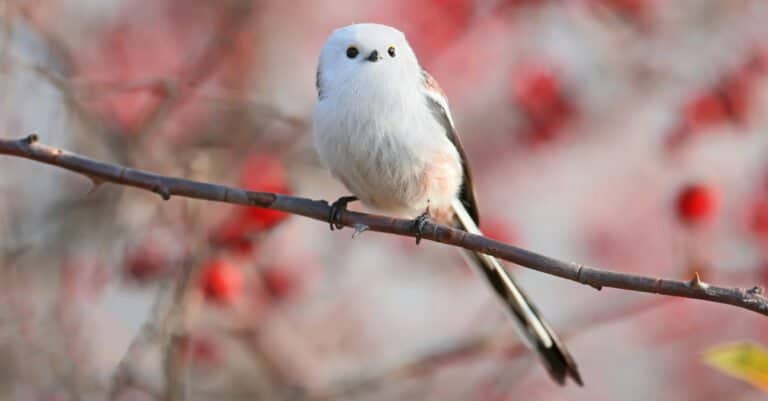
Long tail, tight flock, big personality
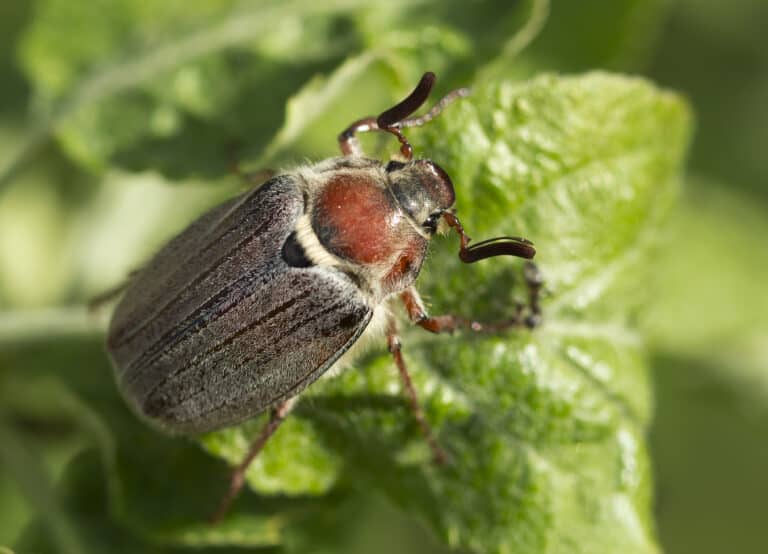
Spring's buzzing May flyer
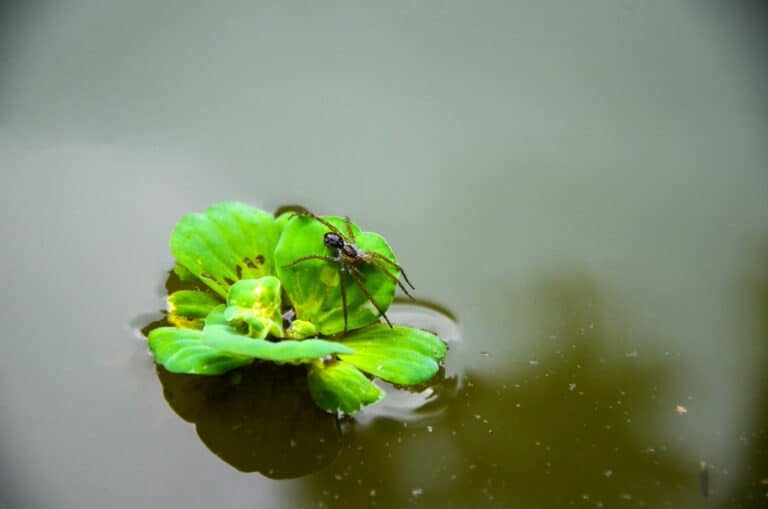
The spider that lives in a bubble
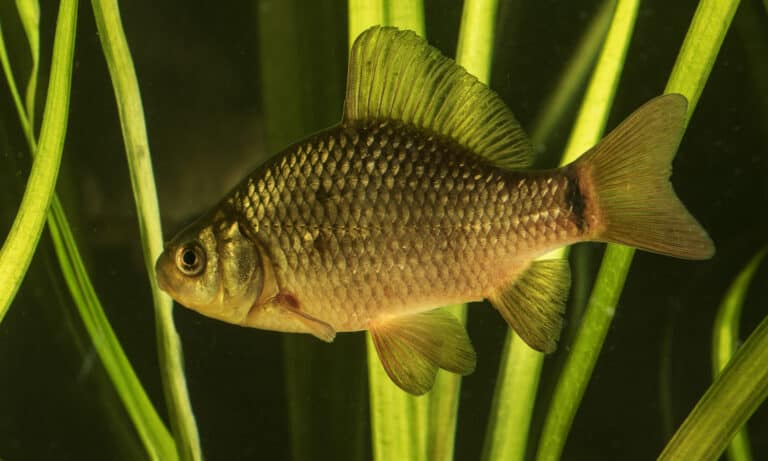
The ethanol-brewing survivor carp
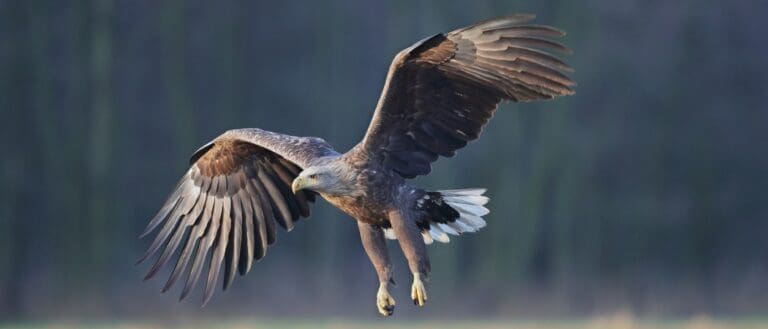
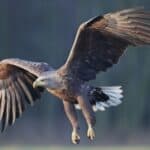
Wedge-tailed ruler of northern waters
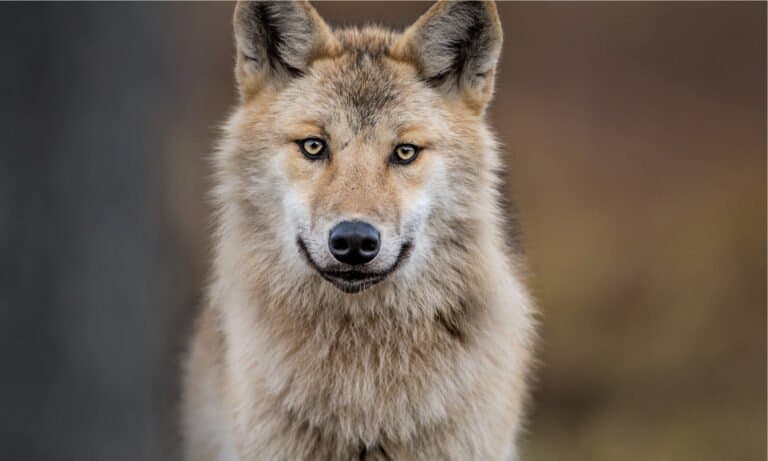
Wild Europe's original pack hunter
Leningrad Oblast is a northwestern taiga-and-water region: dark spruce and pine forests, wide peat bogs, and many rivers and lakes around Europe’s largest lake, Ladoga. This mix supports moose, brown bear, wolf and Eurasian lynx, and its wetlands and coastal shallows are important for large bird migrations and breeding waterfowl. The oblast has three main parts: boreal forest patches with old trees and waterways shaped by beavers; wide mires and marshes that host cranes, grouse and owls and store carbon; and large fresh and brackish systems—Lake Ladoga, the Neva‑Ladoga‑Volkhov‑Svir rivers and the Gulf of Finland—that serve as feeding and stopover routes for seabirds, geese, swans and raptors. Reserves such as Nizhnesvirsky and the Kurgalsky Peninsula protect key breeding and stopover sites. Wildlife here is special because taiga, freshwater and the Baltic coast meet near Saint Petersburg; you can hear bog cranes, track forest mammals and take seal trips.
Leningrad Oblast sits in Russia's lowland northwest, with boreal forest, peatlands, and many rivers and lakes forming a habitat mix. Between the Gulf of Finland and the Lake Ladoga basin, plus the Karelian Isthmus and upland ridges, it supports large mammals (moose, brown bear), forest animals, and key stopover and breeding areas for migrating birds along wetlands and coasts.
Sea level along the Gulf of Finland to ~291 m in upland areas (e.g., Vepsian Upland/Tikhvin Ridge zones), creating mostly lowland habitat gradients with localized upland forest-bog variation
Baltic Sea coastline on the Gulf of Finland, plus extensive freshwater shorelines along Lake Ladoga and the Neva Bay-river delta system
Leningrad Oblast has federal protected areas (a strict nature reserve and federal wildlife sanctuaries) plus regional sites like nature parks, wildlife sanctuaries, and nature monuments. They protect boreal forests, peatlands, wetlands, and coastal and freshwater habitats along the Gulf of Finland and Lake Ladoga, key stops on Baltic–Arctic bird routes. Management varies from strict cores to multi-use buffers.
~7-9% of the oblast's land area under some form of protected status (strictly protected core areas are a smaller subset).
Large, relatively wild taiga and lake district on the Vepsian Upland with extensive old forest patches, mires, and low human density-strong for large mammals and boreal forest birds.
River canyon habitats with waterfalls, mixed forests, and cave systems; notable locally for bat hibernation sites and riparian birdlife compared with surrounding developed areas near St. Petersburg.
Karelian Isthmus lake-and-forest landscapes supporting breeding waterbirds and boreal forest fauna; valued for relatively intact shorelines, nesting raptors, and beaver-modified wetlands.
One of the most important Baltic coastal conservation sites in the region: dunes, coastal meadows, reedbeds, lagoons, and nearshore waters used by migrating birds and seals. Particularly strong for spring/autumn birding and coastal biodiversity.
A vast raised-bog and fen complex with open mires, pools, and sparse pine stands-excellent for cranes, bog-specialist birds, and large carnivores; also a key carbon- and water-regulating landscape.
A Karelian Isthmus wetland-lake system important for breeding and staging waterfowl, with reedbeds and quiet bays that concentrate birds during migration.
Large forest-mire landscapes in the western part of the oblast, supporting taiga mammals and sensitive forest birds; valuable as a relatively undisturbed interior habitat block.
Leningrad Oblast sits at the junction of boreal (taiga) forests, vast peatland/wetland systems, and two major aquatic worlds: the Gulf of Finland (Baltic Sea) and the Lake Ladoga basin. This mix creates a high-diversity wildlife experience defined by large forest mammals (moose, bear, wolf), rich wetland and coastal birdlife on major migration routes, and distinctive freshwater/coastal fauna including seals and salmonid fish. Many of the most notable species are tied to shoreline habitats, archipelagos, reedbeds, and river corridors feeding Ladoga and the Baltic.

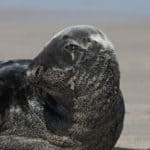
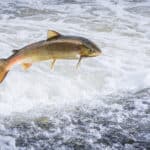
Leningrad Oblast, near Saint Petersburg, has boreal taiga forests, big peat bogs and wetlands, the Gulf of Finland coast, and Lake Ladoga. It lies on Baltic and White Sea bird flyways. You can find moose and brown bears (mainly remote), the Ladoga ringed seal, and Baltic grey seals. Try boat seal and bird trips, forest walks, and shore birding.
Peak migration and "big bird" season: huge movements of geese, swans, ducks, gulls, and raptors along the Gulf of Finland and across wetlands. Forests come alive with woodpeckers, owls (early spring), and singing passerines. Best for birding spectacles, but plan for muddy trails, variable weather, and insects starting late May.
Breeding season in wetlands and forest: divers/loons, waders, terns, and warblers; excellent dawn/dusk mammal chances (moose, beaver). Lake Ladoga and gulf boat trips are at their easiest. Expect long daylight, warm evenings, and heavy mosquitoes/gnats in boggy areas-bring head nets and repellent.
Second major migration pulse, often with dramatic coastal bird movement (ducks, geese, swans, and raptors). Forest color and clearer air make long walks pleasant; insects drop off. Great time for track-finding and photographing mammals at forest edges and wetlands.
A quiet, atmospheric season for taiga wildlife signs: snowshoe/ski outings to look for tracks (hare, fox, wolf in remote areas), and chances for northern owls and winter finches. Coastal areas may be icy and windy; daylight is short, but conditions can be excellent for crisp wildlife photography.
Leningrad Oblast in northwest Russia sits between Scandinavian taiga and temperate mixed forests. Its glaciated land, large peatlands, and many lakes and rivers create high ecosystem diversity. It has vast boreal forests, Lake Ladoga, rivers (Neva, Volkhov, Luga, Vuoksi), and a brackish Gulf of Finland coast important as a migratory-bird corridor and fish spawning/feeding area.
Taiga-dominated landscapes of spruce and pine with birch/aspen succession, shaped by glacial tills, rocky ridges, and frequent wetland-forest mosaics; supports large mammals and forest bird communities typical of northern Europe and NW Russia.
Dominant across most of the oblast (especially north/central and the Karelian Isthmus).
More mixed and broadleaf-influenced forest communities (e.g., mixed spruce-birch and richer deciduous patches) on comparatively fertile soils, especially toward the south and southwest where climate is slightly milder.
Patchy; most common in the southern and southwestern parts and in richer river valleys.
Large lakes, river corridors, and littoral zones (Lake Ladoga, Neva system, Vuoksi and Volkhov basins) supporting aquatic plants, fish spawning grounds, and waterbird habitats.
Widespread and highly influential; concentrated around Lake Ladoga and major river basins.
Extensive peatlands (raised bogs, fens, wet conifer swamps, and marshy lake/river margins) that store carbon and provide key breeding/stopover habitat for migratory birds.
Very extensive across lowlands throughout the oblast; especially common in poorly drained areas and lake/river plains.
Brackish Baltic coastal ecosystems of the Gulf of Finland, including shallow bays, coastal reedbeds, and nearshore seabed habitats affected by seasonal ice and strong human influence near ports and shipping routes.
A continuous coastal strip along the Gulf of Finland and Neva Bay; nearshore zone most ecologically significant.
Broad taiga forest matrix with strong fragmentation near Saint Petersburg's periphery and major transport corridors; large intact blocks remain away from urban centers.
Pine-dominated forests on sandy outwash plains and spruce forests on moister, more fertile sites; common on the Karelian Isthmus and across central/northern areas.
Birch and aspen stands (often post-disturbance/successional), plus locally richer deciduous patches in southern areas and river valleys.
Open, transitional forest-shrub mosaics around peatland edges, lakeshores, and managed landscapes.
Willow/alder shrubs along river margins and wetland edges; also heather-like dwarf shrub layers in bog complexes.
Semi-natural meadows and managed hayfields/pastures, often in river valleys and around settlements; important for local biodiversity where not converted or abandoned.
Large wetland complexes combining bogs, fens, wet meadows, and forested wetlands; crucial for cranes, geese, ducks, and other migratory birds.
Raised peat bogs with sphagnum, dwarf shrubs, and scattered stunted pines; common in lowland depressions and poorly drained plains.
Reedbeds and sedge marshes along lake/river margins and in shallow coastal lagoons/bays, including parts of the Gulf of Finland littoral zone.
Forested wetlands (often alder and wet spruce) along floodplains and in waterlogged basins; locally extensive where drainage is minimal.
Lake Ladoga's littoral habitats (reedbeds, rocky shores, bays) plus numerous smaller glacial lakes and lake chains, especially on the Karelian Isthmus.
Major river corridors (Neva, Volkhov, Luga, Vuoksi) with floodplain wetlands, riparian forests, and migratory fish habitats; heavily modified in places by dams/embankments and navigation.
Small natural ponds and human-made waterbodies (peat cuttings, gravel pits, reservoirs) that add amphibian and waterfowl habitat.
Neva Bay and adjacent coastal mixing zones where riverine freshwater meets brackish Gulf of Finland waters; important for fish, waterbirds, and coastal marsh systems.
Gulf of Finland shoreline with shallow bays, spits, coastal wetlands, and nearshore islands; seasonal ice strongly influences habitat dynamics.
Sandy and mixed-sediment beaches along parts of the Gulf of Finland and some large-lake shores, often adjacent to dunes or coastal pine forests.
Rocky and boulder shores, especially around parts of Lake Ladoga and some coastal/island sections influenced by glacial geology.
Exposed brackish waters offshore in the Gulf of Finland (ecologically distinct from nearshore reedbeds and bays), used by seabirds and supporting pelagic fish communities.
Baltic seabed habitats (soft sediments and harder substrates) supporting benthic communities; affected locally by eutrophication, shipping, and coastal development.
Dense urban/industrial land near the Saint Petersburg agglomeration fringe and key towns/ports; strong impacts on nearby rivers and coastal waters.
Rapidly changing peri-urban landscapes with mixed housing, dachas, and fragmented forests/wetlands around Saint Petersburg's surrounding districts.
Croplands and pasture/hay meadows, more common in the south and southwest; interspersed with forest patches, drainage canals, and small wetlands.
A "seal in a lake" here isn't a myth: Ladoga ringed seals live their entire lives in freshwater and still use ringed-seal behavior-like maintaining breathing holes and using snow/ice shelter in winter-despite being hundreds of kilometers from the ocean.
In Leningrad Oblast, Arctic-style ice-breeding by gray seals and ringed seals can happen near major bird migration routes because the Gulf of Finland ice edge and Lake Ladoga ice sit close to urban and industrial areas.
Leningrad Oblast lies on a Baltic migration funnel. In spring and autumn, counts along the Gulf of Finland coast and Ladoga-Neva wetlands can reach tens of thousands of moving waterbirds (geese, swans, ducks) in a day.
Lake Ladoga's huge size creates near-"inland sea" conditions (large waves, long shorelines, extensive skerry archipelagos), which helps explain why a seal subspecies could persist there after isolation from marine ancestors following post-glacial land uplift.
On the Gulf of Finland coast in Leningrad Oblast you can see gray seals and taiga animals like moose on the same trip, because boreal forest, raised bogs, river deltas and coastal skerries are closely mixed.
Lake Ladoga (part of Leningrad Oblast) is the largest freshwater lake in Europe (~17,700 km²), and it's one of the very few European waters that still supports a native seal population (the Ladoga ringed seal).
Lake Ladoga hosts one of only two fully landlocked (freshwater) ringed seal populations on Earth: the Ladoga ringed seal (Pusa hispida ladogensis). The only other landlocked ringed seal is the Saimaa ringed seal in Finland.
By latitude, the Ladoga ringed seal is among the southernmost ringed seals in the world: Lake Ladoga lies roughly ~60.5-61.9°N, far south of the species' main Arctic range.
In Russia, the Baltic gray seal (Halichoerus grypus) breeds/pupps primarily on the skerries and small islands of the eastern Gulf of Finland-making the coastal/island habitats of Leningrad Oblast disproportionately important for the country's Baltic gray seal reproduction.
Lindulovskaya Larch Grove near Roshchino in Leningrad Oblast is often called Russia's oldest large larch plantation, started in the 18th century for shipbuilding, now a mature conifer forest refuge for boreal wildlife, especially woodpeckers and owls.
50 species documented in our encyclopedia
Thank you for reading! Have some feedback for us?
We appreciate your help in improving our content.
Our editorial team will review your suggestions and make any necessary updates.
There was an error submitting your feedback. Please try again.