
Wildlife of
Mordovija
About Mordovija
The Republic of Mordovia lies in the forest-steppe of European Russia, where mixed broadleaf forests meet open fields and meadows. This patchwork makes a boundary zone where forest animals, grassland birds, and wetland species live close together. Mordovia's nature is seen in its strong woodlands, quiet river corridors, and seasonal waves of migration and breeding across many habitat patches. Key ecosystems are oak, lime, and birch forests; riverbank woods and meadows along floodplains; and wide farm areas that create edges favored by many animals. Rivers, oxbows (old river bends), and small wetlands are hotspots of wildlife that support frogs, waterbirds, and mammals needing thick cover and steady water. Compared with more built-up neighbors, Mordovia lets you go quickly from town to calm woods and rivers and see both woodland and open-country wildlife in one day.
Geography
Mordovia lies on the low, rolling East European Plain in the forest-steppe belt of European Russia. Mixed broadleaf forests, pine stands, river floodplains, wetlands, and farmed fields form a patchwork of habitats. Forest species live in larger woods and riparian (river) corridors, while open-country and edge species use farms and meadows.
Elevation Range
~80 to ~330 m (low plains to gentle uplands; modest relief but important for local wetland vs. dry-forest distribution)
Key Landscapes
Protected Areas
Mordovia's protected areas center on two federal sites—a strict nature reserve and a national park—plus regional wildlife refuges and small nature monuments protecting river floodplains (Moksha, Insar, Alatyr basins), mixed oak-linden and pine forests on sandy terraces, wetlands, and forest-steppe remnants. They save mature broadleaf forest animals, river mammals (beaver, otter), and sensitive birds like raptors.
~7-9% of the republic's land area is under some form of protection (order-of-magnitude; strictly protected federal cores are ~2-3%).
National Parks & Preserves
Smolny National Park
~36,000 ha (approx.; commonly cited on the order of a few hundred km²)Large forest-and-river-valley protected massif in the forest-steppe zone, valued for intact mixed forests, wetland edges, and quiet breeding habitat for forest grouse and raptors; a key wildlife-viewing area for ungulates and riparian mammals.
State & Provincial Parks
Lake Inerka Nature Monument / Protected Landscape
Protected zone varies by designation; lake surface is on the order of tens of km² (plus shoreline buffers)Large lake and shoreline habitats supporting waterbirds, amphibians, and wetland-edge mammals; valuable as a local biodiversity hotspot and migration stopover in an agricultural matrix.
Moksha River Valley Protected Tracts (regional protected floodplain forests and meadows)
Typically several thousand ha across multiple sections (site-by-site)Riparian forests, oxbows, and floodplain meadows that function as movement corridors and breeding areas for semi-aquatic mammals and floodplain birds; especially important where surrounding land is intensively farmed.
Insar River Greenbelt / Valley Nature Monuments (regional)
Small-to-medium protected fragments (tens to hundreds of ha each, depending on the tract)Patchwork of wooded riverbanks, wet meadows, and ravines near populated areas; notable for maintaining breeding habitat for common forest birds and small carnivores while providing accessible wildlife viewing.
Wildlife Refuges
Mordovia State Nature Reserve (named after P. G. Smidovich)
321.62 km² (~32,162 ha)A federal-level strict nature reserve (IUCN Category Ia) in the Republic of Mordovia, established to protect and study natural forest ecosystems with minimal human disturbance.
Wilderness Areas
- Temnikovsky forest massif and adjoining quiet forest blocks around the Mordovia State Nature Reserve (core roadless forest landscapes)
- Large continuous forest tracts within and adjacent to Smolny National Park (mixed forest with limited settlement density)
- Upper Moksha floodplain backwaters and oxbow-lake complexes (seasonally roadless/wet access)
- Ravine-and-gully oakwood remnants across the forest-steppe belt (small but relatively undisturbed pockets)
Wildlife
The Republic of Mordovia lies in the forest-steppe of central European Russia. Mixed broadleaf and conifer patches (oak, birch, pine), river valleys like the Moksha–Sura basin, wetlands, and farmland make a varied landscape. This supports temperate wildlife: large forest hoofed animals and predators, river and wetland mammals like beavers and otters, and birds that mix forest species (grouse, woodpeckers, raptors) with open-country and floodplain specialists. Best wildlife viewing is in protected forests and river corridors, such as Mordovia State Nature Reserve and Smolny National Park.
Iconic Species
Endemic & Rare Species
Notable Populations
- Forest-steppe grouse (black grouse and, in better-protected pine/mixed forests, capercaillie) form regionally important breeding/display sites where large contiguous habitat remains.
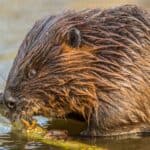
- Beaver-created wetland complexes along smaller tributaries and oxbows can be locally dense, shaping habitat for waterfowl, amphibians, and fish.
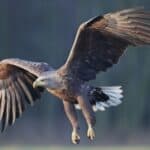
- River-corridor raptors (notably white-tailed eagle where established) represent nationally important recovery trends tied to improved protection and reduced persecution.
Recent Changes
- Recovery/expansion of Eurasian beaver compared with historical lows (a widespread European Russia pattern), increasing wetland habitat complexity.
- White-tailed eagle numbers and breeding attempts have generally improved in many parts of European Russia; Mordovia's larger waterbodies and river valleys increasingly support the species where disturbance is low.
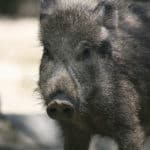
- Wild boar and roe deer have expanded in many forest-steppe landscapes due to mild winters and abundant agricultural food subsidies, though disease outbreaks (e.g., African swine fever in Russia) can cause sharp local declines in boar.
- Invasive/introduced carnivores (especially American mink, and locally raccoon dog) have continued to pressure native wetland fauna and can suppress sensitive species like European mink and some ground-nesting birds.
- Ongoing wetland drainage, river regulation, and shoreline disturbance have contributed to declines/instability in wetland specialists (e.g., desman where present, spotted eagles, some marsh birds).
- Agricultural intensification and mowing timing continue to depress some meadow/steppe-associated breeders (e.g., corncrake and other ground-nesters), while forest recovery in abandoned fields can benefit woodland species.
Wildlife Viewing
The Republic of Mordovia, around Saransk, lies in the forest-steppe of European Russia. Mixed broadleaf and pine woods, river valleys, wetlands and farm edges have elk (moose) and roe deer, wild boar, beaver and otter, and birds where floodplains and lakes meet fields and woods. Best for slow travel, early-morning or canoe watching and spring and autumn bird migration.
Best Seasons
Spring (April-May)
Peak bird activity: songbirds returning, woodpeckers drumming, raptors displaying, and waterfowl moving through river valleys and wetlands. Forest trails are lively but can be muddy; evenings and mornings are best for mammals. Expect variable weather (cold snaps are possible).
Summer (June-August)
Longest days for forest walks, canoeing, and beaver watching at dusk. Butterfly and dragonfly viewing is excellent around meadows and wet margins. Dense foliage can make large mammals harder to spot, but river corridors remain productive for birds (kingfishers, herons where present) and semi-aquatic mammals. Mosquitoes can be intense near water-plan headnets/repellent.
Autumn (September-October)
Arguably the best all-round season: comfortable temperatures, fewer insects, and improving visibility as leaves change and drop. Great for rutting/deer activity (timing varies), wild boar sign, and mixed flocks of migrating passerines. Dawn river mist + floodplain forests can be excellent for photography.
Winter (November-March)
Track-based wildlife viewing: following prints of hare, fox, and ungulates on snow; spotting wintering woodland birds at feeders and along conifer stands. Frozen rivers and quiet forests make for crisp, scenic outings, but days are short and temperatures can be severe-use a guide if unfamiliar with local conditions.
Top Wildlife Experiences
- Beaver-at-dusk river watch: choose a quiet bend on a small river or oxbow near forest edges; arrive 1-2 hours before sunset with binoculars and sit still for tail-slaps, lodge activity, and beaver feeding runs.
- Forest-steppe birding circuit: early-morning route linking meadow edges, shelterbelts, and mixed forest patches-listen for warblers and thrushes in spring, scan fields for raptors and corvid flocks in autumn.
- Dawn ungulate stakeout from a forest edge: position at a safe distance overlooking a glade or logging track intersection; best in September-October for increased movement and in winter for track-confirmed corridors.
- Wetland and floodplain photography walk: explore reedbeds/shallows and willow-alder edges in spring/autumn for waterfowl, waders (where present), and dramatic mist-light scenes-use a long lens and keep to firm banks.
- Canoe or packraft float (summer): slow, quiet paddling on calmer reaches to approach waterbirds and look for otter sign; plan exit points and local permissions/logistics in advance.
- Winter tracking day: hire a local guide to interpret snow tracks (fox, hare, roe deer, boar) and find feeding areas and bedding sites without disturbing animals; combine with hot-tea breaks and short, scenic loops.
- Night soundscape session (late spring-summer): from a safe roadside pull-off or meadow edge, listen for owls and nocturnal calls; pair with brief spotlighting only where legal and ethical (no prolonged lighting, no pursuit).
Wildlife Watching Types
Guided Options
- State nature reserve and national park programming in/near Mordovia: look for official visitor centers offering permitted trails, interpretive walks, and ranger-led excursions (availability is seasonal and often requires advance booking).
- Local birding guides and university naturalist groups based in Saransk: day trips for spring bird identification and migration monitoring, often tailored to skill level and transport needs.
- Licensed hunting-lease territories offering non-hunting wildlife observation hides: some managed areas maintain viewing towers/edge tracks-request wildlife-watching-only arrangements and ensure clear ethical guidelines.
- Eco-tours from Saransk (weekend format): mixed itinerary combining forest walks, floodplain stops, and evening beaver watching; best booked privately for flexible dawn/dusk timing.
- Winter tracking excursions with local outdoor clubs: guided ski or snowshoe routes focusing on safe navigation, track ID, and minimal disturbance practices.
Ecosystems
The Republic of Mordovia lies in the forest-steppe belt of European Russia, with a patchwork of mixed broadleaf forests, secondary woodlands, meadows and grasslands, and large farm fields. A dense river network (Moksha and Sura basins) adds riparian forests, floodplain wetlands, oxbows, and peaty lowlands. Biodiversity reflects the forest–steppe transition and strong human use: croplands, hay meadows, and settlements.
Biomes
Mixed broadleaf and mixed conifer-broadleaf forests (oak, linden, birch, aspen with pine/spruce locally), including mature stands and widespread secondary growth; important riparian forests along major rivers.
Widespread in patches and massifs; forms a large share of remaining natural cover, especially in less intensively farmed areas and protected sites.
Forest-steppe openings: dry and mesic meadows, hayfields, and steppe-like grasslands on well-drained soils and south-facing slopes; many areas are semi-natural or maintained by mowing/grazing.
Common across interfluves and around settlements; largely converted or managed as hay meadows and pasture with fragments of more natural grassland.
River-dominated freshwater systems with tributaries, oxbow lakes, ponds/reservoirs, and small lakes; supports aquatic macrophytes, fish communities, and riparian corridors.
Region-wide along the Moksha/Sura drainage network; small waterbodies are numerous but individually small.
Floodplain wetlands (seasonally inundated meadows, backwaters), marshy depressions, and localized peat-forming boggy areas; important for amphibians, waterfowl, and nutrient cycling.
Concentrated in river floodplains and low-lying depressions; generally limited in area compared with forests/agriculture but ecologically significant.
Habitats
Mosaic of mixed forests and secondary regrowth; key refuge habitat in a heavily cultivated forest-steppe landscape.
Broadleaf stands dominated by oak, linden, birch/aspen and mixed hardwoods, especially on richer soils and in protected tracts.
Pine-dominated forests on sandier substrates and terraces; spruce can occur locally in mixed stands.
Transitional open-canopy groves, shelterbelts, and regenerating cutover areas that link forest patches across farmland.
Meadow-steppe openings, hay meadows, and pasturelands; many are semi-natural and maintained by traditional mowing/grazing.
Drier, more steppe-like grassland fragments on warm slopes and well-drained soils within the forest-steppe matrix.
Willow/alder shrubs along wet margins and successional shrub thickets on abandoned fields.
Moksha and Sura river systems with broad floodplains, meanders, and riparian belts that act as major wildlife corridors.
Mostly small natural lakes/oxbows rather than large lake systems; important for waterbirds and amphibians.
Numerous ponds (including fishponds and farm ponds) increasing local aquatic habitat diversity.
Floodplain wet meadows, backwaters, and wet depressions; high seasonal variability with spring floods.
Reed/sedge-dominated marshy edges of oxbows, ponds, and slow-flowing channels.
Localized peatier wetlands in poorly drained depressions (more limited than in northern taiga regions).
Extensive croplands and managed hayfields are a dominant land cover, strongly influencing fragmentation and edge habitats.
Saransk and smaller towns with parks, river embankments, and urban greenspaces supporting synanthropic species.
Peri-urban garden plots, summer houses, mixed low-density housing, and road/rail verges forming semi-managed habitat mosaics.
Ecoregions
Conservation
Primary Threats
- Large areas of the forest-steppe have been historically converted to cropland and managed hayfields; remaining natural patches are often small and isolated. In Mordovia this reduces steppe-meadow and edge habitats, simplifies landscapes, and increases runoff/sedimentation into tributaries feeding the Moksha-Sura system.
- Loss and degradation concentrate in floodplains and wet meadows (drainage, channel straightening, plowing up to river margins) and in small forest tracts outside protected areas. This is especially relevant for species tied to oxbows, marshy backwaters, and old-growth broadleaf stands.
- Hydrological alteration (drainage/melioration of wet meadows, local bank reinforcement, pond and small-dam creation, and simplified stream channels) changes floodplain dynamics. In Mordovia this can reduce shallow, vegetated waters important for aquatic mammals and wetland birds and can increase summer low-flow stress in small rivers.
- Diffuse nutrient and pesticide runoff from agriculture, plus municipal/industrial discharges associated with Saransk and other settlements, can elevate nutrient loads, trigger eutrophication in ponds/slow reaches, and degrade benthic and aquatic invertebrate communities that support fish, amphibians, and wetland predators.
- Outside strictly protected zones, timber harvest and post-disturbance salvage can reduce the availability of old trees, cavities, and deadwood. This affects forest specialists (e.g., cavity nesters, bats) and can simplify mixed broadleaf structure that is a key feature of Mordovia's most biodiverse forest stands.
- Road expansion and traffic increase wildlife mortality and fragment habitat between forest blocks and floodplains. Powerlines also create collision/electrocution risk for large birds (storks, eagles) in open agricultural landscapes where lines cross river valleys.
- Licensed hunting is widespread in the region's mixed landscapes, but illegal take persists (particularly for large ungulates and furbearers). Poaching pressure and disturbance can be elevated near accessible forest edges and along river corridors.
- Recreation, fishing pressure, and unregulated access in attractive river and forest areas (notably within/around Smolny National Park) can disturb nesting raptors and storks, degrade shoreline vegetation, and increase littering and fire risk during dry periods.
- In riverine systems, invasive predators/competitors (most notably American mink in many parts of European Russia) can depress native wetland fauna and exacerbate pressures on sensitive species such as the European mink where it persists or is being assessed for persistence in the wider Volga region.
- Increasing heat and drought risk in the forest-steppe amplifies wildfire probability, stresses shallow wetlands and small streams in summer, and can shift forest composition and pest dynamics. In Mordovia, this interacts with fragmented landscapes-small wetlands and isolated forest patches are less resilient to drying and fire.
Did You Know?
Mordovia is near the northern edge of stable European pond turtle (Emys orbicularis) populations. Cold summers can cut baby turtle success because egg temperature affects embryo development and even turtle sex ratios.
The Russian desman's name comes from its strong musk; that smell isn't just trivia - it's a real chemical defense that historically made the animal simultaneously valuable (fur trade attention) and hard for predators to handle up close.
In Mordovia's forest-steppe rivers, beavers often don't need classic "storybook" dams: on deeper, steady channels they can live in bank burrows and lodges while still transforming habitat by felling riparian trees and creating side-channel shelters for fish, amphibians, and waterbirds.
Mordovia's mixed broadleaf and conifer forests mean taiga birds like grouse and big woodpeckers live alongside forest-steppe edge species, because the region is a natural transition zone, not a single biome.
The Moksha River floodplains in Mordovia are a last stronghold for the Russian desman (Desmana moschata), a very rare semi-aquatic mammal that needs river and oxbow habitats to survive.
Mordovia's rivers (especially the Moksha basin and its tributaries) are home to the Eurasian beaver (Castor fiber), the largest rodent in Eurasia; where beavers persist, they are literally the heaviest native "engineer" animal shaping local wetlands and floodplain forests.
White-tailed eagle (Haliaeetus albicilla) live in Middle Volga rivers and are found in Mordovia's protected areas. As Europe's largest eagle, a breeding pair on big rivers like Moksha or Sura is very large.
The black woodpecker (Dryocopus martius) - the largest woodpecker in Eurasia - is a characteristic species of Mordovia's mature mixed forests (including protected tracts), and its large nest cavities become "premium real estate" for secondary cavity-nesters (owls, ducks, martens).