
Wildlife of
Orlovskaja oblast'
About Orlovskaja oblast'
Oryol Oblast sits in Russia's forest-steppe belt, where oak and linden woods mix with hay meadows, hedgerows, and large farms. This patchwork of habitats supports familiar Eurasian wildlife: hoofed mammals that move between woods and fields, beavers that shape riverside corridors, and many birds that do well where woods meet open land. The region's main areas are its river valleys, especially the Oka basin and its tributaries. Floodplain forests, reedbeds, and damp meadows hold life through the seasons. Broadleaf and mixed forests are breeding areas for woodland birds and safe places for larger mammals. Open grasslands and farm edges host hares, foxes, and raptors. Orlovskoye Polesye National Park protects the wildest forests and wetlands. Because of the wide edge effect, people often see wildlife along backroads, riverside paths, and forest tracks.
Geography
Oryol Oblast is in Russia’s forest-steppe on the Central Russian Upland. A temperate continental climate and rolling uplands make a patchwork of broadleaf woods, meadow-steppe, and farmland. This mix shapes wildlife: forests favor woodland species, open fields support steppe-edge animals, and river valleys and the Oka floodplain act as corridors and wet habitats for birds, amphibians, and semi-aquatic mammals.
Elevation Range
~120-300 m above sea level (low river valleys up to upland divides)
Key Landscapes
Protected Areas
Oryol Oblast is in Russia's forest-steppe belt with broadleaf forests (oak, maple; pine on terraces) amid farmland. Protected sites focus on large forest massifs, especially Polesie-type woods in the west/northwest, and the Oka river valleys and floodplains with wetlands, beavers, and birds. One federal national park plus oblast landscapes, zakazniks and natural monuments protect old groves, springs, ravines and lakes.
~4-6% (rough estimate; largely driven by Orlovskoye Polesye NP plus numerous smaller oblast-level protected areas; exact share varies by registry/accounting method)
National Parks & Preserves
Orlovskoye Polesye National Park (National Park 'Orlovskoye Polesye')
~77,700 ha (≈777 km²)The main protected area in Oryol Oblast and top place for wildlife watching. It protects a large Polesie-type pine and mixed forest and wetland complex (river valleys, boggy depressions), offering many habitats and a safe place for forest ungulates, raptors, and European bison, with managed viewing.
State & Provincial Parks
Oka River Floodplain Protected Landscape (regional-level OOPT; floodplain/oxbow complex)
Typically on the order of ~5,000-15,000 ha for a large floodplain reserve complex (exact area depends on the specific designated unit(s))Representative protected floodplain habitats-oxbow lakes, wet meadows, reedbeds, riparian woodland-important for breeding waterbirds and as a migration stopover. High visibility for birds along open wetlands and meadow edges, with beaver activity common in quieter channels.
Zusha River Valley Ravines & Broadleaf Forest Protected Landscape (regional-level OOPT; river valley slopes and ravine network)
Often ~2,000-10,000 ha for a protected valley-ravine landscape unit (exact area depends on designation)Steep valley slopes, ravines, and mature broadleaf stands create refuges for woodland birds and denning mammals, with spring wildflowers and insect diversity supported by varied microclimates. Notable for mixed forest edge wildlife and raptor viewing above open valleys.
Neruch Headwaters Wetlands & Alder Carrs Protected Landscape (regional-level OOPT; small rivers, wet forests, boggy depressions)
Often ~3,000-12,000 ha for a wetland/headwaters protected landscape (exact area depends on designation)A wetland-focused protected landscape centered on headwater streams, alder carrs, and marshy clearings. Particularly valuable for amphibians, beaver-engineered habitats, and secretive wetland birds; best visited quietly at dawn/dusk.
Wildlife Refuges
Khotynets Forest Wildlife Refuge (zakaznik-type; oblast-level, around the Polesie forest belt outside strict park zoning)
Commonly ~5,000-20,000 ha for a connectivity-focused forest zakaznik (exact area depends on designation)A wildlife-refuge style protected forest belt that helps maintain connectivity around the main Polesie massif, supporting movement and wintering habitat for ungulates and predators and reducing fragmentation pressures at the edges of the most intact forests.
Oxbow Lakes & Reedbeds Waterbird Refuge (zakaznik-type; floodplain lakes complex)
~1,000-6,000 ha (typical for an oxbow-lake wetland refuge complex)A wetland refuge emphasizing nesting and staging habitat for ducks, grebes, and herons in floodplain oxbows and reedbeds; also important for beaver and fish-spawning areas.
Old-Growth Oak Groves & Woodland Bird Refuge (zakaznik/nature monument cluster; remnant broadleaf stands)
Usually tens to hundreds of hectares per grove; often managed as a set of small protected tracts rather than one large unitSmall but high-value remnants of mature oak-lime woodland embedded in an agricultural matrix, protecting nesting sites and feeding habitat for forest birds and bats. Particularly important in a heavily cultivated forest-steppe landscape.
Wilderness Areas
- Largest roadless forest blocks in and around Orlovskoye Polesye (Khotynetsky District): continuous mixed forest with low road density and extensive internal firebreak/forestry tracks rather than paved roads
- Oka River floodplain meanders with oxbow-lake mosaics (seasonally inaccessible wet meadows and reedbeds that function as de facto roadless habitat)
- Steep ravine systems and valley slopes along the Zusha and other tributaries (patchy, hard-to-access broadleaf woodland refugia)
- Headwater wetland pockets and alder carrs in small-river source areas (boggy depressions and beaver-modified channels limiting vehicle access)
Wildlife
Oryol Oblast sits in Russia's forest-steppe belt, where broadleaf woods (oak-lime-maple), river valleys (notably the Oka basin), wetlands, and a heavily farmed mosaic create a classic "edge habitat" landscape. Wildlife diversity is shaped by mixed woodland-field interfaces: abundant ungulates and mesopredators, rich breeding bird communities (including raptors and meadow/river-valley specialists), and a comparatively modest but characteristic set of reptiles and amphibians typical of central European Russia. Rivers and oxbows support beaver, otter, and diverse freshwater fish assemblages.
Iconic Species
Endemic & Rare Species
Notable Populations
- Oka-basin riparian wetlands that can support remnant Russian desman populations (of national conservation significance where confirmed).
- Breeding and migratory concentrations of wetland and meadow birds (e.g., cranes, storks, corncrake-type meadow specialists) in intact floodplains and hay meadows.
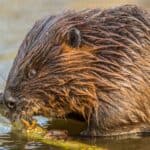
- Recovered populations of Eurasian beaver across river networks, contributing to wetland creation and broader biodiversity.
Recent Changes
- Recovery and spread of Eurasian beaver in many river systems (post-protection/management), increasing wetland habitat complexity.
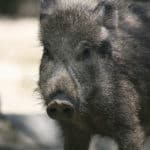
- Fluctuations in wild boar numbers driven by winter severity, hunting pressure, and disease management (notably African swine fever controls in parts of Russia).
- Ongoing pressure on meadow and steppe-edge birds from agricultural intensification (earlier mowing, field consolidation) causing local declines in some grassland breeders.
- Continued contraction of European mink with dominance of American mink (Neogale vison) in many waterways, reducing the chance of local persistence.
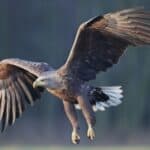
- Localized improvements in large raptors and fish-eating birds where disturbance decreases and mature riparian trees are retained, but sensitive species remain patchy.
Wildlife Viewing
Oryol Oblast lies in Russia's forest-steppe with mixed broadleaf forests (oak, birch, pine), rivers, wetlands, and farmland that create rich edge habitats. Visitors can see roe deer, elk (moose), wild boar, beaver, fox, and many woodland and wetland birds near Oryol city. Orlovskoye Polesye National Park offers forests, wetlands, and chances to learn about and sometimes see European bison.
Best Seasons
Spring (late March-May)
Peak bird activity: migrations and early breeding bring loud dawn songs in broadleaf woods and movement along river valleys and wetlands. See cranes and waterfowl on flooded meadows, raptors riding thermals, and woodpeckers and owls in forests. Mammals and beaver signs are easier to see as snow melts, with fresh tracks in mud and beaver work along quiet channels.
Summer (June-August)
Best for long days on forest trails, canoe/kayak-style river time, and wetland birding (herons, reed-nesting species, swallows over water). Mammals can be shy in heat-plan early morning and late evening watches at forest edges, meadow margins, and salt-lick/track corridors where permitted. Insect life is abundant; bring head nets/repellent for wetlands and dusk walks.
Autumn (September-early November)
Arguably the most practical season: cooler temperatures, fewer insects, improved visibility as leaves drop, and strong migration. Expect mixed flocks of woodland birds, raptors on passage, and waterbirds concentrating on rivers and ponds. Mammal viewing improves at dawn/dusk in field-forest edges; rut activity for some species can increase movement. Forest landscapes are especially scenic for photography.
Winter (late November-March)
Best for tracking and quiet observation. Snow reveals routes of fox, hare, boar, and sometimes moose/roe deer along forest roads and riverbanks. Rivers can hold wintering birds where water stays open, and feeder-watching (where available near visitor sites) can bring tits, finches, and woodpeckers close. Dress for wind and plan shorter outings with warm-up stops.
Top Wildlife Experiences
- Orlovskoye Polesye National Park: join a ranger-led nature walk focused on tracks, feeding signs, and habitat edges-best at dawn for roe deer, boar sign, and woodland birds.
- European bison conservation visit in Orlovskoye Polesye: tour the park's bison-related education/conservation facilities (where access is offered) to learn about restoration efforts and watch from designated viewpoints with minimal disturbance.
- River-valley birding on the Oka River corridor (viewpoints and floodplain meadows): scan for migrating waterfowl, waders, and raptors in spring/autumn; pair with sunset watches for mammal movement at the treeline.
- Beaver and wetland sunset watch on smaller rivers/tributaries (quiet backwaters of the Zusha and Neruch systems): look for gnawed trunks, lodges, slides, and-patiently-surface activity at dusk.
- Autumn raptor watch from open high ground at forest-field transitions (especially near large clearings and river bluffs): bring binoculars/scope for buzzards, harriers, and other birds of prey during passage days.
- Winter wildlife tracking day in national-park forest roads (Orlovskoye Polesye): follow fresh tracks with a guide to interpret behavior (feeding areas, bedding sites) and practice ethical photography in low light.
- Dawn chorus woodland walk in mixed broadleaf stands (oak-birch-linden where accessible): focus on songbirds, woodpeckers, and occasional owls-spring is the standout season.
Wildlife Watching Types
Guided Options
- Orlovskoye Polesye National Park visitor services: ranger-led hikes, seasonal nature programs, and interpretive excursions (availability varies by season; book via the park's visitor/administration offices).
- National-park educational programs related to European bison conservation (talks/visits to designated facilities or viewpoints when offered).
- Local guides based in Oryol city: custom birding days to river valleys and forest-steppe edges (best in spring/autumn) with transport and optics-friendly itineraries.
- Winter tracking and nature-photography guiding in and around Orlovskoye Polesye (small-group format recommended for quiet observation).
- Seasonal citizen-science style activities (where organized): bird counts, nature festival days, and guided walks run by local nature clubs, universities, or protected-area educators-ask in Oryol or at park visitor centers for current schedules.
Ecosystems
Oryol Oblast lies in Russia's forest-steppe belt, a patchwork of broadleaf woodlands, meadow-steppe grasslands, and farm fields on rolling plains cut by the Oka and other rivers. A temperate continental climate and farming have reduced old forests, but oak-linden woods, riparian and floodplain wetlands, meadows, and rivers support ungulates, small carnivores, raptors, and many passerines.
Biomes
Forest-steppe broadleaf and mixed broadleaf stands (oak, linden, maple, birch) with patches of secondary/regrowth woodland and forested ravines; conifers occur locally in plantings or small mixed stands.
Patchy and fragmented; most continuous in ravines, along river valleys, and in protected/less cultivated tracts (overall a minority of the oblast).
Meadow-steppe and dry meadow communities on uplands and slopes, interwoven with farmland; includes grass-forb assemblages typical of the forest-steppe zone.
Widespread but largely transformed; remaining semi-natural grasslands occur as field margins, fallows, and less-plowed slopes/uplands.
River networks (Oka basin) with small to mid-sized tributaries, oxbows, and ponds supporting fish, amphibians, and riparian fauna.
Common linear habitat across the oblast; densest along major river corridors and tributary catchments.
Floodplain wetlands, marshy backwaters, wet meadows, and small peat-influenced depressions associated with river valleys and lowlands.
Scattered, mainly confined to floodplains and poorly drained low-lying areas.
Habitats
Remnant oak-linden and mixed broadleaf stands on better-drained soils and in ravines; important for woodland birds and small mammals.
Secondary growth, shelterbelts, and small woodlots between agricultural fields; provides connectivity and edge habitats.
Localized patches (often planted pine/spruce or mixed with birch) on poorer/sandier soils and around managed forest areas.
Meadow and meadow-steppe remnants on slopes and uplands, plus hay meadows in rural landscapes; high herbaceous diversity where not intensively managed.
Forest-steppe grass-forb communities occurring as smaller fragments, especially in more open southern/central parts and on sun-exposed slopes.
Oka River and tributaries with riparian corridors, sand/gravel bars in places, and seasonally inundated banks supporting diverse birdlife.
Village and farm ponds, small impoundments, and fish ponds; important breeding sites for amphibians and waterfowl.
Limited natural lake presence; most standing waters are oxbows or small reservoirs rather than large natural lakes.
Floodplain wet meadows and backwater wetlands along river valleys; seasonally dynamic with spring floods.
Reed/sedge-dominated patches in low-lying floodplain depressions, oxbows, and slow-flowing tributary sections.
Dominant land use (croplands and improved pastures), forming the matrix around natural fragments; includes extensive field systems and fallows.
Built-up areas around Oryol and other towns with urban greenspaces and riverfront habitats that can support adaptable wildlife.
Dacha areas, peri-urban gardens, and mixed residential landscapes with hedgerows and small woodlots.
Ecoregions
Conservation
Primary Threats
- The forest-steppe landscape is dominated by cropland; further conversion of remaining meadow-steppe patches, field margins, and small woodlots reduces nesting and foraging habitat for ground-nesting birds and diminishes connectivity between forest blocks.
- Loss and degradation of small wetlands, floodplain meadows, and riparian thickets along the Oka basin tributaries occur through drainage, channel reshaping, and conversion to hayfields or arable land, disproportionately affecting rare semi-aquatic mammals and wetland birds.
- River regulation (bank reinforcement, channel straightening), ditching, and drainage of wet areas in agricultural zones simplify floodplains and reduce backwaters/oxbows-key habitats for species dependent on slow-flowing, vegetated water bodies.
- Diffuse agricultural runoff (fertilizers, pesticides) and localized municipal effluent affect water quality in smaller rivers feeding the Oka, contributing to eutrophication and reduced invertebrate and fish resources for otters, desman, and fish-eating birds.
- Timber extraction (including sanitary and selective cutting) can reduce mature broadleaf stands and deadwood availability in oak-linden forests, degrading nesting sites for hole-nesters and raptors and reducing structural complexity needed by forest specialists.
- Road networks and expanding transport corridors around Oryol and across agricultural areas fragment habitats and increase wildlife-vehicle collisions; linear infrastructure also disrupts movement routes between forests and river valleys.
- Legal hunting pressure combined with poaching can depress populations of large mammals and disturb sensitive species; illegal take and disturbance are most consequential outside protected areas and during winter when animals concentrate near remaining cover.
- American mink (Neogale vison) presence in river systems is a major competitor and predator pressure for the critically imperiled European mink, and it can reduce breeding success of waterbirds in smaller wetland complexes.
- More frequent summer heatwaves and drought periods in the forest-steppe increase wildfire risk (especially in pine-dominated stands within and near protected areas) and can reduce wetland persistence, stressing moisture-dependent species.
- Outbreak risks (e.g., African swine fever affecting wild boar dynamics) can cascade through ecosystems and management practices; for reintroduced/managed ungulates (e.g., bison), disease surveillance and veterinary controls are ongoing needs.
- Local extraction of sand/gravel and other construction materials can disturb riverbanks and floodplain habitats, increase turbidity, and create chronic noise/disturbance near sensitive riparian breeding areas.
- Growth and densification around Oryol and other towns increases pressure on nearby forests and river corridors through recreation, informal trails, litter, and encroachment on peri-urban habitats.
Did You Know?
Oryol Oblast sits in a true "meeting zone" (forest-steppe): it's possible to move from pine/broadleaf forest fauna (elk, woodpeckers) to open-country fauna (grey partridge, brown hare) over just a few kilometers-edges and ecotones drive unusually high local species turnover.
In flat parts of the Upper Oka tributary network, one beaver site can turn a seasonal stream into a chain of wetlands, making new frog spawning areas and drawing herons.
Stag beetles are a deadwood species. Their larvae usually take 3–6 years to develop inside decaying oak roots and stumps. A forest cleaned of old stumps may lose them, even if adults appear sometimes.
European bison in Oryol Polesye can act like ecosystem 'snowplows' in winter-by breaking crusted snow and trampling access paths, they incidentally open feeding opportunities that smaller deer and boar can exploit.
Some of the oblast's most striking birds, like the black stork, need quiet forest wetlands. They may leave good habitat when people get too close, so they show real wildness, not just forest cover.
Oryol Oblast's flagship giant is the European bison (wisent) in Oryol Polesye National Park-Europe's heaviest wild land mammal; adult bulls can approach ~900 kg.
Rivers of the Upper Oka basin (including the Oka and tributaries like the Zusha) have the Eurasian beaver, Eurasia's largest native rodent (often 20-30+ kg), which builds ponds and dams that can reach dozens of meters.
Old broadleaf stands in the forest-steppe (notably oak-rich woods) can host the stag beetle (Lucanus cervus), widely cited as Europe's largest beetle; males can reach roughly ~8 cm including the "antler" mandibles.
The Oka basin is within the range of the wels catfish (Silurus glanis), considered Europe's largest freshwater fish; individuals can exceed ~2 m and 50+ kg where conditions allow.
In the oblast's mixed woodland-agricultural mosaic, the elk (Alces alces) is the largest deer species you can realistically encounter; big bulls can stand close to ~2 m at the shoulder.