
Wildlife of
Belgorodskaja oblast'
About Belgorodskaja oblast'
Belgorod Oblast's wildlife reflects the forest-steppe mosaic of the Central Black Earth: open grasslands and cropfields mixed with broadleaf woods, shelterbelts, and deep ravines. Even with heavy farming on rich chernozem soils, patches of native habitat survive and act as refuges and corridors for mammals, raptors, and many steppe-and-woodland birds. Key ecosystems include oak-dominated ravine forests, cool damp pockets that shelter woodland species; feather-grass steppe remnants on dry slopes; and river systems such as the Seversky Donets with floodplain meadows, reedbeds, and oxbow wetlands important for waterbirds and mammals that live by water. Bright chalk and limestone outcrops ("white hills") support calcareous plants and small invertebrates, giving a southern-steppe feel. Wildlife is often found at habitat edges where fields, slopes, and woods meet.
Geography
Belgorod Oblast sits on the forest-steppe of the Central Russian Upland. Its fertile chernozem plains are heavily farmed, so wildlife is mostly found in river valleys, ravines (gully systems), floodplains, and woodland patches. A dense network of small rivers and gullies makes a mosaic of wet meadows, riparian forests, steppe grasslands, and chalky slopes that shapes where species live.
Elevation Range
~70-277 m above sea level (low upland relief, but enough to diversify floodplain vs. upland steppe/woodland habitats)
Key Landscapes
Protected Areas
Belgorod Oblast is in Russia’s forest-steppe (Central Black Earth). Farming covers the uplands; wildlife stays in river valleys (Vorskla, Seversky Donets, Oskol), ravine oak forests, chalk outcrops, and steppe patches. The Belogorye State Nature Reserve protects key forest-steppe sites in small, separate clusters. Many small regional reserves and nature monuments protect ravines, floodplains, springs, and chalk-steppe areas.
~4.1%
State & Provincial Parks
Seversky Donets River Valley regional protected-area complex (multiple sites)
Varies by site; commonly hundreds to several thousand ha across multiple designated areasFloodplain forests, oxbows, wetlands, and meadow-steppe terraces along the oblast's southern river corridor-important for wetland birds, beaver habitats, and migration stopovers in an otherwise farm-dominated region. The complex includes multiple regional protected areas and nature monuments.
Oskol River Valley regional protected-area complex (multiple sites)
Varies by site; typically hundreds-thousands of ha in aggregateRiparian woods and floodplain meadows that function as a key habitat corridor and local biodiversity reservoir, supporting amphibians, waterbirds, and semi-aquatic mammals. The complex includes multiple regional protected areas and nature monuments.
Chalk outcrops and chalk-steppe gullies of the Belgorod Upland (regional nature-monument complex; multiple sites)
Usually small, site-based monuments (tens to hundreds of ha each)Calcareous (chalk) slopes and dry grasslands with distinctive flora and insect diversity; notable for steppe-edge birdlife and warm, xeric microhabitats.
Wildlife Refuges
Belogorye State Nature Reserve (federal strict nature reserve) - whole protected complex
~2,100 ha total (all clusters combined; dispersed sites)The oblast's flagship federal conservation area, preserving benchmark forest-steppe ecosystems via five core clusters (oak forest, virgin steppe, chalk slopes, ravines, and relict pine forest). It is central for long-term monitoring, steppe restoration science, and safeguarding remnant habitats.
Regional wildlife sanctuaries for riverine and forest-steppe fauna (multiple districts; network)
Varies widely; typically hundreds to several thousand ha per sanctuaryA network of regional wildlife sanctuaries commonly used to protect breeding sites and key habitats for game and non-game species (especially in ravine forests and along rivers), complementing the small federal core areas.
Wetland/floodplain protected tracts and nature monuments (springs, oxbows, reedbeds; various sites)
Mostly small sites (from a few ha to a few hundred ha)Small protected wetlands and spring-fed habitats that punch above their area in conservation value-supporting amphibians, dragonflies, and nesting/feeding waterbirds in agricultural landscapes.
Wilderness Areas
- Upper Vorskla floodplain oak-forest stretches and backwater (oxbow) wetlands outside major settlements
- Ravine-and-gully oak woods and steppe edges in the Belgorod Upland where roads are sparse and slopes are too steep for cultivation
- Chalk escarpments and chalk-steppe slopes along sections of the Seversky Donets valley (highly fragmented but locally roadless)
- Interfluve steppe fragments and field-edge gullies near the Yamskaya Steppe cluster that remain uncultivated due to terrain and erosion risk
Wildlife
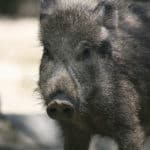
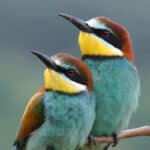
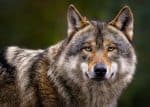
Belgorod Oblast lies in Russia’s forest-steppe belt in the Central Black Earth region. Fertile chernozem farmland mixes with oak groves, the Seversky Donets river valleys, wetlands, and chalky hills with steppe-like plants. Wildlife is a forest-steppe mix: edge-dwelling mammals such as roe deer, wild boar and fox; many birds tied to fields and river corridors like storks, raptors and bee-eaters; and fewer reptiles and amphibians found on warm slopes, ponds and floodplains. Small protected areas (for example Belogorye) are vital because much land is farmed.
Iconic Species
Endemic & Rare Species
Notable Populations
- Forest-steppe edge populations of large and mid-sized mammals (roe deer, wild boar, badger, fox) supported by extensive ravine woodlands and shelterbelt networks.
- River-valley wetland and floodplain bird communities (storks, harriers, herons, reedbed passerines) concentrated along the Seversky Donets system and associated ponds/reservoirs.
- Chalk and steppe-slope biodiversity pockets (specialized grassland fauna, including ground squirrels where present) that are regionally important because native steppe is highly fragmented in the Central Black Earth zone.
Recent Changes
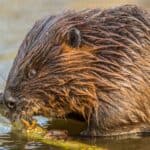
- Eurasian beaver has generally expanded/recovered across much of European Russia in recent decades, increasing wetland creation in suitable Belgorod river valleys.
- Wild boar numbers in many regions of European Russia have fluctuated and often declined locally due to African swine fever management and disease impacts; Belgorod populations may show similar instability.
- Range expansion and increasing detectability of some warm-adapted/open-country birds (e.g., European bee-eater in suitable nesting banks) has been reported across parts of the forest-steppe, aligning with milder conditions and habitat availability.
- Ongoing pressure on steppe/open-land specialists (e.g., bustards, ground squirrels) from agricultural intensification, disturbance, and grassland fragmentation; remaining pockets become increasingly important.
- Invasive/introduced semi-aquatic mammals in the wider region (e.g., American mink, muskrat) continue to affect native wetland species and can complicate conservation of European mink and other river specialists.
Wildlife Viewing
Belgorod Oblast is in Russia's forest-steppe, where oak woods, river floodplains, chalk outcrops and rich steppe grasslands meet on chernozem soils. Visitors find strong birding at migration, spring–summer wildflowers and insects, and year-round roe deer, wild boar, fox, beaver and many woodland and river-valley birds. Main nature sites: Belogorye Nature Reserve and the Seversky Donets and Oskol rivers.
Best Seasons
Spring (April-May)
Prime migration birding in river valleys and forest edges; booming dawn chorus in oak woods; amphibian activity at floodplain ponds; steppe wildflowers begin (early bloomers first). Expect changeable weather and muddy trails-bring waterproof footwear and optics.
Summer (June-August)
Best for steppe biodiversity: flowering grasses, orchids/forbs (where present), abundant butterflies and dragonflies; young birds fledging and active; beaver and kingfisher viewing improves on quiet stretches of rivers at dawn/dusk. Midday heat can reduce animal movement-plan early/late outings.
Autumn (September-October)
Second migration wave for many birds; clearer air for raptor watching over open steppe and chalk slopes; forest-steppe mammals are more visible along field margins; photogenic foliage in oak groves and riverine woods. Cooler evenings make long walks more comfortable.
Winter (December-February)
Excellent for tracking: crisp snow reveals routes of fox, hare, roe deer, and boar; winter birding for woodpeckers, tits, finches, and occasional raptors; quiet landscapes for photography. Short daylight and wind exposure on open steppe-layer up and plan compact routes.
Top Wildlife Experiences
- Old-growth oak forest birding in the Belogorye Nature Reserve's "Les na Vorskle" cluster: early-morning walks for woodpeckers, woodland passerines, and edge raptors (best in April-May and September).
- Steppe wildflower and insect photography in the reserve's "Yamskaya Steppe" cluster: timed for peak bloom and butterflies (late May through July), with slow, low-impact walking to spot grassland specialists.
- Chalk-slope and cliff-edge raptor watching on the Seversky Donets valley landscapes (including reserve cluster areas such as "Stenki-Izgorya," where accessible): scan thermals in late summer-autumn for soaring birds and watch colonies/nesting sites from approved viewpoints.
- Beaver-at-dusk stakeout on quiet river stretches (Oskol, Vorskla, and smaller tributaries): combine with kingfisher/grey heron watching; arrive 1-2 hours before sunset and stay still near bends with gnawed trunks and slides.
- Spring floodplain wetland loop: listen for frog/toad choruses and look for waterbirds on oxbows and marshy backwaters; best at sunrise after warm evenings (April-May).
- Forest-steppe mammal sign walk at field/wood margins: search for roe deer trails, boar rooting, fox tracks, and badger setts-especially productive in autumn mornings and after fresh snow in winter.
- Night wildlife session (where permitted) near forest edges: owls at dusk and bats over water in summer; pair a short walk with stationary listening near clearings and ponds.
- Macro "mini-safari" in meadow-steppe ecotones: dragonflies, mantises, beetles, and wild pollinators-ideal for families and photographers from June to August.
Wildlife Watching Types
Guided Options
- Belogorye Nature Reserve (strict nature reserve) ranger-led excursions: pre-arranged visits to designated clusters and ecological trails; typically includes a briefing on rules, species, and seasonal highlights.
- Reserve visitor/education programs: interpretive walks focused on forest-steppe ecology, steppe plants, and bird migration (availability varies by season and site access rules).
- Local birding guide services (private naturalists based in Belgorod city): custom dawn birding and migration-day itineraries along river valleys and steppe viewpoints (ask for optics-friendly routes and a target species list).
- University and museum nature outreach (e.g., regional natural history and ecology groups): occasional field days, lectures, or citizen-science style outings (spring migration counts, bioblitz-style surveys).
- Photography-focused guiding (small groups): steppe bloom tours, raptor viewpoints, and beaver-at-dusk sessions-best arranged with local eco-guides familiar with access permissions and low-disturbance protocols.
Ecosystems
Belgorod Oblast is in Russia's forest-steppe belt in the Central Black Earth (chernozem) region. It has fertile fields, steppe-like grasslands, broadleaf forests in ravines and on slopes, and river-valley wetlands. River valleys like the Seversky Donets and chalky, loess-cut uplands show the strongest habitat shifts; gullies and steep slopes protect semi-natural patches amid cropland.
Biomes
Forest-steppe and steppe-like herb-grass communities on uplands and interfluves, now largely converted to cropland; best preserved on steep slopes, in gullies (balkas), chalk/limestone outcrops, and protected areas.
Historically widespread; today mostly fragmented remnants-overall landscape influence remains high, but intact natural patches are limited (often a small minority of total area).
Broadleaf and mixed broadleaf stands typical of the forest-steppe, including oak-dominated woods on ravine slopes and upland patches; riparian forests occur along river terraces and floodplains.
Patchy and uneven; concentrated in ravines, river valleys, and some upland forest blocks (minor-to-moderate share of the oblast).
River networks and associated reservoirs/pond systems, with floodplain channels and small tributaries supporting aquatic and riparian biota (notably within the Seversky Donets drainage and other local basins).
Widespread as linear networks; area coverage is small but ecologically important across the oblast.
Floodplain wetlands (wet meadows, marshy backwaters, oxbows) and small depressional wetlands, strongly tied to river valleys and regulated/impounded waters.
Localized and scattered, mainly in floodplains and lowlands; limited total area.
Habitats
Extensive chernozem croplands (grain, sunflower, sugar beet, etc.) dominate much of the upland/interfluve landscape; field margins and shelterbelts can provide secondary habitat corridors.
Steppe and meadow-steppe remnants on slopes, ravines, and less-plowed sites; high forb diversity where intact, often under pressure from grazing, mowing, and conversion.
Dry, open communities on well-drained sites and south-facing slopes; many occurrences persist as small fragments in erosion gullies and on chalky substrates.
Oak- and mixed broadleaf forests in the forest-steppe matrix, frequently occupying ravines and dissected terrain where cultivation is difficult.
Open canopy patches and secondary growth in the agricultural matrix, including shelterbelts and regenerating stands on abandoned or marginal lands.
Major and minor rivers with floodplains, levees, and riparian strips; key ecological corridors linking fragmented habitats (notably within the Seversky Donets basin).
Numerous small ponds and fish-farming/water-supply impoundments common in settled and agricultural areas, supporting amphibians and waterfowl where water quality allows.
Reservoir-like waterbodies and oxbow-lake features in broader floodplains; typically small and scattered rather than large natural lakes.
Wet meadows, backwaters, and seasonally inundated floodplain areas; important for breeding birds and amphibians but sensitive to drainage and flow regulation.
Reed/sedge-dominated margins of floodplains, oxbows, and impoundments; often narrow bands but locally dense in low-lying valley bottoms.
Chalk and steep loess valley sides and escarpments that host specialized dry grassland/steppe flora and provide erosion-slope refugia from plowing.
Small karstic or erosion-related cavities and niches associated with chalk/limestone exposures; limited in extent but can provide roosting/microhabitat features.
Cities and industrial areas with fragmented greenspace, river embankments, and disturbed habitats.
Peri-urban mosaics of gardens, smallholdings, shelterbelts, and riparian strips that can function as secondary habitat and movement corridors.
Ecoregions
Conservation
Primary Threats
- Historically and ongoing conversion of remaining meadow-steppe, fallow lands, and ravines into arable fields; removal of field margins and natural vegetation strips in the chernozem landscape reduces breeding and foraging habitat for steppe birds and small mammals.
- Severe fragmentation of forest-steppe mosaics: small isolated oak groves, riverine wetlands, and chalk steppe patches persist as 'islands' amid intensive farmland, limiting dispersal and increasing local extinction risk for specialist species.
- Diffuse agricultural runoff (fertilizers, pesticides) affects small rivers, floodplain wetlands, and ponds; localized industrial and quarry-related dust/sediment loads can degrade adjacent habitats, especially in valleys and chalk outcrop zones.
- Iron-ore related development in the broader Kursk Magnetic Anomaly region and local quarrying (chalk/limestone, construction materials) can directly remove habitat, alter groundwater/surface hydrology, and increase vehicle traffic and dust deposition on steppe and chalk grasslands.
- Road density and linear infrastructure fragment habitats and increase wildlife mortality; expansion around Belgorod and key transport corridors reduces connectivity between protected steppe/forest patches and river valleys.
- Channel modification, bank reinforcement, drainage of wet depressions, and pond/impoundment management alter floodplain dynamics of tributaries of the Seversky Donets, reducing habitat quality for wetland-dependent species (e.g., desman and certain waders).
- Legal hunting pressure plus illegal take can affect raptors (disturbance at nests), waterfowl, and mammals; spring disturbance in river valleys and forest edges is a recurring issue, especially near accessible protected-area boundaries.
- High recreational and extractive use of river valleys (fishing access, campfires, off-road driving, dog walking) and chalk hills increases nest disturbance for rare birds and accelerates erosion on fragile chalk steppe slopes.
- Invasive/introduced predators and competitors (notably American mink in riparian systems) can depress native wetland fauna and compete with or prey upon species already stressed by habitat fragmentation.
- Increasing frequency of drought/heat stress can reduce water levels in small rivers and wetlands and shift forest-steppe composition; this compounds agricultural water demand and increases fire risk on dry grasslands and chalk slopes.
Did You Know?
In Belgorod Oblast you can move from broadleaf oak forest to true steppe within a short drive-meaning "forest" species and "steppe" species overlap unusually tightly in one landscape (a hallmark of the forest-steppe ecotone).
Chalk hillsides act like natural "solar collectors": their bright, alkaline slopes warm and dry quickly, creating microclimates where chalk-steppe plants (and the insects tied to them) persist even though the surrounding region is dominated by fertile, moisture-retaining chernozem fields.
In Belgorod Oblast, the richest wildlife are in steep ravines, gullies, and river valleys too hard to plough. These narrow safe routes let mammals and birds move across the farmed land.
Beavers (Castor fiber) quietly help local biodiversity in small river valleys. By damming lowland streams, they make ponds, wet meadows, and willow thickets, adding breeding habitat for amphibians and wetland birds.
Belogorye State Nature Reserve is among the smallest strict nature reserves in Russia by area (about 2,100+ hectares), yet it protects several distinct habitat 'islands' (old oak forest, virgin steppe, chalk cliffs) that each host their own specialized fauna.
The 'Les na Vorskle' cluster preserves one of the oldest protected pedunculate-oak (Quercus robur) forests in the Central Black Earth region, with documented centuries-old oaks (commonly 300+ years), supporting old-growth-dependent birds and insects uncommon in heavily farmed forest-steppe.
The 'Yamskaya Steppe' cluster is widely cited as one of the best-preserved fragments of virgin feather-grass steppe on deep chernozem in the Central Black Earth belt-an exceptionally rare habitat today because most comparable steppe was ploughed.
Belgorod Oblast's chalk outcrops-especially in the Belogorye State Nature Reserve's Stenki-Izgorya cluster-are a regional hotspot for chalk-steppe specialist plants, including calciphiles such as chalk hyssop (Hyssopus cretaceus), a species listed in the Red Data Book of the Russian Federation.