N S W E
Wildlife Expeditions

Wildlife of
Karachayevo-Cherkesskaya Respublika

From Kuban steppe foothills to glaciated Caucasus peaks, Karachay-Cherkessia packs an exceptional altitudinal wildlife spectrum into a compact mountain realm.
2 Species
14,277 km² Land Area
Overview

About Karachayevo-Cherkesskaya Respublika

Karachay-Cherkess Republic sits on the north side of the Greater Caucasus. Steep slopes change quickly from open steppe and river valleys to dark conifer forests, flower-rich subalpine slopes, and high alpine ridges where mountain ungulates and raptors live. This area has classic North Caucasus nature: intact mountain habitats, many unique species, and a long history of protected areas and nature travel focused on dramatic mountains.

Key ecosystems are foothill steppes and farmed valleys (important for raptors and small mammals), broadleaf and mixed mountain forests (home for large carnivores and forest birds), and subalpine/alpine meadows and scree (strongholds for high-mountain species). The Teberda Biosphere Reserve and Dombay-Teberda protect a full range from old-growth forest to glacier-fed headwaters, supporting breeding raptors, bears, wolves, and seasonal movements of ungulates. The republic's close mountain corridors let visitors see tur, chamois, vultures, and forest wildlife in a short trip.

Physical Features

Geography

The Karachay-Cherkess Republic covers northern slopes of the Greater Caucasus, with altitude zones shaping wildlife: lowland, foothill steppe and farmland give way to broadleaf and conifer mountain forests, then subalpine and alpine meadows, and nival zones with glaciers. Deep gorges and north-south valleys offer corridors and refuges, while high ridges and glaciated basins isolate populations and gather cold-loving species.

14,277 km² Land Area
Among Russia's smaller federal subjects (roughly bottom 10-15 by area) Size Rank
Russia Country
Federal_subject Type
Elevation Range

~400-4,046 m (foothill lowlands to Mt. Dombay-Ulgen)

Coastline

None (landlocked)

Key Landscapes

Greater Caucasus main ridge and high mountain massifs (glaciated peaks, cirques, ridgelines) Foothill plains and steppe/forest-steppe in the north (open habitats and edge mosaics) Montane forests: mixed broadleaf (lower slopes) grading to conifer forests (spruce-fir) at higher elevations Subalpine shrub zones and alpine meadows (summer grazing grounds and high-biodiversity flower meadows) Glaciers, snowfields, and high-elevation scree/talus (cold, sparsely vegetated habitats) Major river systems and headwaters: upper Kuban basin and tributaries (Teberda, Bolshoy/ Maly Zelenchuk, Urup) with riparian forests and gravel bars
Parks & Reserves

Protected Areas

Karachay-Cherkess Republic protects its best wildlife mainly with high-mountain nature reserves on the northern slope of the Greater Caucasus. A network of regional sanctuaries, parks, and small nature monuments protects alpine meadows, subalpine and temperate forests, glaciated headwaters, and some steppe and river valleys. The Teberda–Dombay–Arkhyz cluster holds key habitat for mountain ungulates, large carnivores, and raptors.

Protected Coverage

≈20-25% (rough order-of-magnitude; depends on whether all regional wildlife sanctuaries, forest protection zones, and buffer areas are counted)

National Parks & Preserves

Teberdinsky State Nature Biosphere Reserve (Teberda-Dombay sector)

≈85,000 ha (reserve total; Dombay is a major high-use gateway within the reserve landscape)

One of the North Caucasus' premier wildlife strongholds: steep forested valleys rising to alpine meadows and glaciers support high densities of mountain ungulates and the full guild of large predators and scavenging raptors. Strong protection and limited access make it especially important for conservation-sensitive species.

Caucasian tur (West Caucasian tur) Caucasian chamois Brown bear Eurasian lynx Bearded vulture

Teberdinsky State Nature Biosphere Reserve (Upper Teberda-Baduk Lakes / high-mountain headwaters sector)

Part of the ≈85,000 ha Teberdinsky reserve (sector size varies by mapping/management unit)

High-elevation roadless headwaters with conifer-birch forests, avalanche corridors, alpine meadows, and glacial lakes. Particularly notable for raptors, high-mountain game species, and intact predator-prey dynamics.

Caucasian tur (West Caucasian tur) Caucasian snowcock Golden eagle Gray wolf Caucasian black grouse

Caucasus State Nature Biosphere Reserve (Karachay-Cherkess high-ridge sector, where applicable)

≈280,000 ha total (only a portion is associated with Karachay-Cherkess; exact share depends on boundary definitions)

A UNESCO-recognized core area for Western Caucasus biodiversity, protecting large, contiguous mountain ecosystems and providing landscape connectivity for wide-ranging mammals and old-growth forest specialists. In the Karachay-Cherkess context it is most important as a high-ridge wilderness connector between adjacent protected mountain basins.

European bison (reintroduced populations in the wider reserve system) Brown bear Caucasian chamois Bearded vulture Golden eagle

State & Provincial Parks

Arkhyz high-mountain protected landscape / natural-park complex (regional level)

Size varies by designation/boundary (regional SPNA complex; commonly mapped as tens of thousands of hectares)

A mosaic of subalpine forests, alpine meadows, glacial cirques, and river gorges that functions as an important buffer/connector around strictly protected cores. Notable for mountain ungulates, forest carnivores, and eagle-vulture flight corridors.

Caucasian chamois Caucasian tur (West Caucasian tur) Eurasian lynx Golden eagle Bearded vulture

Upper Kuban headwaters regional nature sanctuary complex (Uchkulan-Khurzuk area)

Typically mapped as multiple regional sites totaling thousands to tens of thousands of hectares (varies by sub-site)

Protects headwaters, riparian corridors, and adjacent mountain slopes that are critical for seasonal movements of ungulates and for large carnivores. Also important for raptors that hunt along valley edges and open slopes.

Roe deer Brown bear Gray wolf Golden eagle Eurasian otter

Bermamyt Plateau and adjacent ridges (regional nature monument / protected landscape)

Usually protected as smaller monuments/landscape parcels (often tens to hundreds of km² depending on delineation)

Open upland plateau and ridge-steppe edge with high visibility and strong raptor activity; valuable as a steppe-montane transition zone and migration corridor.

Steppe eagle Saker falcon Red fox European hare Roe deer

Wildlife Refuges

Regional state wildlife sanctuaries in the Teberda-Dombay buffer zone

Typically a patchwork of multi-thousand-hectare units; combined area varies by year and legal listings

Seasonal refuges outside strict-reserve borders that reduce hunting pressure and protect wintering and calving areas for ungulates, indirectly supporting predators and scavengers.

Caucasian chamois Caucasian tur (West Caucasian tur) Brown bear Gray wolf Eurasian lynx

Upper Kuban valley riparian wildlife sanctuaries (wetland/river-corridor sanctuaries)

Variable; commonly narrow linear corridors totaling tens to hundreds of km² across multiple sites

Protects floodplain woods, gravel bars, and river meanders that are disproportionately important for breeding birds, amphibians, and semi-aquatic mammals in an otherwise steep mountain region.

Eurasian otter Common kingfisher Grey heron White-throated dipper Roe deer

Steppe-edge and foothill wildlife sanctuaries (northern lowlands of the republic)

Usually several separate sites; individual areas commonly range from a few thousand to tens of thousands of hectares

Remnant steppe/foothill habitats that support raptors, small mammals, and grassland birds; important for maintaining representation of non-montane ecosystems within the regional protected-area network.

Steppe eagle Long-legged buzzard European badger Red fox European roe deer

Wilderness Areas

  • Dombay-Belalakaya-Alibek glacier massifs and adjacent high cirques (large roadless alpine terrain)
  • Upper Teberda River headwaters (remote conifer forests, avalanche corridors, and alpine meadows)
  • Baduk Lakes and surrounding ridge country (steep, largely roadless basin-and-ridge complex)
  • Arkhyz-Sofia Lakes and glacier basins (high-elevation basins with limited road penetration)
  • Main Caucasus Ridge border crest zones (wind-exposed alpine ridges and snowfields with minimal infrastructure)
  • Upper Kuban headwaters (Uchkulan/Khurzuk valleys) where settlements thin and valleys transition to roadless slopes
Animals

Wildlife

Karachay-Cherkess Republic covers a range from lowland steppe and river valleys into mixed and conifer forests, subalpine and alpine meadows, scree slopes, and glaciated peaks of the Greater Caucasus (including Teberda-Dombay). The elevation range supports many kinds of wildlife: Eurasian forest mammals (bear, wolf, lynx, deer) overlap with high-mountain specialists (tur, chamois, snowcock) and raptors and vultures on cliffs and open alpine areas. Rivers and cold mountain streams support salmonids and other freshwater fish, and many mountain ungulates, grouse, amphibians, and high-elevation birds are found only here.
≈70-85 species (higher in forest-river mosaics and foothills; fewer true alpine specialists) Mammals
≈220-280 species (many migrants; strong raptor and montane bird diversity) Birds
≈18-25 species (foothills and warm valleys richest) Reptiles
≈8-12 species (notable Caucasus endemics in humid forest zones) Amphibians
≈35-55 species (including cold-water salmonids in upper reaches and diverse cyprinids downstream) Fish
Examples

Iconic Species

West Caucasian tur Signature high-mountain goat of the western Greater Caucasus; commonly sought on steep alpine slopes and ridgelines where it symbolizes the region's rugged wildlife.
Northern chamois
Northern chamois A classic Caucasus mountain ungulate, visible in subalpine meadows and rocky terrain near treeline, especially around protected highland areas.
Brown bear
Brown bear A flagship predator/omnivore of the forest belt; tracks and sightings occur in remote valleys with abundant berries, nuts, and ungulate prey.
Eurasian lynx
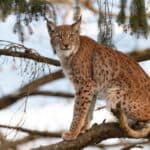
Eurasian lynx Elusive forest carnivore associated with mature woodland and broken terrain; a key species for the 'wild North Caucasus' experience.
Gray wolf
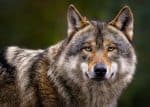
Gray wolf Widespread top predator across foothills to alpine zones; important for ecosystem dynamics and often detected by tracks and howling rather than direct sightings.
Golden eagle
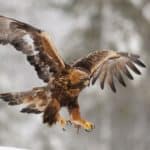
Golden eagle Iconic cliff-nesting raptor of open mountain landscapes; one of the most emblematic birds of prey for visitors scanning ridges and cirques.
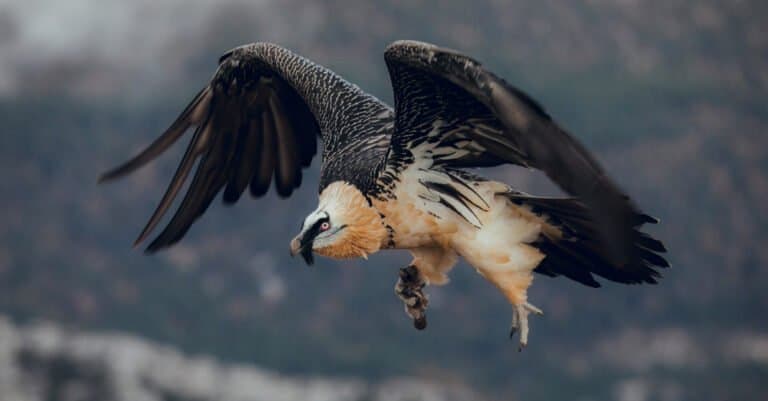
Bearded vulture
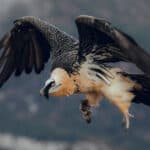
Bearded vulture Spectacular scavenger of high mountains that patrols cliff systems and alpine bowls; highly prized sighting due to rarity and distinctive flight profile.
Caucasian snowcock High-elevation gamebird of rocky slopes above treeline; its presence strongly signals intact alpine habitat.
Caucasian black grouse A regional specialty of subalpine shrub and meadow edges; males are notable for spring displays, making it a sought-after birding target.
Eurasian otter A flagship river mammal of clean waterways; indicates high-quality riparian habitat in mountain valleys.

Endemic & Rare Species

West Caucasian tur

Capra caucasica

Regional endemic; conservation-dependent in places due to hunting pressure and habitat disturbance

Restricted to the western Greater Caucasus; Karachay-Cherkess highlands are part of its core mountain range, making it a defining endemic for the republic.

Caucasian black grouse

Lyrurus mlokosiewiczi

Near Threatened (global assessments commonly list it as range-restricted and sensitive to disturbance)

A Caucasus specialty tied to subalpine mosaics; declines can follow infrastructure expansion, disturbance, and habitat fragmentation near treeline.

Caucasian snowcock

Tetraogallus caucasicus

Range-restricted; locally vulnerable to disturbance and hunting

Endemic to the central/western Greater Caucasus high zone; persistence reflects intact alpine habitats and controlled hunting pressure.

Caucasian parsley frog

Pelodytes caucasicus

Caucasus endemic; locally rare and patchy

Associated with foothill/montane forests and damp clearings; its restricted range makes local populations important for regional persistence.

Bearded vulture (Lammergeier)

Gypaetus barbatus

Near Threatened (global); rare breeder in the Caucasus with ongoing threats (poisoning, disturbance)

One of the most iconic but scarce mountain scavengers; any breeding territories in the Greater Caucasus are high-value for national conservation.

Bearded vulture

Gypaetus barbatus

Near Threatened (global); rare breeder in the Caucasus with ongoing threats (poisoning, disturbance)

One of the most iconic but scarce mountain scavengers; any breeding territories in the Greater Caucasus are high-value for national conservation.

Caucasian tur (species complex note)

Capra caucasica

Endemic mountain ungulate complex with management attention across the Caucasus

Included to note that local populations sit within a broader Caucasus tur complex where taxonomy and management units can be important for conservation planning.

Notable Populations

  • High-mountain ungulate assemblages (tur + chamois) in protected and remote sections of the Greater Caucasus, forming a key prey base for large carnivores and eagles.
  • Cliff-and-alpine raptor/scavenger community (golden eagle, bearded vulture, other large raptors) supported by extensive high-relief terrain.
  • Range-restricted montane birds (Caucasian black grouse, Caucasian snowcock) that make the republic a standout destination for Caucasus birding.
  • Relatively intact headwater river systems in mountainous areas that can support sensitive freshwater fauna (including salmonids) where water quality remains high.

Recent Changes

  • Rising human access (roads, ski and resort infrastructure in some mountain valleys) has increased disturbance pressure near treeline and in alpine habitats, affecting sensitive species like grouse and snowcock in particular.
  • Large raptors and vultures in the Caucasus region have faced periodic declines from poisoning (often linked to predator control) and collision risks; local trends vary depending on protection and enforcement.
  • Continued recovery or stabilization of some large mammals inside/near protected areas is reported anecdotally in parts of the North Caucasus where anti-poaching improves, though pressure remains uneven.
  • Range shifts consistent with regional climate warming are expected/observed broadly in the Caucasus (e.g., upslope movement of some forest and foothill species and longer seasonal activity for reptiles), potentially compressing true alpine specialists into smaller areas.
  • Ongoing conservation work elsewhere in the western Caucasus (e.g., large carnivore management and high-profile reintroductions in adjacent regions) could influence future dispersal into Karachay-Cherkess areas, but confirmed establishment depends on connectivity and conflict mitigation.
Visit

Wildlife Viewing

Karachay-Cherkess Republic has some of the North Caucasus's most scenic, wildlife-rich mountains—from lowland steppe and river valleys to dark conifer forests, subalpine and alpine meadows, and glaciated peaks around Dombay-Teberda and Arkhyz. Visitors can spot birds of prey and high-altitude species, see Caucasian tur and chamois, and find rich wildflowers and pollinators along eco-trails and valley routes.

Best Seasons

Spring (Apr-May)

Snowline retreats and valleys green up. Excellent bird migration and courtship activity in forests and foothills; raptors begin active soaring on clear days. Rivers run high-great for scenic valley walks and photographing birds along riparian corridors. Higher passes may still be snowbound, so focus on lower Teberda/Arkhyz valleys and forest edges.

Summer (Jun-Aug)

Best overall access to alpine zones and high passes. Prime time for alpine meadow wildlife: butterflies, wildflowers, and mountain birds; best chances to glass open slopes for tur/chamois early and late in the day. Bearded vulture/golden eagle watching improves with stable weather and thermals. Afternoon thunderstorms are common-start early.

Autumn (Sep-Oct)

Crisp visibility and calmer weather windows make this a top season for photography and long-distance scanning. Rut activity for many mountain ungulates can increase sightings in open terrain. Forests turn color; bird movement resumes (passage migrants, raptors). Nights are cold; first snows may close higher trails late season.

Winter (Nov-Mar)

A scenic, track-rich season in valleys around Dombay/Teberda and Arkhyz. Wildlife is often easier to detect by tracks on snow; wintering forest birds and raptors can be active on sunny days. Best combined with ski/snowshoe days on safer, lower-angle routes; high avalanche terrain requires professional judgment and local guidance.

Top Wildlife Experiences

  • Teberda Nature Reserve (Teberdinsky Nature Reserve): walk designated eco-trails in the Teberda valley to look for forest birds, woodpeckers, and tracks/sign of mammals; use early-morning roadside pull-offs for quiet scanning.
  • Dombay valley viewpoints: sunrise/sunset "scope sessions" from open vantage points to glass steep slopes for mountain ungulates and to watch bearded vultures and eagles riding thermals (best in stable summer/autumn weather).
  • Arkhyz area (Arkhyz) subalpine meadows: day hikes to meadow belts above the forest for peak wildflower-butterfly displays and highland birding; focus on edges where meadow meets shrub for the highest activity.
  • Sofiya (Sofia) valley near Arkhyz: follow valley routes toward waterfalls/glacial scenery while scanning rocky cliffs for cliff-nesting birds and listening for alpine passerines in boulder fields.
  • Kuban River and tributary corridors: slow walks along quieter stretches and gravel bars for riparian birdlife (wagtails, dippers where suitable habitat exists), plus opportunistic raptor watching over the river valley.
  • Foothill steppe/field mosaics outside the main mountain resorts (around Cherkessk and lower elevations): dusk birding for open-country species and raptors; best in spring/autumn when movement is highest.
  • Winter wildlife tracking + photography day: hire a local guide for a snowshoe or easy backcountry ski day in lower forests/valleys (Teberda/Dombay or Arkhyz), focusing on identifying tracks, feeding sign, and winter bird flocks without pursuing animals.

Wildlife Watching Types

Mountain mammal watching (glassing for ungulates on open slopes; track-and-sign interpretation in forest/snow) Raptor and vulture watching (thermal-soaring and cliff/ledge nesting areas) Alpine and subalpine birding (high-elevation specialists, meadow/rocky-slope species) Forest birding (conifer and mixed forests; woodpeckers and passerine flocks) Wildflower-and-pollinator safaris (alpine meadows for butterflies and other insects-especially mid-summer) Winter tracking and nature interpretation (tracks, scat, feeding sign; non-invasive photography)

Guided Options

  • Teberda Nature Reserve visitor programs: inquire locally about ranger-led eco-trails, route conditions, and any access rules/permits for designated areas.
  • Local mountain guides in Dombay and Arkhyz: request a 'wildlife-focused' day hike (early starts, long glassing stops, quiet approach) rather than a summit-only itinerary.
  • Birding-focused guiding (private): hire a regional ornithologist/guide from nearby North Caucasus cities for targeted raptor and alpine bird days; ask for scope support and dawn scheduling.
  • Horseback tours in Arkhyz surroundings: low-speed routes through meadows/forest edges can be productive for birds and for photographing landscapes with minimal noise-choose operators emphasizing low-impact travel.
  • Winter snowshoe/ski touring with a certified guide: select safer valley and forest routes and add a wildlife-tracking component; confirm avalanche training and local terrain knowledge.
  • Photography guiding (Dombay/Teberda viewpoints): half-day sunrise/sunset sessions designed around light, thermals, and long-lens wildlife ethics (distance-first, no baiting).
Habitats

Ecosystems

Karachay-Cherkess Republic ranges from low plains and foothills to high mountains with subalpine belts, alpine meadows, and glaciated zones. Lower areas have steppe and forest-steppe; mid slopes hold broadleaf, mixed, and dark conifer forests; high peaks have alpine grasslands and rocks. Dense rivers and headwaters feed the Kuban, forming stream corridors, floodplains, and high wetlands that support many mountain species.

Biomes

Temperate Grassland

Lowland and foothill steppe/forest-steppe communities on the northern plains and wide intermontane valleys; dominated by grasses and forbs with scattered shrubs and oak patches on moister slopes.

Common in the north and lower foothills; patchy elsewhere in broad valleys.

Temperate Forest

Montane broadleaf and mixed forests (e.g., beech, oak, hornbeam and mixed stands) on mid-elevation slopes and sheltered valleys, forming a major belt between steppe and subalpine zones.

Widespread across mid-elevations; one of the dominant natural covers in the republic.

Alpine

Subalpine and alpine meadows, alpine grasslands, rocky scree, cliffs, and nival/glacial areas at the highest elevations; short growing season and strong exposure create highly specialized communities.

Extensive in the high Greater Caucasus ranges and protected mountainous areas; concentrated above treeline.

Freshwater

Fast-flowing mountain rivers and streams, spring-fed tributaries, and headwater basins (notably within the Kuban catchment) with cold, oxygen-rich waters; small lakes occur in high basins.

Very widespread as a dense drainage network; lakes are scattered and relatively small in area.

Wetland

Riparian wetlands, oxbows/seasonally flooded meadows in valley bottoms, small peat-forming patches and marshy springs in cooler uplands; wetlands are generally narrow and linear along waterways.

Limited in total area; concentrated along rivers/floodplains and in localized spring-fed depressions.

Habitats

Steppe

Foothill and lowland steppe/forest-steppe mosaics with feather-grass and forb-rich communities; important for open-country fauna and raptors.

Grassland

Meadow complexes from valley bottoms to subalpine belts; includes hay meadows and natural montane grasslands with high floral diversity.

Shrubland

Subalpine shrub zones and slope shrub communities (including stunted treeline woodland forms near treeline) on wind-exposed ridges and disturbed slopes.

Deciduous Forest

Montane broadleaf forests on mid-elevation slopes and moist valleys; broadleaf canopy with rich understory and spring ephemerals.

Coniferous Forest

Upper-montane conifer stands and mixed conifer belts in cooler, higher settings; critical for watershed protection and mountain biodiversity.

Forest

Large, continuous forest tracts across elevational bands, including mixed stands and successional forests recovering from past use.

Alpine Meadow

High-elevation meadows above treeline with cold-adapted grasses and forbs; key summer pastures and habitat for alpine specialists.

Mountain

Greater Caucasus terrain with strong relief-ridges, cirques, glacial landforms, and steep valleys-driving sharp microclimatic contrasts over short distances.

Cliff/Rocky Outcrop

Rock faces, gorges, and crags that provide nesting sites for birds of prey and refuge for cliff-dwelling flora; common in deeply incised river valleys.

Cave

Karst and fissure caves in limestone areas (where present), supporting bats and specialized cave invertebrates; also includes small rock shelters in gorges.

River/Stream

Cold, swift rivers and tributaries (Kuban headwaters and major tributary systems) with braided sections in valleys and steep-gradient reaches in gorges.

Lake

Small high-mountain lakes and tarns in glacial cirques and basins; generally oligotrophic with short ice-free periods.

Wetland

Riparian reed/sedge patches, wet meadows, spring fens, and floodplain backwaters; important for amphibians and as wildlife corridors.

Agricultural/Farmland

Croplands, hayfields, and orchards mainly in lower elevations and valley bottoms; often interspersed with shelterbelts and riparian strips.

Urban

Built-up settlements concentrated in valleys and foothills, with expanding transport corridors along major rivers.

Ecoregions

Caucasus mixed forests Caucasus alpine meadows and shrublands Pontic steppe
Protection

Conservation

Primary Threats

  • Road upgrades, new access tracks, powerlines, and utility corridors associated with resort development and valley settlements fragment habitats in narrow gorges and increase mortality risk (collisions/electrocution for large birds) while opening previously remote areas to disturbance and poaching.
  • High visitor pressure from skiing, summer trekking, off-road recreation, and uncontrolled access around Dombay/Teberda and Arkhyz increases noise and trampling in alpine meadows, displaces breeding raptors from cliffs, and disrupts seasonal movements of tur and chamois.
  • Localized conversion and degradation occurs in foothills and valley bottoms where settlement expansion, resort infrastructure footprints, and riverbank development replace riparian woods and meadow complexes that serve as movement corridors and breeding sites for birds.
  • Outside strict reserves, legal and illegal logging and heavy fuelwood collection in accessible mid-montane forests simplify structure (loss of old trees, deadwood), reducing nesting habitat for forest raptors and cavity-nesters and increasing erosion on steep slopes.
  • Riverbank reinforcement, gravel extraction, and flow regulation for small hydropower and water supply in mountain valleys alter channel dynamics, degrade spawning/feeding habitat, and reduce the natural floodplain mosaic important for riparian biodiversity.
  • In the steppe/foothill zone, pasture improvement, plowing of remaining grasslands, and expansion of hayfields reduce native steppe patches and increase edge effects and disturbance for ground-nesting birds and small mammals.
  • Overgrazing and poorly managed transhumant grazing on subalpine/alpine pastures leads to vegetation change, soil compaction, and erosion; it also competes with wild ungulates for forage in key summer ranges.
  • Poaching and illegal harvest pressure target mountain ungulates (notably West Caucasian tur) and occasionally large carnivores; access created by roads and winter tracks increases enforcement difficulty in remote terrain.
  • Conflicts around livestock depredation (wolves, bears, and occasionally lynx) can lead to retaliatory killings and pressure to remove predators near summer pastures and village outskirts.
  • Pathogen spillover risk from domestic sheep/goats to wild Capra populations (and other ungulates) is a concern on shared high pastures; parasitic outbreaks can be exacerbated by crowding on limited summer grazing areas.
  • Warming and changing precipitation reduce glacial and snowpack persistence, alter headwater hydrology, shift treelines upslope, and compress cold-adapted alpine habitats-affecting alpine meadow specialists and increasing instability (landslides/debris flows) in steep catchments.
  • Localized water and soil pollution arises from inadequate wastewater treatment in tourism clusters, roadside runoff, and small industrial/agricultural sources in valleys-impacting headwater quality that supports downstream ecosystems in the Kuban basin.
  • Where mineral extraction and quarrying occur, associated roads, spoil, dust, and slope disturbance can degrade habitats and increase sediment loads into rivers, with disproportionate impact in confined mountain valleys.
  • Introduced or spread non-native fish (commonly associated with recreational fisheries) and synanthropic species around settlements can alter local food webs and compete with or prey on native aquatic and riparian fauna.
Fun Facts

Did You Know?

The bearded vulture, seen in the Greater Caucasus, drops big bones onto rocks to break them and eat the marrow. It's one of the few birds that mainly eats bone.

In Karachay-Cherkess Republic's steep valleys, you can see steppe-edge animals on lower northern foothills and, just tens of kilometers and thousands of meters higher, alpine specialists like tur, snowcock, and high-meadow rodents.

Caucasian tur are built for near-vertical terrain: herds commonly move along narrow ledges and cliff bands that are effectively predator refuges-so tourists often see them on rock faces where humans would need climbing gear.

Several flagship mountain birds here survive winter by turning snow into shelter: grouse and other high-altitude birds can burrow into snowdrifts to insulate against wind and extreme cold, using the snowpack as a temporary micro-habitat rather than avoiding it.

The Karachay-Cherkess Republic is in the Greater Caucasus and has the Teberda–Dombay–Arkhyz high ranges, home to the West Caucasian tur (Capra caucasica), a mountain goat found nowhere else.

Karachay-Cherkess Republic has some of European Russia's highest wildlife areas. Dombay (Dombay-Ulgen ~4,046 m) reaches over 4,000 m, and tur and chamois live above about 3,000 m.

The Caucasian (Mlokosevich's) black grouse (Lyrurus mlokosiewiczi) occurs in KChR and is one of the very few bird species whose entire world range is confined to the Caucasus mountains-meaning the species' global conservation outcome depends on a single mountain system.

Karachay-Cherkess Republic borders but is not part of the UNESCO Western Caucasus (in Krasnodar Krai and Adygea). It shares Greater Caucasus ecosystems and has bear, wolf, lynx and wild ungulates.

Animals Found in Karachayevo-Cherkesskaya Respublika

2 species documented in our encyclopedia

Thank you for reading! Have some feedback for us?