N S W E
Wildlife Expeditions

Wildlife of
Tjumenskaja oblast'

A vast West Siberian mosaic of taiga, mega-wetlands, and river floodplains that anchors one of Eurasia's great migratory bird corridors.
21 Species
160,122 km² Land Area
Overview

About Tjumenskaja oblast'

Tyumen Oblast lies on the huge West Siberian Plain. Its land has endless taiga, peatlands, marshes, and the wide Ob-Irtysh river system. These places hold classic boreal animals: moose, brown bear, wolf, lynx, wolverine, and sable, plus many forest and wetland birds. In the south, forest-steppe edges bring more open-country birds and a longer growing season that gathers animals near rivers and lakes. Water is the region’s main feature: peat bogs and wet meadows store carbon, slow river flows, and create breeding places for ducks, geese, swans, cranes, and shorebirds. Ob and Irtysh floodplains are migration routes and nurseries. Northern parts, near Khanty-Mansi and Yamalo-Nenets, shift to subarctic habitats with reindeer and tundra birds. Large, connected wetlands and rivers give many habitats in one region.

Physical Features

Geography

Tyumen Oblast stretches north–south across the West Siberian Plain, from Arctic tundra on the Kara Sea coast through taiga and peat-wetlands to southern forest-steppe. Its flat, wet land with big rivers (Ob–Irtysh), floodplains and bogs makes wet habitats for waterfowl, waders, fish and wetland mammals. The west reaches Polar/Subpolar Ural foothills, adding habitat variety for ungulates and steppe wildlife.

160,122 km² Land Area
Russia Country
Federal_subject Type
Elevation Range

0-285 m (sea level on the Kara Sea coast to about 285 m at the highest point; overwhelmingly lowland West Siberian Plain terrain)

Coastline

None (landlocked).

Key Landscapes

West Siberian Plain (extremely flat, poorly drained lowlands supporting vast wetlands and peat bogs) Ob River basin (including the lower Ob and the Ob Gulf estuary) and major tributaries shaping floodplain forests, oxbow lakes, and fish-spawning habitats Irtysh River and southern tributaries (Tobol, Tura) with broad valleys important for riparian and wetland wildlife Arctic tundra and coastal lowlands of the Yamal and Gydan Peninsulas (permafrost landscapes with lakes, marshes, and migratory bird breeding grounds) Taiga belt (coniferous forests and mosaic wetlands supporting boreal mammals and forest birds) Southern forest-steppe and agricultural edges (transition zone influencing species turnover and seasonal movements of ungulates and predators)
Parks & Reserves

Protected Areas

Tyumen Oblast is on the West Siberian Plain. The south is mainly forest-steppe; north becomes taiga with peatlands and wetlands important for waterbirds. Major rivers are the Tobol and Irtysh; the Ob is important in the wider Tyumen Region (Khanty-Mansi and Yamalo-Nenets). Protected areas follow Russia’s federal and regional categories, and many large sites are in the two autonomous okrugs.

Protected Coverage

About 7%

State & Provincial Parks

No confirmed provincial/state-level nature parks in Tyumen Oblast (excluding the autonomous okrugs)

The parks listed in both Value A and Value B are not located in Tyumen Oblast proper; they are located in Khanty-Mansi Autonomous Okrug (Yugra) and Yamalo-Nenets Autonomous Okrug, which are separate federal subjects from Tyumen Oblast. Therefore the provided park list is not factually accurate for Tyumen Oblast.

Wildlife Refuges

Tarmansky State Nature Sanctuary (Tarmansky Wetlands)

Not consistently published in a single, citable figure across major public databases

A protected wetland and lake complex near the city of Tyumen managed as a regional wildlife sanctuary; important habitat for wetland birds.

Whooper swan Common crane Eurasian bittern White-tailed eagle

Kunovatsky State Nature Sanctuary

Not consistently published in a single, citable figure across major public databases

A large wetland sanctuary in the Lower Ob basin (within the Tyumen Oblast administrative region via the Yamalo-Nenets area), recognized for conserving extensive mire and floodplain habitats important to migratory waterbirds.

Whooper swan Bean goose Greater white-fronted goose Common crane

Nizhne-Obsky (Lower Ob) State Nature Sanctuary

Not consistently published in a single, citable figure across major public databases

A protected floodplain/wetland sanctuary in the Lower Ob region that supports major wetland and riverine habitats used by migratory birds and other wildlife.

Whooper swan Greater white-fronted goose Eurasian beaver Elk (moose)

Wilderness Areas

  • Gydan Peninsula tundra and coastal wetlands (large roadless Arctic landscapes, key for geese and reindeer)
  • Lower Ob megafloodplain (vast seasonally inundated wetlands, oxbows, and island complexes)
  • Upper Taz river basin taiga (remote conifer forests and peatlands with low road density)
  • Central West Siberian raised bog systems (peatland seas with forested islands; major carbon and bird habitat)
  • Irtysh-Tobol forest-steppe lake districts in the south (mosaic of reedbeds, wet meadows, and steppe patches)
Animals

Wildlife

Tyumen Oblast covers huge West Siberian lowlands: peatlands and raised bogs, the floodplains of the Ob–Irtysh, dark conifer and mixed taiga, forest-steppe in the south, and tundra in the far north. Wetlands shape wildlife and form a main migration route for waterfowl and waders. Big taiga mammals and river-delta fish are also important. Species change from south to north: south has roe deer, hare, and farmland birds; central taiga has moose, bear, and sable; north has reindeer, Arctic fox, and coastal waterbirds.

≈65-80 species (higher if northern tundra districts are included) Mammals
≈280-340 species recorded (large share migratory) Birds
≈4-7 species (few due to cold climate) Reptiles
≈5-7 species Amphibians
≈55-80 species (Ob-Irtysh basin and northern lakes/deltas) Fish
Examples

Iconic Species

Moose
Moose The signature large herbivore of the taiga and forest-steppe; commonly associated with riverine willow thickets, bog edges, and winter forest roads.
Brown Bear
Brown Bear A flagship predator of the taiga; encountered via tracks and feeding sign in berry-rich forests and wetland mosaics.
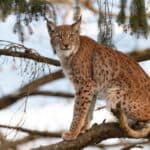
Eurasian Lynx
Eurasian Lynx A classic secretive taiga cat; Tyumen's extensive conifer-mixed forests support stable lynx habitat and prey (hares, grouse).
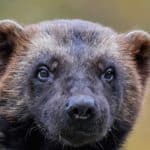
Wolverine
Wolverine An emblematic wilderness species of northern taiga and tundra margins; notable for its large ranges and low densities.
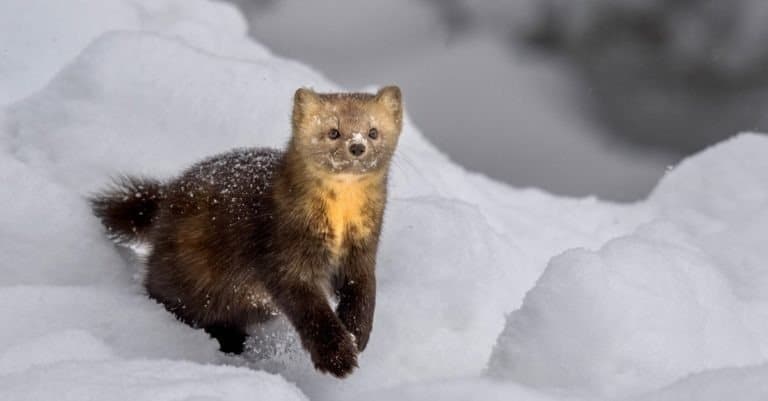
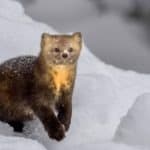
Sable
Sable A defining fur-bearer of Siberian taiga; strongly associated with mature conifer forests and cedar-spruce complexes.
Wild Reindeer Iconic in northern districts (tundra/forest-tundra); large seasonal movements and cultural importance alongside domestic reindeer husbandry.
Whooper Swan A conspicuous breeder and migrant on lakes, bog pools, and floodplains; one of the most visible large waterbirds in wetland landscapes.
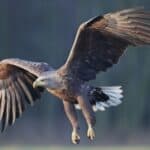
White-tailed Eagle
White-tailed Eagle A top raptor of big rivers and lake systems; seen along the Ob-Irtysh floodplains where fish and waterfowl are abundant.
Siberian Sturgeon A storied Ob-Irtysh basin fish; now more often notable as a conservation/management species than a common catch due to historical declines.
Siberian (Taiga) Roe Deer Defines the southern forest-steppe/edge habitats around agricultural mosaics and mixed woods; frequently encountered compared to deep-taiga specialists.

Endemic & Rare Species

Siberian Crane

Leucogeranus leucogeranus

Critically Endangered (IUCN); extremely rare migrant/visitor in West Siberia

West Siberian wetlands and the Ob basin are historically important for the species' western population; any records in the region are conservation-significant.

Lesser White-fronted Goose

Anser erythropus

Vulnerable (IUCN); rare migrant with declining populations

Uses northern wetland complexes and river corridors during migration; West Siberian staging areas are crucial for remaining flyway groups.

Red-breasted Goose

Branta ruficollis

Vulnerable (IUCN)

A flagship Arctic-breeding goose that can occur in northern Tyumen area migration/staging; sensitive to disturbance and habitat change in tundra wetlands.

Siberian Taimen

Hucho taimen

Vulnerable (IUCN in parts of its range); locally rare/pressured

A premier cold-water apex salmonid of clean, free-flowing rivers; threatened by overharvest and habitat degradation where accessible.

Nelma

Stenodus nelma

Declining in many Ob-basin areas; regionally protected/managed in parts of Russia

A large migratory whitefish of the Ob system; an indicator of river connectivity and delta productivity, with pressures from fishing and river impacts.

Siberian Sturgeon

Acipenser baerii

Regionally threatened/depleted in the wild; fishing restrictions common

A long-lived river sturgeon historically abundant in the Ob-Irtysh; slow recovery makes local spawning and migration habitats especially important.

Notable Populations

  • Major West Siberian wetland and floodplain bird assemblages along the Ob-Irtysh system (mass spring/autumn migrations of geese, swans, ducks, and waders).
  • Large taiga ungulate and carnivore communities (moose, brown bear, lynx, wolverine) sustained by the scale and continuity of boreal forest and peatland mosaics.
  • Northern tundra/forest-tundra reindeer populations and migration routes (especially toward the Ob Gulf and adjacent tundra landscapes), significant nationally for Arctic biodiversity and land-use planning.
  • Ob-basin migratory fish communities (sturgeon and coregonid whitefishes) that are nationally important but sensitive to overfishing and industrial river impacts.

Recent Changes

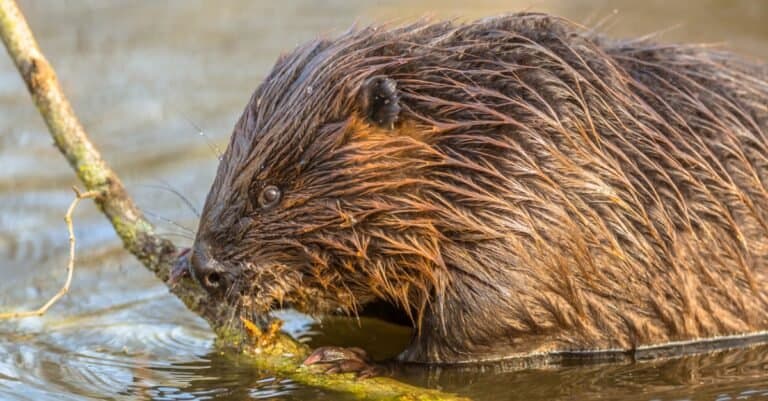
  • Recovery/expansion of Eurasian beaver (Castor fiber) in many West Siberian regions, improving wetland structure and creating new pond habitats where protection and recolonization have progressed.
  • Northward range expansion and increased wintering of some temperate species (e.g., wild boar Sus scrofa in southern/central areas) associated with milder winters and changing land use.
  • Declines and tighter regulation for high-value Ob-Irtysh fishes (notably sturgeons and several whitefishes such as nelma/muksun groups) linked to overharvest, bycatch, and cumulative industrial pressures on large rivers.
  • Shifts in tundra and peatland conditions with warming (permafrost/peat hydrology changes), influencing nesting waterbird productivity and altering availability of shallow wetland habitats in some areas.
  • Localized increases of large raptors (including White-tailed Eagle) where persecution decreased and protected areas improved breeding success, though outcomes vary by district and disturbance levels.
Visit

Wildlife Viewing

Tyumen Oblast in western Siberia is a water-and-forest wildlife area: taiga, bogs, meadows and forest-steppe. Look for moose/elk, roe deer, beaver, fox, hare and waterfowl, raptors and cranes. Best wildlife: spring migration, summer wetlands, autumn rut, winter tracking. North into Yamalo-Nenets and Khanty-Mansi adds tundra species, river deltas and reindeer herding but is remote and may need permits or transport.

Best Seasons

Spring (late April-June)

Peak birding: mass migration of geese, ducks, swans, waders, and raptors across rivers and wetlands. Forest-steppe can produce cranes and displaying grouse; taiga edges wake up with beaver activity and fresh tracks. Expect muddy roads, variable ice breakup, and fast-changing weather-bring waterproof boots and layers.

Summer (June-August)

Long days for wetland boat trips, beaver and otter (where present) watching at dusk, and family groups of many mammals. Best time for dragonflies, amphibians, and general nature photography in bogs and floodplains. Mosquitoes and midges can be intense-head net/repellent is essential.

Autumn (September-October)

Crisp visibility, fewer insects, and strong chances for moose/elk and deer encounters as animals feed and move more. Southbound bird migration concentrates on rivers and lakes; raptors can be excellent on clear days. Nights get cold quickly; some areas become hard to access after heavy rains.

Winter (November-March)

Best season for mammal tracking: moose/elk, hare, fox, and mustelids leave clear sign on fresh snow; you can also look for owl activity along forest edges. Frozen rivers and lakes open up travel routes but require local knowledge for ice safety. Expect very short days and deep cold-ideal for guided snowshoe/ski tracking and wildlife photography of winter taiga scenes.

Top Wildlife Experiences

  • Spring migration birding on the Tobol-Irtysh river corridors near Tobolsk: dawn stakeouts at floodplain overlooks to watch geese/ducks/swallows and scanning for raptors following the river line.
  • Dusk beaver-watching by quiet backwaters and oxbow lakes on the Tura River near Tyumen: slow shoreline walks/short paddles at sunset to spot swimming beavers and hear tail slaps (keep distance; avoid shining bright lights).
  • Forest-steppe crane and wetland bird photography in the southern districts (Ishim-Tobolsk direction): drive-and-walk circuits between small lakes and reedbeds for cranes, waders, and marsh raptors during May-June and again in September.
  • Taiga mammal tracking in winter in the Uvat-Tobolsk broader taiga belt: guided snowshoe/ski day focusing on reading tracks and sign (moose/elk beds, fox trails, hare loops) rather than pursuing animals.
  • Grouse viewing in spring (capercaillie/black grouse) at traditional display areas on taiga edges (with strict ethics): go only with experienced local guides, keep well back, and avoid disturbing leks.
  • Autumn moose/elk rut listening walks at forest edges and along logging tracks (where access is legal): early-morning and late-evening sessions for fresh sign and distant calls; combine with camera traps for non-invasive monitoring.
  • Add-on expedition north via Tyumen to the Yamalo-Nenets tundra (logistics-heavy): summer birding and river-delta landscapes with chances for Arctic-breeding birds and reindeer-herding scenery-best done as a multi-day guided trip with local operators.

Wildlife Watching Types

Birding hotspots: rivers (Tobol/Irtysh/Tura), floodplains, lakes, reedbeds, and bogs Waterfowl migration watching (spring and autumn staging areas) Mammal tracking on snow (winter) and track/sign interpretation year-round Beaver and river-edge wildlife watching (dusk shoreline walks, quiet paddling) Grouse viewing and soundscape walks (spring displays-ethics and distance crucial) Raptor scanning from open viewpoints (river bluffs, field edges in forest-steppe) Wildlife photography: hides/blinds, long-lens shoreline work, and camera-trap workshops No whale watching (inland region); the signature experiences here are taiga, wetlands, and (optionally) tundra add-ons farther north

Guided Options

  • Local birding guides based in Tyumen or Tobolsk offering spring/autumn migration day tours (river floodplains, lakes, reedbeds) with spotting scopes and species checklists.
  • Small-group taiga tracking excursions (winter) focused on safe travel, track identification, and photography-often run as day trips or 2-3 day lodge-based programs.
  • Beaver and wetland evening tours (summer) using quiet shoreline routes or non-motorized paddling where available; ideal for families and photographers.
  • Multi-day nature expeditions northward (via Tyumen logistics) into Khanty-Mansi or Yamalo-Nenets for remote taiga/tundra wildlife and cultural landscape viewing-typically requiring advance planning, specialized transport, and sometimes permits.
  • University/museum-linked naturalist walks and citizen-science style outings (seasonal): spring bird counts, wetland ecology walks, and introductory wildlife ID sessions-ask locally in Tyumen for current calendars.
  • Photography-focused workshops (seasonal): winter tracking + minimalist landscapes; spring migration and cranes; autumn rut-themed outings with ethical viewing guidelines.
Habitats

Ecosystems

Tyumen Oblast stretches north to south across the West Siberian Plain. It includes Arctic coastal tundra in Yamalo-Nenets, vast boreal taiga, huge peatlands, and southern forest-steppe and farm areas around Tyumen. Major rivers (Ob-Irtysh-Tobol), wide bogs, fens, and floodplains shape lowlands; permafrost and coasts influence the far north.

Biomes

Boreal Forest (Taiga)

Taiga forests on the West Siberian Lowland, dominated by larch, spruce, pine, and Siberian cedar, interwoven with peatlands and riparian forests; major habitat matrix across Khanty-Mansi and central Tyumen areas.

Largest biome; broadly central and northern-interior areas-roughly half or more of the total area depending on boundary interpretation.

Temperate Forest

Southern mixed and small-leaved forests (birch, aspen) and forest mosaics transitioning from taiga to forest-steppe; often on better-drained soils and along river terraces.

Mainly southern Tyumen around the Tobol-Tura basins; limited compared with taiga (single-digit to low tens of percent).

Temperate Grassland

Forest-steppe and steppe-like openings with meadow-grass communities, hayfields, and pasture; largely shaped by soils, fire history, and extensive cultivation.

Concentrated in the far south; patchy but locally dominant in agricultural districts (small fraction of total area, larger share of the populated south).

Wetland

Immense peat bogs, fens, and swampy lowlands (part of the broader West Siberian peatland system), including raised bogs, patterned fens, and seasonally flooded floodplains.

Widespread throughout the lowland, especially central sectors; very high landscape prevalence (large portions of taiga are wetland-embedded).

Freshwater

Large rivers (Ob, Irtysh, Tobol, Tura), oxbow lakes, floodplain lakes, and thousands of small waterbodies; critical for fish, migratory birds, and nutrient cycling.

Ubiquitous as linear networks and floodplains across the oblast; highest density in major river valleys and lake/bog districts.

Marine

Arctic marine and nearshore environments of the Kara Sea, including coastal waters and ice-influenced productivity, tied closely to river discharge from the Ob Gulf.

Restricted to the far north coastal fringe (Yamalo-Nenets); a small share of total area but ecologically significant.

Habitats

Coniferous Forest

Taiga stands of larch, spruce, Scots pine, and Siberian pine/cedar; extensive managed and petroleum-infrastructure-fragmented forests in Khanty-Mansi and central areas.

Forest

Broad forest matrix spanning taiga and southern mixed forests; includes large intact blocks as well as logged and road-fragmented landscapes near settlements and oil/gas fields.

Deciduous Forest

Birch-aspen secondary forests common after fire or logging, especially in the southern/central transition zones and on well-drained terraces.

Woodland

Open larch/pine woodlands on sandy or wet substrates and in permafrost-influenced northern interiors; often interspersed with bogs and shrublands.

Tundra

Shrub-moss-lichen tundra with thermokarst depressions, ice-wedge polygons, and wind-exposed ridges; key reindeer pasture landscapes in the far north.

Shrubland

Willow and dwarf-birch shrub tundra and riverine shrub thickets; expands on disturbed/permafrost-thaw areas and along floodplains.

Grassland

Meadow-steppe and forest-steppe grasslands in the south; many areas converted to hayfields and pasture with remnant native patches.

Steppe

Steppe-like openings within the southern forest-steppe belt; often associated with agriculture, dry meadows, and saline/alkaline micro-sites in some lowlands.

Bog

Vast ombrotrophic raised bogs and patterned peatlands with sphagnum carpets and pools; major carbon storehouses across the West Siberian Lowland sectors.

Swamp

Waterlogged forested and shrub swamps, including pine-sphagnum and birch swamp forests; frequent in poorly drained interfluves and along sluggish tributaries.

Marsh

Reed/sedge marshes in floodplains, lake margins, and deltaic zones; important breeding and staging habitat for waterfowl and waders.

Wetland

Complex wetland mosaics (bog-fen-marsh-swamp) dominating many lowland landscapes; strongly seasonal hydrology and extensive peat accumulation.

River/Stream

Major river corridors (Ob, Irtysh, Tobol, Tura) with broad floodplains, oxbows, levees, and riparian forests; key fish and migration routes.

Lake

Numerous shallow lakes and floodplain waterbodies, including thermokarst and oxbow lakes; productivity varies from clear to humic/peat-stained waters.

Pond

Small kettle/thermokarst ponds and peatland pools; abundant in tundra and bog landscapes and sensitive to permafrost thaw and drainage changes.

Coastal

Arctic coastline and nearshore lagoons along the Kara Sea (where included via Yamalo-Nenets), shaped by sea ice, storms, and river discharge.

Agricultural/Farmland

Croplands, hayfields, and pastures concentrated in the southern forest-steppe around Tyumen and along major transport corridors; significant habitat conversion and drainage locally.

Urban

Urban/industrial habitats centered on Tyumen and other towns, plus extensive oil-and-gas infrastructure footprints (roads, pads, pipelines) influencing fragmentation and hydrology.

Ecoregions

West Siberian taiga West Siberian forest-steppe Yamal-Gydan tundra Ural montane taiga and meadows Kara Sea
Protection

Conservation

Primary Threats

  • Hydrocarbon extraction dominates the region's footprint: extensive oil and gas fields (especially in Khanty-Mansi AO and Yamalo-Nenets AO) drive land clearance, well pads, seismic lines, quarries for fill, and long-term soil disturbance; remediation is difficult in peatlands and permafrost-affected landscapes.
  • Dense networks of pipelines, winter roads, permanent roads, rail links, and powerlines fragment taiga and wetland habitats, increase access for hunting/poaching, create barriers for wide-ranging species, and raise mortality risks (vehicle collisions; raptor electrocution on some power infrastructure).
  • Oil spills and chronic leaks from pipelines/production sites contaminate soils, small rivers, and bogs; associated waste (drilling muds, produced water) and legacy industrial pollution near urban/industrial hubs along the Tobol-Irtysh corridor can degrade spawning and nursery habitats for fish.
  • Localized but significant conversion occurs around cities (Tyumen, Tobolsk), industrial zones, and transport corridors; in forest-steppe portions, plowing and settlement expansion reduce natural grassland-wetland mosaics important for ground-nesting birds.
  • Hydrological alteration is a major mechanism of impact: drainage/road embankments and riverbank engineering change water flow in peatlands and floodplains; ice-road construction and gravel pads can redirect runoff, while river regulation and channel works affect fish migration and floodplain productivity.
  • Rapid warming in western Siberia increases permafrost thaw risk in the north (affecting tundra/wetland stability), alters river ice regimes, and intensifies wildfire seasons; shifts in snow/ice timing also affect migration stopovers and breeding success for waterbirds.
  • Commercial and salvage logging (plus associated roads) can simplify forest age structure in accessible taiga, reducing old-growth features important for raptors and cavity-nesters; it can also increase edge effects and human access into previously remote habitat.
  • Subsistence and legal hunting are culturally and economically important, but pressure can become unsustainable near access corridors; enforcement challenges can lead to localized declines in game and incidental take of protected species.
  • Illegal take and trade risk is most acute for high-value fish (sturgeon products, including caviar) and for raptors in some contexts; improved controls exist but long river networks and remote landing sites complicate oversight.
  • The Ob-Irtysh system supports valuable fisheries; overharvest and illegal fishing particularly threaten long-lived, late-maturing species (sturgeons, taimen) and can reduce ecosystem function in floodplain channels and tributaries.
  • Industrial noise, helicopter/vehicle traffic, and seasonal surges of activity (field development, winter road building) disturb breeding and staging waterbirds on wetlands and tundra, and displace mammals from key feeding areas.
  • In the north, conflicts can arise around reindeer herding (predation, disturbance, pasture fragmentation by infrastructure) and along settlements/roads where bears and other wildlife are attracted to waste; conflict risk rises with increasing access and land-use intensity.
  • Warming temperatures and changing wildlife movements can shift parasite and disease dynamics; in northern parts of the wider Tyumen Region, tundra and reindeer systems are vulnerable to episodic disease events that can be amplified by climatic anomalies and animal aggregation.
Fun Facts

Did You Know?

Beluga (white) whales from the Kara Sea regularly enter the Ob Gulf in summer and can travel far up the estuary-meaning a classic "Arctic ocean" whale can be encountered deep inside a river-like gulf rather than in open sea.

Reindeer herding here isn't just local wandering: Nenets-led migrations on and around the Yamal Peninsula can span hundreds of kilometers between seasonal pastures, making them among the longest recurring pastoral migrations anywhere.

The region has sharp habitat changes over short distances—forest-steppe in the south, taiga in the middle, tundra in the north—so species from very different biomes can occur in the same federal-subject area depending on latitude and rivers.

In northern tundra and wetlands, short intense summers bring huge swarms of mosquitoes and midges. These insects shape the food web and change reindeer behavior, causing tight herding, moves to windy coasts or sandy ridges, and shifts in grazing timing.

Large rivers act like wildlife "highways": the Ob and its tributaries concentrate migration routes and feeding sites, so birdwatchers often see far higher species counts along major floodplains and oxbow-lake complexes than in surrounding uplands of similar latitude.

Tyumen Oblast sits on the Western Siberian Lowland-often cited as the world's largest peatland/wetland complex-which makes the region one of Eurasia's biggest natural "factories" for wetland wildlife (especially breeding and stopover habitat for waterbirds).

Within the broader Tyumen region, the Yamalo-Nenets tundra supports one of the largest concentrations of domesticated reindeer on Earth (hundreds of thousands in regional statistics), underpinning one of the world's largest remaining nomadic reindeer-herding systems.

The Lower Ob floodplain and nearby tundra wetlands toward the Ob Gulf are among the largest summer moulting and staging sites in northern Eurasia for geese and other waterfowl, where flightless birds gather in huge, countable groups.

The Ob–Irtysh river system drains much of Tyumen Oblast and is one of the world's longest. Its huge floodplains create very large seasonal spawning and nursery areas for migratory freshwater fish, especially whitefish (coregonids) like muksun and nelma.

Thank you for reading! Have some feedback for us?