N S W E
Wildlife Expeditions

Wildlife of
Kabardino-Balkarskaja Respublika

From steppe foothills to the glaciers of Mount Elbrus, Kabardino-Balkaria packs Europe's most dramatic altitude-driven wildlife diversity into one North Caucasus republic.
2 Species
12,470 km² Land Area
Overview

About Kabardino-Balkarskaja Respublika

On the northern flank of the Greater Caucasus, Kabardino-Balkaria rises quickly from warm lowland plains into forests, subalpine meadows, scree slopes, and glaciated high peaks. This steep range holds a mix of Eurasian steppe species, Caucasus mountain specialists, and predators, centered on the Elbrus massif and deep river valleys. Main habitats are foothill steppe and forest-steppe (used by raptors and small mammals); broadleaf and conifer forests at mid-elevations (rich in ungulates and forest birds); and subalpine and alpine meadows that bloom with wildflowers and serve as summer range for mountain herbivores. Above the treeline, rocky ridges, snowfields, and glaciers shelter only the hardiest life, while canyon rivers and springs make local biodiversity hotspots. The quick rise in elevation lets observers move from open-country birds to forest species to high-Caucasus alpine fauna in a short time, with Mount Elbrus as backdrop.

Physical Features

Geography

Kabardino-Balkaria covers the northern slopes of the Greater Caucasus, with large changes with elevation: lowland steppe and farm plains to foothill broadleaf, then conifer and mixed montane forests, subalpine meadows, alpine tundra, and nival/glacial zones around the Elbrus massif. Deep gorges and glaciers gather wildlife along altitude corridors and safe areas like forested slopes, riverbanks, and high meadows.

12,470 km² Land Area
Among Russia's smaller federal subjects (roughly bottom 10-15 by land area) Size Rank
Russia Country
Federal_subject Type
Elevation Range

~200-300 m in northern plains/foothills to 5,642 m (Mount Elbrus)

Key Landscapes

Greater Caucasus north slopes (high relief mountain terrain) Mount Elbrus massif (glaciated high alpine/nival zone) Glacial and U-shaped valleys and cirques (high-mountain habitat mosaics) Deep river gorges and canyons (e.g., Baksan, Cherek, Chegem systems) providing refuges and movement corridors Montane forest belt (broadleaf to mixed/conifer stands) on mid-elevation slopes Subalpine and alpine meadows (summer foraging and breeding habitats) above the treeline and in high basins/plateaus (e.g., around the Dzhily-Su area)
Parks & Reserves

Protected Areas

Kabardino-Balkaria's protected areas center on high mountains in the Greater Caucasus (Mount Elbrus, gorges and glaciers), plus regional sanctuaries and monuments protecting river valleys, karst lakes, forests and steppe. The system keeps a variety of life at different heights—from lowland steppe and river woodlands to pine and birch forests, subalpine meadows, alpine tundra and glaciers, supporting mammals and Caucasus raptors.

Protected Coverage

≈15.7%

National Parks & Preserves

Prielbrusye (Elbrus Region) National Park

≈1,000 km² (about 100,000 ha)

High-mountain national park around Mount Elbrus and the upper Baksan valley. It protects subalpine meadows, rocky scree, and glacier-fed rivers. One of the North Caucasus' best places to see mountain ungulates and large raptors.

Caucasian tur (Capra caucasica/cylindricornis complex) Caucasian chamois (Rupicapra rupicapra caucasica) Brown bear (Ursus arctos) Eurasian lynx (Lynx lynx) Bearded vulture (Gypaetus barbatus)

State & Provincial Parks

Blue Lakes (Golubye Ozera) Nature Monument Complex

Small site(s); typically a few to tens of km² depending on the protected boundary

A cluster of deep karst lakes and surrounding forested slopes that provide high-quality freshwater habitats and riparian corridors. Notable for birdlife around water/forest edges and for supporting intact riverine ecosystems in a heavily visited area.

Eurasian otter (Lutra lutra) Common kingfisher (Alcedo atthis) Grey heron (Ardea cinerea) Common frog (Rana temporaria) Eurasian sparrowhawk (Accipiter nisus)

Chegem Gorge and Chegem Waterfalls Nature Monument Area

Linear gorge protection; area varies by designation (often tens of km²)

Steep canyon walls, cliff ledges, and spray zones around waterfalls create nesting and foraging habitat for raptors and cliff-associated birds. The gorge also forms an important movement corridor between forest and alpine zones.

Golden eagle (Aquila chrysaetos) Peregrine falcon (Falco peregrinus) Wallcreeper (Tichodroma muraria) Caucasian snowcock (Tetraogallus caucasicus) Brown bear (Ursus arctos)

Dzhily-Su (Jily-Su) Tract / North Elbrus Natural Monument Area

Site-scale; typically tens to low hundreds of km² depending on mapped boundaries

Remote high-elevation meadows, volcanic/rocky outcrops, and mineral-spring valleys on Elbrus's northern side. Good for wildlife viewing in open terrain (ungulates, raptors) and for conserving alpine plant communities and headwater habitats.

Caucasian tur (Capra caucasica/cylindricornis complex) Caucasian chamois (Rupicapra rupicapra caucasica) Bearded vulture (Gypaetus barbatus) Golden eagle (Aquila chrysaetos) Grey wolf (Canis lupus)

Wildlife Refuges

Kabardino-Balkarian High-Mountain State Nature Reserve

≈800-900 km² (order-of-magnitude; exact figure depends on the reserve's official boundary edition)

A strict-protection high-mountain reserve safeguarding some of the most rugged terrain in the Central Caucasus (glaciers, cirques, alpine ridges, and subalpine belts). It is crucial for breeding raptors and for maintaining secure refuges for mountain ungulates with minimal disturbance.

Caucasian tur (Capra caucasica/cylindricornis complex) Caucasian chamois (Rupicapra rupicapra caucasica) Caucasian snowcock (Tetraogallus caucasicus) Bearded vulture (Gypaetus barbatus) Golden eagle (Aquila chrysaetos)

Foothill/steppe and riparian wildlife sanctuary network (republic-level; multiple sites)

Multiple sites; typically tens to hundreds of km² in total

Kabardino-Balkaria maintains a set of regional wildlife sanctuaries in the lower-elevation Terek-Malka-Baksan landscapes to protect remnant steppe, agricultural-edge habitats, and riverine woodlands. These areas are especially important for maintaining connectivity and protecting breeding/resting sites for birds and medium-sized mammals outside the high mountains.

European roe deer (Capreolus capreolus) Wild boar (Sus scrofa) Red fox (Vulpes vulpes) Common pheasant (Phasianus colchicus) Long-eared owl (Asio otus)

Forest-belt wildlife sanctuary and nature sanctuary sites (republic-level; multiple sites along mid-elevation slopes)

Multiple sites; typically tens to hundreds of km² in total

Regional sanctuaries on the forested slopes and mid-elevation belts help protect mixed forests and subalpine ecotones that are key for carnivores, forest birds, and seasonal migrations between valleys and alpine meadows.

Eurasian lynx (Lynx lynx) Brown bear (Ursus arctos) Grey wolf (Canis lupus) Black grouse (Lyrurus tetrix) Northern goshawk (Accipiter gentilis)

Wilderness Areas

  • Bezengi massif/'Bezengi Wall' high-alpine and glacier country (one of the wildest, most roadless mountaineering landscapes in the Central Caucasus)
  • Upper Baksan valley side-gorges (e.g., Adyl-Su and adjacent cirques) with extensive roadless alpine terrain above treeline
  • Cherek-Balkar (Upper Balkaria) gorge system-steep canyons and remote headwaters with limited access beyond settlements
  • North Elbrus backcountry above the Jily-Su area-open alpine plateaus, lava/rock fields, and high ridgelines with minimal infrastructure
  • Chegem highlands/plateau areas above the main gorge-subalpine meadows and cliff systems that remain comparatively undisturbed
Animals

Wildlife

Kabardino-Balkaria spans a steep ecological gradient from Ciscaucasian steppe and river valleys up through montane forests to subalpine meadows, alpine tundra, cliffs, glaciers, and nival zones around Mount Elbrus. This elevation-driven mosaic supports a classic Greater Caucasus fauna: mountain ungulates on rocky ridges, large carnivores in forest-alpine ecotones, and a strong suite of cliff- and high-mountain birds of prey. Protected areas such as Prielbrusye National Park and the Kabardino-Balkarian High-Mountain State Nature Reserve anchor some of Russia's most important high-elevation wildlife habitats.
~70-90 species (rich large-mammal community for a mountain region; includes big carnivores and several mountain ungulates) Mammals
~250-320 species (migration corridor plus high-mountain specialists) Birds
~20-30 species (many tied to rocky slopes and warm foothills) Reptiles
~8-12 species (mostly in foothill forests, springs, and river valleys) Amphibians
~35-60 species (Terek basin rivers and mountain streams; diversity higher in lowlands/foothills) Fish
Examples

Iconic Species

West Caucasian tur Signature cliff-dwelling mountain goat of the Central/Western Greater Caucasus; frequently sought by visitors scanning high ridgelines and scree slopes in protected highland areas.
Caucasian chamois A hallmark of subalpine and alpine meadows near the treeline; often seen in small groups on steep grassy slopes and rocky outcrops.
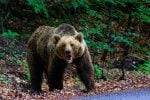
Brown Bear
Brown Bear Top omnivore of forest-alpine mosaics; presence reflects intact mountain ecosystems, though it is usually elusive.
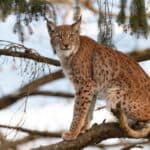
Eurasian Lynx
Eurasian Lynx A secretive flagship predator of rugged forest and broken terrain; valued by wildlife watchers as an indicator of healthy prey populations.
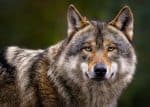
Gray Wolf
Gray Wolf Wide-ranging apex predator using both forest belts and open highlands; shapes ungulate behavior and is part of the classic Caucasus wildlife story.
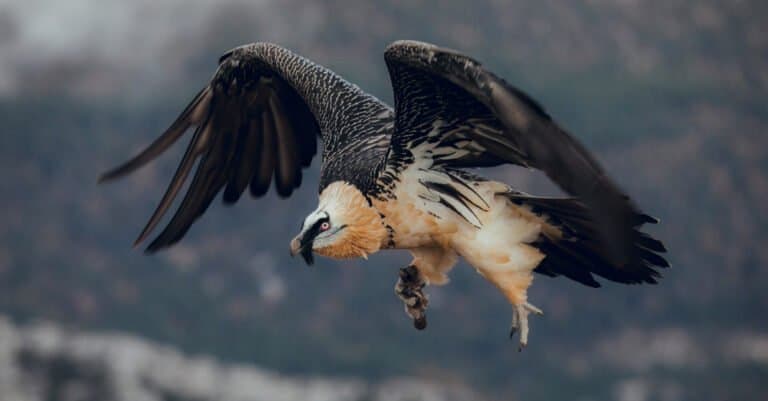
Bearded Vulture (Lammergeier) Iconic cliff-nesting scavenger of high mountains; soaring birds are a highlight in deep gorges and high ridges around Elbrus.
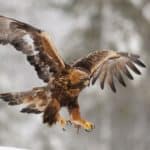
Golden Eagle
Golden Eagle Regularly associated with open highland slopes and cliffs; one of the most recognizable raptors of the Greater Caucasus.
Caucasian Snowcock Near-mythic high-alpine gamebird of talus and windswept ridges; a quintessential 'above-the-treeline' species for the Elbrus region.
Caucasian Black Grouse A Caucasus endemic strongly tied to subalpine scrub and meadow edges; a defining species of the treeline belt.
Wallcreeper A charismatic cliff specialist that forages on sheer rock faces in gorges and steep valleys, especially in colder seasons.

Endemic & Rare Species

Caucasian Black Grouse

Lyrurus mlokosiewiczi

Near-endemic to the Caucasus (regional conservation concern due to habitat sensitivity and disturbance)

Kabardino-Balkaria's subalpine belt provides prime habitat; it is one of the region's most characteristic endemic birds.

West Caucasian tur

Capra caucasica

Caucasus endemic (locally vulnerable to poaching and disturbance; stronghold in protected highlands)

A flagship endemic ungulate of the Greater Caucasus; high-mountain reserves in Kabardino-Balkaria help maintain key herds.

Caucasian Snowcock

Tetraogallus caucasicus

Near-endemic to the Caucasus (patchy distribution; sensitive to disturbance in alpine zones)

Depends on intact alpine/talus habitats; an indicator of relatively undisturbed high-elevation landscapes.

Dinnik's Viper

Vipera dinniki

Caucasus endemic (often treated as threatened regionally; vulnerable to habitat fragmentation and persecution)

A high-mountain viper associated with subalpine/alpine meadows and rocky slopes; notable herpetofauna element of the Central Caucasus.

Caucasian Toad

Bufo verrucosissimus

Caucasus endemic/near-endemic (local declines where streams and forest wetlands are degraded)

Dependent on clean, well-vegetated foothill and montane waters; important indicator of intact forest-stream systems.

Caucasian Rock Lizard

Darevskia caucasica

Caucasus endemic (restricted-range; sensitive to microhabitat loss on rocky slopes)

Represents the Caucasus's well-known endemic reptile radiation; found in rocky habitats across suitable elevations.

Egyptian Vulture

Neophron percnopterus

Endangered (IUCN); rare/declining in many parts of the Caucasus

Where present, it is a high-value conservation species tied to open landscapes and cliffs; threatened by poisoning, reduced food availability, and infrastructure risks.

Bearded Vulture (Lammergeier)

Gypaetus barbatus

Near Threatened (IUCN); scarce breeder in Russia with strongholds in the Caucasus

Kabardino-Balkaria's high cliffs and ungulate-rich uplands support one of the most emblematic (and sensitive) scavengers of the mountains.

Notable Populations

  • High-mountain ungulate strongholds (tur and chamois) on the northern slopes of the Greater Caucasus, especially within/around high-elevation protected areas.
  • Nationally important assemblage of cliff- and gorge-nesting raptors and scavengers (notably bearded vulture and golden eagle) associated with deep valleys and rugged ridgelines.
  • Representative, relatively intact alpine and subalpine wildlife community around the Elbrus massif-one of Russia's premier high-elevation biodiversity landscapes.

Recent Changes

  • Increasing human recreation pressure in the Elbrus/Prielbrusye area (hiking, skiing, off-road access) has raised disturbance risks for sensitive alpine species (snowcock, grouse) and mountain ungulates near popular routes.
  • Raptors and scavengers have faced periodic regional declines linked to poisoning (often from predator-control practices), reduced carrion availability, and collision/electrocution risk where infrastructure expands; local outcomes vary by site protection and enforcement.
  • Localized declines in cold-water fish (notably trout in some streams) associated with water abstraction, channel modification, sedimentation, and warming trends that reduce suitable cold, oxygen-rich habitat.
  • Ongoing recovery/retention of key large mammals in well-protected sectors, with population stability generally higher inside reserves than in unprotected foothills where poaching and fragmentation pressures are greater.
Visit

Wildlife Viewing

Kabardino-Balkaria has dramatic wildlife as low steppe and foothills change to forested gorges, subalpine meadows, and rocky high slopes and glaciers around Mount Elbrus. Mountain mammals include Caucasian tur, chamois, red deer, and wild boar (brown bear and wolf more shy). Spot raptors like golden eagle and bearded vulture at dawn in protected areas like Prielbrusye National Park.

Best Seasons

Spring (late March-May)

Snowline retreats and valleys green up; excellent raptor activity along cliffs and gorges (golden eagle, bearded vulture), increasing chances to spot ungulates at mid-elevations as they follow fresh growth. Good time for foothill/steppe birding and early wildflower meadows. Some high passes and reserve zones may still be snowbound; plan flexible routes.

Summer (June-August)

Peak access to alpine zones around Elbrus and the high gorges; best season for high-mountain birding (Caucasian snowcock, alpine accentors) and for watching tur/chamois on grassy ledges at dawn and dusk. Long daylight hours suit ridge-and-scan days; mid-day heat in lower valleys makes early/late outings more productive.

Autumn (September-October)

Crisp visibility, fewer hikers, and strong wildlife behavior: red deer rut in forest belts; tur and chamois often use open slopes before deeper snows. Migrating raptors can funnel along the range. Autumn colors in the gorges add scenery; first snow can arrive early at high elevation.

Winter (November-March)

A track-and-sign season: look for footprints and trails in snow at mid-elevations (hare, fox; occasional wolf sign) and scan avalanche slopes and wind-scoured ridges for mountain ungulates. Birding remains good for hardy species and raptors near cliffs. Weather can be severe-choose guided outings and prioritize safety in avalanche terrain.

Top Wildlife Experiences

  • Dawn hike from Terskol/Azau in Prielbrusye National Park to open ridges toward Cheget and grassy ledges above Baksan Valley to spot Caucasian tur and watch lammergeiers and golden eagles on morning thermals.
  • Alpine birding on Mount Cheget slopes near Terskol: ride the lift partway when working, then walk slowly and quietly to scan rock faces for wallcreeper, alpine accentors, and, with luck, calling Caucasian snowcock on steep scree.
  • Gorge-cliff raptor watch in Chegem Gorge: set up at safe pull-offs and short trails where cliffs concentrate bearded vultures, eagles, and other cliff-nesters; pair with a short hike to quieter side valleys for chamois sightings on rocky terraces.
  • Forest-belt wildlife walk in Cherek-Balkar/Upper Balkaria area: explore mixed forests and river corridors for red deer sign, wild boar rooting, and woodpeckers; in early autumn, time outings for the deer rut and listen for calls at first light.
  • Boundary hike near the Kabardino-Balkarian High-Mountain State Nature Reserve: arrange a permitted route to scan remote cirques for tur/chamois and enjoy quiet habitats; permits and a local guide often required.
  • Blue Lakes and surrounding karst/spring systems: combine scenic stops with birding around water edges and river corridors-best as a half-day add-on between mountain hikes; early morning is quieter and more wildlife-active.
  • Winter tracking outing on mid-elevation snow trails near Elbrus villages: go with a guide to learn track identification, search for fox and hare, and scan sunlit slopes for ungulates; finish with a sunset raptor watch near cliff bands.

Wildlife Watching Types

Mountain mammal watching (Caucasian tur, chamois; occasional bear/wolf sign) Raptor and vulture watching at gorge cliffs (golden eagle, bearded vulture/lammergeier) Alpine birding (snowcock, accentors, wallcreeper; seasonal high-elevation specialists) Forest and foothill birding (woodpeckers, passerines, raptors along valley edges) Wildlife tracking in snow (winter sign-based wildlife viewing) Scenic night-sky + dawn wildlife combo trips (early starts for best mammal activity) Nature photography trips (landscape + wildlife from viewpoints and ridgelines)

Guided Options

  • Prielbrusye National Park ranger/guide services and local eco-guides based in Terskol/Azau: guided hikes focused on tur/raptor viewing, alpine birding, and safe route planning in changing mountain weather.
  • Local birding/photography guides in the Elbrus region: customizable dawn-to-dusk itineraries with optics support (spotting scope) and location knowledge for wallcreeper/snowcock and cliff-raptor viewpoints.
  • Permit-assisted excursions toward the Kabardino-Balkarian High-Mountain State Nature Reserve: guided trips that handle access requirements and prioritize low-impact wildlife watching in more remote habitats.
  • Community-based guides in Balkar villages (Upper Balkaria/Cherek area): culturally rich nature walks that combine forest wildlife sign, birding, and lesser-visited gorge viewpoints.
  • Winter safety-focused wildlife outings (with certified mountain guides): track-and-sign walks and ridge viewpoint sessions planned around avalanche forecasts and weather windows.
Habitats

Ecosystems

Kabardino-Balkarian Republic (central North Caucasus, Russia) has strong elevation-driven ecosystem diversity, transitioning from lowland steppe and cultivated plains in the north to montane forests, subalpine shrub/grass communities, extensive alpine meadows, and nival-glacial environments around Mount Elbrus and adjacent ridgelines. Fast mountain rivers (Terek basin tributaries) and narrow floodplains add freshwater habitats, while true wetlands are limited and localized.

Biomes

Temperate Grassland

Lowland and foothill steppe/forest-steppe mosaics on the northern fringe of the republic, often fragmented by agriculture; supports drought-tolerant grasses and forbs and spring ephemeral blooms.

Approx. 25-35% (primarily northern lowlands and foothills)

Temperate Forest

Mid-elevation montane broadleaf and mixed forests on the northern slopes of the Greater Caucasus; includes beech-hornbeam and oak forests at lower montane elevations and more mixed conifer components upslope in cooler, wetter valleys.

Approx. 25-35% (mainly mid-elevation belts and valley slopes)

Alpine

High-elevation subalpine and alpine zones including subalpine tall-herb communities, alpine meadows, rocky scree, and nival areas with glaciers (notably around Elbrus); short growing season, strong winds, and snow persistence shape vegetation.

Approx. 25-35% (upper elevations across the main range; largest contiguous natural areas)

Freshwater

Mountain rivers, torrents, and headwaters (e.g., Baksan, Malka, Chegem, Cherek systems) with cold, oxygen-rich flow; includes riparian corridors and gravel-bed channels.

Approx. 2-5% (linear network concentrated in valleys)

Wetland

Small floodplain wetlands, oxbows, wet meadows, and spring-fed fens along broader river reaches in the lowlands/foothills; generally limited by steep relief and well-drained mountain terrain.

<1-2% (patchy, localized along floodplains and springs)

Habitats

Steppe

Foothill and lowland steppe/forest-steppe remnants with feather-grass (Stipa) type communities and diverse forbs; heavily converted in accessible areas.

Grassland

Open herbaceous habitats from lowland meadows to subalpine tall-herb grasslands; important summer pasture zones in higher valleys.

Shrubland

Subalpine shrub belts (e.g., rhododendron/juniper-type communities in suitable microclimates) and shrub patches on dry slopes and avalanche tracks.

Deciduous Forest

Lower to mid-montane broadleaf forests (oak, beech, hornbeam and associates) on warmer slopes and valley sides.

Coniferous Forest

Cooler, higher-elevation conifer and mixed conifer stands (often in moist valleys and upper montane belts), transitioning toward treeline.

Mountain

Greater Caucasus rugged relief including Elbrus massif, glaciated headwalls, and deeply incised gorges that create strong microclimatic contrasts.

Alpine Meadow

Treeline-above meadows and alpine turf with high endemism and seasonal wildflower peaks; frequently used as summer grazing areas where accessible.

Cliff/Rocky Outcrop

Rock faces, limestone and volcanic outcrops, and canyon walls (e.g., in river gorges) providing nesting ledges and specialized crevice flora.

Cave

Karst and lava/rock cavities in suitable geology, including small cave systems and shelters used by bats and other fauna.

River/Stream

Cold, fast-flowing mountain rivers and braided gravel channels; key habitat for riparian shrubs/trees and aquatic invertebrate communities.

Lake

Small high-mountain lakes and tarn-like waterbodies are present but not extensive; many are seasonal or influenced by glacial melt.

Wetland

Floodplain wet meadows, spring-fed seepages, and small marshy patches along gentler valley bottoms, especially in lower elevations.

Agricultural/Farmland

Croplands and hayfields dominate many lowland areas; pasture and orchard systems occur in foothills and valleys.

Urban

Urban and peri-urban habitats concentrated around Nalchik and other settlements, with strong interface to foothill ecosystems.

Ecoregions

Caucasus mixed forests Caucasus alpine meadows and shrublands Pontic steppe
Protection

Conservation

Primary Threats

  • Rapid warming in the Central Caucasus is shrinking Elbrus and nearby glaciers, raising the snowline and shortening snow cover. This changes runoff in glacier-fed rivers, hurts alpine/subnival habitat, forces cold-adapted species upslope, and raises landslide and rockfall risk in steep valleys.
  • KBR's greatest pressure is around the Elbrus tourism cluster (Baksan Gorge, cable-car zones, ascent routes). Off-trail hiking, freeride skiing, snowmobiles/ATVs, drones, and crowded camps/parking disturb breeding raptors and drive ungulates from key feeding and mineral-lick sites, especially late winter and early spring when animals need more energy.
  • Road upgrades, hotels, cable cars, service roads, and utilities in narrow mountain valleys break up habitats and raise collision and disturbance risks. New lines of access bring people into remote cirques and ridgelines, increasing trash, illegal hunting, and feral dogs; protection is weak outside strict reserves.
  • Lowland and foothill habitats are slowly changed and simplified by more houses and larger orchards and fields. In mountains, losses come from slope grading for facilities, quarrying for stone, and plant trampling and erosion near busy trails and camps. Alpine meadows are most damaged near passes and staging areas.
  • Trash from tourists and poorly treated sewage in busy seasons pollute valley bottoms and rivers, especially the Baksan and its tributaries. Roads and winter work add oils and fine dirt; illegal dumps and construction waste fill ravines. Farm chemicals and town runoff cause local water pollution.
  • Poaching and illegal hunting still threaten mountain ungulates (tur and chamois) and large predators, especially on easy-to-reach ridges and forest edges outside protected areas. Fewer seasonal patrols and road access in valleys raise risk. Illegal shooting also harms raptors by killing them or reducing their food.
  • Livestock grazing in foothills and mountain pastures leads to conflict with wolves and occasionally bears; retaliatory actions (poisoning, illegal shooting, snaring) can harm non-target scavengers including vultures. Guarding practices vary by community, and conflict is most acute where herds use remote summer pastures adjacent to reserve boundaries.
  • Overgrazing and poorly managed pasture rotations in some subalpine/alpine meadows reduce plant cover and accelerate soil erosion on steep slopes, degrading forage for wild ungulates and increasing sediment loads in headwater streams. Fuelwood collection and unregulated collection of wild plants/mushrooms can be locally significant near settlements and popular tourist corridors.
  • In the northern lowlands and foothills, expansion/intensification of cropland, orchards, and associated irrigation infrastructure can reduce steppe fragments, riparian buffers, and small wetlands. This disproportionately affects steppe and farmland-edge species and increases edge effects (dogs, disturbance) near remaining natural patches.
  • Legal and illegal logging pressure is mostly in accessible foothill forests and valley-side stands, where selective cutting and road creation can fragment forest structure and increase erosion. Even where clear-felling is limited, cumulative impacts include disturbed understory, reduced deadwood, and increased access for poaching and off-road traffic.
  • Quarrying and extraction of construction materials in or near valleys can cause direct habitat loss, dust deposition on vegetation, noise disturbance, and increased truck traffic. In steep terrain, spoil and altered drainage elevate erosion and sedimentation risks downstream.
  • Interfaces between domestic livestock and wild ungulates on shared pastures create pathways for disease transmission (e.g., bacterial infections, parasitic burdens, and mange-like conditions), potentially reducing fitness and survivorship. Feral/stray dogs near settlements and tourist hubs can also act as vectors for pathogens and directly harass wildlife.
  • Disturbed corridors (roadsides, construction sites, ski-area margins) are prone to colonization by invasive or weedy plants that outcompete native meadow flora. In some waters, stocking or spread of non-native fishes in recreational areas can alter aquatic food webs and pressure native invertebrates and amphibians.
Fun Facts

Did You Know?

The Central Caucasus is a natural meeting zone for the West and East Caucasian tur. Near Mount Elbrus, these wild goats can mix and have mixed traits instead of fitting one clear species type.

The bearded vulture's diet is famously backwards: it specializes on bones (often reported as the majority of its diet) and deliberately drops large bones from height onto rocks to crack them-an extreme feeding niche for a large raptor.

Some of the region's most visible mountain birds are built to run, not soar: the Caucasian snowcock-typical of high, rocky slopes-often escapes danger by sprinting and "skating" over scree and snow patches, only flying when it has to.

In the Central Caucasus, hoofed animals like tur and chamois change elevation with the seasons. They may move downslope when snow, food timing, or insects are bad, then return to high ridges.

High altitude doesn't mean low predation pressure: above the forests, open alpine terrain can actually increase visibility and pursuit efficiency for predators like wolves and large raptors, shaping how herd animals use ridgelines, cliffs, and time their movements.

Europe's highest wildlife habitat: Mount Elbrus (5,642 m) in Kabardino-Balkaria creates the highest-elevation living conditions in Europe; classic high-mountain species here (e.g., Caucasian tur and Caucasian snowcock) use terrain far above the treeline, on scree and snowfields.

One of Europe's biggest birds on local cliffs: the bearded vulture (lammergeier), a flagship raptor of the Central Caucasus including Kabardino-Balkaria, is among the largest flying birds in Europe (wingspan commonly cited up to ~2.8 m).

Largest lynx species in a "Europe-to-alpine" landscape: the Eurasian lynx (the largest of the lynx species) inhabits the republic's forest belt, taking advantage of the sharp transition from lowland-steppe edges to deep mountain forests.

Kabardino-Balkaria stretches from lowland steppe and foothills to Mount Elbrus, packing steppe, broadleaf forest, conifer belt, subalpine meadows and alpine/nival zones into a steep slope, causing fast habitat change for wildlife over tens of kilometers.

Thank you for reading! Have some feedback for us?