N S W E
Wildlife Expeditions

Wildlife of
Chelyabinskaya oblast'

A southern Urals crossroads where taiga fringes, forest-steppe, and open steppe meet around hundreds of lakes-packing Eurasian biodiversity into one oblast.
5 Species
87,900 km² Land Area
Overview

About Chelyabinskaya oblast'

Chelyabinsk Oblast sits where the eastern Ural Mountains meet forest-steppe and then wide steppe toward Kazakhstan. A strong continental climate makes a mix of biomes where northern forest species overlap with steppe animals. Habitat changes happen fast here, so you can see many kinds of wildlife in a small area. Important habitats are the mixed and conifer-birch forests of the southern Ural foothills, which shelter large mammals and forest birds; wide forest-steppe mosaics that give good food for hoofed animals and predators; and open steppe with feather-grass that supports ground-nesting birds and small mammals. The region also has many lakes, rivers, and wetlands that are stopovers and breeding sites for waterfowl and wading birds on flyways between Siberia and Kazakhstan. Because mountain forest, lake-filled plains, and Kazakh-border steppes sit so close, the oblast is one of the most varied wildlife edge zones in the southern Urals.

Physical Features

Geography

Chelyabinsk Oblast is in the southern Ural transition where low ridges and forested foothills slope into the West Siberian Plain and into forest‑steppe and steppe. This creates a patchwork of taiga, meadow‑steppe, dry steppe, and wetlands; forest animals occur in uplands and lake districts, while steppe species live on southern and eastern plains.

87,900 km² Land Area
Mid-sized; roughly in the 30s by area among Russia's federal subjects Size Rank
Russia Country
Oblast Type
Elevation Range

~120 to 1,406 m (Mt. Nurgush), supporting habitats from lowland steppe/forest-steppe to upland conifer-mixed forests and rocky alpine-like zones

Coastline

No ocean coastline; extensive inland lake shores and associated wetlands form the primary 'shoreline' habitats

Key Landscapes

Southern Ural Mountains and ridges (upland forests, rocky outcrops, elevational habitat gradients) Forested foothills and mixed/birch-pine forest belts (key cover and corridor habitat) Forest-steppe and steppe plains (open habitats for steppe-adapted mammals and birds) Major river basins and valleys (e.g., Miass; Ural River corridor in the south; tributaries draining toward the Tobol-Irtysh system) that form riparian habitat ribbons Large concentration of inland lakes (freshwater and some saline/alkaline), including well-known deep/clear lakes such as Turgoyak and large lake districts (important for waterbirds, amphibians, fish, and stopover habitat) Wetlands, marshes, and seasonally flooded lowlands around lakes and river floodplains (breeding and staging areas for migratory birds)
Parks & Reserves

Protected Areas

Chelyabinsk Oblast’s protected areas stretch from Southern Ural mountain boreal forests in the west to forest-steppe and steppe with large lakes in the east and south. The core sites are two federal parks, Taganay and Zyuratkul, plus strict reserves. Regional protected areas guard lakes and wetlands for waterbirds, meadow-steppe species, and raptor habitat.

Protected Coverage

~6-8% of the oblast's land area (approx.; varies by how regional nature monuments/zakazniks are counted and by boundary updates).

National Parks & Preserves

Taganay National Park

≈ 568 km²

One of the best wildlife-viewing landscapes in the Southern Urals: roadless mountain ridges, stone rivers (boulder fields), and boreal-forest mosaics that support large mammals and forest birds. Elevation gradients create diverse habitats in a compact area.

Brown bear (Ursus arctos) Eurasian lynx (Lynx lynx) Moose/elk (Alces alces) Western capercaillie (Tetrao urogallus) Black stork (Ciconia nigra)

Zyuratkul National Park

≈ 880 km²

Protects the high-elevation Zyuratkul Lake basin and surrounding ridges and plateaus-prime habitat for boreal-forest fauna, beavers and otters in clean headwaters, and a strong assemblage of grouse and raptors. Particularly notable for intact forest-wetland complexes.

Brown bear (Ursus arctos) Eurasian beaver (Castor fiber) Eurasian otter (Lutra lutra) Eurasian lynx (Lynx lynx) Golden eagle (Aquila chrysaetos)

State & Provincial Parks

Taganay National Park

568.6 km² (56,843 ha)

A protected mountain and taiga landscape in Chelyabinsk Oblast, known for large forest mammals and boreal birdlife across ridges, forests, and rocky tundra-like areas.

Brown bear (Ursus arctos) Moose (Alces alces) Eurasian lynx (Lynx lynx) Sable (Martes zibellina) Western capercaillie (Tetrao urogallus)

Zyuratkul National Park

882.5 km² (88,249 ha)

A highland protected area in Chelyabinsk Oblast centered on Lake Zyuratkul, with mountain forests and wetlands supporting large mammals and diverse birds.

Brown bear (Ursus arctos) Moose (Alces alces) Gray wolf (Canis lupus) Eurasian lynx (Lynx lynx) Black grouse (Lyrurus tetrix)

Ilmen State Reserve

303.8 km²

A long-established protected area in Chelyabinsk Oblast with forest and low-mountain habitats that support typical Ural wildlife, including large mammals and forest birds.

Brown bear (Ursus arctos) Moose (Alces alces) Siberian roe deer (Capreolus pygargus) Eurasian lynx (Lynx lynx) Black grouse (Lyrurus tetrix)

Wildlife Refuges

Kasli-Kyshtym Lake District (lake/wetland OOPT cluster; regional sanctuaries and nature monuments)

Landscape-scale lake district (hundreds of km² across multiple protected sites)

A dense cluster of lakes, bogs, and forested shorelines functioning as a regional-scale refuge for waterbirds and semi-aquatic mammals; especially important during spring/autumn migration when birds redistribute among lakes.

Whooper swan (Cygnus cygnus) Common crane (Grus grus) Osprey (Pandion haliaetus) White-tailed eagle (Haliaeetus albicilla) Eurasian beaver (Castor fiber)

Lake Chebarkul Wetlands and Shore Forests (regional protected wetland/nature monument)

Lake surface ≈ 19 km² (protected wetland belt varies)

A productive lake with reedbeds and shallow bays that supports nesting and staging waterfowl; nearby forests add habitat for owls, woodpeckers, and mammals-making it a convenient mixed-habitat wildlife area.

Common pochard (Aythya ferina) Great crested grebe (Podiceps cristatus) Marsh harrier (Circus aeruginosus) Common crane (Grus grus) Eurasian otter (Lutra lutra)

Smolino Lake Urban Wetland (Озеро Смолино; protected/nature-monument type site where designated)

Lake surface ≈ 20-25 km² (protected shoreline sector varies)

Despite being within the Chelyabinsk urban area, the lake's open water and reed margins can act as a local refuge/stopover for waterbirds; conservation value is tied to shoreline disturbance control and water-quality management.

Mute swan (Cygnus olor) Mallard (Anas platyrhynchos) Black-headed gull (Chroicocephalus ridibundus) Great crested grebe (Podiceps cristatus) Marsh harrier (Circus aeruginosus)

Wilderness Areas

  • Taganay Ridge highlands and stone-river (kurum) fields (core roadless mountain-taiga terrain)
  • Zyuratkul Lake headwaters and the Nurgush Range (remote ridge/plateau landscapes with limited roads)
  • Urenga Range (long, forested ridge system with extensive undeveloped tracts, especially away from settlements)
  • Ilmen Ridge forest-lake mosaic (quiet backcountry zones around smaller lakes outside main recreation nodes)
  • Southern steppe ravines and uplands around the Arkaim landscape (large open horizons with low infrastructure density)
Animals

Wildlife

Chelyabinsk Oblast sits at a classic Eurasian crossroads: low Ural Mountains and forested ridges in the west grade into forest-steppe and open steppe toward the Kazakhstan border, with hundreds of lakes and river valleys threading through. This mix of taiga/mixed forest, meadow-steppe, wetlands, and cold continental winters supports a broad "meeting zone" fauna-large forest mammals (moose, bear, lynx), steppe-adapted birds (cranes, raptors), and strong waterbird assemblages on the lake systems during migration and breeding.
~60-70 species Mammals
~260-320 species (strongly seasonal with migration) Birds
~8-10 species Reptiles
~8-11 species Amphibians
~40-60 species (lakes and river basins) Fish
Examples

Iconic Species

Eurasian Moose A flagship large herbivore of the South Ural forests and forest-steppe edges; commonly sought on nature trips in protected areas and quieter forest tracts.
Brown Bear
Brown Bear An emblematic predator of the forested Ural landscapes; most likely in larger, less disturbed western uplands and reserves.
Eurasian Lynx
Eurasian Lynx A secretive top predator that defines the 'wild Ural forest' experience; present at low densities and rarely seen but strongly associated with the region.
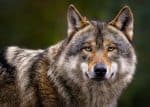
Gray Wolf
Gray Wolf A wide-ranging carnivore occurring from forest to steppe mosaics; tracks and howls are a classic element of remote winter landscapes.
Siberian Roe Deer A characteristic ungulate of forest-steppe and woodland edges; frequently encountered near mixed habitats and in agricultural mosaics.
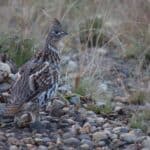
Capercaillie
Capercaillie A signature bird of mature conifer and mixed forests in the Ural foothills; sought by birders for its spring display grounds.
Black Grouse Commonly associated with forest openings, boggy edges, and forest-steppe; spring leks are one of the most notable wildlife spectacles.
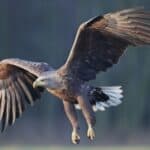
White-tailed Eagle
White-tailed Eagle A flagship wetland-and-lake raptor; the oblast's large lakes and fish-rich waters can support breeding and staging birds.
Whooper Swan A highly visible, charismatic waterbird during migration and on suitable breeding lakes; strongly tied to the region's wetland character.
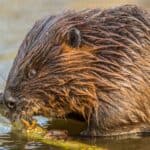
European Beaver
European Beaver A keystone wetland engineer in river valleys and lake outflows; its dams and lodges shape local habitats and boost biodiversity.

Endemic & Rare Species

Saker Falcon

Falco cherrug

Endangered (IUCN); rare and vulnerable regionally

A steppe and forest-steppe falcon threatened by electrocution on powerlines, prey changes, and illegal capture; the southern Ural-Kazakh borderlands are within its broader steppe stronghold zone.

Steppe Eagle

Aquila nipalensis

Endangered (IUCN); declining across its range

A hallmark raptor of open steppe and semi-open country; declines are linked to prey reductions, poisoning, and infrastructure impacts, making remaining regional occurrences conservation-relevant.

Black Stork

Ciconia nigra

Rare/local breeder; often regionally protected

A sensitive species of quiet forested river valleys and wetlands; its presence indicates relatively intact riparian forest and low disturbance.

Greater Spotted Eagle

Clanga clanga

Vulnerable (IUCN); scarce

A wetland-associated eagle tied to marshes and wooded bogs; threatened by wetland drainage and disturbance, so any breeding or regular passage is notable.

European Mink

Mustela lutreola

Critically Endangered (IUCN); remnant/very rare where present

A riparian mustelid that has collapsed across much of its former range due to habitat loss and competition with introduced American mink; any surviving populations in the wider Ural region are of high concern.

Great Bustard

Otis tarda

Vulnerable (IUCN); very rare/irregular in many areas

A flagship steppe bird sensitive to agricultural intensification and disturbance; where steppe remnants persist, occasional records or small local groups can occur and are conservation-significant.

Notable Populations

  • Large seasonal concentrations of migratory waterfowl (ducks, geese, swans) and other wetland birds on the oblast's major lake systems during spring and autumn passage.
  • Strong forest grouse assemblages (capercaillie/black grouse) in extensive western forest tracts and protected areas of the South Urals.
  • Regionally important steppe and forest-steppe raptor use (migration and foraging), including eagles and falcons along open-country corridors and lake basins.

Recent Changes

  • European beaver populations have generally recovered and expanded in many parts of Russia, with continued recolonization and strengthening of riparian wetlands where hunting pressure is controlled.
  • Steppe raptors (notably Steppe Eagle and Saker Falcon) have experienced broad declines across the steppe belt; local trends are influenced by prey availability, poisoning, and powerline mortality.
  • Wild boar numbers can fluctuate sharply due to disease management (notably African swine fever in Russia) and hunting pressure, affecting predator-prey dynamics.
  • Ongoing wetland and shoreline disturbance around some lakes (recreation development, water-level regulation, pollution pressure in industrial areas) can reduce breeding success for sensitive waterbirds while favoring generalists.
  • Range adjustments typical of warming climates have been reported across the southern Urals in general (earlier migrations, shifts in wintering behavior), with some waterbirds and mesopredators becoming more regular in milder years.
Visit

Wildlife Viewing

Chelyabinsk Oblast has varied wildlife in southern Urals: mountain-forest at Ilmen and Ural foothills, forest-steppe and open steppe toward Kazakhstan. See pine-birch woods, rocky outcrops and many lakes with good bird watching at wetlands and shores. Look for elk/moose, roe deer, wild boar, fox, hare, beaver lodges and spring frogs. Best near Miass (Ilmen), Zyuratkul, Arkaim and Orenburg–Ural steppe reserves.

Best Seasons

Spring (late April-June)

Peak bird migration and breeding activity around lakes and wetlands; waterfowl, waders, and raptors become more visible. Forest edges and clearings green up fast, improving chances for elk/roe deer sightings at dawn/dusk. Amphibians are active in shallow ponds; excellent time for photography with fresh foliage and dramatic weather.

Summer (June-August)

Best for long days, comfortable access to trails, and lake-based viewing (shoreline birding, quiet canoe/kayak for waterbirds where permitted). Mammals are more nocturnal in heat; focus on early mornings and evenings. Insect life is abundant-great for macro/nature walks in meadows and forest-steppe.

Autumn (September-October)

Arguably the most scenic season: golden forests, clearer air, and active mammals preparing for winter. Strong raptor movement and late waterfowl staging on lakes. Rut activity (where present) can increase chances of hearing/seeing ungulates. Fewer mosquitoes and generally crisp hiking conditions.

Winter (November-March)

Prime season for tracking: fresh snow makes it easier to find signs of elk, roe deer, fox, hare, and sometimes wolf tracks in remote areas. Winter birding can be rewarding (tits, woodpeckers, crossbills; occasional owls). Photography opportunities with hoarfrost forests and frozen lakes; dress for severe continental cold and short daylight.

Top Wildlife Experiences

  • Ilmen Nature Reserve area (near Miass): guided nature walks and viewpoint scanning for forest birds, woodpeckers, and large mammals at forest edges; pair with early-morning drives on buffer-zone roads to spot roe deer and fox.
  • Lake-rich birding circuit near Chelyabinsk and Kyshtym-Kasli lake districts: shoreline and reedbed birding for waterfowl, gulls/terns (seasonal), and waders during spring/autumn migration; bring a scope for distant flocks.
  • Zyuratkul region (South Urals highland landscapes): day hikes for boreal-leaning forest wildlife-listen for owls at dusk (seasonal), watch for elk sign, and scan open boggy/meadow patches for raptors.
  • Arkaim steppe and surrounding landscapes: sunrise/sunset steppe walks for ground birds and open-country raptors; combine cultural archaeology with nature viewing in the same trip.
  • Beaver watching on quiet rivers/streams (where access is allowed): evening sit near fresh chew marks and lodges; best in late spring through early autumn when water is open and activity is consistent.
  • Winter tracking outing in forest-steppe: hire a local guide to follow fresh tracks (fox, hare, roe deer; occasional larger carnivore sign) and learn fieldcraft; add a hot tea break and wildlife photography from fixed viewpoints.
  • Lakeside hide-and-wait photography session: pick a sheltered reed edge or forested shoreline and do a 2-3 hour quiet sit for close views of songbirds, woodpeckers, and lake birds-especially effective during calm mornings in spring/autumn.

Wildlife Watching Types

Birding hotspots (lakes, reedbeds, river valleys, and forest edges) Waterfowl and migration watching (spring and autumn lake staging areas) Raptor watching (open steppe and forest-steppe, especially during migration) Mammal watching (elk/moose, roe deer, wild boar, fox, hare) via dawn/dusk drives and quiet sits Winter wildlife tracking and spoor identification on snow Beaver and semi-aquatic wildlife observation on rivers/streams Macro/nature walks (insects, wildflowers, amphibians) in meadow and forest-steppe habitats Landscape-and-wildlife photography (lakes, rocky outcrops, taiga-like forest patches, steppe panoramas)

Guided Options

  • Arkaim Reserve/park programs (seasonal): guided walks and excursions that can be paired with steppe nature viewing and raptor scanning at sunrise/sunset.
  • Ilmen area excursions (Miass): inquire locally for guided nature walks in/around protected areas (rules vary) focusing on forest ecology, birding, and viewpoint-based wildlife observation.
  • Zyuratkul / South Urals hiking guides: local outdoor operators can arrange day hikes and multi-day routes with wildlife-focused pacing (early starts, quiet observation stops).
  • Local birding guide-by-request (Chelyabinsk-Kyshtym-Kasli lake districts): custom lake-and-wetland itineraries for migration periods; typically includes transport, shoreline stops, and scope-based flock identification.
  • Winter tracking and photography guides (regional outdoor clubs): snowshoe/ski-based outings focused on finding tracks, interpreting sign, and locating winter birds; often run as small-group day trips.
  • Nature centers and park visitor programs (varies by year): check regional protected-area visitor centers for seasonal talks, guided walks, and citizen-science style bird counts or nature days.
Habitats

Ecosystems

Chelyabinsk Oblast runs north to south across the southern Urals, where low Ural mountains and foothills with mixed forests change to forest-steppe and open steppe near the Kazakhstan border. A continental climate, varied landforms, and many lakes and rivers make a mix of forests, meadows, rocky uplands, and wetlands that support European and West Siberian (Eurasian) steppe species.

Biomes

Temperate Forest

Mixed and deciduous-conifer forests dominate the Ural foothills and many northern/central districts, with birch-aspen stands, pine forests on sandy soils, and spruce/fir in cooler, moister mountain areas; extensive secondary forests occur after logging and fire.

Widespread in the north/center and in mountain-foothill belts; roughly ~35-50% of the oblast depending on district.

Temperate Grassland

Forest-steppe and true steppe communities occur on warmer, drier plains and rolling hills, with feather-grass/forb steppe, meadow-steppe patches, and grazed or converted grasslands around agricultural areas; saline/alkaline steppe elements occur locally in lowlands.

Most extensive in the south and southeast toward Kazakhstan; roughly ~25-40% (much of it fragmented or converted to cropland/pasture).

Boreal Forest (Taiga)

Taiga-like conifer and mixed conifer forests occur in cooler uplands and northern parts of the oblast (southern edge of boreal influence), including darker conifer pockets in higher, wetter areas.

Patchy and elevation/north-biased; roughly ~5-15%.

Alpine

Above-treeline-like conditions occur on the highest ridges (mountain tundra/meadow complexes, rocky summits, and subalpine meadows), creating cold, wind-exposed habitats distinct from surrounding forests.

Very limited, confined to highest peaks and ridge tops; <1-2%.

Freshwater

A hallmark of the oblast is its lake-rich landscape (including deep, clear tectonic/glacial lakes) plus rivers draining both westward and eastward from the Urals; these support fish, waterbirds, and riparian forests/meadows.

Numerous but spatially small; collectively a few percent of land area, concentrated in lake districts and major river valleys.

Wetland

Marshes, fens, wet meadows, and peat-forming bogs occur in poorly drained depressions, along lake margins, and in floodplains; important for breeding waterfowl and amphibians.

Scattered and localized; generally low single-digit percent, higher around lake systems and floodplains.

Habitats

Coniferous Forest

Pine-dominated forests on sandy/glacial sediments and ridges; spruce/fir pockets in cooler, moister mountain areas.

Deciduous Forest

Birch and aspen stands (often secondary), with mixed broadleaf elements in sheltered valleys and foothills.

Woodland

Open birch-pine woodland and forest-steppe groves forming ecotones between closed forest and steppe.

Steppe

Feather-grass and forb steppe, meadow-steppe, and dry grasslands; many areas are grazed or fragmented by cultivation in the south and southeast.

Grassland

Mesic meadows and hayfields in river valleys and around lakes; includes meadow-steppe transitions.

Shrubland

Willow and shrub thickets along riparian corridors and lake margins; steppe shrubs on drier slopes locally.

Mountain

Low-to-mid Ural ranges with rocky ridges, forested slopes, and complex microclimates that increase habitat diversity.

Alpine Meadow

Subalpine and summit meadows on the highest ridges (short growing season, cold exposure), grading into rocky tundra-like patches.

Cliff/Rocky Outcrop

Rock outcrops and escarpments on ridges and river valleys; important for cliff-nesting birds and specialized plants.

Cave

Karst and river-cut caves in limestone/dolomite zones (e.g., notable caves in the southern Ural foothill area), providing bat roosts and unique microhabitats.

Lake

High density of lakes (from shallow reed-fringed basins to deep clear lakes such as Turgoyak and Uvildy), supporting fish and large waterbird assemblages.

River/Stream

River networks including the Miass and Ural basin tributaries, with riparian woods, floodplain meadows, and oxbow features.

Pond

Small natural ponds and many artificial reservoirs/settling ponds, locally important for amphibians and waterbirds but variable in water quality.

Wetland

Wet meadows, fens, and peatlands in depressions and along lake shores; key breeding/stopover habitat for migratory birds.

Marsh

Reed and sedge marshes fringing lakes and slow river sections, often forming broad littoral belts.

Bog

Peat-forming bog pockets in poorly drained forested lowlands and lake-adjacent basins, more common toward cooler/northern parts.

Agricultural/Farmland

Extensive croplands and pastures in the forest-steppe/steppe belt (grain and fodder crops), with field margins that can retain steppe and meadow biodiversity.

Urban

Large industrial/urban centers (e.g., Chelyabinsk, Magnitogorsk) creating strong habitat fragmentation and localized pollution gradients alongside urban green spaces.

Ecoregions

Ural montane forests (Southern/Central Urals) Ural montane tundra and taiga (high ridges and cold uplands, locally) Kazakh steppe (steppe belt extending into southern Chelyabinsk near the Kazakhstan border) West Siberian forest steppe (forest-steppe mosaic influencing eastern/lowland portions)
Protection

Conservation

Primary Threats

  • Heavy emissions from metal, coke, and chemical plants in the Chelyabinsk–Magnitogorsk belt cause air pollution and heavy metal build-up that harm forests, soils, and lakes. Radionuclide contamination from the Mayak (Ozyorsk/Kyshtym) legacy limits land use and requires long-term monitoring of water and of plants and animals.
  • Iron ore and other mineral extraction (including associated waste rock and tailings) fragments habitats, alters drainage, and increases sediment and metal loads in streams feeding lake basins. Mine expansion and remediation gaps can create long-lived barren substrates and contaminated runoff.
  • Steppe and forest-steppe habitats are reduced and simplified by land conversion, quarrying, and peri-urban development; remaining natural patches become isolated, which is especially problematic for wide-ranging raptors and steppe birds that need large, open territories.
  • Plowing of steppe/forest-steppe and intensification (field consolidation, reduced fallow, increased chemical inputs) diminish nesting habitat for steppe birds and reduce prey base for raptors; drainage and shoreline use around lakes also increase nutrient runoff and shoreline disturbance.
  • Dense transport corridors and utility lines (roads, rail, power lines) increase wildlife mortality and create barriers. Power-line electrocution and collision are a notable risk for large raptors and storks moving between Ural foothills and steppe/lake systems.
  • High recreational pressure in flagship parks and popular lakes (e.g., Taganay/Zyuratkul corridors and well-known lakes near Miass) leads to trail widening, littering, shoreline trampling, noise, and off-road vehicle impacts, which disturb nesting waterbirds and degrade sensitive alpine/forest understory.
  • Poaching and illegal take (including ungulates and waterfowl) persist in remote forest-steppe areas and along lake/river corridors, especially during migration seasons; illegal trapping can also affect carnivores and rare raptors indirectly via prey depletion.
  • Pressure on lake and river fisheries (legal and illegal) can reduce stocks of large, slow-growing species and disrupt aquatic food webs; localized depletion is most evident near accessible shorelines and in heavily used lake systems.
  • Flow regulation, small impoundments, shoreline engineering, and water withdrawals for industry/municipal use modify hydrology in tributaries feeding major lakes and rivers, affecting spawning grounds, wet meadows, and reedbeds used by fish and breeding waterbirds.
  • Warmer, drier summers and more frequent heatwaves increase wildfire risk and exacerbate low-water conditions in steppe lakes and smaller tributaries. Shifts in snowpack and freeze-thaw patterns also alter hydrology and can affect winter survival and migration timing for birds.
  • Introduced or spreading aquatic species and fisheries stocking can homogenize lake ecosystems and compete with native fish; invasive plants can colonize disturbed shorelines. American mink presence in parts of the Urals can additionally pressure ground-nesting waterbirds where established.
  • Expansion of Chelyabinsk and other cities increases habitat fragmentation, light/noise pollution, and stormwater runoff into river and lake catchments; peri-urban sprawl also raises human-wildlife encounters and reduces effective buffer zones around protected areas.
Fun Facts

Did You Know?

In Taganay's stone-river valleys, cold air can pool and linger-so you can encounter "northern" (boreal) communities at relatively modest Southern Ural elevations, a classic example of microclimate overriding latitude.

The forest-steppe belt in Chelyabinsk Oblast can put very different wildlife neighbors surprisingly close together: a short drive can take you from black grouse and moose habitat to open steppe where bobak marmots and steppe raptors are the headline species.

Several of the oblast's lakes are naturally mineralized/saline; these waters can support different food webs than freshwater lakes (including salt-tolerant invertebrates), which in turn changes which birds concentrate on their shores during migration.

The Southern Urals are a major ecological "meeting zone" rather than a hard barrier: many species' ranges overlap here, so local checklists often include both European-leaning and Siberian-leaning species groups in the same district.

Zyuratkul Lake (in Zyuratkul National Park) is the highest-elevation lake in the Ural Mountains (~724 m above sea level), giving Chelyabinsk Oblast the Urals' "highest-lake" habitat for waterfowl and taiga wetland species.

Taganay National Park's Great Stone River is a huge boulder field about 6 km long and hundreds of meters wide. One of Eurasia's largest, it makes cold, stable microhabitats for boreal (north-taiga) plants and invertebrates far south.

Chelyabinsk Oblast is one of Russia's most lake-rich regions (on the order of thousands of lakes), which translates into an outsized concentration of breeding and stopover sites for ducks, geese, swans, and shorebirds across a single administrative region.

Chelyabinsk Oblast spans forest-steppe, steppe, and the Southern Urals foothills, so a rare biome crossover occurs with taiga animals (brown bear, Eurasian lynx) and steppe specialists (bobak marmot).

Thank you for reading! Have some feedback for us?