N S W E
Wildlife Expeditions

Wildlife of
Rostovskaja oblast'

Where the lower Don meets the Sea of Azov, Rostov Oblast's steppes and floodplain wetlands create a migration hub rich in birds and steppe wildlife.
25 Species
100,800 km² Land Area
Overview

About Rostovskaja oblast'

Rostov Oblast lies where the Pontic-Caspian steppe meets the wide floodplains and deltas of the lower Don River and the Sea of Azov. This meeting of grassland, river and brackish coast gives the area a special wildlife mix of steppe-adapted animals and wetland species. Main habitats are feather-grass steppes, the Don River’s riparian forests and islands, and wetlands and coastal lagoons shaped by the Sea of Azov. Steppes support ground-nesting birds and grassland predators. Floodplain backwaters, oxbows and reedbeds provide key breeding and stopover sites for waterfowl and waders on major migration routes. Where the Don meets the Azov, brackish water concentrates fish and birds. Compared with inland steppe areas, Rostov’s rivers and lagoons raise bird numbers and habitat variety; compared with forested northlands, its open plains allow long views across classic steppe broken by lush river corridors.

Physical Features

Geography

Rostov Oblast lies on the flat Lower Don in the East European Plain, where dry Pontic-Caspian steppe meets river floodplains and Sea of Azov wetlands. This zone boosts biodiversity: grasslands host steppe mammals and ground nesting birds, while the Don River and marshes provide migration stopovers, fish nurseries, and cover for woodland and wetland species amid farms.

100,800 km² Land Area
Mid-sized federal subject; roughly in the top ~40 of Russia's federal subjects by area Size Rank
Russia Country
Oblast Type
Elevation Range

Sea level (Azov coast and river/delta lowlands) to ~253 m at the highest points of the oblast, creating modest but important variation in moisture and vegetation cover

Coastline

Sea of Azov coastline (notably around Taganrog Bay) with brackish coastal wetlands, estuaries, and sandy/spit features

Key Landscapes

Lower Don River corridor (main riparian spine) Don River floodplains, oxbows, and reedbeds (high productivity wetland mosaics) Don delta and estuarine wetlands near the Sea of Azov (waterfowl and fish nurseries) Sea of Azov coastline, including Taganrog Bay (brackish coastal habitats, lagoons, spits) Open steppe plains of the East European Plain (temperate grassland habitats) Manych Depression / Manych-Gudilo area (saline lakes/steppe-wetland complexes and migration pathways)
Parks & Reserves

Protected Areas

Rostov Oblast's protected areas focus on saving remaining Pontic-Caspian steppe and the lower Don/Manych wetlands on a major Afro-Eurasian flyway. A federal strict nature reserve protects intact steppe and large waterbird groups, along with regional sanctuaries, floodplain tracts, reservoirs, and Azov coastal lagoons. Managers focus on migratory and colonial waterbirds, steppe raptors, and rare steppe specialists (e.g., bustards).

Protected Coverage

~2-3% (approx.; dominated by regional sanctuaries plus a smaller federal core reserve)

National Parks & Preserves

Rostovsky State Nature Biosphere Reserve (Rostovskiy Gosudarstvennyy Prirodnyy Biosfernyy Zapovednik)

~9,000-10,000 ha (core reserve; additional buffer/guard zones exist around clusters)

The key federal protected area in the oblast, safeguarding intact steppe landscapes and the Manych-Gudilo lake/wetland complex-one of the most important bird areas in southern Russia for migrations, breeding colonies, and steppe-edge species. Notable for open-habitat wildlife viewing (especially birds) and for large undisturbed steppe tracts.

Great bustard (Otis tarda) Demoiselle crane (Anthropoides virgo) White-tailed eagle (Haliaeetus albicilla) Dalmatian pelican (Pelecanus crispus) Steppe eagle (Aquila nipalensis)

State & Provincial Parks

Tsimlyansky Regional Wildlife Sanctuary - Tsimlyansk Reservoir area

On the order of tens of thousands of hectares (exact boundaries vary by sanctuary zoning)

Large reservoir-shore and adjacent steppe/forest-steppe habitats used by staging and wintering waterfowl, with raptors hunting along open shores and shelterbelts. Especially valuable during spring/autumn migration and in severe winters when open water persists.

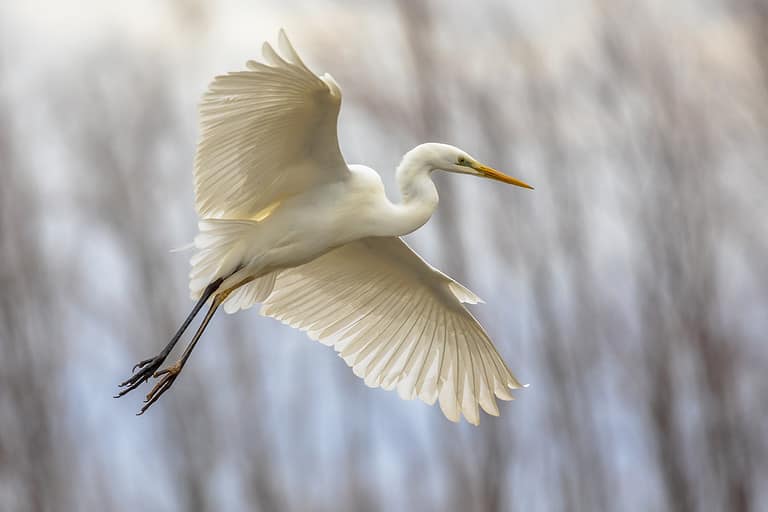
Greater white-fronted goose (Anser albifrons) Whooper swan (Cygnus cygnus) White-tailed eagle (Haliaeetus albicilla) Great egret (Ardea alba) Pallas's gull (Ichthyaetus ichthyaetus)

Lower Don Floodplain Regional Protected Area (Don River riparian wetlands and oxbows; various regional SPNA tracts)

Multiple sites; collectively large but fragmented (from hundreds to many thousands of hectares per tract)

A patchwork of riparian forest, reedbeds, oxbow lakes, and meadows along the lower Don that supports breeding herons and egrets, abundant amphibians and fish, and provides essential migration stopover habitat near Rostov-on-Don.

Black stork (Ciconia nigra) Eurasian spoonbill (Platalea leucorodia) Glossy ibis (Plegadis falcinellus) Great cormorant (Phalacrocorax carbo) European roe deer (Capreolus capreolus)

Manych Valley Steppe Regional Sanctuaries (buffer-steppe tracts outside the federal reserve; various regional protected areas)

Several separate steppe blocks; typically thousands to tens of thousands of hectares total

Surviving native steppe in the Manych depression maintained as wildlife sanctuaries and stepping-stone habitats around the federal reserve, important for steppe birds, small mammals, and raptor foraging corridors.

Little bustard (Tetrax tetrax) Montagu's harrier (Circus pygargus) Long-legged buzzard (Buteo rufinus) European souslik (Spermophilus citellus complex in the region) Corsac fox (Vulpes corsac)

Wildlife Refuges

Veselovsky Reservoir Wetland Sanctuary (regional wildlife sanctuary / wetland protected tracts)

Reservoir-associated protected shoreline/wetland zones; typically thousands of hectares

Shallow-water and shoreline habitats that can host very high concentrations of ducks, geese, grebes, and gulls/terns during migration; also used by hunting eagles and harriers over adjacent open country.

Red-crested pochard (Netta rufina) Ferruginous duck (Aythya nyroca) Marsh harrier (Circus aeruginosus) Black-headed gull (Chroicocephalus ridibundus) Great crested grebe (Podiceps cristatus)

Rostovsky State Nature Reserve (Rostov Nature Reserve)

About 9,465 hectares (core protected area; WDPA/Protected Planet listing)

A strictly protected steppe-and-wetland reserve in Rostov Oblast centered on the Manych Depression (including Lake Manych-Gudilo), internationally important for migratory and breeding waterbirds and raptors.

Dalmatian pelican (Pelecanus crispus) Great white pelican (Pelecanus onocrotalus) Demoiselle crane (Anthropoides virgo) Red-breasted goose (Branta ruficollis) White-tailed eagle (Haliaeetus albicilla)

Seversky Donets-Don Confluence Floodplain Sanctuaries (regional wildlife sanctuaries and riparian protected areas)

Several riparian protected sections; typically hundreds to thousands of hectares per section

Broad floodplain complexes with oxbows, wet meadows, and riparian woodland that function as nurseries for fish and amphibians and as breeding/foraging habitat for raptors and secretive wetland birds.

Bittern (Botaurus stellaris) Black kite (Milvus migrans) European otter (Lutra lutra) Beaver (Castor fiber) Grey heron (Ardea cinerea)

Wilderness Areas

  • Manych depression open steppe and saline-lake margins (including road-sparse steppe blocks around Lake Manych-Gudilo)
  • Lower Don River floodplain reedbeds, oxbow-lake complexes, and riparian forests away from major settlements
  • Tsimlyansk Reservoir remote shoreline stretches and adjacent steppe/shelterbelt mosaics
  • Sea of Azov coastal lagoon belts and mudflat expanses (seasonally roadless in wet periods)
  • Seversky Donets floodplain tracts with limited access and extensive wetland vegetation
Animals

Wildlife

Rostov Oblast sits at a major ecotone where Pontic-Caspian steppe meets the riparian wetlands of the lower Don River and the brackish Sea of Azov. The result is a wildlife assemblage dominated by open-country steppe mammals and raptors, plus exceptionally rich birdlife tied to the Don floodplain, delta lakes, and the Manych lowland-an important migration corridor and breeding area for colonial waterbirds. Aquatic biodiversity is shaped by large-river habitats, delta wetlands, and Azov coastal waters, including historically sturgeon-rich systems now under strong pressure.
~60-80 species Mammals
~280-350 species (very high due to migration) Birds
~15-20 species Reptiles
~8-12 species Amphibians
~70-110 species (Don + Azov basin, varies by checklist scope) Fish
Examples

Iconic Species

Great Bustard A flagship of Eurasian steppe; Rostov's open grasslands are among the key places to look for this heavy, ground-dwelling bird and its spectacular spring display behavior.
Demoiselle Crane A characteristic steppe crane that uses the region's grasslands and agricultural mosaics; visible during migration and in suitable breeding areas.
Dalmatian Pelican A sought-after wetland giant associated with large lakes and shallow waters of the lower Don/Manych systems; notable for local colonies and migration stopovers.
White-tailed Eagle
White-tailed Eagle A top predator of major rivers and reservoirs; frequently associated with the Don floodplain and large waterbodies where it hunts fish and waterfowl.
Eastern Imperial Eagle A steppe-forest-edge raptor strongly associated with southern Russia's open landscapes; Rostov Oblast is within its key regional range.
Saker Falcon An emblematic falcon of steppe and semi-desert landscapes; where present, it is a prized sighting for raptor-watchers due to its rarity and conservation status.
Bobak Marmot A defining steppe mammal that forms colonies in suitable grasslands; its burrows structure steppe ecosystems and it is often the most visible large rodent in intact areas.
European Roe Deer Commonly encountered along riverine woods, shelterbelts, and forest-steppe patches; a typical large mammal for visitors outside strictly open steppe.
Pike-perch (Zander) A signature predatory fish of the Don-Azov basin and a key species for the region's aquatic food webs and fisheries culture.

Endemic & Rare Species

Great Bustard

Otis tarda

Vulnerable (IUCN); regionally threatened by habitat loss and disturbance

Rostov's steppe remnants are important for sustaining breeding birds in southern European Russia; conservation depends on large, low-disturbance grassland blocks.

Little Bustard

Tetrax tetrax

Near Threatened (IUCN); declining in many areas

A classic steppe indicator sensitive to conversion of grasslands and intensive farming; persists where mosaics of steppe and low-intensity fields remain.

Steppe Eagle

Aquila nipalensis

Endangered (IUCN)

A long-distance migrant whose regional presence is closely tied to healthy steppe prey bases; widespread declines make any strongholds in southern Russia significant.

Saker Falcon

Falco cherrug

Endangered (IUCN)

Threatened by electrocution, prey depletion, and historical trapping pressure; steppe regions like Rostov are important for maintaining and restoring populations.

Dalmatian Pelican

Pelecanus crispus

Near Threatened (IUCN)

Breeding and staging sites in large wetland complexes (lower Don/Manych) are vital for this species' regional persistence.

Marbled Polecat

Vormela peregusna

Vulnerable (IUCN)

A rare steppe carnivore associated with intact grasslands and colonies of burrowing rodents; a strong indicator of high-quality steppe habitat.

Russian Desman

Desmana moschata

Endangered (IUCN)

A specialized semi-aquatic mammal of slow rivers and oxbow lakes; where it survives, it signals relatively undisturbed floodplain/wetland conditions.

Russian Sturgeon

Acipenser gueldenstaedtii

Critically Endangered (IUCN)

Historically emblematic of the Don-Azov system; declines reflect damming, loss of spawning runs, and overexploitation.

Beluga Sturgeon

Huso huso

Critically Endangered (IUCN)

Once a defining giant of the lower Don and Azov; now extremely rare, with survival dependent on strict protection and effective restoration of migratory/spawning connectivity.

Notable Populations

  • Major migratory bird concentrations along the lower Don River floodplain/delta and associated wetlands (a key corridor between Eurasian breeding grounds and the Black Sea-Mediterranean flyways).
  • Internationally important wetland bird assemblages in the Manych lowland (including large gatherings of waterfowl, waders, and colonial breeders in favorable years).
  • Historically significant Don-Azov anadromous fish populations (especially sturgeons), now much reduced but still a focal point for conservation and restoration efforts.

Recent Changes

  • Strong long-term declines of Don-Azov sturgeons linked to river regulation (migration barriers), habitat degradation, and overfishing; ongoing reliance on strict protection and supplementation/stocking in parts of the basin.
  • Steppe bird pressures continue: habitat conversion, infrastructure, and disturbance contribute to declines/fragmentation for bustards and steppe raptors, despite targeted protected areas and management in key sites.
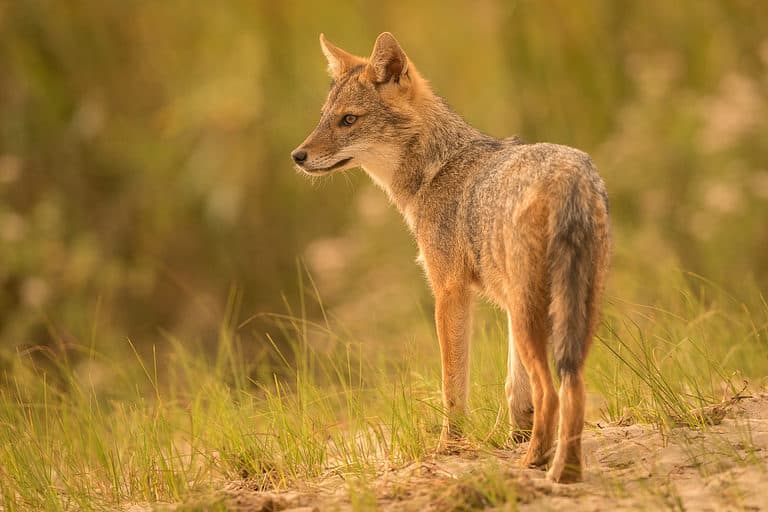
  • Range shifts among mesocarnivores: golden jackal (Canis aureus) has expanded northward in parts of southern Russia in recent decades and is increasingly reported in steppe/wetland mosaics where conditions suit it.
  • Disease-driven ungulate changes: wild boar (Sus scrofa) numbers have fluctuated and in many places dropped due to African swine fever control impacts and outbreaks.
  • Wetland condition variability (water level management, drought years) causes noticeable year-to-year changes in colonial waterbird breeding success and the size of migratory gatherings in the Don/Manych systems.
Visit

Wildlife Viewing

Rostov Oblast lies where the lower Don floodplains and deltas meet steppe and the Sea of Azov, creating a wildlife-rich area. Expect birds (migratory waterfowl, waders, raptors), steppe species like ground squirrels, foxes, hares, and wetland life in reedbeds and backwaters. Best areas: Don channels and islands near Rostov-on-Don and Azov; Taganrog Bay; Manych valley near Rostovsky Nature Reserve.

Best Seasons

Spring (March-May)

Peak migration and courtship: huge movements of geese, ducks, swans, and waders through Don delta wetlands and Taganrog Bay; raptors return to the steppe; steppe wildflowers begin and visibility is high before reeds fully grow. Best all-around time for bird diversity and photography.

Summer (June-August)

Breeding season: herons, terns, gulls, and reedbed birds are active; early mornings on the Don backwaters can be superb for kingfishers, bee-eaters (where sandy banks exist), and marsh birds. Midday heat can reduce activity-plan dawn/dusk sessions and bring sun/heat protection.

Autumn (September-November)

Second migration peak: flocks regroup on reservoirs, bays, and floodplain lakes; raptor passage can be noticeable over open steppe; calmer temperatures and golden steppe landscapes make for strong wildlife photography. Fish-eating birds concentrate along channels and shallows.

Winter (December-February)

Quiet, atmospheric viewing: depending on ice and weather, parts of the Don and Sea of Azov coast can hold wintering waterfowl; raptors and corvids are easier to spot over leafless riverine woods and open fields. Best for patient scanning, tracking, and short daylight photo sessions.

Top Wildlife Experiences

  • Birding the Don Delta and floodplain channels near Azov (boat or shoreline scopes): scan reedbeds and open water for ducks, geese, swans, herons, cormorants, and migrating waders in spring/autumn.
  • Wild steppe day trip to the Rostovsky State Nature Reserve area (Manych valley / steppe-lake landscapes): look for steppe birds (larks, pipits, harriers), ground squirrels, foxes, and wide-open horizons-best at sunrise with a long lens.
  • Taganrog Bay coastal walk-and-scan (near Taganrog and nearby shoreline access points): sea-meets-wetland birding for gulls, terns, cormorants, and seasonal waterfowl; ideal for windy days when birds hug the coast.
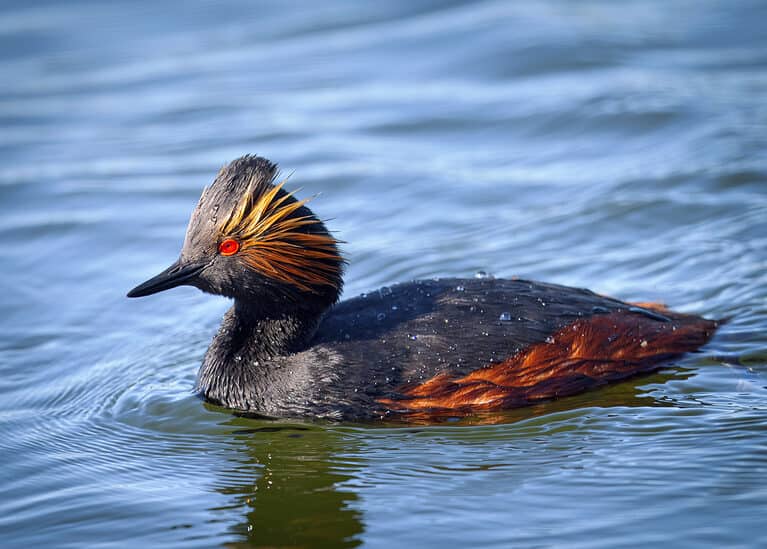
  • Sunrise photography on the Lower Don backwaters near Rostov-on-Don (quiet side channels, islands, and reed-fringed bends): close-range chances for herons/egrets, grebes, and other wetland birds; listen for reedbed species and watch for hunting raptors over the marsh.
  • Reservoir and wetland watching in the Manych depression (large open-water viewpoints and shorelines): autumn gatherings of waterbirds and impressive mixed flocks; bring a spotting scope and plan for long-distance viewing.
  • Steppe raptor search by car (roadside scanning on open steppe outside major towns): harriers, buzzards, and other raptors hunting low over grasslands-best in spring and autumn with frequent stops and careful driving.
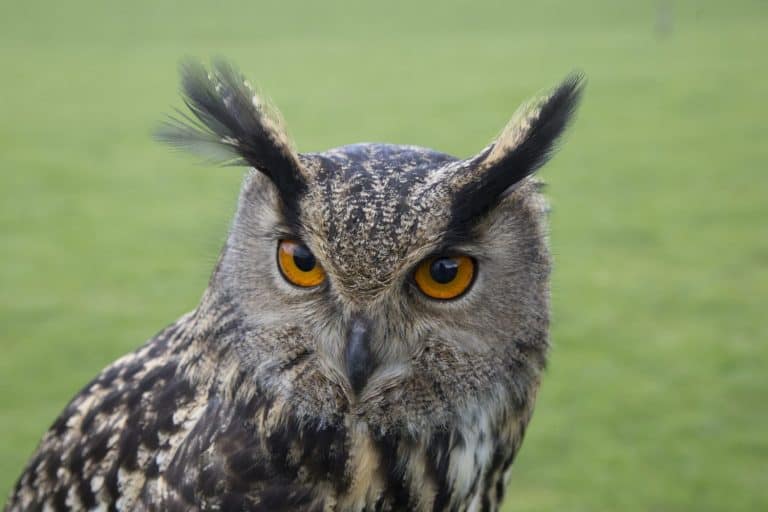
  • Nightfall mammal and owl session on quiet steppe roads (with a guide): chances for fox, hare, and nocturnal birds; combine with a daytime wetland outing for a full-species trip.

Wildlife Watching Types

Birding hotspots (wetlands, deltas, coastal bays, reservoirs) Migration watching (spring and autumn flyways for waterfowl and raptors) Wetland wildlife viewing (reedbeds, backwaters, floodplain lakes) Steppe wildlife and wildflower walks (grassland birds and small mammals) Coastal/nearshore birdwatching on the Sea of Azov (Taganrog Bay) Boat-based wildlife viewing on the Don River (quiet channels and islands) Wildlife photography trips (sunrise/sunset steppe and wetlands) Night wildlife watching (owls and mammals) with responsible spotlighting by guides where permitted

Guided Options

  • Rostovsky State Nature Reserve (strict nature reserve) excursions: inquire in advance about access rules, permits, and guided routes (strict nature reserves often restrict independent entry).
  • Local birding guides based in Rostov-on-Don or Taganrog offering spring/autumn migration day trips to the Don delta, Taganrog Bay, and nearby wetlands (typically includes transport, scopes, and location-specific timing).
  • Don River boat outings (private captains or eco-focused operators) timed for dawn/dusk to reduce disturbance-best for herons, grebes, and reedbed edges; confirm quiet-route and wildlife-viewing intent when booking.
  • University or nature-club led field trips (ornithology/eco clubs in Rostov-on-Don periodically run public outings during migration seasons)-good for visitors wanting local expertise and checklists.
  • Protected-area visitor programs in regional wildlife refuges and nature monuments (availability varies by season): request current access guidance and recommended observation points from local forestry or park administrations.
Habitats

Ecosystems

Rostov Oblast lies in the lower Don River basin where the Pontic-Caspian steppe meets the Sea of Azov. Grasslands/steppe, much converted to farming, dominate. Biodiversity centers in river floodplains, the Don delta reedbeds and the Azov shore. Saline lowlands and Manych and Tsimlyansk reservoirs create salt and wet-dry gradients, forming a transition between dry steppe and wetland mosaics.

Biomes

Temperate Grassland

Pontic-Caspian steppe landscapes: feather-grass and fescue steppe, dry forb-rich grasslands, and disturbed steppe on fertile black soils; much is now cropland with remnant steppe patches and ravine/gully grasslands.

Dominant biome across most of the oblast (roughly ~70-85%), especially away from major river floodplains and the coast.

Freshwater

Large lowland river systems and reservoirs centered on the Don River (including the lower Don reach), tributaries, channels, oxbows, and major impoundments such as the Tsimlyansk Reservoir; supports fish migration routes and floodplain waters.

Linear network throughout; highest density along the Don and major tributaries/reservoirs (~5-10% as water and immediate riparian zone, but ecologically influential beyond its area).

Wetland

Floodplain wetlands and deltaic reedbeds (Don delta), seasonally inundated meadows, oxbow marshes, and brackish/saline wetlands in lowlands; critical for waterbirds and nursery habitats for fish.

Patchy but extensive in the lower Don floodplain and delta and around lowland basins (~3-8%, locally much higher near the delta).

Marine

Northeastern Sea of Azov coastal waters and nearshore shallows, including brackish conditions influenced by river discharge; supports coastal lagoons, nearshore feeding areas for birds, and fisheries.

Limited to the Azov coastline and nearshore zone of the oblast (small proportion of total area, ~1-3% including nearshore waters).

Temperate Forest

Scattered riparian broadleaf stands, floodplain woods, and planted shelterbelts/forest strips within an otherwise open steppe matrix; natural forests are largely confined to moister river valleys and ravines and gullies.

Minor and fragmented (~1-5%), concentrated along river floodplains, ravines, and planted windbreak networks.

Habitats

Steppe

Feather-grass (Stipa) and fescue steppe remnants, ravine/gully grasslands, and dry forb meadows; many intact patches persist in protected areas and less-plowed gullies.

Grassland

Secondary grasslands on abandoned fields and pastures, plus meadow-steppe transitions on moister soils; often a mosaic with shrubs and weedy species.

Shrubland

Shrubby ravines and steppe gullies with hawthorn/rose and other shrubs, forming refugia and corridors in agricultural landscapes.

Agricultural/Farmland

Extensive croplands on fertile black soils (grain, sunflower and other field crops) dominating the steppe; high habitat conversion with field margins and shelterbelts providing limited structure.

River/Stream

Lower Don River and tributaries with channels, backwaters, and oxbows; key migration and spawning corridor for fishes and a major ecological backbone of the oblast.

Lake

Large reservoirs and lake-like expansions (notably Tsimlyansk Reservoir) plus smaller lowland lakes and coastal lagoons; variable salinity in some basins.

Wetland

Floodplain wet meadows, reedbeds and sedge wetlands, seasonally flooded depressions, and delta wetlands in the lower Don system.

Marsh

Reed and cattail marshes in the Don delta and floodplain oxbows; important breeding/stopover habitat for waterbirds.

Estuary

Don delta/estuarine mixing zone where freshwater inputs meet brackish Azov conditions, creating productive nursery habitats and dynamic sediment channels.

Coastal

Low, shallow Azov coast with brackish lagoons and coastal wetlands; sensitive to water-level and salinity changes.

Beach

Sandy and shell beaches/spits along the Sea of Azov shoreline, often adjacent to lagoons and reedbeds.

Seabed/Benthic

Shallow Azov seafloor with soft sediments (sand/silt) supporting benthic invertebrate communities that underpin coastal food webs.

Deciduous Forest

Small patches of floodplain broadleaf woods (e.g., willow-poplar and other riparian deciduous stands) along riverbanks and in moist depressions.

Forest

Highly fragmented natural and planted tree cover including riparian forests, shelterbelts, and small groves; provides nesting/roosting sites and windbreak structure in open landscapes.

Urban

Rostov-on-Don and other cities/industrial areas with riverfront habitats, parks, and altered shorelines.

Suburban

Peri-urban country-house plots, garden plots, and low-density settlements forming a gradient of disturbed greenspace along river terraces and transport corridors.

Ecoregions

Pontic steppe Eastern European forest steppe
Protection

Conservation

Primary Threats

  • Most of the oblast's steppe has been converted to arable land (grain, sunflower, fodder crops). Remaining native steppe persists as small, isolated patches (ravines/gullies, saline steppe, reserve lands), reducing habitat for steppe specialists (e.g., bustards, steppe raptors) and increasing edge effects from machinery, pesticides, and frequent disturbance.
  • Loss and fragmentation affect both terrestrial and wetland habitats: plowing of steppe, drainage/infilling of small wetlands, and degradation of reedbeds and floodplain meadows along the lower Don and its distributaries. Coastal habitats around the Sea of Azov are also affected by shoreline modification and recreation development.
  • Hydrological alteration of the Don system (flow regulation, dam/reservoir operations, channel engineering, and bank reinforcement) reduces natural flooding, disrupts sediment transport, and degrades spawning and nursery habitats important for Don-Azov fish (including sturgeons) and for floodplain birds.
  • Urban and industrial effluents from the Rostov-on-Don agglomeration, combined with agricultural runoff (nutrients, pesticides), contribute to eutrophication and contamination in the Don and its delta. In the shallow Sea of Azov, nutrient enrichment can intensify seasonal hypoxia and reduce fish and benthic productivity.
  • The Don-Azov basin supports valuable fisheries, but depleted stocks-especially migratory/anadromous species-remain vulnerable to illegal harvest and high bycatch. In the Sea of Azov and lower Don, enforcement challenges and economic incentives sustain pressure on sensitive species despite regulations.
  • Illegal shooting and disturbance during migration and wintering affect steppe and wetland birds (including large-bodied species and raptors). Poaching pressure also impacts mammals in open landscapes where access is easy and habitat is fragmented.
  • Road networks, expanding peri-urban development, energy infrastructure (powerlines) and irrigation/water-control structures fragment habitats. Powerline collision/electrocution risk is a recurring issue for large birds (bustards, swans, raptors) in open steppe and along migration corridors.
  • Growth of Rostov-on-Don and satellite towns increases land take, recreation pressure, and wastewater loads on nearby floodplains and delta wetlands, while also expanding transport corridors that split remaining steppe fragments.
  • Coal mining and associated industrial land use in the Eastern Donbas portion of the oblast (and related waste, subsidence, and water management) can locally degrade steppe and small river habitats through land disturbance, altered drainage, and pollution risks.
  • Warming and increasing drought/heat stress in the steppe raises wildfire risk and can reduce productivity of native grasslands. In the Sea of Azov, warming and changing inflows can exacerbate eutrophication-driven hypoxia and shift fish community composition, complicating recovery of sensitive stocks.
  • Recreation (boating, shoreline use, fishing camps) and unmanaged access in floodplains/delta islands can disrupt colonial waterbirds and nesting/roosting sites, especially during breeding and migration periods.
  • Severe fragmentation of remaining steppe habitat isolates local populations of steppe-dependent species, increasing the risk of reduced gene flow and long-term viability problems-most relevant for species with low densities and large area needs (e.g., bustards and some raptors).
  • Disease risk is most evident in dense waterbird aggregations (periodic avian disease outbreaks) and in fish stressed by poor water quality; outbreaks can cause localized die-offs, especially when coupled with hypoxia events in shallow Azov waters.
Fun Facts

Did You Know?

The Sea of Azov is low in salt, so its animals mix sea and river types. Fish include sea species that can live in low salt and freshwater species from the Don, making an unusual mix.

Lake Manych-Gudilo can be hypersaline and wind-whipped in a treeless steppe landscape-yet it supports major bird colonies because its islands and salt flats function like natural predator barriers, giving ground-nesting birds safer real estate than the mainland.

Rostov Oblast sits on a sharp habitat edge: in one day you can move from feather-grass steppe with open-country birds and small burrowing mammals to reedbed and delta wetlands along the lower Don.

Golden jackals have moved north around the Black Sea-Azov region in recent decades. Sightings and established groups in the lower Don show a mid-sized predator naturally settling in steppe-farmland areas without reintroduction.

The "steppe" here isn't empty: many signature steppe animals are adapted to extreme exposure-nesting on the ground with camouflage, timing breeding to short bursts of spring growth, and using shallow scrapes or burrows to survive heat, wind, and minimal cover.

The Sea of Azov, next to Rostov Oblast, is the shallowest sea on Earth (avg about 7 m, max about 14 m). Its shallowness makes lots of life, so the Azov-Don basin was historically one of Eurasia's most fish-rich seas.

The Rostovsky State Nature Biosphere Reserve around Lake Manych-Gudilo and the steppe is a top waterbird gathering site in European Russia; peak migrations bring over 100,000 waterfowl and waders.

Beluga sturgeon (Huso huso), the world's largest sturgeon and one of the biggest freshwater fish, is native to the Sea of Azov/Don. It once migrated up the Don to spawn, making the lower Don a classic European sturgeon river.

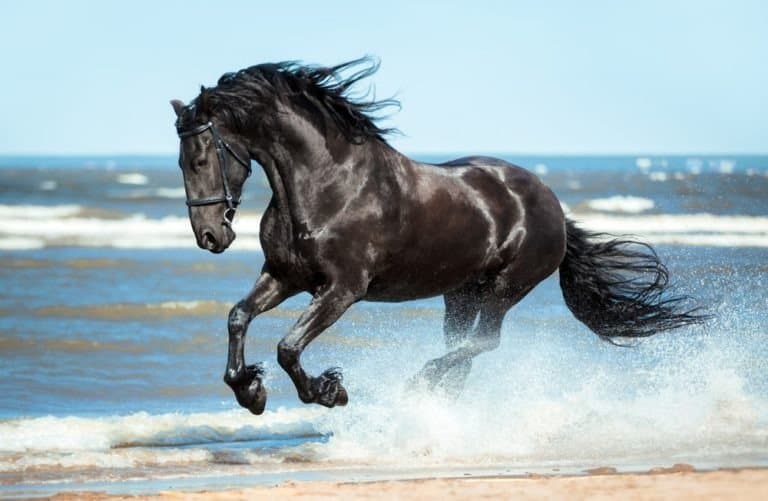
Vodny Island in Lake Manych-Gudilo is famous for its long-isolated herd of feral horses; the population is commonly reported in the hundreds, making it one of the largest free-roaming feral horse groups in the steppe zone of European Russia.

Rostov's open steppe lies within the range of the great bustard (Otis tarda), one of the heaviest flying birds on Earth (large males can exceed ~20 kg), a true "record-holder" species for the region's grasslands.

Thank you for reading! Have some feedback for us?