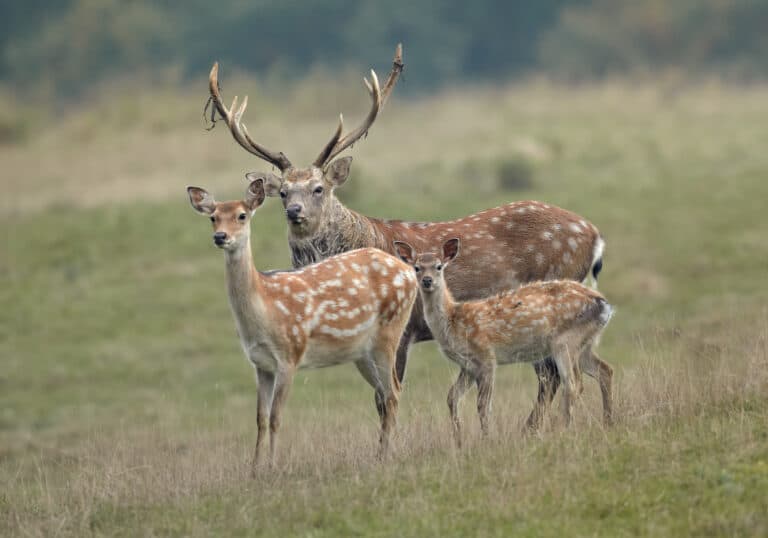
Sika Deer
Spots in summer, screams in autumn

Spots in summer, screams in autumn
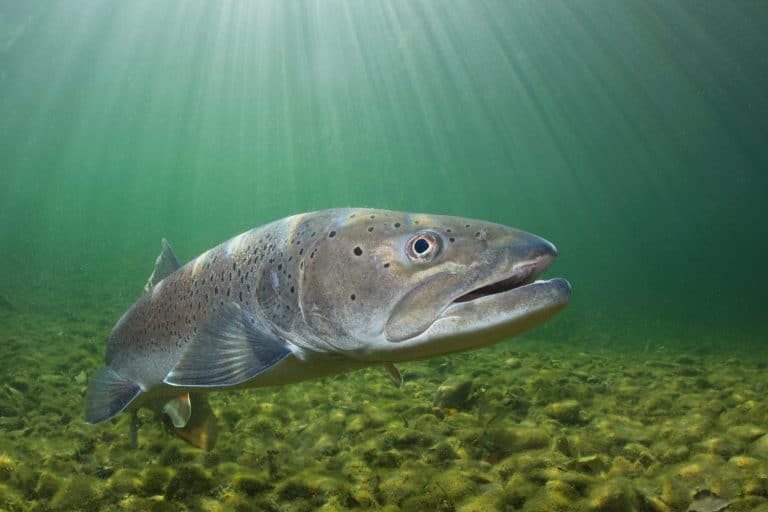
Cold-river king of the taiga
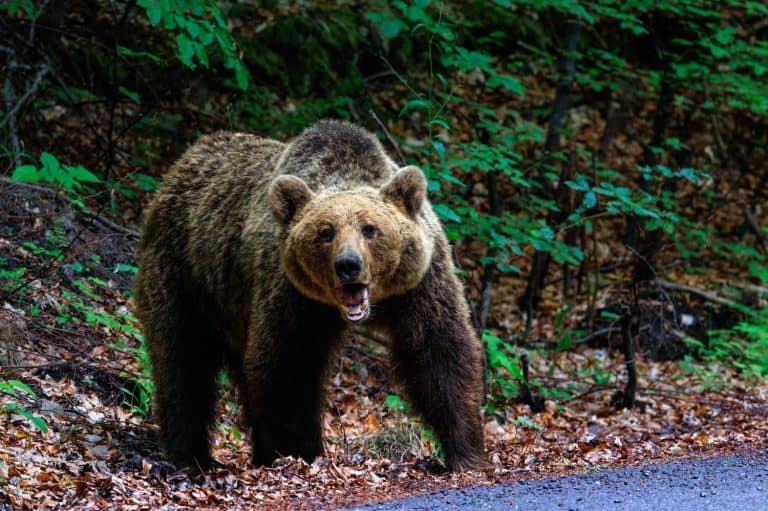
Hump-shouldered king of the wild buffet
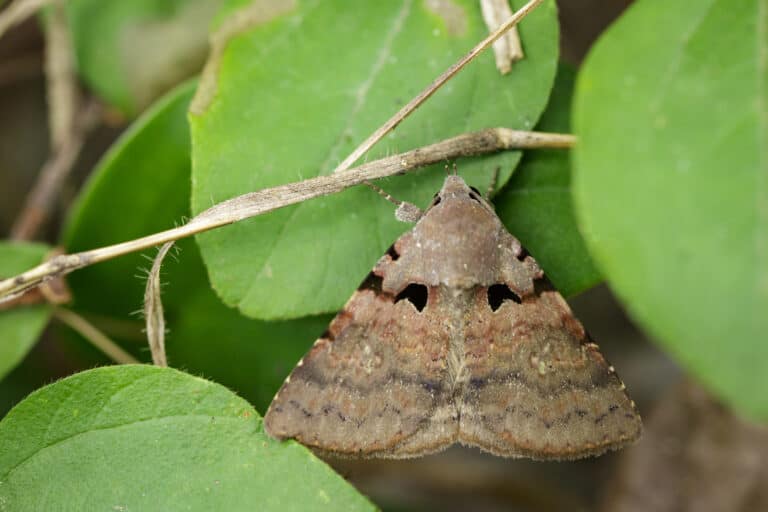
Big appetite. Big forest impact.
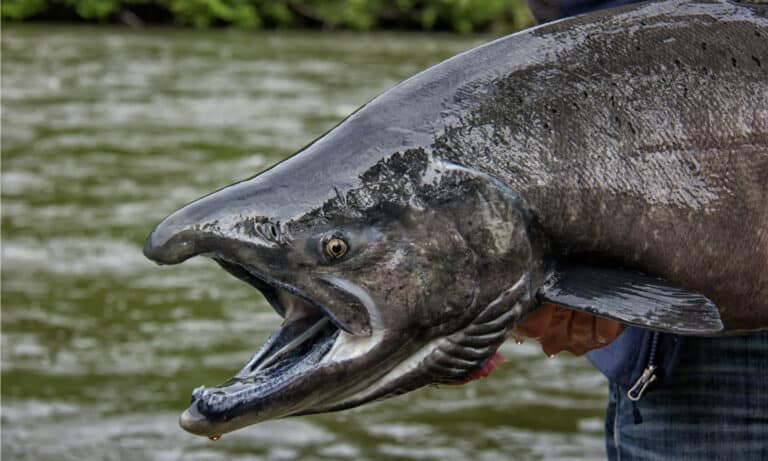
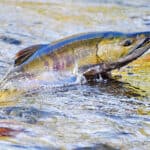
King of the Pacific salmon runs
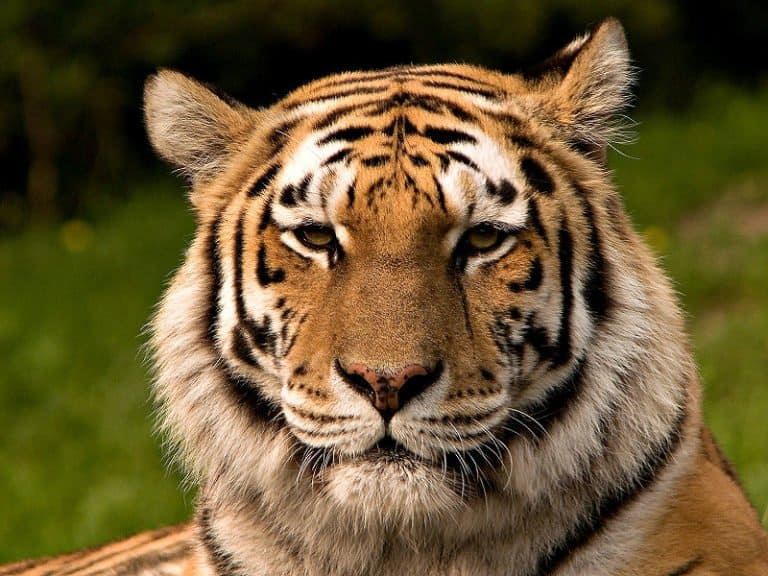
Taiga's striped heavyweight
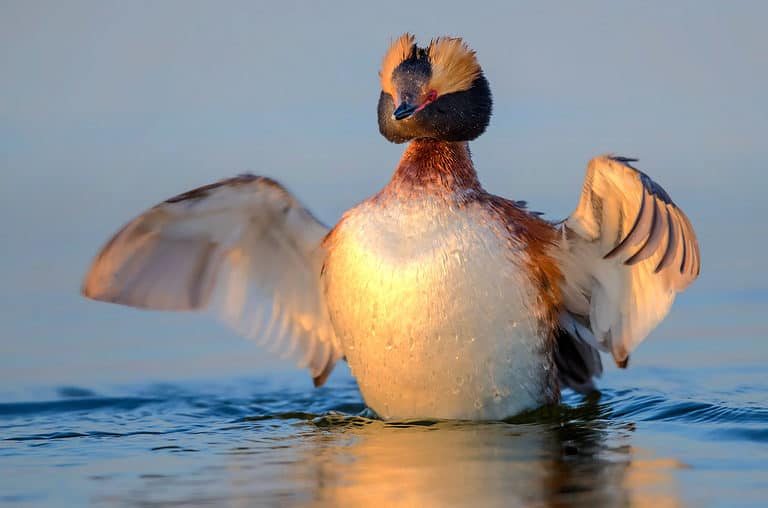
Golden horns, master of the dive
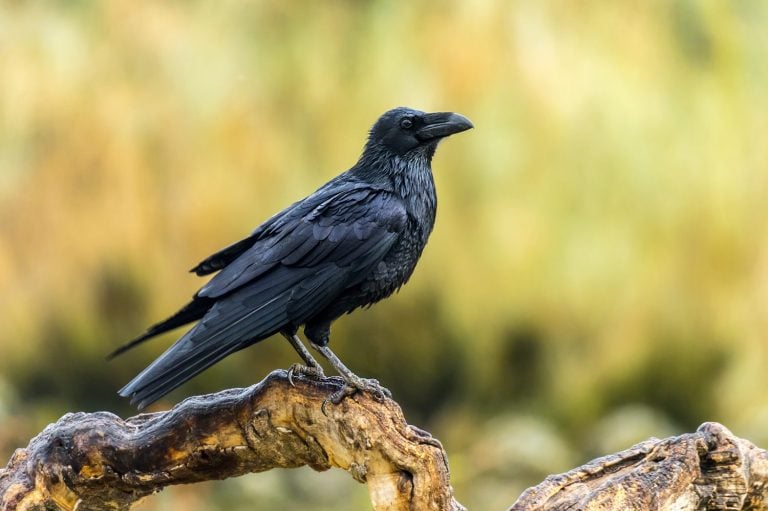
Wedge tail. Deep croak. Big brain.
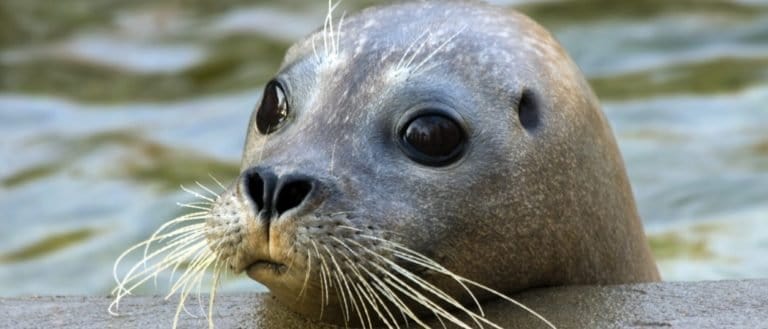
No ears. Big whiskers. Coastal pro.
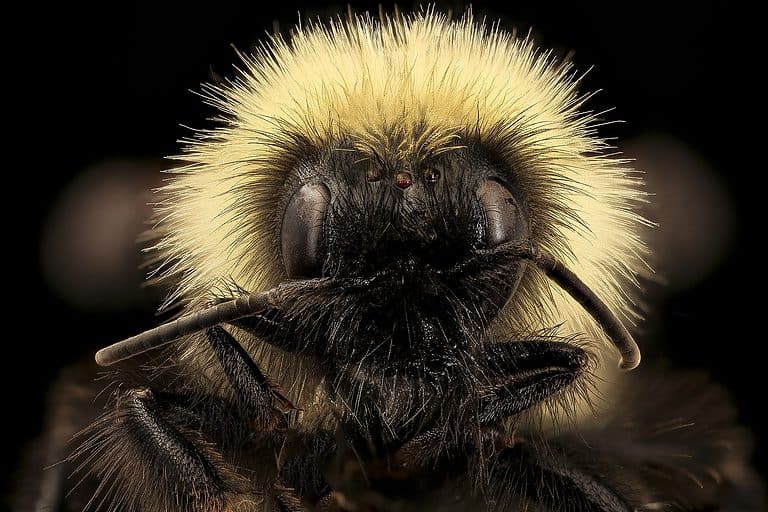
The nest-hijacking bumblebee
Khabarovsk Krai is a large area in the Russian Far East, stretching from the stormy Sea of Okhotsk coast into the Amur River basin. A strong north–south and coastal–inland gradient gives larch and spruce taiga, wide floodplains, riverside forests and wetlands, and rugged ranges like the Sikhote‑Alin and Okhotsk uplands. These habitats support a mix of northern and East Asian species. The Amur tiger lives here with brown bear, wolves, and many forest ungulates. Cold rivers and coastal drainages carry salmon runs that bring sea nutrients to forests, feeding bears, eagles, and scavengers and helping riverside forests. The Amur floodplain is vital for migratory birds. Compared with inland Siberia, the krai has more sea influence and richer salmon systems; compared with Primorsky Krai it feels wilder, with broader taiga and larger, less broken-up river corridors.
Khabarovsk Krai covers land from the Sea of Okhotsk and the Strait of Tartary to the Amur River basin. It has a big north-south and coast-to-interior change in climate and habitats: cold coasts and tundra-like headlands, boreal taiga, mixed forests in the south, and large river floodplains with many fish, including salmon. Amur tiger and brown bear live there.
Sea level to ~2,100 m (high peaks of the Sikhote-Alin/Dzhugdzhur uplands)
Extensive coastline along the Sea of Okhotsk plus the Strait of Tartary/Amur Liman (estuaries, lagoons, tidal flats, and island/coastal complexes such as the Shantar Islands influencing marine-terrestrial food webs and migratory birds).
Khabarovsk Krai has a large network of protected areas across the Lower Amur floodplains, Sikhote-Alin foothills, taiga river basins and Sea of Okhotsk coast and islands. Federal Strict Nature Reserves, National Parks, regional wildlife sanctuaries, nature monuments and Ramsar wetlands protect Amur tiger landscapes, migratory bird wetlands on the Amur lowlands and marine mammal hotspots near the Shantar archipelago.
Approximately ~10-12% of the krai is under some form of formal protection (federal + regional protected areas; varies by classification and mapping source).
A key Amur River-Sikhote-Alin interface landscape of intact old-growth mixed forests and salmon rivers, important for Amur tiger recovery, bear populations, and riverine biodiversity.
One of Russia's standout wildlife-viewing seascapes: cold, productive waters and rugged islands supporting concentrations of marine mammals and large seabird colonies, plus coastal brown bears.
Extensive reedbeds, shallow lakes, and floodplain habitats that function as a critical staging and breeding area for migratory waterbirds in the Lower Amur lowlands (often managed through multiple regional protected-area designations).
A patchwork of regional sanctuaries and hunting-free zones across floodplain forests, oxbow lakes, and meadows that maintain connectivity among key wetland and tiger habitats outside federal reserves.
Coastal forest-river mosaics used by brown bears and salmon runs; complements Shantar/Dzhugdzhur protection by buffering key spawning streams and nearshore wildlife areas.
A major estuarine and lagoon system important for mass migrations of waterbirds and as feeding habitat for raptors; protects productive brackish waters and tidal flats at the Amur's outlet.
Globally significant wetland for cranes and storks; overlaps and is reinforced by adjacent formal protected areas, safeguarding nesting and stopover habitat on the Lower Amur plain.
A key Lower Amur waterbird concentration area (breeding, molting, and migration staging) with extensive emergent vegetation and shallow-water feeding zones.
Khabarovsk Krai sits where the Amur River basin meets the Sea of Okhotsk. This creates very different habitats: vast boreal taiga, mountain conifer-broadleaf forests in the south, huge river floodplains and wetlands, and rugged coastal systems. These habitats support Far Eastern predators such as the Amur tiger at the northern edge of its range, many raptors along major rivers, and important salmonid and sturgeon fisheries. Wildlife viewing focuses on the Lower Amur wetlands (waterbirds and raptors), southern forest valleys (large mammals), and salmon rivers (bears, eagles, and fish migrations).

Khabarovsk Krai has huge taiga forests, salmon rivers, Amur River wetlands, and rough mountains along the Sea of Okhotsk. Wildlife viewing can be excellent but remote and hard to reach—best by multi-day river trips, lodges, or guided tours. Key targets: brown bears on salmon rivers, many birds along the Amur and coastal lagoons, and the rare Amur tiger.
Best conditions for tracking wildlife in snow (prints, scat, scratch marks) and spotting mammals along river corridors and forest edges. Clearer visibility in leafless taiga; good for wolf/fox/sable sign and possible tiger sign on the lower Amur basin (sightings are uncommon). Strong option for photography-focused 'tracks and landscapes' trips; very cold and daylight is shorter.
Migratory bird surge along the Amur River floodplains and wetlands; active raptors and early passerines. River ice breakup brings dynamic scenery; bear activity increases as snow retreats. Roads can be muddy and some areas are inaccessible during thaw-plan flexible logistics or use boats where possible.
Peak for river travel, wetlands, and coastal access. Excellent birding (breeding season) and general wildlife observation; long daylight hours for photography. Mosquitoes/gnats can be intense in taiga and wetlands-bring serious insect protection. Late summer begins salmon runs in many rivers, attracting bears and eagles in key areas.
Prime season for salmon-run wildlife: brown bears, Steller's sea eagles/white-tailed eagles, and other scavengers concentrate along fish-bearing rivers. Stunning fall colors in taiga and mountains; cooler temperatures, fewer insects. This is often the most productive 'big wildlife' window for visitors. Weather becomes unstable late October.
Quiet, stark landscapes; increasing opportunities to read fresh tracks after snowfalls. Coastal conditions can be harsh and access limited; best for experienced winter travelers with strong local support. Some areas offer winter river/forest excursions and photography of hoarfrost taiga scenes.
Khabarovsk Krai crosses a big change from cold inland Northeast Asia to the Sea of Okhotsk and the lower Amur basin. Ecosystems include boreal taiga, mountain forests, southern mixed broadleaf-conifer forests, large Amur floodplain wetlands, and rich coastal seas that support salmon runs, seabird colonies, marine mammals, and wildlife like the Amur tiger, brown bear, and many salmon.
Dominant taiga landscapes of larch, spruce, fir, and pine with understories of mosses and ericaceous shrubs; shaped by cold winters, fire, and permafrost-influenced soils in places.
Largest share of the interior and northern parts; extensive across lowlands and foothills away from the southernmost Amur-Ussuri influence.
Southern mixed forests with Korean pine and broadleaf species (oak, elm, linden, maple), providing key habitat structure for Amur tiger and rich ungulate prey bases.
Concentrated in the south and southeast (lower Amur and Sikhote-Alin-related areas), mainly at lower elevations and warmer valleys.
Treeless or sparsely shrubby tundra-like communities in the far north and most exposed coastal/headland or high-latitude settings, with lichens, sedges, and dwarf shrubs; often associated with cold maritime winds and permafrost.
Patchy and limited-primarily northern coastal fringes and some high, windswept areas.
Above-treeline belts in mountain ranges with alpine meadows, rocky slopes, and dwarf shrub/lichen communities; important for cold-adapted plants and as summer range for some wildlife.
Scattered across higher elevations of major ranges (e.g., Dzhugdzhur and other interior/coastal mountains).
Large river corridors (especially the Amur and tributaries) with side channels, oxbows, floodplain lakes, and cold headwater streams supporting salmonid spawning and rearing.
Widespread throughout; strongest expression along the Amur basin and major tributary systems.
Amur floodplain marshes, swamps, peatlands, and seasonally inundated meadows; critical for waterfowl migration, amphibians, and nutrient cycling.
Extensive in lowlands and broad valley bottoms, especially along the middle/lower Amur and deltaic/coastal lowlands.
Cold, nutrient-rich seas of the Sea of Okhotsk and adjacent coastal waters (including the Tatar Strait), with productive shelf ecosystems, sea ice seasonality, and strong links to anadromous fish runs.
Along the entire eastern shoreline and island/coastal complexes (e.g., Shantar area) and south toward the Tatar Strait.
Continuous forest matrix across most of the krai, ranging from taiga to mixed forests; large intact tracts remain compared with many temperate regions.
Taiga stands dominated by larch and spruce-fir on colder sites; frequent post-fire succession mosaics and extensive moss/lichen ground layers.
Broadleaf and mixed deciduous elements in warmer southern valleys and lower slopes (oak, birch, aspen), often intergrading with Korean pine-broadleaf forests.
Open, patchier tree cover in fire-influenced areas, river terraces, and transition zones between dense taiga and wet meadows.
Willow/alder shrublands on floodplains and along streams, plus dwarf-shrub heaths in colder, wind-exposed sites.
Rugged ranges and dissected uplands (including coastal mountains) creating strong elevation-driven habitat zonation and refugia.
Rock faces and river bluffs used by nesting raptors and seabirds; also support specialized cliff and scree vegetation.
Major trunk rivers (Amur) and extensive tributary networks with spawning migrations of salmonids and strong flood-pulse dynamics.
Floodplain lakes and oxbow lakes in the Amur system; important for fish nurseries and waterbirds.
Large floodplain wetland complexes with seasonally inundated habitats and high productivity; important stopover for migratory birds.
Forested and shrub swamps in low-lying floodplains and poorly drained basins, often with alder and willow.
Sedge- and reed-dominated marshes in floodplains and coastal lowlands; key breeding habitat for waterfowl.
Peat-forming bogs and mire systems in cold, poorly drained areas; locally extensive in flat lowlands and permafrost-influenced terrain.
Brackish mixing zones near river mouths along the Sea of Okhotsk and Tatar Strait coasts; important for juvenile fish and migratory birds.
Sea of Okhotsk shoreline with strong seasonality (sea ice, storms) and coastal wetlands, lagoons, and rocky headlands.
Sandy and gravel beaches along parts of the coast, influenced by ice push and storm reshaping.
Rocky capes and island shorelines (notably around the Shantar region) supporting seabird rookeries and intertidal communities.
Nearshore kelp and macroalgal beds in cold, clear waters that provide shelter and feeding grounds for fish and invertebrates.
Pelagic waters offshore in the Sea of Okhotsk and adjacent straits supporting wide-ranging seabirds and marine mammals.
Deeper offshore zones beyond the shelf break where present, supporting cold-water benthic and midwater communities.
Broad continental shelf seabeds (mud/sand/gravel) that underpin productive fisheries and benthic food webs.
Urban habitats around major settlements such as Khabarovsk and Komsomolsk-on-Amur, with strong river-coastal transport corridors.
Agricultural mosaics mainly in the southern Amur lowlands and accessible river valleys, interspersed with remnant forest and wetlands.
The "giant sturgeon" of the Amur isn't just a bottom-feeder: kaluga sturgeon are strongly predatory-large individuals actively hunt other fish and have been documented taking sizable prey, unlike the popular stereotype of sturgeons as only benthic vacuum-feeders.
Beluga whales (Delphinapterus leucas) can be seen extremely close to shore around the Shantar Islands in summer, sometimes entering shallow bays; this is one of the Far East's few reliable, land-based places to watch belugas in clear, sheltered water.
Khabarovsk Krai's tigers live in a true winter climate: Amur tigers here routinely travel and hunt in deep snow and subzero temperatures, with thick winter coats and wide paws that function like natural snowshoes.
Pink salmon (Oncorhynchus gorbuscha) have a strict two-year life cycle. In parts of Khabarovsk Krai, runs are calendar-locked, so odd- or even-year groups take over and numbers can change a lot.
Blakiston's fish owls can fish in midwinter: they depend on ice-free riffles and fast-flowing sections of rivers; where water stays open, they hunt at night in temperatures far below freezing-an unusual niche for a huge owl.
Amur tiger (Panthera tigris altaica): Khabarovsk Krai is part of the core range of the world's largest tiger subspecies-adult males can exceed ~200 kg, and this is one of the coldest, snowiest places on Earth where wild tigers persist year-round.
Blakiston's fish owl (Ketupa blakistoni): the largest owl species in the world by mass/length, it inhabits old-growth river valleys of the Lower Amur and Ussuri tributaries in Khabarovsk Krai, specializing in catching fish (including salmonids).
Kaluga sturgeon (Huso dauricus) of the Amur River: among the world's largest freshwater fishes (historically reported to exceed 1,000 kg), it is a top predator of the Amur basin and a signature "giant" of Khabarovsk Krai's rivers.
Steller's sea eagle (Haliaeetus pelagicus): one of the world's heaviest and largest eagles, it breeds and forages along Khabarovsk Krai's Sea of Okhotsk coast and the Amur estuary, concentrating where salmon runs and sea ice-edge feeding are available.
Iony Island/Shantar area (Sea of Okhotsk): home to one of the Sea of Okhotsk's largest Steller sea lion (Eumetopias jubatus) rookeries, draws predators and scavengers and is a regional marine wildlife hotspot.
55 species documented in our encyclopedia
Thank you for reading! Have some feedback for us?
We appreciate your help in improving our content.
Our editorial team will review your suggestions and make any necessary updates.
There was an error submitting your feedback. Please try again.