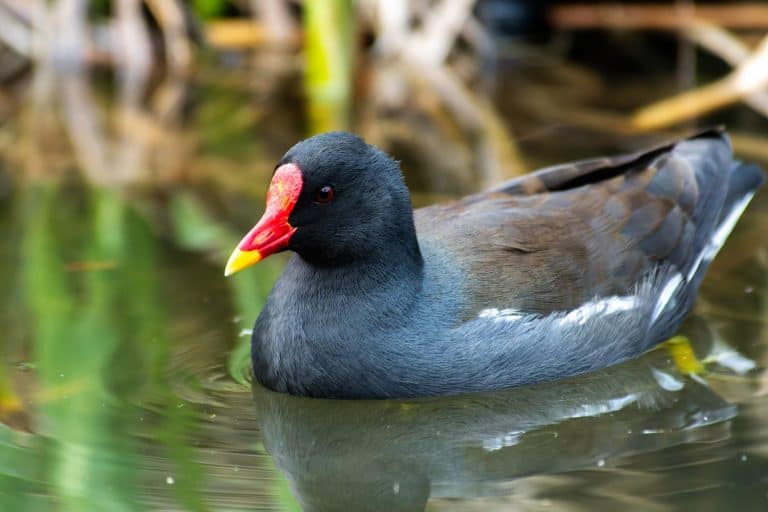
Moorhen
The reed-bed runner on lily pads

The Chechen Republic is an ecological crossroads in the North Caucasus. The Terek River basin's warm lowlands rise quickly into forested slopes and the high Greater Caucasus, so many wildlife communities are squeezed into a small area. Open-country and river animals occur in the north and foothills, while classic Caucasus mountain life appears to the south. Key habitats include riparian corridors along the Terek and tributaries, important for waterbirds, frogs, and small mammals, plus steppe and meadow areas that favor raptors and ground-nesting birds. Higher up there are mixed broadleaf forests (oak, beech, hornbeam), small conifer patches, subalpine meadows, and rocky crags. These mountain zones are safe places for Caucasus specialist species and allow seasonal up-and-down moves. The close mix of river lowlands, wooded slopes, and narrow gorges lets one route show many different habitats and animal signs.
Chechen Republic shifts from semi-arid Terek lowlands in the north to forested foothills and Greater Caucasus near Georgia. Quick climate and elevation changes form habitat zones: northern steppe and river wetlands, central broadleaf and mixed montane forests, and southern subalpine-alpine meadows and rocky mountains. Major rivers, especially the Terek, are key routes for movement, breeding, and river-edge shelter.
~50 m in the northern lowlands to ~4,492 m (Tebulosmta, highest point on/near the Chechnya-Dagestan border), creating pronounced habitat zonation.
None (landlocked; no ocean coastline).
The Chechen Republic’s protected areas are mainly regional: state nature sanctuaries, nature monuments, and large landscape and cultural-and-natural territories in the Greater Caucasus foothills and mountains. Protection focuses on forested and alpine south areas (Argun, Sharoy, Itum-Kale), which hold high biodiversity and key habitat for large mammals and raptors. No federal national park or strict nature reserve exists.
≈14%
Steep gorges with mixed mountain forests and cliffs that concentrate raptor nesting sites and provide cover for large mammals; one of the best areas in the republic for seeing high-mountain birds and tracks/sign of carnivores.
High-elevation lake-and-meadow landscapes with surrounding slopes used by raptors and upland fauna; notable for scenic wildlife viewing (especially birds of prey) and as an alpine freshwater system in the eastern North Caucasus.
Mid- to upper-elevation forests (beech, oak, hornbeam and mixed stands) that support ungulates and provide denning habitat for carnivores; valuable for maintaining forest continuity along the southern ranges.
A key mountain sanctuary intended to conserve large mammals and raptors in the Argun basin and adjacent ridges; functions as a wildlife refuge and corridor area where hunting and resource use are restricted.
A protected lowland area associated with the Terek and Sunzha river corridors, conserving floodplain woodland and adjacent steppe-edge habitats important for birds and other wildlife in a heavily used lowland landscape.
High-elevation sanctuary aimed at protecting cliff and meadow ecosystems that are sensitive to disturbance; important for raptor nesting and maintaining viable ungulate populations on alpine slopes.
Wildlife in the Chechen Republic reflects the North Caucasus transition from semi-arid lowland steppe and river floodplains (Terek basin) to forested foothills and high alpine landscapes of the Greater Caucasus. This steep elevational gradient concentrates biodiversity: steppe/riverine species in the north and center, broadleaf and mixed forests in the foothills, and montane/alpine specialists (including several Caucasus endemics) in the south. Large mammals and mountain birds are key to the visitor wildlife experience, while river systems historically supported important migratory fish (now much reduced regionally).
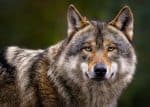
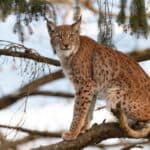
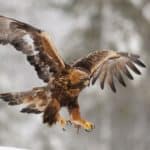
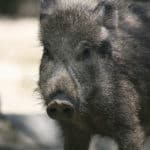
Chechen Republic has varied wildlife across three zones: northern Terek‑Sunzha lowlands (steppe, river woods, reedbeds), foothill oak‑beech and mixed forests, and the high Greater Caucasus (gorges, cliffs, alpine meadows, high lakes like Kezenoy‑Am). See raptor migration, alpine tur/chamois, roe deer, wild boar, and birding along rivers. Go with a local guide in highlands; border areas may need permits.
Peak bird activity: migrants moving along the Terek corridor, songbirds in riparian woods, and raptors using warming updrafts over gorges. Foothill wildflowers emerge, and rivers run high-great for scenic wildlife photography (dippers/wagtails along fast streams). Expect changeable weather and muddy tracks.
Best for high-mountain landscapes: alpine meadows above the tree line, butterflies, and chances of spotting cliff-dwelling ungulates early/late in the day. Long daylight is ideal for hiking and dawn-to-dusk photography in Argun Gorge and around Kezenoy-Am. Midday heat in the lowlands reduces wildlife activity.
A prime, comfortable season for trekking and raptor watching-clear air, strong thermals over canyons, and active mammals as they feed before winter. Good time for steppe birds in the north and dramatic foliage in foothill forests. Nights get cold in the mountains.
Best for tracking and sign: snow makes it easier to read wildlife movement (hoofprints, fox/wolf-like tracks, hare trails). Scenic frozen waterfalls and stark cliff landscapes in mountain districts. Direct sightings are less frequent, but photography and tracking-based trips can be excellent; road access can be limited by snow/ice.
The Chechen Republic has a north–south habitat change. Dry lowlands and river terraces in the Terek basin become forested foothills and then steep Greater Caucasus mountains with subalpine and alpine zones. Many habitats lie close together: northern steppe and riparian areas, and southern Caucasian broadleaf and mixed mountain forests, gorges, and alpine meadows around rivers Terek, Sunzha, Argun.
Northern and central lowlands feature Eurasian steppe and meadow-steppe on plains and gentle terraces, with drought-tolerant grasses and forbs; heavily interwoven with cultivated fields and grazing lands.
Common in the northern lowlands and lower Terek basin; significant but fragmented by agriculture (roughly a third of the territory overall).
Foothills and mid-mountain belts support broadleaf and mixed forests typical of the Caucasus (oak, beech, hornbeam and mixed stands), with rich understory and high plant diversity in moister valleys and north-facing slopes.
Widespread from foothills into mid-elevations in the south; a major cover type (roughly one-third to two-fifths), locally broken by settlements and pastures.
High Greater Caucasus elevations include subalpine shrub/grass mosaics and true alpine meadows, rocky slopes, scree, and high ridgelines above the main closed-forest zone; short growing season and strong elevational zonation.
Concentrated in the southern mountainous third, mainly at higher elevations and ridge systems; limited area but ecologically distinctive.
Large river corridors (especially Terek, Sunzha, Argun) and numerous mountain streams create dynamic floodplains, gravel bars, oxbows, and cold, fast-flowing headwaters important for aquatic and riparian biota.
Present throughout via major rivers and dense tributary networks; most prominent along the Terek/Sunzha valleys and in mountain gorges.
Floodplain wetlands, seasonally inundated meadows, and backwater habitats occur along major rivers, especially where channels meander and in lowland depressions; important for waterbirds and amphibians.
Patchy and localized, mainly in lowland floodplains and along slower river reaches; small proportion of total area.
Meadow-steppe and dry grassland on lowland plains and terraces in the Terek basin; much is converted to cropland or used as pasture, leaving remnant native patches.
Open herbaceous habitats including hay meadows and grazed pastures in lowlands and foothill valleys, often forming a mosaic with shrubs and riparian strips.
Shrubby slopes and subalpine shrub communities (including juniper- and rose-dominated thickets in places), especially near the upper forest line and on drier exposures.
Foothill and mid-montane broadleaf forests (notably oak- and beech-influenced stands) with high structural diversity in moist ravines and north-facing slopes.
Montane conifer or mixed conifer components occur locally in cooler/higher belts and sheltered slopes, often as part of mixed mountain forest rather than extensive continuous taiga-like cover.
Open-canopy forests and forest-steppe transitions in lower foothills and drier slopes, forming ecotones between steppe and closed forest.
Steep Greater Caucasus terrain with pronounced elevational belts, narrow valleys, and gorges that create strong microclimatic contrasts and refugia for Caucasus-endemic flora.
High-elevation meadows and subalpine pastures above the main forest belt; important summer grazing areas and key habitat for alpine plants and pollinators.
Rock faces and canyon walls in mountainous areas (notably along river gorges) provide nesting/roosting sites and specialized rock vegetation.
Karstic or erosional cavities and small cave systems in mountainous areas (where present) offering bat roosts and cool, humid microhabitats.
Major rivers (Terek, Sunzha, Argun) and fast mountain tributaries; include braided/gravelly reaches upstream and broader floodplain reaches in the lowlands.
Floodplain backwaters, oxbow-like features, and seasonally flooded meadows along major river corridors; critical for water regulation and biodiversity hotspots in lowlands.
Localized reedbeds and sedge-dominated marshy patches in low-lying floodplain zones and around slow-flowing channels.
Extensive croplands and managed hayfields in the lowlands and broad valleys, replacing much of the original steppe and shaping wildlife corridors along field margins and riparian strips.
Urban and industrial land centered around Grozny and other towns, with fragmented green spaces and river-adjacent development affecting local hydrology and habitat connectivity.
Expanding peri-urban mosaics of housing, gardens, smallholdings, and disturbed grasslands around major settlements, often interfacing with floodplains and foothill habitats.
The bearded vulture in Chechnya's mountains is a true specialist "bone-eater": a large share of its diet can be bones, and it famously cracks them by dropping them onto rocks to reach the marrow.
The Kezenoy-Am trout (*Salmo ezenami*) is adapted to a cold, high-altitude lake environment-an unusual setting for a trout lineage-making the Chechnya-Dagestan lake one of the Caucasus's most distinctive single-site fish habitats.
East Caucasian turs don't just live on cliffs for scenery: the steepest rock faces function as their primary anti-predator refuge, so the animals often feed on open slopes but retreat to almost un-climbable ledges when threatened.
Caucasian snowcocks often rely more on running and "hugging" scree slopes than on long flights; their camouflage and terrain-hugging behavior can make a large bird seem to vanish in plain sight in alpine rubble.
Chechnya is in a sharp natural transition: steppe and river-valley habitats in the Terek basin are a short drive from alpine belts above the tree line, so lowland and high-mountain species live unusually close.
Lake Kezenoy-Am (on the Chechnya-Dagestan border) is the only native home of the Kezenoy-Am trout, *Salmo ezenami*-a salmonid with an ultra-tiny natural range essentially confined to a single high-mountain lake (a "one-lake endemic").
The Terek River, part of the Caspian drainage, was historically used by beluga sturgeon (Huso huso) — world's largest sturgeon and one of the biggest freshwater fish, reaching 7 m and over 1,000 kg during spawning migrations into Caspian tributaries.
Chechnya's Greater Caucasus highlands host bearded vultures (*Gypaetus barbatus*)-one of the largest flying birds regularly associated with the Caucasus, with a wingspan up to about 2.8 m.
Above the forest line in the Chechen sector of the Greater Caucasus, the Caucasian snowcock (*Tetraogallus caucasicus*) breeds at very high elevations (commonly ~2,400-4,000 m), putting it among the highest-nesting gamebirds of Europe's mountain systems.
The East Caucasian tur (Capra cylindricornis), from the eastern Greater Caucasus including Chechnya, is a heavy wild goat that lives on steep cliffs. Adult males weigh about 80–100 kg and have curved horns over 1 m.
3 species documented in our encyclopedia
Thank you for reading! Have some feedback for us?
We appreciate your help in improving our content.
Our editorial team will review your suggestions and make any necessary updates.
There was an error submitting your feedback. Please try again.