N S W E
Wildlife Expeditions

Wildlife of
Omskaja oblast'

A forest-steppe crossroads on the Irtysh where taiga meets Kazakh steppe, creating a rich mix of wetlands, grasslands, and woodland wildlife.
23 Species
141,140 km² Land Area
Overview

About Omskaja oblast'

Omsk Oblast is in the Irtysh River basin and is a true transition zone. The northern taiga mixes into forest-steppe and open steppe toward Kazakhstan. This creates many habitats close together. The Irtysh floodplain has oxbows, reedbeds, and wet meadows that are key migration and breeding sites for waterbirds. The region has forest-steppe mosaics of birch-aspen groves, meadow patches, and farmland that still support mammals and raptors. To the south, drier steppe and saline lakes host open-country birds. The north has more continuous woodland and boggy pockets like the taiga. The Irtysh acts as a biological corridor. Omsk stands out for its edge effect, where species from different zones mix, and strong seasonal bird movements along rivers and lakes.

Physical Features

Geography

Omsk Oblast lies on the flat West Siberian Plain in the Irtysh River basin. Low relief and a north-to-south climate gradient shift northern taiga and wetlands to southern forest-steppe and steppe. Floodplain forests, peatlands, grasslands and salty lake basins shape wildlife: wetland birds and water mammals by the Irtysh and marshes, and ground-nesters, small mammals and predators in the south.

141,140 km² Land Area
Mid-sized within Russia (roughly around the 40th-largest federal subject) Size Rank
Russia Country
Oblast Type
Elevation Range

Approximately ~50 m to ~170 m above sea level (very flat terrain; local habitat diversity comes more from soils, wetlands, and floodplains than from altitude)

Coastline

No ocean coastline; landlocked, with numerous inland lakes (including many saline/alkaline steppe lakes) and extensive riverine shoreline along the Irtysh system.

Key Landscapes

West Siberian Plain (broad, low-relief plains shaping large, continuous habitat blocks) Irtysh River mainstem and broad floodplain (riparian forests, oxbows, seasonal flooding, migration corridor) Major tributaries and river networks (e.g., Om River and smaller tributaries supporting riparian/wet meadow habitats) Northern wetland/peatland complexes and marshy lowlands (key breeding/stopover habitat for waterfowl and waders) Forest-steppe belt (birch/aspen groves mixed with meadows and cropland-edge habitats) Southern steppe and dry grasslands transitioning toward the Kazakh plains (open-country fauna and raptor foraging areas)
Parks & Reserves

Protected Areas

Omsk Oblast's protected areas span taiga-edge forests, peatlands, forest-steppe, steppe, and large wetlands and lakes in the Irtysh River basin. Regional parks, wildlife sanctuaries, and nature monuments focus on Irtysh floodplain habitats, steppe remnants, and lake and reedbed complexes for breeding and resting waterbirds. There are no federal national parks.

Protected Coverage

≈5% of the oblast (rough order-of-magnitude; protection is largely regional SPNT rather than large federal parks-figures vary by accounting method and SPNT category).

State & Provincial Parks

Bird Harbor Natural Park, Omsk

≈110 ha (small but very high bird density/visibility)

A well-known urban wetland and reedbed complex on the Irtysh floodplain used by large numbers of migrating and breeding birds; one of the best wildlife-viewing sites in and around the city of Omsk, especially in spring and autumn migration.

Whooper swan Common crane White-tailed eagle Northern pintail Great egret

Lake Ebeity Regional Nature Monument (Protected Area)

About 85 km² lake surface area (can vary with water level)

A large saline (endorheic) lake in Omsk Oblast in the steppe zone; valued for wetland habitat that supports seasonal concentrations of waterbirds, especially during migration and the warm season.

Krutinsky Lakes Complex (Ik-Saltaim-Tenis lake system) Regional Protected Area

≈30,000-60,000 ha (multi-lake wetland complex; size depends on the specific SPNT boundaries used)

A mosaic of shallow lakes, reedbeds, wet meadows, and flooded margins that can host major concentrations of waterfowl and marsh birds during breeding and migration; important for maintaining wetland connectivity in the forest-steppe belt.

Whooper swan Greylag goose Common pochard Black tern Eurasian bittern

Wildlife Refuges

Irtysh Floodplain Wildlife Sanctuary (regional; Tara-Ust-Ishim reach)

Typically tens of thousands of hectares (floodplain sanctuaries are often large; exact area varies by designated tract)

Protects riparian forests, oxbow lakes, and floodplain meadows critical for breeding waterbirds, raptors, and semi-aquatic mammals; seasonal flooding creates high habitat diversity and strong wildlife viewing potential along backwaters.

Eurasian beaver European otter White-tailed eagle Black stork Moose

Northern Taiga-edge Forest & Mire Zakaznik (regional wildlife sanctuary; Vasyugan-fringe sector in NE Omsk Oblast)

Often >50,000 ha where established as mire/forest complexes (site-dependent)

Large, relatively roadless forest-peatland landscapes that support boreal mammals and forest grouse; valuable as a climate/peat carbon store and as a refuge for disturbance-sensitive species.

Brown bear Eurasian lynx Moose Western capercaillie Hazel grouse

Wilderness Areas

  • Vasyugan Mire fringe (northeastern Omsk Oblast): expansive peatlands and wet conifer forests with limited road access
  • Upper Tara River forest tracts (north): long stretches of mixed/boreal forest with low settlement density
  • Irtysh backwater/oxbow mosaics outside major towns: seasonally flooded floodplain habitat that remains difficult to traverse and lightly developed
  • Remote forest-steppe lake basins away from main highways (central-south): large reedbeds and wet meadows with minimal infrastructure
Animals

Wildlife

Omsk Oblast lies in the West Siberian transition zone, where northern forests and wetland mosaics change into forest-steppe and then open steppe toward Kazakhstan. The Irtysh River and many floodplain lakes, oxbows, and marshes shape the land. This mix gives high bird diversity—especially waterbirds and migrating raptors—and a mammal mix of taiga-edge and steppe species: moose and brown bear in the north, roe deer and steppe specialists farther south. Wildlife highlights are wetland spectacles (geese, swans, cranes), river eagles, and large hoofed mammals at forest-steppe edges.

≈55-65 species Mammals
≈260-310 species (highly seasonal; many migrants) Birds
≈5-7 species Reptiles
≈6-9 species Amphibians
≈35-50 species (Irtysh basin and lakes) Fish
Examples

Iconic Species

Moose
Moose A flagship large mammal of the northern forests and forest-steppe edges; often encountered near wetlands and riverine thickets, especially in quieter northern districts.
Siberian Roe Deer The most characteristic ungulate of the forest-steppe; frequently seen on agricultural margins, shelterbelts, and mixed woodland patches.
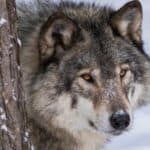
Grey Wolf
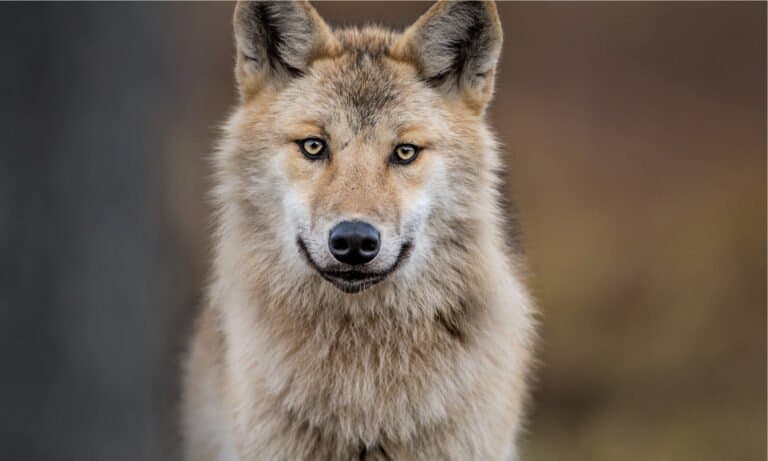
Grey Wolf A defining top predator of the region's forest-steppe and taiga fringe; tracks and winter presence are a notable part of the Omsk wildlife story.
Brown Bear
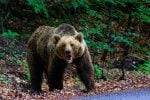
Brown Bear Most typical in the more taiga-influenced north; a hallmark species of intact forest and large wetland complexes.
Eurasian Lynx
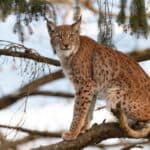
Eurasian Lynx A secretive forest predator associated with mature woodland and mosaic habitats; prized by visitors and photographers for its rarity and elusiveness.
White-tailed Eagle
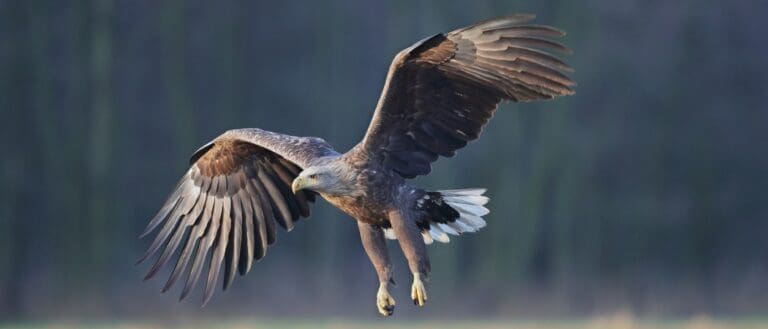
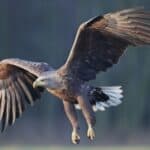
White-tailed Eagle One of the signature birds of the Irtysh corridor and large lakes; a standout raptor often linked with fish-rich waters and tall riverside trees.
Common Crane A defining voice of marshes and wet meadows; seen breeding in wetlands and staging during migration across the forest-steppe.
Demoiselle Crane A steppe icon; where open steppe and shallow lakes remain, this species represents the southern character of the oblast.
Whooper Swan A prominent migrant (and locally breeding in suitable wetlands); spring and autumn movements through lake districts are a key wildlife spectacle.
Sterlet A culturally and ecologically iconic sturgeon of the Irtysh basin; its presence symbolizes the conservation value of large free-flowing river habitats.

Endemic & Rare Species

Saker Falcon

Falco cherrug

Globally Endangered (IUCN); regionally rare and declining in many steppe areas

A flagship steppe raptor that depends on open landscapes and healthy prey bases; its occurrence highlights remaining high-quality steppe/forest-steppe habitats.

Eastern Imperial Eagle

Aquila heliaca

Globally Vulnerable (IUCN); rare breeder/visitor in steppe and forest-steppe zones

A conservation-priority raptor tied to open country with scattered trees; sightings are notable along river valleys and shelterbelt landscapes.

Great Bustard

Otis tarda

Globally Vulnerable (IUCN); very local/rare in the wider region and sensitive to disturbance

A steppe emblem that has declined with agricultural intensification; any remaining or occasional occurrences are of high conservation importance.

Black Stork

Ciconia nigra

Generally rare; sensitive forest-wetland species with protected status in many regions

A shy indicator of intact floodplain forest and quiet wetlands; valued as a sign of high-quality riverine habitat.

Sterlet

Acipenser ruthenus

Regionally threatened in many river systems due to overfishing and habitat alteration

A key long-lived river fish; its status reflects the health of the Irtysh's main-channel and floodplain connectivity.

Siberian Sturgeon

Acipenser baerii

Globally Vulnerable (IUCN); heavily impacted historically

Historically characteristic of large Siberian rivers; now much reduced and of high significance where it persists or is restored.

Steppe Polecat

Mustela eversmanii

Regionally uncommon; dependent on steppe prey and burrow systems

A classic steppe mammal that signals intact open habitats and a functioning small-mammal community.

European Mink

Mustela lutreola

Critically Endangered (IUCN); if present, extremely rare and localized

A riverbank specialist of exceptional conservation concern; any confirmed records in the Irtysh basin would be regionally significant.

Notable Populations

  • Major migratory waterbird passage and staging along the Irtysh River floodplain and associated lake-and-marsh complexes (seasonal concentrations of geese, ducks, swans, and cranes).
  • Forest-steppe breeding assemblages combining northern forest species (e.g., moose-associated communities) with steppe birds (e.g., demoiselle crane and steppe raptors where habitat remains).
  • Nationally important raptor use of river corridors (eagles and large hawks concentrating near fish-rich waters and floodplain woodlands), especially during migration.

Recent Changes

  • Recovery/expansion of Eurasian beaver (Castor fiber) in many parts of Siberia, improving wetland complexity and creating new aquatic habitat patches in suitable tributaries and floodplains.
  • Ongoing pressure and local declines of steppe specialists (notably bustards and some steppe raptors) in landscapes with intensified agriculture, higher disturbance, and reduced fallow/grassland structure.
  • Sturgeon and other large-river fish generally remain vulnerable: overfishing, bycatch, and changes in river connectivity/flow regimes contribute to long-term declines; conservation measures and enforcement strongly influence local outcomes.
  • Northward and landscape-level shifts in some generalist mammals (e.g., wild boar Sus scrofa and raccoon dog Nyctereutes procyonoides in parts of southwestern Siberia) are reported regionally, with presence varying year to year depending on winters, disease, and hunting pressure.
  • Water-level variability (drought/flood cycles) increasingly affects shallow lakes and marshes, changing breeding success for colonial waterbirds and cranes in dry years.
Visit

Wildlife Viewing

Omsk Oblast is a West Siberian transition zone: taiga and peat lowlands north, forest-steppe and steppe south, tied by the Irtysh River. Excellent for migrating birds (geese, ducks, cranes, raptors), wetland mammals (beaver, muskrat), and moose, Siberian roe deer, fox. Focus on floodplains, backwaters, Krutinsky Lakes. Seasonal: spring migrations, buggy summers, autumn rut, winter tracking.

Best Seasons

Spring (late April-May)

Peak bird migration on the Irtysh floodplain and major lake systems: waves of geese/ducks, cranes, and raptors. Forest edges come alive with display behavior (black grouse/capercaillie leks in suitable habitats). Water levels rise, creating ideal wetland viewing-bring waterproof boots and plan for muddy access roads.

Summer (June-August)

Breeding season in wetlands and reedbeds: grebes, terns, herons/bittern-type species in suitable marshes, and abundant songbirds. Excellent for beaver-at-dusk watches on quiet channels and backwaters. Long daylight hours help photography-but insects can be intense near water; headnets/repellent are essential.

Autumn (September-October)

Second migration peak: staging flocks on lakes and harvested fields (geese, ducks, cranes), plus raptors following them. Mammal activity increases-Siberian roe deer and moose are more visible at dawn/dusk along forest-steppe edges. Comfortable temperatures and fewer insects make this a favorite time for multi-day trips.

Winter (November-March)

Best season for snow-tracking and seeing sign: fox, hare, roe deer, and occasionally wolf/lynx tracks in quieter areas. Winter birding around towns and forests can be productive (finches, waxwings, tits; owls possible in open country). Short days and extreme cold mean you'll want a vehicle-based plan and hot-warmup stops.

Top Wildlife Experiences

  • Birding the Krutinsky Lakes system (Krutinsky District-lakes such as Ik, Saltaim, and Tenis): sunrise scanning for mass waterfowl, waders along shorelines, and raptors overhead; best in May and September.
  • Irtysh River floodplain boat or shoreline safari near Omsk and upstream/downstream villages: look for beaver activity at dusk, waterbirds in backwaters, and raptors hunting over meadows; go with a local boatman where available.
  • Spring migration watch on agricultural-field edges near wetlands (south/central oblast): set up at first light to observe geese and cranes commuting between roost lakes and feeding fields-bring a scope and keep a respectful distance to avoid flushing flocks.
  • Forest-steppe dawn drive and hide-style viewing in the north/central districts (toward Tara-Ust-Ishim direction): prime for roe deer and moose at the edge of mixed woods and hay meadows; combine with listening stops for woodland birds.
  • Evening beaver watch on quiet tributaries and oxbow lakes of the Irtysh basin: choose a still stretch with fresh gnaw marks and slides; sit silently 60-90 minutes before sunset for the best chance of surface activity.
  • Autumn raptor and passerine movement along river bluffs and open ridges overlooking the Irtysh valley: a classic 'big sky' watch for migrating birds of prey and mixed flocks; best in September.
  • Salt-lake and steppe-edge birding at Lake Ebeity (southern Omsk Oblast): scan shorelines for migrating shorebirds and other salt-lake specialists during passage seasons; combine with steppe mammal spotting in surrounding open country.

Wildlife Watching Types

Migration birding (geese, ducks, cranes, raptors) on lakes, floodplains, and fields Wetland birding and photography (reedbeds, backwaters, oxbows) Beaver and semi-aquatic mammal watching at dusk (beaver, muskrat) Forest-edge mammal viewing (moose, Siberian roe deer, fox, hare) Winter tracking and sign-reading on snow (mammals and owls/woodland birds) Nature soundscapes and lek/display watching in spring (where accessible and permitted) Macro/nature photography (wildflowers, butterflies, dragonflies in summer meadows and lake margins)

Guided Options

  • Local birding-guides and informal guiding via regional birdwatching communities: best for timing migration hotspots on the Krutinsky Lakes and Irtysh floodplain (ask in Omsk-based nature clubs/university circles).
  • Irtysh River boat trips with local boatmen (seasonal): useful for reaching quiet backwaters for beaver and waterbird viewing-confirm safety gear and avoid sensitive nesting areas.
  • Hunting-lease/forestry area guides offering non-hunting wildlife tracking days (especially winter): hire for access, navigation, and interpreting tracks; clarify 'photo-only' goals in advance.
  • District-level nature education centers and museum-led excursions (seasonal): occasional field trips focused on wetlands/forest-steppe ecology around Omsk and nearby districts.
  • Eco-lodges/fishing bases near lakes and rivers that can arrange early-morning transfers, hides/shoreline access, and local transport-request low-impact wildlife viewing rather than catch-focused programs.
Habitats

Ecosystems

Omsk Oblast is on the flat West Siberian Plain in the Irtysh River basin. It shifts from southern taiga in the north to forest-steppe and steppe in the center and south. Poor drainage, little hills, and hot summers and cold winters make wide peatlands, floodplains, and lake districts mixed with farms, so wetlands and steppe mosaics are key.

Biomes

Boreal Forest (Taiga)

Northern parts support southern taiga landscapes with conifer-dominated and mixed conifer-broadleaf stands, interspersed with bogs and wet forest depressions typical of the West Siberian lowlands.

Mostly the northern sector; roughly ~20-35% of the oblast (stronger toward the north).

Temperate Grassland

Forest-steppe and steppe form a patchwork of grasslands, meadow-steppe, and open woodlands/deciduous groves; the southern districts grade toward drier steppe conditions akin to the Kazakh plains.

Central and southern sectors; roughly ~40-60% (largest single biome influence).

Wetland

Extensive peatlands (raised and transitional bogs), sedge/reed marshes, and seasonally flooded floodplain wetlands occur across interfluves and along the Irtysh and tributaries, reflecting widespread poor drainage on the plain.

Widespread in low-lying areas; locally dominant; roughly ~10-25% overall (variable by district).

Freshwater

Major river corridors (Irtysh and tributaries), oxbow lakes, and numerous small lakes/ponds support riparian forests, floodplain meadows, and aquatic habitats.

Linear along rivers plus scattered lake districts; small in area but ubiquitous in ecological importance.

Habitats

Forest

Southern-taiga and mixed forests in the north and along some river terraces; often interlaced with boggy hollows.

Coniferous Forest

Pine and other conifer stands on better-drained sandy or terrace soils in northern/central parts, with mossy understories in wetter sites.

Deciduous Forest

Birch-aspen and other deciduous groves are common in the forest-steppe mosaic, especially on slightly elevated, better-drained ground.

Woodland

Open woodland belts and scattered groves embedded within grasslands (classic forest-steppe structure).

Grassland

Meadow and steppe grasslands dominate much of the central and southern oblast, often converted to cropland or used as hay meadows/pasture.

Steppe

Drier, more continuous steppe in the south with feather-grass and forb-rich communities where not plowed, grading toward Kazakh-steppe conditions.

Shrubland

Willow and other shrub thickets along floodplains, lake margins, and in wet depressions; also secondary shrub growth on disturbed steppe.

River/Stream

Irtysh River is the main ecological axis, with broad floodplains, oxbows, and riparian corridors; important for fish, waterbirds, and nutrient cycling.

Lake

Numerous shallow lakes (many with variable salinity/alkalinity in steppe zones) support reedbeds and waterfowl breeding/stopover habitat.

Pond

Small kettle-like ponds, oxbows, and farm/settlement ponds are common in low-relief terrain, providing amphibian and wetland-bird habitat.

Wetland

A dense mosaic of peatlands, fens, and floodplain wetlands across poorly drained areas of the West Siberian Plain.

Swamp

Wooded swamps and waterlogged forest patches occur in depressions and along sluggish tributaries, often with standing water during high season.

Marsh

Sedge- and reed-dominated marshes fringe lakes and occupy floodplain backwaters, expanding during spring floods.

Bog

Peat-accumulating bogs (including raised bogs) are widespread in lowland interfluves and contribute substantially to regional carbon storage.

Agricultural/Farmland

Large areas of cultivated fields (grains/forage) and hay meadows dominate much of the forest-steppe/steppe zone, fragmenting native habitats.

Urban

Omsk city and other towns create urban habitat islands, with riverbank modifications and green spaces along the Irtysh corridor.

Ecoregions

West Siberian taiga Kazakh forest steppe Kazakh steppe
Protection

Conservation

Primary Threats

  • In the southern steppe and forest-steppe, remaining native grasslands and meadow-steppe patches are converted or re-cultivated for grain and fodder crops, simplifying habitat structure and reducing nesting/foraging areas for steppe birds (e.g., bustards, eagles) and small mammals.
  • Loss and fragmentation are strongest in the Irtysh floodplain (meadow conversion, floodplain infrastructure, shoreline disturbance) and in steppe remnants, leaving isolated habitat islands and reducing ecological connectivity between lake systems and river corridors.
  • Drainage of wetlands and water-meadow management, channel/shoreline engineering, and altered seasonal flooding regimes in the Irtysh basin change spawning/nursery conditions for fish and reduce floodplain marsh habitat important for migratory waterbirds.
  • Urban/industrial discharges and stormwater from Omsk, plus diffuse agricultural runoff (nutrients, pesticides), contribute to eutrophication and contaminant loads in the Irtysh and associated floodplain lakes, affecting aquatic food webs and bird feeding areas.
  • More frequent heat/drought periods and unstable seasonal hydrology intensify steppe and forest-steppe fire risk, reduce wetland permanence in shallow lakes, and can shift migration/phenology for waterfowl using the Irtysh corridor.
  • Legal hunting pressure on waterfowl and game species can combine with illegal take, especially in accessible floodplain and lake areas; raptors and rare steppe birds may be indirectly impacted via disturbance and occasional illegal shooting.
  • Recreation, fishing pressure, dog walking, and shoreline access near Omsk and along popular river/lake sites reduce breeding success for ground- and reed-nesting birds and increase trampling in sensitive floodplain habitats.
  • Roads, bridges, pipelines, and expanding peri-urban development fragment habitats and increase mortality risk (vehicle collisions) while also enabling deeper access to previously quieter wetlands and steppe remnants.
  • In the northern part of the oblast and forest-steppe woodlands, timber harvest (and associated road building) can simplify forest structure and reduce old-tree nesting sites used by large raptors, while increasing edge effects and fire susceptibility.
  • Localized overuse of fish stocks and pressure on floodplain resources (e.g., intensive netting in some areas) can reduce prey availability for fish-eating birds and undermine recovery of sensitive sturgeon/sterlet populations.
Fun Facts

Did You Know?

In parts of Omsk Oblast's forest-steppe, ranges of European and Siberian roe deer meet. Wildlife managers and researchers carefully check who is which because the two look alike and are often mixed up.

Some of Omsk Oblast's most "productive" wildlife sites are temporary: Irtysh spring floods create short-lived shallow wetlands across the floodplain, and those ephemeral waters can outperform permanent lakes for amphibian breeding and for feeding waterfowl and waders.

Salt-lake wildlife can look alien in Siberia: in lakes like Ebeity, high salinity eliminates most fish, but the food web can still be rich-built on Artemia and other salt-tolerant invertebrates that fuel migrating shorebirds.

The muskrat (Ondatra zibethicus) is not native to Siberia. It was brought to the USSR for fur farming and spread through rivers and lakes, including the Irtysh basin, becoming common in wetlands.

In the open steppe south of Omsk, "forest" animals persist along thin lifelines: riparian willow strips, reedbeds and shelterbelts in farm fields act as corridors, letting woodland species move far into the steppe.

The Irtysh River in Omsk Oblast is part of the Irtysh-Ob system and reaches about 4,248 km, the longest tributary. Its wide floodplain provides seasonal spawning and nursery habitat for pike (Esox lucius), ide (Leuciscus idus), and bream (Abramis brama).

Omsk Oblast is one of the few places where two roe deer meet: the European roe deer (Capreolus capreolus) from the west and the Siberian roe deer (Capreolus pygargus) from the east, making a contact zone for Eurasian ungulates.

Lake Ebeity in southern Omsk Oblast is the oblast's largest salt lake and one of the West Siberian Plain's largest saline lakes; its hypersaline water supports specialist invertebrates, notably brine shrimp (Artemia), and draws many salt-lake shorebirds on migration.

Omsk Oblast lies on a forest-steppe/steppe border, so it has a rare two-biome mix: taiga species like elk (Alces alces) and capercaillie (Tetrao urogallus) in the north, and steppe and salt-lake specialists in the south.

Thank you for reading! Have some feedback for us?