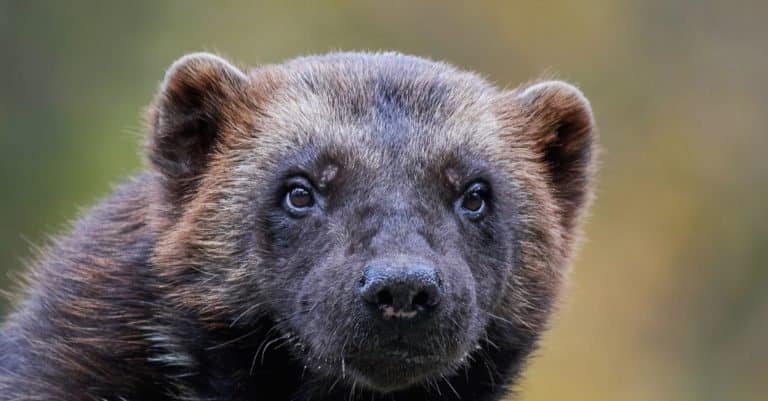
Wolverine
Cold-proof wanderer, fearless scavenger

Cold-proof wanderer, fearless scavenger
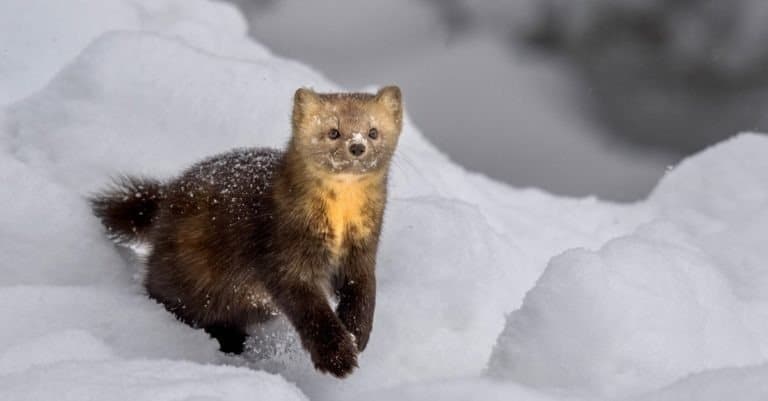
Taiga's "black gold" marten
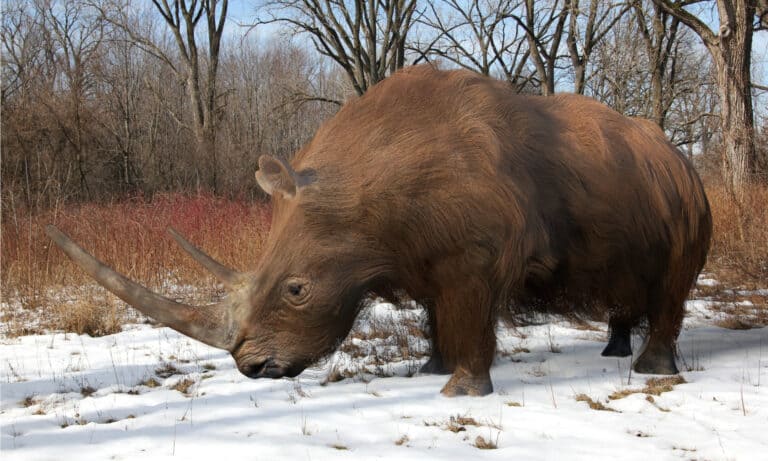
Shaggy titan of the mammoth steppe
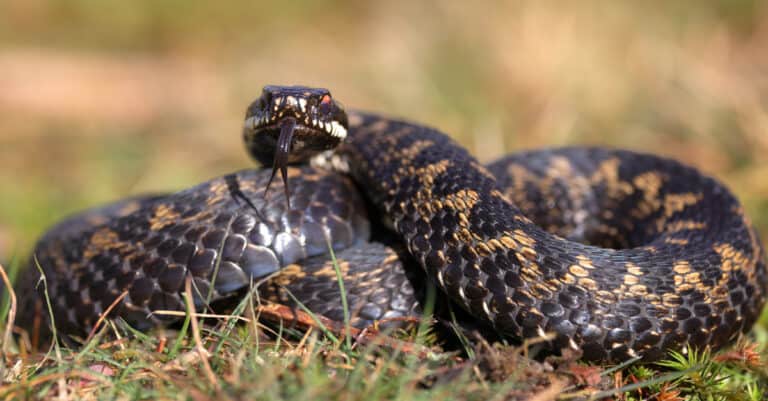
Zigzag guardian of the heath
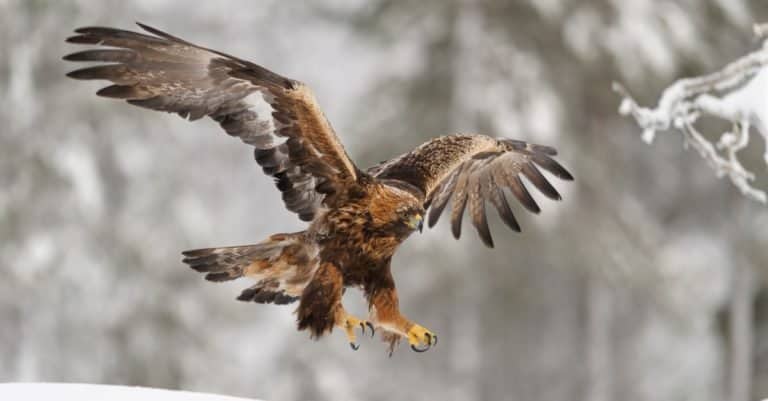
Gold-naped master of open skies
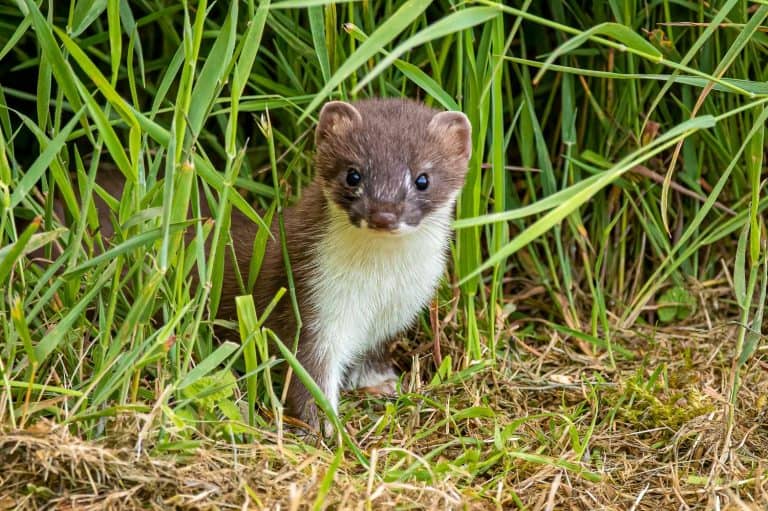
White in winter, black-tipped always
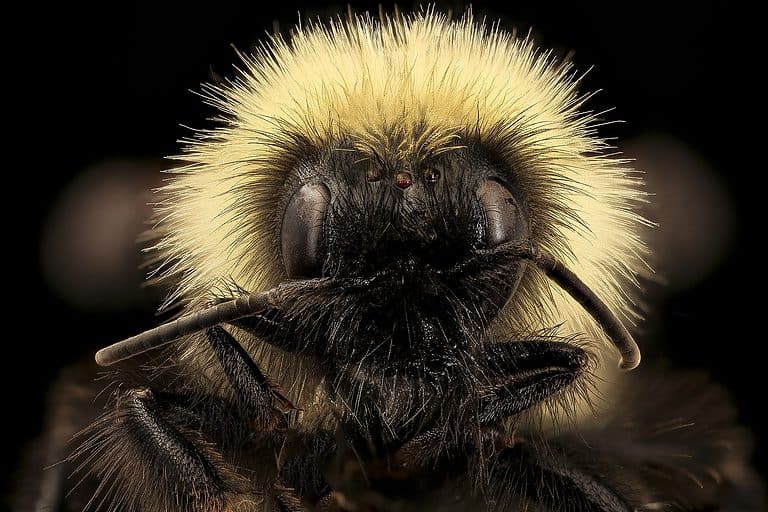
The nest-hijacking bumblebee
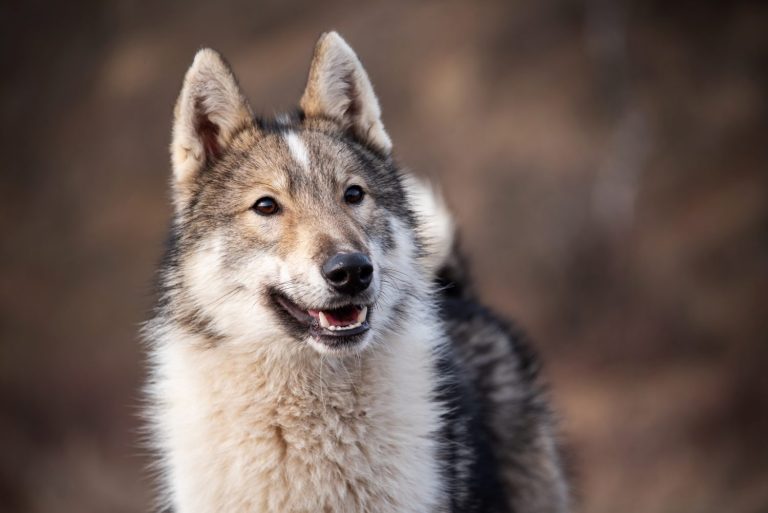
Taiga-bred tracker with a fearless voice
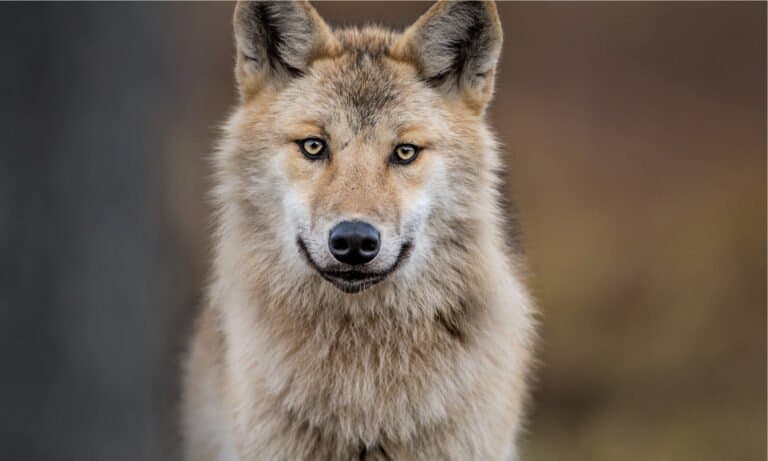
Wild Europe's original pack hunter
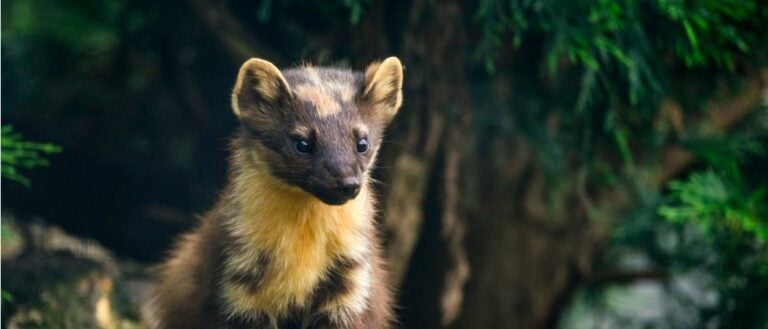
Golden bib, forest acrobat
Jugra is a historic royal town in Kuala Langat District, Selangor, on Malaysia's west-coast lowlands near the Strait of Malacca. Its coastal and estuary mix—mangroves, tidal mudflats and the Langat River—supports waterbirds, estuary fish and crustaceans, and wetland reptiles. Small Bukit Jugra adds local habitat. Farming and towns push wildlife into remaining wetland and river patches.
Near sea level to ~90-100 m (Bukit Jugra)
Coastal setting along the Strait of Malacca; wildlife-relevant shorelines include nearby tidal/mangrove edges and river-estuary interfaces rather than an extensive sandy beach coastline.
Jugra is a historic town in Selangor, not a state subdivision, so there is no Jugra protected-area system. Wildlife depends on Selangor’s Permanent Reserved Forests (peat-swamp and hill dipterocarp), coastal mangroves, and nearby reserves and wetlands like Sungei Dusun and Putrajaya Wetlands. Major national parks in Pahang and Johor have most large mammals and intact rainforest.
Estimated ~10-20% of the broader Kuala Langat-Sepang coastal/peat-swamp landscape is under some form of legal protection (primarily Selangor Permanent Reserved Forests plus small federal/state conservation sites); exact coverage varies by boundary definition and is not consistently reported for "Jugra" as a locality.
Malaysia's flagship lowland rainforest protected area with exceptional habitat continuity and high mammal and bird diversity; among the best places in Peninsular Malaysia for rainforest wildlife viewing and long-term conservation research.
Large, rugged rainforest landscape with rivers and waterfalls; important for big mammals and one of the better Peninsular sites for intact interior-forest bird and mammal communities.
Coral reefs, seagrass, and coastal ecosystems protected under Malaysia's federal marine-park framework; notable for reef fish diversity and sea turtle conservation value.
Federally managed wildlife reserve (Department of Wildlife and National Parks, Peninsular Malaysia) protecting lowland rainforest and river systems; significant for threatened mammals and primates, and a key stronghold for interior-forest biodiversity on the peninsula.
A large state-level protected forest complex (centered on Ulu Gombak-Hulu Selangor) that safeguards watershed forests and supports a broad assemblage of rainforest birds and mammals close to the Klang Valley.
Low hill forest adjacent to Jugra with remnant native vegetation; valuable for local-scale birding, primates, and as a green refuge in an otherwise developed coastal/agricultural landscape.
One of Selangor's most important peat-swamp remnants; critical for water regulation and specialized wet-forest biodiversity, and a conservation priority due to peatland carbon and fire-risk issues.
Large peat-swamp forest in Selangor's north coastal plain; notable for wetland birds and peat-swamp ecology, with high conservation value for flood mitigation and carbon storage.
Federally managed wildlife reserve in Selangor administered by Malaysia's Department of Wildlife and National Parks (Peninsular Malaysia). It is a lowland forest refuge and has been noted historically for Malayan tapirs.
Large constructed wetland system that functions as a major urban-proximate refuge for waterbirds and wetland biodiversity; excellent for accessible birdwatching and environmental education.
Mangrove and secondary forest sanctuary near Kuala Selangor; one of the best-known birding sites in Selangor, supporting migratory shorebirds and mangrove specialists.
Jugra (Kuala Langat District, Selangor) sits where low coastal hill forest (Bukit Jugra), mangroves and estuary around the Langat River, and nearby lowland and peat-swamp forest meet. Wildlife is typical of edge-and-estuary areas: primates and monitor lizards near the hill and town edges, raptors and kingfishers along the river, and mudflat/mangrove specialists plus common lowland-forest species in remaining forest patches. The place is marked by river-mangrove animals, noticeable monkeys on Bukit Jugra, and wetland and coastal woodland birds.
Jugra (near Banting/Kuala Langat, Selangor) offers varied wildlife: mangrove rivers for watching by boat, coastal mudflats for migrating shorebirds, and Bukit Jugra's forested hill for dawn birding and raptors. Easy day trips reach top wetlands. Expect kingfishers and eagles, macaques and monitor lizards, fireflies, and great seasonal coastal birding.
Lush green landscapes and strong bird activity between showers. Coastal/wetland birding remains good, but plan flexible timing for rain. River cruises can still be productive, though water levels and visibility can vary.
A solid all-round window: improving weather, active wildlife, and good photography light. Migratory shorebirds are still present into March/early April on mudflats and beaches.
Best for sunrise/sunset outings and comfortable day hikes at Bukit Jugra. River wildlife watching is steady. If regional haze occurs, prioritize close-range wildlife (mangrove/river, forest edge) and morning sessions.
Great time for raptor movement and mixed bird flocks; sudden downpours are common, so aim for early mornings. Shorebird season ramps up again from late September onward along the Selangor coast.
Firefly viewing (where local river stretches support colonies) is most impressive on calm, dry evenings with low moonlight. Night walks and short roadside/forest-edge spotlighting can reveal frogs, geckos, and other nocturnal wildlife.
Jugra (Selangor, Peninsular Malaysia) sits in a lowland coastal-riverine setting near the Strait of Malacca, where tropical lowland forests transition into extensive wetlands (especially mangroves and peat/seasonal swamps) and estuarine habitats. Much of the surrounding landscape is now a mosaic of settlements and agriculture/plantations, with remaining natural areas concentrated along rivers, coastal fringes, and protected/less-developed wetland pockets.
Originally dominated by lowland dipterocarp rainforest in the interior and along better-drained soils; today mostly fragmented or converted, with remaining patches in riparian corridors and protected forest reserves in the broader Kuala Langat/Langat basin region.
Historically widespread; now mostly fragmented remnants and secondary forest within a largely human-modified matrix.
Coastal and river-associated wetlands, including mangrove belts, tidal mudflats, and peat/seasonal swamp areas in the low-lying plains around the Langat system and nearby coastal flats.
Significant along the coast and estuaries; patchy inland in low-lying depressions and drained peat areas.
River and floodplain ecosystems associated with the Langat River system and local streams/canals, including riparian zones and seasonally inundated areas.
Linear network following rivers/streams and drainage canals; locally important despite heavy modification.
Nearshore marine environment of the Strait of Malacca, influenced by high sediment loads, tides, and estuarine outflow; supports soft-bottom seabeds and productive coastal waters.
Immediately offshore; dominant seaward biome adjacent to Jugra's coastal zone.
Secondary lowland forest patches and riparian forest remnants in the wider Jugra-Kuala Langat landscape.
Lowland tropical rainforest elements (dipterocarp-associated flora) where remnants persist on less-flooded ground.
Tidal mangrove forests along coastal fringes and estuaries, important for shoreline stabilization and nursery habitat.
Brackish mixing zones where river outflow meets the Strait of Malacca; dynamic salinity gradients and high productivity.
Low-lying floodplain wetlands, tidal flats, and swampy basins, including disturbed or restored wetland pockets.
Peat/seasonal swamp conditions in parts of the coastal plain (often drained or converted, but still ecologically influential).
Reed/sedge-dominated wet areas along river margins, drainage channels, and seasonally inundated flats.
Langat-basin waterways and smaller tributaries/canals; riparian corridors remain key biodiversity conduits.
Sediment-influenced coastline of the Strait of Malacca with tidal flats and nearshore waters.
Mostly soft-bottom (mud/sand) nearshore substrates shaped by tides and riverine sedimentation.
Coastal shelf waters of the Strait of Malacca (not true oceanic conditions, but open-water habitat beyond the immediate estuary).
Mixed agriculture surrounding the town, including smallholdings and managed landscapes that replace former forest/wetland.
Commercial plantations (notably oil palm in the broader Selangor lowlands) forming a major portion of the regional land cover.
Built-up town areas and infrastructure around Jugra and nearby settlements.
Jugra's "blackwater" peat-swamp streams look like tea not because they're dirty, but because tannins from decaying leaves stain the water; the water is often acidic, and many fish/invertebrates there are adapted to low pH conditions.
Mangroves around Jugra aren't just "trees in mud": many species filter salt at the roots or excrete salt through leaves, letting them live where most plants would dehydrate.
Mudskippers on the Langat estuary mudflats can breathe through their skin and the lining of their mouths when kept moist-so they can "walk" and feed on exposed mud at low tide, blurring the line between fish and land animals.
In estuary systems like Jugra's, it's normal for wildlife to track the tide: birds and otters often time feeding with falling tides (when prey is concentrated), while crocodiles may patrol creek mouths when water returns.
Saltwater crocodiles (Crocodylus porosus) occur in the lower Langat River estuary near Jugra-this species is the world's largest living reptile, with verified adults exceeding 6 m.
If you spot an otter family in Jugra's mangroves or along the Langat River, it's typically the smooth-coated otter (Lutrogale perspicillata), one of the largest otter species in the world (adults commonly ~7-11 kg).
The mangrove-and-estuary habitat around Jugra sits in one of the planet's most carbon-dense ecosystem types: mangrove forests store exceptionally high "blue carbon" per hectare (both in biomass and especially in waterlogged soils).
Just inland of Jugra, the Kuala Langat peat-swamp reserves (Kuala Langat South and North) are one of Selangor's last large peat-swamp forests. Peat swamps lock huge amounts of carbon in deep peat for thousands of years.
12 species documented in our encyclopedia
Thank you for reading! Have some feedback for us?
We appreciate your help in improving our content.
Our editorial team will review your suggestions and make any necessary updates.
There was an error submitting your feedback. Please try again.