N S W E
Wildlife Expeditions

Wildlife of
Samarskaja oblast'

Where the Volga's great wetlands meet forest-steppe and open steppe, Samara Oblast offers river-island birdlife, migratory spectacles, and classic Eurasian grassland fauna.
11 Species
53,565 km² Land Area
Overview

About Samarskaja oblast'

Samara Oblast lies in the Middle Volga where northern broad-leaved woodland and forest-steppe meet the drier steppe to the south. This sharp transition creates many habitats close together, so the region supports woodland mammals, steppe species, and rich bird life along river corridors. The Volga River and its tributaries shape the area's nature: their floodplains, oxbows, and backwaters hold many plants and animals and are important breeding and stopover sites for waterbirds. Riverside woods, reedbeds, and wet meadows act as nurseries for fish and frogs and as feeding grounds for herons, ducks, and raptors. Away from the main river, meadows, ravines, lines of trees, and steppe patches shelter ground-nesting birds and small mammals. River islands and floodplain complexes make migration hotspots, while nearby grasslands give a classic Eurasian steppe feel.

Physical Features

Geography

Samara Oblast's wildlife is shaped by the Middle Volga: wide valleys and floodplains from Volga and tributaries form wetlands, river forests and meadows, while terraces and plains shift from forest-steppe north to drier steppe south. Volga reservoirs and Samara Bend (Zhiguli uplands) add cliffs, wooded slopes, islands, backwaters and oxbow lakes that shape waterbirds, fish and animals at forest–steppe edges.

53,565 km² Land Area
Mid-sized within Russia; roughly around the middle (~50th of 80+ federal subjects) by area Size Rank
Russia Country
Oblast Type
Elevation Range

Approximately 25-375 m (Volga floodplain lowlands to the highest points of the Zhiguli uplands)

Coastline

No ocean coastline; extensive shoreline along the Volga River and the Kuybyshev Reservoir (large inland waterbody)

Key Landscapes

Volga River main channel, islands, and broad floodplain (riparian forests, reedbeds, oxbows, backwaters) Kuybyshev Reservoir (Volga impoundment) and associated shallow bays/wetlands important for waterbirds and fish Samara Bend (Volga loop) and the Zhiguli Mountains/uplands-wooded slopes, rocky outcrops, steppe patches, and ravines creating local microhabitats Forest-steppe belt in the north (mixed broadleaf stands, shelterbelts, meadow-steppe mosaics) Southern steppe plains and agricultural landscapes with remnant grasslands and gullies supporting steppe-associated species Major tributary river systems and valleys (e.g., Samara, Sok, Bolshoy Kinel) with floodplain meadows, wetlands, and riparian corridors
Parks & Reserves

Protected Areas

Samara Oblast’s protected areas center on the Volga River corridor (including Kuibyshev Reservoir), the Zhiguli Hills and Volga Bend, and pine forest‑steppe and steppe. Main protection is from Samarskaya Luka National Park, Zhiguli Biosphere Reserve, and Samara sector of Buzuluksky Bor National Park (shared with Orenburg Oblast). Regional sites protect springs, karst, ravines, floodplains, and bird and waterfowl areas.

Protected Coverage

Approximately ~5-7% of the oblast's land area is under some form of legal protection (federal + regional categories; rough estimate).

National Parks & Preserves

Samarskaya Luka National Park

≈127,000 ha (≈1,270 km²)

A major Middle Volga wildlife-viewing stronghold centered on the Volga Bend (Zhiguli Hills). Its mosaic of broadleaf forests, steppe slopes, riverbanks, and cliffs supports high raptor diversity, rich bat fauna, and important riparian habitats along the Volga/Kuibyshev Reservoir.

White-tailed eagle (Haliaeetus albicilla) Eurasian eagle-owl (Bubo bubo) Eurasian beaver (Castor fiber) European roe deer (Capreolus capreolus) Wild boar (Sus scrofa)

Buzuluksky Bor National Park - Samara Oblast sector

≈106,800 ha total (shared with Orenburg Oblast; the Samara portion is roughly a minority share of the total)

One of the largest relict pine-forest complexes in the steppe zone; a critical refuge for taiga-associated and forest-steppe wildlife in a largely agricultural landscape. Notable for forest birds, large mammals, and wet hollows/streams embedded in the pine massif.

Moose/elk (Alces alces) Eurasian lynx (Lynx lynx) Western capercaillie (Tetrao urogallus) Black stork (Ciconia nigra) Pine marten (Martes martes)

Zhiguli State Nature Biosphere Reserve

≈23,000 ha (≈230 km²)

A strictly protected (strict nature reserve) core area within the Zhiguli Hills that preserves old-growth and semi-natural broadleaf forests, rocky outcrops, and undisturbed slopes. Especially important for sensitive forest species, raptors, and intact ecological processes with minimal human pressure.

White-tailed eagle (Haliaeetus albicilla) Black kite (Milvus migrans) Ural owl (Strix uralensis) European badger (Meles meles) Roe deer (Capreolus capreolus)

State & Provincial Parks

Goluboe Ozero (Blue Lake) Regional Nature Monument

Small protected site (area is specified in the official protected-areas registry entry; reported in hectares).

A protected hydrological natural site in Samara Oblast centered on a spring-fed (karst) lake noted for unusually clear, cold water and associated aquatic habitats; designated as a regional nature monument.

Sernovodsky Shikhan - regional protected landscape/nature monument

Local-scale protected site (commonly hundreds to a few thousand hectares depending on the legally defined boundary)

A prominent hill/rocky upland feature with steppe-like slopes and forest-steppe edges; important for steppe flora, insects, and open-country birds, and for maintaining habitat heterogeneity in the northern steppe/forest-steppe transition.

European hare (Lepus europaeus) Red fox (Vulpes vulpes) Common kestrel (Falco tinnunculus) European bee-eater (Merops apiaster) Steppe polecat (Mustela eversmanii)

Racheysky Bor / Rachey area - regional forest nature monument

Typically protected as a cluster of regional sites; total protected area is usually in the range of hundreds to a few thousand hectares

A notable forested tract and adjacent natural features in the western part of the oblast, valued for pine and broadleaf forest-steppe habitats that support woodland birds, mammals, and a comparatively intact understory and deadwood structure.

Black woodpecker (Dryocopus martius) Northern goshawk (Accipiter gentilis) Roe deer (Capreolus capreolus) Wild boar (Sus scrofa) Eurasian red squirrel (Sciurus vulgaris)

Wildlife Refuges

Kuibyshev Reservoir (Volga) bays and reedbeds - regional ornithological/fishery protected zones (often managed as wildlife sanctuary-type sites)

Large wetland mosaic (often thousands of hectares across multiple sites rather than one single unit)

Shallow bays, island chains, and reedbeds along the Volga/Kuibyshev Reservoir function as high-value breeding and staging habitat for waterfowl and colonial waterbirds, and as nursery/spawning areas for native fish. These areas are conservation priorities where hunting/boating pressure can be seasonally regulated.

Whooper swan (Cygnus cygnus) Greylag goose (Anser anser) Great cormorant (Phalacrocorax carbo) Pike (Esox lucius) European perch (Perca fluviatilis)

Volga River riparian floodplains and islands near Samara-Tolyatti - regional wildlife sanctuaries (seasonal quiet zones)

Linear/patchy floodplain sites; extent varies widely by sanctuary boundary

Floodplain forests, sandbars, and islands provide nesting areas for raptors and herons, plus refuge corridors for beaver and ungulates. These sites are among the best places in the oblast for birdwatching during migration and for conserving riparian connectivity.

White-tailed eagle (Haliaeetus albicilla) Osprey (Pandion haliaetus) Great egret (Ardea alba) Eurasian beaver (Castor fiber) River otter (Lutra lutra)

Zhiguli State Nature Biosphere Reserve (Samara Oblast)

About 231.6 square kilometers (approximately 23,157 hectares)

A strict nature reserve in the Zhiguli Hills on the Volga River that protects forest-steppe and upland forest habitats and supports diverse mammals and birds typical of the Middle Volga region.

Eurasian elk (Alces alces) Roe deer (Capreolus capreolus) Wild boar (Sus scrofa) Red fox (Vulpes vulpes) White-tailed eagle (Haliaeetus albicilla)

Wilderness Areas

  • Interior roadless forest-and-cliff zones of the Zhiguli Hills within and adjacent to the Zhiguli State Nature Biosphere Reserve (core low-access habitats)
  • Less-developed shoreline segments, islands, and sandbars of the Volga/Kuibyshev Reservoir (seasonally quiet breeding areas where access is difficult by road)
  • Undisturbed pine-forest blocks and wet hollows in the Samara-sector of Buzuluksky Bor, away from settlement edges and main forestry tracks
  • Steppe gully networks and remote valley headwaters in the southern steppe districts where plowed land gives way to fragmented but relatively trackless slopes
Animals

Wildlife

Samara Oblast sits in the Middle Volga where broad river valleys, reservoir shorelines, floodplain wetlands, oak-linden forests, pine stands, and open steppe/forest-steppe meet. This habitat mosaic-especially the Volga River and Samarskaya Luka (the great Volga bend with the Zhiguli uplands)-creates a wildlife experience dominated by riverine birds (raptors, herons, waterfowl), steppe specialists, and a classic assemblage of European-Russian forest mammals. Aquatic biodiversity is strongly influenced by large reservoirs and tributaries, with many native fish persisting but with big-river migratory species reduced compared to historical conditions.
≈55-70 species (forest-steppe and riparian mammals dominate; several steppe specialists persist locally) Mammals
≈240-320 species recorded (high due to migration along the Volga and extensive wetlands) Birds
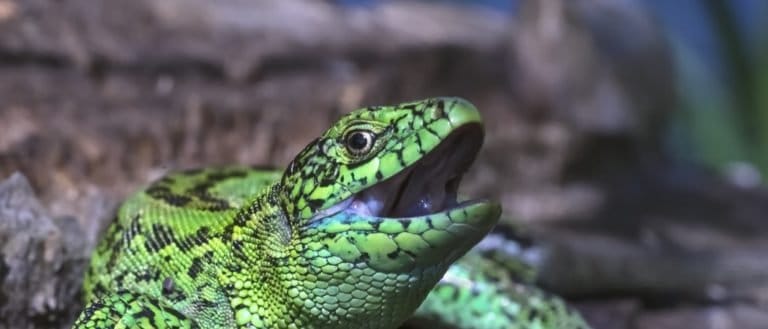
≈8-12 species Reptiles
≈8-11 species Amphibians
≈45-70 species (Volga + tributaries + reservoirs; composition varies by basin section) Fish
Examples

Iconic Species

White-tailed Eagle
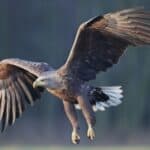
White-tailed Eagle A flagship Volga raptor often associated with big water-reservoir shores, islands, and floodplains-where it hunts fish and waterbirds; one of the most sought-after birds for visitors.
European Elk (Moose) A signature large mammal of the oblast's forest and wetland edges; tracks and browsing signs are common in suitable riverine woodland and forest-steppe mosaics.
Roe Deer
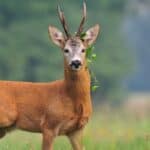
Roe Deer Widely encountered across forest-steppe, field margins, and woodland patches; a defining ungulate of the region's mixed landscapes.
Wild Boar
Wild Boar Common in many forest-steppe areas and floodplain thickets; its rooting and trails are frequently visible, though numbers can swing markedly year to year.
Eurasian Beaver
Eurasian Beaver A classic riparian engineer of Volga tributaries and smaller rivers; dams, lodges, and gnawed trees are a hallmark of quieter waterways.
Black Stork A celebrated, wary species tied to secluded forest rivers and ravines (notably in protected or less-disturbed tracts), making sightings special for birders.
Great Bustard An emblematic steppe bird that can occur in open landscapes; where present it represents the steppe side of Samara's biodiversity (and is a high-value target for wildlife tourism).
Eastern Imperial Eagle A powerful eagle of forest-steppe and steppe edges; notable where it nests in mature trees near open hunting grounds.
European Pond Turtle A charismatic wetland reptile of oxbows, marshy backwaters, and slow channels-often observed basking in warm months.
Sterlet A culturally and ecologically iconic Volga sturgeon that still persists in parts of the basin; a symbol of the river's historical richness despite modern pressures.

Endemic & Rare Species

Russian Desman

Desmana moschata

Vulnerable (IUCN); rare and patchy in much of its range

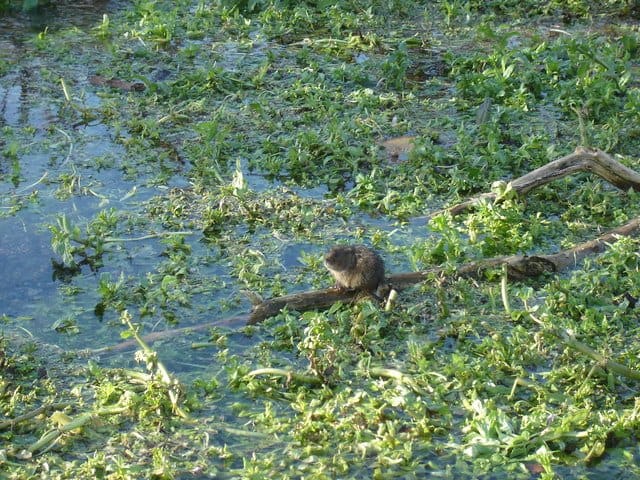
A unique semi-aquatic mammal of quiet floodplain waters; where it survives in Volga tributaries/oxbows it indicates high-quality, low-disturbance wetland habitat.

Black Stork

Ciconia nigra

Listed in many regional Red Data Books; sensitive to disturbance

Depends on secluded forest and clean streams; its presence is a conservation marker for intact riparian forests and undisturbed nesting areas.

Eastern Imperial Eagle

Aquila heliaca

Vulnerable (IUCN)

A globally important steppe/forest-steppe raptor; Samara's forest-steppe landscapes can support breeding pairs where prey and nesting sites remain.

Saker Falcon

Falco cherrug

Endangered (IUCN)

A flagship falcon of open country; now scarce due to historical trapping pressure and habitat/prey changes, making any local occurrence notable.

Pallid Harrier

Circus macrourus

Near Threatened (IUCN)

A steppe-associated harrier that uses open grasslands and agricultural mosaics; considered a key indicator of steppe habitat condition.

Great Bustard

Otis tarda

Vulnerable (IUCN)

A steppe icon in strong decline across much of its range; local birds (where remaining) are conservation priorities tied to grassland management and low disturbance.

European Mink

Mustela lutreola

Critically Endangered (IUCN); possibly extirpated or extremely rare locally

Historically associated with riverine habitats; declines reflect habitat change and competition with introduced American mink in many regions.

Beluga Sturgeon

Huso huso

Critically Endangered (IUCN)

Historically a defining Volga migrant; now largely lost as a natural phenomenon in the Middle Volga due to river regulation and overexploitation-its former presence underscores the scale of change in the basin.

Notable Populations

  • Large-river raptors and waterbirds: the Volga's reservoirs, islands, and floodplains can support notable seasonal concentrations of fish-eating birds (e.g., white-tailed eagles during migration/winter and mixed waterfowl during spring/autumn passage).
  • Steppe/forest-steppe raptors: breeding territories of eagles/harriers (where habitat persists) are of national interest because many steppe raptors are declining across Eurasia.
  • Riverine engineer recovery: beaver populations in many Middle Volga tributaries are a prominent, landscape-shaping feature and a widely visible indicator of riparian ecosystem function.
  • Sturgeon heritage of the Volga: even where reduced, the persistence (or restoration efforts) of native sturgeons such as sterlet remains nationally significant given basin-wide declines.

Recent Changes

  • Sturgeon and other big-river fish declines relative to historical baselines have been driven by river regulation (dams/reservoirs), altered flow/spawning habitats, and past overharvest/poaching; conservation and hatchery-support measures exist in parts of the Volga system, but wild recovery is complex.
  • Wild boar numbers in the region can drop sharply and rebound due to disease dynamics (notably African swine fever in European Russia) and management responses.
  • Beaver has broadly recovered compared with earlier periods of heavy hunting pressure, expanding its footprint on smaller rivers and wetlands and increasing human-wildlife interactions (tree felling, local flooding).
  • Steppe birds (e.g., bustards, some harriers) face long-term pressure from grassland conversion, intensification of agriculture, disturbance, and infrastructure; local distribution tends to become more fragmented over time.
  • Synanthropic/introduced mesocarnivores (notably raccoon dog in European Russia) have expanded and are now established in many areas, potentially affecting ground-nesting birds and amphibians in wetlands.
Visit

Wildlife Viewing

Samara Oblast has Volga wildlife: river, reservoirs, reedbeds and floodplain lakes for waterbirds, forest-steppe with hoofed animals and birds of prey, and open steppe with ground-nesting birds. Samarskaya Luka (Zhiguli Mountains) is the main area. Volga backwaters offer strong spring and fall birdwatching, boat views, hikes to find tracks; roe deer, boar, fox and small mammals; large carnivores are rare.

Best Seasons

Spring (April-May)

Peak migration and soundscape season. Floodplain wetlands and Volga backwaters fill with ducks, geese, swans, gulls/terns and waders; raptors begin active hunting over open country. Forests in Samarskaya Luka come alive with songbirds and woodpeckers. Water levels can be high; muddy trails and cool winds on the river are common.

Summer (June-August)

Breeding season: reedbeds and lakes hold nesting waterbirds; cliffs and open slopes can be good for raptors and swifts. Best time for boat trips and long daylight wildlife paddles. Heat, insects (mosquitoes/gnats near water), and midday haze can reduce viewing-early mornings and evenings work best.

Autumn (September-October)

Second major migration window-often the most comfortable weather. Large movements of waterfowl and cranes (where present) through wetlands and agricultural edges; raptors on passage along river corridors and ridgelines. Forest-steppe offers great mammal sign as animals feed heavily before winter; leaf fall improves visibility for deer/boar in woodlands.

Winter (November-March)

Track-and-sign wildlife watching becomes the main draw. Look for fox, hare, roe deer and boar tracks in forest-steppe and along sheltered river valleys. River edges and ice-free patches can concentrate wintering waterbirds; forests can hold resident species (tits, woodpeckers). Expect short days, windchill on the Volga, and variable snow/ice conditions-guided outings are especially useful.

Top Wildlife Experiences

  • Boat-based birding on the Volga in Samarskaya Luka National Park (around the great bend of the river): scan reedbeds, backwaters and shoreline shallows for waterfowl, gulls/terns and raptors; combine with cliff viewpoints for soaring birds.
  • Zhiguli Mountains ridge-and-viewpoint hike (Samarskaya Luka / Zhiguli area): morning watch from elevated lookouts for raptors using thermals, plus forest birds and mammals along oak-lime woodland trails.
  • Wetland birding day in the Volga floodplain (choose accessible backwaters/oxbows near the Volga and tributary mouths): focus on spring and autumn migration with a scope-best for mixed flocks of ducks/geese, herons/egrets and shorebirds on exposed edges.
  • Sunrise steppe/forest-steppe drive-and-walk for mammals on quieter rural roads and field margins (away from busy highways): look for roe deer, fox, hare, and raptors hunting over open ground; pair with a picnic and short meadow walks.
  • Reedbed-and-lake edge "listen and watch" session in early summer: spend 2-3 hours at dawn at a quiet wetland edge to catch peak vocal activity and nest behavior of waterbirds and passerines; bring insect protection and stay on established paths.
  • Winter tracking hike in mixed woodland and forest-steppe near Samarskaya Luka: follow fresh tracks in snow for fox/roe deer/boar, learn to read feeding sign, and watch for resident forest birds; finish with a hot drink break in a sheltered valley.
  • Evening riverbank stakeout for owls and crepuscular wildlife (woodland edges near the Volga): best in late spring through autumn; listen for calls and scan open patches for hunting birds and emerging mammals.

Wildlife Watching Types

River and reservoir wildlife cruises (boat-based viewing on the Volga) Wetland and floodplain birding (migration and breeding birds) Raptor watching from ridges, cliffs and open slopes (soaring and hunting behavior) Forest birding (woodpeckers, songbirds; best in spring/summer) Mammal watching in forest-steppe/steppe edges (roe deer, fox, hare; mostly dawn/dusk) Winter tracking and nature interpretation (tracks, scat, feeding sign) Nature photography trips (landscape + wildlife along river viewpoints and wetlands)

Guided Options

  • Samarskaya Luka National Park guided excursions: ranger-led hikes and interpretive routes in the park, sometimes including panoramic viewpoints and natural history themes (check seasonal access rules and permits).
  • Zhiguli area local nature guides (private birding/photography days): tailored dawn-to-dusk itineraries for migration hotspots, raptor viewpoints and quiet wetland edges; especially helpful for navigating access and maximizing sightings.
  • Volga boat trip operators offering nature-focused itineraries (seasonal): arrange early-morning or sunset departures for birds and shoreline wildlife; request slower routes with frequent stops for scanning.
  • Regional museums/nature centers in Samara and Tolyatti that organize eco-walks and lectures: good for finding current migration news, volunteer-led walks, and beginner-friendly bird outings.
  • University/ornithology community events (seasonal bird counts, migration weekends): occasional public programs where visitors can join locals for monitoring walks-best asked about in spring and autumn.
Habitats

Ecosystems

Samara Oblast on the Middle Volga lies where forest-steppe meets true steppe, with strong river influence from the Volga, large reservoirs, and tributaries. Ecosystems include broadleaf and mixed woodlands on uplands and the Zhiguli Hills, feather-grass steppes, floodplains, oxbow lakes, and riparian wetlands. Much land is cropland, pasture, towns, or industry, forming a patchwork of natural and managed areas.

Biomes

Temperate Grassland

Dominant steppe and meadow-steppe landscapes on plains and gently rolling uplands; characterized by drought-tolerant grasses and forbs, with shrub-steppe elements on drier sites.

Widespread; especially in the south and southeast and across much of the open countryside outside major forested uplands.

Temperate Forest

Forest-steppe mosaic with broadleaf and mixed stands (e.g., oak, birch, lime) interspersed with grasslands; more continuous woodland on favorable soils, ravines, and the Zhiguli uplands.

Patchy to locally extensive; more common in the north/central parts and on uplands and river-adjacent slopes.

Freshwater

Large river ecosystem centered on the Volga, including major impoundments (reservoir shorelines), tributary rivers, oxbows, and small lakes/ponds associated with floodplains.

Continuous along the Volga corridor and present throughout via tributary networks; highest aquatic footprint near the Volga and major reservoirs.

Wetland

Volga and tributary floodplain wetlands: reedbeds, wet meadows, backwaters, seasonally inundated forests, and marshy depressions supporting high bird and fish productivity.

Concentrated along the Volga floodplain, reservoir margins, and lower reaches of tributaries; scattered smaller wetland pockets elsewhere.

Habitats

Deciduous Forest

Broadleaf stands in the forest-steppe (often oak-dominated) on better-watered sites, ravines, and upland slopes, including parts of the Zhiguli area.

Woodland

Open groves and mixed forest patches forming the classic forest-steppe mosaic, frequently grading into meadow-steppe.

Steppe

Feather-grass and forb-rich steppe on well-drained soils; includes dry steppe on exposed slopes and more mesic meadow-steppe in lowlands.

Grassland

Meadow and floodplain grasslands, hayfields, and semi-natural pastures; important for ground-nesting birds and pollinators where not intensively converted.

Shrubland

Shrubby belts on dry slopes, gullies, and ecotones between forest patches and steppe, often acting as windbreaks and wildlife cover.

River/Stream

The Volga River and tributaries (with side channels and backwaters) provide major migration, spawning, and riparian corridor habitat.

Lake

Oxbow lakes and reservoir embayments along the Volga floodplain; variable depth and shoreline vegetation create diverse fish and waterfowl habitat.

Pond

Small farm ponds, quarry ponds, and settlement-adjacent water bodies; locally significant for amphibians and waterbirds.

Wetland

Seasonally flooded floodplains, wet meadows, and reed-dominated shallows along the Volga and tributaries.

Marsh

Reedbeds and sedge marshes in backwaters, oxbows, and low-lying floodplain depressions; key breeding habitat for waterbirds.

Bog

Small peat-forming mires and wet depressions occur locally (more typical in cooler/wetter micro-sites), though far less extensive than in northern Russia.

Cliff/Rocky Outcrop

Rocky and limestone bluffs along parts of the Volga valley and the Zhiguli Hills, supporting specialized steppe and woodland edge flora.

Cave

Karst and rock shelters associated with limestone terrain (notably in the Zhiguli area), providing bat and invertebrate habitat.

Mountain

Low mountain/upland terrain of the Zhiguli Hills creates local microclimates and elevational contrasts that increase habitat diversity.

Agricultural/Farmland

Large areas of cropland and pasture (grain, sunflower and other field crops) dominate much of the steppe/forest-steppe plains.

Urban

Major urban/industrial habitat centered on Samara and other cities, with altered riverbanks, transportation corridors, and fragmented green space.

Suburban

Dacha settlements, peri-urban forests/parks, and mixed-use edges around cities; often important as informal ecological corridors along waterways.

Ecoregions

East European forest steppe Pontic-Caspian steppe (Pontic steppe)
Protection

Conservation

Primary Threats

  • Most steppe and forest-steppe in the oblast has been converted to cropland and settlements, leaving small, isolated patches of native steppe on slopes and ravines (including within and around Samarskaya Luka). Riverbank development and shoreline hardening around Samara-Tolyatti further reduce natural floodplain and wetland habitats.
  • Regulated flow and altered sediment regimes from the Volga hydropower/reservoir system change floodplain inundation patterns, affect spawning and nursery habitats for native fish, and reshape wetlands and riparian vegetation along the Volga and lower tributaries.
  • Industrial and municipal wastewater, stormwater runoff, and legacy contamination from petrochemical and heavy industry corridors around Samara and Tolyatti contribute to nutrient loading and episodic pollution in the Volga and tributaries; agricultural runoff adds fertilizers and pesticides that drive eutrophication in backwaters and oxbows.
  • Ongoing pressure to intensify agriculture (including expanding cultivation onto marginal lands and steppe remnants) reduces habitat connectivity, increases soil erosion into waterways, and simplifies landscapes needed by steppe birds and small mammals.
  • Major transport corridors, bridges, pipelines, and power infrastructure along the Volga valley and around urban hubs fragment habitats and increase wildlife mortality (vehicle collisions) and disturbance, especially near protected area boundaries.
  • Expansion of Samara, Tolyatti, and satellite settlements increases demand for land, sand/gravel extraction, recreation infrastructure, and shoreline development, intensifying disturbance and reducing natural riparian buffers.
  • High recreational use of the Volga shoreline and the Samarskaya Luka area (boating, camping, off-road driving) degrades sensitive steppe slopes and riparian habitats, increases littering and fire ignition risk, and disrupts nesting raptors and colonial waterbirds.
  • Fishing pressure in the Volga reservoirs and tributaries reduces populations of native fish; illegal and unreported catch is a persistent issue, particularly for high-value species and during spawning runs.
  • Illegal hunting and weak compliance in some areas affect vulnerable mammals and birds (including raptors and steppe-associated species), while lead ammunition can pose secondary poisoning risks to scavengers.
  • Reservoir conditions and shipping/recreation facilitate the spread of invasive aquatic species and opportunistic fish that outcompete native assemblages; invasive plants can dominate disturbed shorelines and floodplain edges, reducing habitat quality for native wetland communities.
  • While large-scale clearcutting is limited in the strictest protected areas, localized illegal or unsustainable cutting and fuelwood collection can degrade riparian and ravine forests, especially near settlements and heavily visited recreation zones.
  • Sand and gravel extraction from river terraces and floodplains (and other quarrying) can destroy nesting/foraging habitats, increase turbidity and sedimentation, and leave disturbed sites vulnerable to invasive plants.
Fun Facts

Did You Know?

You can see "south-like" steppe communities and forest species almost side-by-side: in the Zhiguli Hills and Samarskaya Luka, sun-baked south-facing slopes favor steppe flora and insects, while nearby shaded ravines support more forest-associated communities-sometimes within a short hike.

Reservoir islands and spits can act like accidental bird sanctuaries: fluctuating water levels and hard-to-reach sandy/pebble shorelines on the Kuibyshev Reservoir often create safer nesting spots for colonial waterbirds than many mainland shores (where predators and people are more common).

The Volga bend makes a natural funnel for migration: birds follow the Volga corridor and gather at narrows, bays, and capes, so the Samara reach can seem much richer in birds in spring and autumn than nearby uplands.

Ancient burial mounds (kurgans) in the steppe of Samara Oblast act as tiny safe spots. Often not plowed, they keep patches of native steppe plants and the insects that depend on them amid farmland.

The Kuibyshev Reservoir (the Volga's "Samara Sea") is the largest reservoir in Europe by surface area (~6,450 km²). That single waterbody creates one of Europe's biggest continuous inland habitats for fish and migrating waterbirds in the Middle Volga.

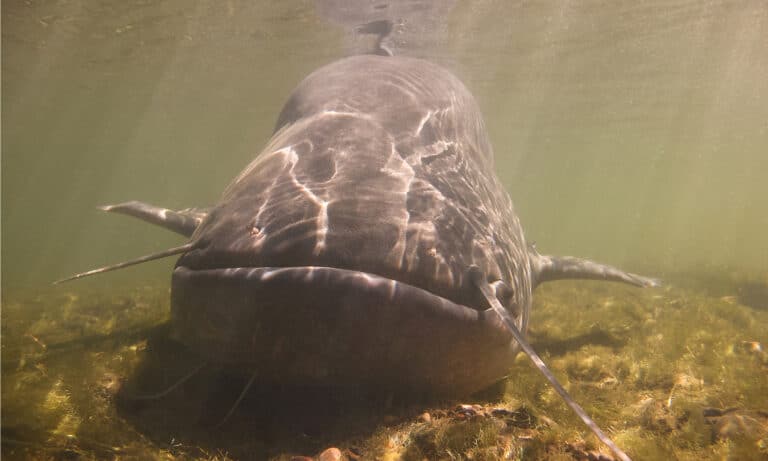
Samara Oblast lies on the Volga, Europe’s longest river (about 3,530 km). In the Samara reach, wide channels, bays, and backwaters make places where many Volga fish spawn and feed, like pikeperch (zander), bream, and catfish.

The Zhiguli State Nature Biosphere Reserve (founded 1927) is among Russia's oldest strict nature reserves ("zapovedniks"). Its long protection history makes it one of the best long-term reference sites for tracking wildlife and habitat change in the Middle Volga forest-steppe.

Samarskaya Luka (the great Volga bend around the Zhiguli Hills) is a large, partly cut-off peninsula of habitats inside a river loop that has forest, steppe, and cliff and rock species close together.

Thank you for reading! Have some feedback for us?