N S W E
Wildlife Expeditions

Wildlife of
Moskva

A megacity where moose, beavers, and owls persist in vast forest-parks and river corridors, making urban wildlife watching surprisingly rewarding.
65 Species
2,561 km² Land Area
Overview

About Moskva

Moscow mixes heavy city growth with large green spaces: forest-parks, floodplains, peatland and marsh remnants, and protected areas. Many native species of the mixed conifer-broadleaf zone still breed here, using wooded ravines, wetlands, and quiet park interiors as safe places. Signs of wildlife—tracks in snow, dusk bird song, and mammal sightings—are common inside the city. Key habitats include the Moscow River and its tributaries with river banks, islands, and floodplain meadows, plus forest-parks of birch, pine, spruce, oak, and linden. These areas serve as links that connect populations, help migrating birds, and shield wildlife from city heat and noise. In winter animals gather near river banks and park edges; in spring and summer songbirds, nesting waterfowl, and insects become very active. Parks and paths make wildlife easy to see, often from transit-connected spots, with good views of raptors, woodpeckers, and wetland birds.

Physical Features

Geography

Moscow lies on the low East European Plain in the Moscow River basin. Wildlife is shaped by river valleys, floodplains, and a patchwork of city areas with big green spaces. River corridors (Moscow River and tributaries), leftover mixed forests, wetlands, and the more open semi-rural New Moscow give habitat and movement routes for birds, small mammals, amphibians, and urban-adapted species.

2,561 km² Land Area
One of Russia's smallest federal subjects by area (roughly 3rd-smallest among federal subjects, depending on classification). Size Rank
Russia Country
Federal_subject Type
Elevation Range

~114-255 m above sea level (low-relief terrain; river valleys vs. moraine/upland highs influence drainage, wetlands, and forest composition).

Coastline

None (inland; aquatic habitats are river, canal, and reservoir/pond shorelines rather than marine or large-lake coastlines).

Key Landscapes

Moscow River (primary river corridor) with broad valley sections, riparian woodland, and floodplain habitats Major tributaries and urban rivers/streams (e.g., Yauza, Setun, Skhodnya) forming ecological corridors and wetland patches Gently rolling glacial-moraine plain and low uplands (part of the Smolensk-Moscow Upland setting) creating subtle habitat and drainage differences Mixed forest remnants and large urban forests/park complexes that function as core habitat and stepping-stones (notably in the southern and western sectors, including much of "New Moscow") Wetlands, small lakes/ponds, and peat-influenced lowlands in depressions and along valleys (often fragmented but important for amphibians and waterbirds) Artificial waterways and reservoirs (e.g., Moscow Canal system and associated reservoirs/pond networks) adding aquatic habitat and migration stopovers
Parks & Reserves

Protected Areas

Moscow has a dense network of protected areas, mostly city-managed regional protected natural areas. It includes large natural and historical parks (forest and floodplain areas), wildlife refuges, and nature monuments along rivers, ravines, and old-growth patches. The main federal site is Elk Island National Park, protecting large forests, wetlands and migratory-bird habitat along the Moscow River.

Protected Coverage

~18%

National Parks & Preserves

Elk Island (Losiny Ostrov) National Park, Moscow sector

≈116 km² total park area; roughly one-third lies within Moscow's boundaries (order-of-magnitude ~30-40 km²).

The only federal national park within the federal city; it preserves a large, contiguous forest-bog-river mosaic on Moscow's northeastern edge. It is the best place in Moscow proper for viewing large mammals and forest birds, with relatively low disturbance in interior zones.

Moose (Alces alces) Wild boar (Sus scrofa) Eurasian beaver (Castor fiber) Red fox (Vulpes vulpes) Northern goshawk (Accipiter gentilis)

State & Provincial Parks

Bitsevsky Forest Natural and Historical Park

≈22 km² (≈2,200 ha).

One of Moscow's largest broadleaf-mixed forest massifs, with ravines, springs, and stream valleys that support breeding woodland birds, small carnivores, and amphibians-excellent for urban forest wildlife watching.

Red fox (Vulpes vulpes) European hare (Lepus europaeus) Eurasian red squirrel (Sciurus vulgaris) Great spotted woodpecker (Dendrocopos major) Tawny owl (Strix aluco)

Moskvoretsky Natural and Historical Park

≈36-37 km² (≈3,600-3,700 ha).

A major Moscow River corridor protected area with floodplains, backwaters, and riparian woodland; notable for waterbirds and semi-aquatic mammals, especially during migration.

Eurasian beaver (Castor fiber) Grey heron (Ardea cinerea) Common kingfisher (Alcedo atthis) Mallard (Anas platyrhynchos) Eurasian hobby (Falco subbuteo)

Natural and Historical Park Izmaylovo

≈16.1 km² (≈1,608 ha)

Large historic forest park with mature stands and wetlands/ponds that provide nesting habitat for woodpeckers, owls, and common urban-adapted mammals; strong for birding within the city.

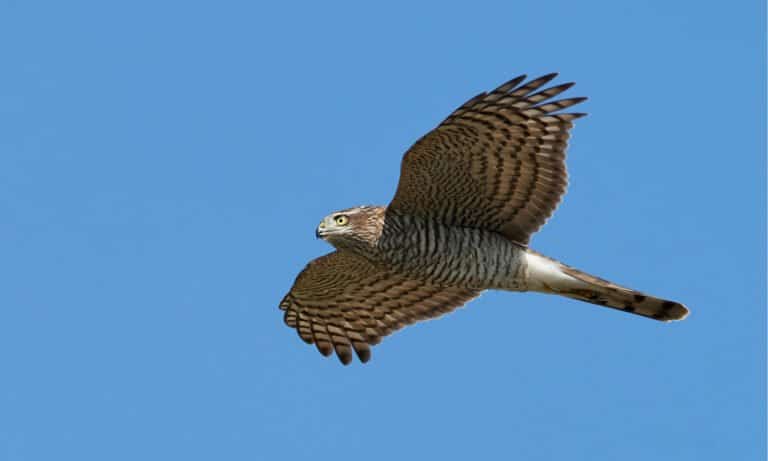
Eurasian red squirrel (Sciurus vulgaris) Northern white-breasted hedgehog (Erinaceus roumanicus) Great spotted woodpecker (Dendrocopos major) Eurasian jay (Garrulus glandarius) Eurasian sparrowhawk (Accipiter nisus)

Kuzminki-Lyublino Natural-Historical Park

About 1,189 ha (about 11.9 km²).

A forest-and-pond landscape in southeast Moscow that functions as a major urban wildlife refuge, supporting amphibians, mammals (including semi-aquatic species), and many breeding and migratory birds.

Eurasian beaver (Castor fiber) Grass frog (Rana temporaria) Common toad (Bufo bufo) Great crested grebe (Podiceps cristatus) Tawny owl (Strix aluco)

Wildlife Refuges

Setun River Valley Landscape Reserve

≈6-7 km² (order-of-magnitude; commonly cited around ~600-700 ha).

One of Moscow's most valuable semi-natural river valleys, with floodplain meadows, willow/alder stands, and wooded slopes that support songbirds, owls, and small mammals; important as an ecological corridor in western Moscow.

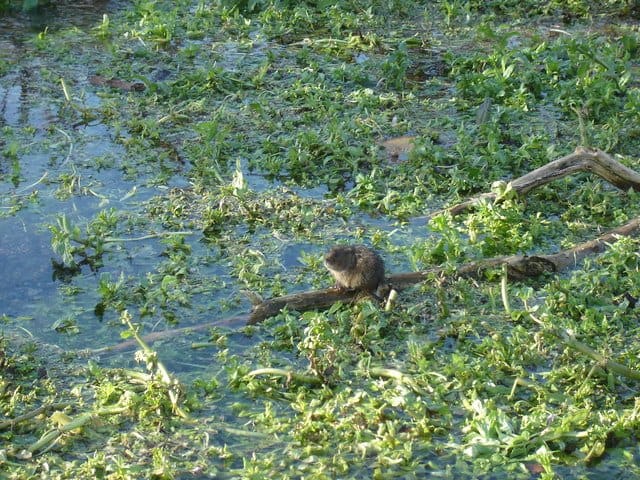
European water vole (Arvicola amphibius) Common kingfisher (Alcedo atthis) Grey heron (Ardea cinerea) Tawny owl (Strix aluco) Eurasian jay (Garrulus glandarius)

Teplostan Upland Landscape Reserve

≈3-4 km² (order-of-magnitude).

Mature upland forest with springs and gullies on Moscow's southwest heights; notable for woodland bird assemblages, small carnivores, and amphibian breeding sites around seeps and ponds.

Red fox (Vulpes vulpes) Eurasian red squirrel (Sciurus vulgaris) Great spotted woodpecker (Dendrocopos major) Common frog (Rana temporaria) Eurasian sparrowhawk (Accipiter nisus)

Serebryany Bor Nature Monument

≈3 km² (≈300 ha) (order-of-magnitude).

Relict pine forest and sandy terraces near the Moscow River with high recreational pressure but still valuable habitat for forest birds, bats, and riparian wildlife; good for spotting woodpeckers and riverine species.

Great spotted woodpecker (Dendrocopos major) Eurasian nuthatch (Sitta europaea) Grey heron (Ardea cinerea) Eurasian beaver (Castor fiber) Noctule bat (Nyctalus noctula)

Vorobyovy Gory (Sparrow Hills) Nature Monument

≈1-2 km² (order-of-magnitude; protected slope/ravine complex).

Steep riverbank slopes and ravines above the Moscow River that function as a compact but important woodland corridor; notable for woodland passerines and raptors moving along the river.

Eurasian jay (Garrulus glandarius) Great spotted woodpecker (Dendrocopos major) Eurasian sparrowhawk (Accipiter nisus) Blackbird (Turdus merula) European hedgehog (Erinaceus europaeus)

Wilderness Areas

  • Losiny Ostrov (interior forest-and-bog blocks away from main entrances): Moscow's closest analogue to "roadless" habitat, with the best chance of encountering moose sign and quieter birdlife.
  • Setun River Valley (upper and mid-valley ravines): relatively continuous riparian woodland with fewer roads and strong corridor value for wildlife movement.
  • Bitsevsky Forest (ravine network and spring-fed headwaters): locally secluded gullies that retain more natural structure than surrounding parkland.
  • Moskvoretsky Park floodplain pockets (backwaters/oxbow-like areas and riparian thickets): limited-access river edges that can be productive for waterbirds and beaver activity.
  • New Moscow (Troitsky/Novomoskovsky districts) larger forest blocks and river valleys: the least urbanized parts of the federal city, offering the most "semi-roadless" landscapes within Moscow's administrative boundaries.
Animals

Wildlife

Moscow is a large federal city in the mixed-forest zone of western Russia, but it still has much wildlife because of large green spaces: Losiny Ostrov National Park, park-forest belts, the Moskva River and tributaries, reservoirs and ponds, lawns, old forest patches, wetlands, and brownfields. Wildlife includes adaptable forest-edge mammals (moose, fox, beaver) and many urban birds (corvids, woodpeckers, waterfowl). Big migrations occur along rivers and park corridors. There are almost no endemics; some regionally protected or locally rare species live in river and old-forest areas.

~45-55 species (including multiple bat species), varying by year and survey effort Mammals
~220-260 species recorded (many are migratory; ~90-120 breed regularly within the city) Birds
~5-7 species Reptiles
~7-10 species Amphibians
~35-45 species in the Moskva River system and connected waters (mix of native and introduced) Fish
Examples

Iconic Species

Moose
Moose The signature large mammal of Moscow's park-forest landscapes, especially associated with Losiny Ostrov; occasional sightings near forest edges make it a standout urban-nature species.
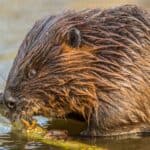
Eurasian Beaver
Eurasian Beaver A visible "ecosystem engineer" on the Moskva River and tributaries, known for dams, gnawed trees, and bank burrows in greener river sections and park waterways.
Red Fox
Red Fox Commonly encountered in large parks and quiet outskirts; its adaptation to city-edge habitats makes it one of Moscow's most recognizable wild carnivores.
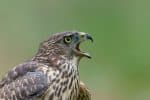
Northern Goshawk
Northern Goshawk A flagship urban forest raptor that can breed in large park woods, offering dramatic hunting flights and strong interest among city birdwatchers.
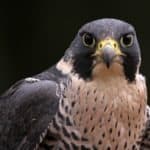
Peregrine Falcon
Peregrine Falcon Increasingly associated with tall buildings and major river corridors; notable as a high-profile raptor that can use the city as a nesting and hunting landscape.
Common Kingfisher A sought-after river bird along cleaner stretches of the Moskva River and smaller waterways, valued for its striking coloration and reliance on intact riverbanks.
Mute Swan A charismatic waterbird on larger ponds and reservoirs in parks; often the most conspicuous large bird for visitors in landscaped waters.
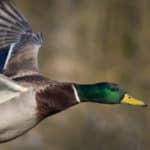
Mallard
Mallard The quintessential urban waterfowl, abundant on rivers and ponds year-round, including wintering concentrations where water remains ice-free.
Great Spotted Woodpecker A defining forest bird of Moscow's mature parks and wooded areas, easily detected by drumming and frequent feeder visits.
Northern White-breasted Hedgehog A familiar nocturnal insectivore in greener residential districts and park edges; a classic city-wildlife species encountered near gardens, courtyards, and quiet paths.

Endemic & Rare Species

European Otter

Lutra lutra

IUCN: Near Threatened; locally rare and sensitive to disturbance and water quality

A marker of improving riverine conditions when present; in Moscow it is typically scarce and tied to the least disturbed, better-connected waterways.

Black Stork

Ciconia nigra

IUCN: Least Concern globally; regionally rare and disturbance-sensitive

An emblematic shy forest-wetland species; sightings in or near the city are notable and usually linked to quieter wetlands and forested river valleys.

Hazel Dormouse

Muscardinus avellanarius

IUCN: Least Concern globally; often regionally protected/patchy in urbanizing landscapes

Dependent on structurally rich woodland edges and shrub layers; persistence near a major metropolis highlights the value of connected, low-disturbance green corridors.

Pond Bat

Myotis dasycneme

Often treated as a conservation-priority bat in parts of Europe; locally uncommon and dependent on water bodies

A river-and-lake foraging bat that benefits from dark riparian corridors; threatened locally by lighting, shoreline hardening, and loss of roost sites.

Sterlet

Acipenser ruthenus

IUCN: Vulnerable; highly impacted by river regulation, poaching, and habitat loss

A historically important sturgeon of the Volga basin; any occurrence in the Moskva River system is noteworthy and typically tied to conservation/stocking contexts and connectivity to larger basins.

Notable Populations

  • Urban moose presence in and around Losiny Ostrov, one of the most prominent examples of a large ungulate regularly occurring within a major European capital's boundaries.
  • Breeding urban raptors in large parks and on high structures (notably peregrine falcon and northern goshawk), supported by abundant prey (pigeons, corvids, small birds).
  • Large wintering aggregations of waterfowl (especially mallards and other ducks) on ice-free stretches of the Moskva River and warm-water outfalls, creating reliable cold-season wildlife viewing.
  • Beaver colonies along the Moskva River and connected waterways, with visible habitat engineering effects in park-managed riparian zones.

Recent Changes

  • Beaver range expansion/recolonization in urban waterways over recent decades, aided by protection and improving riparian habitat in some areas.
  • Recovery and increased visibility of peregrine falcons in cities (including Moscow) following broader regional reductions in persecution and improved breeding success on tall structures.
  • Shifts toward larger and more consistent wintering waterfowl concentrations linked to milder winters and persistent ice-free river sections.
  • Declines and local removals of wild boar in and around the city in association with African swine fever risk management and population control measures.
  • Ongoing pressure on amphibians and wetland birds from pond infilling, shoreline hardening, road mortality, and loss of small wetlands during urban development.
  • Continued spread/entrenchment of non-native or human-assisted aquatic species (e.g., invasive cyprinids and other introduced fishes) in modified urban waters, altering local fish communities.
Visit

Wildlife Viewing

Moscow's best wildlife viewing is in large forest parks, river corridors, and the city's protected "natural territories" run by Mospriroda. You can see elk in the northeast, beavers and muskrats in quiet river backwaters, foxes at park edges, and birds (woodpeckers, owls, raptors and spring and autumn migrations). Go at dawn, on weekdays, and to wetlands and mature forests.

Best Seasons

Spring (late March-May)

Peak bird migration and song season. Expect flocks moving along the Moskva River and ponds; active woodpeckers, thrushes, tits, and early raptors. Wetlands and floodplains come alive with ducks and grebes; amphibians start calling in shallow ponds. Best for birding walks and photography in fresh foliage before summer crowds.

Summer (June-August)

Breeding season: more stationary birds (warblers, flycatchers, woodpeckers), dragonflies and butterflies in sunny meadows, and active bats at dusk. Mammals are harder mid-day but good at dawn/dusk-watch for beavers near water and elk in quieter forest blocks. Best for nature-trail hiking, insect watching, and evening river/pond circuits.

Autumn (September-early November)

Second migration wave: raptors and waterbirds move through; mixed flocks feed in parks. Fungi season in forest parks and strong chance of spotting squirrels, foxes, and other mammals as vegetation thins. Great light for photography and comfortable walking temperatures.

Winter (late November-March)

Best season for tracking and concentrated viewing: birds gather at feeders; owls can be easier to locate; mammals leave tracks on snow. Look for woodpeckers, nuthatches, tits, and winter finches. Along unfrozen water you may still find ducks. Dress for long, slow walks and plan short daylight itineraries.

Top Wildlife Experiences

  • Elk-spotting walk in Losiny Ostrov National Park (northeast Moscow): go at sunrise on quiet forest paths and watch edges of clearings for elk; pair with a visit to the park's visitor infrastructure/eco-trails for interpretation.
  • Beaver and wetland dusk watch in Serebryany Bor (northwest, by the Moskva River): circle the calmer backwaters/pond edges at sunset for beaver activity, waterbirds, and reedbed life (best in summer-early autumn).
  • Migration birding along the Moskva River embankments and floodplain pockets (e.g., Strogino/Krylatskoye areas): scan the river for ducks and gulls, check shrubs for passerine migrants in spring/autumn, and watch for raptors moving overhead on clear days.
  • Forest-bird 'woodpecker circuit' in Bitsevsky Forest (south Moscow): walk mature mixed-forest sections for multiple woodpecker species, nuthatches, and winter feeder flocks; in winter, follow fresh tracks along quieter ski/walking trails.
  • Pond-and-marsh birding at Tsaritsyno (south) and its pond system: early morning loop around ponds for ducks, grebes, herons (seasonal), and breeding songbirds in surrounding woodland; strong in spring and early summer.
  • Dusk bat walk at Vorobyovy Gory (Sparrow Hills) and nearby green corridors: at sunset in warm months, look for bats hawking insects along treelines and above paths; combine with listening stops away from bright lighting.
  • Urban wildlife photography session in Kolomenskoye parkland: focus on squirrels, hedgehogs (more often at dusk), woodpeckers, and seasonal songbirds; best in autumn colors and winter snow when animals stand out and tracks are visible.
  • Winter feeder-and-owl-style morning in a large forest park (Losiny Ostrov or Bitsevsky): visit established feeding areas for close views of tits, finches, and woodpeckers; then slowly scan dense conifers/quiet groves for roosting owls and raptor flyovers.

Wildlife Watching Types

Urban birding and migration watching (parks, cemeteries, river corridors) Forest wildlife watching (elk, fox, hares, squirrels; track-and-sign in winter) Wetland/pond birding (ducks, grebes, reedbed species) Raptor watching (spring/autumn movement; winter hunting birds in open areas) Beaver and semi-aquatic mammal watching (quiet backwaters and ponds at dusk) Insect and pollinator watching (dragonflies, butterflies in meadows and pond margins) Bat watching at dusk (summer) Winter tracking and nature photography (snow tracks, feeder birds)

Guided Options

  • Losiny Ostrov National Park excursions and eco-trails (seasonal guided walks; inquire at park visitor points for schedules and themes such as mammals, birds, and forest ecology).
  • Mospriroda (Moscow's nature-protection agency) programs on city natural territories: regular guided walks, eco-classes, and citizen events across parks (often listed by eco-center/territory and season; some are free or low-cost).
  • Park eco-centers and 'nature classroom' activities (commonly at major natural territories like Bitsevsky Forest, Vorobyovy Gory, Kuzminki-Lyublino, Tsaritsyno): short guided routes, bird-feeder sessions in winter, and family-friendly interpretation.
  • Moscow Zoo education programs and themed walks/lectures (useful for trip planning, ID skills, and seasonal nature events; check current offerings and language availability).
  • Local birdwatching/community outings (informal walks organized by Moscow naturalist/birding communities; best for finding migration hotspots and learning songs-look for current events listings and group meetups).
Habitats

Ecosystems

Moscow is a highly urbanized federal city embedded in the temperate mixed-forest zone of western Russia. Despite dense development, it retains a notable network of green spaces (large parks and protected areas), river corridors (the Moskva River and tributaries), ponds/reservoirs, and remnant wetlands-creating a patchwork of urban, suburban-park, and semi-natural habitats within a predominantly metropolitan landscape.

Biomes

Temperate Forest

Natural vegetation potential is mixed broadleaf-conifer forest (spruce, pine, birch, aspen with oak/linden in places). In Moscow it persists as remnant forest tracts, large forest-parks, and wooded river valleys, often fragmented and managed.

Secondary/remnant patches and forest-parks; roughly a minority of city area (largest continuous green complexes in outer districts).

Freshwater

The Moskva River system (Moskva River, Yauza and other tributaries), canals, reservoirs and many managed ponds; riparian zones and engineered embankments are widespread in the urban core and outskirts.

Linear river corridors across the city plus numerous ponds/reservoirs; present throughout but occupying a small fraction of land area.

Wetland

Floodplain wetlands along the Moskva and tributaries, wet meadows, marshy edges of ponds, and limited remnants of peat-influenced wetlands where not drained/filled for development.

Scattered, localized patches concentrated in floodplains, lowlands, and protected areas; small overall area.

Temperate Grassland

Meadows and open grasslands occur mainly as river-floodplain meadows, utility corridors, and park lawns/managed grasslands rather than extensive natural steppe.

Patchy and mostly managed; small to moderate presence in parks and along river corridors.

Habitats

Urban

Dense built environment with extensive impervious surfaces; includes street-tree networks, courtyards, and highly managed green infrastructure.

Suburban

Lower-density residential districts with larger green yards, forest-park adjacency, and transitional edges to surrounding landscapes.

Forest

Mosaic of mixed forest remnants and forest-parks (e.g., large protected/park complexes) with varying degrees of management and fragmentation.

Deciduous Forest

Birch-aspen secondary stands and broadleaf elements (oak/linden/maple in suitable sites), often in parks and older forest remnants.

Coniferous Forest

Pine and spruce-dominated patches, especially in larger forest-parks and on sandy/poor soils; some stands are planted or heavily managed.

Woodland

Open, park-like tree cover and regrowth woodlands on vacant/edge lands, forming common ecotones between built-up areas and forests.

Grassland

Floodplain meadows and managed open lawns in parks; also occurs along rail/road verges and utility corridors.

River/Stream

Moskva River and tributaries (notably the Yauza), with embankments, riparian vegetation remnants, and floodplain sections in less-engineered reaches.

Pond

Numerous urban ponds (many artificial or reshaped) in parks and residential areas, supporting waterfowl and amphibians where water quality allows.

Lake

Limited natural-lake habitat; functionally represented by larger impoundments/reservoir-like waters within the river system and park waterbodies.

Wetland

Small floodplain wetlands, wet meadows, and reed/sedge margins around ponds and slow-flowing channels, often within protected areas.

Marsh

Localized reedbeds and marshy shorelines on pond edges and backwaters; sensitive to water-level management and eutrophication.

Bog

Highly reduced/fragmentary peatland or peat-influenced wet depressions where not historically drained; mostly small remnants rather than extensive bog complexes.

Agricultural/Farmland

Very limited within city boundaries (small plots/allotment gardens and peripheral fields), largely replaced by urban land uses.

Ecoregions

Sarmatic mixed forests
Protection

Conservation

Primary Threats

  • Continual densification, redevelopment of former industrial zones, and infill construction reduce and simplify habitats, shrink meadow/edge mosaics, and increase fragmentation of remaining green space-especially along river corridors and at the city's expanding transport and residential nodes.
  • Road widening, new interchanges, rail/metro expansions, and utility corridors create hard barriers for wildlife movement (notably across the Moscow Ring Road and major radial highways), increase wildlife mortality (vehicle strikes), and sever links between Losiny Ostrov, river valleys (Setun/Skhodnya/Yauza), and peripheral forests.
  • Even where overall 'green cover' remains high, small wetlands, temporary ponds, and unmanaged meadows are frequently lost to landscaping, drainage, and park 'improvement' works-directly impacting amphibians, wetland birds, and invertebrates reliant on shallow water and tall-grass habitats.
  • Channelization, embankments, bank hardening, dredging, and stormwater engineering on the Moskva and tributaries (e.g., Yauza, Setun, Skhodnya) simplify riparian structure and reduce floodplain function, degrading spawning/refuge areas and diminishing natural self-purification capacity of rivers.
  • Major pressures include traffic-related air pollution, road runoff (oil products, de-icing salts, microplastics), and episodic pollutant loads entering small rivers via storm drains. In winter/spring, salt and contaminated meltwater particularly affect urban ponds and riparian vegetation; legacy contamination persists in some redeveloped industrial areas.
  • High visitor intensity in SPNAs and parks (off-trail trampling, unleashed dogs, noise, nighttime lighting, cycling/scooters) disrupts ground-nesting birds and sensitive mammals, compacts soils, and accelerates erosion on riverbanks and slopes-especially in popular areas like Serebryany Bor and large forest parks.
  • Urban and riparian habitats facilitate invasive plants that form dense stands (reducing native understory and meadow diversity) and invasive/introduced mammals (e.g., American mink in the wider basin) that can suppress native riparian fauna; ornamental plantings can also seed invasions along river corridors.
  • Warming and the urban heat island intensify summer heat stress, shift phenology (earlier breeding/migration), and exacerbate low-flow periods and warmer water in small rivers/ponds. More frequent extreme rainfall increases polluted stormwater pulses and bank erosion, stressing aquatic and riparian communities.
  • Urban-adapted wildlife (foxes, hedgehogs, some birds) can experience higher disease transmission (e.g., rabies risk in the broader urban interface; avian diseases in dense waterfowl congregations at ice-free sections and feeding hotspots).
  • As a major transport hub, Moscow has elevated risk of illegal trade/possession of protected birds (especially raptors and songbirds) and exotic pets; this can drive local collection pressure and complicate enforcement for federally protected species moving through the region.
Fun Facts

Did You Know?

Wild moose (elk) are not just "near Moscow"-they are a documented resident species inside Moscow city limits, with regular sightings in and around Losiny Ostrov's forest-and-wetland mosaics.

Beavers have re-established themselves in Moscow's waterways in the 21st century: they're periodically recorded along the Yauza and in connected park corridors, leaving unmistakable signs like gnawed trunks and dam/lodge building in an urban landscape.

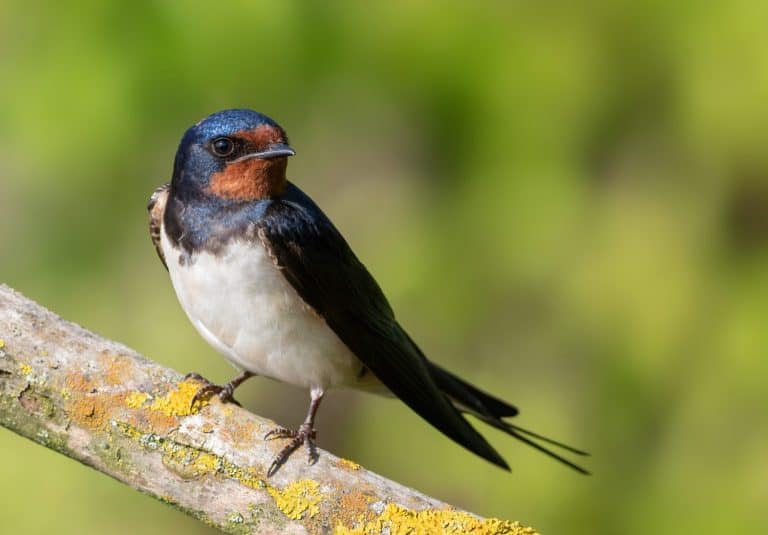
Some of Moscow's most conspicuous "urban wildlife" is birdlife that thrives on infrastructure: swifts, swallows, and other insect-eaters commonly use high-rise façades, bridges, and embankments as nesting habitat while feeding over the Moscow River basin.

Moscow's large forest parks can host a surprisingly intact woodland community for a capital city-foxes, hares, hedgehogs, and many woodland birds persist not in a single park, but across multiple protected green areas connected by river valleys and green corridors.

The Moscow Zoo operates a specialized bat rescue/rehabilitation effort that takes in bats found in apartments and buildings during cold snaps-an example of how "city wildlife" in Moscow includes species most residents never expect to handle up close.

Losiny Ostrov National Park (total area ≈11,621 ha) was established in 1983 and is among Russia's first national parks; it uniquely includes a large tract inside Moscow's city limits (about one-third of the park is within Moscow).

Losiny Ostrov is the largest specially protected natural area found within Moscow's federal-city boundaries, and it supports truly "big game" (notably moose/elk) inside a major European megacity.

Moscow Zoo (founded in 1864) is the oldest zoo in Russia-one of the country's longest-running institutions for keeping, studying, and breeding wild animals in a city setting.

Thank you for reading! Have some feedback for us?