N S W E
Wildlife Expeditions

Wildlife of
Komi

A vast taiga-and-wetland stronghold where Pechora riverscapes meet the Polar Urals, sheltering subarctic wildlife from old-growth forests to tundra edges.
10 Species
416,774 km² Land Area
Overview

About Komi

The Komi Republic is one of Europe’s great boreal wilderness areas. Immense spruce-pine taiga, peatlands, and river valleys stretch across a subarctic climate, with wildlife that live through long winters and short, intense summers. Its wild lands are large and mostly unbroken, so wide-ranging mammals move along forest and river corridors and migratory birds find broad places to breed and rest. Key ecosystems include dark conifer taiga and mixed pine forests, vast sphagnum bogs and fens, and the Pechora basin’s floodplains, oxbows, and riparian forests—rich areas for ducks, waders, and fish-eating birds. To the east, the Ural Mountains add alpine tundra, stony screes, and wind-swept shrublands, creating big habitat changes and safe homes for cold-loving species. This mix of lowland taiga, a major Arctic-draining river system, and true mountains gives Komi a Siberia-like wilderness feel.

Physical Features

Geography

Komi Republic stretches north to south in European Russia, from southern and central boreal taiga to forest-tundra, large peatlands, and the rising Subpolar Ural Mountains in the east. Its vast conifer forests, river floodplains, and wetlands form large connected habitats and corridors for wide-ranging mammals, support Pechora Basin waterfowl and fish, and hold alpine/subalpine specialists in the Urals.

416,774 km² Land Area
One of Russia's larger federal subjects (roughly top ~15 by area) Size Rank
Russia Country
Federal_subject Type
Elevation Range

Approximately ~0-1,660 m (lowland river plains and wetlands up to the Subpolar Ural high peaks such as Mt. Manaraga)

Coastline

No ocean coastline; inland region dominated by riverbanks, floodplains, and wetland/lake shorelines within the Pechora and Vychegda drainage systems.

Key Landscapes

Boreal taiga (spruce-fir-pine forests) forming extensive contiguous wildlife habitat Northern forest-tundra transition and open bog systems in the far north, important for migratory birds and subarctic species Pechora River basin (including major tributaries such as the Izhma and Usa): floodplains, oxbows, and riparian forests that act as migration/dispersion corridors Vychegda River system in the south/central part of the republic, with broad valleys and wetlands supporting aquatic and semi-aquatic fauna Pechora Lowland and widespread peatlands/mires (large carbon-rich wetlands used by waterbirds, waders, and moose) Timan Ridge (low uplands) creating habitat variability and drainage divides across the taiga/wetland mosaic; noted for karst and rugged terrain locally influencing refugia and den sites in places where it occurs
Parks & Reserves

Protected Areas

Komi Republic protects some of Europe’s largest intact taiga: lowland spruce-fir forests, peatlands, and Subpolar/Polar Ural mountains. Federal protected areas—a national park and a strict nature reserve—form the core of the UNESCO World Heritage "Virgin Komi Forests". Regional reserves protect river corridors (Pechora, Ilych, Vychegda), wetlands for migratory birds, and old-growth taiga that supports bear, wolverine, lynx and forest reindeer.

Protected Coverage

≈13% of Komi Republic's land area is designated as protected areas (special protected natural territories).

National Parks & Preserves

Yugyd Va National Park

≈18,917 km² (≈1,891,701 ha)

One of Europe's largest national parks and a flagship area for intact taiga and Ural Mountain ecosystems. Its remote valleys, alpine tundra, and clean rivers support wide-ranging carnivores and forest-tundra edge species; it is part of the UNESCO World Heritage site "Virgin Komi Forests."

Wild forest reindeer (Rangifer tarandus fennicus) Brown bear (Ursus arctos) Wolverine (Gulo gulo) Eurasian lynx (Lynx lynx) Golden eagle (Aquila chrysaetos)

Koygorodsky National Park

About 56,000 ha (about 560 km²)

A federal national park established in 2019 to protect large tracts of old-growth southern taiga forest and associated wetlands and river headwater landscapes.

Moose (Alces alces) Brown bear (Ursus arctos) Eurasian lynx (Lynx lynx) Sable (Martes zibellina) Western capercaillie (Tetrao urogallus)

Pechora-Ilych State Nature Biosphere Reserve (Печоро-Илычский государственный природный биосферный заповедник)

≈7,200 km² (≈720,000 ha)

A strict nature reserve (zapovednik) protecting pristine taiga and mountain-foothill habitats in the upper Pechora and Ilych basins. Notable for scientific monitoring, intact predator-prey systems, and high-quality riverine habitats; includes the famous Manpupuner rock formations area.

Moose (Alces alces) Brown bear (Ursus arctos) Wolverine (Gulo gulo) Eurasian otter (Lutra lutra) Sable (Martes zibellina)

Virgin Komi Forests (UNESCO World Heritage property; core components in Komi)

≈32,800 km² (≈3.28 million ha) total property (primarily Yugyd Va NP + Pechora-Ilych Reserve)

A globally significant conservation landscape representing some of the largest intact boreal forests in Europe. Wildlife value comes from sheer scale, low fragmentation, and a full gradient from lowland taiga and wetlands to Ural uplands, supporting wide-ranging mammals and sensitive forest birds.

Wild forest reindeer (Rangifer tarandus fennicus) Wolverine (Gulo gulo) Eurasian lynx (Lynx lynx) Brown bear (Ursus arctos) Black grouse (Lyrurus tetrix)

State & Provincial Parks

Udorsky (Udor) Regional Nature Sanctuary (Landscape)

Large regional protected area; exact area varies by source and zoning updates (often reported in the thousands of square kilometers)

Large regional-level landscape protection focused on taiga-wetland mosaics and river systems. Important for breeding and stopover birds in peatlands and for maintaining connectivity for wide-ranging mammals across the lowland taiga.

Whooper swan (Cygnus cygnus) Moose (Alces alces) Brown bear (Ursus arctos) Eurasian lynx (Lynx lynx) Cranes (Grus spp., locally breeding/stopover)

Pizhemsky (Pizhma River Basin) Regional Nature Reserve / Complex Reserve

Regional protected area; commonly reported as a large river-basin reserve (area figures differ across publications)

River-valley and taiga reserve used to safeguard floodplain habitats, riparian forests, and fish-bearing tributaries; valuable for raptors, semi-aquatic mammals, and species tied to undisturbed river corridors.

White-tailed eagle (Haliaeetus albicilla) Eurasian otter (Lutra lutra) Brown bear (Ursus arctos) Moose (Alces alces) Salmonids (e.g., Atlantic salmon/Salmo salar in connected basins where present)

Wildlife Refuges

Pechora-Ilych Nature Reserve

7,213 km² (721,322 ha)

A large strictly protected area of intact boreal (taiga) forest and northern Ural mountain ecosystems, created to conserve native wildlife populations and their habitats, including wide-ranging mammals and forest birds.

Brown bear (Ursus arctos) Eurasian lynx (Lynx lynx) Wolverine (Gulo gulo) Moose (Alces alces) Wild reindeer (Rangifer tarandus)

Vychegda River Corridor Protected Areas (regional reserves and nature monuments along the Vychegda system)

Multiple sites; cumulative area substantial but split among many smaller protected units

Protected stretches of major river corridor and adjacent taiga, maintained for riparian biodiversity, water quality, and connectivity between forest blocks. Especially relevant for beavers, otters, and birds of fish-rich rivers.

Eurasian otter (Lutra lutra) Eurasian beaver (Castor fiber) Common crane (Grus grus) White-tailed eagle (Haliaeetus albicilla) Black stork (Ciconia nigra, rare/locally occurring)

Subpolar Ural Mountain-Taiga Buffer Refuges (regional hunting/wildlife refuges adjacent to federal areas)

Variable; typically organized as multiple management units around core protected areas

A network of regional refuges intended to reduce pressure on key species around the core federal protected areas, helping maintain migration routes (especially for reindeer) and reducing edge effects on large carnivores.

Wild forest reindeer (Rangifer tarandus fennicus) Wolverine (Gulo gulo) Eurasian lynx (Lynx lynx) Brown bear (Ursus arctos) Capercaillie (Tetrao urogallus)

Wilderness Areas

  • Subpolar and Polar Ural backcountry (remote ridgelines, alpine tundra, glacial valleys) within and adjacent to Yugyd Va National Park
  • Upper Ilych River headwaters and tributary basins (low road density taiga and wetland complexes) around Pechora-Ilych Reserve
  • Shchugor River valley and surrounding taiga-mountain mosaic (noted for remoteness and intact river corridors in the Ural foothills)
  • Upper Pechora basin interior taiga (large blocks of roadless forest and peatland mosaics away from main settlements)
  • Old-growth southern taiga blocks in the Koygorodsky area (large, relatively unfragmented spruce-fir forests compared with surrounding managed landscapes)
Animals

Wildlife

Komi Republic's wildlife is defined by vast, largely intact boreal (taiga) forests, peatlands and floodplain wetlands of the Pechora basin, plus alpine-subalpine habitats in the Northern Urals. This mix supports classic subarctic forest fauna (large ungulates and carnivores), strong wetland bird communities (swans, geese, waders), and cold-water river fish. Protected areas such as the UNESCO-listed Virgin Komi Forests (Pechora-Ilych Reserve and Yugyd Va National Park) help maintain a "big wilderness" species assemblage unusual for European Russia.
≈55-65 species Mammals
≈240-290 species (breeding + migratory) Birds
≈4-7 species Reptiles
≈4-7 species Amphibians
≈40-60 species (rivers and lakes of the Pechora/Vychegda systems) Fish
Examples

Iconic Species

Brown Bear
Brown Bear A flagship taiga predator/scavenger; Komi's extensive roadless forests and protected areas support relatively natural bear densities and behavior.
Gray Wolf
Gray Wolf A defining wilderness species of the taiga-tundra interface, often associated with large river valleys and ungulate migrations.
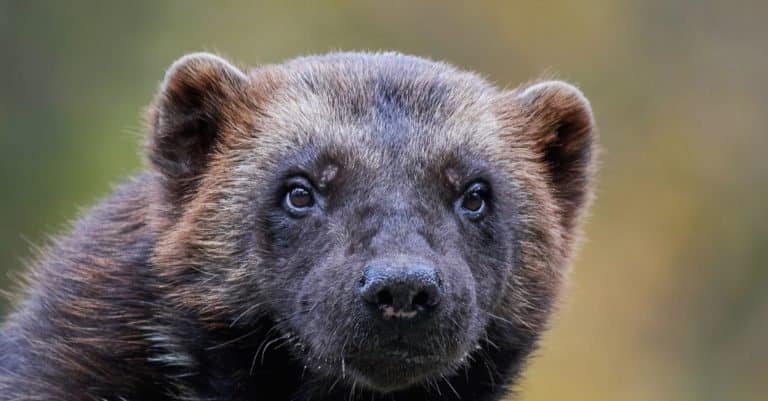
Wolverine
Wolverine An emblem of remote northern forests and mountains; Komi's big landscapes provide the large home ranges this species requires.
Eurasian Lynx
Eurasian Lynx A key taiga carnivore tied to intact forest structure and healthy hare/ungulate prey bases.
Moose (Eurasian Elk) The dominant large herbivore across Komi's forests and wetlands; commonly encountered via tracks, browsing sign, and riverine habitat use.
Reindeer (Forest/Taiga populations) One of the most culturally and ecologically important northern ungulates; Komi is noted for wild and semi-domesticated reindeer landscapes and long-distance seasonal movements.
Western Capercaillie A classic old-forest grouse and a hallmark of mature taiga; sought by wildlife watchers for display grounds (leks) in spring.
Whooper Swan A signature species of northern lakes, bogs, and river floodplains; Komi's wetlands are important breeding and stopover habitats.
Golden Eagle
Golden Eagle Most often associated with the Northern Urals and large open valley systems; a top raptor that signals intact prey networks.

Endemic & Rare Species

European Mink

Mustela lutreola

Critically Endangered (IUCN); extremely rare/fragmented in European Russia

Where it persists, it indicates high-quality, undisturbed riverine habitats; Komi lies within the broader historical range and is relevant to any remaining northern refuges and surveys.

Wild Forest Reindeer (taiga reindeer)

Rangifer tarandus

Regionally vulnerable/declining in parts of European Russia; pressures from disturbance, poaching, and habitat fragmentation

Komi is one of the key areas where large, relatively natural taiga landscapes can still support wide-ranging reindeer herds and migration corridors.

Lesser White-fronted Goose

Anser erythropus

Vulnerable (IUCN); scarce migrant with declining global trend

Uses northern river valleys, lakes, and tundra-edge wetlands during migration; sightings are notable and conservation-relevant in the Pechora basin region.

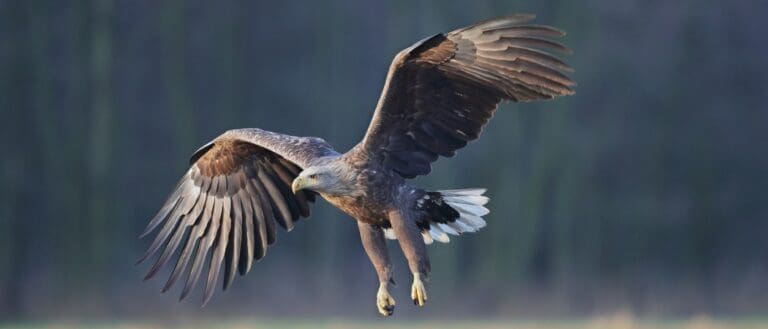
White-tailed Eagle

Haliaeetus albicilla

Least Concern (IUCN) but protected; recovering in many parts of Europe/Russia

A high-profile fish-eating raptor tied to large rivers and lakes; Komi's extensive waterways provide suitable nesting and feeding habitat.

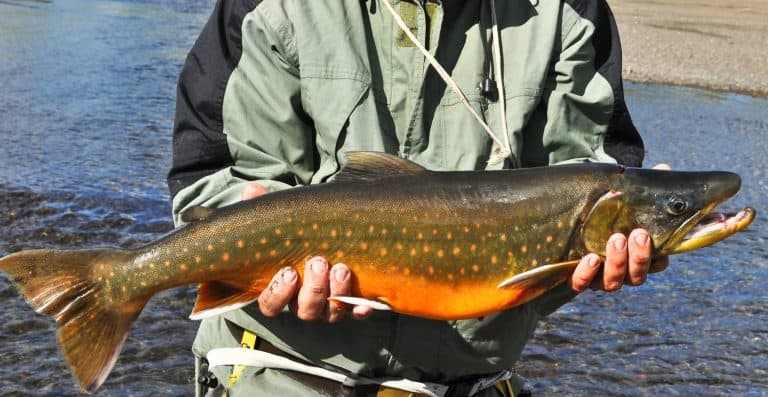
Atlantic Salmon

Salmo salar

Regionally sensitive; impacted by overharvest, bycatch, and habitat pressures in parts of its range

Cold, large river systems of the European North (including the wider Pechora basin region) are important for sustaining northern salmon runs and associated river ecology.

Siberian (Ural) Owl / Ural Owl

Strix uralensis

Locally uncommon; dependent on mature forest structure

A characteristic old-growth-associated owl of the taiga; Komi's intact forests make it a notable indicator of forest continuity.

Notable Populations

  • Large, contiguous boreal forest ecosystems (UNESCO Virgin Komi Forests) supporting a full complement of taiga large mammals (bear-wolf-lynx-wolverine) at a landscape scale.
  • Regionally important wetland bird assemblages (swans, geese, waders) across the Pechora basin floodplains, bogs, and lake districts.
  • Cold-water river fish communities in major basins (notably Pechora and Vychegda systems), including salmonids in suitable reaches and tributaries.

Recent Changes

  • Wild/forest reindeer in parts of the European North have shown local declines and fragmentation linked to increased disturbance, infrastructure, and illegal take; maintaining migration corridors is an ongoing issue.
  • Range expansions and increased frequency of more southern species (both mammals and birds) have been reported across northern taiga regions in recent decades, consistent with warming winters and changing snow/ice conditions.
  • Recoveries of some protected raptors (e.g., White-tailed Eagle) have been noted in many areas of European Russia where persecution decreased and nesting sites remained available.
  • Beaver presence has expanded in many northern regions following historical declines, aided by protection and natural recolonization, altering wetland hydrology and creating new habitat for waterbirds.
Visit

Wildlife Viewing

The Komi Republic in northern European Russia is a large wild area of boreal taiga, vast peatlands, Pechora floodplain wetlands, and the northern Urals. People can see moose, wild reindeer, brown bear, wolf, wolverine and rare lynx, plus cranes, grouse, owls, waterfowl, and rich soundscapes. Many sites are remote—reach via Syktyvkar/Ukhta/Inta, rivers, hiking or off-road; guides help.

Best Seasons

Spring (late April-June)

Peak bird activity as rivers break up and wetlands thaw: big movements of geese, ducks, swans, and waders; grouse lekking (capercaillie/black grouse) in early morning; higher chances of spotting moose near floodplains and new growth. Expect variable conditions (mud, lingering snow, swollen rivers) and strong insect emergence by late June.

Summer (June-August)

Longest days for multi-day river and taiga trips; excellent for birding wetlands and forest edge species; good chances for beaver activity at dusk and otter along clear rivers. Mammals can be harder to see in dense foliage, and mosquitoes/blackflies can be intense-plan headnets and camp strategy. Berries begin mid/late summer, drawing bears and birds to productive slopes and clearings.

Autumn (September-October)

Best all-around season for a wildlife trip: crisp weather, fewer insects, dramatic fall colors, and more visible mammals as vegetation thins. Prime time for moose rut (September) and strong photo opportunities along river valleys. Migrating birds concentrate on wetlands and river corridors; early snow can arrive in the Urals by October.

Winter (November-March)

A tracking and photography season: read fresh sign for wolf, lynx (rare), wolverine (very rare), hare, fox, and ungulates; good odds of seeing grouse and owls along forest roads. Stable cold improves access to remote areas via winter roads/snowmobile routes, but daylight is short and conditions are serious-guides and proper gear are essential.

Top Wildlife Experiences

  • Pechora River floodplains and oxbow wetlands: dawn-to-midmorning birding by boat (or from riverbanks) for swans, geese, ducks, cranes, and raptors during spring thaw and autumn migration.
  • Yugyd Va National Park (northern Urals): multi-day hike/raft combination focused on mountain-taiga wildlife-ptarmigan, golden eagle/large raptors (occasional), mountain birds, plus moose and bear sign along valleys and berry slopes.
  • Manpupuner Plateau (Weathering Pillars) + surrounding taiga: guided trek or winter snowmobile approach with wildlife tracking en route (grouse, hare, fox; occasional wolf sign). Pair the iconic landscape with dawn/dusk watches in adjacent forest clearings.
  • Taiga dusk beaver and river-otter watch: choose a quiet tributary (especially within protected or low-traffic zones) and do a silent evening sit from a concealed bank or canoe for beaver tail-slaps, lodge activity, and otter fishing runs.
  • Capercaillie/black grouse lek experience (spring): pre-dawn guided outing to known lekking areas in mature pine/spruce forests (requires strict ethics and local expertise to avoid disturbance).
  • Autumn moose rut along forest roads and river meadows: slow "drive-and-glass" or paddle-based viewing at sunrise/sunset near clearings and willow-lined banks-ideal for photography.
  • Winter wildlife tracking safari in taiga: snowshoe or ski days from a base camp to follow fresh tracks (wolf, fox, hare, sable/marten), combined with night listening sessions for owl calls and wolf howls (where appropriate and non-disruptive).

Wildlife Watching Types

Boreal forest mammal watching (moose, brown bear sign/occasional sightings, wolf sign, fox, hare, mustelids) Wetland and river-corridor birding (waterfowl, cranes, waders, raptors) Grouse and owl-focused trips (capercaillie/black grouse, northern owls) River wildlife viewing by canoe/raft/boat (beaver, otter, birds, scenic wildlife photography) Mountain-taiga and alpine-edge wildlife watching in the Urals (ptarmigan and highland birds; large raptors occasionally) Winter tracking and photography (fresh snow sign, trail cameras as part of research programs where offered) Nature photography expeditions (autumn colors, winter minimalism, night skies in remote areas)

Guided Options

  • Yugyd Va National Park ranger-led routes and permit-based trekking/rafting logistics (park offices can advise on approved corridors, safety, and seasonal access).
  • Manpupuner (Weathering Pillars) guided access programs (often permit-controlled; typically arranged via local tour operators in the region with transport + safety support).
  • Pechora basin wildlife-by-river trips (multi-day guided boat/raft itineraries focused on wetlands, migration, and remote camps).
  • Winter taiga expeditions (snowmobile-supported or ski-based) run by regional eco-tour operators, often combining tracking, photography hides, and overnight heated base camps.
  • Local birding guides from Syktyvkar/Ukhta who can target seasonal specialties (lekking grouse in spring; migration staging areas in spring/autumn) and help with ethical viewing protocols.
  • Protected-area visitor programs and interpretation centers (where available) in/near major reserves and parks-useful for up-to-date wildlife sightings, access restrictions, and seasonal closures.
Habitats

Ecosystems

The Komi Republic covers much of northeastern European Russia. It is mostly intact boreal (taiga) forests with large peatland wetlands and rivers in the Pechora basin. To the north the taiga changes to forest-tundra and open tundra with permafrost. The Ural Mountains add height zones from montane conifer forest to alpine tundra and meadows.

Biomes

Boreal Forest (Taiga)

Vast taiga landscapes of spruce-fir and pine forests, with birch/aspen succession after fire or logging; includes large tracts of relatively continuous wilderness and extensive riverine forest corridors (notably within the Pechora basin).

Dominant biome across most of the republic, especially central and southern areas (~70-85%).

Tundra

Forest-tundra and open tundra in the far north, with dwarf shrubs, lichens, sedges, and permafrost-influenced soils; includes tundra plains and upland tundra on northern/upper slopes.

Primarily the northern fringe and higher latitudes/elevations (~5-15%).

Alpine

Altitudinal belts in the Ural Mountains: subalpine open woodlands and krummholz grading into alpine tundra, scree, and alpine meadows in sheltered basins/valleys.

Localized along the Ural mountain chain in the east and northeast (small area, generally <5%).

Freshwater

Large river networks (Pechora and major tributaries such as the Izhma, Usa, and Vychegda) with floodplains, oxbows, and associated lakes; important for fish, migratory birds, and riparian ecosystems.

Widespread as linear networks and floodplains throughout; highest density/extent in the Pechora and Vychegda basins.

Wetland

Extensive peatlands (raised bogs, aapa/fen complexes), swampy taiga depressions, and broad floodplain wetlands; major carbon-rich mire systems with peat accumulation and waterlogged soils.

Very extensive and interspersed across the taiga lowlands, especially central and northern lowlands (locally dominant in some landscapes; overall ~10-25%+ depending on mapping).

Habitats

Forest

Continuous taiga forest matrix across much of Komi, including large intact tracts and protected areas (e.g., within the Virgin Komi Forests region).

Coniferous Forest

Spruce- and pine-dominated stands (often with fir), with moss-rich understories and boggy patches; key habitat for boreal wildlife and large-scale ecological processes (fire, insect outbreaks).

Deciduous Forest

Birch and aspen stands common on disturbed sites, river terraces, and as successional stages within the taiga mosaic.

Woodland

Open, stunted tree forms in forest-tundra transition zones and exposed uplands, including krummholz near treeline in the Urals.

Shrubland

Dwarf birch and willow shrub communities in tundra and along riparian margins; important for browsing mammals and nesting birds.

Tundra

Open tundra plains and upland tundra with lichens, sedges, and dwarf shrubs; often associated with permafrost and patterned ground in the far north.

Alpine Meadow

Herb-rich meadows and tundra-like communities in sheltered Ural mountain valleys and above treeline where microclimates allow higher plant diversity.

Mountain

Ural Mountain landscapes with strong elevational gradients, including rocky ridges, talus slopes, and montane river headwaters.

Cliff/Rocky Outcrop

Rock outcrops and steep river valley walls in the Urals and along some river corridors, providing nesting/denning sites and specialized plant niches.

Cave

Karst features and caves occur locally (notably in limestone areas), supporting specialized subterranean and cold-adapted fauna where present.

River/Stream

Major rivers and tributaries (Pechora, Vychegda, Usa, Izhma, etc.) with braided sections, islands, and extensive floodplains; critical migration corridors and spawning habitats.

Lake

Numerous small lakes and floodplain oxbows, especially in lowlands and peatland-rich areas; important for waterfowl and amphibians.

Pond

Peatland pools, kettle-like depressions, and beaver-influenced impoundments in forest and mire systems.

Wetland

Large mire complexes, floodplain wetlands, and waterlogged forested lowlands; foundational to regional hydrology and carbon storage.

Bog

Raised bogs and peat domes with sphagnum, dwarf shrubs, and scattered stunted pine; widespread in lowland taiga.

Marsh

Sedge- and reed-dominated wetlands along lake edges, slow-flowing river reaches, and floodplain backwaters.

Swamp

Forested swamps in poorly drained taiga depressions and floodplains, often with alder/willow and high water tables.

Agricultural/Farmland

Limited, patchy agriculture concentrated near settlements and in southern/river-valley areas due to climate and soils.

Urban

Urban/industrial footprints around major towns and transport corridors, with associated habitat fragmentation and altered waterways.

Ecoregions

Northeast European taiga (WWF) Bolshezemelskaya tundra (WWF) Urals montane tundra and taiga (WWF)
Protection

Conservation

Primary Threats

  • Industrial logging and road building break up taiga outside protected areas, cut old-growth forest needed by boreal specialists, and increase human access that raises poaching and disturbance. Even selective logging, repeated visits, and dense roads simplify forest age and harm riparian buffers in the Pechora basin.
  • Coal and mineral extraction (including in Ural foothills) drives land clearing, spoil/overburden footprints, and chronic sedimentation risks. Mine-related transport corridors and worker settlements add fragmentation and disturb wide-ranging mammals; runoff can degrade headwater streams important for cold-water fish spawning.
  • Oil and gas development in the Timan-Pechora region creates spill/leak risks to peatlands, small tributaries, and mainstem rivers. Contamination can persist in cold soils and wetlands, affecting aquatic invertebrates and fish, and can spread during spring floods across floodplains and mire complexes.
  • Pipelines, seismic lines, winter roads, and permanent road/rail links subdivide otherwise continuous forest and tundra-edge habitats. Linear corridors facilitate access and can disrupt movement of wild reindeer and large carnivores, while also increasing erosion and altering drainage in peatlands.
  • Warming in the subarctic taiga can dry peatlands, change river ice (earlier breakup, different floods), and push pests and diseases north. Snow and ice changes can hurt reindeer energy and migration and reduce spawning of cold-water fish in the Pechora basin.
  • Local drainage, channel alteration, and floodplain disturbance linked to forestry and industrial sites can change wetland hydrology. In peatland-rich landscapes, small hydrological changes can cause large downstream effects-drying mires (raising fire risk) or increasing sediment/nutrient pulses to rivers.
  • Subsistence and recreational hunting are culturally important, but illegal take and weak control in remote areas can depress vulnerable populations (notably wild reindeer and some large raptors). Increased access from logging and industrial roads can intensify pressure well beyond traditional use areas.
  • Fishing pressure (legal and illegal) on migratory and riverine species-especially salmonids in the Pechora system-can reduce returning spawners. Netting in migration corridors and insufficient protection of key spawning reaches are recurring issues, particularly where enforcement capacity is limited.
  • Off-road vehicles, snowmobiles, and expanding nature tourism (including in the Northern Urals) can disturb breeding birds, denning carnivores, and sensitive alpine/river habitats. Disturbance is especially impactful in short subarctic breeding seasons and in narrow river valleys.
  • Conflicts occur around reindeer herding and remote settlements: wolves and bears may depredate domestic or semi-domestic reindeer, leading to retaliatory killing; bears can be attracted to waste near camps/industrial sites. Conflict risk can rise where industrial development concentrates food waste and people in otherwise low-density areas.
  • Invasive and introduced species pressures are most evident in freshwater systems and near settlements/industrial hubs. A prominent regional driver in northern European Russia is the spread of the American mink, which can impact ground-nesting birds and small aquatic fauna along rivers and wetlands.
  • Disease and parasites affecting reindeer (and other ungulates) can be exacerbated by climate-driven changes in insect harassment and parasite survival, as well as by higher contact rates where herds concentrate near infrastructure or forage patches. Monitoring and veterinary capacity are challenging in remote districts.
Fun Facts

Did You Know?

Komi's Northern Urals are part of a rare natural hybrid zone: the European pine marten (Martes martes) and the Siberian sable (Martes zibellina) can interbreed here, producing marten-sable hybrids-a memorable example of Europe-and-Asia fauna mixing in one region.

The Pechora-Ilych Moose Farm isn't just a viewing site: moose have been trained for research (and historically even for harness work). Few places on Earth have a decades-long tradition of routinely handling adult moose for science.

Despite being in European Russia, Komi hosts multiple characteristically "Siberian" taiga species (for example sable) alongside classic European boreal fauna-because the Urals in Komi function more like a meeting zone than a hard barrier for many animals.

Komi's vast peatlands and wet forests create "islands" of habitat that can favor wetland specialists (cranes, ducks, and waders) right next to dry lichen-pine forests favored by species like capercaillie-dramatically different bird communities can occur within a short distance.

Yugyd Va National Park (~18,917 km² / 1,891,701 ha) is widely cited as the largest national park in Europe-meaning Komi contains Europe's biggest single protected landscape for taiga-and-Ural wildlife.

The UNESCO World Heritage "Virgin Komi Forests" (listed in 1995; ~3.28 million ha in Yugyd Va NP and Pechora-Ilych Reserve) is Europe’s largest untouched (virgin) boreal forest and a refuge for brown bear, wolf, wolverine.

Pechora-Ilych Nature Reserve (est. 1930; ~7,213 km²) includes the Pechora-Ilych Moose (Elk) Farm, founded in 1949-one of the world's longest-running research programs on semi-domesticated moose, making Komi a global outlier for hands-on moose biology.

The Pechora River system, with key headwaters protected inside Komi, is one of Europe's largest largely free-flowing northern river basins-supporting long-distance migratory fish (notably Atlantic salmon, Salmo salar) in a way that heavily dammed European rivers often cannot.

Thank you for reading! Have some feedback for us?