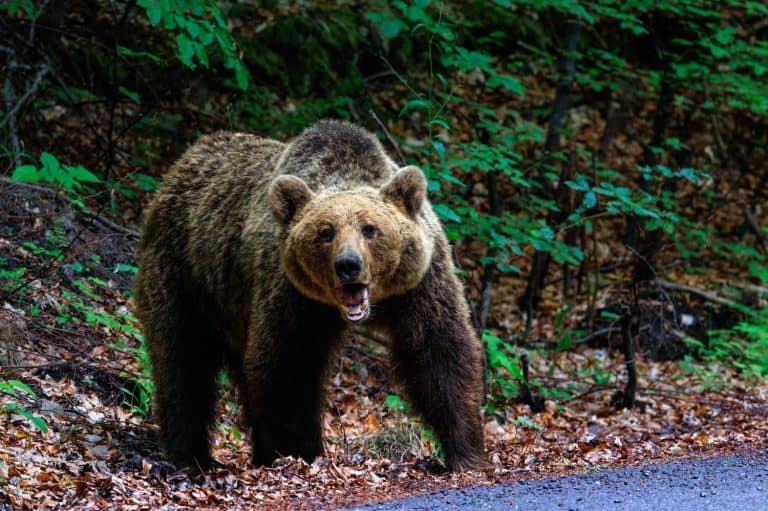
Brown Bear
Hump-shouldered king of the wild buffet

Hump-shouldered king of the wild buffet
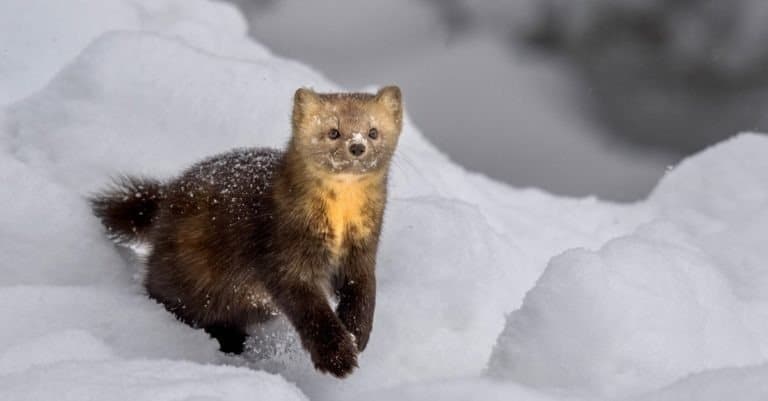
Taiga's "black gold" marten

Flat-faced monarch of the steppe
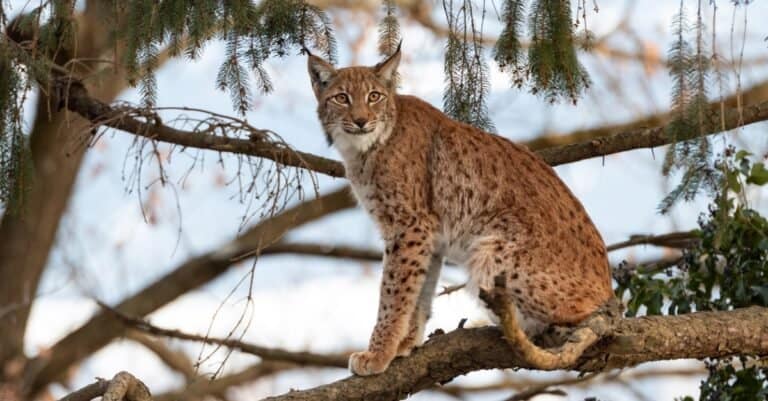
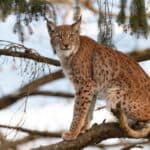
Silent forest hunter with tufted ears

White in winter, black-tipped always
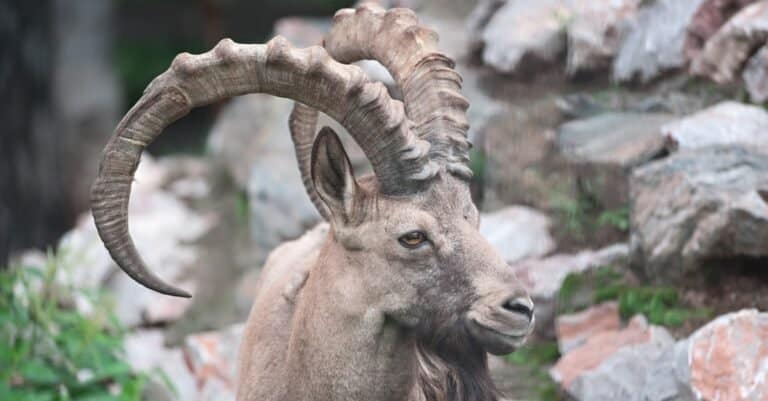
Built for cliffs, crowned with horns
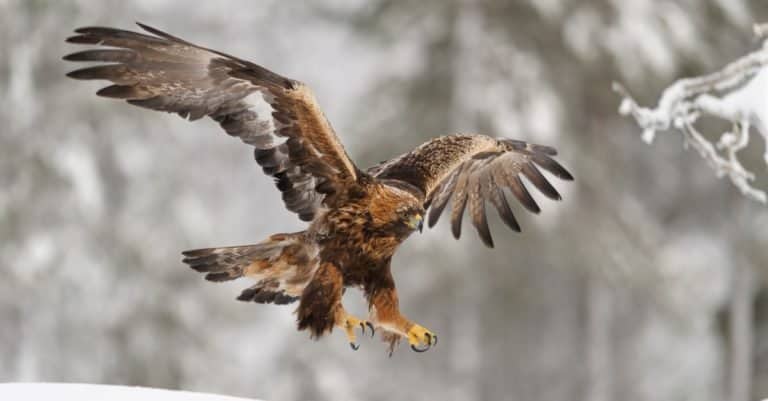
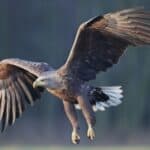
Gold-naped master of open skies
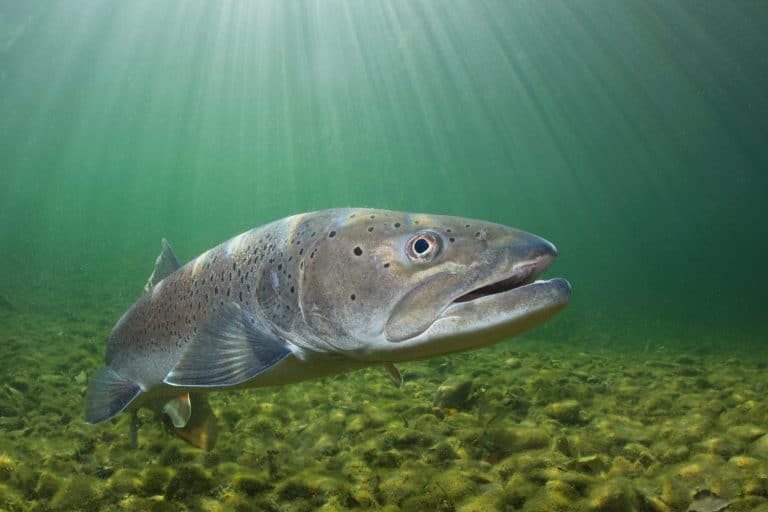
Cold-river king of the taiga
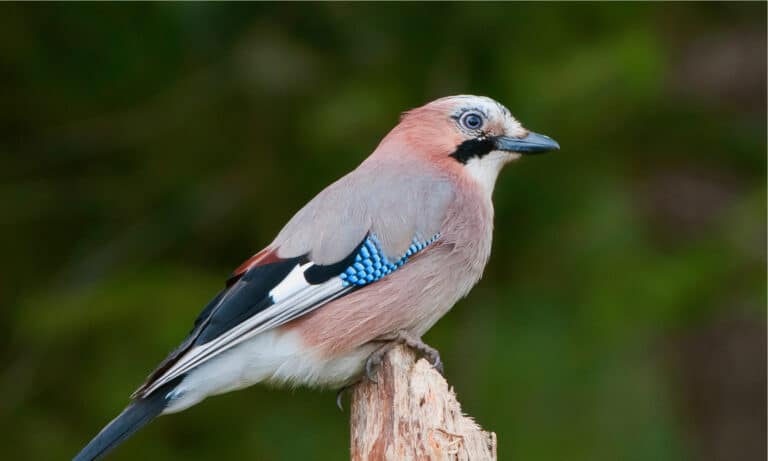
Oak Forest Planter with a Blue Flash
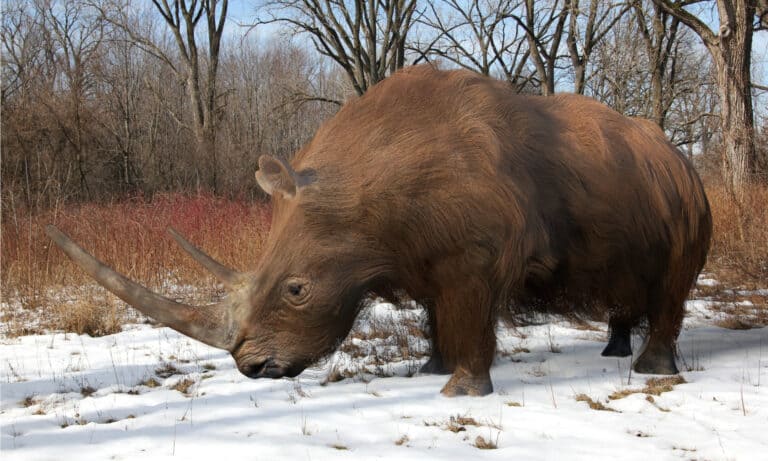
Shaggy titan of the mammoth steppe
The Republic of Buryatia sits where Lake Baikal's special freshwater areas meet the boreal forests and mountains of the Baikal–Sayan region. This mix gives high wildlife variety for southern Siberia: taiga animals like bears, sable, and moose live alongside open-country and steppe species, while Baikal's coastal wetlands and river deltas host many birds and fish. Main habitats are Baikal's shore and coastal marshes (nursery and feeding spots for fish and waterbirds), vast larch-pine taiga and mountain valleys (safe homes for large mammals and fur-bearers), and forest-steppe grasslands that add other predators, raptors, and ground species. Nearby ridges make quick elevation changes—cool conifer woods, high meadows, and rocky slopes—so many places to live appear. The close mix of shore, delta, taiga, and steppe in a small area makes wildlife watching unique; one trip can cover coastal birding, migrations, and classic Siberian forest mammals.
Buryatia spans the south-eastern shore of Lake Baikal and a large inland area of taiga, forest-steppe, and high mountains in the Baikal-Sayan region. Sharp changes from the lake's milder shore climate and wetlands (especially the Selenga delta) to drier steppe basins and cold alpine terrain create a mix of habitats that shape where boreal, steppe, and alpine species live.
~455 m (Lake Baikal water level) to ~3,491 m (Munku-Sardyk, Eastern Sayan)
No ocean coastline; extensive freshwater shoreline along Lake Baikal (including major river mouths and deltaic wetlands such as the Selenga Delta).
Republic of Buryatia lies on Lake Baikal’s eastern and southeastern shores, from coastal wetlands to taiga, Sayan mountains, river deltas and dry forest‑steppe near Mongolia. Protected areas include federal parks and strict reserves (some UNESCO) plus regional sanctuaries for wetlands, steppe and migration corridors. Priorities are Baikal‑endemic ecosystems, Selenga and Upper Angara waterbird areas, and mountain‑taiga habitats for large mammals.
~9% of the Republic of Buryatia's land area is designated as specially protected natural areas (SPNAs).
A large, mountainous park in the Eastern Sayan/Tunka Valley with strong elevation gradients (forest-steppe valley to alpine tundra). Notable for intact mountain-taiga wildlife communities and chances to see large ungulates and raptors; also important for landscape-scale connectivity toward the Sayan ranges.
One of the premier wildlife-viewing areas on Lake Baikal, encompassing the Holy Nose Peninsula, coastal lagoons, and Chivyrkuisky Bay. Especially notable for waterbirds, coastal wetlands, and Baikal shoreline habitats; prime area for observing Baikal's lake-and-coast fauna.
A key forest-steppe/steppe sanctuary in southern Buryatia supporting open-country fauna and raptors; important for conserving steppe biodiversity and migratory bird use in a heavily contrasting landscape to the Baikal taiga.
Among the most important wetland complexes on Lake Baikal and in southern Siberia for staging, breeding, and migration of waterbirds. High wildlife-viewing value for large concentrations of ducks, geese, swans, and raptors along channels, reedbeds, and floodplain lakes.
A northern Baikal wetland/delta system critical for nesting and migrating waterbirds; valued for protecting delta-lagoon habitats, shallow bays, and marsh mosaics supporting high bird diversity.
A strict nature reserve on the northeastern shore of Lake Baikal and the Barguzin Range, established to protect intact taiga ecosystems and historically important sable conservation.
A strict nature reserve protecting the Hamar-Daban mountain forests and southern Lake Baikal-adjacent ecosystems, important for old-growth conifer forests and associated wildlife.
A strict nature reserve in the upper Barguzin River basin protecting remote mountainous taiga and river-valley ecosystems with large mammals and wide-ranging carnivores.
The Republic of Buryatia sits at the meeting point of Lake Baikal, boreal taiga, mountain ranges of the Baikal-Sayan region, and southern forest-steppe. This habitat mosaic supports a classic Siberian wildlife community (large ungulates, predators, mustelids and boreal birds) plus Baikal's globally unique freshwater ecosystem. Shorelines, wetlands (notably the Selenga River delta), and alpine/rocky zones add strong seasonal concentrations of waterbirds and a mix of steppe-adapted species in the south and east.

The Republic of Buryatia is great for seeing Lake Baikal wildlife and taiga, mountain and steppe Baikal‑Sayan species. Watch waterbirds and seals on Baikal shore and deltas; search Barguzin and Baikal ranges for moose, sable and brown bear signs; see raptors in forest‑steppe. Seasons: spring migration; summer by boat; autumn raptor moves; winter tracks and ice.
Peak bird migration and breeding activity around river deltas and wetlands; excellent birding for ducks, geese, swans, cranes, and raptors. Forest edges come alive with songbirds; bears may be detectable by fresh sign in remote valleys as snow retreats. Lake conditions can be variable-expect colder winds along Baikal and muddy roads in taiga areas.
Best overall access: boats run regularly, trails are open, and you can reach remote bays and coastal wetlands. Prime season for Baikal seal (nerpa) viewing by boat and for multi-day hikes in the Barguzin/Baikal ranges with chances to see marmots, pikas, and large birdlife. Also the best time for insect-rich wetlands (bring protection) and for combining wildlife with kayaking/camping.
Crisp weather, fewer visitors, and strong wildlife activity as animals feed up for winter. Excellent raptor watching over ridgelines and open valleys; big-landscape photography season. Salmonid spawning activity can draw predators in some river systems (view responsibly from distance). Nights get cold quickly; some boat routes and lodges reduce schedules late season.
Classic Siberian wildlife trip vibe: superb tracking on snow (moose, fox, hare, sometimes wolf sign) and outstanding Lake Baikal ice scenery. Opportunities for seal-focused outings on/near the ice in appropriate areas and for winter birding (owls, grouse, crossbills). Conditions are extreme; guided travel is recommended for safety and access.
Buryatia lies on the Baikal-Sayan gradient: boreal taiga covers mountains, while drier forest-steppe and steppe occur in basins and the Selenga valley. Ranges (Khamar-Daban, Barguzin, Baikal, Sayan spurs) create zones from lowland pine–larch forests to subalpine krummholz and alpine tundra. Lake Baikal and the Selenga, notably the Selenga Delta, add rich freshwater wetlands for many birds and aquatic life.
The dominant biome: extensive taiga of larch, Scots pine and Siberian pine/cedar with spruce and fir in moister mountain zones; fire, cold winters, and permafrost influence northern and drier sites.
Widespread across most of the republic, especially uplands and mountain slopes (dominant land cover).
Forest-steppe and steppe grasslands in rain-shadow basins and broad valleys (e.g., Selenga basin), with feather grass and drought-tolerant forbs interspersed with open pine/birch stands.
Patchy but prominent in southern and central intermontane basins and river valleys; locally extensive around settlements and grazing areas.
High-elevation belts above treeline on major ranges (Khamar-Daban, Barguzin Range, Eastern Sayan spurs): subalpine shrubs and stunted, wind-shaped treeline scrub transitioning to alpine meadows, rocky tundra, and snowbed communities.
Limited to mountain tops and upper slopes; discontinuous but ecologically important.
Alpine tundra-like communities (dwarf shrubs, lichens, sedges) on exposed high ridges and plateaus where soils are thin and winds severe.
Small, scattered patches at the highest elevations (often intergrading with the alpine belt).
Lake Baikal's littoral and nearshore waters, large rivers (Selenga, Barguzin, Upper Angara), and numerous tributaries and lakes support endemic-rich aquatic systems and cold-water fisheries.
Concentrated along the Baikal shoreline and major drainage networks; a major ecological feature despite modest area footprint.
River deltas, floodplain wetlands, peatlands and marsh complexes-especially the Selenga Delta-providing key breeding/stopover habitat for waterfowl and filtering inflows to Baikal.
Scattered along floodplains and lowlands; locally extensive in the Selenga Delta and broad valley bottoms.
Taiga stands dominated by larch and Scots pine, with Siberian pine/cedar, spruce and fir in cooler/moister mountain sectors; frequent post-fire mosaics.
Birch and aspen secondary forests on disturbed sites and burns, often forming mixed mosaics with conifers and shrub layers.
Open pine and larch woodlands in drier forest-steppe zones and on sandy/rocky soils, with grassy understories.
Dry grasslands in basins and south-facing slopes (forest-steppe to true steppe), used historically for grazing and haymaking; high seasonality and drought exposure.
Meadow and floodplain grasslands along major rivers and in valley bottoms, often transitioning to marsh or shrub thickets.
Willow/alder riparian thickets and subalpine shrub belts (dwarf pine and other stunted treeline shrubs), important for songbirds and slope stabilization.
Rugged terrain of the Baikal, Barguzin and Khamar-Daban ranges and Sayan spurs drives strong microclimatic gradients and habitat turnover.
Species-rich high-elevation meadows and herbfields in summer-grazed zones, interspersed with rock outcrops and snowbed plants.
Exposed alpine tundra patches with lichens, dwarf shrubs and sedges on windswept ridges above treeline.
Rock faces and talus slopes along mountain ranges and parts of the Baikal shoreline, providing nesting/denning sites and specialized flora.
Lake Baikal plus smaller lakes and oxbows; Baikal's shoreline supports distinct nearshore communities and spawning/feeding areas.
Large river corridors (Selenga, Barguzin, Upper Angara) with dynamic channels, riparian forests, and gravel/sand bars critical for fish and birds.
Floodplain wetlands and deltaic complexes, especially the Selenga Delta, with reedbeds, wet meadows, and open-water pools.
Reed and sedge marshes in deltas and lake margins; key breeding habitat for waterbirds.
Peat-forming wetlands and muskeg-like patches in cooler/poorly drained lowlands and valley floors, often with sphagnum and stunted conifers.
Stony Baikal shore segments and wave-washed boulder fields that create distinct littoral habitats.
Sandy and pebble beaches along parts of Lake Baikal and river/lake margins, seasonally important for recreation and shoreline nesting sites.
Cropland, hayfields and pasture concentrated in valleys and steppe/forest-steppe zones, especially around the Selenga corridor.
Urban/industrial habitats around Ulan-Ude and smaller towns, including riverfront modifications and peri-urban greenspaces.
Baikal seals often eat the Baikal oilfish, an endemic, nearly see-through fish so oily it was called greasy. It is one of the few local fishes that give birth to live young (viviparous).
Baikal seal pups are commonly born in snow "lairs" on lake ice; mothers maintain breathing holes and nurse pups in these hidden shelters-behavior more typical of Arctic marine seals than a landlocked freshwater population.
The lake's extraordinary clarity is helped by native planktonic crustaceans (especially the endemic copepod Epischura baikalensis), which dominate Baikal's zooplankton and act as a vast natural filtration engine in the food web.
Buryatia's Selenga Delta can host dramatic seasonal bird concentrations: during migration, large numbers of waterfowl and wetland birds funnel through this single delta because it's the biggest, most food-rich wetland at Baikal's main inflow.
Buryatia's landscapes flip quickly from Baikal shore to taiga to forest-steppe-so species that feel "out of place together" (steppe dwellers and boreal forest specialists) can occur within comparatively short distances in the Baikal-Sayan transition zone.
Lake Baikal's Buryat shoreline borders the world's deepest lake (max depth ~1,642 m), a setting that has produced extreme endemism-including the Baikal seal and dozens of uniquely evolved deep-water fishes and invertebrates.
The Baikal basin (including Buryatia's waters) holds about 20% of Earth's unfrozen surface freshwater by volume-an unparalleled single habitat for cold-water freshwater wildlife.
The Baikal seal, regularly seen from Buryatia's shores and at the Ushkany Islands, is the world's only seal species that lives exclusively in freshwater.
Lake Baikal is one of the planet's strongest hotspots of freshwater endemism: roughly 3,600 described species and subspecies are known from the lake, and around ~60% are endemic-meaning many of the animals you see here exist nowhere else.
The Selenga River Delta (in Buryatia) is the largest delta flowing into Lake Baikal and one of the region's most important bird stopovers-so large and productive it is designated a Ramsar wetland of international importance.
11 species documented in our encyclopedia
Thank you for reading! Have some feedback for us?
We appreciate your help in improving our content.
Our editorial team will review your suggestions and make any necessary updates.
There was an error submitting your feedback. Please try again.