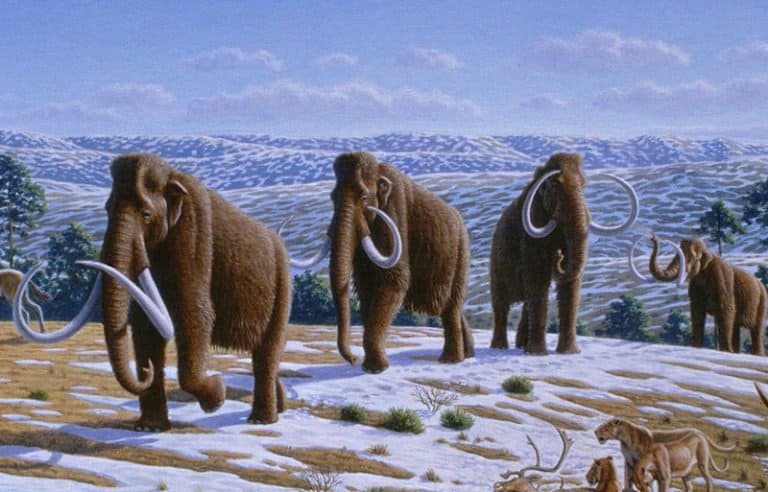
Woolly Mammoth
Built for the Ice Age grasslands

Built for the Ice Age grasslands
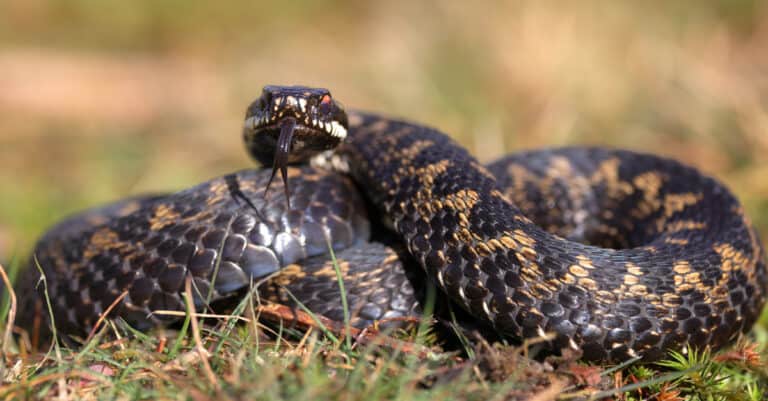
Zigzag guardian of the heath
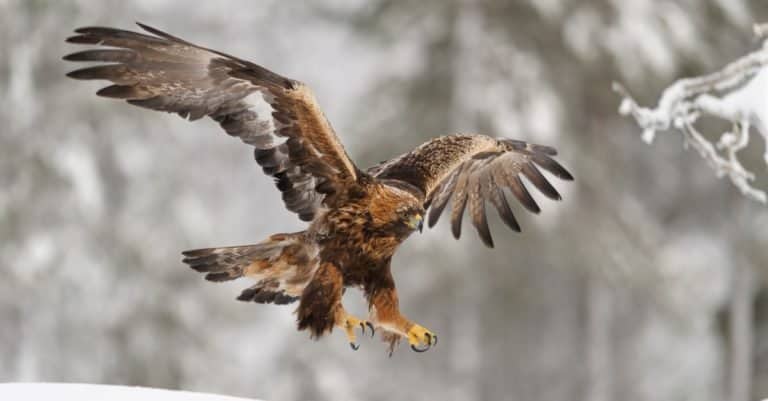
Gold-naped master of open skies
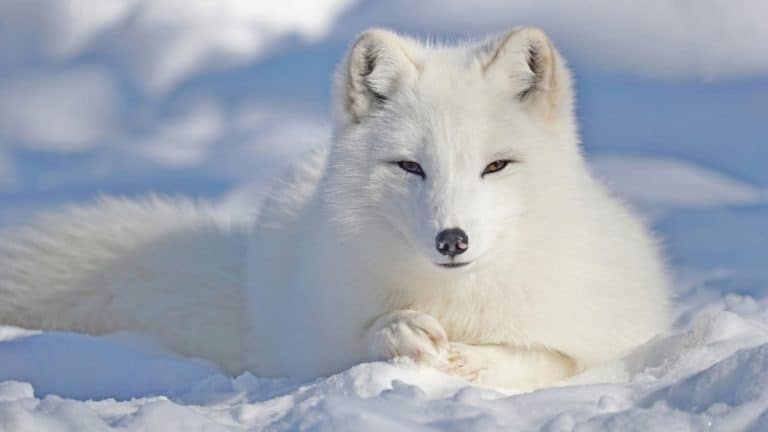
Built for blizzards, born for tundra
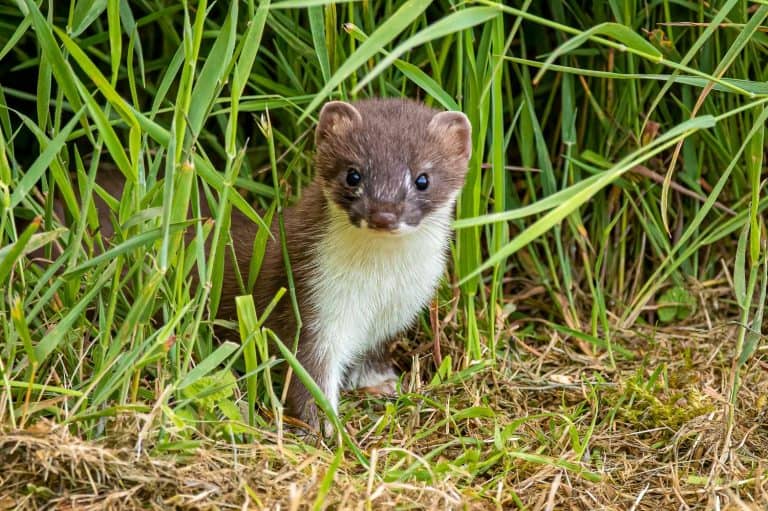
White in winter, black-tipped always
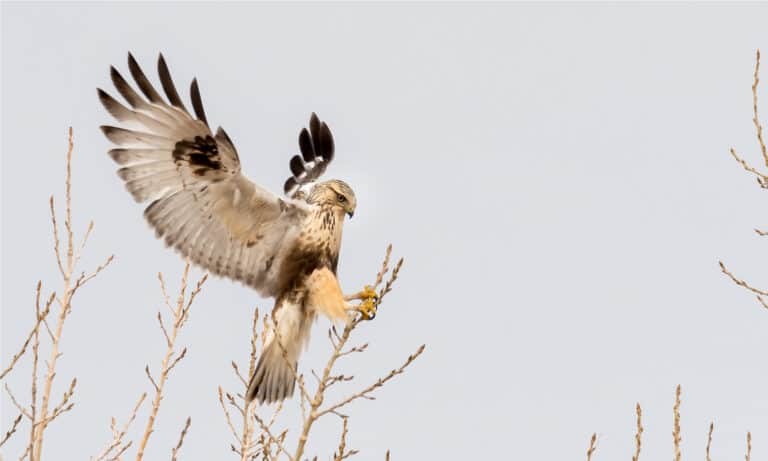
The feather-legged hover-hunter
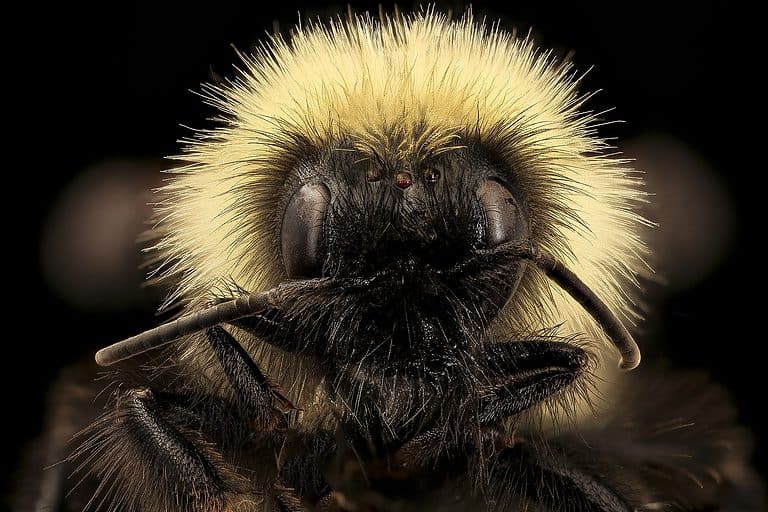
The nest-hijacking bumblebee
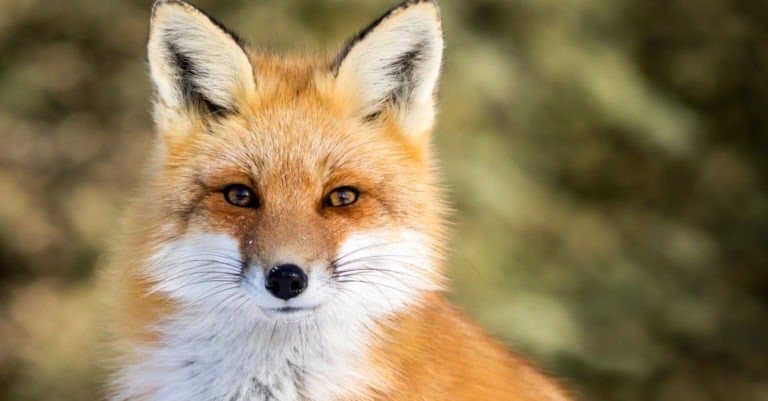
White-tipped tail, world-class survivor
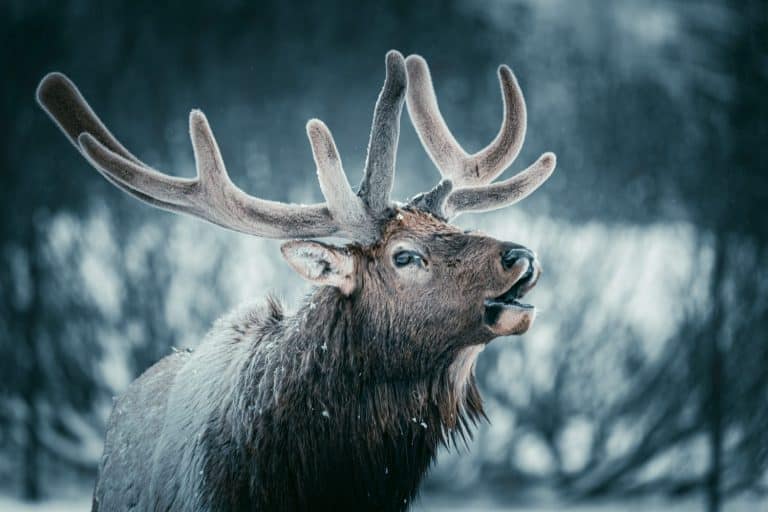
Antlers for all, built for the Arctic
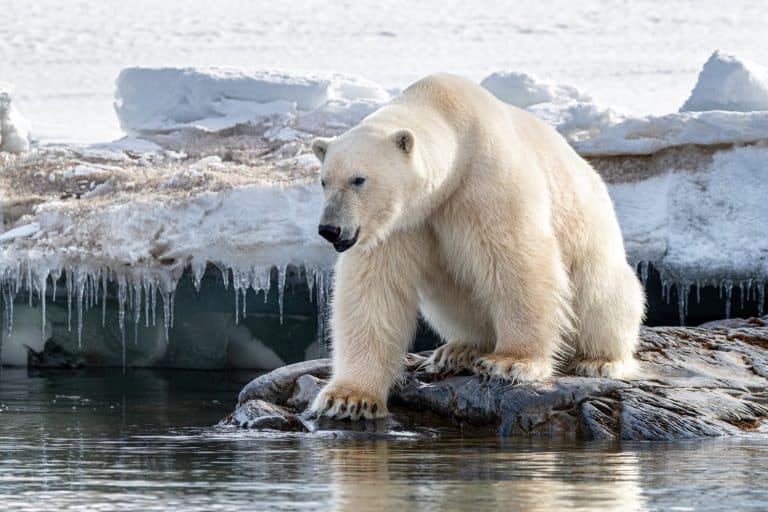
Built for sea ice, born to hunt seals
Yamalo-Nenets Autonomous Okrug is a huge, sparsely populated part of western Siberia on the Yamal and Gydan peninsulas. Tundra and northern taiga cover the land. The area has strong seasons: almost nonstop daylight in summer that starts a short boom of insects and plants, and long cold winters that favor predators and hardy plant-eaters. Reindeer—both wild and the well-known herded animals—are at the heart of this living Arctic. They shape the tundra and attract predators and scavengers along migration routes. Key habitats include the coasts and seas of the Kara Sea and the Ob Gulf, wide peatlands and floodplains, and places where larch and spruce taiga change to open tundra. Wetlands and river deltas are vital for Arctic waterfowl and shorebirds, while ice edges and estuaries feed marine mammals and fish-eating birds.
Yamalo-Nenets Autonomous Okrug runs south to north from taiga to forest-tundra and Arctic tundra on the Yamal and Gydan peninsulas. Continuous permafrost, wide peatlands, wetlands, and the large Ob-Taz estuary make rich summer habitats that gather migratory birds, fish, and reindeer. Coastal tundra, sea ice by the Kara Sea, and the Polar Urals add habitat variety.
Sea level to ~1,500 m (Polar Ural peaks such as Mt. Payer ~1,472 m)
Arctic coastline on the Kara Sea, including extensive estuaries (Ob Gulf, Taz Gulf) and coastal bays around the Yamal and Gydan peninsulas
Yamalo-Nenets Autonomous Okrug protects large Arctic tundra, forest-tundra, taiga and river systems, plus coastal and wetland habitats on the Yamal and Gydan peninsulas and around the Ob Gulf. Protected areas include strict federal reserves and regionally managed parks and wildlife sanctuaries. Priorities are Ob estuary waterbird sites, reindeer corridors, and Polar Ural and northern taiga ecosystems.
≈10-15% (rough estimate across federal + regional protected-area designations; exact share varies by what categories are counted and by boundary updates)
One of the most important Arctic coastal-tundra reserves in western Siberia, protecting vast wetland complexes, river deltas, and coastal habitats used by breeding geese, swans, and shorebirds; also significant for Arctic predators and marine-coastal wildlife along the Kara Sea/Ob Gulf interface.
Strict nature reserve protecting intact northern taiga, wetlands, and river systems of the upper Taz River basin; important refuge for taiga mammals and birds in southern Yamalo-Nenets Autonomous Okrug.
A wetland and floodplain protected area in the lower Ob River basin, created to conserve important habitats for breeding and staging waterbirds, including the critically endangered Siberian crane.
Protected area in the Polar Ural Mountains featuring mountain tundra and northern boreal forest landscapes with important habitat for Arctic and subarctic wildlife and migratory ungulates, plus rivers and lakes supporting cold-water fish.
A Polar-Ural highland and river-valley complex known for remote, roadless habitats that support wide-ranging carnivores and tundra/taiga edge birdlife; valued for low-disturbance breeding and denning areas.
A regionally designated protected area on the Yamal Peninsula intended to conserve tundra and coastal/wetland ecosystems, including key habitats and migration corridors for wild reindeer and important breeding and staging areas for migratory waterbirds.
Arctic island refuge in the Kara Sea that supports coastal and marine-associated wildlife; noted for polar bear use (including seasonal denning/foraging) and seabird breeding habitat, with nearby waters used by marine mammals.
Tundra lowlands and wetlands managed to reduce disturbance in key nesting areas for geese and swans and to protect seasonal ranges used by wild reindeer; important for summer bird concentrations.
Taiga-forest-tundra wetlands and river systems that support mass waterfowl migration and breeding; also important for aquatic mammals and large taiga herbivores along quieter river reaches.
Wetland sanctuary in the Lower Ob region established to protect key breeding and staging habitat for rare cranes and other waterbirds and to reduce disturbance during the nesting season.
Yamalo-Nenets Autonomous Okrug (YNAO) spans a vast Arctic-to-boreal gradient-from tundra on the Yamal and Gydan peninsulas and the Kara Sea coast to northern taiga and the immense Ob River-Ob Gulf wetlands. Wildlife is shaped by long winters, short insect-rich summers, and huge wetland complexes that support mass breeding and staging of migratory birds. The region is also one of Eurasia's defining reindeer landscapes (both wild and semi-domesticated), and its coastal waters and estuaries support marine mammals tied to sea ice and productive river plumes.
Yamalo-Nenets Autonomous Okrug is a vast Arctic region: tundra on Yamal and Gydan peninsulas, wetlands by Ob Gulf, taiga and mountains in Polar Urals and Upper Taz. Seasonal wildlife: spring geese and swans; summer birds and marine mammals; autumn migrations; winter Arctic species. Many areas are remote and may need permits or guides; planning yields low crowds and wild views.
Explosive bird migration and breeding activity as rivers open and wetlands thaw. Expect large flocks of geese, swans, and ducks around the Ob River/Ob Gulf wetlands; increasing daylight; muddy access and variable ice conditions. Great for birding, photography, and witnessing the tundra "wake up."
Peak wildlife diversity and easiest access by boat/river travel. Best time for tundra birding (waders, loons/divers, raptors), chances of marine mammals in the Ob Gulf/Kara Sea fringe (e.g., beluga and seals in some areas), and longer treks in the Polar Urals. Expect insects (bring head nets/repellent) and rapidly changing weather.
Crisp light, fewer insects, and strong migration movements (waterfowl and some raptors). Tundra colors are at their best, and reindeer herding activities can be especially photogenic. Expect early snow, storms, and shortening days-plans should stay flexible.
Prime season for Arctic atmosphere: snowbound tundra, animal tracks, and possibilities for Arctic fox/ptarmigan-style winter wildlife encounters depending on location and conditions. Also ideal for combining wildlife tracking with cultural travel (Nenets winter life) and long polar nights/aurora viewing. Expect extreme cold and limited daylight; travel is typically by snowmobile/vehicle with local support.
Yamalo-Nenets Autonomous Okrug stretches from West Siberian taiga to Arctic coastal tundra across the Yamal and Gydan peninsulas. The land is mostly permafrost with large peatlands, thermokarst features, and big rivers like the Ob. A long shallow Arctic coast on the Ob Gulf and Kara Sea supports migratory reindeer herds, waterfowl on wetlands, and Arctic marine life.
Arctic and subarctic tundra on the Yamal and Gydan peninsulas: moss-lichen carpets, dwarf birch/willow shrub tundra, patterned ground, and coastal tundra influenced by saline spray and storm surges.
Dominant in the north and on the peninsulas; roughly the northern half to two-thirds of the okrug.
Southern taiga belt with larch-spruce-pine forests, forested river terraces, and extensive peatland/forest mosaics on the West Siberian Lowland; frequent paludification and permafrost-affected soils in places.
Mainly the southern portion of the okrug; roughly one-third, transitioning northward into forest-tundra.
Vast peat bog complexes, fens, marshy floodplains, and thermokarst wetlands; critical breeding and staging habitat for geese, swans, and other migratory birds, and important for carbon storage.
Widespread throughout lowlands, especially in the central-southern lowlands and major river floodplains; locally dominant in many districts.
Large river networks (Ob system and tributaries), oxbow lakes, thermokarst lakes, and seasonally flooded floodplains; important fish habitat and migration corridors.
Distributed across the okrug, densest in the Ob basin lowlands and deltaic areas.
Shallow Arctic shelf and estuarine-marine gradients in the Kara Sea and Ob Gulf, with seasonal sea ice, coastal polynyas at times, and highly productive nearshore waters during ice-free periods.
Along the northern coastline and Ob Gulf; a narrow but ecologically significant fringe plus adjacent shelf waters.
High-elevation tundra and rocky habitats in the Polar Ural sector (where present), with harsher microclimates, late snowbeds, and sparse alpine vegetation.
Localized and minor, confined to mountainous areas at the western/southwestern edge.
Extensive lichen tundra and shrub tundra used by migratory and semi-domesticated reindeer; permafrost features like polygonal ground and frost boils are common.
Dwarf birch and willow shrub tundra in the forest-tundra transition and along sheltered river valleys, providing browse and cover for birds and mammals.
Taiga stands (larch, spruce, pine) on better-drained sites and river terraces in the south; often interspersed with peatlands and wet depressions.
Broad taiga-wetland mosaics where forests alternate with bogs, fens, and open water, creating high habitat heterogeneity at the landscape scale.
Raised and blanket peat bogs common on the West Siberian Lowland; acidic, waterlogged, and carbon-rich, with sphagnum dominance in many areas.
Floodplain marshes and shallow emergent wetlands, especially near large rivers and the Ob delta/Ob Gulf margins; important waterfowl habitat.
Waterlogged forested wetlands in the southern taiga zone and along slow-draining valleys; often associated with permafrost-affected hydrology and poor drainage.
Thermokarst ponds/wetlands and peatland complexes across lowlands; strong seasonal dynamics driven by snowmelt and river flooding.
Major river corridors (Ob system) with extensive floodplains, side channels, and seasonal ice processes shaping banks and sediment bars.
Numerous small thermokarst lakes and larger floodplain lakes/oxbows; many are sensitive to permafrost thaw and changing runoff regimes.
Ob Gulf mixing zone where river discharge meets the Kara Sea; brackish habitats support fish migrations and large bird aggregations during the short summer.
Low, often muddy or peaty Arctic coasts with lagoons, spits, and storm-surge flats; highly dynamic under ice, waves, and thaw slumping.
Localized sandy/gravelly shores and spits along the Ob Gulf and Kara Sea coastline; important for coastal processes and some nesting sites.
Limited rocky sections near uplands and river bluffs; more common near the Ural-influenced margins than on the lowland peninsulas.
Polar Ural foothill and mountain environments (where included in the okrug) with steep relief compared to the surrounding lowlands, creating cold, wind-exposed habitats.
River cutbanks and occasional rocky escarpments/bluffs providing nesting/roosting sites and exposing permafrost and sediments.
Seasonally ice-covered offshore waters of the Kara Sea beyond immediate coastal influence; productivity peaks during the brief ice-free period.
Shallow continental shelf seabed (mud/sand) in the Kara Sea and Ob Gulf supporting benthic communities adapted to cold, variable salinity, and ice scouring.
Small, isolated population centers and industrial hubs (e.g., gas/oil infrastructure towns) with concentrated local disturbance amid otherwise vast natural landscapes.
Very limited due to climate/permafrost; mainly small-scale local production and fodder/greenhouse activity near settlements rather than extensive cropland.
In summer, Nenets herders move reindeer to the colder, windier coast of the Kara Sea and Ob Gulf so strong winds drive away mosquitoes and warble flies that hurt the animals' condition.
Yamalo-Nenets Autonomous Okrug has two very different faunas: northern treeless Arctic tundra with lemmings, Arctic fox, and snow birds, and southern taiga with moose and brown bear.
In the Ob Gulf, life under the ice keeps going: despite months of thick ice and brackish low-salt water, fish like Siberian whitefish, inconnu, and other cold-water species still move and feed below the ice.
Boom-and-bust tundra: Yamal-Gydan tundra is a textbook lemming-cycle landscape-when lemmings peak, predators (Arctic foxes and some raptors/owls) can breed more successfully and become noticeably more common; when lemmings crash, predator breeding often collapses too.
Reindeer in the Arctic can overheat in late spring and summer. They must handle heat and cold, often moving to windy ridges, coastlines, or snow patches to cool down above the Arctic Circle.
One of the world's biggest reindeer-herding regions: Yamalo-Nenets Autonomous Okrug regularly keeps on the order of ~600,000-700,000+ semi-domesticated reindeer-often cited as the largest herd concentration in Russia and among the largest anywhere.
Nenets reindeer herds on the Yamal Peninsula make one of the world's longest yearly livestock migrations: many groups travel hundreds of kilometers, sometimes up to about 1,000 km from forest-tundra winter areas to the Arctic coast in summer.
Ob Gulf (the Ob River estuary) is one of the largest Arctic estuaries on the planet, creating a vast brackish-water and wetland system that supports major fish and waterbird productivity along the Yamal/Gydan coasts.
The Lower Ob floodplain and adjacent tundra wetlands in Yamalo-Nenets form one of the largest wetland landscapes in northern Eurasia-an outsized staging and breeding area for Arctic waterfowl (geese, ducks, swans) on migration routes linking Europe and western Siberia.
22 species documented in our encyclopedia
Thank you for reading! Have some feedback for us?
We appreciate your help in improving our content.
Our editorial team will review your suggestions and make any necessary updates.
There was an error submitting your feedback. Please try again.