N S W E
Wildlife Expeditions

Wildlife of
Zabajkal'skij kraj

A taiga-steppe crossroads on the China-Mongolia border where Siberian forests, Daurian grasslands, and vast wetlands support cranes, gazelles, and big cats.
16 Species
431,892 km² Land Area
Overview

About Zabajkal'skij kraj

Zabaykalsky Krai lies where dark conifer taiga meets open steppe, rocky ridges, and wide river valleys under a sharply continental climate. Long winters, hot dry summers, and fires have shaped tough wildlife and a true sense of “big country,” where wide views and few people let animals roam and migrate far. Key ecosystems are larch and pine taiga, forest-steppe, and the Daurian steppe and Torey Lakes basin (an important stopover on the East Asian-Australasian Flyway). Saline lakes, marshes, and grasslands fill in wet years, gathering waterbirds, raptors, and mammals. Mountain forests and river thickets shelter hoofed animals (ungulates) and predators, creating classic predator-prey dynamics. This borderland mix of Siberian and Central Asian life brings cranes and raptors over grasslands, moving gazelles, and chances to see rare, wide-ranging carnivores.

Physical Features

Geography

Zabaykalsky Krai spans the Transbaikal zone from boreal taiga and mountain forests in the north to forest‑steppe and Daurian steppe by Mongolia and China. Cold winters, warm dry summers, big elevation changes, and large river basins with few people keep big intact habitats. Wildlife shifts north–south and upslope, uses river corridors (Onon‑Shilka‑Argun) and steppe wetlands (Torey Lakes) for migration.

431,892 km² Land Area
Approximately the 12th largest federal subject of Russia (by area) Size Rank
Russia Country
Federal_subject Type
Elevation Range

~400 m in major river valleys to ~3,073 m (Peak BAM, Kodar Range), producing steppe-to-alpine habitat diversity

Key Landscapes

Transbaikal mountain systems and highlands (including the Yablonovy Range and northern ranges such as Kodar/Udokan) creating altitudinal habitat zonation from forest to alpine tundra Vast larch-dominated taiga and mixed mountain forests in cooler, higher, and northern parts of the krai Forest-steppe and Daurian steppe plains in the south/southeast supporting grassland and shrub-steppe fauna Major river basins and valleys: Shilka, Ingoda, Onon, Argun (Ergun), Khilok, Chikoy-providing floodplains, riparian forests, and migration/dispersal corridors Transboundary Daurian wetland-steppe complexes (especially the Torey Lakes area) important for breeding and stopover of migratory waterbirds Intermontane basins and dry valleys with meadow, wetland, and saline/alkaline lake habitats that strongly fluctuate with climate cycles
Parks & Reserves

Protected Areas

Zabaykalsky Krai in Transbaikal has large federal nature reserves and national parks plus many regional refuges protecting taiga, mountains, Daurian steppe, wetlands, and pine steppe around lakes and rivers. These sites are key for large mammals and for migratory birds and steppe wildlife in Dauria and the Torey Lakes near Mongolia-China.

Protected Coverage

About 10% of the krai (order-of-magnitude estimate; varies by which categories are counted and whether buffer zones are included)

National Parks & Preserves

Alkhanay National Park

About 1,380 km2

A compact but very biodiverse forest-mountain protected area where Siberian taiga meets forest-steppe; notable for ungulates and carnivores in relatively accessible terrain (good for wildlife sign-tracking and birding).

Siberian musk deer Siberian roe deer Brown bear Sable Eurasian lynx

Chikoy National Park

About 6,600 km2

Large, sparsely roaded mountain-taiga landscapes along the Chikoy River basin (near the Mongolia border), important for intact predator-prey communities, old-growth conifer forests, and riverine habitats supporting wide-ranging mammals.

Moose Brown bear Sable Eurasian lynx Siberian musk deer

State & Provincial Parks

Ivano-Arakhley Nature Park

Regional nature park; size varies by zoning (tens of thousands of hectares)

A lake district near Chita protecting breeding and stopover habitat for waterfowl and fish-eating raptors; notable for concentrated birdlife during spring/fall migration and summer nesting.

Osprey White-tailed eagle Whooper swan Common crane Eurasian beaver

Arey Nature Park (Lake Arey protected area)

Regional protected area around Lake Arey (local-scale)

Forest-steppe and lake habitats supporting a mix of taiga and steppe species; valued for shoreline wetlands, nesting birds, and accessible wildlife viewing around a large freshwater lake.

White-tailed eagle Osprey Siberian roe deer Red fox Black kite

Tsasucheisky Bor protected area (Tsasucheisky pine forest)

Local-to-regional protected complex (multiple protected tracts; exact area depends on unit)

Relict steppe pine forest islands surrounded by open landscapes; important refuges for woodland birds and mammals in an otherwise dry steppe matrix and a good area for raptor watching along forest edges.

Upland buzzard Steppe eagle Eurasian lynx Siberian roe deer Corsac fox

Wildlife Refuges

Daursky Nature Reserve (Daursky State Nature Biosphere Reserve)

Approximately 450 km2 (about 45,000 ha)

A federal strict nature reserve in Zabaykalsky Krai protecting the Daurian steppe and wetland complexes (including the Torey Lakes area), internationally important for migratory waterbirds and steppe wildlife.

Mongolian gazelle Red-crowned crane White-naped crane Demoiselle crane Saker falcon

Sokhondinsky Nature Reserve (Sokhondinsky State Nature Reserve)

Approximately 2,110 km2 (about 211,000 ha)

A federal strict nature reserve in Zabaykalsky Krai focused on the Sokhondo mountain-taiga ecosystems, protecting intact forests, alpine/subalpine habitats, and associated large mammals.

Brown bear Moose Sable Wolverine Siberian musk deer

Wilderness Areas

  • Kodar Range and adjacent high-mountain taiga (north of the krai): extensive roadless ridges, glacial valleys, and headwaters habitats
  • Udokan Plateau and surrounding northern taiga: very low road density and large intact forest blocks
  • Chara Depression hinterland beyond the main access corridors: dune-wetland-taiga interfaces with large undeveloped tracts
  • Upper Chikoy River headwaters and border highlands: rugged, sparsely populated mountain-taiga landscapes
  • Onon and Argun (Amur) headwater steppe expanses away from settlements: open-country habitats important for steppe fauna and raptors
Animals

Wildlife

Zabaykalsky Krai (Transbaikalia) sits where the Siberian taiga, Daurian/Mongolian steppe, and Amur basin (Onon-Shilka-Argun) meet. Its wildlife lives in large places with few people and big seasonal changes. You find northern forest species like moose, sable, and wolverine alongside steppe and East Asian wetland animals such as Mongolian gazelle, cranes, and swan geese. The Daurian steppe lakes and marshes around the Torey Lakes/Daursky are very important bird habitats on the East Asian-Australasian flyway. Taiga and mountain forests support roaming predators and healthy ungulate herds.
≈80 species Mammals
≈320 species Birds
≈8 species Reptiles
≈5 species Amphibians
≈60 species Fish
Examples

Iconic Species

Mongolian Gazelle A signature steppe mammal of Transbaikalia; visitors seek the chance to see large, fast-moving herds that periodically cross into the krai from Mongolia and use open Daurian landscapes.
Pallas's Cat (Manul) A flagship, hard-to-see steppe predator; Zabaykalsky's rocky steppe and semi-desert margins are among the best Russian habitats where the species is still regularly recorded.
Red-crowned Crane One of the world's rarest cranes; the Daurian wetlands are a famous place to look for it during migration and in key wetland years.
White-naped Crane A Daurian wetland emblem; the krai's lake-and-marsh complexes support important breeding and staging areas depending on water conditions.
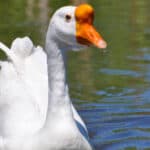
Swan Goose
Swan Goose A classic East Asian waterfowl of the Daurian steppe lakes; notable as a regionally concentrated breeder and migrant when wetlands hold water.
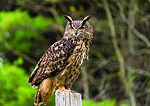
Eurasian Eagle-Owl
Eurasian Eagle-Owl A dramatic top predator often associated with rocky outcrops, river valleys, and forest edges across Transbaikalia.
Siberian Roe Deer Common and highly characteristic ungulate of forest-steppe mosaics; also a key prey base for large carnivores.
Brown Bear
Brown Bear An iconic taiga species in the krai's extensive forests and mountain valleys, reflecting the region's relatively intact wild areas.
Eurasian Lynx
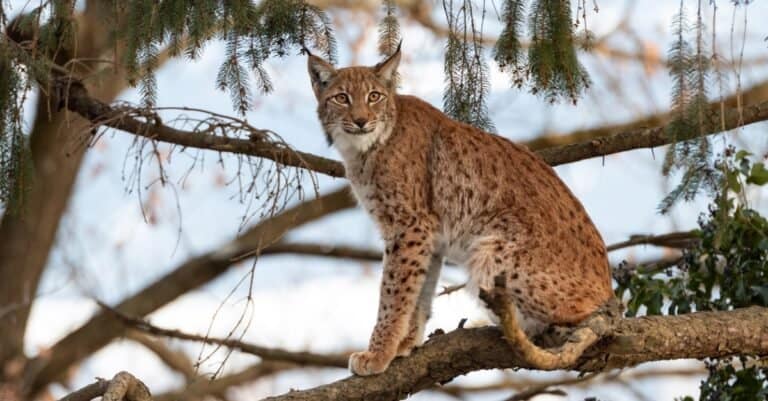
Eurasian Lynx A hallmark forest predator of Transbaikalia, especially in taiga and mixed forests with abundant hare and ungulates.
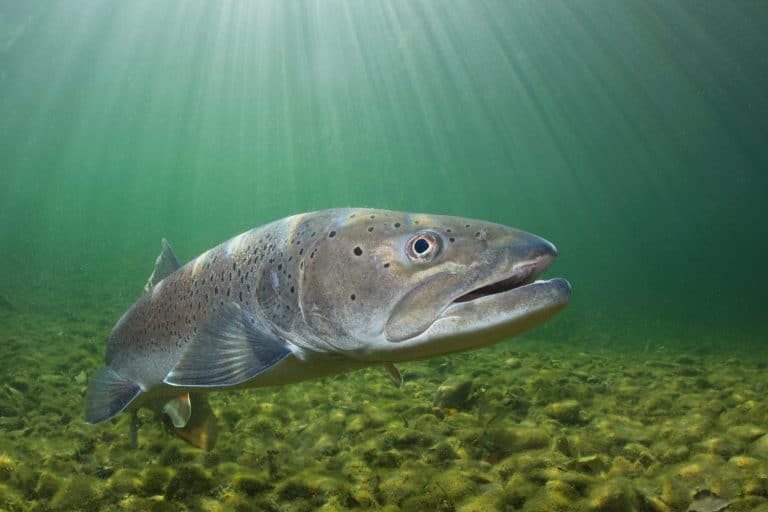
Siberian (Huchen) Taimen A legendary cold-water river fish of Siberia; sought by nature travelers as a symbol of clean, free-flowing river systems in the region (where populations persist in suitable reaches).

Endemic & Rare Species

Red-crowned Crane

Grus japonensis

IUCN: Endangered; rare migrant/stager with regionally important use of Daurian wetlands

Its presence links Zabaykalsky Krai to globally significant East Asian flyways; conservation of stopover wetlands is critical for the species' survival.

White-naped Crane

Antigone vipio

IUCN: Vulnerable; locally important breeder/stager in good wetland years

The krai's Daurian lake basins can support breeding and staging concentrations, making hydrology and disturbance management especially important.

Swan Goose

Anser cygnoides

IUCN: Vulnerable; key regional breeding/migration areas in Dauria

Transbaikalia's steppe lakes are among the important northern habitats for this declining species, sensitive to wetland drying and hunting pressure along flyways.

Relict Gull

Ichthyaetus relictus

IUCN: Vulnerable; localized colonies at suitable steppe lakes

A rare, range-restricted gull whose breeding success depends on stable island/shoreline nesting conditions that fluctuate strongly with lake levels.

Pallas's Cat (Manul)

Otocolobus manul

IUCN: Least Concern (global) but rare/patchy in Russia; listed/treated as conservation-priority in parts of its Russian range

Zabaykalsky's open, rocky steppe and low mountains are a stronghold area in Russia; vulnerable to prey cycles, trapping/poaching, and habitat disturbance.

Steppe Eagle

Aquila nipalensis

IUCN: Endangered; declining across its range

A defining raptor of open steppe and semi-desert; Transbaikalia provides breeding/foraging habitat, but the species is sensitive to prey declines, poisoning, and infrastructure.

Great Bustard

Otis tarda

IUCN: Vulnerable; very local and vulnerable in the region

A flagship steppe bird where remnants persist; threatened by disturbance, habitat conversion, and collisions (notably with powerlines) in open landscapes.

Siberian Marmot (Tarbagan)

Marmota sibirica

IUCN: Endangered (in parts of range assessments); heavily reduced in many areas by hunting and disease dynamics

A keystone steppe species whose burrows and grazing influence steppe ecology; colonies have declined or become fragmented in parts of Transbaikalia.

Notable Populations

  • Daurian steppe wetlands (including the Daursky reserve area/Torey lake basins) support internationally important concentrations of migratory waterbirds and cranes on the East Asian-Australasian flyway.
  • Seasonal cross-border movements of Mongolian gazelle create some of Russia's most visible steppe-herd wildlife spectacles in the Transbaikalia-Mongolia border region.
  • Regionally significant breeding and staging assemblages of cranes (notably white-naped and, in migration, red-crowned) occur in suitable wetland years, making the krai a key node for threatened crane conservation.
  • Large, contiguous taiga and forest-steppe habitats maintain functioning predator-prey systems (brown bear, lynx, wolverine in appropriate zones) with comparatively low human density over wide areas.

Recent Changes

  • Mongolian gazelle has shown notable range expansions and more frequent incursions into Russian Transbaikalia in recent decades, likely tied to climate/forage conditions, borderland land use, and population dynamics in Mongolia.
  • Strong wet-dry cycles and recent drought/heat/fire years in Dauria periodically shrink wetlands (including major lake basins), shifting where and whether waterbirds and cranes breed and concentrate from year to year.
  • Steppe and forest fires, along with infrastructure growth in some corridors, are increasing disturbance and fragmenting habitats in parts of the forest-steppe/steppe zone.
  • Some large carnivores (e.g., Amur tiger) are occasionally reported farther west/north than historical norms in the broader region; records in/near Transbaikalia are sporadic and reflect wider Far East population dynamics and dispersal.
  • Steppe specialists such as great bustard and steppe eagle face ongoing pressures (disturbance, prey base changes, poisoning, collisions with powerlines), contributing to continued regional vulnerability despite protected-area efforts.
Visit

Wildlife Viewing

Zabaykalsky Krai (Transbaikal) has taiga, forest-steppe, river valleys and mountains, bordering Mongolia and China, and offers remote, low-crowd wildlife viewing. Expect Siberian mammals—moose, brown bear, wolf, sable and other mustelids—steppe and wetland birds, and rare cats near Daursky Reserve. Travel far; base trips on a few parks with local guides and dawn/dusk hides.

Best Seasons

Spring (Apr-May)

Peak migration and courtship for steppe and wetland birds in the Daurian landscapes; thawing rivers concentrate wildlife along edges; excellent time for photography of cranes, geese and raptors. Roads can be muddy and conditions change fast, but daylight increases and birds are highly active.

Summer (Jun-Aug)

Best all-round access: long days, more reliable roads, and comfortable temperatures (though nights can be cool). Good for mammal watching in taiga edges and river valleys, and for wetland birding; butterflies and wildflowers in steppe. Mosquitoes/biting insects can be intense near water in early-mid summer.

Autumn (Sep-Oct)

Golden larch season in taiga and mountains; crisp air, fewer insects, and strong chances to see mammals feeding before winter (moose and bears more active). Raptor movement can be notable. Nights get cold quickly and some facilities/roads begin to close later in autumn.

Winter (Nov-Mar)

Prime tracking season: deep snow makes signs obvious and increases odds of reading wolf/fox/sable routes; dramatic frozen landscapes and very clear air. Excellent for experienced travelers seeking winter ecology and photography. Wildlife viewing often relies on tracks, bait-free observation, and patient scanning; extreme cold requires serious preparation.

Top Wildlife Experiences

  • Birding the Daurian wetlands with a focus on cranes (Daursky State Nature Biosphere Reserve / Torey Lakes region): dawn stakeouts for crane flocks, waterfowl rafts, and raptors over steppe.
  • Steppe safari-style drives and scoped scanning for Mongolian gazelle on open plains near the Daursky Reserve buffer zone: best at sunrise/sunset when herds move and heat shimmer is low.
  • Raptor watching on ridgelines and open steppe: spend a half-day with a spotting scope looking for eagles and falcons hunting over grasslands, especially in spring and early autumn.
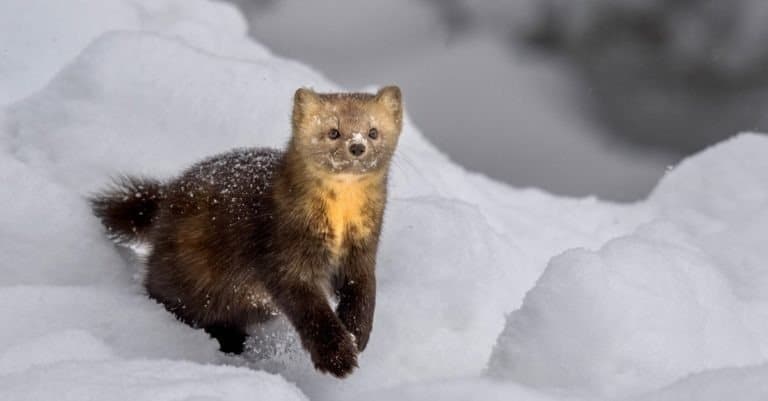
  • Taiga mammal tracking day from a base near Chita or in forested districts: follow fresh snow tracks (winter) or muddy riverbank prints (spring) for fox, hare, sable/marten, and occasional wolf sign; combine with quiet forest sits.
  • River-valley wildlife walk and canoe/raft segments (seasonal) on accessible stretches of the Shilka/Onon/Ingoda systems: scan sandbars and oxbows for waterbirds and watch for moose sign along willow thickets.
  • Night spotlighting (where permitted and with ethical guidelines) on quiet rural roads for owls and nocturnal mammals: focus on safe, minimal-disturbance observation and photography.
  • Mountain-taiga viewpoint hikes for wide-area scanning: short climbs to panoramic points to glass forest edges for bears and ungulates, paired with a local naturalist who knows recent activity and safe routes.

Wildlife Watching Types

Wetland birding (migration staging areas, reedbeds, lake shores) Steppe birding and raptor watching (open-country scanning with a scope) Cranes-focused viewing (seasonal concentrations in Dauria) Large mammal viewing in taiga/forest-steppe (moose, bear; often sign-based) Wildlife tracking (especially winter snow-tracking) Wildlife photography trips (golden larch autumn, winter ice/snow scenes) Herpetofauna/insect watching in summer steppe and meadow habitats (localized, weather-dependent)

Guided Options

  • Daursky State Nature Biosphere Reserve visitor programs (permit-based access; ranger-led routes/observation points when available)
  • Local birding/nature guides based in Chita offering multi-day Transbaikal itineraries (typically Chita-Dauria-Torey Lakes with vehicle and scope support)
  • Protected-area eco-tours coordinated through regional nature parks/reserves and visitor centers (availability varies by season; often includes interpretive walks and designated viewpoints)
  • Winter tracking and nature photography guiding by local outdoor operators (snowshoe/ski-assisted day trips; emphasis on animal sign interpretation and cold-weather safety)
  • Custom Trans-Siberian stopover wildlife day trips from Chita (short-format excursions to nearby forest-steppe and river valleys, best in spring/summer/autumn)
Habitats

Ecosystems

Zabaykalsky Krai is a strongly continental, mountainous-to-basin area in Russia's Transbaikal. It changes from larch-dominated taiga in the north and highlands to dry forest-steppe and true steppe near Mongolia and China. Rivers (Onon–Shilka–Amur headwaters, Argun) and Dauria's endorheic lake basins make key wetlands. Fire, drought, and big temperature swings shape boreal forests, open woodlands, grasslands, rocky mountains, and riparian corridors.

Biomes

Boreal Forest (Taiga)

Dominant taiga biome, largely larch (Larix) forests with pine and spruce components on cooler/moister sites; extensive post-fire successional mosaics and open, park-like stands on drier slopes.

Widespread across most of the krai; roughly ~60-70% (highest in north/central uplands).

Temperate Grassland

Dry steppe and forest-steppe in the Daurian/Transbaikalian south: feather-grass and forb steppes, meadow-steppe patches, and open pine/larch woodland-grassland mosaics shaped by aridity and fire.

Concentrated in southern and southeastern districts (Dauria, near the Mongolian/Chinese borders); roughly ~20-30%.

Alpine

High-elevation belts in the Kodar-Udokan and other ranges: alpine meadows, rocky scree, sparse krummholz, and cold upland conditions above treeline.

Patchy in mountain massifs; roughly ~5-10% depending on elevation extent.

Tundra

Small areas of alpine tundra-like communities (lichen-moss, dwarf shrubs) on highest ridges and windswept summits; locally merges with alpine biome mosaics.

Very limited, confined to highest peaks/ridges; generally <2%.

Freshwater

Large river corridors (Onon, Ingoda, Shilka, Argun) with floodplains, oxbows, and riparian forests; notable lake systems including the Torey Lakes (endorheic basin, highly variable water levels).

Linear/patchy but ecologically important; small areal share (<5%) concentrated along major valleys and lake basins.

Wetland

Daurian marshes, wet meadows, reedbeds, and seasonally flooded floodplains supporting major waterbird breeding/stopover areas; wetlands expand/contract strongly with climate cycles.

Localized hotspots (especially in Dauria and large floodplains); typically ~1-3% but highly variable year-to-year.

Habitats

Coniferous Forest

Larch taiga is most extensive; Scots pine on sandy terraces; dark conifer pockets (spruce/fir) in cooler ravines and north-facing slopes.

Forest

Broad taiga matrix with frequent burn scars creating mixed-age stands and open-canopy conditions over large areas.

Woodland

Forest-steppe mosaics with open larch/pine and grass understories in drier southern basins and foothills.

Steppe

Daurian steppe complexes with feather-grass and drought-tolerant forbs; key for steppe-adapted fauna and ground-nesting birds.

Grassland

Meadow-steppe and valley grasslands along intermontane basins; often used for grazing and haymaking where accessible.

Shrubland

Dry shrub communities (e.g., dwarf birch/willows in cold sites; steppe shrubs on arid slopes) and post-fire shrub stages.

Mountain

Kodar-Udokan and associated ranges with strong elevational zonation, rocky ridges, and isolated highland basins.

Alpine Meadow

Flower-rich alpine/subalpine meadows in higher belts where snowmelt moisture persists into summer.

Tundra

Summit and ridge-top tundra-like vegetation (lichen-moss, dwarf shrubs) above treeline in the highest massifs.

River/Stream

Onon-Ingoda-Shilka system and the Argun border river with braided channels, riparian willow/poplar stands, and floodplain wetlands.

Lake

Torey Lakes (Barun-Torey and Zun-Torey) and smaller lakes (e.g., around Chita such as Lake Kenon), often with fluctuating shorelines.

Wetland

Floodplain wetlands, wet meadows, and reedbeds important for migratory birds (notably in Dauria).

Marsh

Reed and sedge marshes around endorheic lakes and in lowland floodplains; extent varies with multi-year wet/dry cycles.

Bog

Peaty depressions and valley-bottom mires in cooler/less-drained areas of the taiga zone, though less continuous than in far-west Siberia.

Cliff/Rocky Outcrop

Rock outcrops and cliff habitats in mountain ranges providing nesting sites for raptors and refugia for specialized plants.

Cave

Small cave and crevice systems in rocky terrain (more limited than karst regions) used by bats and cold-adapted invertebrates.

Agricultural/Farmland

Cropland and hayfields concentrated near settlements and valley bottoms in the south; grazing pressure is notable in steppe/forest-steppe.

Urban

Built-up habitats centered on Chita and smaller towns/railway corridors with fragmented green spaces and river-adjacent development.

Ecoregions

Trans-Baikal conifer forests Daurian forest steppe Mongolian-Manchurian grassland (Daurian/Mongolian steppe complex) East Siberian taiga (northern/central taiga sector in Transbaikalia)
Protection

Conservation

Primary Threats

  • Warming and increased drought severity amplify extreme fire seasons and accelerate permafrost/soil moisture changes in taiga and forest-steppe. In the Daurian steppe, climate-driven drying interacts with the naturally cyclical hydrology of the Torey Lakes, intensifying low-water periods that reduce nesting/stopover habitat for cranes, geese, and gulls.
  • Hydrological alteration in steppe basins (water withdrawals, channel/culvert works, local impoundments) can worsen wetland shrinkage during dry cycles around the Torey Lakes and adjacent marshes, degrading key breeding and staging sites for waterbirds in Dauria.
  • Gold and polymetallic mining (including placer operations) disturbs river valleys and steppe slopes, increases sedimentation/turbidity, and creates contamination risks from tailings and process chemicals. Road building to deposits fragments habitat and increases access for poaching and unregulated off-road travel.
  • Commercial timber harvest and associated road networks in taiga and mountain forests reduce old-growth structure and increase edge effects, while roads raise ignition risk and enable higher hunting pressure on musk deer, deer, and other game species.
  • Localized water and soil pollution occurs near mining areas and settlements (runoff, tailings seepage, fuel spills), with downstream impacts on riverine fish/invertebrates and wetland food webs; smoke pollution from major wildfires also creates episodic air-quality and ecosystem stress.
  • Steppe and forest-steppe habitats are lost or degraded through plowing in arable pockets, settlement expansion along transport corridors, and industrial footprints (mines, quarries, camps), reducing continuous rangelands needed by wide-ranging steppe fauna and ground-nesting birds.
  • Conversion of remaining steppe to cropland in suitable valleys and plains, plus intensification near villages, reduces native grassland and increases disturbance during nesting seasons for steppe birds; fencing and haying also alter movement and cover for steppe wildlife.
  • Overgrazing around wells, villages, and seasonal camps can simplify grassland plant communities, increase erosion and dusting, and reduce forage quality-especially in drought years-affecting steppe ungulates and the prey base for raptors.
  • The Trans-Siberian rail corridor, federal highways, and expanding industrial access roads fragment habitats and increase wildlife mortality (vehicle/train strikes). Border security infrastructure and fences in some areas can impede movements of steppe species and concentrate animals into riskier crossing points.
  • Illegal take and noncompliance with seasons/quotas affect ungulates and furbearers, particularly where new roads open remote areas. Poaching pressure is elevated near borders and along transport routes, with additional risk to rare birds via incidental shooting and disturbance.
  • Cross-border demand (notably toward China and broader markets) incentivizes illegal trade in furs and wildlife parts (e.g., musk deer products, bear parts), increasing targeted poaching and undermining recovery of sensitive species.
  • Spring and summer disturbance from off-road vehicles, unregulated recreation, and grassland burning near settlements can cause nest abandonment and lower breeding success for cranes and other ground-nesting birds in steppe and wetland margins.
  • Steppe and forest-steppe livestock-wildlife interfaces create periodic risks of outbreaks (e.g., anthrax foci in steppe soils, rabies in canids), which can impact wild ungulates/carnivores and trigger conflict-driven control actions.
  • Depredation on livestock by wolves and occasional bear conflicts near settlements can lead to retaliatory killing and broader intolerance toward carnivores; conflict risk rises when prey availability drops after severe winters, fires, or drought.
Fun Facts

Did You Know?

The Torey Lakes are famously "boom-and-bust" habitats: multi-year wet-dry cycles can shrink the lakes dramatically (even to near-dry basins in extreme phases), forcing colonial birds like gulls and terns to shift nesting sites across the wider Daurian landscape.

Pallas's cat survives Transbaikalia's harsh winters partly by borrowing real estate: it typically uses marmot/ground-squirrel burrows and rock crevices instead of digging its own dens-an unusual strategy for a predator living in deep-freeze steppe.

Satellite-collared Mongolian gazelles in the Daurian region have shown highly nomadic, non-territorial movement-wandering long distances to "track" fresh pasture and water rather than following a single fixed migration corridor.

Zabaykalsky Krai contains a sharp ecological contrast that surprises visitors: you can move from larch taiga with sable and musk deer to open, almost Mongolia-like feather-grass steppe with corsac fox and steppe rodents within the same federal subject.

Dauria is one of the few places in Russia where it's realistic (in the right season and wet years) to encounter multiple crane species associated with East Asia in one landscape-because steppe feeding grounds and wetland nesting sites sit side-by-side.

Torey Lakes (within Daursky Biosphere Reserve) are the key-and widely cited as the largest-breeding area in Russia for the globally rare relict gull (Ichthyaetus relictus).

The Daurian steppe in Zabaykalsky Krai is part of one of Eurasia's largest temperate ungulate movements. Mongolian gazelles (Procapra gutturosa) form herds of hundreds of thousands, and some years tens of thousands cross into Russia.

Zabaykalsky Krai marks the northern edge of the regular range of Pallas's cat (Otocolobus manul); seeing a "manul" here means encountering one of the northernmost persistent populations of this Central Asian steppe specialist.

Daursky's steppe-wetland mosaic is among the northernmost breeding areas for the demoiselle crane (Anthropoides virgo); in favorable (wet) years, the region can host unusually large mixed congregations of cranes and waterfowl for this latitude.

Thank you for reading! Have some feedback for us?