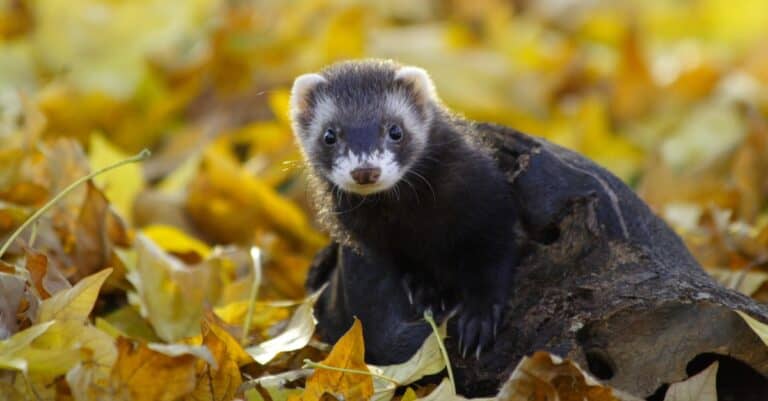
European Polecat
Masked hunter with a musky warning

Bryansk Oblast is mostly temperate woodlands and quiet river valleys. It is part of the Bryansk Forest region on the East European Plain, one of the richest forest landscapes in the area. The region has large, connected mixed forests—pine and spruce with birch, aspen, oak—and peatlands, wet hollows, and floodplains of rivers like the Desna. River corridors form oxbows, wet grasslands, alder thickets, and riparian forests. These habitats shelter beaver, otter, many waterfowl, raptors, and other wetland life. In the forests you can hear woodpeckers, owls, warblers, and chorus frogs. The flat borderland with Belarus and Ukraine gives a feeling of a big, unbroken forest beside wide lowland rivers. This mix supports strong populations of forest ungulates and carnivores and many wetland species.
Bryansk Oblast lies on the flat East European Plain and is mostly forested by large mixed conifer-broadleaf woods (the Bryansk Forest), forming connected habitats for forest animals and birds. Wide river valleys, especially the Desna basin, add floodplain wetlands, oxbows, and riverside corridors. A patchwork of peatlands, meadows, and farm clearings supplies food, edges, and shelter.
Approximately ~100-280 m above sea level (lowland plain with modest uplands and river-valley relief)
Bryansk Oblast's protected areas center on large mixed forests (Bryansk Forest/Polesie woodlands) and the Desna river valleys and tributaries like Nerussa, Iput, and Sudost. The federal Bryansky Les State Nature Reserve is the main strict reserve, backed by buffer zones and regional sanctuaries and monuments that protect old-growth conifer-broadleaf stands, raised bogs, wet meadows, and bird breeding or stopover sites.
About 7.4%
A federally protected strict nature reserve in Bryansk Oblast that conserves the Bryansk Forest ecosystem (mixed forests with wetlands and river habitats). Public access is restricted, with management focused on conservation and scientific research.
Large woodland massif north of the Desna basin with extensive pine-mixed forest stands, important for forest grouse, raptors, and large mammals; valued locally for maintaining connectivity between forest blocks and reducing fragmentation.
Mosaic of oxbows, wet meadows, riparian forests, and sandbanks that support high bird diversity and serve as migration corridors; strong for viewing waterbirds, raptors, and beavers/otters.
Forested river valley with wetlands and alder carrs; important as a connectivity zone around the Bryansk Forest core, supporting wetland birds, large mammals, and high amphibian diversity.
A network of regional wildlife sanctuaries that function as de facto wildlife refuges around the federal reserve-especially important for wide-ranging mammals (bison, wolf) and for maintaining quiet breeding areas for forest birds.
Small-to-medium protected bogs and wet forest complexes important for nesting cranes, amphibians, and specialized bog flora; also valuable as carbon-rich habitats and drought buffers.
A protected forest-and-wetland area in Bryansk Oblast that forms part of the Nerusso-Desnyanskoye Polesie Biosphere Reserve and helps conserve Polesie landscapes and associated wildlife (forest mammals and rare wetland/forest birds).
Bryansk Oblast lies in the forested heart of the East European Plain. Mixed and conifer-broadleaf forests (the "Bryansk Forest" region), river floodplains like the Desna basin, bogs, and meadows support temperate wildlife. Large forest mammals such as moose, wolves, lynx, and sometimes brown bear live here. Wetlands host beavers, otters, and many waterbirds. Some rare species tied to old-growth patches and river valleys—like the black stork and Russian desman—need protection. Bryansky Les (Bryansk Forest) Reserve and nearby areas are vital for interior forest species.
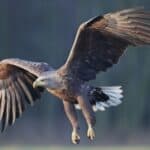
Bryansk Oblast is a forest-and-river area on the East European Plain with mixed woods, peatlands, wet meadows, and the Desna and Nerussa valleys. Bryansky Les reserve and the Nerusso-Desnyanskoye Polesye biosphere offer an old-growth feel, beavers, moose (elk), wild boar and a small chance of wolf or lynx. Floodplains host migrant woodpeckers and raptors. Border region—check travel rules and reserve permits.
Peak bird activity and soundscape: drumming woodpeckers, singing thrushes/warblers, displaying grouse in forest clearings (where accessible), and strong passage of waterfowl and raptors along river valleys. Flooded meadows on the Desna/Nerussa concentrate birds; amphibian choruses start in forest ponds. Expect muddy trails and high water-rubber boots and waterproof layers help.
Long daylight for slow wildlife travel: beaver and otter sign along quiet backwaters, butterflies and dragonflies over meadows, and good chances for ungulates at dawn/dusk on forest edges. Forest shade makes hiking comfortable; mosquitoes can be intense near wetlands-bring head nets/repellent. Great season for paddling and wildlife photography in soft evening light.
Colorful mixed forests, fewer insects, and concentrated feeding activity: rutting calls and fresh tracks from moose/elk and wild boar; berry- and mast-rich woods attract birds and mammals. Migration continues-watch river corridors for raptors and late waterbirds. Cooler nights make dawn stakeouts comfortable; foggy mornings can be spectacular for photography.
Best season for tracking and reading the forest: clear prints and trails of hare, fox, wolf (rare), and ungulates; woodpeckers and tits form mixed feeding flocks. Skiing and snowshoeing open quiet access on forest roads. Short days but excellent visibility through leafless understory; dress for deep cold and plan for early sunsets.
Bryansk Oblast on the East European Plain lies where mixed broadleaf-conifer forests meet drier forest-steppe and meadow lands. It has large woodlands (including Bryansk Forest), big river valleys like the Desna, floodplain wetlands and peatlands that support rich temperate life. Farming, towns, and logging make a patchwork of secondary woods, hay meadows, and field edges.
Dominant biome expressed as mixed forests of pine-spruce with broadleaf components (birch, aspen, oak, linden), extensive secondary woodland, and protected old-growth-like tracts in reserves (e.g., Bryansky Les).
Primary matrix across much of the oblast; roughly one-third to nearly half of the territory as forest/woodland, with the largest continuous blocks in less-developed areas and protected landscapes.
Not a true steppe core, but widespread meadow and grassland-like communities occur as river floodplain meadows, hayfields, forest glades, and agricultural fallows, forming a forest-meadow mosaic.
Patchy and linear; most common along river valleys and around settlements/fields (minor to moderate overall share).
Large lowland rivers (especially the Desna system) with tributaries, oxbow lakes, and numerous small streams and ponds support aquatic vegetation, riparian corridors, and fish/amphibian habitats.
Widespread as a dense river network; concentrated in major basins (Desna, Bolva, Navlya, Iput and tributaries).
Floodplain marshes, alder/willow carrs, peatlands and boggy depressions occur in lowlands and along rivers, especially within Polesie-like landscapes; important for water regulation and breeding birds.
Localized but recurring in river floodplains and poorly drained depressions; more frequent in lowland sectors and protected areas.
Extensive mixed-forest landscapes with a strong pine component and broadleaf admixture; includes large continuous tracts and managed stands.
Birch-aspen secondary forests and pockets of oak/linden broadleaf stands on better soils; common in succession after logging/fire and around river terraces.
Pine-dominated forests on sandy substrates with spruce locally; important for regional woodland continuity and species typical of boreal-temperate transitions.
Forest edges, regrowth, and fragmented stands around agricultural areas forming ecotones rich in shrubs and edge fauna.
Floodplain and upland meadows used for haymaking/grazing; also field margins and fallows supporting pollinators and ground-nesting birds.
Desna River and tributary valleys with riparian forests, sandy/gravelly banks in places, and seasonally inundated floodplains.
Mostly small natural lakes and oxbow lakes in floodplains rather than large lake systems; provide still-water habitat patches.
Numerous small ponds (including man-made) in rural landscapes used for fisheries, livestock water, and amphibian breeding.
Floodplain wetlands and wet forest complexes (alder/willow carrs), often forming belts along rivers and in low depressions.
Seasonally flooded reed/sedge marshes in river floodplains and around oxbows; important for nesting waterbirds.
Peat-forming wetlands and boggy hollows in poorly drained areas, with sphagnum/sedge communities where conditions allow.
Urban habitats centered on Bryansk city and other towns, including parks, river embankments, and brownfields.
Croplands and hayfields interspersed with shelterbelts, hedgerows, and drainage features; a major driver of habitat fragmentation and meadow creation.
Bryansk Oblast sits at a biogeographic transition. You can find boreal species like hazel grouse and some northern woodpeckers together with broadleaf forest specialists — unusual so far south without mountains.
Parts of southwestern Bryansk were contaminated by the 1986 Chernobyl fallout. In some restricted forests, less hunting and logging have made large mammals (wolves, elk, wild boar) bolder and seen more often.
Black storks (Ciconia nigra) breed in Bryansk's quiet floodplain forests. Unlike village white storks, they avoid people and nest deep in old woods near slow rivers and oxbow lakes, so 'stork country' is remote.
Beavers in the Desna tributaries don't just build dams: their long-lived ponds create warm, fish- and amphibian-rich "micro-wetlands" that quickly attract herons, ducks, and otters, turning a narrow forest stream into a mini wetland complex within a few seasons.
In the Bryansk Forest landscape, woodpecker activity is so intense that many secondary cavity-nesters (tits, flycatchers, small owls) effectively depend on woodpeckers as ecosystem engineers - a cascade that's especially visible in older mixed stands where deadwood is left standing.
Bryansk Oblast's river valleys (notably the Desna-Nerussa system) are home to the Eurasian beaver (Castor fiber) - the largest rodent native to Europe/Eurasia - and its dams and canals can measurably reroute small streams and floodplain channels.
The mixed forests of Bryansk Oblast support elk/moose (Alces alces), the largest species in the deer family anywhere on Earth; the region's extensive woodland makes it one of the most suitable elk landscapes in western Russia outside the far north.
The Bryansky Les (Bryansk Forest) protected area is widely noted for an exceptional "woodpecker set": all woodpecker species typical of European Russia have been recorded there, making it a standout locality for woodpecker diversity on the East European Plain.
Predators in Bryansk's deep-forest blocks include the Eurasian lynx (Lynx lynx), the largest lynx species in the world by body size; sightings are rare but its presence is regularly confirmed by tracks and camera-trap monitoring in protected forests.
1 species documented in our encyclopedia
Thank you for reading! Have some feedback for us?
We appreciate your help in improving our content.
Our editorial team will review your suggestions and make any necessary updates.
There was an error submitting your feedback. Please try again.