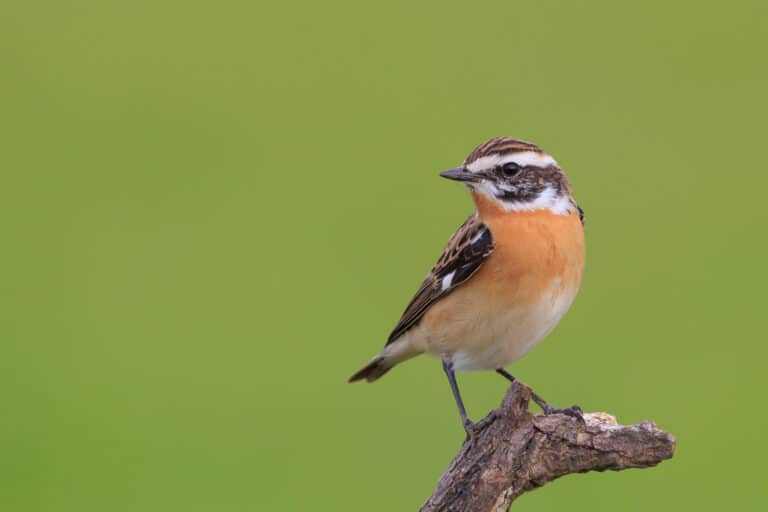
Whinchat
Meadow hunter, Africa-bound migrant

Meadow hunter, Africa-bound migrant
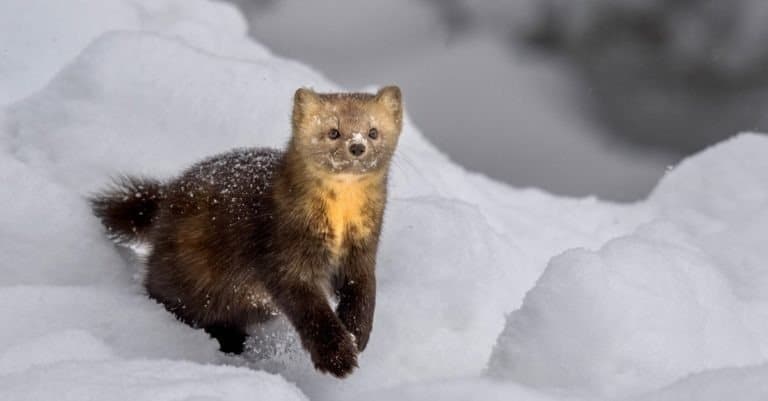
Taiga's "black gold" marten
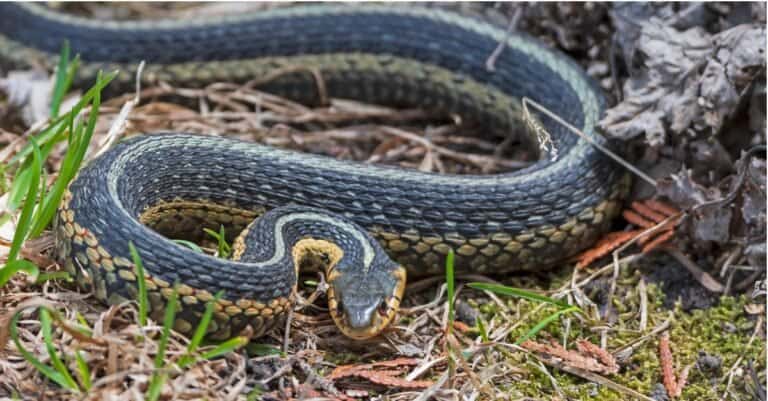
The wetland snake that plays dead
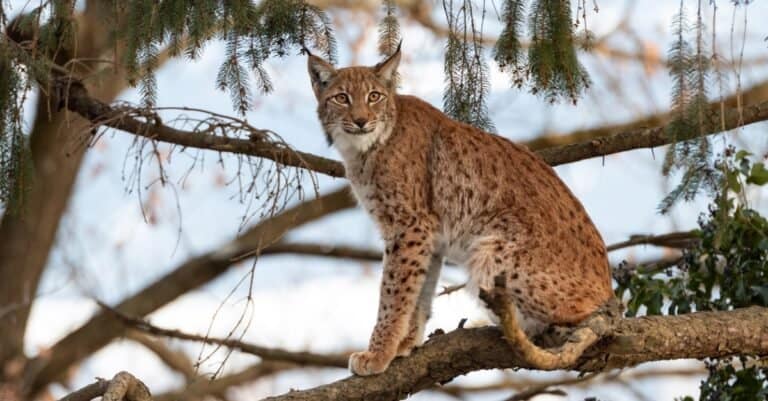
Silent forest hunter with tufted ears

Green-flanked sprinter of the sands
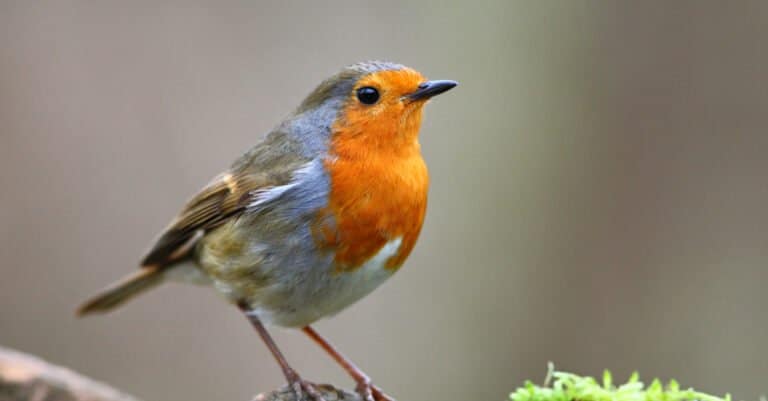
Tiny bird, huge attitude.
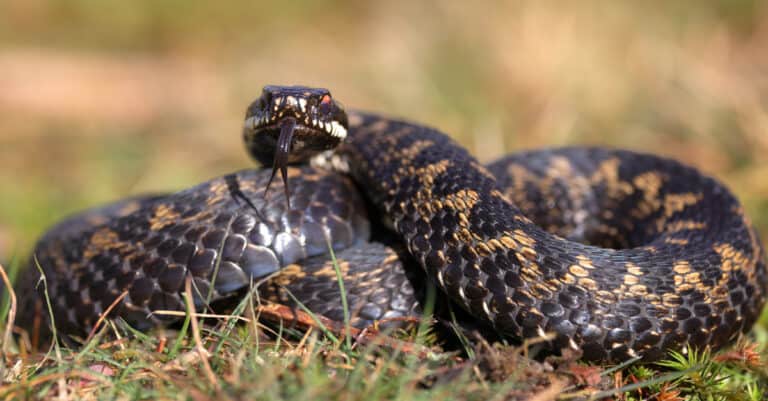
Zigzag guardian of the heath
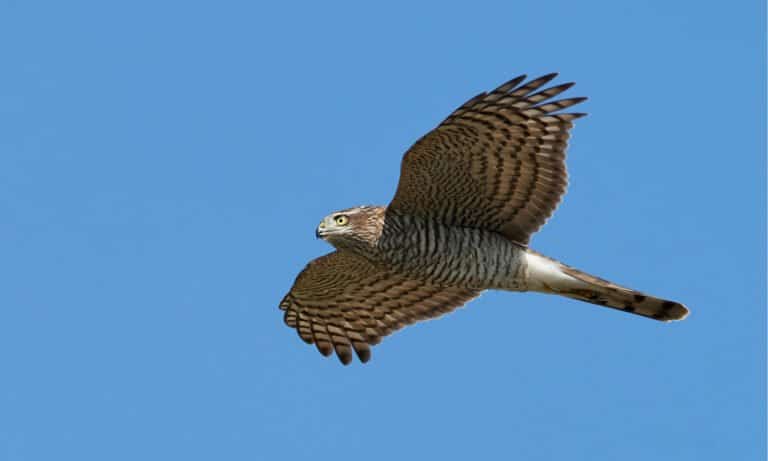
The woodland sprinter with a long tail
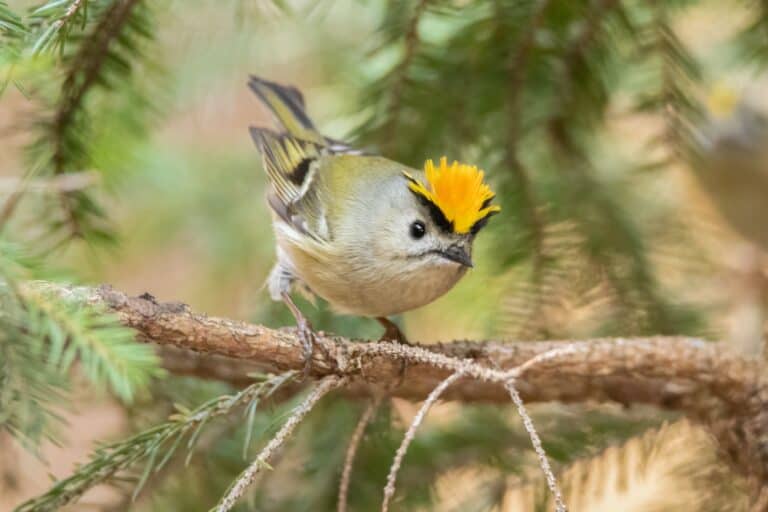
Tiny crown, huge energy
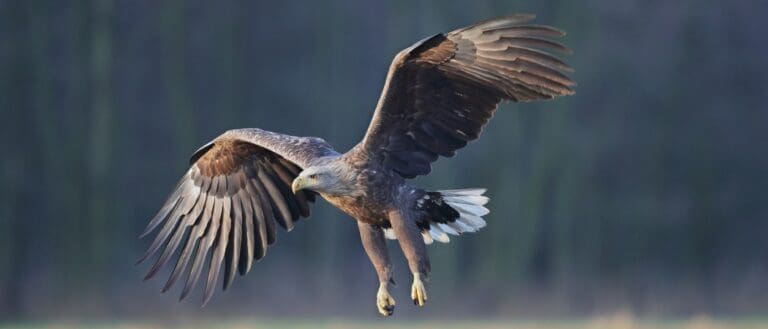
Wedge-tailed ruler of northern waters
Sverdlovsk Oblast sits in the Central Urals, where dark conifer taiga, rocky ridges, and river valleys form a natural bridge between Europe and Asia. This crossroads mixes western and eastern forest types, so you can find deep spruce-fir stands and lighter pine and birch woods that regrow after fire or logging. Even near big cities like Yekaterinburg, large forests and protected areas keep a wild feel and support wide-ranging mammals and many birds. Key habitats include taiga forests (spruce, fir, pine, birch), mountain forest and subalpine zones on Ural ridges, and freshwater networks—rivers, oxbows, bogs, and floodplains. Wetlands and river edges concentrate wildlife and are important migration and breeding sites. The mountain-taiga character, the Europe–Asia boundary, and quick changes in elevation and rock types create a patchwork of habitats and high diversity, often easy to reach from cities.
Sverdlovsk Oblast lies in the central Urals at the Europe-Asia divide, so wildlife shifts from high to low. Ridges and foothills have conifer and mixed taiga, peaks and rivers. East are West Siberian lowlands with floodplains and wetlands for moose, beaver, birds and amphibians. South forests are fragmented near Yekaterinburg; many intact populations persist in remote north and protected areas.
~100 m (river lowlands and plains) to 1,569 m (Konzhakovsky Kamen, Northern Urals)
Sverdlovsk Oblast's protected system centers on a few large federal zapovedniks and a national park in the Ural taiga and mountain belts. Plus regional parks, zakazniks and nature monuments protect the Chusovaya river corridor, pine-bogs, karst caves and peri-urban forests. Priorities: intact dark-conifer taiga, big mammal habitat and corridors, wetland/bog bird breeding sites, and undisturbed headwaters for clean-water fish.
≈7% of the oblast's land area (order-of-magnitude estimate; varies by what categories are counted).
A major pine-forest and bog/wetland complex in the forest zone, important as a refuge for taiga wildlife in a heavily used region. Its mosaic of dry pine ridges, mires, and small rivers supports high bird diversity and good chances of seeing beaver activity and forest ungulates.
One of the most intact mountain-taiga wilderness areas of the Northern/Middle Urals, valued for large, disturbance-sensitive mammals and old-growth forest processes. Remote ridges and deep forest valleys make it a stronghold for wide-ranging carnivores and boreal bird assemblages.
Protects classic dark-conifer taiga and mountain-forest ecosystems of the Middle Urals, with strong scientific monitoring and high habitat integrity. Notable for boreal forest wildlife, including forest grouse and a full suite of taiga carnivores at lower densities.
A wildlife-rich river valley and karst landscape (cliffs, caves, springs) that concentrates animal movement along riparian corridors. Good for viewing forest birds and mammal tracks; the Serga River and side ravines provide key habitat for beaver and otter.
A taiga-to-forest-steppe transition mosaic with lakes, rocky outcrops, and mixed forests-useful for conserving regional biodiversity close to major population centers. Supports diverse woodland birds and medium/large mammals, with reliable sign of ungulates and mustelids.
Protects a long river corridor with cliffs, floodplain forests, and backwaters that function as a migration/foraging route for birds and a stronghold for riparian mammals. Notable for raptors over the river and high-quality habitats for beaver and otter.
Peri-urban forest park and protected landscape around Lake Shartash within Yekaterinburg, providing forest and lakeshore habitat that supports local wildlife and acts as an urban green corridor.
Another major peri-urban woodland massif that provides cover, breeding sites, and seasonal foraging for forest birds and mammals; valuable as green infrastructure and a biodiversity reservoir on the edge of a large industrial city.
A large, clean-water lake with reedbeds and shoreline forests supporting waterbirds during breeding and migration, plus productive fish communities and beaver habitat in quieter bays and inflows.
Sverdlovsk Oblast sits on the Central Ural watershed at the Europe-Asia border, so its wildlife mixes boreal taiga and Ural mountain-forest species, with richer forest-steppe communities in the south. The region has vast conifer-birch forests, peatlands, river valleys (Tura, Tavda, Chusovaya) and rugged uplands in the north around Denezhkin Kamen. Large taiga mammals are common outside cities and industry. Raptors and old-growth forest birds need intact forest blocks and protected areas. River fish include cold-water, fast-flowing species; sensitive salmonids are local and vulnerable to habitat change.
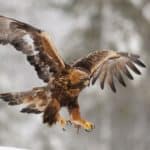
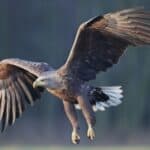
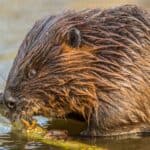
Sverdlovsk Oblast (Central Urals) has vast taiga, peatlands, river valleys (Chusovaya) and low Ural ridges. Look for moose, roe deer, wild boar, brown bear (remote), beaver, fox, lynx (rare), many small mammals and birds. Best viewing in protected areas and along rivers/trails outside Yekaterinburg’s industrial belt at dawn or dusk.
Peak bird activity and migration: forest passerines, woodpeckers drumming, owls calling at dusk, and raptors over clearings. Rivers open and run high-good for beaver spotting and fresh animal sign along muddy edges. Mosquitoes can ramp up from late May; bring head net/repellent.
Long daylight hours for hiking, paddling, and photographing landscapes with wildlife sign. Best for beaver at twilight, amphibians, butterflies, and forest birding in early mornings. Dense foliage makes large mammals harder to spot; insects are the main challenge in taiga and wetlands.
Top all-around season: fewer insects, crisp visibility, golden larch/birch forests, and more active mammals preparing for winter. Moose and deer are easier to detect with leaf-fall and fresh tracks. Great time for raptor watching on ridgelines and for combining scenic hikes with wildlife photography.
Best for tracking: snow reveals wolf/fox/hares/ungulate routes and beaver channels; clear air improves viewing distances. Excellent for forest owls and winter finches; occasional chances of seeing mammals on quiet forest roads. Requires cold-weather gear and local logistics; daylight is short but productive.
Sverdlovsk Oblast spans the central Ural Mountains and lowlands, with changes west to east and by elevation. Much is boreal (taiga) forest—spruce, fir, pine—and secondary birch and aspen stands after fire, logging, and mining. Higher slopes have subalpine and tundra-like belts. Rivers (Iset, Chusovaya, Tura, Tavda), reservoirs, peatlands, and forested mires add freshwater habitats. Cities like Yekaterinburg are human-altered.
The dominant biome: extensive taiga forests on both sides of the central Urals, with dark conifer stands (spruce-fir) in cooler/moister sites and pine forests on sandy/rocky soils; widespread birch/aspen regrowth where disturbed.
Widespread; the great majority of the oblast (roughly ~70-85%), especially central and northern districts and much of the Ural foothills.
Southern and lower-elevation transition forests with more mixed composition and higher proportions of birch, aspen, and locally other broadleaf associates; includes forest-meadow mosaics around settled/agricultural zones.
Patchy, more common in the south/southwest and around river valleys; limited compared with taiga (~5-15%).
High-elevation Ural landscapes with subalpine open woodlands, mountain meadows, stony slopes, and locally treeless upper belts resembling mountain tundra; short growing seasons and strong wind exposure.
Restricted to the highest ridges and peaks of the Urals within the oblast; small area overall (<5%), but ecologically distinctive.
Large river networks, floodplains, oxbows, lakes, and major reservoirs (including urban/industrial water bodies) supporting riparian forests, aquatic vegetation, and fish communities.
Present throughout; concentrated along major rivers and reservoir systems (~5-10% as water and riparian corridors).
Peat bogs, forested mires, and marshy lowlands in poorly drained flats and headwater basins; important for carbon storage and as breeding habitat for birds and amphibians.
Scattered but locally extensive in lowland depressions, especially toward the eastern lowlands and flat interfluves (~3-10%, highly variable by district).
Small areas of meadow and forest-steppe-like openings (many secondary or maintained by land use), especially in the south and around settlements and river terraces.
Localized and fragmented (<5%), mostly in the southern belt and anthropogenic clearings.
Spruce-fir and pine-dominated taiga across the Urals and lowlands; includes dark conifer stands in moist/cool sites and pine forests on well-drained sands and rocky ridges.
Birch-aspen forests widespread as secondary growth after logging, fire, and industrial disturbance; common around transport corridors and older cutovers.
Broad taiga and mixed-forest matrix that supports large mammals and wide-ranging species; includes a mosaic of age classes due to disturbance history.
Open, patchier forest structure on ridgelines, shallow soils, and near the upper treeline, transitioning toward subalpine communities.
Central Ural mountain landscapes with steep valleys, rocky slopes, and pronounced elevational zonation; key protected areas often focus on these complexes.
Subalpine and alpine-like meadows on high ridges and plateaus with short-stature vegetation and seasonal flowering; important for pollinators and upland birds.
Rock outcrops and escarpments along Ural ridges and river canyons (notably where rivers cut through bedrock), providing nesting and refuge habitats.
Karst and rock cavities occur locally in suitable geology, especially along some river valleys; used by bats and specialized invertebrates where present.
Major rivers (e.g., Iset, Chusovaya, Tura, Tavda) with riparian forests, gravel bars, and floodplain channels; key ecological corridors across the region.
Natural lakes and numerous artificial reservoirs/ponded systems associated with hydropower and industrial water supply; variable trophic conditions.
Small impoundments, quarry ponds, and forest ponds are common near settlements and former industrial sites, providing amphibian and waterfowl habitat.
Mire complexes, wet forest swales, and floodplain wetlands; often peat-forming and sensitive to drainage and fire.
Peat bogs (raised and transitional) in lowland depressions and flat interfluves, with sphagnum cover and scattered stunted pine/birch.
Reed- and sedge-dominated marsh fringes along slow rivers, oxbows, and lake margins; important for breeding birds.
Forested wetlands (alder/birch/spruce in wet ground) along floodplains and seepage zones; seasonally inundated.
Meadow openings (natural and human-maintained), including hayfields and riverine meadows, especially in the south.
Cropland and hay/pasture mosaics concentrated in the southern and more populated parts of the oblast; interspersed with forest patches.
Major urban/industrial ecosystems centered on Yekaterinburg and other cities, with altered hydrology, heat-island effects, and fragmented green spaces.
Peri-urban forest-dacha landscapes around large cities, with high recreation pressure and mixed managed/semi-natural habitats.
The Ural Mountains are a natural hybrid zone: where sable (Martes zibellina) and pine marten (Martes martes) ranges overlap (including parts of the Urals), they can produce a natural hybrid known as the kidus (a sable-pine marten hybrid).
The Chusovaya River starts on the Asian side of the Urals and flows through the mountains to the European side. It crosses the Europe–Asia border, carrying east-slope taiga plants and animals into west-slope lands.
Amphibians that 'shouldn't' survive Ural winters do: the Siberian salamander (Salamandrella keyserlingii), recorded in Ural taiga wetlands, is famous for extreme freeze tolerance-individuals can survive partial freezing and revive after thawing (a trait studied by physiologists).
Sverdlovsk Oblast sits on the main Ural watershed, so its rivers and fish go to two big drainage systems: west to the Volga-Caspian and east to the Ob-Arctic, changing species across the ridge.
Denezhkin Kamen Nature Reserve protects wild highland taiga around Mt. Denezhkin Kamen (1,492 m). The highest point in Sverdlovsk Oblast is Konzhakovsky Kamen (1,569 m). The reserve covers about 78,000 hectares of strictly protected mountain taiga in the Middle Urals.
Northern Sverdlovsk Oblast is within the range of the wolverine (Gulo gulo)-the largest terrestrial member of the weasel family (Mustelidae) on Earth; it persists here because big, roadless taiga tracts still exist in the Northern Urals.
Rivers draining east toward the Ob basin (e.g., the Lozva/Sosva system) are part of the Ural stronghold for Siberian taimen (Hucho taimen), widely cited as the world's largest salmonid (a fish famous for reaching 1.5-2 m in exceptional cases).
Sverdlovsk's taiga supports western capercaillie (Tetrao urogallus), commonly described as the world's largest grouse; few places so close to a major industrial metropolis (Yekaterinburg) still hold viable lekking habitat in extensive conifer forest.
26 species documented in our encyclopedia
Thank you for reading! Have some feedback for us?
We appreciate your help in improving our content.
Our editorial team will review your suggestions and make any necessary updates.
There was an error submitting your feedback. Please try again.