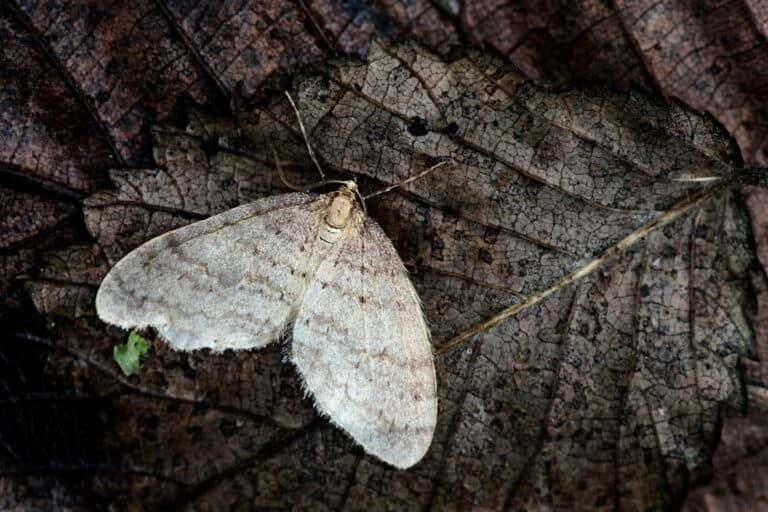
Winter Moth
Winter flyer, spring defoliator

Winter flyer, spring defoliator
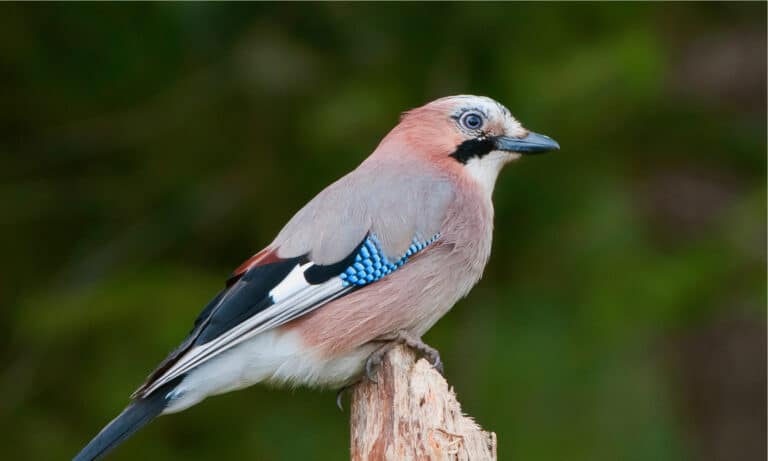
Oak Forest Planter with a Blue Flash

Green-flanked sprinter of the sands
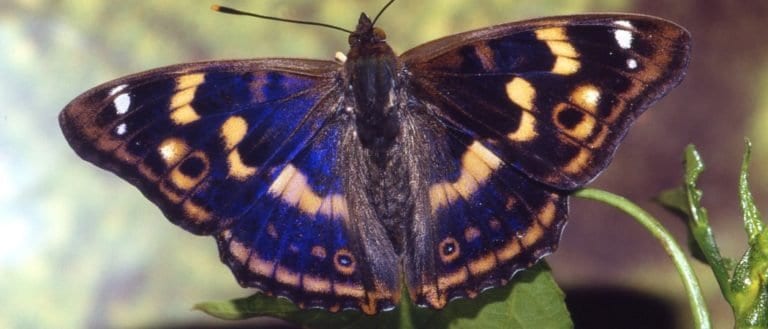
Purple flash in the treetops
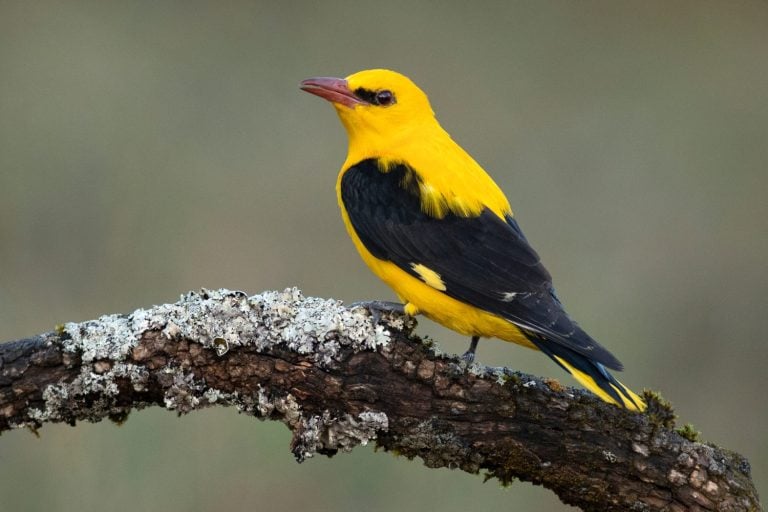
Golden voice in the green canopy
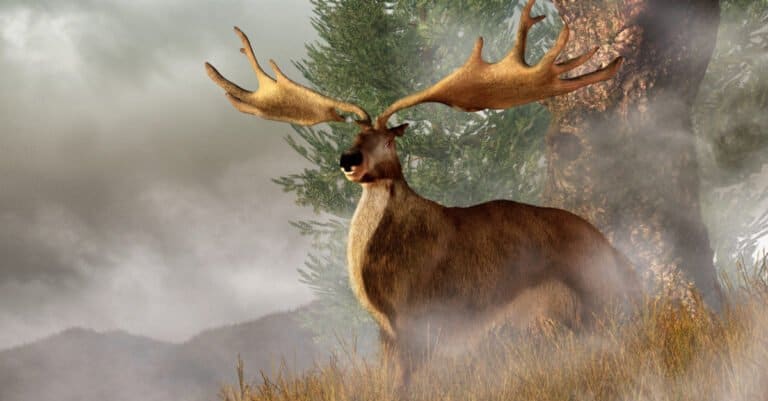
The deer with antlers like doorways
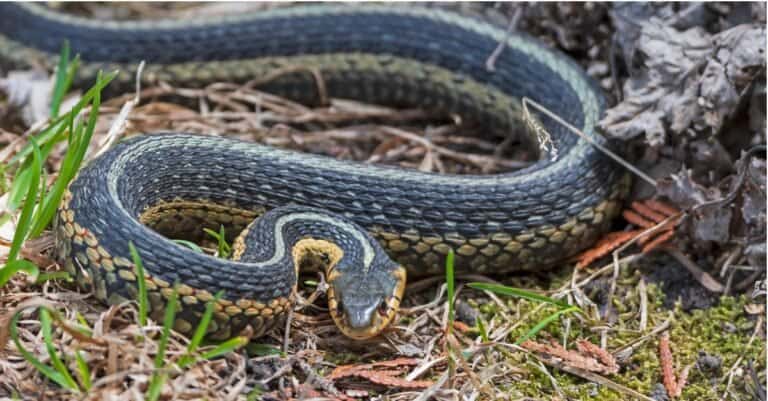
The wetland snake that plays dead
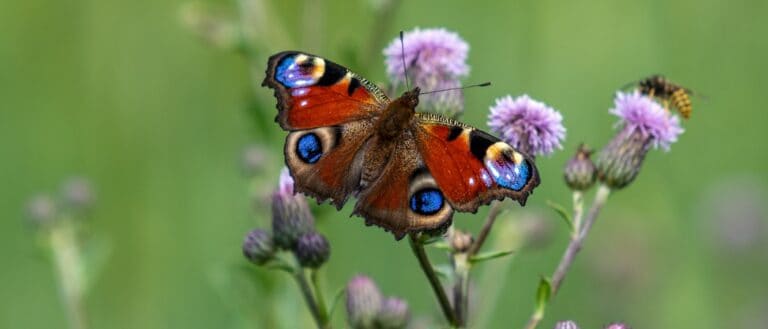
Flash the eyespots-vanish the rest!
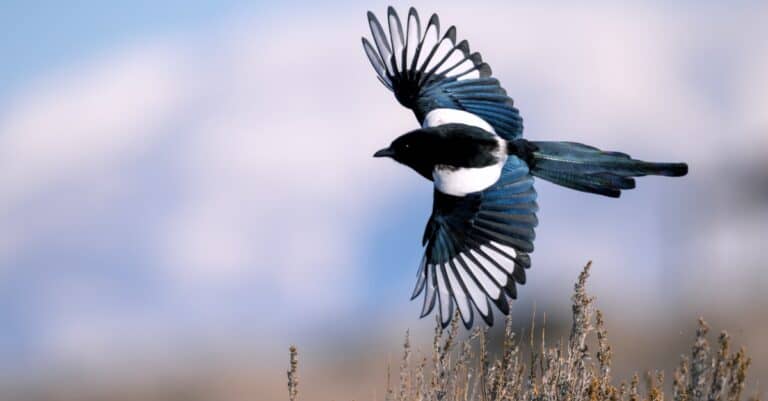
Brains, boldness, and a brilliant tail
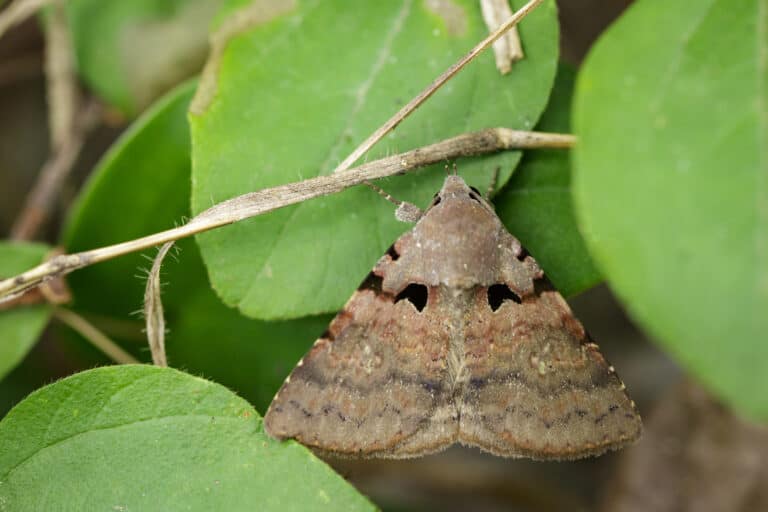
Big appetite. Big forest impact.
Nizhny Novgorod Oblast's wildlife is shaped by water. Two of Europe's great rivers, the Volga and the Oka, meet here and make wide valleys, oxbows, islands, and floodplain forests. These rivers next to temperate mixed forests create a typical "middle Russia" mix: large mammals like elk and wild boar, semi-aquatic animals like the Eurasian beaver, and many forest and wetland birds. Main habitats include the Volga-Oka floodplains (reedbeds, willow thickets, riparian meadows, and backwaters), large mixed forests (spruce-pine with birch, aspen, and oak), and farmland patches that draw raptors and edge species. Protected areas, including the Kerzhensky State Nature Reserve, guard forest blocks, peatlands, and wetland complexes used by breeding birds and mammals that need large connected areas. The meeting of the rivers gives a "crossroads" feel: birdwatching from banks and sandbars, tracking signs along flooded forest edges, and finding both northern and more southern forest-steppe species.
Nizhny Novgorod Oblast is on the East European Plain where the Volga and Oka meet. Floodplains, oxbow lakes and riparian forests form a wildlife corridor. Lowlands have wetlands and mixed forests for ungulates, carnivores and birds. Uplands and southern farmland make a forest–steppe edge. Large reservoirs and wide valleys affect climate and movements of fish, waterfowl, and floodplain mammals.
Approximately 60-300 m above sea level (low river floodplains to higher upland interfluves)
No ocean coastline; extensive inland shorelines along the Volga and Oka rivers and major reservoir banks (e.g., Gorky Reservoir).
Nizhny Novgorod Oblast's protected areas are mostly sanctuaries and nature monuments protecting karst features, lakes, pine forests, and river valleys. The federal Kerzhensky Reserve protects large blocks of Trans-Volga forest and bogs, home to forest mammals and sensitive birds. Key areas are Kerzhenets-Vetluga forests/bogs, Volga and Oka floodplains, and karst and lake systems in south and center.
≈5-7% (rough estimate; depends on whether many small regional nature monuments are included in the accounting)
The oblast's main federal-level strict nature reserve, protecting extensive mixed conifer-broadleaf forests, raised bogs, and the Kerzhenets River basin. It is notable for intact habitats supporting forest megafauna and rare wetland/forest birds, and for providing a large, low-disturbance core area for conservation and research.
A scenic karst-and-forest complex with caves, sinkholes, and mature pine/broadleaf stands. The habitat mosaic (forest edges, ravines, karst hollows) supports diverse woodland birds and mammals and is a notable site for regional biodiversity.
A protected area centered on Lake Svetloyar in Nizhny Novgorod Oblast, designated as a regional natural monument and valued for its lake and surrounding forest habitats used by waterbirds and other wildlife.
An accessible urban-adjacent forest landscape in Nizhny Novgorod that retains mixed woodland, small ravines, and ponds. While not wilderness, it is important locally for maintaining habitat connectivity and supporting woodland birds and small mammals.
A regional wildlife sanctuary protecting a lake-and-forest/karst-lake complex (with wetlands, reedbeds, and mixed forest). It is notable for waterbirds, beavers/otters, and breeding habitat for wetland-associated species in an otherwise more agricultural landscape.
A regulated-use belt around the federal reserve that helps reduce edge impacts (logging pressure, disturbance, fires) and maintains additional habitat for wide-ranging mammals and forest birds. This zone is important for dispersal and seasonal movements outside the strict core.
Nizhny Novgorod Oblast sits in the forest-forest-steppe transition of the Middle Volga, dominated by broad river valleys (Volga and Oka), floodplain wetlands, oxbow lakes, mixed conifer-broadleaf forests, and a mosaic of agricultural land. This creates a wildlife experience centered on large forest mammals (moose, bear in the north, beaver, wolf/lynx locally), rich wetland and riparian birdlife (raptors, herons, cranes, storks), and diverse riverine fish communities. Protected areas such as the Kerzhensky Nature Reserve and extensive floodplains help maintain high bird and semi-aquatic mammal diversity.
Nizhny Novgorod Oblast has temperate wildlife along the Volga and Oka, mixed forests, wetlands and floodplain meadows. Birding is strong on riverbanks, oxbow lakes and marshes. Look for beaver and otter signs, elk and wild boar tracks, and many small mammals. Protected areas and the Volga–Oka meeting spot let you mix city outings with longer trips.
Peak migration on the Volga and Oka: large numbers of waterfowl and shorebirds using floodplains, plus loud woodland songbird activity as territories form. Rivers open up, floodplain meadows and backwaters fill-excellent for dawn birding and searching for beaver activity. Bring waterproof boots for muddy trails and high-water conditions.
Best for canoe/kayak wildlife watching in backwaters and smaller rivers: beavers at dusk, dragonflies and butterflies, and dense chorus of forest birds. Early mornings are ideal; midday can be quiet and buggy. Great time for photographing wildflowers in meadows and wetlands and spotting raptors over open fields.
Second migration pulse: cranes and geese movements (where wetlands and fields align), mixed flocks of passerines in forest edges, and raptors along river valleys. Forests turn colorful, visibility improves as leaves drop, and mammal sign (tracks, rooting, browse) becomes easier to find on sandy paths and riverbanks.
Track-and-sign season in snow: easier to detect elk, fox, hare, and mustelids by footprints and trails. River edges and unfrozen patches can still hold waterbirds; forests host winter finches, woodpeckers and owls. Great for short daylight photo trips and guided snowshoe/forest walks; dress for wind along the Volga.
Nizhny Novgorod Region in the forest zone of European Russia is where the Volga and Oka meet. It has mixed upland forests, river floodplains, pine sandy terraces, peatlands, and farmland. The north is cooler and more taiga-like; central and south have mixed forest and meadows, with many habitats along the Volga-Oka and tributaries Kerzhenets, Vetluga, Sura.
The oblast is mostly mixed deciduous-conifer forests (oak, linden, birch, spruce, pine), with forest edges and second-growth woods shaped by logging and farming; more broadleaf trees occur in southern, central areas and river valleys.
Widespread; roughly the majority of the oblast (often ~55-70%), varying locally with agriculture and settlements.
More taiga-like conditions in the cooler, more northerly districts and on poorer soils: spruce-fir and pine stands, birch/aspen succession, and associated peatland complexes.
Patchy to regional in the north and northeast; roughly ~10-25% in aggregate depending on classification (often as a transition zone rather than continuous taiga).
Non-steppe grasslands as meadows and hayfields, plus dry grass-forb openings on sandy terraces and along forest margins; many are semi-natural or managed (mown/grazed) rather than pristine prairie/steppe.
Scattered, especially in agricultural landscapes and floodplain meadow systems; roughly ~5-15%.
Large river corridors (Volga and Oka) with extensive tributary networks, oxbows, backwaters, reservoirs, and small lakes/ponds; a major driver of local biodiversity and migration routes.
Linear but extensive; present throughout, concentrated along the Volga-Oka and major tributaries (a few percent by area, but high ecological influence).
Floodplain wetlands (seasonally inundated), marshy backwaters, peat bogs, and waterlogged conifer/ birch forests on lowlands and poorly drained basins; important for water regulation and breeding waterfowl.
Localized but significant where drainage is poor and in floodplains; roughly ~2-8% (higher locally in lowlands and near peatlands).
Broad mixed-forest matrix across uplands and interfluves; includes managed forestry blocks and more natural tracts in protected areas (e.g., around the Kerzhenets basin).
Broadleaf and mixed broadleaf stands (oak, linden, maple, elm, birch/aspen succession), especially in warmer central/southern districts and on fertile soils; common along river terraces and ravines.
Pine forests on sandy/glacial-fluvial terraces and spruce-influenced stands in cooler/northern areas; often interspersed with bogs and wet hollows.
Forest-field ecotones, shelterbelts, and small woodlots embedded in agricultural land; key for connectivity and edge-dwelling species.
Floodplain meadows along the Volga-Oka system and tributaries, plus managed hay meadows and pasturelands; strong seasonal dynamics with spring floods in valley bottoms.
Willow/alder shrub belts in floodplains and early-successional scrub on abandoned fields and cutovers; common along rivers and wet depressions.
The Volga and Oka dominate, with major tributaries such as the Kerzhenets and Vetluga; habitats include main channels, side arms, sandbars, and riparian forests.
Mostly small natural lakes and oxbow lakes in river valleys, plus karst and kettle-like basins in some districts; often surrounded by forest and wetland vegetation.
Numerous small ponds (farm ponds, village ponds, quarry/flooded pits) supporting amphibians and waterfowl, especially in agricultural and suburban belts.
Complex of floodplain wetlands, sedge/reed marshes, wet meadows, and swampy forest patches; high importance for nutrient cycling and bird breeding.
Reed/sedge marshes in backwaters, oxbows, and lowland depressions along the Volga-Oka and tributary floodplains; seasonally expanded during high water.
Peat-forming bogs and fens in poorly drained lowlands and within coniferous forest complexes; often associated with acidic soils and specialized plant communities.
Nizhny Novgorod metropolitan area and other towns create urban heat-island effects, riverbank modification, and green-space mosaics (parks, riparian embankments).
Expanding peri-urban summer cottage areas and low-density settlements with gardens, mixed small woodlots, and fragmented riparian corridors around the main cities.
Large areas of cropland and hayfields (grain, fodder crops) interwoven with forest patches; field margins, hedgerows, and drainage features add secondary habitat structure.
Despite the oblast's strong agricultural footprint, beavers often persist (and sometimes expand) in narrow "in-between" habitats-drainage canals, small streams, and riparian shrub belts-so some of the most active beaver engineering can occur outside large forests, right in working landscapes.
The Volga-Oka confluence can stay dynamically open or thinner-iced in places during winter because of current patterns; that creates accessible fishing spots that can attract fish-eaters (and scavenging raptors) at times when many smaller waters are locked under ice.
In Nizhny Novgorod Oblast, mixed-forest ecotones put taiga species (in wet pine and bog areas) near broadleaf-forest species (on warmer, richer soils), sometimes only a few kilometers apart.
In spring floods, wide river valleys turn into a patchwork of temporary lakes and channels. Many animals move and feed during this brief pulse; predators target fish and amphibians trapped in receding floodwaters.
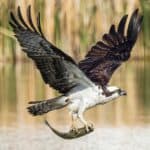
Large raptors and other shy species are often more detectable along the oblast's big water than deep in forest: open shorelines, sandbars, and ice edges can function like "viewing platforms" where hunting behavior becomes visible (especially during migration windows).
The Volga in Nizhny Novgorod Oblast is part of Europe's longest river. It once held huge fish like beluga sturgeon and still has giants such as the wels catfish (Silurus glanis), a top freshwater predator.
Eurasian moose/elk (Alces alces)-regular in the oblast's mixed forests and large forest tracts beyond the Volga-is the largest deer species in Europe, with adult bulls reaching exceptional body size compared with any other regional ungulate.
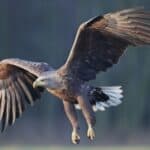
The white-tailed eagle (Haliaeetus albicilla), a Red Data Book species along large rivers and reservoirs of the Volga–Oka basin, is Europe’s largest eagle by wingspan and can be seen in the oblast.
The Eurasian beaver (Castor fiber), widespread across the oblast's river valleys (including smaller tributaries feeding the Volga and Oka), is the largest rodent in Europe-an ecosystem engineer capable of reshaping whole stretches of small rivers with dams and canals.
At the Volga–Oka meeting near Nizhny Novgorod, the joining of two big rivers makes a very rich feeding area that gathers fish and often draws top predators like raptors and fish-eating mammals.
13 species documented in our encyclopedia
Thank you for reading! Have some feedback for us?
We appreciate your help in improving our content.
Our editorial team will review your suggestions and make any necessary updates.
There was an error submitting your feedback. Please try again.