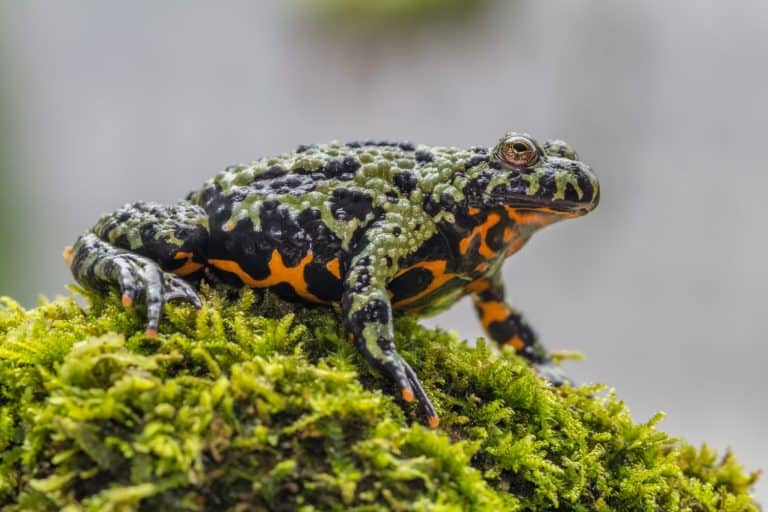
Fire-Bellied Toad
Flash the belly, live to tell it.

Flash the belly, live to tell it.
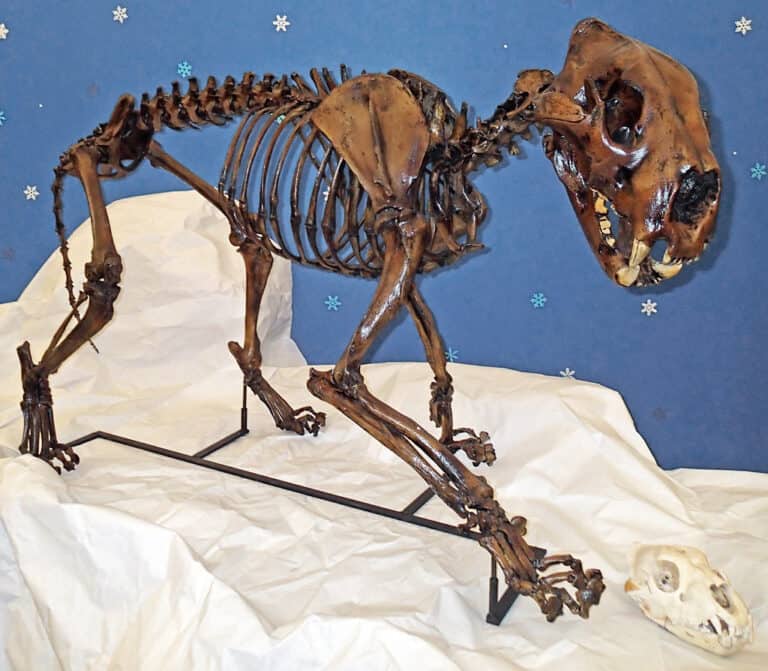
Ice Age king of the open steppe
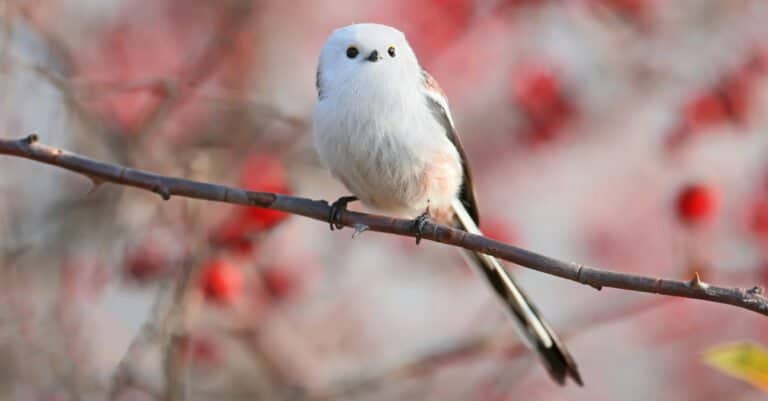
Long tail, tight flock, big personality
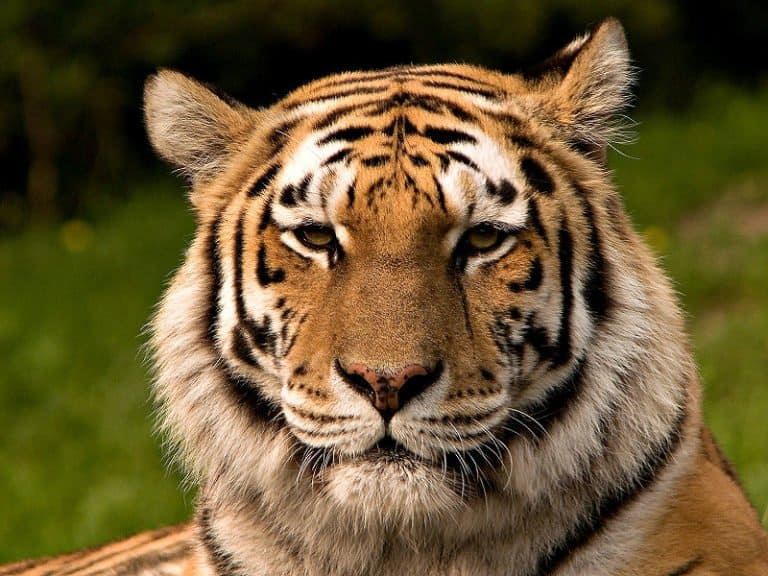
Taiga's striped heavyweight
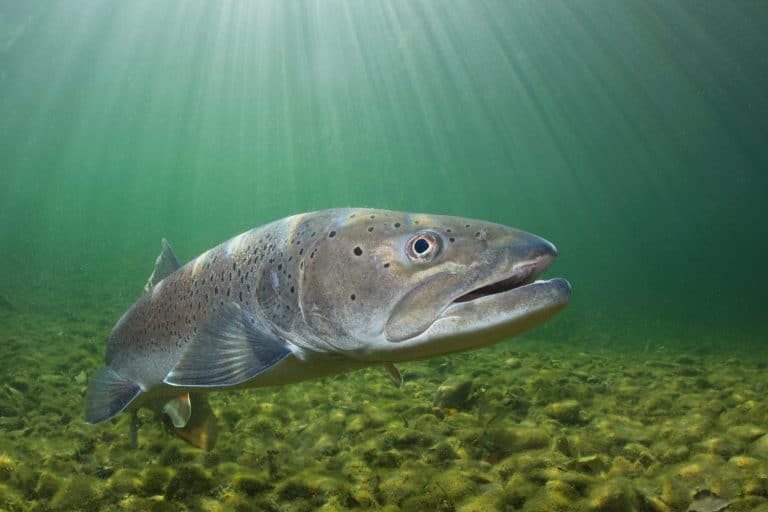
Cold-river king of the taiga
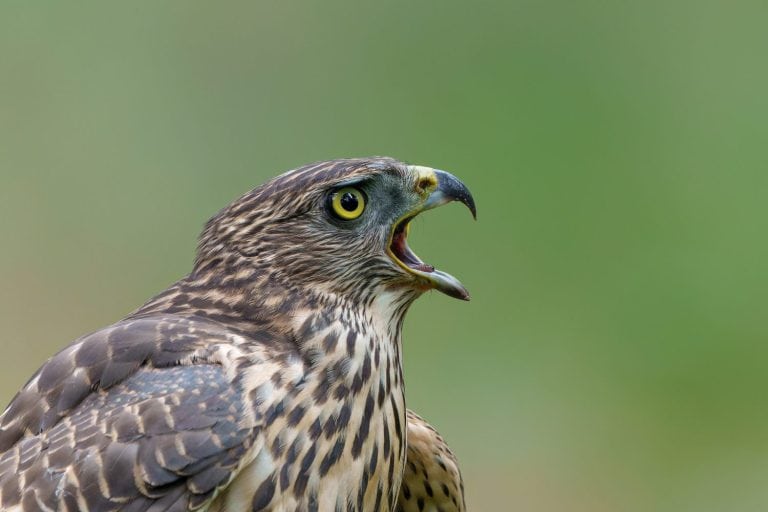
White-browed shadow of the woods
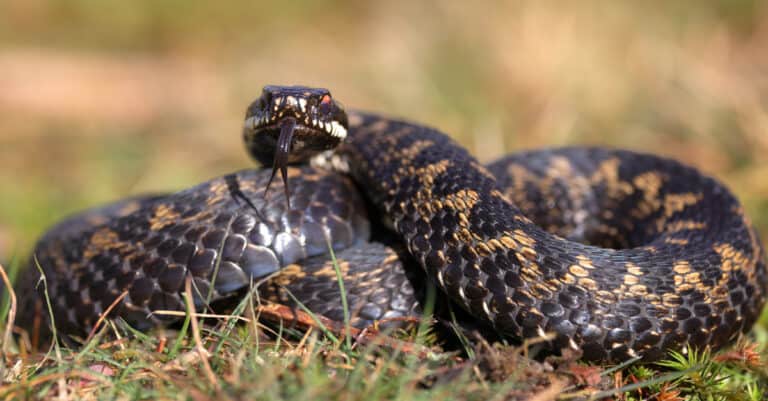
Zigzag guardian of the heath
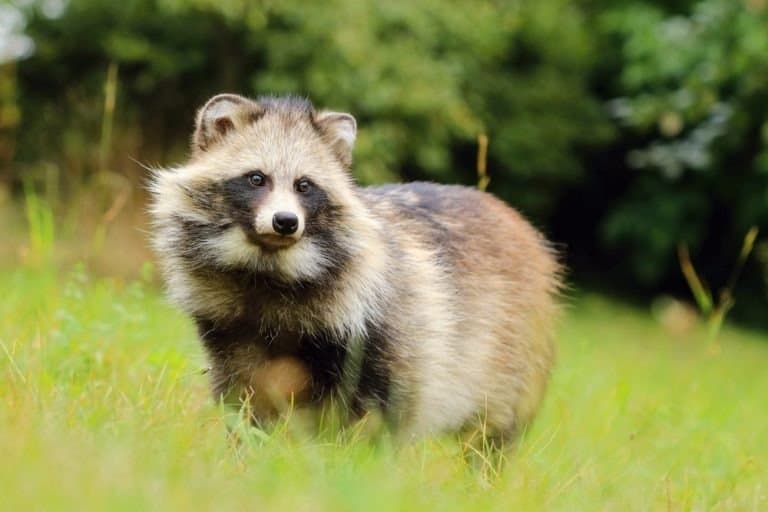
Masked canid, master of winter torpor
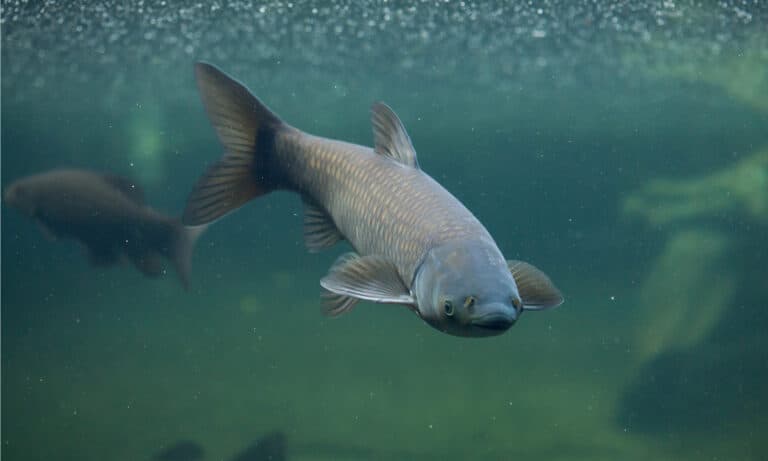
The underwater lawnmower-handle with care
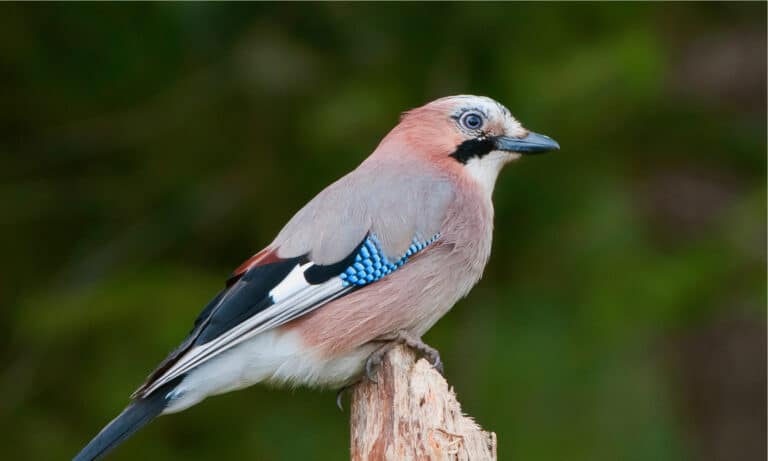
Oak Forest Planter with a Blue Flash
Amur Oblast lies at a crossroads between the Siberian taiga and the Amur Basin, so its wildlife mixes northern forest species with Far Eastern animals tied to big rivers and wetlands. Long winters, big spring floods, and vast forests set strong seasonal patterns: moose in snowy larch woods, salmon and trout in tributaries, and summer wetlands full of nesting waterbirds. Main habitats are larch and pine taiga, mixed broadleaf-conifer forests in sheltered valleys, and the wide floodplains, oxbow lakes, and marshes of the Amur and Zeya rivers. These wetlands are important for breeding and stopover along the East Asian-Australasian Flyway, drawing cranes, storks, geese, and ducks. River corridors and islands help large mammals move, and the mix of forests and wetlands lets people see both big forest animals and wetland specialists in one place near an international border.
Amur Oblast has a north–south gradient: cold, mountainous taiga in the north and warmer river plains and wetlands in the south. The Amur River, its floodplains, valleys, and marshes form rich habitats and a major migratory-bird route. Conifer and mixed forests support large mammals and forest birds; mountains provide refuges for cold-adapted species.
~100 m in major river valleys and low plains to ~2,500 m in the Stanovoy Range (highest peaks within the oblast)
None (landlocked; major freshwater shorelines occur along large rivers and reservoirs rather than an ocean coast)
Amur Oblast's protected areas include large federal strict nature reserves that protect intact taiga, river valleys, and wetlands, plus regional wildlife sanctuaries, Important Bird Areas, and nature monuments. Main areas are the Amur River borderlands and Zeya-Bureya lowlands—major migration routes and breeding grounds for cranes and storks—and northern mountain-taiga refuges for brown bear, sable, wolverine, and occasional Amur tiger.
Approximately ~8-10% of Amur Oblast's land area is under some form of protected status (federal + regional), varying by accounting method (strict reserves vs. all designated sanctuaries/monuments).
A well-known, conservation-managed wetland/grassland mosaic used for crane research, environmental education, and wildlife viewing. It is notable for reliable encounters with cranes during breeding and migration periods in the Zeya-Bureya lowlands.
A broad lowland of floodplains, oxbows, wet meadows, and agricultural edges that supports one of the region's most important migratory bird staging areas. Wildlife value comes from the sheer extent of feeding and nesting habitat for cranes, geese, ducks, and raptors.
Mountain-taiga habitats adjacent to and beyond federal reserve cores, valued for connectivity and buffering. These forests support boreal mammals and maintain relatively undisturbed watersheds important for long-term ecosystem integrity.
A major sanctuary associated with the Khingan lowlands that helps protect marshes and meadow complexes used by cranes and other migratory waterbirds, while also maintaining habitat for ungulates and carnivores in surrounding forest patches.
A chain of floodplain habitats-reedbeds, oxbows, wet meadows, and river islands-used as stopover and feeding areas during migration. These areas are among the most important wildlife-viewing locations for spring and autumn waterfowl movements.
Wetland and larch-taiga habitats that function as a broader refuge around the Norsky core reserve, supporting seasonal movements of moose and predators and providing nesting/foraging habitat for northern waterbirds.
Amur Oblast sits on the northern edge of the Amur River basin, where boreal taiga and larch-birch forests grade into broad river floodplains, oxbow lakes, wet meadows, and agricultural mosaics. This mix creates a classic "Amur-region" wildlife experience: large forest mammals (moose, bears, deer), rich river-fish communities, and-most notably-internationally important wetlands that concentrate breeding and migratory waterbirds (cranes, storks, geese, swans, raptors) along the Amur and Zeya river systems and adjacent lowlands.

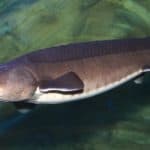
Amur Oblast, in Russia's Far East along the Amur River border with China, offers wildlife viewing across taiga, river valleys and wetlands. It’s strong for migratory birds in spring and fall, wetland mammals like moose, roe deer and wild boar, and Amur basin forest species. View by boat, from wetland edges or on quiet forest walks, often with few visitors.
Peak migration and breeding bird activity as wetlands thaw and floodplains come alive. Great for raptors, cranes and other waterbirds, songbird dawn choruses in riverine woods, and fresh animal tracks along muddy forest roads. Water levels can be high; bring waterproof footwear and plan around variable river conditions.
Lush wetlands and long daylight hours-ideal for boat trips on the Amur and its tributaries, dragonflies and butterflies, amphibians, and active mammal viewing at dawn/dusk along meadow edges. Mosquitoes can be intense; lightweight bug protection is essential. Some species are more dispersed in dense vegetation, so guided tracking can help.
Another migration peak with big concentrations of waterfowl and other migrants staging on wetlands and river bends. Crisp visibility improves scanning, and mammals are more detectable as vegetation thins. This is often the most comfortable season for longer field days and photography.
A classic taiga experience: tracking wildlife by footprints on snow, searching for owls and wintering finches, and spotting mammals along forest edges and river corridors. Cold can be severe; travel logistics require planning. Excellent for learning track-and-sign and for stark landscape photography.
Amur Oblast lies where the Siberian taiga meets the Amur-Manchuria region, creating a patchwork of larch-dominated boreal forests, mixed forests in warmer river valleys, forest-steppe on low plains, and large floodplain wetlands along the Amur and its tributaries (Zeya, Bureya). Strong seasonal floods, wide alluvial terraces, and mountain–plain contrasts make key habitats for Amur mammals and East Asian–Australasian migratory birds.
Dominant taiga landscapes across plains and lower mountain slopes, typically larch with spruce/fir/pine and birch/aspen succession after fire; long winters and frequent fire shape forest structure.
Widespread; the majority of the oblast, especially central and northern areas and much of the Zeya-Bureya basin margins.
Mixed broadleaf-conifer forests in the south and along major valleys with stronger East Asian/Manchurian influence (oak and other broadleaf species mixed with conifers), often on warmer aspects and better-drained soils.
Patchy to locally extensive in southern districts and river terraces; most common near the Amur valley and foothills.
Forest-steppe and meadow-steppe complexes on lowland plains and well-drained terraces; maintained by climate, soils, and disturbance (fire, flooding) with grass-forb communities interspersed with groves.
Localized, mainly in lowland plains (notably parts of the Zeya-Bureya plain) and open river terraces.
High-elevation belts in mountain ranges (e.g., Stanovoy-related uplands and local ranges) with alpine meadows, dwarf shrub communities, and rocky scree above treeline.
Limited to highest ridges and peaks; small overall area.
Large river systems (Amur, Zeya, Bureya) with side channels, oxbows, backwaters, and tributary networks supporting fish, riparian forests, and aquatic vegetation.
Linear but extensive across the whole oblast; concentrated along the Amur border and major tributary valleys.
Floodplain marshes, sedge meadows, peatlands, and seasonally inundated basins tied to spring/summer floods and poor drainage; critical waterbird habitat.
Common in major floodplains and lowlands; particularly extensive in the Amur floodplain and Zeya-Bureya lowlands.
Larch- and pine-dominated taiga with spruce/fir components; fire-driven mosaics and large intact tracts away from cities and main transport corridors.
Birch/aspen secondary forests and mixed broadleaf stands (including oak in warmer southern areas), often on terraces and south-facing slopes.
Continuous forest cover across plains-to-mountain gradients, including riparian gallery forests and upland taiga blocks.
Open larch woodland and forest-steppe tree islands on drier sites and ecotones between taiga and grassland.
Meadow-steppe and floodplain meadows used by breeding and staging birds; often interwoven with shrub and riparian forest.
Drier forest-steppe patches on well-drained lowlands/terraces with grasses and forbs, transitioning into woodland edges.
Willow/alder thickets on bars and floodplains, plus dwarf-shrub communities near treeline; important cover for wildlife and nesting birds.
Rugged uplands and ridges (including Stanovoy-associated systems and local ranges) with strong elevational zonation and cold-climate headwaters.
Treeline and above-treeline herb meadows and dwarf shrubs on high ridges, with short growing seasons and wind exposure.
Amur River border reach plus major tributaries (Zeya, Bureya) featuring braided/anastomosing sections, side channels, and riparian corridors.
Oxbow lakes and floodplain lakes formed by river migration; important for fish nurseries and waterfowl.
Large floodplain wetland complexes with sedge meadows and shallow open water; high productivity and key migratory bird areas.
Seasonally and permanently inundated reed/sedge marshes in lowlands and backwaters, expanding during high water.
Peat-forming wetlands in poorly drained basins and gentle uplands; sphagnum/peatland complexes in cooler or wetter pockets.
Forested wetlands and shrub swamps in floodplains and depressions, often willow/alder dominated with standing water during floods.
Cultivated fields and hay meadows concentrated on fertile lowlands and river terraces, especially around settled corridors (e.g., near Blagoveshchensk and along transport routes).
Urban/industrial habitats around cities such as Blagoveshchensk and regional centers, with associated fragmentation of nearby riparian and lowland habitats.
Red-crowned cranes and Oriental storks often nest and feed in hayfields, pasture edges, drainage canals, and marshes. Conservation uses artificial nest platforms on poles to protect nests from floods and predators.
The Amur's giant sturgeons (kaluga and Amur sturgeon, Acipenser schrenckii) are not ocean-going like many famous sturgeons; they spend their lives in the river system, making the Amur one of the world's standout rivers for truly freshwater "sea-monster" fish.
Male Siberian musk deer (Moschus moschiferus), present in the region's taiga, don't grow antlers at all-instead they carry long, saber-like canine teeth and produce musk (historically so valuable it drove heavy hunting pressure).
In spring and autumn, the Amur-Zeya-Bureya wetlands can change overnight: a cold front or tailwind can drop in waves of migrants (geese, swans, cranes), briefly turning quiet floodplain lakes into dense, noisy staging areas before the birds move on.
Winter can connect habitats that look separated in summer: when the Amur River freezes, it becomes a temporary "bridge" that some mammals (including wide-ranging predators on the landscape) can use to move along or across the river corridor.
The Amur River's kaluga sturgeon (Huso dauricus)-native to the Amur basin along Amur Oblast's China border-is one of the largest freshwater fishes on Earth, historically reported at ~5-6 m long and around 1,000 kg, rivaling the beluga sturgeon in size.
Amur Oblast sits on the fringe of the Amur (Siberian) tiger's range-this tiger subspecies (Panthera tigris altaica) is the largest living cat, with exceptional males documented at well over 200 kg.
The Siberian salamander (Salamandrella keyserlingii), found in the taiga and wetlands of the Russian Far East including Amur Oblast, is a record-setter for cold tolerance among amphibians: it can survive being frozen solid and later thawed, an extreme vertebrate adaptation.
Wetlands protected in and around the Khingansky State Nature Reserve (Amur Oblast) are among the northernmost regular breeding areas for the endangered red-crowned crane (Grus japonensis), a species with one of the smallest global crane populations.
Amur Oblast's floodplain marshes are a nationally important breeding area for the endangered Oriental stork (Ciconia boyciana); Russia's breeding population is concentrated in the Amur-Lower Amur region, making these wetlands disproportionately important for the species' recovery.
23 species documented in our encyclopedia
Thank you for reading! Have some feedback for us?
We appreciate your help in improving our content.
Our editorial team will review your suggestions and make any necessary updates.
There was an error submitting your feedback. Please try again.