N S W E
Wildlife Expeditions

Wildlife of
Tuva

Where Siberian taiga meets Mongolian steppe, Tuva's Sayan mountains and upper Yenisei basin host a rare blend of alpine, forest, and grassland wildlife.
8 Species
170,427 km² Land Area
Overview

About Tuva

Tuva Republic lies at a biological crossroads in the upper Yenisei River basin. The Sayan Mountains bring cold air and make sharp shifts from dark conifer taiga to open steppe and high alpine tundra. This mix lets Siberian forest species live alongside Inner Asian steppe animals, creating very diverse wildlife. Main habitats include larch and cedar taiga valleys that shelter large mammals and forest birds; broad steppe and semi-desert basins used by grazing ungulates and raptors; and rugged alpine belts with talus slopes, snowfields, and tundra plants. Rivers and wetlands at the Yenisei headwaters are key migration and breeding hubs for waterfowl and draw predators. Because taiga, steppe, and alpine zones lie close together and the area is remote, people can see wide-ranging carnivores, mountain specialists, and steppe raptors.

Physical Features

Geography

Tuva Republic, in the upper Yenisei basin between the Sayan and Tannu-Ola ranges, is mountainous and landlocked. A mix of cold habitats—from dry steppes between mountains and basin floodplains to boreal taiga on slopes and alpine tundra near peaks—causes sharp changes in animal groups. Big rivers form wetlands important for migration, breeding, and winter survival.

170,427 km² Land Area
≈21st largest federal subject of Russia (upper tier by area) Size Rank
Russia Country
Federal_subject Type
Elevation Range

~500-600 m (valley and basin floors) to 3,976 m (Mount Mongun-Tayga)

Coastline

None (landlocked); notable inland waters include the Uvs/Ubsa (Uvs Nuur) lake basin on/near the Mongolia border and smaller lakes such as Tere-Khol, plus widespread riverine wetlands along the Yenisei headwaters.

Key Landscapes

Sayan Mountains (Western and Eastern Sayan margins): major taiga-alpine habitat belts and refugia for cold-adapted species Tannu-Ola Range along the Mongolia border: rain-shadow effects and steppe/forest-steppe transitions Tuva Basin (intermontane basin around Kyzyl): extensive steppe and dry grassland habitats Upper Yenisei River system (Bii-Khem/Big Yenisei and Kaa-Khem/Little Yenisei joining to form the Yenisei): riparian forests, islands, floodplains, and wet meadows Mountain taiga (larch, Siberian pine/cedar, spruce-fir in wetter zones): broad forest habitat matrix across mid-elevations Alpine tundra, scree, and glacially influenced headwaters in high ranges (notably Mongun-Tayga area): breeding/foraging zones for alpine specialists and source areas for cold rivers and wetlands
Parks & Reserves

Protected Areas

Tuva's protected areas center on large federal strict nature reserves, including the UNESCO Ubsunur Hollow (Uvs Lake) biosphere reserve, plus a mix of regional nature parks and wildlife sanctuaries. They protect a full range of heights and habitats—from cold desert and steppe basins to larch taiga, peatlands, and high-alpine Sayan ranges—supporting snow leopard, argali, Siberian ibex, and migratory waterbirds.

Protected Coverage

~12-18% of Tuva's land area under some form of protection (federal + regional; approximate)

National Parks & Preserves

Ubsunur Hollow (Uvs Nuur) State Nature Biosphere Reserve (Убсунурская котловина)

~3,200 km² (Russian federal reserve total; cluster system)

A large, cluster-based federal zapovednik within the Uvs Nuur basin (transboundary with Mongolia) that protects an exceptional mix of cold desert, steppe, wetlands, mountain taiga, and alpine habitats. Notable for raptor diversity, steppe and wetland bird concentrations, and as a key landscape for snow leopard-argali/ibex predator-prey systems.

Snow leopard (Panthera uncia) Argali / mountain sheep (Ovis ammon) Pallas's cat (Otocolobus manul) Saker falcon (Falco cherrug) Demoiselle crane (Anthropoides virgo)

Azas State Nature Reserve

~3,000 km² (order of magnitude; federal strict nature reserve)

A major taiga-and-wetland strict nature reserve centered on the Todzha Basin and Lake Azas. It is important for intact larch taiga, lake/river systems, and peatlands, supporting large mammals and fish-eating birds; it also serves as a refuge for wide-ranging carnivores in a largely roadless landscape.

Moose (Alces alces) Sable (Martes zibellina) Brown bear (Ursus arctos) Wolverine (Gulo gulo) Osprey (Pandion haliaetus)

Ubsunur Hollow Biosphere Reserve - Aryskannyg Mountain Cluster (Арысканныг, cluster area)

~500-800 km² (cluster-scale unit; approximate)

One of the rugged mountain cluster units within the Ubsunur Hollow reserve complex, valued for steep rocky terrain and high-elevation refugia used by snow leopard and its prey. Wildlife viewing (where permitted) is typically focused on sign/track surveys and raptor observation rather than close encounters.

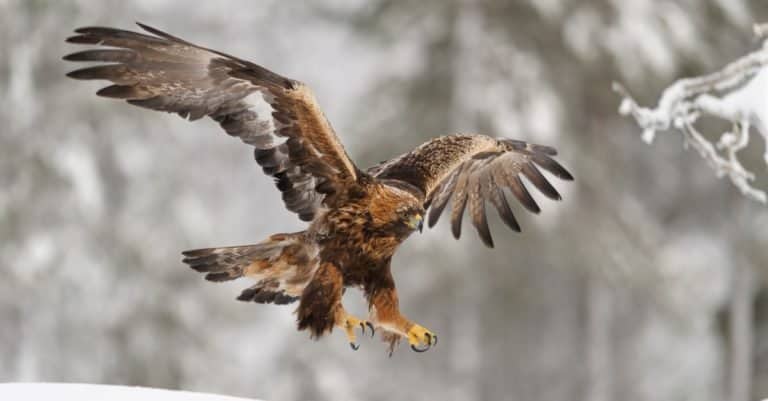
Snow leopard (Panthera uncia) Siberian ibex (Capra sibirica) Argali (Ovis ammon) Golden eagle (Aquila chrysaetos) Eurasian lynx (Lynx lynx)

Ubsunur Hollow Biosphere Reserve - Tsugeer-Els Sand Dunes Cluster

~100-250 km² (cluster-scale unit; approximate)

A rare cold-desert/semidesert dune system in southern Siberia. Notable for specialized steppe-desert fauna, high raptor use, and as a biodiversity contrast to surrounding taiga and alpine zones within the same biosphere-reserve complex.

Pallas's cat (Otocolobus manul) Corsac fox (Vulpes corsac) Steppe eagle (Aquila nipalensis) Saker falcon (Falco cherrug) Tolai hare (Lepus tolai)

Ubsunur Hollow Biosphere Reserve - Kara-Khol Wetland/Lake Cluster

~150-400 km² (cluster-scale unit; approximate)

Wetland and lake habitats supporting breeding and staging waterbirds in an otherwise strongly continental, arid-to-steppe region. Especially important for cranes, swans, and raptors that concentrate around open water and reedbeds.

Whooper swan (Cygnus cygnus) Demoiselle crane (Anthropoides virgo) Black stork (Ciconia nigra) White-tailed eagle (Haliaeetus albicilla) Ruddy shelduck (Tadorna ferruginea)

State & Provincial Parks

Mongun-Taiga Nature Park (Republic of Tuva)

~1,000-2,000 km² (typical scale for the park; approximate)

High-alpine landscapes around one of Tuva's highest mountain massifs, with glaciers, scree slopes, and alpine meadows. Notable as potential snow leopard habitat and for mountain ungulates and large raptors; also protects headwaters important for cold-water biodiversity.

Snow leopard (Panthera uncia) Siberian ibex (Capra sibirica) Argali (Ovis ammon) Altai snowcock (Tetraogallus altaicus) Golden eagle (Aquila chrysaetos)

Tannu-Ola Range Nature Park / Regional Protected Landscape

~500-1,500 km² (regional protected-landscape scale; approximate)

Forest-steppe to taiga gradients along the Tannu-Ola ranges that form a major ecological corridor between basin steppes and mountain forests. Notable for mixed ungulate assemblages and forest birds, and for maintaining connectivity across largely undeveloped mountain terrain.

Red deer / maral (Cervus canadensis sibiricus) Siberian roe deer (Capreolus pygargus) Eurasian lynx (Lynx lynx) Western capercaillie (Tetrao urogallus) Black stork (Ciconia nigra)

Todzha (Toora-Khem) Taiga-Lake Nature Park

~500-2,000 km² (regional park scale; approximate)

A regional complement to the nearby Azas strict nature reserve, focusing on intact taiga, lakes, and river valleys used by wide-ranging carnivores and fish-eating birds. Important for maintaining large roadless blocks and buffering sensitive wetlands from development.

Wolverine (Gulo gulo) Brown bear (Ursus arctos) Siberian musk deer (Moschus moschiferus) Osprey (Pandion haliaetus) Whooper swan (Cygnus cygnus)

Wildlife Refuges

Sut-Khol (Lake Sut-Khol) State Nature Sanctuary / Wildlife Sanctuary

~200-800 km² (sanctuary-scale; approximate)

A lake-and-steppe sanctuary important for waterbirds during migration and breeding, with surrounding open landscapes that support steppe raptors and small-mammal communities.

Whooper swan (Cygnus cygnus) Ruddy shelduck (Tadorna ferruginea) Demoiselle crane (Anthropoides virgo) Steppe eagle (Aquila nipalensis) Pallas's gull (Ichthyaetus ichthyaetus)

Tere-Khol (Lake Tere-Khol / Por-Bazhyn area) State Nature Sanctuary / Wildlife Sanctuary

~200-1,000 km² (sanctuary-scale; approximate)

Wetland and lake habitats near the Mongolia border that support migratory waterfowl and raptors; also valued for protecting shoreline and island nesting sites in a relatively remote basin.

White-tailed eagle (Haliaeetus albicilla) Osprey (Pandion haliaetus) Whooper swan (Cygnus cygnus) Black stork (Ciconia nigra) Common crane (Grus grus)

Chagytai Lake State Nature Sanctuary / Wildlife Sanctuary

~100-500 km² (sanctuary-scale; approximate)

A steppe-basin lake and surrounding habitats that concentrate birds in the warm season and provide important resting/feeding areas during migration, with adjacent steppe supporting raptors.

Ruddy shelduck (Tadorna ferruginea) Great crested grebe (Podiceps cristatus) Pallas's gull (Ichthyaetus ichthyaetus) Steppe eagle (Aquila nipalensis) Saker falcon (Falco cherrug)

Wilderness Areas

  • Todzha Basin (roadless taiga and lake country, including the upper tributaries of the Yenisei River)
  • Western and Eastern Sayan Mountains in Tuva (alpine ridges, cirques, and headwater valleys with limited access)
  • Tannu-Ola Mountains (a long, sparsely roaded ridge system forming a major ecological corridor)
  • Mongun-Taiga Massif and adjacent alpine plateaus (remote high-elevation terrain)
  • Uvs Lake Basin (steppe-to-desert landscapes and sand-dune areas away from settlements)
  • Upper Yenisei River headwaters (Greater Yenisei and Little Yenisei) canyon and riparian wilderness stretches with minimal road penetration
Animals

Wildlife

Tuva Republic, in the upper Yenisei basin bordering Mongolia, is where Siberian taiga, Central Asian steppe and high Sayan alpine land meet. Big habitat changes plus a very continental climate give the area high landscape variety. Boreal predators like brown bear, lynx and wolverine live with steppe and mountain animals such as argali, Siberian ibex and Pallas's cat. Cold fast rivers hold salmonids like taimen and lenok. Protected areas like Ubsunur Hollow Biosphere Reserve and Sayan reserves make Tuva a key stronghold for mountain and steppe wildlife.
≈80-90 species Mammals
≈330-360 species (high due to taiga-steppe-alpine overlap and migration) Birds
≈6-8 species Reptiles
≈3-5 species Amphibians
≈30-40 species (Yenisei headwaters and mountain lakes/rivers) Fish
Examples

Iconic Species

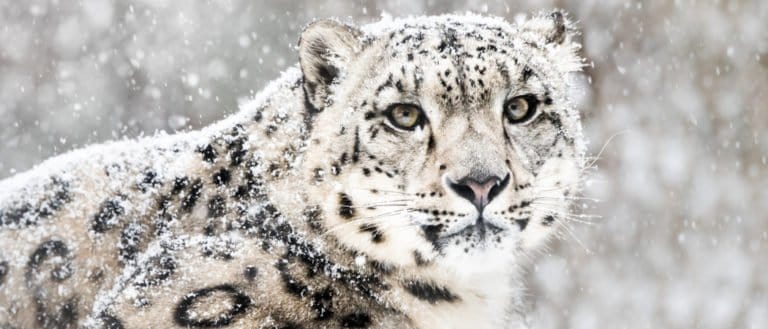
Snow Leopard
Snow Leopard Tuva is one of Russia's best-known snow leopard regions; visitors and researchers focus on the rocky Sayan ranges where this flagship mountain predator persists.
Argali (Mountain Sheep) Large, spiral-horned wild sheep of open mountain slopes and steppe-edges; Tuva's borderland landscapes are classic argali country and a prime draw for wildlife watching.
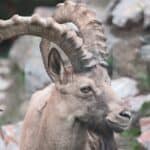
Siberian Ibex
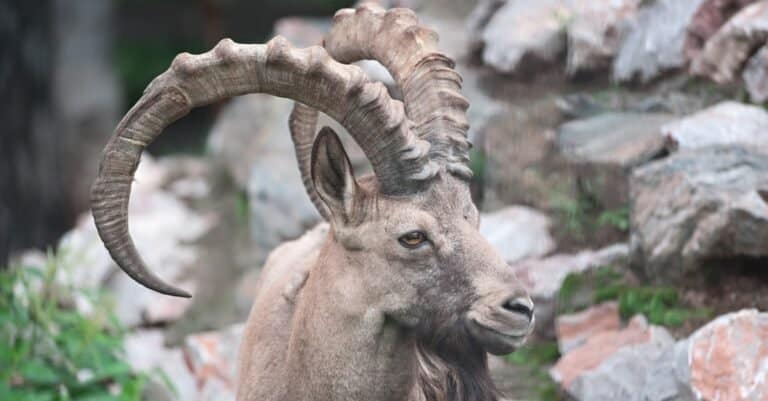
Siberian Ibex A defining ungulate of Tuva's cliffs and scree; ibex are among the most visible big mammals in rugged mountain terrain and are key prey for snow leopards.
Pallas's Cat (Manul) A steppe-and-rock specialist strongly associated with Inner Asia; Tuva's dry basins and foothills provide the kind of habitat where manuls are most sought-after.
Wolverine
Wolverine A symbol of wild, remote taiga and alpine backcountry; Tuva's vast roadless areas support this wide-ranging scavenger-predator.
Eurasian Lynx
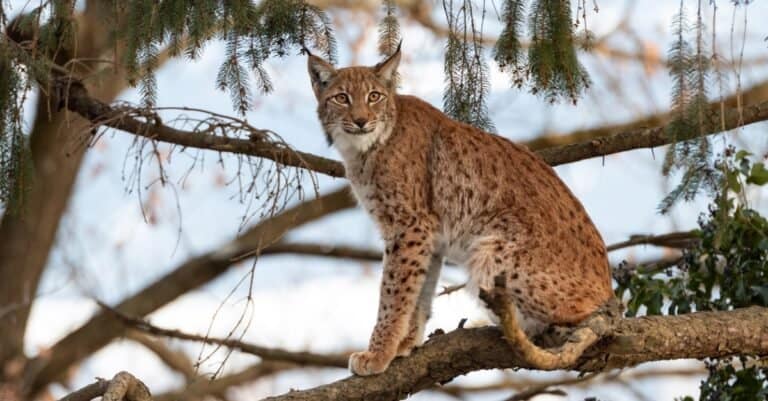
Eurasian Lynx A quintessential taiga predator that also uses forest-steppe mosaics; often tracked via winter sign in Tuva's forests.
Brown Bear
Brown Bear Widespread across Tuva's taiga and mountain valleys; a core part of the region's large-mammal community.
Saker Falcon A flagship raptor of steppe and semi-desert; Tuva's open landscapes and prey base make it a notable (though sensitive) species for birders.
Demoiselle Crane A charismatic steppe crane associated with open grasslands and dry basins; a seasonal highlight in suitable steppe areas and migration periods.
Siberian Taimen
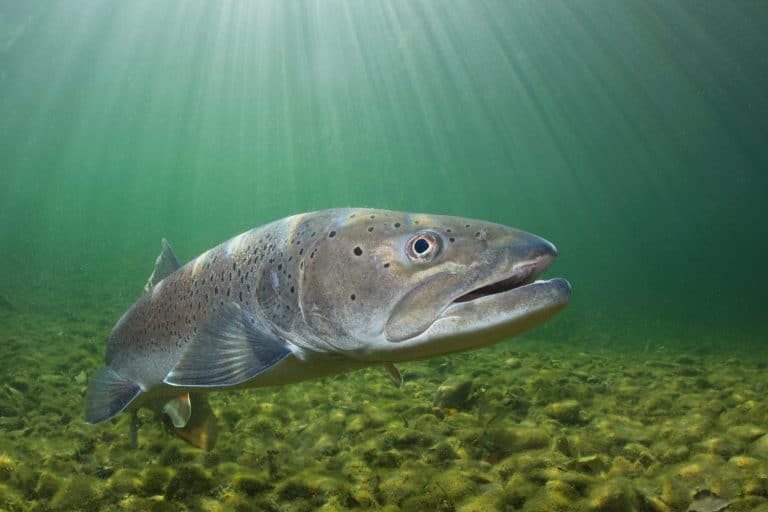
Siberian Taimen Iconic giant salmonid of cold, clean rivers; Tuva's upper Yenisei tributaries are part of the species' renowned (and increasingly conservation-important) range.

Endemic & Rare Species

Snow Leopard

Panthera uncia

Vulnerable (IUCN); nationally significant and locally rare

Tuva is a key Russian stronghold at the northern edge of the species' global range; conservation here supports broader Sayan-Mongolia connectivity.

Saker Falcon

Falco cherrug

Endangered (IUCN)

Steppe raptor threatened by illegal trapping and prey declines; Tuva's breeding and hunting areas are important for the species in Russia.

Steppe Eagle

Aquila nipalensis

Endangered (IUCN)

A characteristic steppe raptor that has declined across much of its range; Tuva's open landscapes can still support breeding and migration use where disturbance is low.

Pallas's Cat (Manul)

Otocolobus manul

Near Threatened (IUCN); rare and patchy

Dependent on intact steppe/rocky habitats and healthy small-mammal populations; Tuva is among the better regions in Russia for this Inner Asian specialist.

Siberian Musk Deer

Moschus moschiferus

Vulnerable (IUCN) in parts of its range; locally sensitive due to hunting pressure

A taiga ungulate vulnerable to overharvest; Tuva's forests and steep valleys provide refuges where enforcement and remoteness reduce pressure.

Siberian Taimen

Hucho taimen

Vulnerable (IUCN); declining in many rivers

Requires cold, connected, unpolluted river systems; Tuva's headwaters remain valuable habitat but are sensitive to overfishing and habitat fragmentation.

Notable Populations

  • One of Russia's most important regional strongholds for snow leopard in the Sayan mountain system, supporting national conservation monitoring efforts.
  • High-value mountain ungulate assemblages (argali and Siberian ibex) that structure predator-prey dynamics in alpine and steppe-edge ecosystems.
  • Internationally important steppe and wetland bird communities in the Ubsunur Hollow basin (a UNESCO Biosphere Reserve spanning Russia-Mongolia), including cranes, raptors, and large waterbird migration stopovers.
  • Relatively intact upper-Yenisei coldwater fish habitats supporting taimen and lenok compared with many more impacted parts of their range.

Recent Changes

  • Snow leopard conservation in the Sayan region has intensified (camera-trap monitoring, anti-poaching work, cross-border coordination with Mongolia), with localized stabilization or increases reported in some monitored areas.
  • Steppe raptors (notably saker falcon and steppe eagle) have faced ongoing pressure from illegal capture and broader steppe prey/habitat changes, contributing to regional instability or declines.
  • Cold, dry-climate extremes and more frequent wildfires in parts of southern Siberia are shifting taiga-steppe boundaries and affecting habitat quality for forest specialists and steppe breeders.
  • River fisheries pressure and episodic illegal harvest continue to be key risks for taimen; where angling regulation and protection improve, some tributaries show better size structure and encounter rates than heavily fished systems.
Visit

Wildlife Viewing

Tuva Republic in southern Siberia (upper Yenisei basin) has steppe, taiga, high Sayan mountains, and remote lakes and wetlands. Great for wild, low-crowd wildlife viewing — tracking mammals in snow, skies with raptors, and waterbirds. Rivers hold taimen, lenok, grayling. Key areas: Ubsunur Hollow Biosphere Reserve (UNESCO) and Azas (Todzha). Travel is hard but rewarding.

Best Seasons

Late winter (Feb-Mar)

Best time for tracking wildlife in snow (wolf, fox, hare, ungulate trails), crisp visibility on open steppe, and dramatic mountain scenery. Excellent for photography and learning to read tracks with local guides. Very cold; daylight improves by March.

Spring (Apr-May)

Bird migration ramps up: waterfowl and cranes arrive on lakes and floodplains; raptors become active. Mammals emerge from harshest winter; bear sign increases. Conditions can be muddy with variable river ice-break and limited road access early.

Summer (Jun-Aug)

Most reliable access to remote valleys and high passes. Peak birding and general wildlife watching in taiga-alpine ecotones; alpine meadows bloom and attract insects and passerines. Best season for river trips (Yenisei tributaries), lake-based wildlife viewing, and multi-day treks/horseback routes. Expect mosquitoes in taiga/wetlands.

Autumn (Sep-Oct)

Prime for comfortable travel, golden larch forests, and strong chances to see ungulates during rut (maral/red deer behavior, ibex on rocky slopes). Raptors and migrating birds concentrate again. Early snow can start in mountains; nights turn cold.

Top Wildlife Experiences

  • Ubsunur Hollow Biosphere Reserve (steppe + lake systems): scan for raptors (eagles, falcons), cranes and waterfowl on wetlands; combine vehicle-based steppe watching with short hikes to viewpoints (permits often required, especially near the border).
  • Azas (Todzha) wilderness route: base at Lake Azas and Todzha basin for taiga mammals—brown bear signs, moose, musk deer—and rich wetland birds; best for canoe or boat shoreline birding (reserve rules apply).
  • Yenisei tributary river expedition (Bii-Khem and/or Kaa-Khem): multi-day raft or motor-raft trips for riverine wildlife (waterbirds, otter sign, tracks on sandbars) plus world-class catch-and-release sportfishing for taimen/lenok/grayling with strict ethics.
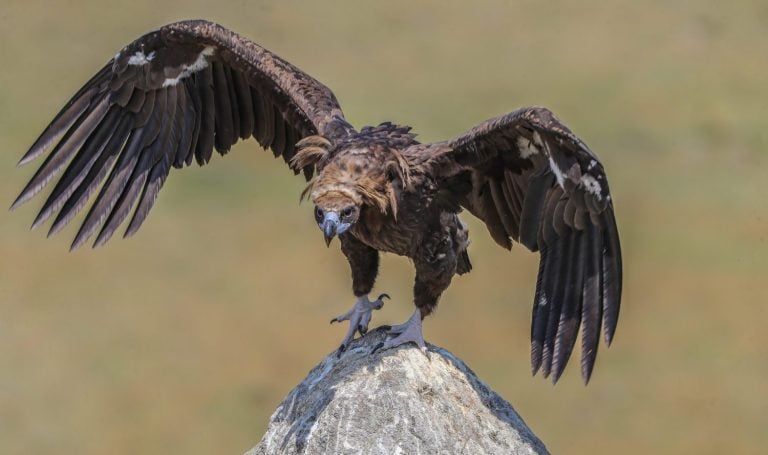
  • High-mountain day hikes in the Western Sayan ranges of Tuva (alpine and scree zones): look for Siberian ibex on rocky faces, marmots in meadow edges, and soaring bearded vulture/lammergeier-type scavengers and other large raptors (best early morning/late afternoon).
  • Mongun-Taiga highlands (Tuva's highest massif region): a serious, expedition-style trip for alpine wildlife watching-ibex, pika/marmot activity, and the possibility (rare) of snow leopard sign in suitable habitat when traveling with specialists and following non-invasive protocols.
  • Lake Tere-Khol area (including the Por-Bazhyn vicinity): combine cultural landscape with practical birding-scan the lake for migrating waterfowl, gulls/terns, and raptors along shorelines; best during spring and autumn passages.
  • Steppe dawn-and-dusk drives in the central basins: focus on foxes, wolves (primarily by sign and occasional sightings), and mixed raptor assemblages; pair with a simple hide/vehicle-based approach to minimize disturbance and increase photo chances.

Wildlife Watching Types

Birding hotspots (lakes, wetlands, river floodplains, steppe raptor country) Raptor watching (eagles, falcons, vultures/scavengers along ridgelines and open basins) Large mammal tracking (winter snow tracking; year-round sign interpretation) Alpine wildlife viewing (ibex, marmots, pika; high-altitude birds) Taiga wildlife watching (moose habitat areas, bear sign zones, forest birds) River wildlife + ethical sportfishing (taimen/lenok/grayling; sandbar track walks) Wildlife photography trips (vehicle-based steppe, hides at wetlands, backcountry trekking)

Guided Options

  • Ubsunur Hollow Biosphere Reserve visitor programs/field staff: inquire in advance about access rules, seasonal routes, and border-zone requirements; reserve-led excursions can be the most straightforward way to visit sensitive areas.
  • Azas (Todzha) protected-area routes with local rangers/guides: practical for lake-and-taiga logistics (boats, designated camps, wildlife safety) and for maximizing bird and mammal sign interpretation.
  • Kyzyl-based nature and expedition tour operators: typically arrange 4x4 transport, permits, satellite communications, and tailored itineraries (steppe birding, mountain hikes, or river expeditions). Ask specifically about low-impact wildlife protocols and small group sizes.
  • Guided Yenisei tributary rafting/fishing camps: best for combining wilderness travel with professional river safety and strict catch-and-release standards; many also build in sandbar tracking walks and birding stops.
  • Research/monitoring-linked trips (limited, seasonal): occasional opportunities exist to accompany specialists for non-invasive carnivore monitoring (e.g., camera-trap servicing or track surveys) where permitted-plan far ahead and expect remote, physically demanding travel.
Habitats

Ecosystems

Tuva Republic (southern Siberia, upper Yenisei basin) spans a sharp gradient from dry intermontane basins to forested taiga slopes and high Sayan alpine zones. Cold, strongly continental climate and rugged relief create a mosaic of steppe/semidesert, larch-pine taiga, subalpine meadows, alpine tundra, and river-lake wetlands supporting cold-adapted fauna and migratory waterbirds.

Biomes

Boreal Forest (Taiga)

Dominant taiga on mountain slopes and uplands, largely larch (Larix) with Siberian pine, spruce, fir, and pine in places; frequent fire influence and extensive forest-steppe ecotones in drier valleys.

Widespread and dominant across much of the republic, especially mid-elevation mountains and northern/taiga-facing slopes.

Temperate Grassland

Dry continental steppe in intermontane basins and foothills (e.g., Ulug-Khem Basin), with feather grass and forb-rich grasslands, often grading into forest-steppe with scattered larch/birch groves.

Extensive in central and southern basins and rain-shadow areas; forms large open landscapes between mountain ranges.

Cold Desert

Cold semi-desert and very dry steppe in the most arid depressions near the Mongolia border (notably the Ubsunur Hollow region), with sparse grasses, drought-tolerant shrubs, and saline/alkaline patches.

Localized but prominent in the driest southern basins and border depressions.

Alpine

High-elevation belts of subalpine and alpine meadows above the treeline in the Western/Eastern Sayan ranges, with short growing seasons and strong topographic microclimates.

Common at higher elevations across the Sayan mountain systems; patchy but extensive in area where mountains dominate.

Tundra

Alpine tundra on the highest ridges and plateaus: dwarf shrubs, lichens, mosses, and frost-shaped soils; long snow cover and periglacial processes.

Restricted to the highest elevations and windswept summits/ridges.

Freshwater

Upper Yenisei (Bii-Khem and Kaa-Khem) river network, mountain streams, and basin lakes; important spawning/rearing habitats and corridors through steppe and taiga.

Linear along major rivers and tributaries; scattered lakes in basins and mountain hollows.

Wetland

Floodplain meadows, oxbows, reedbeds, peat-forming fens/bogs in cooler/taiga zones, and saline lakeshore wetlands in arid basins; key for waterfowl and cranes.

Patchy but locally significant along the Yenisei system, valley bottoms, and lake margins (including arid-basin wetlands).

Habitats

Coniferous Forest

Larch-dominated taiga with patches of Siberian pine, spruce, fir, and pine; extensive mountain-slope forests and forest-steppe margins.

Deciduous Forest

Birch/aspen stands and mixed groves in valley bottoms, post-fire successional areas, and forest-steppe transitions.

Forest

Broad taiga and mixed forest mosaics spanning elevational belts, often interspersed with meadows and rocky outcrops.

Steppe

Open feather-grass and dry forb steppes in intermontane basins (central/southern Tuva), including grazing-adapted grasslands.

Grassland

Meadow-steppe and floodplain meadows, especially near rivers and in basin floors with slightly higher moisture.

Shrubland

Dry shrub steppe and riparian shrub thickets (willow/alder in wetter sites), plus dwarf shrubs near treeline.

Desert

Cold semi-desert/very arid steppe in southern depressions (Ubsunur Hollow area), with sparse vegetation and saline spots.

Tundra

Alpine tundra communities on the highest Sayan ridges with lichens, mosses, and dwarf shrubs.

Alpine Meadow

Subalpine and alpine meadows above treeline used seasonally by wildlife and pastoralism; high plant diversity in summer.

Mountain

Western and Eastern Sayan massifs with strong elevational zonation, glacial/periglacial landforms, and steep climatic gradients.

River/Stream

Upper Yenisei system (Bii-Khem and Kaa-Khem) and tributaries forming riparian corridors, gravel bars, and floodplains.

Lake

Basin and mountain lakes (e.g., Tere-Khol; lakes and saline basins associated with the Ubsunur Hollow region) with important bird habitat.

Wetland

Floodplain wetlands, oxbow lakes, sedge fens, and lakeshore marshes; includes saline/alkaline wetland complexes in arid basins.

Marsh

Reed/sedge marshes along slow river reaches and lake margins, critical for nesting and staging waterbirds.

Bog

Peat-forming bogs/fens in cooler taiga valleys and poorly drained depressions; patchy but ecologically important.

Cliff/Rocky Outcrop

Rocky escarpments and canyon walls in mountain terrain providing raptor nesting sites and refugia.

Cave

Localized karst/rock shelters in suitable lithologies; limited distribution but important microhabitats.

Agricultural/Farmland

Concentrated in river valleys and basin floors (hayfields, small-scale cropping) where soils and growing season allow.

Urban

Built-up areas concentrated around Kyzyl and smaller settlements along major river corridors.

Ecoregions

Altai-Sayan montane forests Sayan montane conifer forests Sayan intermontane steppe Altai alpine meadow and tundra Ubsunur Hollow semi-desert
Protection

Conservation

Primary Threats

  • Warming and more change in weather are changing snow timing and depth in the Sayan highlands and raising drought and heat-wave risk in steppes. This reduces food for argali and livestock, raises wildfire risk in taiga/forest-steppe, and alters upper Yenisei tributary flow, stressing cold-water fish.
  • Direct conversion is limited compared with farming areas, but local habitat loss and fragmentation occur from expanding settlements, industry, quarries, and roads into remote valleys. Steppe and forest-steppe are harmed by heavy grazing near villages and winter camps, reducing plant cover and diversity that prey and ground-nesting birds need.
  • Coal and placer/ore mining in parts of Tuva can cause major localized impacts: riverbank disturbance, increased sediment loads, and contamination risks (including fuel and processing-related pollutants). Mining also brings new access routes that facilitate illegal hunting and off-road disturbance in previously hard-to-reach basins.
  • Primary risks are from mining runoff/effluent, sedimentation from earthworks, and spills from machinery and transport along river valleys. These pressures are most acute in smaller tributaries where dilution is low, affecting spawning and overwintering habitat for salmonids and other cold-water fishes.
  • Illegal hunting remains a key threat in remote steppe and mountain areas, including poaching of wild ungulates (notably argali) and opportunistic killing of carnivores. Hunting pressure can rise when new roads improve access, and when rural livelihoods are stressed by harsh winters or livestock losses.
  • High-value wildlife products drive targeted poaching and capture: raptors (especially saker falcons) for illicit falconry markets, and trophies (e.g., argali horns) and pelts. Cross-border proximity to Mongolia increases the importance of customs and border enforcement to disrupt trafficking routes.
  • Snow leopards and wolves can prey on sheep/goats and occasionally other livestock, particularly where corrals are weak and herds are grazed in high valleys. Retaliatory killing and tolerance loss are ongoing risks, making compensation, predator-proofing, and community engagement critical in snow leopard range.
  • Off-road vehicles, unregulated recreation, and increased seasonal movement linked to herding and resource extraction disturb sensitive alpine habitats (denning/roosting sites, nesting cliffs) and can displace wildlife from key valleys and passes used as movement corridors.
  • Recreational and subsistence fishing pressure on large, slow-growing salmonids (including taimen where present in local basins) can reduce adult breeding stock, especially when combined with habitat degradation from sedimentation and warming water temperatures.
  • Commercial logging is not uniformly intense across Tuva, but localized timber harvest and fuelwood collection can fragment taiga habitat, simplify forest structure, and increase road access. This can degrade habitat for forest specialists and elevate wildfire risk via slash and increased human presence.
  • Road building for mining and regional connectivity, plus linear infrastructure (powerlines/communications), increases fragmentation and access. Powerlines also elevate electrocution/collision risk for large raptors (eagles and other soaring birds) in open steppe valleys.
  • Changes in fire regimes (more frequent or severe fires) and river-channel modification near settlements/mining sites alter habitat structure. In steppe and forest-steppe, repeated burning and heavy grazing can shift plant communities toward less diverse, erosion-prone states.
  • Large-scale cropland expansion is limited, but localized hayfield expansion and steppe plowing near settlements reduce native grassland and wet meadow patches that are important for breeding birds and as drought refugia.
  • Overgrazing around settlements and seasonal camps can deplete palatable grasses and shrubs, increase erosion, and reduce prey base for predators indirectly. Fuelwood demand in rural areas can also pressure riparian woodlands and accessible taiga stands.
  • Disease risks are closely linked to livestock-wildlife interfaces: parasites and infections can spill over to wild ungulates, and canine diseases can affect wild canids and other carnivores. Harsh winters can concentrate wildlife and livestock in the same valleys, increasing transmission opportunities.
  • Several flagship species occur in small, patchy subpopulations in the Sayan-Altai region (e.g., snow leopard and argali). Isolation between mountain massifs and mortality from poaching/conflict can reduce gene flow and resilience, making connectivity and transboundary management important.
  • Urban growth is modest but concentrated (e.g., around Kyzyl), increasing demand for aggregates, water, and transport corridors. This can intensify disturbance and pollution along nearby river stretches and valley bottoms that are also key wildlife movement routes.
Fun Facts

Did You Know?

Tuva is where Siberia meets Central Asia: in one region you find larch taiga animals (wolverine, sable) and open steppe species (Pallas's cat, steppe raptors) across taiga, steppe, alpine belts.

Snow leopards are confirmed in Tuva's Sayan mountains (including the Mongun-Taiga area); unlike many big-cat landscapes, these cats here endure very continental conditions-hot, dry summers and winters that can plunge far below −30 °C.

Musk deer (Moschus moschiferus), native to Tuva's forested mountains, don't have antlers at all-males instead grow elongated upper canine "tusks" used in rivalry, a counter-intuitive look for a deer.

Pallas's cat in Tuva often relies on other animals' real estate: it frequently uses marmot or pika burrows and rock crevices for shelter and denning rather than digging its own.

Beaver engineering can reshape cold-region waterways in Tuva's forest-lake districts: by ponding streams, beaver dams can create new wetland habitat that boosts amphibians, waterfowl, and fish locally-an outsized ecosystem impact from a single herbivore.

Tuva's upper Yenisei tributaries hold taimen (Hucho taimen), widely regarded as the world's largest salmonid-individuals can exceed ~1.5 m in length and ~50 kg in cold, fast rivers.

On Tuva's high mountain steppe (notably around the Mongun-Taiga-Ubsunur area), you can find argali (Ovis ammon), the world's largest wild sheep; old rams can top ~160 kg and carry massive spiraled horns.

In Tuva's taiga zone, the wolverine (Gulo gulo) occurs-this species is the world's largest land-dwelling mustelid (weasel family), built for long-distance travel over deep snow.

Tuva's steppe and rocky slopes support Pallas's cat (Otocolobus manul), famous for having one of the densest coats among wild cats-often cited at up to ~9,000 hairs per cm² on parts of the body, an extreme adaptation to Siberian winters.

Thank you for reading! Have some feedback for us?