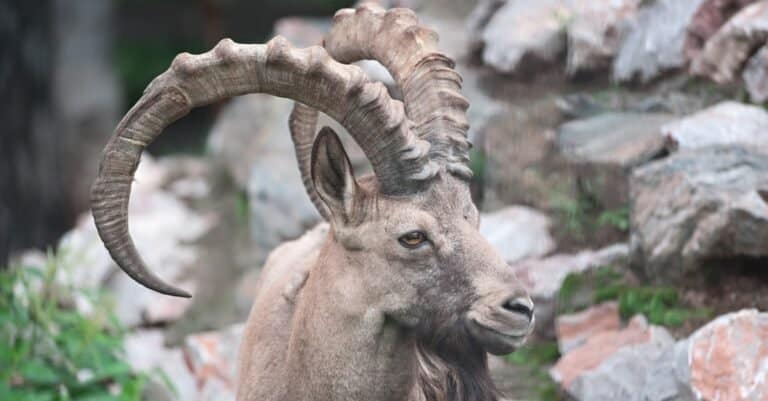
Siberian Ibex
Built for cliffs, crowned with horns

"Altaj" is a common transliteration of "Altai," but it refers to two different Russian federal subjects with noticeably different wildlife contexts: the mountainous **Altai Republic** and the more steppe-and-forest **Altai Krai**. To avoid mixing habitats, species ranges, and protected-area networks, I need to know which one you're targeting.
If you confirm **Altai Republic**, the profile will emphasize high-elevation Altai-Sayan ecosystems (taiga, alpine meadows, glacial valleys) and mountain flagship species. If you confirm **Altai Krai**, it will focus more on forest-steppe mosaics, riverine wetlands, and lowland biodiversity shaped by agriculture-wildland interfaces-creating a wildlife experience that differs strongly from the rugged mountain core next door.
Altai Republic in southern Siberia is mountainous, with big height changes from low river valleys to glaciated peaks. These create stacked habitats—steppe and forest-steppe basins, taiga, subalpine and alpine meadows, and tundra-like highlands—so wildlife changes quickly over short distances. Rivers, lakes, and wetlands help movement, and rugged areas support wide-ranging mammals and intact predator-prey systems.
≈250 m in valley floors to 4,506 m (Mount Belukha)
No ocean coastline; key inland waters include Teletskoye Lake and major river corridors (Katun-Biya system).
Altaj (Altai) in Russia can mean two places: Altai Republic (capital Gorno-Altaysk) — the mountain core with Lake Teletskoye and Mount Belukha — or Altai Krai (capital Barnaul) — the steppe and forest-steppe lowlands north of the mountains. Protected areas and wildlife priorities differ. Which one do you mean?
Unknown until subdivision is specified (Altai Republic vs Altai Krai).
"Altaj" (Altai) names two Russian regions with different habitats and wildlife. The Altai Republic is mostly mountainous (Altai and Sayan mountains) with taiga, alpine meadows, and high‑altitude steppe. Altai Krai has large lowland steppe and forest‑steppe, plus foothill and river habitats. Wildlife ranges from mountain and taiga species—ibex, argali, maral/red deer, brown bear, and rare high‑mountain predators—to steppe and forest‑steppe species like roe deer, elk, wild boar, and many grassland and wetland birds.
Do you mean Altai Republic or Altai Krai? Altai Republic: mountain taiga, high plateaus, argali and snow leopard range—remote valleys, alpine meadows, taiga forests; wildlife often seen as tracks, scat, or distant views at dawn and dusk. Altai Krai: steppe, forest‑steppe and river floodplains—easier from Barnaul, great birding, wetlands, and frequent wildlife sightings.
**Altai Republic:** Valley green-up, active ungulates (maral/red deer), raptors returning; rivers high; some high passes still snowy. **Altai Krai:** Prime **spring bird migration** on rivers and wetlands; lekking/display behavior in open habitats; variable mud/road conditions.
**Altai Republic:** Best access to high country (Chuysky Trakt side valleys, alpine zones). Peak wildflowers; marmots active; chances for ibex/argali at distance; mosquitoes near wetlands. **Altai Krai:** Strong **wetland birding**, breeding colonies, reedbed species; warm weather; best time for canoe/kayak wildlife floats.
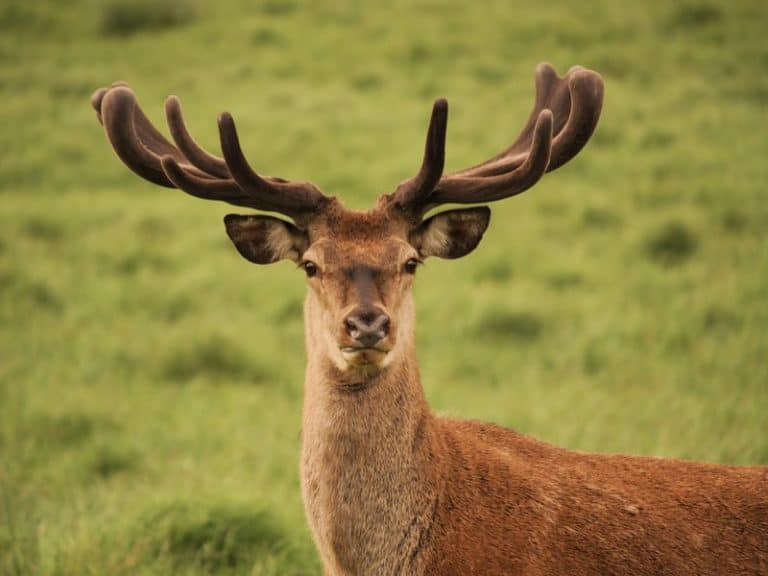
**Altai Republic:** Top season for photographers-golden larch and clear air; **maral rut** (bugling) in some areas; bears forage; early snow possible at altitude. **Altai Krai:** Excellent **raptor passage** and post-breeding bird gatherings; crisp visibility; fewer insects; steppe landscapes at their most dramatic.
**Altai Republic:** Snow makes tracking easier; chances to see **wolf/lynx sign**; scenic winter taiga. Extreme cold and limited access in remote zones. **Altai Krai:** Wintering flocks where water stays open; good for tracking and wolf sign in forest-steppe; short days-plan midday outings.
Altai Republic (Russia) is a mountainous region in the Altai Mountains, with taiga (conifer forest) at lower to mid elevations, alpine tundra and meadows at higher elevations, and steppe/forest-steppe in intermontane basins and foothills.
Taiga (boreal coniferous forest) dominates many lower-to-mid elevations and northern areas, with extensive conifer forests.
Widespread in lower and northern parts of the republic
Steppe and forest-steppe occur in drier intermontane basins and valley areas.
Patchy; concentrated in basins/valleys
High-elevation alpine meadows and subalpine vegetation occur above the tree line in the Altai Mountains.
Common at high elevations
Mountain tundra occurs at the highest elevations above alpine meadows in exposed areas.
Limited to highest elevations
Major river systems and mountain lakes (for example, the Katun and Biya headwaters that form the Ob, and Lake Teletskoye) create significant freshwater ecosystems.
Along rivers, floodplains, and lakes throughout
Altai is a high mountain region with strong elevational zonation (Golden Mountains of Altai World Heritage area).
Lower to mid-elevations include taiga-type conifer forests.
Subalpine and alpine meadows occur above the forest zone.
High elevations include alpine tundra environments.
Foothills and intermontane valleys include steppe and forest-steppe landscapes.
Major river systems and riparian habitats are present across the region.
Large lakes (notably Lake Teletskoye) are key habitats.
Wetlands occur in association with lake shores, floodplains, and valley bottoms.
Altai Krai: Despite being deep in Siberia, Lake Svetloye often stays ice-free in winter because of warm groundwater inputs-this is the practical reason thousands of whooper swans can overwinter there instead of migrating farther south.
Altai Krai: Several Kulunda-steppe lakes can turn pink/red in warm seasons due to salt-loving microorganisms (notably algae such as Dunaliella) and brine ecosystems; these hypersaline lakes can still become important feeding/staging spots for waterbirds and shorebirds.
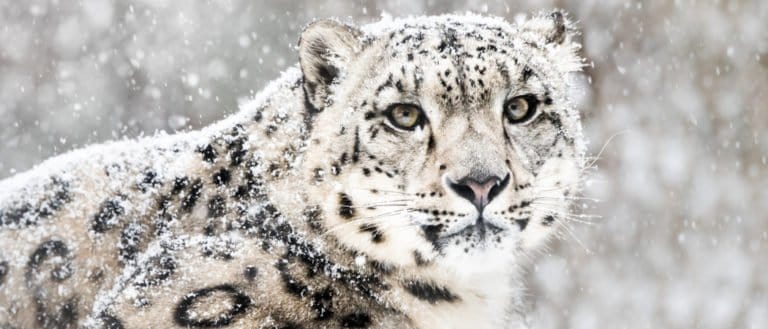
Altai Republic: Snow leopards here are frequently documented by camera traps using the same narrow cliff ledges and "scent-mark" rocks repeatedly-individuals effectively share a mountain "information network" of marking sites even when they rarely meet face-to-face.
Altai Republic: One of few Russian places where, within a short drive, you might find high-mountain animals (snow leopard, ibex, argali) and taiga species (sable, brown bear) together.
Altai Republic: Snow leopards mostly eat cliff-dwelling ungulates, especially Siberian ibex and sometimes argali. Protecting the cats means keeping rugged, windy ridgelines that support ibex and argali herds.
Altai Republic: Sailugem Ridge (Sailugemsky National Park and nearby ranges) has Russia's largest confirmed group of snow leopards. Camera-trap and genetic studies often count a big share of the country's under ~100 animals.
Altai Krai: Lake Svetloye in the "Lebediny" (Swan) wildlife sanctuary is one of Russia's biggest regular inland winter gatherings of whooper swans-counts can reach on the order of 1,000-2,000 birds in mid-winter.
Altai Republic: The Altai argali (Ovis ammon ammon) is the largest wild sheep in Russia and among the largest wild sheep on Earth; mature rams can exceed ~200 kg, with massive spiral horns well over 1 m along the curve.
Altai Krai: The region's "ribbon pine forests" (e.g., the Barnaul belt pine forests) form one of the world's largest/longest relict ribbon-forest systems-hundreds of kilometers of pine habitat running through steppe-supporting forest wildlife unusually far into open plains.
Altai Republic: The UNESCO Golden Mountains of Altai, inscribed in 1998, protects a huge, connected mountain area of over 16,000 km² where snow leopard, Altai argali, Siberian ibex, brown bear, and lynx still live.
6 species documented in our encyclopedia
Thank you for reading! Have some feedback for us?
We appreciate your help in improving our content.
Our editorial team will review your suggestions and make any necessary updates.
There was an error submitting your feedback. Please try again.