
Wildlife of
Penzenskaja oblast'
About Penzenskaja oblast'
Penza Oblast lies in Russia’s forest-steppe belt, where broadleaf forests and open grasslands meet farms and river corridors. This mix creates a “two worlds” wildlife feel: oak-linden-maple woods shelter forest animals, while steppe and meadow species live in sunny clearings, field edges, and rolling grasslands. The many edge places let tracks, calls, and flights of both kinds of animals be seen close together. Key ecosystems are broadleaf forest blocks, meadow-steppe slopes, and river valleys and floodplains, notably the Sura and its tributaries. Forests give dens, mast (nuts and seeds), and nesting cavities; meadows and edges support insects that feed birds and bats; riparian belts are breeding and stopover sites for waterfowl and waders and act as migration corridors. Penza’s compact patchwork makes wildlife encounters varied, often within a single day.
Geography
Penza Oblast in Russia lies in the forest-steppe belt between the Volga and Don basins. Broadleaf woods, meadow-steppe openings, and river valleys form varied habitats. Wildlife gathers along river edges for food, breeding, and travel. Uplands and farm plains favor open-country species, while oak-linden and mixed forests give refuge to forest animals and support more species.
Elevation Range
Approximately 80-340 m above sea level (river valleys to upland divides), providing modest but meaningful habitat and microclimate variation
Key Landscapes
Protected Areas
≈4-6% (all protected categories combined, mostly regional OOPT); strict federal protection is much smaller (on the order of ~0.1% of the oblast).
Wilderness Areas
- Sura River valley floodplain forests and oxbow wetlands (key for waterbirds, beaver, and riparian biodiversity)
- Moksha River valley and tributary ravines (less-fragmented forest corridors, spring-fed streams, and quiet backwaters)
- Large fragments of historic abatis defensive oak-linden forests where road density is low and interior-forest species persist
- Forest-steppe ravine-and-gully systems on the Volga Upland (important microhabitats for raptors, bats, and steppe-edge fauna)
- Remaining meadow-steppe fragments and chalk/limestone outcrops (botanical hotspots; best places to see steppe-associated butterflies and ground squirrels where present)
Wildlife
Penza Oblast sits in Russia's forest-steppe belt, where broadleaf (oak-linden-maple) forests, meadow-steppes, wetlands, and river valleys (notably the Sura River system) meet a heavily farmed landscape. This habitat mosaic supports a classic temperate fauna: large forest ungulates and mesopredators in woodlands, steppe-associated rodents and grassland birds in open areas, and rich riparian wildlife (beavers, otters, waterbirds) along floodplains. Wildlife watching is often best in protected steppe fragments and quiet riverine forests where human disturbance is lower.
Iconic Species
Endemic & Rare Species
Notable Populations
- Meadow-steppe and forest-steppe communities preserved in protected areas (e.g., steppe fragments and oak-linden forest patches) that retain characteristic grassland fauna such as sousliks and steppe-associated birds.
- River-valley and floodplain complexes (Sura and tributaries) that concentrate biodiversity: beavers and otters, diverse waterbirds, and migratory stopover assemblages.
- Remnant occurrences (or potential habitat) for high-conservation species of European Russia's forest-steppe-imperial eagle, black stork, great bustard-where low disturbance and large habitat blocks persist.
Recent Changes
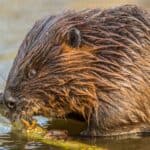
- Eurasian beaver has broadly recovered across much of European Russia in recent decades; in Penza Oblast, this typically translates to increasing beaver signs and expanding occupancy of smaller waterways where persecution is low.
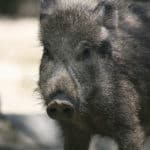
- Wild boar numbers in many Russian regions have shown sharp swings due to African swine fever management and disease impacts; local abundance can change quickly, affecting predator/scavenger dynamics.
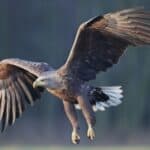
- Large raptors (e.g., white-tailed eagle/imperial eagle) have mixed trends: improved legal protection helps, while ongoing pressures include habitat disturbance and mortality on powerlines; local breeding success can vary year to year.
- Ongoing agricultural intensification and the loss of unmanaged grasslands tend to reduce steppe specialists (e.g., bustards, souslik colonies) and shift communities toward generalist species.
- Fish communities in many Volga-basin tributaries show long-term pressure from river regulation, siltation, and water-quality issues; valuable species such as sterlet are often the focus of tighter regulation and, in some areas, supplementation/stocking efforts.
Wildlife Viewing
Penza Oblast is in Russia’s forest-steppe with oak, linden, birch forests, meadow-steppe and Sura, Moksha valleys. Expect roe deer, elk/moose, wild boar, beaver, woodpeckers, raptors and migrating cranes. Best at dawn/dusk on forest edges and floodplains. Privolzhskaya Lesostep Reserve offers the best views. Some sites need permits; use insect repellent in summer; winter has deep snow.
Best Seasons
Spring (April-May)
Migration and courtship season: floodplains and wet meadows fill with waterbirds and songbirds; raptors become active over open steppe-like clearings; amphibians start calling after thaw. Best for birding and soundscapes. Expect muddy roads (mud season)-plan sturdy footwear and flexible logistics.
Summer (June-August)
Peak biodiversity: butterflies, dragonflies, and flowering meadows; beavers and other semi-aquatic wildlife are easiest to watch on warm evenings; forest birds are active early and late. Expect mosquitoes/gnats near water and in forests-bring headnet/repellent. Midday can be quiet; plan dawn/evening sessions.
Autumn (September-October)
Golden forest and active mammals: rutting behavior (roe deer) and increased daytime movement as temperatures drop; strong passerine and raptor passage along river valleys; great light for photography. Also peak mushroom/berry season (follow local rules and safety). Nights cool quickly-layer up.
Winter (November-March)
Tracking and predators-by-proxy: fresh snow reveals trails of fox, hare, mustelids, and sometimes wolf in remote areas; easier to spot birds at feeders (tits, woodpeckers) and along open rivers where water remains. Short daylight but crisp visibility; best for guided tracking and photography from vehicles/quiet walks.
Top Wildlife Experiences
- Ranger-led visit to the Privolzhskaya Lesostep State Nature Reserve (strict nature reserve): focus on forest-steppe mosaics, rare steppe plants, and woodland birds; plan ahead for permits and designated routes.
- Sunrise birding along the Sura River floodplain near Penza: scan reedbeds and open water for ducks/grebes, listen for warblers, and watch raptors hunting the meadow edges.
- Evening beaver watch on quiet backwaters of the Sura or Moksha basins: sit downwind near gnawed willows and lodge/dam signs; best in summer and early autumn, last 1-2 hours before dark.
- Forest-edge mammal safari by car + short walks at dusk in broadleaf forests and agricultural margins (district roads outside major settlements): chance for roe deer, wild boar crossings, fox, and hare; use binoculars and drive slowly.
- Autumn raptor and migration day: choose an open hill/field edge overlooking a river valley and spend 3-4 hours scanning-good for buzzards, kites, and other soaring birds during passage.
- Winter tracking walk with a local guide in mixed forests: learn to distinguish fox vs. hare vs. mustelid tracks, find feeding signs, and photograph snow scenes; combine with a feeder session for woodpeckers and tits.
- Macro nature walk in meadow-steppe clearings (summer): focus on butterflies, orchids/steppe flowers (where present), and dragonflies; ideal for photographers and families who want high wildlife density without long distances.
Wildlife Watching Types
Guided Options
- Privolzhskaya Lesostep State Nature Reserve visitor programs: request official guided excursions (guided routes) through the reserve administration; expect fixed itineraries, rules, and limited access in strictly protected zones.
- Local birding guide services based in Penza: custom dawn birdwalks on the Sura River valley, plus seasonal migration days (typically arranged privately; ask for English-speaking support if needed).
- University/eco-club field trips (often affiliated with regional naturalist groups): spring migration counts, butterfly/macro days in summer, and winter tracking workshops-best found through Penza-based educational institutions and local nature communities.
- Ranger-led winter tracking excursions in regional forests: small groups, focus on safe route choice, interpreting tracks, and ethical viewing; can be paired with wildlife-friendly feeder stations for photography.
- Photography-focused guiding (private): sunrise/sunset sessions on forest edges and river backwaters; some guides can help arrange portable hides and advise on local access/permits.
Ecosystems
Penza Oblast lies in Russia's forest-steppe belt between the Volga and Don basins, forming a mosaic of croplands, meadow and steppe grasslands, and broadleaf (oak, lime, maple) forests. River valleys of the Sura and Moksha add floodplain woods, oxbows, and marshy depressions. Farming has changed the land, but forests and river corridors still support temperate forest-steppe plants and animals.
Biomes
Broadleaf and mixed temperate forests dominate the more wooded parts of the forest-steppe landscape, including oak-linden forests, mixed stands with birch/aspen, and locally pine on sandy terraces; extensive riparian forests occur along major rivers.
Widespread but fragmented; roughly a third of the oblast in larger blocks and riparian corridors, with highest cover in less cultivated areas.
Forest-steppe grasslands and meadow-steppe communities occur on interfluves and south-facing slopes, with forb-rich meadows and steppe-like patches interspersed with shelterbelts and field margins.
Extensive in the agricultural matrix; substantial but highly converted/fragmented, persisting best in uncultivated slopes, reserves, and field edges.
Dense network of rivers and small streams in the Sura and Moksha basins, plus oxbow lakes, reservoirs, and ponds that support aquatic vegetation, fish, and waterfowl.
Linear and patchy; concentrated along the Sura/Moksha valleys and their tributaries, plus scattered impoundments.
Floodplain marshes, wet meadows, peatier depressions, and seasonally waterlogged lowlands along river valleys and in poorly drained areas; important for amphibians, waders, and breeding waterfowl.
Localized; mainly in floodplains and low-lying depressions, with small, scattered wetland complexes.
Habitats
Oak-linden-maple and mixed broadleaf stands typical of the forest-steppe, including mature groves and secondary regrowth near agricultural areas.
Pine stands on sandy soils and river terraces (often managed), sometimes mixed with birch and spruce in smaller pockets.
Forest patches, shelterbelts, and wooded ravines forming corridors between larger forest blocks across farmland.
Meadow-steppe and forb-rich dry meadows on uplands and slopes; many remnants occur as small patches due to cultivation.
Steppe-like grassland fragments (forest-steppe component) on well-drained sites and south-facing exposures, often with high herb diversity.
Shrubby edges and successional thickets (willow, hawthorn, rose, etc.) along ravines, abandoned fields, and riparian zones.
Sura and Moksha river corridors with sandy/gravelly bars, backwaters, and vegetated banks supporting riparian fauna.
Mostly small floodplain lakes/oxbows and a limited number of larger natural lakes; important as breeding and staging sites for birds.
Numerous small ponds and fishponds/impoundments in rural landscapes, often key amphibian habitat where water quality is suitable.
Wet meadows, floodplain wetlands, and waterlogged depressions that expand seasonally during spring melt and high-water periods.
Reed- and sedge-dominated marshy margins of oxbows, backwaters, and lowland ponds.
Small peat-accumulating patches in poorly drained depressions; less extensive than in northern regions but locally significant.
Urban habitats centered on Penza and other towns, including parks, river embankments, and brownfield/green space mosaics.
Summer cottage settlements, gardens, and peri-urban mixed land use with hedgerows and small woodlots.
Dominant land cover: cereals, sunflower, forage crops, and hayfields with field margins, drainage features, and shelterbelts shaping biodiversity.
Ecoregions
Conservation
Primary Threats
- The oblast's forest-steppe is heavily cultivated; remaining meadow-steppe fragments and field-edge habitats are vulnerable to conversion, re-seeding, and plowing, reducing breeding sites for steppe birds and fragmenting populations of steppe-associated insects and small mammals.
- Beyond outright conversion, small broadleaf forest parcels and riparian woods are reduced and broken up by field enlargement, settlement growth around Penza and district centers, and loss of natural riverbank vegetation-shrinking ecological corridors along the Sura/Moksha valleys.
- River regulation (ponds, small dams), channel straightening, bank armoring, and floodplain drainage alter seasonal flooding and sediment dynamics in river valleys, degrading habitats needed by aquatic and semi-aquatic species (e.g., desman habitats dependent on stable banks and rich invertebrate prey).
- Diffuse agricultural runoff (fertilizers, pesticides) and localized municipal/industrial discharges reduce water quality in tributaries and reservoirs, contributing to eutrophication, periodic fish kills, and degraded riparian wetlands.
- Although large tracts are managed forests, selective and sanitary logging (and associated road creation) can simplify broadleaf forest structure, reduce deadwood, and disturb nesting/roosting sites for sensitive forest birds (e.g., black stork) in the remaining mature stands.
- Road and rail corridors, new bridges/culverts, and expanding utility corridors increase habitat fragmentation and wildlife mortality, and can disrupt small wetland complexes and headwater streams that feed larger river valleys.
- Legal hunting pressure and illegal take persist, especially affecting vulnerable raptors and rare mammals through incidental shooting, trapping, and disturbance near nesting/denning areas; enforcement challenges are greater away from protected-area cores.
- Recreational and local commercial fishing pressure in the Sura/Moksha systems and reservoirs can depress sensitive fish populations (especially where spawning habitats are already altered by dams and siltation).
- In riverine habitats, invasive/introduced species (notably American mink) can outcompete or prey upon native semi-aquatic fauna, compounding declines of rare native predators and impacting ground-nesting waterbirds in riparian zones.
- More frequent summer heatwaves and drought episodes in the forest-steppe increase wildfire risk, reduce small-wetland persistence, and stress floodplain ecosystems; unstable winter conditions can also affect overwinter survival and breeding timing for birds and mammals.
- Growing recreation (fishing access, off-road vehicle use, shoreline camping) along rivers and reservoirs increases nest disturbance, trampling of floodplain vegetation, and bank erosion-particularly near Penza and popular water bodies.
- Wildlife diseases (e.g., rabies dynamics in carnivores; periodic swine diseases affecting wild boar) can trigger localized population drops and complicate management, especially where animals concentrate near settlements or supplemental feeding sites.
Did You Know?
Penza Oblast sits on the Volga-Don watershed: small streams that start on one side flow to the Volga and the Caspian Sea, while others go through the Don to the Azov/Black Sea and affect where aquatic life can spread.
The Privolzhskaya Lesostep State Nature Reserve is a patchwork of separate forest-steppe and steppe areas across Penza Oblast. It protects rare habitat types that survive as small leftover patches in farmland.
Forest-steppe looks "naturally mixed," but it's dynamically unstable: without periodic disturbance (like fire or grazing), many open steppe patches in Penza tend to turn into shrubland and then forest-so conserving steppe wildlife can mean actively preventing forests from taking over.
The Russian desman hunts underwater in dark, silty oxbows using a flexible, trunk-like snout and sensitive whiskers, staying submerged for long periods — a surprisingly specialized predator in a region of fields and oak woods.
Beavers can increase local biodiversity in heavily farmed districts: their ponds create amphibian breeding sites and refuges for fish and waterfowl in valleys where natural wetlands were historically drained or straightened, effectively "rewilding" small tributaries.
Penza Oblast hosts Europe's largest deer: the Eurasian moose (Alces alces). Adult bulls can exceed ~600 kg, and they still use the oblast's broadleaf forests and river-valley thickets as core habitat in the forest-steppe zone.
The white-tailed eagle (Haliaeetus albicilla)-Europe's largest eagle by wingspan (up to ~2.45 m)-is regularly recorded along big river valleys and reservoirs in Penza Oblast, where open water and floodplain forests provide hunting and roosting sites.
The European beaver (Castor fiber), Europe's largest native rodent (often 20-30+ kg), is a flagship "ecosystem engineer" of Penza's Sura and Moksha river systems-its dams can transform fast streams into chains of ponds and wetlands.
Penza Oblast is home to the Russian desman (Desmana moschata), found only in the Volga, Don, and Ural basins. As one of two living desman species, local populations are globally important.