N S W E
Wildlife Expeditions

Wildlife of
Pskovskaja oblast'

A lake-and-wetland stronghold on Russia's western border where taiga meets mixed forests, drawing migratory birds and sheltering elk, bear, and lynx.
5 Species
55,399 km² Land Area
Overview

About Pskovskaja oblast'

Pskov Oblast's wildlife is shaped by water: wide peatlands, reed-lined lakes, and slow rivers among taiga and mixed conifer-broadleaf forests. Its place between the Baltic and Russia’s interior brings a mix of northern forest mammals and many waterbirds that use the area as a major stopover and breeding ground. Large quiet forests still support wide-roaming mammals. Lake shores and bogs concentrate animals and make wildlife sightings rewarding. Key habitats are raised bogs and fens (peatlands that store carbon and host cranes, waders, and amphibians), forest patches of spruce and pine with birch, aspen, and alder for elk and predators, and lake complexes—especially the Chudsko-Pskovskoye system and the Velikaya River basin—where shallow, fish-rich waters and reedbeds boost bird numbers. These wetlands are vital stopovers on migration routes and give Pskov more lakes, intact peatlands, and big migration pulses than nearby regions.

Physical Features

Geography

Pskov Oblast lies on low plains shaped by glaciers in northwest Russia, with many lakes, rivers, peatlands, and mixed forests creating varied habitats. Southern-taiga and mixed forests, wide wetlands, and floodplains support many birds (especially waterfowl and waders) and give shelter and routes for large mammals; wetland extent, forest links, and the Baltic drainage shape wildlife distribution.

55,399 km² Land Area
Mid-sized federal subject in Russia (around the middle by area among federal subjects). Size Rank
Russia Country
Oblast Type
Elevation Range

Approximately 20-340 m above sea level (lowland plains with gently rolling uplands).

Coastline

No ocean coastline; major 'shoreline' habitats are along Lake Peipus/Lake Pskov and numerous smaller lakes and riverbanks.

Key Landscapes

Glacial lowlands and morainic hills (rolling terrain with many kettle lakes) Large transboundary lake system: Lake Peipus (including Lake Pskov), a major waterbird and fish habitat Extensive wetlands and peat bogs (notably the Polistovsky wetland area) important for breeding birds and amphibians Major rivers and floodplains: Velikaya River (with associated wetlands), plus Lovat, Shelon, Plyussa, and tributaries-key movement corridors and riparian habitats Mixed forest and southern-taiga belt (conifer-broadleaf mosaics, forest edges, and clearings influencing ungulate and predator distribution) Agricultural-open landscapes interspersed with forest patches, increasing edge habitats for many bird and small mammal species
Parks & Reserves

Protected Areas

Pskov Oblast's protected areas center on Sebezhsky National Park and Polistovsky State Nature Reserve, protecting a mix of lakes and forests and a large raised-bog. Regional sanctuaries, landscape reserves, and nature monuments protect Lake Peipus-Lake Pskov shorebird and waterfowl habitat, big wetlands, river valleys, mixed boreal forests used by elk, large carnivores, and migratory birds on Baltic-White Sea flyways.

Protected Coverage

Approx. 7-10% of Pskov Oblast (combined federal + regional protected areas; best treated as a rough estimate due to frequent category/boundary updates among regional zakazniks and nature monuments).

National Parks & Preserves

Sebezhsky National Park

≈ 50,000 ha (≈ 500 km²)

A high-value wildlife-viewing landscape of mixed forests, glacial hills, and dozens of lakes near the borders with Latvia and Belarus. The lake shorelines, islands, and forest edges support rich breeding bird communities, while the extensive forest matrix sustains large mammals and semi-aquatic species.

Moose (elk) Brown bear Eurasian lynx White-tailed eagle Black stork

State & Provincial Parks

Izborsko-Malskaya Valley Landscape Protected Area (regional protected landscape)

≈ 8,000-12,000 ha (order-of-magnitude)

A mosaic of river-valley habitats, springs/seeps, meadows, woodland patches, and rocky/karst-like features that concentrates birds and mammals along edges and riparian corridors-often one of the better places for observing raptors and woodland birds near open habitats.

Black kite Honey buzzard Eurasian otter European roe deer Grey heron

Talab Islands Protected Area (islands of Lake Pskov, regional protected area)

Small island complex (typically a few thousand ha including water buffer; varies by zoning)

Lake islands and nearshore waters important for colonial and migratory waterbirds; the open-water/reef-edge conditions and reedbeds can concentrate birds during migration and post-breeding dispersal.

Great crested grebe Common tern Gulls (Larus spp.) Whooper swan White-tailed eagle

Nevel-Usvyaty Lake District Regional Protected Areas (cluster of regional protected sites)

Site cluster; individual areas often range from a few thousand to tens of thousands of ha

A lake-rich landscape with extensive shoreline wetlands and forested catchments that supports breeding waterfowl, marsh birds, and beavers; also serves as a stepping-stone for migrants between larger wetland systems.

Osprey Common goldeneye Eurasian beaver Black grouse European elk (moose)

Wildlife Refuges

Remdovsky Nature Sanctuary (regional nature sanctuary)

≈ 15,000-25,000 ha (commonly cited order-of-magnitude)

One of the oblast's best-known bird-focused sanctuaries along the Lake Peipus (Chudskoye-Pskovskoye) shore zone, protecting reedbeds, wet meadows, and shallow-water feeding areas used heavily during migration.

Greater white-fronted goose Bean goose Whooper swan Marsh harrier White-tailed eagle

Lake Peipus-Pskov Coastal Wetlands (regional ornithological sanctuaries along the eastern shore)

Multiple sites; combined protected shoreline habitat is extensive but varies by designation

A chain of protected coastal reedbeds, lagoons, and wet meadows that function as a major staging and moulting area for waterfowl and other migrants; also important for fish spawning/nursery habitats that underpin bird abundance.

Eurasian teal Northern pintail Common pochard Great egret Osprey

Velikaya River Floodplain Protected Sites (network of regional protected floodplain areas)

Network of sites; typically thousands of ha total depending on included stretches

Floodplain meadows, oxbows, and riparian forests that provide breeding habitat for waders and marsh birds and serve as movement corridors for otter and other mammals; spring flooding maintains high productivity and insect prey for birds.

Eurasian curlew Common snipe Grey heron Eurasian otter European beaver

Wilderness Areas

  • Polist-Lovat mire (raised-bog) massif surrounding Polistovsky Reserve: one of the largest roadless wetland landscapes in the region
  • Remote forest-lake mosaic of the Sebezh uplands (especially away from main lakeshore settlements), supporting large mammals and forest raptors
  • Eastern Lake Peipus-Lake Pskov reedbed belts and backwaters with limited access outside local fishing routes-key for migration stopovers
  • Upper tributary valleys and wet forests feeding the Velikaya River system, where intact riparian corridors persist between agricultural areas
  • Borderland forest tracts in the south/southwest (toward Belarus/Latvia) where low road density and wetlands create semi-contiguous habitat for elk and carnivores
Animals

Wildlife

Pskov Oblast sits in Russia's northwest forest-and-wetland belt, where boreal taiga grades into mixed forests and a dense network of bogs, rivers, and large lakes (notably the Lake Peipus-Pskov Lake system). This mosaic supports classic northern forest mammals (moose, brown bear, wolf, lynx), exceptionally rich wetland birdlife (cranes, geese, swans, waders), and strong raptor communities around extensive peatlands and lake shores. Wildlife viewing is often defined by quiet forest tracks, big-bog vistas, and spring/autumn migration concentrations on lakes and marshes.
~50-65 species Mammals
~250-310 species (higher during migration) Birds
~5-7 species Reptiles
~8-11 species Amphibians
~40-60 species (lakes and river systems) Fish
Examples

Iconic Species

Eurasian Elk (Moose) A signature large mammal of Pskov's forests and wetlands; frequently encountered via tracks, browse signs, and occasional dawn/dusk sightings on bog edges and forest roads.
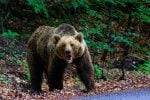
Brown Bear
Brown Bear An emblem of the taiga; present in forest blocks and remote wetlands, with sightings most likely where human pressure is low (often inferred by signs more than direct observation).
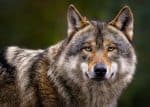
Gray Wolf
Gray Wolf A defining predator of the region's forest ecosystems; heard/seen most often in sparsely settled landscapes and along large wetland-forest complexes.
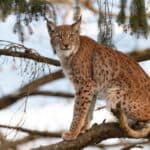
Eurasian Lynx
Eurasian Lynx Secretive but iconic; associated with mature forests and abundant prey, it is a flagship carnivore for nature reserves and protected forest areas.
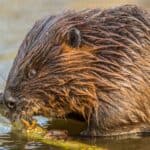
Eurasian Beaver
Eurasian Beaver Highly visible through dams, canals, and gnawed trees; beavers strongly shape small rivers, lakeshores, and marshy forests across the oblast.
Common Crane A hallmark of Pskov's bogs and wet meadows; notable spring and autumn gatherings occur around peatlands and open wetland complexes.
Whooper Swan A charismatic wetland and lake species in the northwest; often associated with large, quiet waterbodies and migration staging areas.
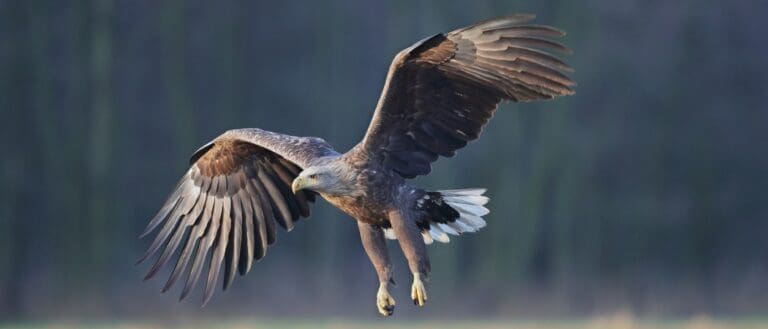
White-tailed Eagle
White-tailed Eagle A top predator of lakes and major rivers; visitors seek it along big water systems and fish-rich shores, especially during migration and near nesting territories.
Western Capercaillie A classic taiga grouse tied to conifer-dominated forests and peatland margins; spring lekking is a defining (though sensitive) natural spectacle of the region.

Endemic & Rare Species

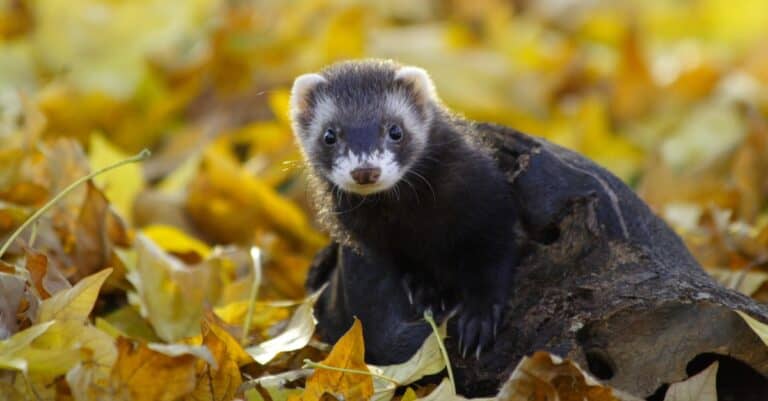
European Mink

Mustela lutreola

Critically Endangered (globally); extremely rare and declining across its range

Historically associated with riparian habitats in northwest Russia; any remaining occurrences are of very high conservation importance due to collapse elsewhere and pressure from habitat change and invasive American mink.

Aquatic Warbler

Acrocephalus paludicola

Vulnerable (globally); highly localized breeder in fen wetlands

A flagship species of open sedge fens; Pskov's wetland landscapes are within the broader regional context of its threatened breeding habitat type.

Greater Spotted Eagle

Clanga clanga

Vulnerable (globally); rare breeder in many parts of Europe

A wetland-forest edge raptor associated with large bogs and quiet forested wetlands; notable wherever extensive peatlands remain intact.

Black Stork

Ciconia nigra

Least Concern (globally) but rare/local and strictly protected in many regions

Requires secluded mature forests near clean rivers and wetlands; its presence is a strong indicator of low disturbance and high habitat quality.

Osprey

Pandion haliaetus

Least Concern (globally) but locally sensitive to disturbance; protected

Closely tied to fish-rich lakes and rivers; nests and foraging birds highlight the ecological value of large lake systems and quiet shorelines.

Corncrake

Crex crex

Least Concern (globally) but widely considered in decline in parts of Europe; dependent on traditional hay meadows

A nocturnal voice of wet meadows and low-intensity farmland; important as an indicator species for meadow management and landscape connectivity.

Notable Populations

  • Large lake and wetland complexes (including the Lake Peipus-Pskov Lake system) act as major migration and staging areas for waterfowl (geese, ducks, swans) and wetland birds in the Baltic-East European flyway context.
  • Extensive peatlands and protected bog systems (e.g., within major nature reserves and national-park landscapes) support regionally important breeding and stopover habitat for cranes, raptors, and specialized bog/wetland birds.
  • Fish-rich lakes and rivers sustain notable concentrations of fish-eating raptors (especially white-tailed eagle and osprey) where disturbance is low and nesting sites are available.

Recent Changes

  • Recovery/expansion of Eurasian beaver populations over recent decades has increased wetland creation and altered small-stream hydrology across many landscapes.
  • White-tailed eagle numbers have generally improved in much of the Baltic region and northwest Russia due to reduced persecution and legal protection, with increasing sightings around major waterbodies.
  • Wild boar abundance has fluctuated strongly in recent years in parts of northwest Russia due to African swine fever impacts and management responses, indirectly affecting predator-prey dynamics.
  • Continued pressure on open wet meadows and fens (drainage, shrub encroachment, land-use change) is linked to local declines/fragmentation risk for specialist birds such as corncrake and aquatic-wetland passerines.
  • Range expansion and establishment of non-native/invasive carnivores in northwest Russia (notably the raccoon dog, where present) has reshaped predator communities and can increase predation pressure on ground-nesting birds.
Visit

Wildlife Viewing

Pskov Oblast is a quiet region in northwest Russia of taiga, mixed forest, raised bogs and thousands of lakes. Wetlands near Chudsko‑Pskovskoye/Peipus and Polistovsky bogs are vital for waterfowl, cranes, owls and passerines. Forests host moose, boar, beaver, fox and sometimes wolf or lynx. Best for dawn/dusk walks, boardwalks, birding from hides, plus cultural stops in Pskov, Izborsk and Pechory.

Best Seasons

Spring (late March-May)

Peak migration and courtship: huge movements of geese, ducks, and swans on lake shores and flooded meadows; displaying cranes in wetlands; forest bird song ramps up quickly (woodpeckers, thrushes, warblers). Expect muddy tracks, variable weather, and some areas with high water. Best for birders and photographers who want action and soundscapes.

Summer (June-August)

Breeding season and long days: excellent for bog and lake birding (terns, waders, raptors), beaver activity at dusk, and mammal sign along forest roads. Bogs and lakes are at their most accessible; insects can be intense in wetlands-plan head nets/repellent. Great for canoe/kayak wildlife watching and night sound walks.

Autumn (September-November)

Second major migration pulse: waterfowl gather on lakes and reservoirs; cranes and geese stage in fields; raptors move along open landscapes. Forests are colorful and visibility improves as leaves fall-better chances for moose and boar on edges at dawn. Expect cooler nights, foggy mornings, and shorter daylight.

Winter (December-early March)

A quiet, track-and-sign season: snow makes mammals easier to detect (tracks of moose, fox, hare; sometimes wolf). Lakes can freeze; birding shifts to resident species (grouse, crossbills, owls) and winter feeders near villages/forest edges. Excellent for guided snowshoe or ski wildlife walks, but requires warm gear and planning for limited daylight.

Top Wildlife Experiences

  • Birding and wetland boardwalks in Polistovsky Nature Reserve (a strict nature reserve): dawn visits for cranes, owls, and bog specialists; look and listen for displaying birds over open mire.
  • Lake Peipus (Chudsko-Pskovskoye Lake) shore migration watch: set up on viewpoints and reedbed edges for mass movements of geese/ducks/swans in spring and autumn; combine with shoreline walks for waders and gulls.
  • Canoe/kayak wildlife paddle on quiet lake channels and reedbeds (summer): target beaver at dusk, water birds at sunrise, and raptors over open water; choose sheltered routes to reduce wind exposure.
  • Forest-edge moose and wild boar stakeouts at dawn/dusk in mixed forest zones (autumn): drive-and-walk along sandy forest roads and meadow margins; focus on fresh tracks, browse lines, and quiet clearings.
  • Owl and woodpecker 'sound safari' in mature forests (late winter-spring): early morning listening sessions for drumming woodpeckers and calling owls; pair with a short snowshoe/forest walk to read sign.
  • Crane staging and evening fly-in watches over wet meadows and bog margins (late summer-autumn): position at a distance for ethical viewing as flocks return to roost-excellent for silhouettes and golden-hour photography.
  • Beaver lodge and dam walk at twilight on small rivers/streams (summer-early autumn): look for gnawed trunks, slides, scent mounds, and quiet water for possible beaver sightings.
  • Winter tracking day (snowshoe/ski) in forest-bog mosaics: learn to identify tracks and feeding signs of moose, fox, hare, and grouse; best done with a local guide for route choice and safety.

Wildlife Watching Types

Birding hotspots (lakes, reedbeds, raised bogs, flooded meadows) Waterfowl migration viewing (spring/autumn staging on large lakes) Cranes and wetland spectacle watching Forest birding (woodpeckers, owls, passerine song walks) Mammal watching from forest edges (moose, boar, fox; occasional wolf/lynx sign) Beaver watching (dusk canal/stream observation) Raptor watching over open wetlands and fields Winter wildlife tracking (snow tracks and sign interpretation) Nature photography (golden-hour wetland landscapes, bird colonies, frost/snow scenes)

Guided Options

  • Polistovsky Nature Reserve visitor programs: ranger-led bog boardwalk walks and seasonal wildlife interpretation (inquire in advance about permits/route access).
  • Local birding guides around Lake Peipus shoreline and nearby wetlands: migration-day planning, best viewpoints, and transport between observation points.
  • Canoe/kayak outfitters offering guided paddles on quiet lake/river routes with a wildlife focus (sunrise birding or dusk beaver trips).
  • Private naturalist-led 'moose at dawn' and forest-edge wildlife drives/walks (best in autumn; includes track reading and ethical viewing protocols).
  • Winter tracking excursions with local guides (snowshoe/ski): route selection, safety, and identification of tracks/sign for mammals and forest birds.
  • Small-group photography-oriented tours timed for cranes/waterfowl staging (golden-hour hides/viewpoints; emphasis on minimizing disturbance).
Habitats

Ecosystems

Pskov Oblast is in the forested northwest of European Russia, at the edge between southern taiga and mixed broadleaf-conifer landscapes. The land is shaped by a post-glacial lake and wetland mosaic—many lakes, peatlands and river valleys—with big forest patches, farms, hay meadows, and villages. This mix supports many wetland and migratory birds and large mammals of boreal-temperate ecotones.

Biomes

Boreal Forest (Taiga)

Southern taiga elements dominate many forest tracts, with spruce-pine stands, cool-season understories, and bog-associated forest types on poorer or wetter soils.

Widespread; especially prominent in less-settled, wetter, and more conifer-dominated areas (roughly a large minority of the oblast's forest matrix).

Temperate Forest

Mixed broadleaf-conifer forests and secondary deciduous stands (birch, aspen, alder; locally oak in warmer sites) occur on better-drained soils and around long-inhabited landscapes, creating a patchwork with conifers.

Widespread; a major component of the overall forest cover (roughly comparable in extent to boreal components in many districts).

Freshwater

Dense network of rivers and lakes (including large lake systems connected to the Narva/Peipus basin), with aquatic vegetation, fish habitats, and riparian corridors.

Common across the oblast; lakes and river corridors are frequent features (locally extensive around major lake districts; overall a modest but highly influential share of land cover).

Wetland

Peatlands (raised bogs and fens), marshy lake margins, and floodplain wetlands are extensive, influencing hydrology, forest composition, and bird habitat.

Large and regionally important; concentrated in peatland complexes and around lake/river lowlands (locally extensive; overall a significant minority of the landscape).

Habitats

Forest

Broad mosaic of managed and semi-natural forests, often mixed-age and shaped by forestry, fire history, and wet soils; key habitat for elk/moose, wild boar, wolves, and forest birds.

Coniferous Forest

Spruce and pine stands, including wet conifer forests grading into bog woodland; common on sandy or peat-influenced substrates.

Deciduous Forest

Birch-aspen secondary forests and alder stands in wetter depressions; often follow logging or disturbance and form extensive patches.

Woodland

Open-canopy forest edges, regenerating cutovers, and sparsely treed peatland margins creating ecotones important for grouse and edge-associated species.

Grassland

Hay meadows and semi-natural herb-rich grasslands in river valleys and around villages; important for pollinators and ground-nesting birds where management persists.

Shrubland

Willow/alder shrub zones along wet margins, abandoned fields, and early-successional areas, providing cover and browse for wildlife.

Lake

Numerous glacial lakes and lake systems (notably in the Peipus-Pskov basin), with reedbeds, shallow bays, and important fish and waterbird areas.

River/Stream

River networks and tributaries with riparian forests, floodplain meadows, and oxbow-like wet depressions; key movement corridors for wildlife.

Pond

Small ponds, quarry pits, and farm/settlement waterbodies supporting amphibians and local waterfowl.

Wetland

Extensive peatlands and wet lowlands; includes fen complexes and wet forested mires important for cranes, waders, and raptors.

Swamp

Forested wetlands with standing water or saturated soils (often alder or spruce-mire forest) common in depressions and along sluggish streams.

Marsh

Emergent-vegetation zones at lake edges and in floodplains (reeds, sedges), key breeding and staging habitat for waterbirds.

Bog

Raised bogs and peat domes with sphagnum communities, dwarf shrubs, and scattered stunted pines; major carbon and water-storage landscapes.

Urban

Urban habitats concentrated in cities such as Pskov and Velikiye Luki, with parks, riverside embankments, and disturbed ground.

Suburban

Settlement fringes with gardens, small woodlots, and mixed open/wooded patches that increase edge habitats.

Agricultural/Farmland

Arable fields and pasture/hay lands interspersed with forest and wetlands; abandonment/regrowth creates a shifting mosaic of open land and young woodland.

Ecoregions

Sarmatic mixed forests (WWF PA0436) Scandinavian and Russian taiga (WWF PA0608)
Protection

Conservation

Primary Threats

  • Drainage of bogs and wet meadows (legacy drainage networks and local land-improvement works) alters hydrology in the Polist-Lovat mire system and smaller wetlands, reducing habitat quality for mire birds and increasing peat oxidation and fire susceptibility.
  • Commercial forestry and associated access roads in managed forests outside protected areas can simplify forest structure, reduce old-growth elements (large deadwood, hollow trees), and disturb sensitive raptor nesting territories and forest-interior species.
  • Nutrient runoff and localized wastewater impacts contribute to eutrophication risks in lake and river systems feeding Lake Peipus/Pskov Lake, affecting water quality, aquatic vegetation balance, and fish spawning/nursery conditions.
  • High fishing pressure (including illegal or poorly controlled harvest) in major lake systems can depress key commercial and ecological fish stocks and disrupt food webs important for fish-eating birds such as osprey and white-tailed eagle.
  • Illegal take and disturbance (including during migration and near breeding sites) affects large mammals and vulnerable birds; raptors and storks are especially sensitive to repeated disturbance near nests.
  • Recreation growth around lakes, popular natural areas, and near border-accessible landscapes can cause repeated disturbance to colonial waterbirds, raptor nest areas, and ground-nesting wetland species-especially during spring-summer breeding periods.
  • Road expansion and increased traffic in forest/wetland mosaics fragment habitats and increase wildlife mortality; new linear infrastructure can also open previously remote areas to logging, poaching, and off-road disturbance.
  • Warmer winters and altered precipitation patterns destabilize wetland water regimes (periodic drying of peat surfaces), elevate wildfire risk in drained/edge peatlands, and can shift migration timing and breeding success for wetland-dependent birds.
  • Non-native or range-expanding predators and competitors (notably the American mink in aquatic systems, and other introduced mesopredators in rural landscapes) increase pressure on ground-nesting and wetland birds and can displace native mustelids.
  • Peat extraction and sand/gravel quarrying where they occur can directly remove habitat, alter local hydrology, and increase sedimentation in nearby waters; peat workings also elevate fire risk if poorly managed.
  • Conversion or intensified use of wet meadows and marginal lands can reduce breeding habitat for meadow and wetland birds, while fertilizers increase nutrient loading into connected streams and lakes.
  • Waterbird congregations on large lakes and wetlands face periodic risk from avian diseases (e.g., avian influenza outbreaks), with potential impacts amplified at staging and moulting sites.
Fun Facts

Did You Know?

A lake the size of Peipus-Pskov is unexpectedly shallow (average depth about 7 m), which makes it warm up quickly, highly productive, and prone to dramatic year-to-year shifts in fish and waterbird feeding conditions compared with deeper northern lakes.

Pskov's raised bogs look like open "heaths," but they're nutrient-starved ecosystems where plants flip the usual script: insect-eaters like sundews (Drosera) and bladderworts (Utricularia) are common because the soil is too poor to supply enough nitrogen.

The oblast is a meeting zone of taiga and mixed-forest fauna-so classic northern species (capercaillie, hazel grouse) can occur within the same wider landscape as more temperate-forest species, a near-border 'species overlap' that's harder to find deeper in either biome.

Large mammals don't recognize borders here: wolves and lynx in Pskov routinely use transboundary forest-wetland corridors into Estonia and Latvia, meaning the region's sightings and population trends are tightly linked to neighboring EU protected areas.

Lake Peipus-Pskov on Pskov Oblast's western border is Europe's 5th-largest lake by surface area (~3,555 km²), making it one of the continent's biggest single inland habitats for fish and migrating waterbirds.

Polistovsky State Nature Reserve protects part of the Polist-Lovat mire system-widely cited as one of Europe's largest raised-bog (ombrotrophic peatland) complexes-an outsized stronghold for bog-specialist birds (cranes, raptors, grouse) and carnivorous plants.

Pskov Oblast sits on a major Baltic flyway bottleneck: during peak spring/autumn migration, large, concentrated stopovers of geese, swans, ducks, and cranes form on Lake Peipus shores and adjacent wetlands, creating some of the region's most conspicuous mass bird movements.

Sebezhsky National Park's 'lake district' (dozens of interconnected lakes and forested islands) is a standout breeding landscape for fish-eating raptors in northwest Russia-especially osprey-because suitable nest trees and fishing waters occur at unusually high density in the same small area.

Thank you for reading! Have some feedback for us?