
Sand Lizard
Green-flanked sprinter of the sands

Green-flanked sprinter of the sands
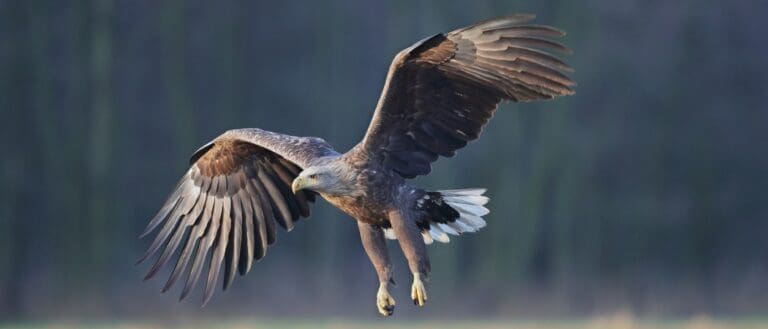
Wedge-tailed ruler of northern waters
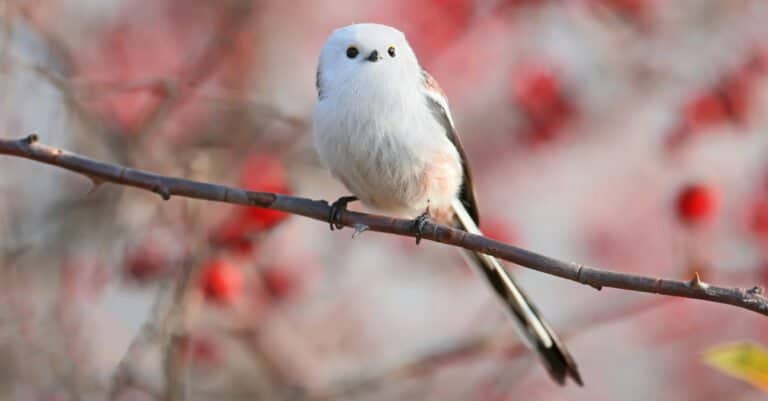
Long tail, tight flock, big personality
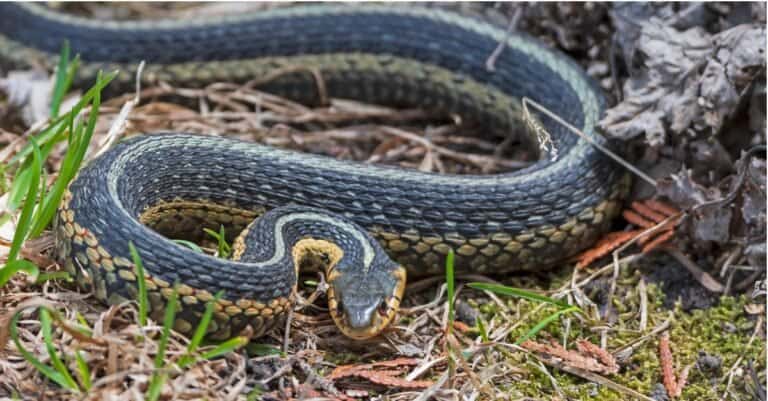
The wetland snake that plays dead

Nature's wetland engineer
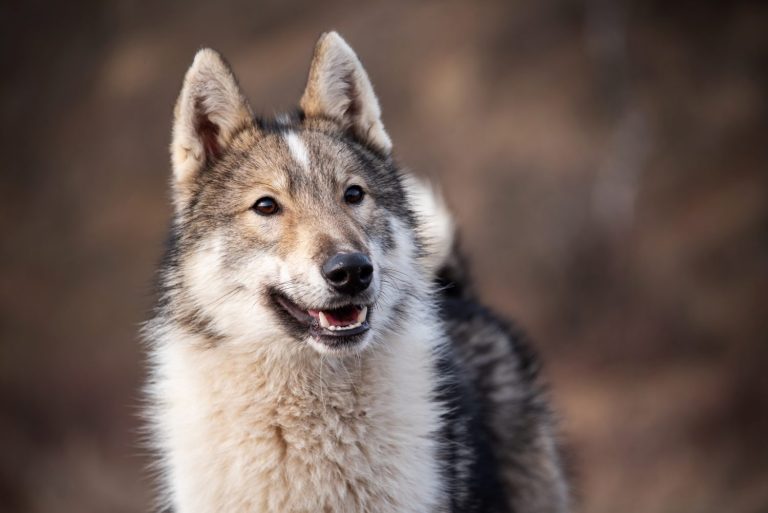
Taiga-bred tracker with a fearless voice
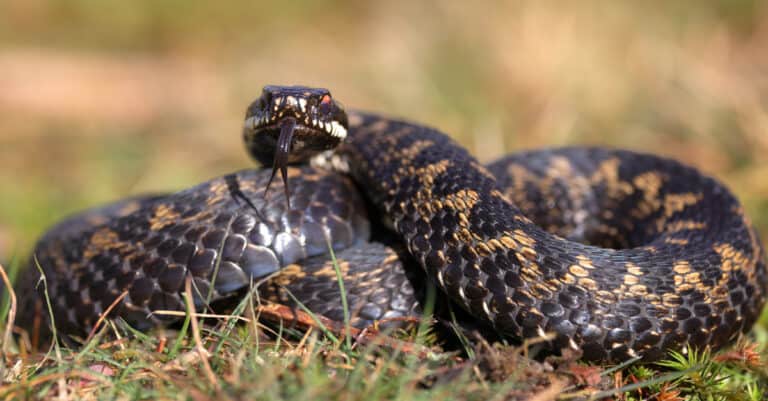
Zigzag guardian of the heath

Taiga's "black gold" marten
Tomsk Oblast is in western Siberia's boreal heartland. Vast, lightly settled taiga, rivers, and large peatlands keep much wild habitat intact. Long river corridors of the Ob and Tom create floodplains, oxbow lakes, and riverbank forests that help waterfowl and waders during migration. Huge raised bogs and fens store carbon, help regional water flow, and host plants and animals that live in acidic, low-nutrient soils. Old conifer forests and mixed taiga give cover, winter food, and nesting sites for key boreal species. What makes wildlife watching here special is the wide, connected peatland and wet forest mix - an 'inland wetland taiga' feel. Visits often mean river travel and bog-edge walks: tracking moose, hearing grouse in tall conifers, and scanning wetlands during seasonal bird movements.
Tomsk Oblast lies on the low, wet West Siberian Plain, where vast taiga forests change into huge peatlands and river floodplains. Its flat, poorly drained land makes many bogs, fens, and wet conifer forests. This shapes wildlife, including boreal forest species, wetland birds, and water and riverside communities along the Ob and Tom rivers, oxbow lakes, and marshes.
Lowland plain, roughly ~50 to ~300 m above sea level (limited relief; hydrology/wetness drives habitat diversity more than altitude)
Tomsk Oblast protects huge boreal taiga and wetland landscapes in the Ob-Tom basin and the Vasyugan Mire peatland. Protection includes a federal zapovednik for peatlands, taiga, and migratory birds, plus many oblast zakazniks and natural monuments. Key goals are peatland carbon, river floodplains, and habitats for moose, brown bear, wolf, lynx, sable, waterfowl, and raptors.
~5-7% of the oblast (approx.; coverage depends on whether smaller natural monuments and various zakaznik categories are included in the accounting).
One of the key federal protected areas safeguarding the Vasyugan Mire complex-among the world's largest peatland systems-along with surrounding taiga and lake-bog mosaics. Notable for intact wetland food webs, large areas of remote habitat, and high importance for migratory waterbirds and raptors.
Large taiga landscape reserve protecting dark coniferous-cedar forests, bogs, and river valleys; important for forest mammals and boreal birds, including species sensitive to fragmentation. Good representation of south-taiga ecosystems for conservation and low-impact wildlife observation.
Protects remote taiga and riverine wetlands of the upper Ket River basin, supporting intact predator-prey systems and raptor nesting sites along waterways. Notable for roadless forest blocks and low human disturbance.
A well-known protected pine-forest tract near the regional capital that conserves remnant forest biodiversity and provides accessible habitat for forest birds and small/medium mammals-useful for urban-proximate wildlife viewing and environmental education.
Floodplain channels, oxbow lakes, and reedbeds along the Ob support high concentrations of breeding and migratory waterbirds and provide feeding grounds for raptors. Seasonal wildlife viewing is often best during spring and autumn migration.
Riparian forests, islands, and meadows along the Tom River form an important ecological corridor connecting taiga and wetland habitats. Valuable for beavers, otters, and nesting raptors; also acts as a migration pathway for many bird species.
A set of regional refuges that complement the federal reserve by reducing disturbance (fires, drainage impacts, and uncontrolled access) around bog-forest mosaics. Important for wetland birds, large mammals, and maintaining hydrology and peat accumulation processes.
Tomsk Oblast sits on the West Siberian Plain and is dominated by vast dark- and light-conifer taiga, mixed forests, and some of the world's largest peatland/wetland complexes (including the Vasyugan mire system). The Ob and Tom river network, floodplain lakes, and bogs create a strong "water-and-taiga" wildlife character: large ungulates and forest carnivores in the taiga; rich waterfowl, raptors, and waders in river valleys and marshes; and a notable boreal fish community including long-distance river migrants.




Tomsk Oblast has West Siberian taiga and wetlands: conifer and mixed forests, peat bogs, floodplain meadows, and Ob and Tom rivers. Expect boreal birds (woodpeckers, owls, grouse), waterfowl and cranes, and big mammals like moose and wild boar; brown bear, wolf, and lynx sometimes seen. Quiet wilderness, long summer days, big migrations, great winter tracking — not daily guaranteed big sightings.
Peak bird migration along the Ob/Tom floodplains: waves of ducks, geese, swans, and waders; booming grouse displays at forest edges; active moose as snow retreats; excellent soundscape birding (owls, thrushes, woodpeckers). Expect muddy access roads and high water in floodplains-boat-based viewing can be best.
Long days for multi-hour river trips and bog walks; strong chances for beaver activity at dusk, otter along quieter channels, and abundant passerines; dragonflies and wetland life in peatlands. Mosquitoes/gnats can be intense-plan head nets/repellent and favor breezy riverbanks.
Golden taiga scenery plus a second migration pulse: cranes and geese staging on wetlands and river meadows; rut and feeding activity for moose and wild boar increase encounter odds; clearer air and fewer insects. Nights turn cold quickly; some remote tracks become difficult after rains.
Best season for reading wildlife through tracks and sign: moose, hare, fox, sable/marten in snowy forests; chances for owl encounters; crisp photography and quieter landscapes. Short days and deep cold require proper gear and guided logistics; many wetlands are accessible on frozen ground.
Freeze-thaw transition: variable travel conditions, but good for watching early raptors and corvid activity, and for spotting large mammal tracks before they melt out. Plan flexible itineraries and avoid deep bog areas until fully thawed.
Tomsk Oblast in western Siberia is on the West Siberian Plain. It has boreal taiga forests and huge peatland complexes, including parts of the Great Vasyugan Mire, with big river valleys (Ob, Tom, Chulym). Conifer and mixed forests, floodplain meadows, oxbow lakes, and bog and fen wetlands support boreal wildlife and store carbon. Southern areas change to forest-steppe and farming.
Vast taiga landscapes of spruce, Siberian pine, fir and larch (with extensive birch/aspen secondary forests after fire/logging), forming the dominant natural matrix across most of the oblast.
Dominant across most of the territory (roughly the large majority of land area).
Massive peatland systems (raised bogs, string-fen or patterned-fen complexes, waterlogged forest, and floodplain wetlands), including parts of the Great Vasyugan Mire; widespread peat accumulation and saturated soils shape vegetation and hydrology.
Very extensive and regionally continuous in lowlands and interfluves; especially prominent in central and northern areas (a substantial fraction of the oblast).
Large low-gradient rivers (Ob and Tom) with broad floodplains, backwaters, oxbows, and numerous small lakes/ponds; seasonal flooding drives high productivity in riparian zones.
Major river corridors traverse the oblast; dense network of tributaries and wetland-associated lakes scattered throughout.
Transitional mixed and broadleaf-leaning forests in the south (birch, aspen and mixed stands) and along some river terraces, reflecting a milder climate influence compared with northern taiga.
Patchy, mainly in the southern portion and in disturbed/secondary stands; minor overall.
Forest-steppe and meadow-like openings, especially in the south and on floodplains, often expanded by land use (hayfields/pasture) rather than purely natural steppe.
Localized in the south and river valleys; small overall.
Continuous taiga-dominated forest landscapes with a strong disturbance mosaic (fire, windthrow, logging) and extensive edge with wetlands.
Spruce-Siberian pine-fir and larch components typical of West Siberian taiga, including wet conifer stands on poorly drained soils.
Birch and aspen secondary forests common after disturbance and around settlements/transport corridors; also mixed stands on better-drained sites.
More open, patchy tree cover on wet margins, floodplain terraces, and transitional forest-steppe zones in the south.
Floodplain meadows and managed hayfields/pastures; grassy openings within forest-steppe transition zones.
Willow/alder shrub belts on floodplains and wetland edges; early-successional shrub cover in disturbed areas.
Extensive peatland mosaics and floodplain wetlands; critical for carbon storage and as breeding habitat for birds.
Raised peat bogs and peat plateaus with sphagnum dominance, dwarf shrubs, and stunted pines in the Great Vasyugan Mire region.
Forested and shrub swamps in waterlogged depressions and along slow-flowing channels, often with standing water seasonally or year-round.
Sedge- and reed-dominated areas in floodplains, lake margins, and shallow backwaters, expanding during high-water periods.
Ob and Tom river systems with broad floodplains, meanders, islands, and complex riparian habitats; major fish and waterbird corridors.
Numerous shallow lakes and oxbows associated with floodplains and peatland basins; many are dystrophic/peat-stained.
Small peatland pools, kettle-like depressions, and man-made ponds near settlements; important amphibian and invertebrate habitat.
Concentrated mainly in the south and around Tomsk and other towns: cropland, hayfields, and pasture replacing/fragmenting forest-steppe and river-terrace forests.
Urban habitat centered on Tomsk and other settlements, with riverfronts, parks, and altered floodplain edges.
Summer-cottage areas, peri-urban mixed land cover, and transport corridors creating forest fragmentation and edge habitats around major towns.
Many 'lakes' on the Vasyugan peatlands are bog pools with acidic, low-oxygen water and few or no fish. They are full of insects and become feeding hotspots for swallows, bats, and other insect-eating birds.
In Tomsk's peatlands, fire doesn't always look like fire: during dry years, peat can smolder underground for long periods and then reappear far from the original ignition point-changing habitat structure without the dramatic flames people associate with forest fires.
In the taiga, Siberian pine (cedar) forests depend on the spotted nutcracker. The bird hides thousands of pine seeds each year, and forgotten caches help grow many new cedar stands.
Spring on the Ob and Tom rivers is shaped by ice: ice jams cause sudden local floods that soak forests and meadows, creating short feeding booms for fish and waterfowl and giving land predators new prey.
Moose in the Tomsk floodplain are not just forest browsers: they often wade into wetlands to eat aquatic plants, and their movements can transport plant fragments and nutrients between ponds and channels-acting as large, mobile ecosystem engineers in bog-and-river mosaics.
Tomsk Oblast has a large part of the Vasyugan Swamp (about 53,000 km²), often called the Northern Hemisphere's largest peatland — a safe home for cranes, geese, ducks and big forest mammals.
Tomsk Oblast is mostly the West Siberian peatland belt, the world’s largest peatland. The Vasyugan peat deposits hold about 5 billion tonnes of carbon, a major wildlife “carbon vault” that feeds rivers and wetland food webs.
The Siberian salamander (Salamandrella keyserlingii), found in Tomsk Oblast taiga and bog margins, is among the most freeze-tolerant amphibians known: it can survive being frozen solid for extended periods at temperatures reported around −35 °C, then revive when thawed.
The Ob-Irtysh river system (~5,410 km, often ranked the world's 7th-longest) shapes Tomsk Oblast's floodplains and creates one of Eurasia's largest corridors for fish and waterbird spawning, migration, and spring flood feeding.
The Ob basin supports Siberian taimen (Hucho taimen), often described as the world's largest salmonid; individuals can exceed ~1.5 m in length, making Tomsk's connected river network part of the range of a true freshwater "giant" predator.
8 species documented in our encyclopedia
Thank you for reading! Have some feedback for us?
We appreciate your help in improving our content.
Our editorial team will review your suggestions and make any necessary updates.
There was an error submitting your feedback. Please try again.