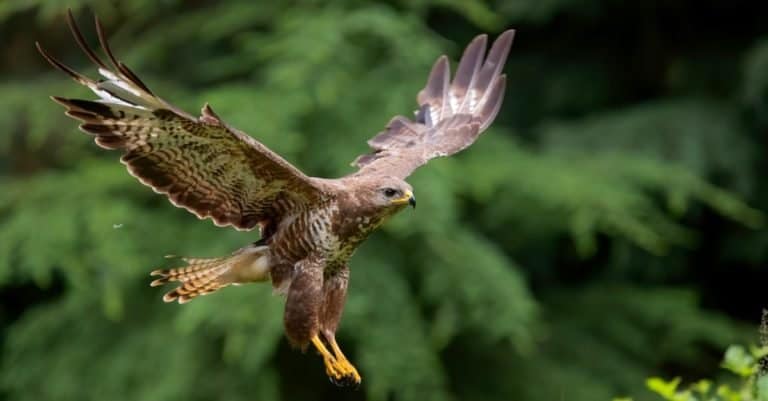
Common Buzzard
The countryside's master of thermals

Vologda Oblast shows a classic part of Russia's boreal nature: wide spruce-pine taiga, large peatlands (bogs and fens), and flat lowlands with many rivers and lakes. These places support big mammals like elk and large predators, and many kinds of forest and wetland birds. The area is good for tracking, listening, and patient watching in quiet, wide spaces. Three main parts shape its life: taiga forests that give cover and food; peatlands that store carbon and give breeding sites for cranes, waders, and waterfowl; and river-lake systems that help fish and guide migrating birds. The region is a transition zone where southern mixed-forest species overlap with northern taiga species, so you see a wider mix. With many wetlands and inland waters, Vologda feels more full of marshes and water than nearby forest areas.
Vologda Oblast is on low, glaciated plains of northwest Russia, with vast taiga forests, peatlands, and many rivers and lakes that make a wet boreal landscape. This geography provides large, connected habitat for forest mammals and boreal birds, while wetlands and lake shores gather waterfowl, wading birds, and amphibians. A south-north shift from mixed to continuous taiga drives species turnover.
Lowland region, roughly ~30-300 m above sea level (subtle relief still shapes drainage, bog formation, and forest-wetland mosaics).
No marine coastline; wildlife-relevant "shoreline" is dominated by extensive freshwater lake shores and riverbanks (notably around Lakes Beloye, Kubenskoye, and Vozhe) with broad marshy margins in places.
Vologda Oblast protects boreal taiga forests, lake and river systems (including the Beloe–Onega–Volga–Baltic watershed), and large raised bog and peatland complexes. Key sites are a federal national park around Kirillov and Lake Beloye and a strict federal nature reserve at Rybinsk Reservoir. The region also has wildlife sanctuaries, nature monuments (bogs, springs, lake shores) and water-protection zones in regional registries.
≈5-7% of the oblast's land area (varies by accounting method and whether small nature monuments are included)
A flagship protected landscape of the southern taiga with a dense mosaic of lakes, wetlands, and mature conifer-mixed forests. It is notable for large-mammal populations, forest birds, and raptor nesting sites, plus strong habitat connectivity along lake and river corridors that support dispersal of taiga fauna.
Vologda Oblast is in Russia's boreal northwest. It is mostly taiga conifer forests (spruce and pine), with mixed forests in the south, large peatlands, and many rivers and big lakes like Beloye, Kubenskoye, and Vozhe near the Onega basin. Wildlife is typical of northern forests: large hoofed animals (ungulates), meat-eaters (carnivores), many forest grouse, wetland waterbirds, and rich freshwater fish tied to floodplains, bogs, and lakes. Seasons shape life: spring and autumn migrations gather birds on wetlands and river valleys, while winter helps tracking mammals and seeing raptors and grouse.

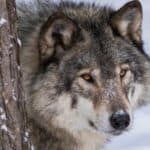
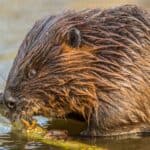
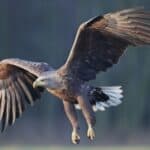
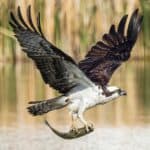
Vologda Oblast is a northwest Russian boreal (taiga) region of spruce‑pine forests, big bogs, peatlands, rivers and lakes. Wildlife viewing is quiet—listening for owls at dusk, scanning wetland edges for cranes, watching beavers at twilight, and tracking mammals in winter snow. Key places: Darwin State Nature Biosphere Reserve (Rybinsk Reservoir) and Russky Sever National Park (Kirillov).
Peak migration and display season. Expect intense birdsong, returning waterfowl on lakes and flooded meadows, and lekking/display behavior from grouse in taiga clearings. Rivers run high; forest roads can be muddy. Great time for raptors, cranes, and dawn chorus photography.
Best all-rounder for first-time visitors: long daylight, accessible trails and waterways, and dependable beaver/otter activity at dawn and dusk. Forests are lush; look for woodpeckers, owls, and passerines. Mosquitoes can be heavy near bogs-bring head nets/repellent. Excellent for paddling-based wildlife watching on lakes and calm river stretches.
Golden taiga, fewer insects, and strong chances of seeing moose in forest edges and along quiet roads at dawn. Berry and mushroom season pairs well with wildlife walks. Waterfowl gather on lakes during migration; mornings can be foggy-great for atmospheric photography.
Prime for animal tracking on snow (moose, hare, fox; wolf/lynx are possible but rarely seen). Quiet forests make it easier to hear woodpeckers and locate owls. Frozen lakes and packed snow open up ski/snowshoe routes. Dress for severe cold and plan short daylight logistics.
Vologda Oblast in northwestern European Russia is mostly boreal taiga mixed with many rivers, lakes, and peatlands. Diversity comes from the north–south change from dark conifer taiga to more mixed forests in the south, plus wide lowland wetlands and floodplain patches. Forestry, farming near towns, and roads add fragmentation, but forests and wetlands still dominate.
The prevailing taiga biome: extensive spruce-fir and pine forests with birch/aspen succession after logging or fire; long winters and cool summers support boreal fauna and understory communities.
Dominant across most of the oblast (the great majority of land area), especially central and northern districts.
A transitional belt toward more mixed forest conditions, with greater presence of deciduous species (birch, aspen, and locally broadleaf elements in richer sites) and more productive forest mosaics in the south.
Minor to moderate, mainly in the southern/southwestern part as a transition zone.
Large river systems (notably the Sukhona and tributaries feeding the Northern Dvina basin) plus many lakes and reservoirs; riparian corridors and floodplains are key for biodiversity and connectivity.
Widespread as a network throughout the oblast; locally dominant along major rivers and around lake districts.
Extensive peat-forming mires (raised bogs and aapa/poor fens), waterlogged forested swamps, and floodplain wetlands; these store carbon and support specialized plant communities.
High and spatially extensive, especially in low-lying areas and interfluves; common across the region.
Broad taiga forest matrix with a mix of mature stands, regeneration after timber harvest, and natural disturbance patches; key for large-area boreal species.
Spruce- and pine-dominated taiga; includes darker, moist spruce forests and drier pine forests on sandy or well-drained soils.
Birch and aspen stands are common as secondary forests after logging/fire, especially around settled and actively managed landscapes.
More open, mixed-age forest and edge habitats near rivers, roads, and agricultural clearings, forming transitional structural diversity.
Shrubby stages on cutovers, burned areas, and wetland margins (willows/alder in wet sites; ericaceous shrubs on bogs).
Mostly anthropogenic meadows/pastures and hayfields around villages; small natural grass openings occur on floodplains and along river terraces.
Raised peat bogs and mire complexes with sphagnum carpets, dwarf shrubs, and scattered stunted pines; important for peat accumulation and rare wetland biota.
Reed/sedge-dominated shallow wetlands on floodplains and lake margins; seasonally inundated zones are important for breeding birds.
Forested swamps and wet alder/willow stands in poorly drained depressions and along sluggish tributaries.
Complex mosaics of bog-fen-swamp systems and floodplain wetlands; major drivers of regional habitat heterogeneity.
Large, slow-to-moderate flow rivers with wide floodplains (e.g., Sukhona system) plus many smaller taiga streams; riparian forests and oxbows are common.
Numerous lakes (including large lake systems near the oblast's northwestern sector, associated with the Onega basin) with varied shore wetlands and aquatic vegetation.
Small natural kettle/depression waters and many human-made ponds near settlements and agricultural areas.
Patchy cropland and hay meadows concentrated near towns and transport corridors; creates open-habitat islands within the forest matrix.
Cities and industrial/transport zones (notably around Vologda and Cherepovets) with strong local impacts on air/water quality and land cover.
The drowned-tree "skeleton forests" along the Rybinsk Reservoir are not just scenery: dead trunks and snags become ideal open perches and nest supports for fish-eating raptors (notably osprey), turning a human-made shoreline into prime hunting habitat.
Lake Kubenskoye is so shallow that its ecology can swing dramatically between years: during low-water periods large areas turn into reedbeds and mudflats, temporarily favoring marsh birds and waders over open-water fish communities.
Peatland landscapes across Vologda Oblast host carnivorous plants-such as round-leaved sundew (Drosera rotundifolia) and bladderworts (Utricularia spp.)-which survive nutrient-poor bogs by trapping insects.
Elk (moose) use Vologda's rivers and lakes as routes, not barriers. They are strong swimmers and often cross wide rivers and bays, leaving fresh hoof tracks on islands and peninsulas like Beloye Lake and the Rybinsk shoreline.
Rybinsk Reservoir, with its northern and northwestern shores in Vologda Oblast, was the world's largest man-made lake by surface area when filled in the 1940s (about 4,580 km²), creating a huge freshwater home for waterbirds and fish.
Lake Beloye (White Lake) in Vologda Oblast is one of the largest natural lakes in European Russia (roughly 1,130 km²), making it the oblast's biggest single natural freshwater wildlife habitat.
Russky Sever National Park (est. 1992) is the largest federal protected area in Vologda Oblast (about 1,660 km²), protecting a large, continuous mosaic of taiga forest, lake shores, and wetlands in the Kirillov area.
Darwin State Nature Biosphere Reserve (est. 1945) protects over 1,100 km² of reservoir shoreline, islands, bogs, and flooded forest on the Vologda side of the Rybinsk Reservoir-one of Russia's largest protected complexes built around the ecology of a major reservoir.
6 species documented in our encyclopedia
Thank you for reading! Have some feedback for us?
We appreciate your help in improving our content.
Our editorial team will review your suggestions and make any necessary updates.
There was an error submitting your feedback. Please try again.