N S W E
Wildlife Expeditions

Wildlife of
Murmanskaja oblast'

Where tundra meets the Barents Sea, Murmansk Oblast is Russia's Arctic wildlife crossroads-seabird cliffs, marine mammals, and roaming reindeer under polar light.
41 Species
144,900 km² Land Area
Overview

About Murmanskaja oblast'

Murmansk Oblast sits mostly above the Arctic Circle on the Kola Peninsula. Long winters, short summers, and the meeting of land and sea shape its wildlife. Habitats include open tundra, sparse mountain birch, northern taiga, and a long, rugged Barents Sea coast. This mix supports Arctic specialists and forest species and brings seasonal bursts when insects hatch, rivers run clear, and migratory birds return. Key places are coastal cliffs and islands for breeding seabirds; nearshore waters where currents mix and attract fish, seals, and sometimes whales; and inland tundra and peatlands that host nesting waders and waterfowl. In sheltered valleys, taiga forests and river corridors support large mammals and predators, while lakes and rivers hold salmonid fish. The Barents Sea concentrates marine life on the coast, while the interior offers wide tundra under the midnight sun or northern lights.

Physical Features

Geography

Murmansk Oblast covers much of the Kola Peninsula above the Arctic Circle. The Barents Sea's influence and a steep south–north slope create many habitats. Coastal cliffs, islands and rich waters support seabird colonies and marine mammals. Inland tundra, birch scrub and taiga host reindeer (caribou), large carnivores and boreal birds. Lakes, rivers and mountains add cold-water fish habitat.

144,900 km² Land Area
Mid-sized federal subject of Russia (roughly mid-pack by area among Russia's regions) Size Rank
Russia Country
Oblast Type
Elevation Range

Sea level to ~1,201 m (Khibiny Mountains, Yudychvumchorr)

Coastline

Extensive Arctic coastline on the Barents Sea (Arctic Ocean) plus additional shoreline on the White Sea; many bays and islands, with some ice-free marine areas influenced by the North Atlantic Current.

Key Landscapes

Kola Peninsula (Arctic/subarctic landmass linking coastal and inland habitats) Barents Sea coastline (Arctic Ocean): rocky shores, bays, islands, cliffs-major seabird breeding and marine mammal foraging areas White Sea coast (Kandalaksha Gulf area): sheltered coastal waters, estuaries, and shorelines important for waterbirds Tundra and forest-tundra (dominant in the north and uplands; key for cold-adapted fauna and migratory birds) Northern taiga/boreal forests (more extensive toward the south; habitat for moose, bears, wolverine, boreal passerines) Khibiny Mountains (highest range; alpine tundra, scree, and montane valleys creating habitat diversity) and Lovozero Massif (upland plateau/massif habitats)
Parks & Reserves

Protected Areas

Murmansk Oblast's protected areas include large federal nature reserves and a national park, plus regional parks, refuges, and small natural monuments. They protect the Kola Peninsula's tundra-taiga transition, big river systems important for Atlantic salmon, and long Barents and White Sea coastlines with seabird colonies and marine mammals. Many important wildlife areas are remote with few roads.

Protected Coverage

Approximately ~10-12% of the oblast's land area is under some form of protection (federal + regional categories; estimate varies by accounting method and inclusion of small monuments/buffer zones).

National Parks & Preserves

Khibiny National Park

~848 km²

Protects the Khibiny Mountains' alpine tundra, glacial valleys, and subarctic birch/taiga foothills-one of the best places in the oblast for mountain wildlife, raptors, and tundra-breeding birds in a relatively compact area.

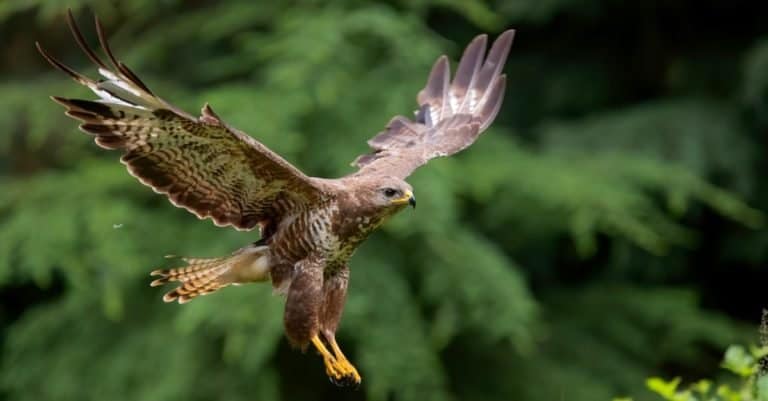
Wild reindeer (tundra reindeer) Wolverine Gyrfalcon Willow ptarmigan Rough-legged buzzard

State & Provincial Parks

Nature Park Rybachy and Sredny Peninsulas

See official protected-area registry entry for the current area (boundaries/area are specified there).

Regional nature park protecting Barents Sea coastal tundra, cliffs, and bays; notable for seabird colonies and coastal/marine wildlife viewing.

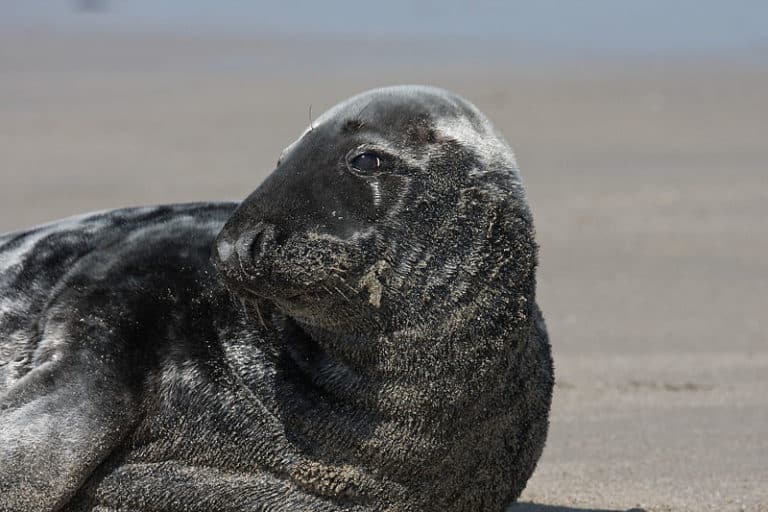
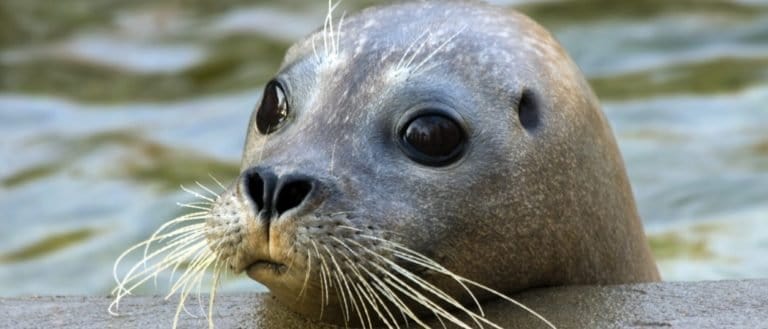
Atlantic puffin Common guillemot Black-legged kittiwake Grey seal Killer whale (orca)

Kutsa Landscape Wildlife Refuge (Zakaznik)

See official protected-area registry entry for the current area (zakaznik area is defined in the legal designation).

Regional landscape wildlife refuge near the Finnish border with taiga forests, lakes, and rivers; valued for large mammals and riverine biodiversity and connectivity with neighboring protected lands.

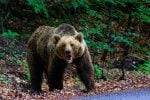
Brown bear Eurasian otter Atlantic salmon Capercaillie Osprey

Seydyavvr (Lake Seidozero) Nature Monument

See official protected-area registry entry for the current area (nature monuments are typically site-scale).

Regional nature monument area associated with Lake Seidozero in the Lovozero region; notable for tundra/mountain habitats and associated northern birds and mammals.

Reindeer Wolverine Willow ptarmigan Golden eagle Arctic fox

Wildlife Refuges

Lapland State Nature Biosphere Reserve (Lapland Nature Reserve)

~2,784 km²

A large strictly protected taiga and forest-tundra landscape in Murmansk Oblast, established to conserve intact northern ecosystems and their wildlife.

Wild reindeer (reindeer) Brown bear Wolverine Eurasian lynx Capercaillie

Kandalaksha State Nature Reserve (Kandalaksha Nature Reserve)

~705 km²

A coastal and island reserve created primarily to protect seabird colonies and marine/coastal habitats in the White Sea region of Murmansk Oblast.

Common eider Black guillemot Atlantic puffin White-tailed eagle Grey seal

Pasvik State Nature Reserve (Pasvik Nature Reserve)

~147 km²

A protected boreal forest and wetland area along the Pasvik River on the border region of Murmansk Oblast, important for large mammals and wetland birds.

Moose Brown bear Eurasian beaver Whooper swan Golden eagle

Wilderness Areas

  • Eastern Kola Peninsula roadless tundra and river country (Ponoy-Yokanga hinterlands), with long undeveloped stretches between settlements
  • Khibiny Mountains backcountry (high plateaus and glacial valleys away from mining/town infrastructure)
  • Lovozero Massif/Lovozero tundras interior (noted for large, lightly roaded uplands and strong solitude values)
  • Remote taiga-wetland mosaics south and southwest of Lake Imandra (between major roads), forming important connectivity toward Lapland Reserve
  • Barents Sea cliff-and-tundra coast outside major villages on the Rybachy/Sredny peninsulas (large continuous coastal stretches with minimal development)
Animals

Wildlife

Murmansk Oblast (Kola Peninsula) sits at the junction of Arctic tundra, northern taiga, large lake-and-river systems, and an extensive Barents/White Sea coastline that stays partly ice-free in winter. The wildlife experience is defined by (1) large, wide-ranging boreal mammals (moose, bears, wolverine), (2) tundra specialists (Arctic fox, ptarmigan, geese), (3) major seabird cliffs and skerries with dense breeding colonies, and (4) marine mammals and migratory fish (especially Atlantic salmon) using highly productive coastal waters and big salmon rivers.
~55-70 species (including terrestrial and regularly occurring marine mammals) Mammals
~260-320 species recorded; ~150-200 breeding regularly Birds
~2-3 species (at the northern edge of range) Reptiles
~2 species Amphibians
~45-70 freshwater and anadromous species; plus 100+ marine fish species in adjacent Barents/White Sea waters Fish

Endemic & Rare Species

Lesser White-fronted Goose

Anser erythropus

Globally threatened (commonly assessed as Vulnerable); very scarce breeder/migrant

Uses northern wetlands and river valleys during migration; the region lies near important Fennoscandian flyways where any occurrence is conservation-significant.

Steller's Eider

Polysticta stelleri

Globally Vulnerable; rare and localized in European waters

Associated with Arctic coastal waters; the ice-influenced Barents coast is relevant for wintering/stopover birds in the region.

White-billed Diver

Gavia adamsii

Globally Near Threatened; scarce breeder

A high-Arctic loon that breeds on remote tundra lakes; highly sensitive to disturbance and environmental change.

Gyrfalcon

Falco rusticolus

Regionally scarce; protected in many jurisdictions

A tundra apex raptor with low densities; depends on healthy ptarmigan and undisturbed open landscapes.

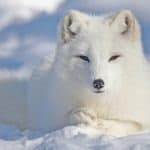
Arctic Fox

Vulpes lagopus

Regionally declining/patchy in parts of Fennoscandia; vulnerable to competition from red fox

Murmansk sits in a zone where warming and expanding red fox can suppress Arctic fox, making remaining populations noteworthy.

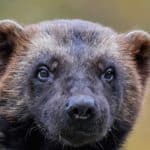
Wolverine

Gulo gulo

Naturally low density; sensitive to persecution and habitat fragmentation

Requires large, connected wilderness; its continued presence indicates extensive intact habitats in the oblast.

No endemic vertebrate species

No widely recognized vertebrate endemics confined to Murmansk Oblast

The region's conservation value is driven more by Arctic range-edge populations, seabird concentrations, and migratory bottlenecks than strict endemism.

Notable Populations

  • Major Barents/White Sea seabird concentrations, including large breeding colonies (puffins, kittiwakes, murres/guillemots, razorbills) on offshore islands and cliffs in and around protected areas (e.g., Kandalaksha Nature Reserve and other island reserves).
  • Internationally important migratory stopover and breeding wetlands for geese, swans, and waders along the tundra-taiga ecotone.
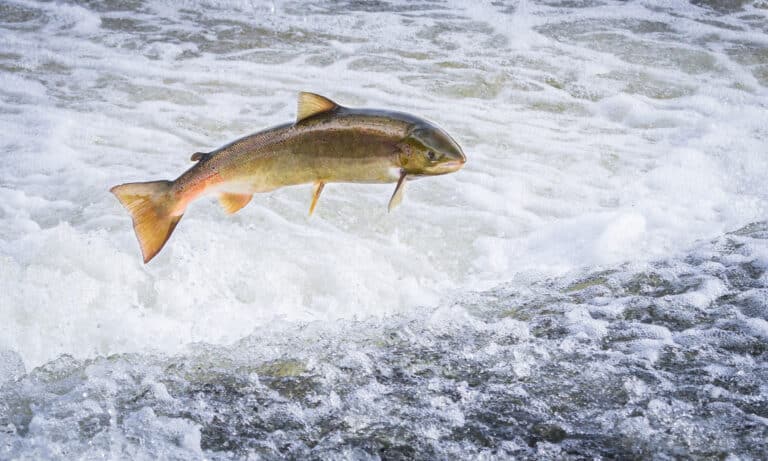
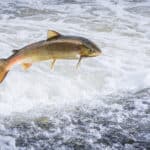
  • Some of Europe's best-known Atlantic salmon rivers (e.g., Ponoy, Varzuga, Kola, Umba), supporting significant wild salmon runs and associated freshwater biodiversity.
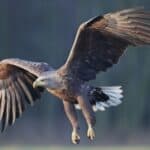
  • Regionally significant coastal raptor presence (notably white-tailed eagles) tied to productive marine shorelines and island archipelagos.
  • Seasonally important Barents Sea marine mammal feeding areas (whales and seals) linked to high-latitude productivity and shifting prey fields.

Recent Changes

  • Seabird breeding success and colony sizes (notably black-legged kittiwake and some auks) have shown declines in parts of the Barents region, widely linked to ocean warming, prey changes, and fisheries interactions.
  • White-tailed eagles have generally rebounded in parts of northern Europe and NW Russia following reduced persecution and contaminant controls, improving encounter rates in suitable coastal habitat.
  • Northward expansion and increased pressure from red fox has been reported across the European Arctic in recent decades, potentially affecting Arctic fox where ranges overlap.
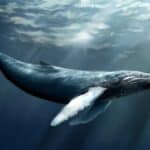
  • Warmer conditions and changing marine productivity have coincided with more frequent whale observations (including humpbacks) in the broader Barents Sea feeding grounds.
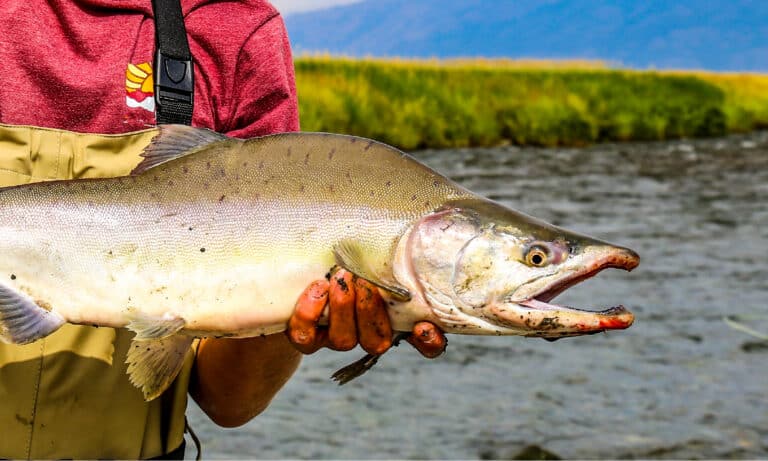
  • Invasive/expanding Pacific pink salmon (Oncorhynchus gorbuscha) has increasingly been recorded in rivers of the Kola/White Sea region in recent years, raising concerns about competition and ecosystem effects for native salmonids.
  • Freshwater and wetland phenology shifts (earlier spring, altered ice cover) are changing timing of migrations and breeding for waterfowl and waders across the oblast.
Visit

Wildlife Viewing

Murmansk Oblast (Kola Peninsula) on the Barents Sea has tundra, taiga, a long coast, and rich seas. Visitors can see seabird colonies, seals and sometimes whales, and land animals like moose, brown bear, fox, and hare. Best viewing is seasonal: late spring and summer for birds and marine life; winter for tracks, hardy birds, and polar-night auroras.

Best Seasons

Late winter (Feb-Mar)

Deep-snow wilderness feel; best time for tracking mammals (moose, fox, hare) on ski/snowshoe routes; reliable encounters with northern resident birds (willow ptarmigan, ravens, crossbills) around forest edges and settlements; coastal ice and storm-driven seabirds can be dramatic, though boat wildlife trips are limited by weather and daylight.

Spring (Apr-May)

Rapid changeover season: longer days, thawing rivers, and the start of migration. Great for early birding (swans, geese, ducks returning) and raptor movement. Sea-watching can produce auk flocks and gulls; seals may be seen hauled out along quieter coasts. Roads/trails can be muddy-plan flexible days.

Peak summer (Jun-Jul)

Midnight sun, maximum accessibility, and the most diverse wildlife. Prime time for seabird cliffs (kittiwakes, guillemots, puffins in suitable colonies), tundra breeding birds, and boat-based marine wildlife (harbor seals, possible whales depending on route and conditions). Best overall season for first-time visitors.

Late summer to early autumn (Aug-Sep)

Excellent for photography: warmer light, fewer insects, and busy feeding behavior before migration. Strong sea-watching potential from headlands; berry-rich forests can increase chances of bear sign (and occasional sightings with careful, ethical guiding). Good time for combining wildlife with hiking in tundra/taiga landscapes.

Autumn to early winter (Oct-Nov)

Fewer tourists and dramatic coastal weather for sea-birding (gulls, auks, eiders, skuas in movement). Longer nights return for aurora trips. Wildlife viewing becomes more opportunistic; storms can both enhance seabird diversity and reduce travel options.

Top Wildlife Experiences

  • Boat-based marine wildlife day trip from the Murmansk coast into the Barents Sea (weather-permitting): scan for seals, porpoise-like surfacing, and occasional whales; combine with seabird rafts and cliff views on the return.
  • Seabird and sea-mammal watching on the Rybachy Peninsula (if accessible): drive to exposed headlands for classic Barents Sea seawatching-auks, kittiwakes, gulls, skuas-and look for seals close to shore in calmer coves.
  • Tundra birding hike in the Khibiny Mountains foothills and plateau zones: search for ptarmigan, rough-legged buzzard, shorebirds, and other Arctic breeders in open tundra landscapes (best Jun-Jul).
  • Taiga-edge mammal tracking in the forests around the Kola Peninsula interior (guided): early morning and evening drives/hikes for moose, red fox, mountain hare, and sign of brown bear; best late summer-winter when tracks/sign are easiest.
  • Coastal headland 'sea-watch' session near Teriberka and adjacent shoreline viewpoints: set up scopes for passing seabirds, scan surf zones for seals, and photograph Arctic coastal scenery; best Jun-Sep and during migration pulses in spring/autumn.
  • River/lake wetland birding in the south and central parts of the oblast: look for swans, geese, divers (loons), and ducks during spring migration and summer breeding; combine with quiet canoe/shore observation where permitted.
  • Ethical night/low-light photography outing under the midnight sun (Jun) or aurora season (Sep-Mar) combined with wildlife habitat scouting: focus on landscapes and respectful, long-distance wildlife opportunities rather than disturbance-prone close approaches.

Wildlife Watching Types

Marine mammal watching (seals; occasional whales on Barents Sea routes) Seabird colony viewing and pelagic-style sea-watching from headlands/boats (auks, kittiwakes, gulls, skuas, eiders) Tundra birding (breeding waders/shorebirds, ptarmigan, raptors) Taiga mammal watching (moose, fox, hare; bear sign with specialist guides) Migration birding at wetlands, rivers, and coastal flyways (spring and autumn) Wildlife tracking in snow (winter mammal tracks, winter bird flocks) Nature photography trips (midnight sun in summer; aurora season in autumn-winter)

Guided Options

  • Murmansk-based Barents Sea wildlife boat excursions (often marketed from Murmansk/Teriberka): focus on marine mammals and seabirds; choose operators with clear safety plans and ethical wildlife approach distances.
  • Rybachy Peninsula 4x4 nature trips (seasonal, access-dependent): guided logistics plus bird/seal seawatching from remote coastal headlands and tundra routes.
  • Khibiny Mountains nature hikes with local guides: tundra/forest-edge birding, safe route planning, and seasonal natural history interpretation.
  • Specialist birding tours of the Kola Peninsula (small-group, multi-day): designed around migration timing and key coastal/wetland stops; typically include scope support and local site knowledge.
  • Winter tracking and nature tours (snowshoe/ski) near Murmansk and forested areas: focused on mammal tracks, winter ecology, and landscape photography in polar-night conditions.
  • Protected-area ranger-led programs where available (seasonal): interpretive walks, bird counts, and visitor briefings-check locally for current access rules and required permits.
Habitats

Ecosystems

Murmansk Oblast (Kola Peninsula) covers big north–south and low–high changes, from Arctic tundra in the north and uplands to subarctic boreal (taiga) forests in the south. It has a long, rich Barents Sea coast, mountains (Khibiny, Lovozero) with alpine belts, many glacial lakes, rivers, peatlands, mires, and marine and shore habitats used by seabirds and marine mammals.

Biomes

Tundra

Arctic and subarctic tundra dominates much of the peninsula, with dwarf shrubs, mosses/lichens, and windswept heaths; coastal tundra and fell-field communities are common above treeline and toward the north.

Widespread; roughly about half of the oblast, especially northern and upland areas above treeline

Boreal Forest (Taiga)

Southern and lower-elevation areas support taiga with spruce-pine forests, birch woodlands, and forest-tundra transition zones; fire, windthrow, and paludification shape local mosaics.

Mainly southern Murmansk Oblast and lower elevations; roughly a third to two-fifths of the land area

Alpine

Alpine belts occur on the Khibiny and Lovozero massifs with alpine tundra, snowbed communities, rocky scree, and short growing seasons.

Localized in mountain massifs; small proportion (a few percent) but regionally important

Freshwater

High density of glacial lakes, reservoirs, and river systems (notably the Tuloma, Kola, and Ponoy basins) supporting salmonid waters and riparian corridors.

Scattered across the oblast; numerous water bodies though limited areal extent

Wetland

Peatlands, fens, and bog complexes are common in poorly drained lowlands and forest-tundra zones; many are cold-climate mires with slow decomposition and extensive peat accumulation.

Patchy but frequent across lowlands and taiga/tundra transitions

Marine

Barents Sea and White Sea coastal/marine systems include fjord-like inlets, bays, nearshore shelves, and productive waters supporting seabird colonies, pinnipeds, and seasonal cetaceans.

Extensive coastline and adjacent waters along the north (Barents) and southeast (White Sea)

Habitats

Tundra

Dwarf-shrub, moss-lichen tundra with patterned ground in places; widespread above treeline and toward the north coast

Coniferous Forest

Taiga stands dominated by Scots pine and spruce with birch admixture; strong influence of cold climate, wetlands, and disturbance mosaics

Woodland

Open birch woodlands and sparse tree cover in forest-tundra ecotones and wind-exposed sites

Mountain

Khibiny and Lovozero massifs with steep slopes, talus, and strong elevational zonation from forest to alpine tundra

Alpine Meadow

Short, species-rich herb and grass patches in sheltered alpine sites and snowmelt areas during brief summers

Cliff/Rocky Outcrop

Sea cliffs and inland rock faces used by nesting seabirds and raptors; frequent on rugged Barents Sea coasts

Cave

Small rock shelters and crevices in bedrock and talus (more limited than in karst regions) used by bats/denning fauna locally

Lake

Numerous glacial lakes and reservoirs (including large lake systems) with cold, clear waters and salmonid fisheries

River/Stream

Fast-flowing, cold rivers with riffle-pool sequences; important migration/spawning habitat for Atlantic salmon in several basins

Wetland

Mire complexes and wet sedge meadows in lowlands and along lake/river margins

Bog

Peat-forming raised bogs and blanket-like peatlands in cool, wet areas; key carbon stores

Marsh

Shallow-water emergent vegetation zones around lakes, deltas, and sheltered coastal inlets

Estuary

River mouths and brackish bays (notably toward the White Sea) with strong seasonal ice and salinity gradients

Coastal

Long Barents Sea shoreline with bays, fjord-like inlets, and island/peninsula mosaics supporting seabird breeding and haul-out sites

Rocky Shore

Wave-exposed rocky coasts and boulder shores common on the Barents Sea side, with rich intertidal communities

Beach

Localized sand/gravel beaches and spits, more frequent in sheltered bays and parts of the White Sea coast

Open Ocean

Adjacent offshore waters of the Barents/White seas used by seabirds and marine mammals, with strong seasonal productivity

Seabed/Benthic

Coastal and shelf benthic habitats (sand, gravel, mud, rocky bottoms) supporting diverse invertebrate communities and demersal fish

Deep Sea

Deeper basins/trough-influenced marine areas offshore relative to coastal shelves, with colder, low-light benthic communities

Urban

Concentrated settlements and ports (e.g., Murmansk area) with industrial/transport corridors influencing nearby coasts and rivers

Agricultural/Farmland

Very limited due to climate; small-scale fodder production/greenhouses and localized pasture/hayfields near settlements

Ecoregions

WWF Terrestrial: Kola Peninsula tundra WWF Terrestrial: Scandinavian and Russian taiga WWF Marine (MEOW): Barents Sea WWF Marine (MEOW): White Sea
Protection

Conservation

Primary Threats

  • Warming in the Barents region shortens snow and ice seasons and brings more rain-on-snow, harming tundra plants, wetlands, and reindeer food. Atlantification of the Barents Sea moves prey, causes food-timing mismatches for seabirds and marine mammals, and speeds coastal erosion.
  • Murmansk Oblast has long industrial pollution areas on the Kola Peninsula from mining and metal smelting—sulfur dioxide, acid rain, and heavy metals—damaging lichen-rich taiga and tundra. Murmansk/Kola Bay faces coastal pollution from shipping, ports, and runoff; old military and nuclear waste adds risk despite cleanup.
  • Large-scale extraction and processing of nickel, copper, apatite-nepheline and other ores (e.g., around Monchegorsk, Pechenga area, Khibiny) fragments habitat, creates tailings/slag landscapes, and increases dust and metal contamination in adjacent tundra/taiga and river catchments. New or expanded pits, waste-rock piles, and associated roads/power lines extend disturbance into relatively intact areas.
  • Expansion and modernization of Murmansk transport corridors (ports, rail links, roads) and increasing Arctic shipping raise risks of spills, underwater noise, and disturbance in Kola Bay and along the Barents coast. Linear infrastructure also fragments reindeer migration routes and increases access for extractive activities and illegal harvest in remote areas.
  • Even though joint rules helped key stocks like Barents Sea cod, industrial and coastal fishing still threatens forage fish and food webs for seabirds. Bycatch and competition for prey harm marine mammals and seabirds, and illegal or unreported catch is a concern in parts of the Barents-White Sea region.
  • Illegal take and disturbance can affect sensitive raptors and waterfowl (including nesting birds on cliffs/islands) and can pressure mammals in accessible areas. Poaching and unregulated harvest pressure are also significant concerns on some Atlantic salmon rivers, especially where access improves and enforcement capacity is stretched.
  • Tourism and recreation (e.g., near the Khibiny Mountains, coastal bird cliffs, and popular fishing rivers) can disturb breeding seabirds and waterfowl and increase trampling/erosion in tundra. Growing vessel traffic increases disturbance for seals and cetaceans in nearshore feeding areas.
  • Hydropower and flow regulation on major rivers (including systems like the Tuloma and others feeding the Barents/White seas) alter natural flow regimes, water temperatures, sediment transport, and fish passage, affecting salmonid spawning and freshwater biodiversity. River engineering and shoreline modification near towns/ports further reduce natural habitat complexity.
  • Direct land conversion is less than in the south, but local habitat loss happens near mines, towns, industry, and roads. Lichen-rich forests and tundra used by reindeer and ground-nesting birds are very sensitive, slow to recover, and can be lost by repeated damage.
  • Commercial logging is not the dominant land use compared to mining, but localized timber harvest and road building in the taiga belt can fragment forests, reduce old-forest structure, and increase human access, compounding pressures on riparian habitats important for freshwater species.
  • Conflicts are most evident around semi-domestic reindeer herding: predation by large carnivores and scavengers, plus increasing icing events linked to climate change, can intensify economic losses and motivate retaliatory actions. Near settlements, attractants (waste, fish offal) can increase bear encounters.
  • Introduced red king crab in the Barents Sea, now common along the Kola coast, changes seafloor communities and competes with or eats native species. Its spread forces hard choices (fishing vs protecting the ecosystem). Small freshwater or aquarium releases can harm isolated lakes and rivers.
  • Warmer, wetter conditions and denser animal aggregations can increase parasite and disease burdens in reindeer and wild ungulates, while harmful algal blooms and pathogen dynamics in warming coastal waters may affect fish and seabird prey availability (often interacting with pollution and nutrition stressors).
Fun Facts

Did You Know?

Warm Atlantic water keeps parts of Murmansk's Barents Sea coast mostly ice-free in winter, so large rafts of sea ducks, especially eiders, and other seabirds feed around 69–70°N when many Arctic coasts are frozen.

Seabird colonies literally reshape local tundra: nutrient-rich guano creates vivid "ornithogenic" green patches beneath cliffs and on island slopes, boosting plant growth and invertebrates and drawing grazers (including reindeer) to places that would otherwise be sparse tundra.

Arctic foxes in the region can occur in both white and "blue" color morphs; the darker coastal/island-associated morph is often linked to marine-based diets and milder, wind-scoured snow conditions on the Barents Sea shore.

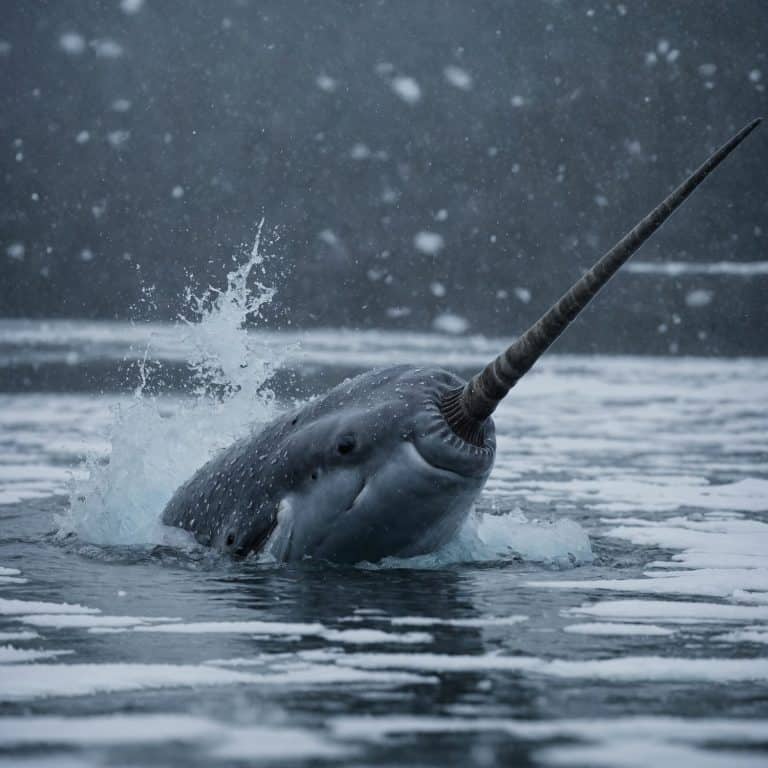
In recent decades humpback whales and killer whales have been seen feeding near shore by Murmansk coast settlements like Teriberka, following capelin and herring and showing up near roads where people expect only pack ice and polar bears.

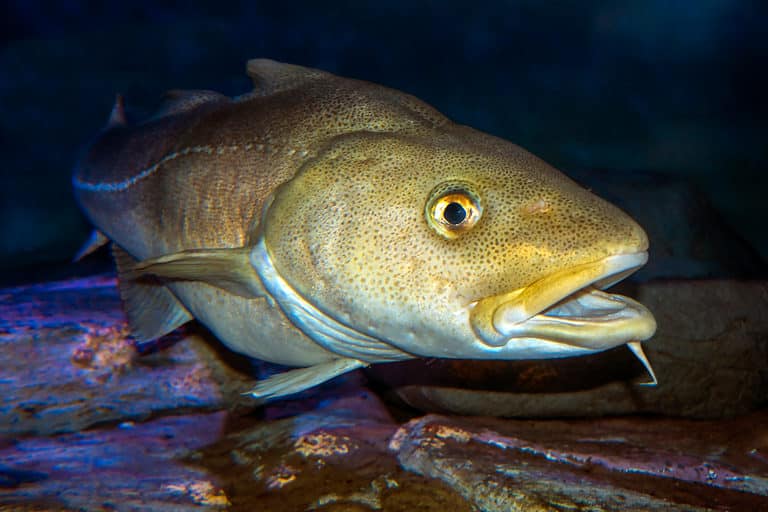
The Barents Sea off Murmansk Oblast supports the Northeast Arctic cod ("Barents Sea cod") stock-widely described by ICES and fisheries science as the world's largest cod stock by biomass.

The Ainov Islands (Barents Sea; part of the Kandalaksha State Nature Reserve's Barents Sea cluster) are known for hosting Russia's largest breeding colony of Atlantic puffins, with nesting birds concentrated on a few steep, predator-free islands.

The Seven Islands ("Sem Ostrovov") archipelago in Murmansk Oblast holds one of Russia's largest Barents Sea seabird cliff-nesting complexes, with nationally significant colonies of auks (especially common guillemots) and other seabirds packed onto a small area of coastal rock.

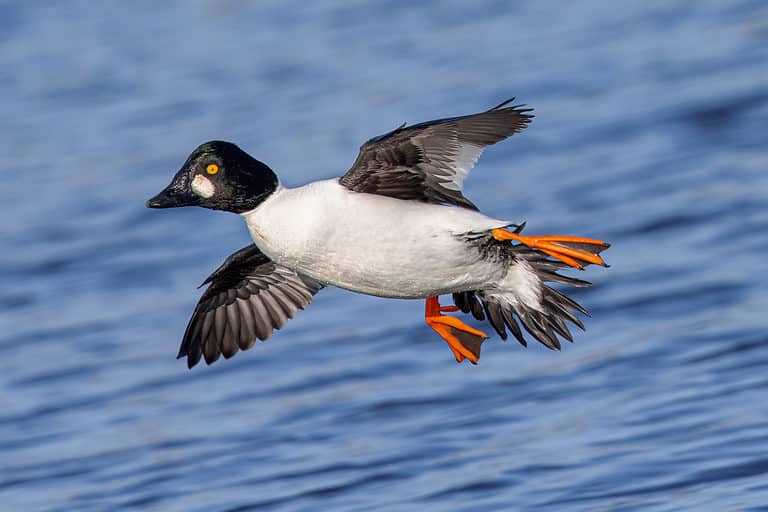
Kandalaksha Bay (White Sea) is Russia's key stronghold for breeding common eiders: the Kandalaksha State Nature Reserve was created largely to protect eider nesting islands, making this area the country's best-known and most intensively protected eider breeding concentration.

Thank you for reading! Have some feedback for us?