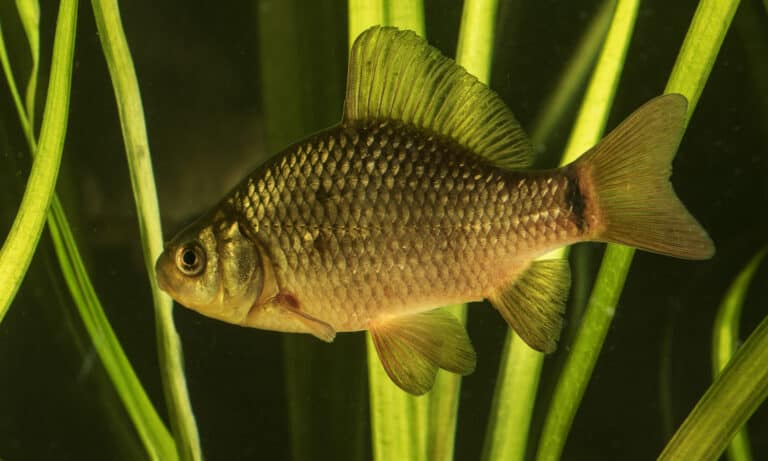
Crucian Carp
The ethanol-brewing survivor carp

Tver Oblast lies between Moscow and Saint Petersburg in the Upper Volga basin. Its nature mixes boreal and temperate life: dark conifer and birch forests blend into broadleaf woods, and many rivers, lakes, peatlands, and wetlands form a patchwork of homes for wildlife. Large forest mammals, forest birds, otters, fish, waterbirds, waders, amphibians, and many plants use these places. The Volga and its tributaries are migration paths and feeding areas. Lakes and floodplains bring lots of life in spring and autumn. The region is known for the close link between its waterways and forests. A strong taiga influence reaches much farther south, so you can find boreal species and temperate woodland life in the same trip, moving from upland forest to river valley to open bog.
Tver Oblast sits on the rolling East European Plain, shaped by glaciers, around the upper Volga and Valdai uplands. A mix of taiga and mixed forests, with conifer-broadleaf woods, rivers, lakes, and peatlands shapes wildlife: forest ungulates and carnivores, waterfowl and waders in marshes and floodplains, and fish and semiaquatic mammals in rivers and reservoirs.
Approximately ~60-350 m above sea level (lowland river valleys up to the Valdai uplands), enough relief to diversify drainage, wetland formation, and forest composition
None (landlocked); however, it has extensive shorelines along large lakes and reservoirs, especially the Lake Seliger system and Volga reservoirs (e.g., Ivankovo/Upper Volga impoundments)
Tver Oblast's protected areas show its forest and wetland nature on the East European Plain and along the Upper Volga. They protect large mixed spruce, pine, and birch forests, bogs, lake districts around Seliger, and river floodplains. Federal reserves plus many regional parks, refuges, and natural monuments safeguard peatlands, bird-nesting sites, and large forest blocks for wide-ranging mammals.
Approximately 5-8% of Tver Oblast's land area is under some form of legal protection (federal + regional categories; figures vary by source and boundary updates).
A federally protected national park spanning parts of Tver Oblast and Moscow Oblast, conserving mixed forests, wetlands, and river floodplains in the upper Volga basin. It is notable for supporting high densities of large forest mammals and important habitat for waterbirds and raptors associated with forest-wetland landscapes.
A major forest-and-wetland complex along the Upper Volga basin with reservoirs, floodplain habitats, and mixed forests. It is strong for viewing large ungulates and raptors/waterbirds in a landscape shaped by rivers, backwaters, and forest edges.
A small but symbolically and ecologically important protected complex around the Volga's source area, with spring-fed streams, wet meadows, and forested wetlands. It contributes to safeguarding headwater water quality and supports amphibians and wetland birds in an otherwise managed landscape.
Lake Seliger's archipelago of islands, bays, reedbeds, and surrounding conifer-mixed forests creates prime habitat for fish-eating raptors, breeding waterfowl, and beavers; it is among the best areas in the oblast for scenic wildlife viewing by water and shoreline trails.
A cluster of regional protected areas (often designated as wildlife refuges and natural monuments) around the Upper Volga's lakes, marshes, and forested shores. These sites are particularly valuable for nesting and staging birds and for conserving shoreline reedbeds and peatland margins.
Steep Volga valley slopes, pine stands, and ravine forests form a different habitat set from the boggy lowlands, supporting woodland raptors and a rich mix of passerines; notable as local biodiversity refugia and migration stopovers along the river corridor.
One of the most important peatland complexes in Tver Oblast, with raised bogs, wet conifer stands, and fen margins. It is important for wetland and forest birds (including cranes and grouse) and for conservation of carbon-rich peatlands.
A set of protected floodplain meadows, oxbows, and backwaters supporting breeding waterbirds and maintaining fish-spawning and beaver habitats; these areas are key for migratory stopovers and for keeping riverine habitat connectivity.
Protected shoreline and island nesting areas that reduce disturbance in the most sensitive parts of the lake system. These refuges are important for colonial and raptor nesting and for maintaining reedbed structure used by waterfowl.
Tver Oblast sits on the forested, lake-and-river landscapes of the East European Plain, straddling southern taiga and mixed conifer-broadleaf zones. Extensive spruce-pine forests, bogs and fens, and the Upper Volga river system (with many lakes and reservoirs) create strong habitat diversity for large mammals (moose, bear, wolf), forest birds (capercaillie, grouse), wetland specialists (cranes, storks), and a rich freshwater fish assemblage. The Central Forest Nature Reserve and large wetland complexes help preserve a classic "Upper Volga" wildlife experience: big forest mammals plus quiet, bird-rich mires and floodplains.
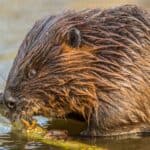
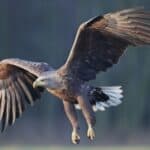
Tver Oblast has classic Upper Volga nature: mixed forests, peat bogs, floodplain meadows, and large lake wetlands around Seliger. Between Moscow and St. Petersburg, it is an easy nature stop with good chances to see elk (moose), beaver, and otter along quiet rivers, many migrating birds in spring and autumn, and clear winter tracks and signs.
Best for bird migration and soundscapes: returning cranes, geese, ducks, and songbirds in wetlands and floodplains; displaying grouse in forest clearings; beaver activity increases on thawing rivers. Expect muddy roads during the spring thaw (mud season), variable weather, and peak dawn/dusk activity.
Prime for canoe/kayak wildlife watching on quiet rivers and lake bays; plentiful dragonflies and butterflies; breeding waterbirds on reedbeds; good chances of beaver, otter, and elk/moose at water's edge. Mosquitoes can be intense near wetlands-bring head nets/repellent.
Colorful forests and strong bird movement: migrating raptors, cranes, and waterfowl staging on lakes and bogs; elk/moose more visible in early autumn; excellent mushroom/berry season paired with track-spotting. Nights get cold quickly; foggy mornings can be spectacular for photography.
Outstanding for animal tracking in snow: elk/moose trails, fox, hare, and mustelid signs; reliable views of forest birds (woodpeckers, tits, crossbills) at feeders; crisp lake/river ice landscapes. Short daylight and cold temperatures-best with a guide for safe route planning.
Tver Oblast is on the East European Plain in a zone between southern taiga and mixed broadleaf-conifer forests, around the upper Volga River basin. Large forests mix with peatlands, floodplains, glacial lakes like the Seliger system, many rivers, and small wetlands. Farming, logging, towns, and reservoirs make a patchwork of partly natural areas beside big forest-wetland blocks.
Southern taiga character dominates large areas, with spruce-pine forests, peatlands, and cool-climate understory communities; this is especially evident in less-developed northern and northeastern districts.
Widespread; strongest in the north and northeast, forming a major share of the oblast's forest matrix.
Mixed forests with increasing broadleaf components (birch, aspen, oak in places) occur toward the south and west, including secondary mixed stands shaped by historical logging and agriculture.
Common; more prominent in the south, southwest, and around settled/agricultural areas.
Large river corridors (upper Volga and tributaries) plus numerous glacial lakes and reservoirs support riparian forests, aquatic vegetation, and fish-rich waters.
Distributed throughout via river network; locally extensive around major lakes (e.g., Seliger) and reservoirs.
Peat bogs, fens, and floodplain wetlands occur in poorly drained lowlands and along river valleys, supporting sphagnum communities and waterfowl habitats.
Patchy but significant; concentrated in lowland depressions and broad floodplains.
Not a dominant natural biome, but open grasslands occur mainly as anthropogenic meadows, hayfields, and pasture openings within the forest zone.
Localized and fragmented; mostly associated with agricultural landscapes and riverine meadows.
Extensive continuous forest tracts forming the dominant landscape cover, including managed and semi-natural stands.
Spruce and pine stands typical of southern taiga, often intergrading with boggy forest and peatland edges.
Birch-aspen secondary forests are widespread; broadleaf elements increase toward the south (mixed broadleaf-conifer character).
Forest-field mosaics and lighter mixed stands around villages, roads, and former agricultural clearings.
Floodplain meadows along major rivers and managed hayfields/pastures in settled areas.
Upper Volga mainstem and numerous tributaries with riparian zones, oxbows, and seasonally flooded reaches.
Glacial lake landscapes (notably the Seliger system) with varied shorelines, bays, and littoral vegetation.
Small natural kettle ponds and man-made ponds in rural areas, often important for amphibians and waterbirds.
A mix of floodplain wetlands, wet meadows, and peatland complexes across poorly drained plains.
Sphagnum-dominated peat bogs (raised bog features in places), important carbon stores and specialized flora.
Shallow, vegetated wetlands along lake margins and slow-flowing river sections (reeds/sedges).
Forested wetlands (alder/birch/spruce swamp forests) in depressions and along wet valley bottoms.
Cropland and hayfields concentrated near towns and along transport corridors; creates open habitat patches within the forest zone.
Built-up habitats around Tver and other towns, including riverfronts and green spaces.
Seasonal cottage and peri-urban mosaics with gardens, mixed woodland remnants, and small water bodies.
At Volgoverkhovye, the "mighty Volga" starts so small you can step across it-yet the first kilometers already function as real wildlife habitat (beavers, otters, dragonflies, and bog-breeding birds use these tiny headwater channels).
Tver is a zone where southern-taiga birds like capercaillie and hazel grouse in conifer swamps live alongside temperate-forest species in mixed broadleaf stands—an unusual mix between Moscow and St. Petersburg.
Black storks (not the village-nesting white stork) rely on large, quiet forest-and-wetland mosaics; Tver's biggest intact tracts (notably around the Central Forest Reserve) are the kind of habitat that still lets this secretive species breed in Central Russia.
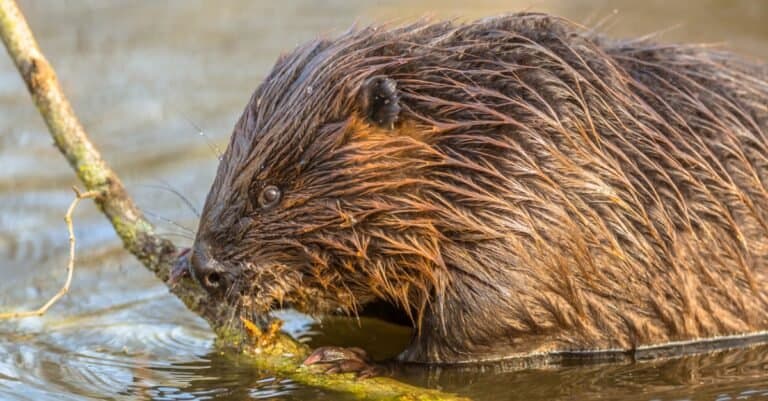
Beavers on small Upper-Volga streams act like "ecosystem engineers": their dams turn narrow streams into pond chains, boost frogs and newts, and create feeding paths for herons and otters—one family can change a valley's wildlife.
In spring, peat-bog pools and forest ponds can erupt with moor frog breeding gatherings; for a brief window, males turn bright blue, creating one of the most visually surprising seasonal wildlife events in the Upper Volga wetlands.
The Volga-Europe's longest river (~3,530 km)-begins in Tver Oblast: its headwaters rise from a small spring and bog near Volgoverkhovye (the "source of the Volga"), making the region the literal start point of Europe's biggest river ecosystem.
Tver Oblast also contains the source area of the Western Dvina (Daugava), a major Baltic-draining river (~1,020 km). Few regions can claim headwaters that ultimately flow to two different seas (Caspian via the Volga; Baltic via the Western Dvina).
The Central Forest State Nature Biosphere Reserve (Tsentralno-Lesnoy) protects one of the largest remaining relatively intact blocks of southern-taiga (spruce-dominated) forest on the East European Plain-an old-growth benchmark landscape for large mammals and forest birds.
The Orshinsky Mokh wetland complex (a vast raised-bog system in Tver Oblast) is among the largest bog complexes in Central Russia, providing outsized habitat for bog-specialist birds (cranes, grouse) and peatland amphibians compared with surrounding farmland mosaics.
6 species documented in our encyclopedia
Thank you for reading! Have some feedback for us?
We appreciate your help in improving our content.
Our editorial team will review your suggestions and make any necessary updates.
There was an error submitting your feedback. Please try again.