
Wildlife of
Ivanovskaja oblast'
About Ivanovskaja oblast'
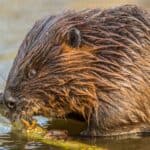
Ivanovo Oblast lies in the upper Volga basin. Mixed forests, river valleys, hayfields, and small villages make classic central Russian wildlife country. It sits where southern taiga meets broadleaf forest: spruce and pine blend into birch, aspen, and oak-linden woodlands that support many mammals and woodland birds. With gentle land and many streams, animals are often found along river banks, forest edges, and wet meadows. The main habitats are forests, floodplains, and peatlands. River corridors, including stretches linked to the Volga by the Klyazma, help animals move and bring together waterfowl, waders, and raptors. Wetlands and bogs are key for amphibians, dragonflies, and nesting birds. Beavers turn streams into ponds and meadows, raising local diversity. The mix of taiga-edge species (elk, hazel grouse), broadleaf birds, and wetland specialists makes Ivanovo good for slow travel and birding.
Geography
Ivanovo Oblast is on the low, gently rolling East European Plain in the upper Volga basin. Mixed and boreal-leaning forests, wide farmland, rivers, and floodplains make a patchwork of habitats. Forest blocks and peat wetlands support woodland animals, while river corridors and wet meadows support water species and movement across farmed land.
Elevation Range
Approximately 70-200 m above sea level (low-relief plain; habitat diversity is driven more by soils, forests, and wetlands than by elevation).
Coastline
No ocean coastline; limited shoreline occurs along the Volga River and associated reservoir/riverbank habitats, plus numerous small inland lakes/ponds and wetland margins.
Key Landscapes
Protected Areas
Ivanovo Oblast's protected areas are mostly regional specially protected natural areas (SPNAs)—landscape and zoological sanctuaries and many small natural monuments that protect lakes, bogs, springs, and old-growth forest. The oblast lacks a major national park; conservation focuses on large wetlands, floodplains, and conifer-mixed forests of the Upper Volga basin, important for moose, beaver, otter, forest grouse, and migratory waterbirds.
~6-8% of the oblast's land area (approximate; dominated by regional OOPT plus one major federal-level sanctuary)
National Parks & Preserves
State Nature Sanctuary (federal zakaznik) "Klyazminsko-Lukhsky" (Государственный природный заказник федерального значения "Клязьминско-Лухский")
~49,000 ha (order-of-magnitude; large wetland/forest sanctuary scale)The oblast's most important large protected area for wildlife: a mosaic of floodplain forests, peatlands, oxbow lakes, and marshes in the Klyazma-Lukh river system. It is notable for wetland biodiversity, breeding and stopover habitat for waterfowl, and good chances of seeing large mammals along forest-wetland edges.
State & Provincial Parks
Nature Park / Landscape Protected Area "Plyos - Volga Bank Landscapes" (regional specially protected natural area, often referred to as the Plyos Nature Park)
~3,000-6,000 ha (varies by zoning/boundary definition; medium regional landscape area)Steep Volga riverbanks, ravines, and mixed forests around Plyos create varied habitats in a compact area-good for forest birds, raptors over the river corridor, and spring/autumn migration viewing along the Volga.
Natural Monument "Lake Rubskoye (Rubskoye Ozero)"
~150-300 ha (lake + shoreline protection belt; small but wildlife-rich)A shallow lake with reedbeds and wet meadows that supports amphibians and breeding waterbirds; one of the better places in the oblast for close-range viewing of marsh and shoreline species during the warm season.
Wildlife Refuges
Kineshma Bor Regional Zoological Sanctuary
Not stated here; use the official protected-areas registry entry for the sanctuary's legally defined area.A regional-level zoological sanctuary (a type of specially protected natural area) in the pine-forest area known as "Kineshma Bor," established to conserve forest habitats and associated wildlife.
Talitsky Wetland Nature Sanctuary (regional protected area, Ivanovo Oblast)
5,958 haA regional wetland (peat bog) nature sanctuary established to protect peatland ecosystems and associated wetland habitats.
Wilderness Areas
- Klyazma-Lukh floodplain forest-and-bog wilderness belt (largest contiguous roadless wetland/forest blocks in the oblast)
- Zavolzhye coniferous forest tracts north of the Volga (pine/mixed forest with low road density, good for grouse and large mammals)
- Upper Uvod' and Teza river headwater peatlands (scattered bog complexes and wet forests that remain relatively undeveloped)
- Volga riverbank ravines and oak-lime forest patches near Plyos (steep terrain reduces access and preserves semi-natural habitat)
Wildlife
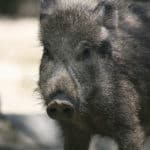
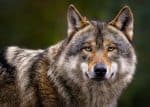
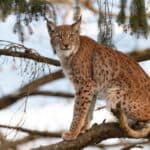
Ivanovo Oblast sits in Russia's upper Volga basin where mixed conifer-broadleaf forests, peat bogs, floodplain meadows, and a dense network of rivers and reservoirs meet extensive farmland. Wildlife is characteristic of Central Russia: forest ungulates and carnivores (moose, boar, wolf), rich wetland and river fauna (beaver, otter, waterfowl), and a strong breeding-bird community tied to taiga-edge forests and large marshy complexes. Biodiversity is highest along river valleys (Volga tributaries, Klyazma basin), bogs, and mature forest blocks, while intensively used agricultural landscapes favor generalists.
Iconic Species

Endemic & Rare Species
Notable Populations
- Forest-wetland birds typical of the upper Volga basin (cranes, grouse, forest raptors) where large bog/forest complexes persist
- Eurasian beaver populations on smaller tributaries and forest streams, reflecting broad recovery in European Russia
- Migratory waterfowl and raptors using the Volga basin river-reservoir corridor during spring and autumn movements
Recent Changes
- Eurasian beaver: continued long-term recovery and expansion along rivers and streams, increasing wetland creation and habitat complexity
- Wild boar: strong year-to-year swings in abundance in European Russia, with notable declines in some areas linked to African swine fever outbreaks and control measures
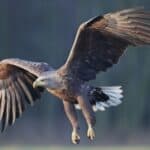
- Large raptors (e.g., white-tailed eagle, osprey): gradual improvements in some landscapes due to legal protection and reduced direct persecution, though nesting success remains sensitive to disturbance
- Riparian mammals: local gains where water quality and bank vegetation improve, but declines where rivers are heavily modified or disturbed
- American mink (Neogale vison): ongoing pressure on native riparian fauna across much of European Russia, contributing to long-term stress on the critically endangered European mink
Wildlife Viewing
Ivanovo Oblast in the Upper Volga basin has mixed forests, river valleys, boggy lowlands, meadows and farmland. Expect quiet nature: wetlands full of birds and reservoirs, beaver and otter waterways, moose and roe deer at forest edges, plus spring migration, autumn rut and winter tracking. Plyos and Kineshma are good bases; Lukh-Klyazma lowlands are great for floodplain birds.
Best Seasons
Spring (April-May)
Peak bird migration along the Volga and on reservoirs/floodplains: ducks, geese, swans, gulls, and early arriving songbirds. Forest edges can produce black grouse/capercaillie activity at dawn (best with a guide). Rivers run high-good for quiet canoeing in backwaters where beavers are active.
Summer (June-August)
Best for dusk-and-dawn wildlife on waterways: beaver, waterfowl broods, and sometimes otter. Dragonflies, butterflies, orchids and meadow wildflowers are at their peak; evenings can be excellent for bats. Expect mosquitoes in wetlands-plan long sleeves/repellent and choose breezier Volga viewpoints for comfort.
Autumn (September-October)
Moose (elk) rut and increased movement of mammals near forest openings; roe deer also more visible. Strong mushroom-and-berry season pairs well with nature walks. Autumn passage of raptors and cranes can be rewarding on clear, windy days along open riverbanks and fields.
Winter (November-March)
The best season for reading the landscape: fresh tracks of moose, fox, hare, and wild boar on snow, plus easier visibility in leafless woods. Great for winter birding (tits, woodpeckers, waxwings in irruption years). Short daylight and cold snaps favor half-day excursions with hot-drink stops.
Top Wildlife Experiences
- Volga riverbank birding and scenic wildlife scanning around Plyos: walk the wooded slopes and river viewpoints at sunrise for waterfowl, gulls, and raptors (bring binoculars; choose quieter trails away from the town center).
- Beaver-at-dusk paddle on calm waters near the Uvod Reservoir outside Ivanovo city: plan a late-evening shoreline circuit for beaver lodges, splashes, and water birds (keep voices low; use red light).
- Floodplain and wetland birding in the Lukh-Klyazma lowlands (Lukh area): look for cranes, herons, ducks, and passerines in reedbeds and wet meadows; best in spring migration and early summer mornings.
- Forest-edge moose and roe deer watching on quiet backroads and clearings in the northern Volga districts (around Kineshma and toward the reservoir shores): go pre-dawn with a local driver/spotter for safe roadside scanning.
- Night walk/listening session for owls and nocturnal wildlife in mixed forest near Plyos or Shuya: best in late winter and early spring on calm nights; combine with track-finding the next morning.
- Canoe/kayak day on smaller rivers (e.g., the Uvod, Teza, or local tributaries): watch kingfishers, sand martins (where banks allow), beaver sign, and wetland flora; choose sections with oxbows and backwaters for maximum wildlife.
- Winter tracking ski walk in pine-birch forest near Ivanovo's greenbelt and nearby rural woodlands: learn to identify prints, feeding sign, and bedding sites of hare, fox, wild boar, and moose (best after fresh snowfall).
Wildlife Watching Types
Guided Options
- Local nature guides in Plyos and Kineshma offering "Volga nature walks" and birding-focused excursions (ask specifically for sunrise/sunset wildlife emphasis rather than general sightseeing).
- Kayak/canoe outfitters and outdoor clubs in/around Ivanovo that can arrange low-noise evening paddles on the Uvod Reservoir or gentle river sections with a wildlife-focused leader.
- Ranger- or local-expert-led trips in the Lukh area (Lukh-Klyazma lowlands) for wetland birding and seasonal migrations; request small groups and early starts for best results.
- Volga river cruise stopover excursions (Plyos/Kineshma) that can be upgraded to nature-first itineraries: short hikes to viewpoints, birding on quieter stretches, and photography walks away from peak crowds.
- Winter "tracks and trails" programs run by regional outdoor groups: half-day ski/foot routes focused on animal tracks, feeding sign, and winter bird identification (best booked right after fresh snow).
Ecosystems
Ivanovo Oblast lies in the upper Volga basin in central European Russia. It has a temperate continental climate and flat glacial-fluvial plains. Ecosystems are mixed temperate forests, large farmed areas, river valleys (Volga, Klyazma, Uvod), and scattered wetlands (peaty depressions, floodplain marshes). Biodiversity fits the East European mixed-forest zone but is strongly affected by forestry, farming, towns, and industry.
Biomes
The main biome is East European mixed forests: a patchwork of conifer-broadleaf stands and secondary (regrowing) forest from long-term logging and past clearing, often with spruce, pine, birch, aspen, broadleaf trees on richer soils.
Dominant biome; widespread across the oblast, especially outside major urban/agricultural concentrations (roughly about half to two-thirds of the land area depending on district).
Dense network of rivers, tributaries, oxbows, and reservoirs in the Volga drainage, supporting riparian vegetation, aquatic macrophytes, and fish communities typical of lowland East European rivers.
Linear but extensive; present throughout via river corridors and waterbodies (a few percent of area but high ecological connectivity).
Peatlands, wet meadows, and floodplain wetlands occur in poorly drained depressions and along river valleys; includes marshy edges of lakes/ponds and peat-forming bog systems in places.
Patchy and localized; most common in low-lying areas and floodplains (small but ecologically significant, typically a few percent or less).
Habitats
Mixed and secondary forests across the oblast; many stands reflect managed forestry and regrowth after past clearing.
Birch-aspen pioneer and secondary deciduous stands are common; broadleaf elements increase on more fertile soils and in sheltered sites.
Pine and spruce stands (including planted/managed compartments) occur widely, especially on sandier or poorer soils and in cooler/moister microclimates.
Fragmented tree cover and small woodlots around settlements and farmland, often forming shelterbelts and semi-natural edges.
Mesic meadows and hayfields, including floodplain meadows along rivers; many are semi-natural or managed for forage.
River corridors of the Volga basin (notably Klyazma and Uvod systems locally) with riparian shrubs/trees, backwaters, and seasonally flooded areas.
Small natural lakes and larger impounded waters/reservoir-like reaches, often with reedbeds and shallow vegetated margins.
Numerous ponds (including artificial/managed ponds) near villages and in agricultural landscapes; important for amphibians and waterfowl locally.
Wet meadows, floodplain wetlands, and peaty lowlands scattered across the region; strong seasonal water-level dynamics.
Reed/sedge marshes in floodplains, lake margins, and slow-flowing channels; key breeding habitat for wetland birds.
Peat-forming wetlands in poorly drained depressions; can include sphagnum-dominated patches and black-alder/wet conifer margins.
Large areas of cropland and improved grassland/pasture forming a forest-farmland mosaic; major driver of habitat fragmentation.
Urban/industrial ecosystems concentrated around Ivanovo and other towns, with altered hydrology and disturbed soils.
Peri-urban mixed land use (gardens, smallholdings/dachas, parks, fragmented woods) creating edge-heavy habitats.
Ecoregions
Conservation
Primary Threats
- Water pollution is highest near Ivanovo and other towns where sewage, stormwater, and old factory wastes (including textile dye residues and sludge) harm small rivers that drain to the Volga basin. Farm runoff adds nutrients, causing eutrophication in ponds and slow waters.
- Commercial and sanitary logging in production forests can simplify forest structure (loss of old trees, dead wood), reducing nesting/foraging habitat for forest raptors and cavity-dependent fauna, and can fragment remaining mature stands if not planned with ecological corridors in mind.
- The oblast's forest-and-farmland landscape is steadily reshaped by conversion of semi-natural edges (woodlots, riparian strips, meadow remnants) to more uniform land uses, shrinking habitat patches needed by wetland birds, small carnivores, and amphibians.
- Drainage of peatlands and wet meadows for forestry/agriculture, channel straightening, and bank hardening around settlements alter hydrology. This reduces floodplain retention, dries peat soils (raising fire risk), and removes breeding/feeding sites for wetland-dependent species.
- Where cultivation intensifies, removal of hedgerows, field margins, and riparian buffers reduces landscape permeability for wildlife and increases sediment and nutrient runoff into tributary streams.
- Road networks and linear utilities fragment forests and wetlands, create barriers for amphibian migrations, and increase wildlife mortality. New or expanded gravel extraction and access tracks can open previously quiet forest blocks to disturbance and illegal take.
- Growth and densification around Ivanovo and district centers increases pressure on nearby forests and riverbanks (housing, dachas, recreation), raising disturbance levels and reducing natural riparian vegetation that filters runoff.
- Recreation (off-road vehicles, fishing access, camping) in river valleys and peatland margins can trample sensitive vegetation, disturb nesting birds (e.g., raptors and storks), and increase litter and fire ignitions during dry periods.
- More frequent hot/dry spells elevate peat and forest fire risk, while warmer winters and unstable freeze-thaw cycles can disrupt hydrology and winter habitat conditions, affecting species tied to stable ice/snow regimes and wetland water levels.
- While regulated hunting is common, illegal take and unreported bycatch (e.g., in snares) can affect sensitive raptors and scarce mammals, especially near accessible forest edges and river corridors.
- In river-and-wetland systems, invasive or non-native competitors/predators (notably American mink in many parts of European Russia) can depress native waterbirds and small semi-aquatic fauna, complicating recovery of rare wetland-associated species.
Did You Know?
In spring, male moor frogs (Rana arvalis) can briefly turn a vivid sky-blue for just a few days during breeding; this spectacle happens in temporary floodplain pools and wet meadows typical of the upper-Volga basin.
Adders (Vipera berus) don't lay eggs in cold climates: they give birth to live young (viviparity), an adaptation that helps them persist in temperate-continental regions like Ivanovo Oblast where cool spells can derail egg incubation.
Beaver dams on small Ivanovo-Oblast tributaries can act like natural "water storage," slowing runoff after snowmelt; the resulting shallow wetlands often boost local amphibian numbers and create feeding spots for wading birds.
The black woodpecker is a wildlife landlord: its tree holes are used for years by animals that cannot make holes themselves (for example, some owls, ducks, and tree-nesting mammals), shaping a small forest neighborhood.
Ivanovo Oblast's mixed forests are part of the range of the Eurasian elk/moose (Alces alces) - the largest deer species on Earth, with adult bulls that can top 600 kg and stand around 2 m at the shoulder.
The oblast's river network (notably the Uvod, Teza and Lukh) provides classic habitat for the Eurasian beaver (Castor fiber), the largest rodent in Europe; its dams can turn narrow tributaries into chains of ponds visible even on satellite imagery.
The European adder (Vipera berus), which occurs across central Russia including Ivanovo Oblast, holds a global "cold-climate" record: it is the northernmost-ranging snake in the world, living farther north than any other serpent.
Mature conifer-and-mixed stands in the region can host the black woodpecker (Dryocopus martius) - Europe's largest woodpecker, famous for carving deep, oval nest cavities in thick trunks.