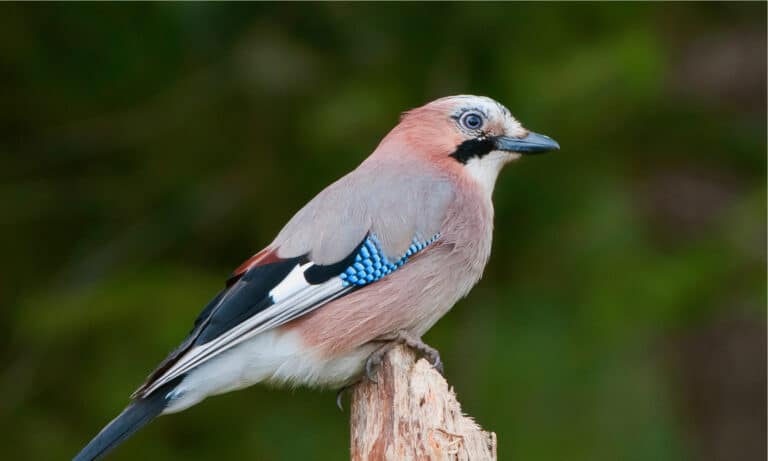
Eurasian Jay
Oak Forest Planter with a Blue Flash

Oak Forest Planter with a Blue Flash
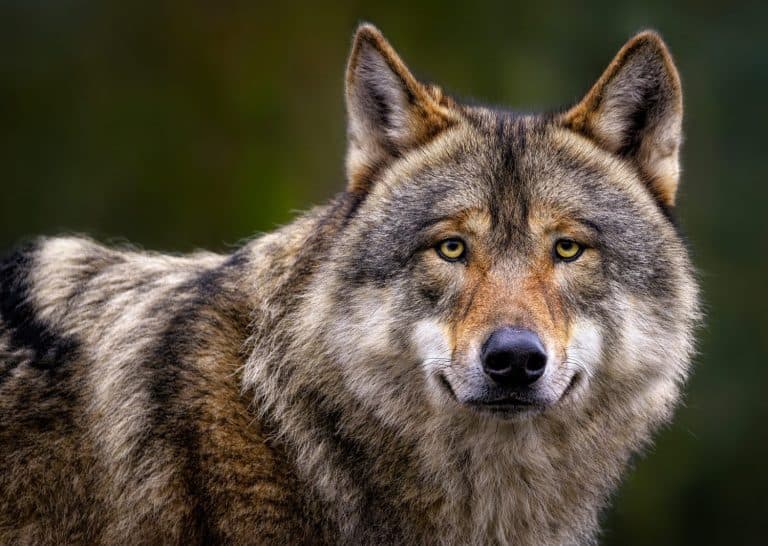
Packs, howls, and healthy wildlands
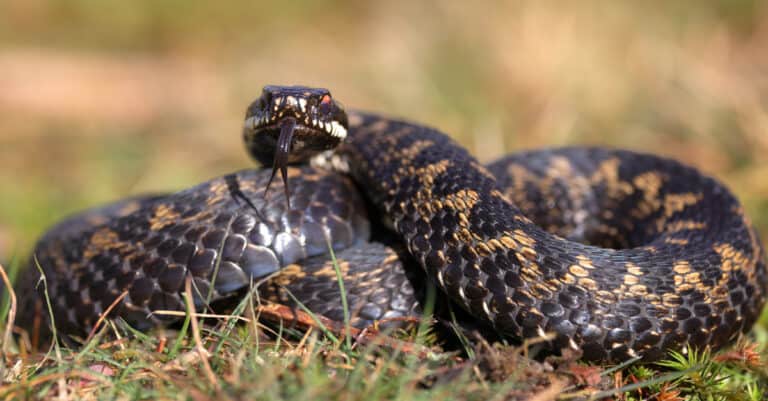
Zigzag guardian of the heath
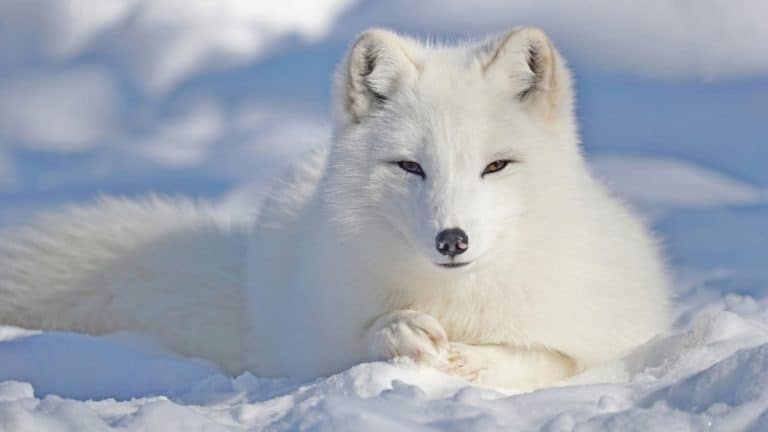
Built for blizzards, born for tundra
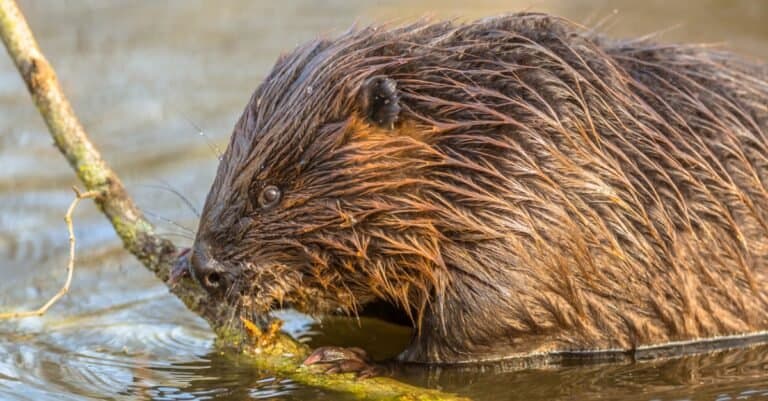
Nature's wetland engineer
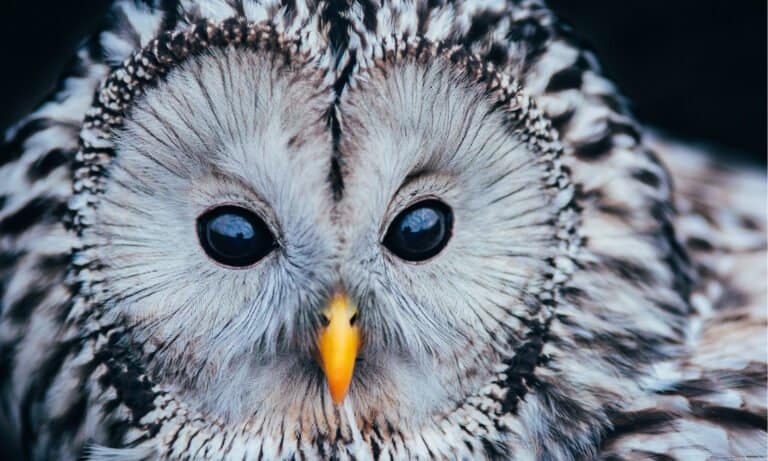
Long tail, deep woods, silent strike
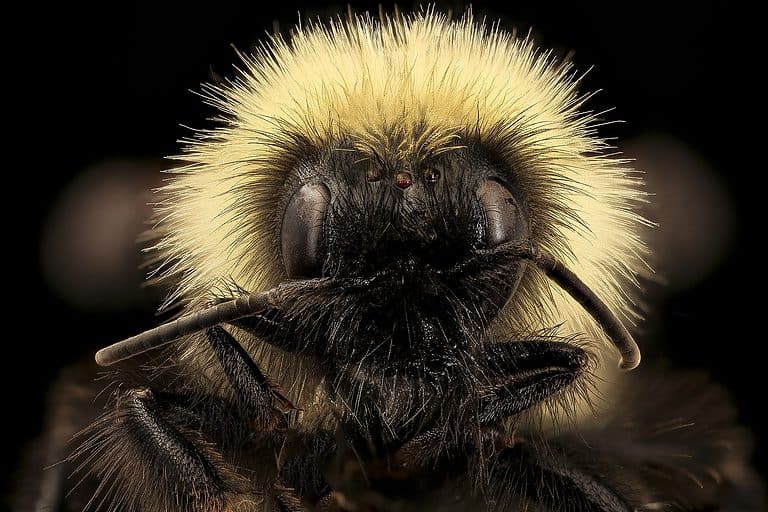
The nest-hijacking bumblebee
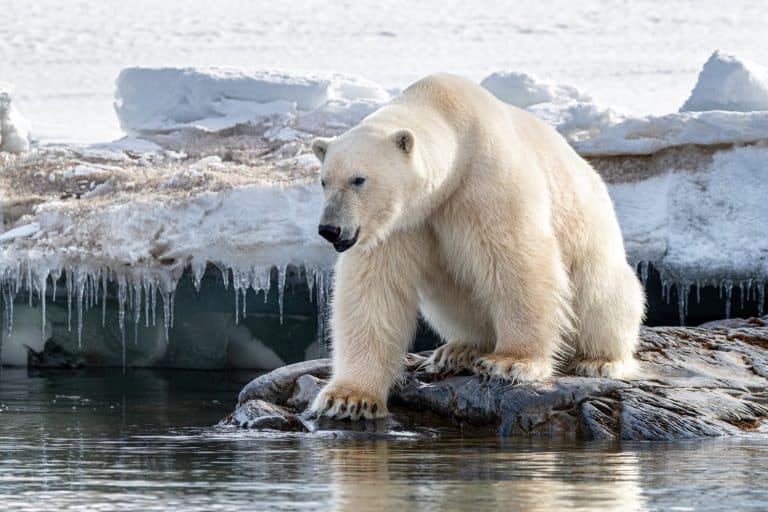
Built for sea ice, born to hunt seals
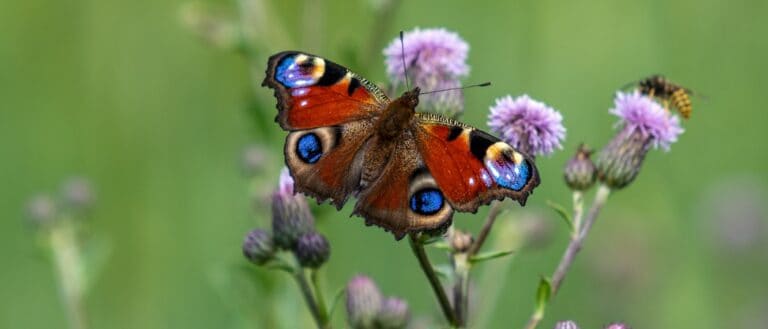
Flash the eyespots-vanish the rest!
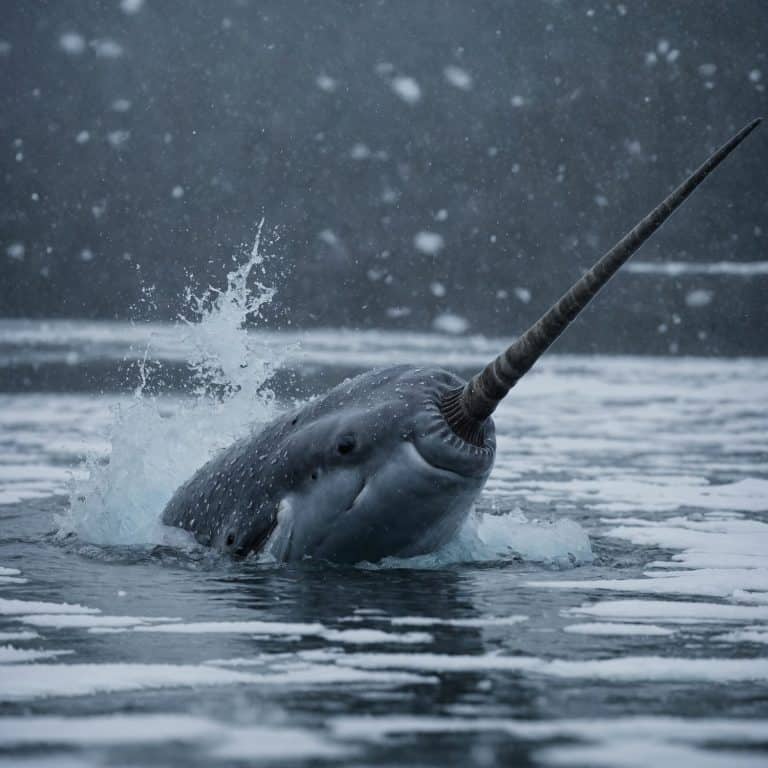
The tusked deep-diver of the pack ice
Krasnoyarsk Krai is one of Eurasia's largest wild places. It is very big and remote and runs from south to north through many habitats. Dense conifer taiga, wild river valleys, high mountain basins, and windswept Arctic shores all occur here. The land supports big predators, large herds of hoofed mammals, and some of Russia’s most intact wilderness. The Yenisei River is the main natural corridor, linking boreal forests to the Arctic Ocean and feeding floodplains, wetlands, and riverside woods. In the south the Western and Eastern Sayan mountains give alpine meadows, dark-needle taiga, and rocky slopes for mountain species. Farther north taiga turns to forest-tundra and true tundra, where birds gather in short summers and Arctic mammals live on coasts and islands. The Putorana Plateau is a huge, mostly roadless core of canyons, waterfalls, and isolated lakes. You can travel from temperate mountains to Arctic coasts without leaving the krai.
Krasnoyarsk Krai stretches from the Sayan Mountains to the Arctic Ocean, creating a chain of habitats: mountain forests and alpine tundra → vast taiga → forest‑tundra → tundra and polar deserts. The Yenisei River and its tributaries are main wildlife corridors, while plateaus, wetlands and Arctic coasts shape migration routes, breeding areas and where species live in central Siberia.
Sea level (Arctic coast) to 2,922 m at Grandiozny Peak in the Western Sayan Mountains (alpine and subalpine zones above the taiga)
Arctic Ocean coastline (Kara Sea), including the Yenisei Gulf and extensive tundra shorelines; northern islands/archipelagos add polar desert coastal habitats.
Krasnoyarsk Krai has one of Russia’s biggest protected-area networks, from Arctic islands and coastal tundra to the Lower Yenisei wetlands, boreal taiga of the Central Siberian Plateau, and the mountains of the Western and Eastern Sayan. Federal strict nature reserves and national parks, plus regional sanctuaries, natural monuments and nature parks, protect wild reindeer migration, seabird colonies, rivers and wetlands.
≈10% (order-of-magnitude; varies by accounting method and whether regional sanctuaries are included)
Iconic taiga and rock outcrops near Krasnoyarsk; a well-known protected area that supports forest wildlife and high foothill taiga biodiversity.
A southern taiga to forest-steppe transition area with sandy pine forests and wetlands; notable for large ungulates and rich birdlife, with established nature tourism infrastructure.
Premier regional protected area in the Western Sayan Mountains with alpine meadows, highlands, cedar-fir taiga, and glacial lakes; noted for mountain biodiversity and wildlife-focused trekking.
Large regional wetland and tundra/forest-tundra sanctuary in the Lower Yenisei region, important for staging waterfowl and geese and for safeguarding key habitats adjacent to federal Arctic reserves.
A strict nature reserve in remote Evenkia protecting mid-taiga boreal forests and river valleys, maintained for large-scale wilderness conservation and native taiga wildlife.
A cluster of regional sanctuaries and protected wetland tracts along the lower Yenisei floodplains and deltas that function as a migratory bird refuge system (names and boundaries differ by site).
High-Arctic island and coastal refuges that protect seabird colonies, haul-outs, and denning/foraging areas for marine mammals; functionally similar to national wildlife refuges in other countries.
Krasnoyarsk Krai covers many habitats from south to north: Sayan Mountain forests and alpine meadows, the vast Central Siberian taiga, forest-tundra, Arctic tundra, and the polar deserts of the Taimyr Peninsula and Severnaya Zemlya. This creates a “Siberia in one region” wildlife mix: large boreal mammals (bear, moose, sable), tundra specialists (wild reindeer, Arctic fox), raptors and geese on migration and breeding grounds, and large cold-water fish in the Yenisei. Protected areas like Putoransky Reserve (Putorana Plateau) and the Great Arctic Reserve protect ecosystems and key breeding areas.

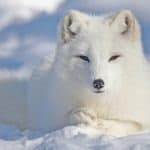
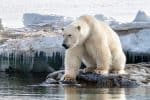
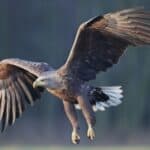
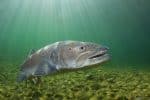
Krasnoyarsk Krai stretches from the southern Sayan Mountains and forest-steppe into endless taiga, Arctic tundra and the Kara Sea coast, much crossed by the Yenisei River. Wildlife includes sable, moose/elk, brown bear, wild reindeer and musk ox, plus raptors, owls, cranes, waterfowl and shorebirds. Combine easy hikes near Krasnoyarsk with one longer trip to Putorana/Taimyr or Ergaki.
Best for tracking wildlife by footprints on snow (sable, fox, hare, moose/elk) and for crisp visibility in taiga reserves near Krasnoyarsk. In the far north (Norilsk/Taimyr), this is prime time for Arctic conditions and aurora nights; travel is logistically easier on winter roads in some areas but requires cold-weather readiness.
Spectacular bird migration along rivers and wetlands-returning geese, ducks, swans, and early raptors. River ice breakup on the Yenisei is dramatic, but some routes can be in "mud season" with limited access; focus on urban-adjacent nature areas and river corridors for birding rather than deep backcountry.
Peak biodiversity and the most practical time for multi-day trekking, river trips, and northern expeditions. Expect long daylight (especially in the Arctic), active mammals, and abundant birds. This is the main season for Putorana Plateau and tundra birding; also best for boat-based wildlife viewing on the Yenisei and large lakes.
Golden larch forests, rutting season for some ungulates, and strong chances of spotting bears and moose/elk during feeding periods (with appropriate distance and safety). Bird migration continues early in autumn. Weather becomes volatile quickly in the north and mountains; plan flexible itineraries and warmer gear.
Krasnoyarsk Krai covers a strong north–south change: Arctic coastal deserts and tundra on Taymyr and Severnaya Zemlya, boreal taiga across the Central Siberian Plateau and Yenisei basin, and the Western/Eastern Sayan mountains with height zones (dark conifer forests, subalpine/alpine tundra, meadows). Major rivers and lakes form wetlands that support migratory waterbirds, large hoofed mammals, and top predators across intact wildlands.
Dominant taiga biome across the central and southern lowlands/plateaus, with extensive larch, pine, spruce, fir and Siberian cedar forests; frequent fire regimes and permafrost-influenced soils in the north/plateau interiors.
Widespread across most of the krai south of the Arctic tundra; roughly ~60-70% of the territory.
Arctic and subarctic tundra on Taymyr Peninsula and high Arctic islands/archipelagos, with moss-lichen carpets, dwarf shrubs, patterned ground, and strong permafrost control; key reindeer and breeding waterbird areas.
Northern third of the krai, strongest on Taymyr and adjacent Arctic lowlands; roughly ~20-30%.
Elevational belts in the Sayan Mountains and other uplands, transitioning from montane conifers to subalpine krummholz, alpine tundra, snowbeds, and rocky highlands; includes glacial and periglacial landforms.
Patchy in southern mountains (Western/Eastern Sayan) and select uplands; roughly ~5-10% (highly localized but important).
Large river systems (Yenisei and major tributaries) and extensive lake districts (notably Putorana Plateau and Taymyr Lake), supporting salmonids/whitefish, riparian forests, floodplains, and migratory bird stopovers.
Linear network throughout the krai; locally dominant along major valleys and lake basins (a few percent by area, but ecologically pervasive).
Peatlands, floodplain marshes, thermokarst wetlands, and permafrost-controlled bog complexes across taiga and tundra; major carbon stores and breeding habitat for waterfowl and cranes.
Scattered statewide, especially in lowlands, river floodplains, and permafrost zones; locally extensive (several percent, with large regional concentrations).
Arctic marine and coastal ecosystems along the Kara Sea and Laptev Sea margins (including island coasts), with seasonal sea ice, polynyas, and productive shelf waters supporting seabirds and marine mammals.
Narrow coastal fringe plus offshore waters within the krai's Arctic frontage; limited land area but significant seascape extent.
Southern transition zones where mixed forests and forest-steppe elements occur (birch/aspen mixed with conifers) under comparatively warmer, more continental conditions than the central plateau taiga.
Small southern portion (notably toward the Minusinsk Basin and Sayan foothills); minor overall (<~5%).
Forest-steppe/steppe-like openings and meadow-steppe patches in the south (especially basins and rain-shadow areas near the Sayan foothills), with grass-forb communities and high seasonal productivity.
Localized in southern basins/valleys; very small share overall (typically <~2%).
Extensive taiga landscapes forming large, often continuous blocks with relatively low fragmentation outside major settlements and industrial corridors.
Core taiga habitat dominated by larch (north/plateau), Scots pine on sandy terraces, and dark conifers (spruce, fir, Siberian cedar) in moister southern/montane zones.
Birch-aspen secondary stands and mixed patches common after fire/logging and along some river terraces in the southern and central taiga.
Open larch woodlands near the taiga-tundra ecotone and on permafrost-affected sites with sparse canopy and lichen-rich ground layers.
Moss-lichen tundra, dwarf-shrub tundra, and polygonal tundra on Taymyr and Arctic islands; important for wild reindeer migration and nesting shorebirds.
Willow/alder shrub belts on riverbanks, deltas, and tundra slopes; expands in sheltered microsites and along floodplains.
Meadow-steppe and forest-steppe clearings in the south (e.g., Minusinsk Basin area), often used for haymaking and grazing where converted.
Subalpine and alpine meadows in the Sayan Mountains, occurring between treeline and rocky summits; rich herb communities and summer pasture for ungulates.
Western/Eastern Sayan mountain systems with strong vertical zonation, steep valleys, and varied microclimates driving high habitat turnover over short distances.
Basalt escarpments and canyon walls (notably in the Putorana Plateau) providing nesting ledges and distinct cliff/ledge plant assemblages.
Large high-latitude and montane lake systems (Taymyr Lake; Putorana's deep, fjord-like lakes) with cold, oligotrophic waters and important fish habitats.
Major free-flowing and regulated reaches of the Yenisei system (including Angara, Lower Tunguska, Podkamennaya Tunguska), with broad floodplains and riparian corridors.
Floodplain wetlands, peatlands, and thermokarst depressions widespread in both taiga and tundra, supporting high seasonal bird abundance.
Shallow, sedge-dominated marshes in deltas, floodplains, and lake margins, especially in the Arctic lowlands during the brief summer.
Peat-accumulating bogs and palsas/peat plateaus in permafrost zones; key long-term carbon stores and wildfire-sensitive areas.
Low Arctic coasts with lagoons, spits, and coastal tundra along the Kara and Laptev seas, strongly shaped by sea ice and storm surges.
Arctic gravel/sand beaches and barrier features, seasonally used by birds; dynamics influenced by ice push and short open-water season.
Rocky island and headland shores (including high Arctic islands) with seabird colonies and wave/ice-scoured intertidal zones.
Nearshore and offshore Arctic waters with seasonal productivity pulses tied to ice melt and polynyas.
Predominantly shelf seabeds (soft sediments and mixed substrates) supporting benthic invertebrate communities important to higher trophic levels.
Localized deeper basins/off-shelf areas beyond the shallow shelf influence in adjacent Arctic seas (less extensive than shelf habitats).
Major urban/industrial nodes (e.g., Krasnoyarsk, Norilsk) with strong local habitat modification and pollution footprints.
Expanding peri-urban zones around major cities and transport corridors, increasing fragmentation in southern portions.
Concentrated mainly in the south (forest-steppe and river valleys) as cropland, hayfields, and pasture; limited compared to the krai's overall area.
A stretch of the Yenisei River below the Krasnoyarsk Hydroelectric Station often stays ice-free deep into winter; this human-made "open-water corridor" becomes an unexpected cold-season refuge where ducks and other waterbirds concentrate far north of their usual wintering latitude.
Taimyr is one of the classic places where red-breasted geese (a globally threatened species) nest in the neighborhood of raptors (especially peregrine falcons) or snowy owls-using these fierce neighbors as a living security system against Arctic foxes.
Musk oxen were brought back to Taimyr in the late Soviet era from North America. Their numbers grew into a free-ranging Arctic herd, so you can see Ice Age megafauna in Siberia.
Putorana Plateau lakes and rivers (within/around Putoransky Reserve) hold post-glacially isolated fish populations-some forms of Arctic char and whitefish became landlocked after the Ice Age, producing locally distinctive populations in separate canyon-lake systems.
During peak migration, wild reindeer in northern Krasnoyarsk Krai cross wide rivers in tight swimming waves, including major rivers, a dramatic, brief sight seen from riverbanks.
The Great Arctic State Nature Reserve in northern Krasnoyarsk Krai is the largest strict reserve in Eurasia, about 41,000 km², protecting polar bears, walruses, and Arctic birds along the Kara and Laptev coasts.
Krasnoyarsk Krai's Taimyr (Taymyr) wild reindeer herd is one of the largest wild reindeer populations on Earth, with surveys in different decades reporting numbers in the hundreds of thousands-making it one of Eurasia's biggest remaining long-distance terrestrial migrations.
The Yenisei basin in Krasnoyarsk Krai is a flagship stronghold for taimen (Hucho taimen), among the world's largest salmonid fishes; verified individuals can exceed ~1.5-2 m in length and 50+ kg.
On the Taimyr Peninsula, the Ary-Mas and nearby larch stands are famous as the world's northernmost "forest" (tree-line) communities-creating the planet's most northerly forest-type wildlife habitat (where forest-associated birds and mammals persist right at the edge of the Arctic tundra).
48 species documented in our encyclopedia
Thank you for reading! Have some feedback for us?
We appreciate your help in improving our content.
Our editorial team will review your suggestions and make any necessary updates.
There was an error submitting your feedback. Please try again.