
Wildlife of
Lipeckaja oblast'
About Lipeckaja oblast'
Lipetsk Oblast is in the forest-steppe of European Russia, where oak-linden groves and floodplain woods meet open grasslands, gullies, and farm fields. Though much land is farmed and has industry, pockets of rich life remain, especially where river valleys, steep slopes, and rocky outcrops were left unplowed. Water and limestone shape the wildlife. Tributaries of the Don basin, including the Voronezh River, make wide floodplains with oxbows, reedbeds, and wet meadows that suit beavers, waterbirds, and migrating birds in spring. On higher ground, oak-linden woods host roe deer, wild boar, fox, badger, and many songbirds. Chalk and limestone areas support dry steppe plants and cliff-nesting birds. Short distances here can change from cities and fields to ravines, chalk bluffs, and protected places like Galichya Gora, giving good chances to see forest-steppe and steppe species.
Geography
Lipetsk Oblast lies in the forest-steppe belt of European Russia, with broad valleys of the Don basin cutting gently rolling uplands and plains. This makes a patchwork of riparian forests, floodplain meadows, wetlands, steppe-like grasslands, and scattered woodlands. Farming and cities break up habitats, so wildlife is mostly along rivers, ravines, chalk and limestone slopes, and remaining forests.
Elevation Range
Approximately ~70-280 m above sea level (low river valleys to gently elevated uplands), driving local contrasts between wetter floodplains and drier steppe slopes.
Key Landscapes
Protected Areas
Lipetsk Oblast lies in Russia's forest-steppe. Biodiversity centers in Don river valleys, chalk/limestone outcrops, steppe remnants, and ravine-oak forests amid farm and industrial areas. Protected areas include a small, scientifically important federal strict nature reserve in clusters protecting relict steppe and rocky habitats, plus a regional network of sanctuaries and monuments for floodplains, wetlands and outcrops that shelter migrating birds.
≈5-7% of the oblast (approximate; most protected land is in small regional wildlife sanctuaries and nature monuments, with only a tiny share at federal level).
National Parks & Preserves
Galichya Gora State Nature Reserve (Государственный природный заповедник "Галичья гора") - main/"Galichya Gora" cluster
Part of a multi-cluster reserve totaling ≈2.3 km² (≈230-240 ha) overall; individual cluster is small (tens of hectares).A flagship federal strict reserve protecting chalk and limestone outcrops with relict steppe vegetation and nesting/foraging habitat for raptors; notable for high biodiversity density in a very small area and for steppe-forest edge wildlife viewing.
Galichya Gora State Nature Reserve - Morozova Gora cluster
Small isolated cluster (typically a few tenths of km²; part of the reserve's ≈2.3 km² total).Forest-steppe slopes and ravines that support a rich mix of woodland and open-country birds; valuable as a refuge for mammals and breeding raptors in an otherwise intensively farmed region.
Galichya Gora State Nature Reserve - Plyushchan (Плющань) cluster
Small cluster (tens of hectares; part of the reserve's ≈230-240 ha total).Spring-fed streams and wooded ravines with high botanical diversity; important for amphibians, songbirds, and as a summer refuge for larger mammals in the ravine-oak landscape.
Galichya Gora State Nature Reserve - Voronov Kamen (Воронов камень) cluster
Very small rocky cluster (well under 1 km²; part of the reserve's ≈2.3 km² total).Rocky outcrops and cliff-like habitats used by nesting birds and cliff-associated flora; especially notable for raptor observation and passerines concentrated along the rock/forest edge.
Galichya Gora State Nature Reserve - Bykova Sheya (river-valley) cluster
Small floodplain cluster (tens of hectares; part of the reserve's ≈230-240 ha total).River-valley habitats (floodplain meadows, riparian woods) that complement the steppe-and-rock clusters; important for water-associated wildlife and migratory birds along the Don basin flyways.
State & Provincial Parks
Vorgol Rocks Nature Monument / protected landscape (Vorgol Rocks)
Protected site is typically on the order of a few km² or less (exact boundaries vary by designation in the regional registry).A dramatic river-gorge and cliff complex near Yelets that concentrates wildlife along rock ledges, forest edges, and the Vorgol River; notable for raptors, owls, and diverse bat and songbird assemblages typical of cliff-ravine systems in the forest-steppe.
Don River valley floodplain protected landscapes (regional nature monuments and wildlife sanctuary network)
Usually multiple separate protected parcels; combined area can reach tens to hundreds of km² across the oblast (designation-specific).A set of regional protections focused on oxbows, wet meadows, and riparian woods in the Don basin within Lipetsk Oblast; key for spring/autumn bird migration, beaver/otter habitat, and maintaining semi-natural floodplain mosaics amid agricultural land.
Wildlife Refuges
Galichya Gora Nature Reserve (Lipetsk Oblast)
About 2,300 hectares (about 23 square kilometers).A protected area in Lipetsk Oblast centered on limestone outcrops and ravine landscapes along the Don River, with a mosaic of forest-steppe habitats. It is widely noted for very high botanical diversity and for its raptor (birds of prey) breeding and rehabilitation facility associated with the reserve.
Wetland and reservoir bird refuges (regional protected wetlands, incl. large pond/oxbow systems)
Site-dependent; often a few km² to several tens of km² each.Seasonal concentrations of waterfowl and waders on open water, reedbeds, and shallow bays; valuable for migration stopovers and breeding of wetland birds in the Don basin catchments.
Chalk-steppe and rocky-slope sanctuaries outside the federal reserve (regional nature monuments)
Usually very small monuments (often <1-5 km² each).Small but irreplaceable remnants of steppe and petrophytic (rock-loving) communities on chalk/limestone slopes; notable for butterflies, reptiles, and open-habitat birds, and as stepping-stones between larger habitats.
Wilderness Areas
- Ravine-oak forest systems and gully networks on the Central Russian Upland margins (most intact where slopes are too steep for cultivation).
- Don basin floodplain complexes with oxbow lakes and wet meadows (best remaining semi-natural corridors in the oblast).
- Chalk/limestone outcrop belts and cliffy river sections near Yelets (including the Vorgol gorge area), with limited road access on steep terrain.
- Patches of pine and mixed forest on sandy terraces and along tributary valleys (local roadless blocks where forestry access is minimal).
Wildlife
Lipetsk Oblast lies in the forest-steppe belt of European Russia, where broadleaf woodland fragments, river valleys and floodplains (mainly in the Don basin), meadow-steppe patches, and extensive farmland create a mixed wildlife character. Most species are typical of central forest-steppe: medium-large ungulates and mesopredators in wooded ravines and riverine forests, rich wetland and riparian birdlife along the Don and its tributaries, and pockets of steppe-associated fauna where intact grasslands remain. Industrial and agricultural land use strongly shapes distributions-wildlife is concentrated in protected areas, river corridors, and less-ploughed steppe slopes.
Iconic Species



Endemic & Rare Species
Notable Populations
- High raptor and river-valley bird interest concentrated around protected steppe/riverine fragments (notably the Galichya Gora area), which function as key refuges in an agricultural matrix.
- Regionally important floodplain and wet-meadow habitats along the Don basin supporting breeding and stopover concentrations of cranes, waterfowl, and waders during migration.
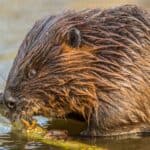
- Strong Eurasian beaver presence along smaller tributaries and floodplain channels, with measurable effects on wetland creation and local biodiversity.
Recent Changes
- Eurasian beaver has continued broad recovery/expansion along many river systems, increasing wetland habitat complexity in tributary valleys.
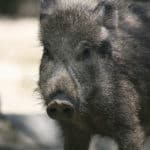
- Wild boar numbers have shown sharp fluctuations in recent years in many parts of European Russia due to African swine fever management and disease impacts, influencing predator-prey dynamics and hunting pressure.
- Large raptors associated with major waterways (notably White-tailed Eagle) have generally improved compared with late-20th-century lows in many regions, aided by legal protection and reduced direct persecution, though disturbance and electrocution risks remain.
- Specialist farmland and steppe birds have generally trended downward where agricultural intensification reduces nesting cover and insect prey; remaining steppe fragments are increasingly important refuges.
- Riparian specialists such as European mink and Russian desman remain vulnerable due to water pollution, bank modification, and loss of quiet floodplain habitats; local persistence is increasingly patchy.
Wildlife Viewing
Lipetsk Oblast lies in Russia's forest-steppe belt, where Don basin rivers cut through oak and pine patches, chalk/limestone outcrops, and floodplain wetlands. Wildlife viewing focuses on rivers and reserves: floodplains for migrating birds, steppe slopes for birds of prey and wildflowers, and backwaters for beaver and otter. The small Galichya Gora Reserve is rich in steppe plants, insects, and birds.
Best Seasons
Spring (April-May)
Peak migration and soundscape season: cranes, geese/ducks, gulls/terns on reservoirs; songbirds flood riparian woods; floodplain wetlands expand, concentrating birds. Great time for raptor watching over steppe slopes and for wildflower displays on south-facing banks. Bring waterproof boots for muddy trails and flooded meadows.
Summer (June-August)
Long days for river travel and insect life: butterflies/dragonflies on steppe edges, kingfishers along clear tributaries, herons on backwaters. Best season for dusk beaver watching and quiet paddling. Midday heat can be strong on open slopes-plan early/late outings.
Autumn (September-October)
Second migration wave: waterfowl gather on reservoirs and wide river bends; mixed flocks in oak woods. Clear air and golden foliage make this the most photogenic season. Good chances to hear/see rut activity of deer in forest tracts (from a respectful distance).
Winter (December-March)
Tracking and feeders: fresh snow makes it easier to read animal movement (roe deer, fox, hare, boar in managed forests). Rivers partly freeze, concentrating birds on open water; owls and woodpeckers are easier to locate in quiet forests. Dress for wind on river valleys and bring binocular-friendly gloves.
Top Wildlife Experiences
- Galichya Gora Nature Reserve (near Yelets, on the Don): walk the steppe-and-cliff routes with reserve staff to look for raptors riding the thermals, steppe passerines, and rare plants/insects on limestone/chalk outcrops.
- Dawn birding on the Don River floodplain (Zadonsk-Yelets stretch): scan oxbows, wet meadows, and reedbeds for herons, ducks, migrating flocks, and hunting raptors; best in April-May and September-October.
- Kayak/canoe the Bystraya Sosna River near Yelets: a quiet paddle is ideal for spotting kingfishers, grey herons, and beaver sign along cutbanks and willow edges (early morning or evening).
- Matyr Reservoir (near Lipetsk): do an autumn migration watch from shoreline viewpoints for concentrations of waterfowl, gulls/terns, and passing raptors; spring can also be productive during thaw and high water.
- Evening beaver watch on small Don-basin tributaries: pick a calm backwater with fresh gnaw marks and lodges; arrive 60-90 minutes before sunset and stay still-summer is best, but late spring/early autumn also works.
- Forest-steppe edge walk in the Voronezh River valley woodlands (around Dobroye and nearby riparian tracts): focus on woodpeckers, owls (winter), and mixed songbird flocks (spring/autumn), plus tracks in winter snow.
- Krasivaya Mecha valley viewpoints (northwestern Lipetsk Oblast): combine geology and wildlife-scan open slopes and ravines for soaring birds, listen for shrubland passerines, and look for steppe flora and butterflies in summer.
Wildlife Watching Types
Guided Options
- Galichya Gora Nature Reserve: scheduled excursions/interpretive walks with reserve specialists (best way to access the most informative routes and learn the reserve's rare steppe ecology).
- Local birding-guides and nature photographers based in Lipetsk or Yelets: custom dawn migration watches on the Don floodplain and Matyr Reservoir, with transport to viewpoints and field ID support.
- Guided paddling trips on the Don or Bystraya Sosna (seasonal): low-noise wildlife-focused routes timed for beaver activity and waterbird concentrations.
- Regional museum/nature-education programs (Lipetsk/Yelets): occasional field days and talks that pair natural history interpretation with short wildlife walks-useful for visitors without their own transport.
- Ranger-led winter tracking walks in managed forest tracts (by arrangement through local recreation bases): emphasis on ethical observation, track ID, and photography rather than pursuit.
Ecosystems
Lipetsk Oblast is in the forest-steppe belt of Russia, where broadleaf forests alternate with meadow-steppe grasslands on fertile chernozem soils. The Don River basin and tributaries create river valleys, floodplains, oxbow lakes and wet meadows. Much natural vegetation has been turned to intensive farming; remaining habitats are found in ravines, river corridors, protected areas and uplands.
Biomes
Forest-steppe and meadow-steppe communities on chernozem soils; much of the original steppe-like cover has been converted to cropland, with remnants on slopes, field margins, and protected sites.
Historically extensive; now largely transformed-remnants and secondary grasslands are widespread but patchy across the oblast.
Broadleaf and mixed forests (oak, linden, maple, birch; locally pine plantations) persisting in larger tracts, ravines, and river valleys; important refugia for woodland biodiversity within an agricultural matrix.
Fragmented patches across the region; more continuous in river valleys, ravine networks, and protected areas.
River-dominated freshwater systems of the Don basin (notably the Don and Voronezh rivers, plus smaller tributaries), with associated oxbows, backwaters, and reservoirs/pond networks.
Linear network throughout; highest ecological significance along major river corridors and tributary confluences.
Floodplain wetlands and wet meadows, including seasonally inundated areas, reedbeds, oxbow margins, and small peat-forming depressions in places.
Localized and mostly tied to floodplains and low-lying depressions; scattered, often narrow bands along rivers.
Habitats
Dominant land cover: large fields of cereal, sunflower, sugar beet and other crops on chernozem soils; extensive field edges and shelterbelts influence species movement and nesting.
Meadow-steppe remnants on slopes and less-plowed areas; secondary grasslands on fallows and field margins, often rich in herbaceous flora where not overgrazed or frequently mown.
Forest-steppe steppe-like patches (often on south-facing slopes and uplands) with drought-tolerant grasses and forbs; typically small, isolated fragments.
Oak-dominated and mixed broadleaf stands in ravines and on less-arable terrain; important for woodland birds, small mammals, and understory plant diversity.
Mosaic woodlots, shelterbelts, and regenerating stands embedded in farmland; provides connectivity but is often narrow and edge-affected.
Localized pine stands (often planted) on sandy soils or in managed forest areas; contrasts with the surrounding broadleaf/forest-steppe matrix.
Don basin rivers with riparian belts, floodplains, and erosional valley slopes; key migration/dispersion corridors and spawning/nursery areas.
Primarily oxbow lakes and small floodplain lakes associated with river meanders; high value for amphibians, waterfowl, and aquatic vegetation.
Artificial and semi-natural ponds (including fish ponds and irrigation/industrial ponds) common in agricultural landscapes; variable water quality and biodiversity value.
Floodplain wet meadows, reedbeds, and backwater complexes; strongly seasonal hydrology with spring inundation shaping plant communities.
Shallow, vegetated wet areas along oxbows/backwaters with emergent plants (reeds/sedges); important breeding habitat for wetland birds.
Small, scattered peat-accumulating depressions where present; typically limited in extent compared to northern regions.
Lipetsk and other towns: built-up habitats with parks, riparian green strips, brownfields, and industrial zones influencing local air/water quality.
Peri-urban mosaics of gardens, dachas, smallholdings, and fragmented woodlots that can support synanthropic and edge-adapted species.
Ecoregions
Conservation
Primary Threats
- The oblast's highly productive chernozem soils drive intensive cultivation; remaining steppe and meadow patches on interfluves and gentle slopes are vulnerable to conversion, while floodplain hay meadows are often intensified or restructured, reducing nesting/foraging habitat for steppe and meadow birds (e.g., bustards, harriers) and simplifying plant communities.
- Beyond direct conversion, habitat loss occurs through drainage/straightening of small rivers and floodplain modifications, removal of shrub belts and field margins, and degradation of ravine (balka) vegetation-critical refugia that formerly linked forest-steppe mosaics across the Don basin.
- Industrial emissions and effluents (metallurgy and associated industries in and around Lipetsk), alongside agricultural runoff (nutrients, pesticides), contribute to degraded air and water quality. In the Don basin and tributaries, eutrophication and contaminated sediments reduce habitat quality for sensitive aquatic fauna (including sturgeons/sterlet) and riparian food webs.
- Road expansion, quarry access, pipeline/utility corridors and suburban development create barriers and edge effects, increase mortality (vehicle collisions), and further fragment already small habitat islands-particularly along river terraces and near growing settlements.
- Channel engineering, bank reinforcement and altered flood regimes in tributaries of the Don reduce natural floodplain dynamics (seasonal inundation, oxbow formation), undermining wetland breeding areas for birds and the shallow, vegetated margins needed by rare semi-aquatic mammals (e.g., desman).
- More frequent summer droughts and heatwaves in the forest-steppe increase fire risk, reduce small-water availability in tributaries, and can intensify low-flow pollution effects. Shifts in snowmelt and flood timing can also disrupt fish spawning success and wetland productivity in the Don basin.
- Legal hunting pressure combined with illegal take affects some game and non-game species, particularly in accessible floodplains and field-edge habitats; disturbance during breeding seasons and incidental bycatch in traps can be significant for rare mustelids and raptors.
- Recreation and unregulated access (off-road vehicles, fishing pressure, picnic sites) concentrate along the Don and scenic river valleys, increasing nest disturbance, bank erosion, litter, and direct disturbance to sensitive species in riparian reserves and protected clusters.
- Local extraction of construction materials (sand/clay/limestone) and quarrying can remove steppe slopes and terrace habitats, disturb groundwater and spring systems in ravines, and create chronic dust/noise impacts adjacent to protected fragments if siting and buffers are inadequate.
- In riparian corridors and disturbed edges, invasive plants can simplify floodplain and meadow structure; in aquatic systems, invasive/introduced fish and invertebrates can alter food webs and compete with native species, compounding pollution and flow-alteration impacts.
Did You Know?
In Lipetsk Oblast, many steppe plants and insects live not on plowed plains but on steep river-valley slopes and bare limestone. Small cliff and scree patches act as islands for them.
In the Vorgol River canyon near Yelets, sunny south-facing slopes hold steppe plants, while shaded north rock faces and ravines keep moisture-loving forest plants—two different ecosystems only a few hundred meters apart.
Even in a farm and factory region, top predators still use Don-basin river corridors in the oblast: white-tailed eagle and eagle-owl often use large river valleys and cliffs and nest on rocky sites near floodplain wetlands.
Lipetsk's protected limestone-steppe sites are disproportionately important for pollinators: many steppe forbs there bloom in 'waves' from spring to midsummer, creating concentrated nectar resources that can support high local diversity of wild bees and butterflies compared with surrounding cropland.
Galichya Gora's small reserve runs a special raptor center that keeps and breeds threatened birds of prey, including falcons, for conservation and rehabilitation, making it a key hub for raptor science.
Russia's smallest strict nature reserve is in Lipetsk Oblast: Galichya Gora State Nature Reserve totals about 231 hectares (~2.3 km²) and is federally protected at the highest reserve category.
Though small (about 231 hectares), Galichya Gora has over 900 species of vascular plants — a very high number of plant species for the Central Russian forest-steppe and for a strict nature reserve.
Don-valley limestone outcrops in Lipetsk Oblast (like Galichya Gora and Vorgolskie Rocks near Yelets) are key refuges in the Central Black Earth region where true steppe (feather-grass) communities live near their northern limit.
Galichya Gora is a rare case in Russia where a federal-level strict nature reserve is managed by a university (Voronezh State University), making it a standout model of reserve-as-research-station with continuous field monitoring on a compact area.