
Wildlife of
Chuvashskaya Respublika
About Chuvashskaya Respublika
Chuvashia lies in Russia's Middle Volga forest-steppe, where broadleaf and mixed forests meet open fields, meadow-steppe, and river floodplains. This mix supports forest animals tied to oak-linden woods and thickets, and open-country birds and mammals of grasslands and fields. The Volga River and its tributaries shape wildlife, acting as routes for movement and seasonal feeding. Key places include the Volga shoreline and reservoir bays by Cheboksary, smaller river valleys with floodplain meadows, oxbow wetlands, and reedbeds that draw waterfowl, waders, and raptors. Small patches of forest on higher ground host woodland songbirds, owls, and forest carnivores, while nearby farms create edge habitat for hares, foxes, and many seed- and insect-eating birds. Spring and autumn migration along the Volga brings many birds. Different habitats sit close together, so you can go from river wetlands to quiet forest to open field in a short time.
Geography
Chuvash Republic lies in Russia's Middle Volga forest-steppe, where broad river valleys, especially the Volga, cut through low rolling hills. This creates a mix of habitats—riparian forests, floodplain meadows, wetlands, remaining broadleaf/mixed forests, and farm fields. Rivers and reservoir shores shape wildlife, and forest and open-land edges support both woodland and open-country species.
Elevation Range
~50-290 m above sea level (low river/reservoir levels to the highest upland ridges), supporting mainly lowland forest-steppe habitats with localized diversity in valleys and ravines.
Key Landscapes
Protected Areas
Chuvash Republic in the Middle Volga forest-steppe has broadleaf and mixed forests, river floodplains (Volga, Sura) and meadow/steppe. The main federal site is Prisursky State Nature Reserve. Areas are regional (a nature park, wildlife sanctuaries, nature monuments) protecting floodplain wetlands, oak and pine forests for breeding birds. Regional boundaries may change; the federal reserve is most stable for trips.
Approximately 5-7% of the republic's land area (combined federal + regional protected areas; approximate and varies by accounting method).
National Parks & Preserves
Chavash Varmane National Park (Chuvash Forest)
≈ 25,000 ha (≈ 250 km²), commonly cited range; check latest management plan for current figure.The republic's flagship wildlife-viewing forest protected area: a large, relatively intact forest mosaic (pine forests, mixed and broadleaf stands, wetlands and streams) that supports forest birds, large ungulates, and beaver-rich waterways. It is especially notable for old forest structure and spring-summer birdlife.
Wildlife Refuges
Prisursky State Nature Reserve (strict nature reserve)
About 9,150 hectares (about 91.5 km²)A strictly protected federal nature reserve in the Chuvash Republic established to conserve forest-steppe and river-floodplain ecosystems of the Sura River basin. Public access is restricted and managed primarily for conservation and research.
Wilderness Areas
- Interior forest blocks of National Park "Chavash Varmane" (largest continuous low-fragmentation forest landscape in the republic).
- Less-accessible riparian woods and oxbow-lake complexes in the Sura River floodplain (seasonally roadless/wet areas).
- Steep ravine (gully) forests and undeveloped slopes along the Volga right bank where remaining natural broadleaf vegetation persists in hard-to-farm terrain.
Wildlife
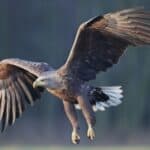
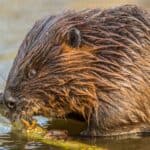
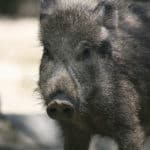
The Chuvash Republic (Middle Volga, centered on Cheboksary) sits in the forest-steppe zone where broadleaf and mixed forests, river floodplains, meadows, and heavily farmed landscapes intermix. Wildlife diversity is shaped by the Volga River and its reservoirs (large waterbird and raptor habitat, rich fish fauna), plus forest fragments that still support classic taiga/temperate mammals. Visitors most often notice the contrast between riparian "Volga" wildlife (eagles, beavers, otters, sturgeon/sterlet) and forest-edge/game species (elk, roe deer, wild boar, grouse).
Iconic Species
Endemic & Rare Species
Notable Populations
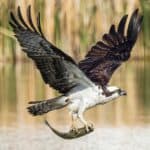
- Volga River shoreline forests and reservoir arms supporting breeding and migrating waterbirds and fish-eating raptors (notably White-tailed Eagle and Osprey in suitable sectors).
- Floodplain wetland complexes (oxbows/backwaters) that can hold conservation-important populations of Russian Desman where habitat quality remains high.
- Historically important Volga fish assemblages, including sterlet and other large-river species, with local significance tied to the Cheboksary Reservoir and tributary inputs.
Recent Changes
- Wild boar numbers have shown strong fluctuations in the region in recent years, commonly linked to African swine fever management, harsh winters, and hunting pressure.
- Beaver populations are generally considered recovered/expanding across much of European Russia, increasing wetland creation and altering small-stream hydrology in the republic.
- Fish-eating raptors (especially Osprey in parts of the Volga basin) have shown localized recovery/return where persecution decreased and nesting opportunities increased, though trends vary by site.
- Sturgeon relatives such as sterlet have faced long-term declines tied to river regulation (dams/reservoirs), spawning habitat disruption, and illegal harvest; conservation measures may stabilize some local segments but pressure remains.
- Riparian specialists like European mink have continued to decline or remain extremely scarce due to competition from American mink, habitat alteration, and fragmentation of small-river ecosystems.
Wildlife Viewing
Chuvash Republic has varied wildlife for the Middle Volga: big river wetlands and islands on the Volga, smaller river valleys (Sura/Alatyr), meadow-forest edges of the forest-steppe, and patches of mixed and broadleaf forest in regional parks and reserves. Expect strong birding (waterfowl, raptors, woodland species), chances to see beaver, and quiet dawn or dusk wildlife watching.
Best Seasons
Spring (April-May)
Peak bird migration along the Volga corridor: ducks, geese, swans, gulls/terns, and early raptors. Forests wake up with woodpecker drumming, thrushes, and chorus frogs. Rivers run high, making floodplain wetlands especially productive for birding; beaver activity ramps up at dusk.
Summer (June-August)
Long daylight for boat and riverbank wildlife time. Breeding birds in wetlands and forests (warblers, flycatchers, woodpeckers), dragonflies and butterflies in meadows, and good odds of spotting beaver, muskrat, and roe deer near quiet edges. Early mornings are best; mid-day heat can be slow.
Autumn (September-October)
Second migration wave: waterfowl concentrations on the Volga and reservoir bays, and visible raptor passage on open ridges/fields. Forests are active with foraging mammals; elk and wild boar sign is easier to find. Cooler weather improves daytime hiking and photography.
Winter (November-March)
Track-and-trace season: clear snow tracks for hare, fox, boar, and sometimes elk on forest roads. Winter birding for resident species (tits, nuthatches, woodpeckers) plus occasional owls; riverside areas with open water can hold lingering ducks. Great for quiet ski or snowshoe nature walks and wildlife photography of patterns and tracks.
Top Wildlife Experiences
- Volga waterfront & bays at Cheboksary (early morning): scan for waterbirds, gulls/terns in season, and migrating flocks-combine a shoreline walk with short boat outings when available.
- Sunset beaver watch on a quiet tributary or backwater (Volga-side channels or smaller rivers): sit low and still near willow/alder edges; listen for tail slaps and watch for swimming silhouettes.
- Broadleaf/mixed-forest birding in Chavash Varmane National Park: follow marked trails for woodpeckers, owls (in season), and forest passerines; best at dawn with slow, stop-and-listen pacing.
- Prisursky State Nature Reserve area (by arrangement): guided walks on buffer-zone routes to look for elk/wild boar signs, forest birdlife, and intact river-valley habitats; combine with a dawn raptor scan over openings.
- Sura/Alatyr river-valley day trip: explore oxbows, wet meadows, and forest edges for cranes/herons (where present in migration), reedbed birds, and mammal tracks; bring a scope for distant birds.
- Forest-steppe edge raptor lookout (spring/autumn): choose open farmland-forest boundaries and ridge-like viewpoints for soaring buzzards, kites, and falcons; pair with roadside stops for small mammals and passerines.
- Wildflower-meadow 'macro safari' (June-July): photograph butterflies, beetles, and dragonflies in sunny meadows near forest edges; add evening bat watching near water (visual silhouettes at dusk).
Wildlife Watching Types
Guided Options
- Chavash Varmane National Park ranger-led routes and interpretive walks (seasonal; inquire locally about bird-focused mornings and family-friendly ecology trails).
- Prisursky State Nature Reserve visitor programs (advance planning typically required): guided excursions/lectures via reserve administration and approved trails in permitted areas.
- Cheboksary-based birding day tours (custom/private guides): Volga shoreline dawn sessions + short boat trips during navigation season; good for visiting photographers.
- Local paddling/eco-excursion operators on calm river sections (kayak/SUP): low-noise wildlife approach for waterbirds and beaver-best at sunrise/sunset.
- Winter nature walks with local clubs/universities (Cheboksary-area): guided track identification, feeder watching, and winter bird counts when scheduled.
Ecosystems
The Chuvash Republic lies in Russia's Middle Volga forest-steppe, where broadleaf and mixed forests blend with meadow-steppe grasslands across rolling uplands and the wide Volga-Sura river system. Much lowland has become cropland and towns. Intact nature remains in river valleys, floodplains, sandy terraces, ravines, protected forests, wetlands, and oxbow lakes that support migratory birds.
Biomes
Broadleaf and mixed forests typical of the forest-steppe: oak-linden-maple stands on well-drained uplands and slopes, with birch/aspen succession and mixed conifer-broadleaf patches on sandy terraces and in managed forests.
Patchy to moderate coverage; concentrated in remaining forest blocks, ravines, and river-valley slopes; fragmented by agriculture.
Forest-steppe and meadow-steppe communities: species-rich dry and mesic meadows, grassy slopes, and open herbaceous habitats interspersed with groves and shelterbelts; many areas are secondary grasslands on former forest cleared for farming.
Widespread in the landscape matrix (often as agricultural-adjacent meadows, field margins, and steppe-like slopes); naturally occurring primarily on drier uplands and slopes.
Large-river ecosystems of the Volga and Sura with reservoirs/backwaters, plus tributary rivers and streams; includes oxbows, floodplain lakes, and riparian aquatic vegetation zones.
Regionally significant along the Volga corridor and major tributaries; dense network of smaller rivers/streams throughout.
Floodplain wetlands, seasonally inundated meadows, reedbeds, and peat-influenced fens in low-lying areas; wetlands expand in backwaters, oxbows, and poorly drained depressions.
Localized but recurring across floodplains and depressions; highest density along major river valleys and reservoir backwaters.
Habitats
Oak-linden (and maple/elm) forests on uplands and slopes; important remnants occur in ravines and protected tracts where soils are fertile and moisture is moderate.
Pine-dominated stands (often on sandy terraces and outwash-like deposits near major rivers), with mixed pine-birch communities; includes managed forest areas.
Mosaic of mixed and broadleaf forests embedded in agricultural land, providing core habitat for woodland fauna and acting as erosion control on dissected terrain.
Open-canopy groves and shelterbelt-like tree belts in the forest-steppe, including birch/aspen and scattered oak groves on slopes and near fields.
Meadow-steppe and mesic meadows on uplands and in floodplains; species-rich herbaceous cover on slopes and in hayfields, with strong seasonal dynamics.
Dry, steppe-like grasslands on south-facing slopes and well-drained upland sites; often small, fragmented patches with high conservation value.
Shrubby edges and successional thickets (e.g., along ravines, abandoned fields, and forest margins) that form important ecotones in the forest-steppe.
Volga and Sura main channels plus numerous tributaries; includes riparian corridors, sandbars, and dynamic banks influencing floodplain habitat formation.
Oxbow lakes and floodplain waterbodies associated with meandering rivers; also includes reservoir-related lacustrine environments in backwaters.
Small artificial ponds and water-storage basins common in agricultural and peri-urban areas; often important for amphibians and local waterbirds.
Floodplain wetlands, wet meadows, and reedbeds; critical for breeding/migratory birds and for nutrient retention along river systems.
Reed and sedge marshes in shallow floodplain waters, oxbows, and reservoir backwaters; typically highly seasonal in extent.
Small peat-accumulating wetlands and fen-bog transitions in poorly drained depressions; generally localized compared with northern taiga regions.
Extensive croplands and hay meadows forming the dominant land-use matrix; includes field margins, drainage ditches, and fallows that create secondary habitats.
Cheboksary and other towns/cities with riverfront infrastructure, parks, and modified shorelines; urban green spaces can host woodland-edge and riparian species.
Peri-urban mosaics of gardens, smallholdings, summer cottage areas, and mixed land cover that connect urban areas to surrounding forests and fields.
Ecoregions
Conservation
Primary Threats
- Most forest-steppe has been turned into farms and towns, leaving natural habitats in small patches (ravine forests, riparian belts, floodplain meadows). Loss of old broadleaf patches and simpler field edges reduces nesting and feeding sites for raptors and forest birds; draining floodplains and hardening banks cut wetland life.
- Large areas of arable land and pasture dominate the republic; continued intensification (larger fields, fewer hedgerows, deeper drainage) reduces habitat connectivity between Volga/Sura floodplains and upland forest patches, and increases disturbance during breeding seasons in meadow and wetland systems.
- Volga regulation via the Cheboksary Reservoir and upstream/downstream hydropower cascade alters natural flood pulses, sediment transport, and shoreline processes. This reshapes spawning and nursery habitats for native fish, accelerates erosion in some reaches, and changes floodplain meadow hydrology that many rare species depend on.
- The Volga near Cheboksary receives urban stormwater, treated/untreated wastewater risks, and industrial and transport-associated contaminants; agricultural runoff adds nutrients and pesticides. Eutrophication and periodic blooms, plus contamination of sediments in slower reservoir waters, can degrade fish habitat and wetland food webs.
- High fishing pressure in the Volga and major tributaries, including illegal harvest during spawning periods, can depress populations of valuable native fish (including sensitive migratory and river-spawning species). Reduced natural recruitment under altered flow regimes amplifies the impact.
- Poaching and unsustainable take of some game species, plus incidental disturbance from hunting activity in forest edges and floodplains, can affect sensitive wildlife. Enforcement is challenging in a landscape with many access points along rivers and forest belts.
- American mink (Neogale vison) is a key invasive predator in Volga-basin riparian habitats, displacing and competing with the critically endangered European mink and increasing predation pressure on waterbirds and small mammals in floodplains and oxbow wetlands.
- Although much forestry is managed, logging and fuelwood collection can remove mature broadleaf elements and deadwood, degrading habitat quality for cavity nesters and sensitive forest fauna. Fragmentation effects are strongest where logging occurs in small remnant woodland patches surrounded by agriculture.
- Cheboksary and surrounding growth increase shoreline development, recreation infrastructure, and traffic, leading to loss of natural riverbank vegetation, higher disturbance, and greater pollutant loads into the Volga and small tributaries.
- Roads, bridges, and utility corridors fragment forests and river valleys, increase wildlife mortality (vehicle strikes), and open access for resource use. Hydrotechnical infrastructure along the Volga further constrains river connectivity and floodplain exchange.
- Intensive recreation along the Volga shoreline (boating, fishing, shoreline camping) and in popular forest tracts increases nest disturbance for raptors and waterbirds and degrades sensitive wetland edges, especially in the breeding season and during low-water periods.
- Projected warming and more frequent heat/drought episodes in the Middle Volga forest-steppe can intensify summer low flows, increase wildfire risk in dry years, shift forest composition (stress on moisture-demanding broadleaf stands), and worsen eutrophication risks in slower reservoir waters.
- Sand and gravel extraction in river valleys and construction-material quarrying can disturb riparian habitats, alter local hydrology, increase turbidity, and create disturbance near nesting/roosting sites if poorly sited or weakly enforced.
- Wildlife diseases (e.g., outbreaks affecting wild boar and carnivores, including rabies risk in some areas) can complicate population management and increase conflict where animals move into peri-urban areas; disease can also interact with stress from habitat fragmentation.
- Crop and garden damage by wild boar and beaver-related flooding/tree felling near fields and settlements can drive negative attitudes and illegal control measures, particularly in river valleys where people and wildlife share narrow habitat corridors.
- Local depletion pressures include removal of riparian wood, overharvest of aquatic biological resources, and water withdrawals/shoreline alteration in small tributaries and ponds that reduce habitat quality for amphibians, fish, and wetland-dependent species.
Did You Know?
Chuvashia sits in the forest-steppe transition: within the same protected-area network (notably the Prisursky State Nature Reserve), you can move from oak-linden forest communities to meadow-steppe slopes-two biomes' wildlife assemblages compressed into one day's walk.
"Wild" wetland habitat in Chuvashia is often created by a very human-shaped landscape: beavers frequently colonize drainage ditches, small agricultural streams, and pond chains, turning marginal waterways into amphibian- and waterfowl-rich wetlands.
Some of the region's most steppe-like wildlife persists not in vast prairies but on hot, south-facing river-valley slopes and old pasturelands; periodic mowing/grazing can maintain these open-habitat species by preventing the rapid return of shrub and forest.
Big river reservoirs change winter for wildlife. On the Cheboksary Reservoir part of the Volga, late open water and ice edges gather fish and attract hunting raptors and scavengers to the shoreline.
Chuvashia's main waterway, the Volga at Cheboksary, is part of the Volga system-Europe's longest river-historically supporting some of Europe's biggest river-fish migrations (sturgeons, including beluga and sterlet) along this corridor.
The Eurasian beaver (Castor fiber)-the largest rodent in Europe and the second-largest rodent in the world after the capybara-builds dams and lodges on Chuvashia's smaller rivers and oxbows feeding the Volga and Sura, reshaping wetlands at a landscape scale.
The moose/elk (Alces alces)-the world's largest deer species-uses the republic's remaining mixed and broadleaf forests and river-valley thickets, especially where forest meets floodplain.
The Russian desman (Desmana moschata), a globally rare "living fossil" found only in the Volga-Don-Ural basins, lives in Sura/Volga floodplains; local backwaters and old channels are very important for its tiny world range.