
Roe Deer
Small deer, big seasonal secrets.

Small deer, big seasonal secrets.
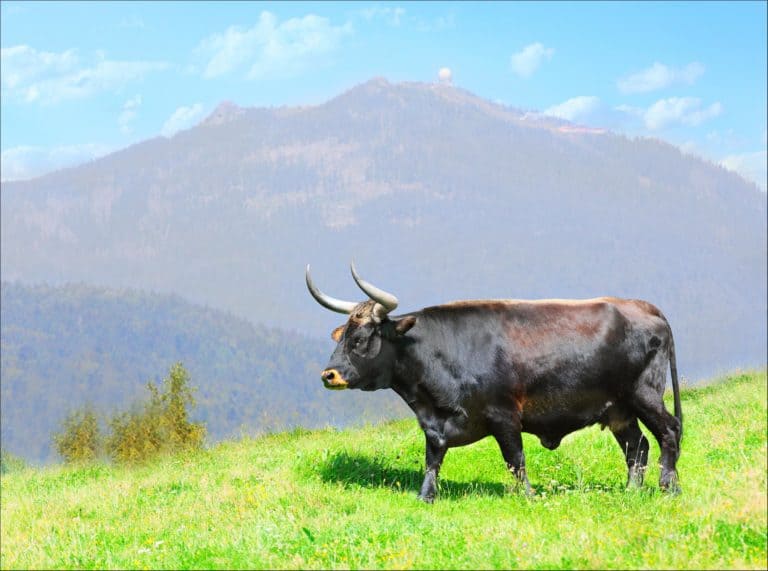
The original wild cattle
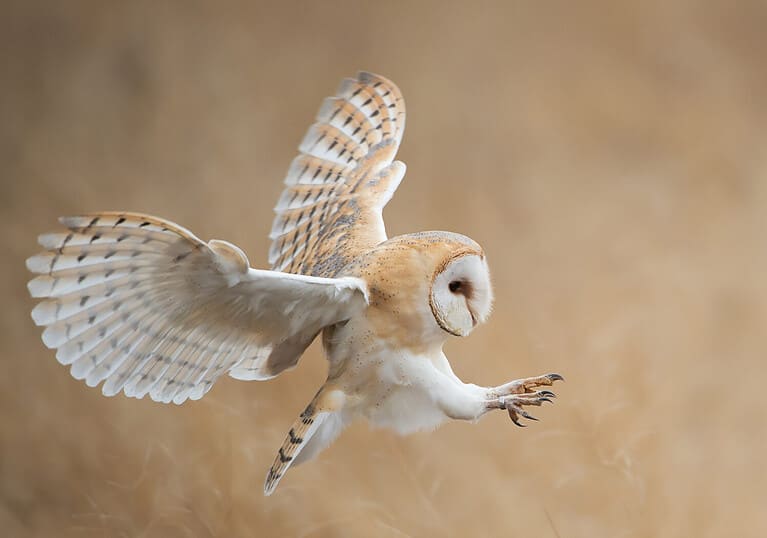
Heart-faced hunter of the night
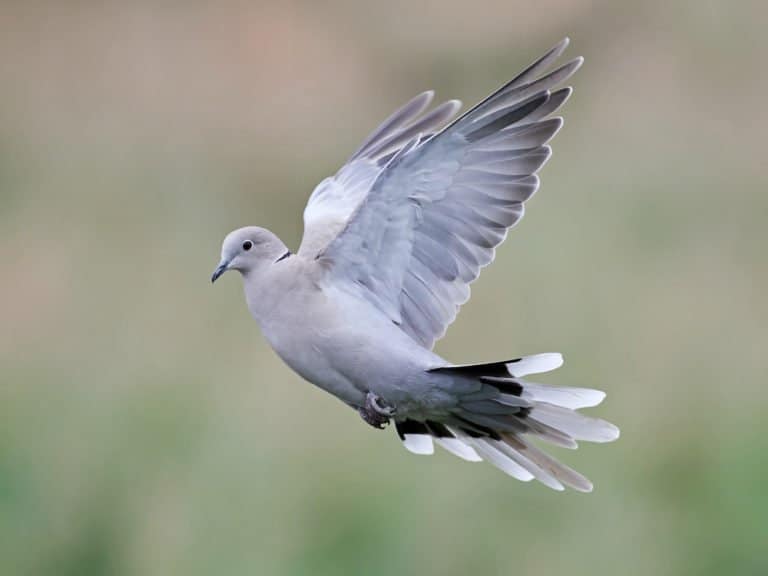
The collar-marked urban colonizer
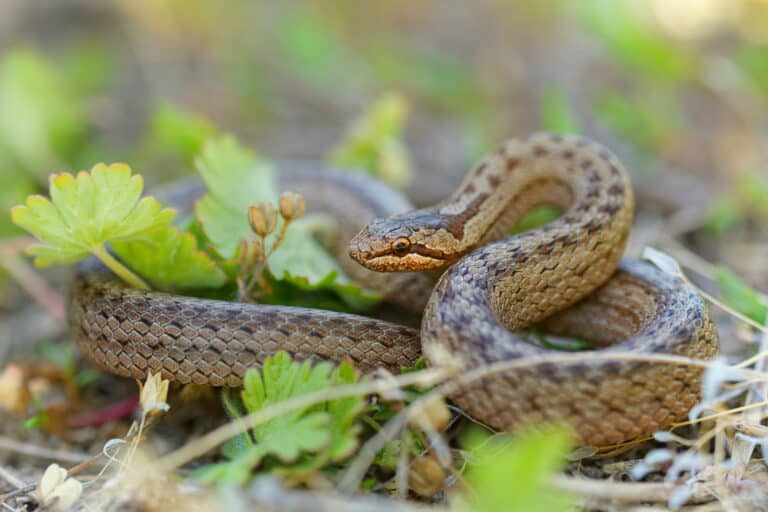
Smooth scales. Silent hunter.
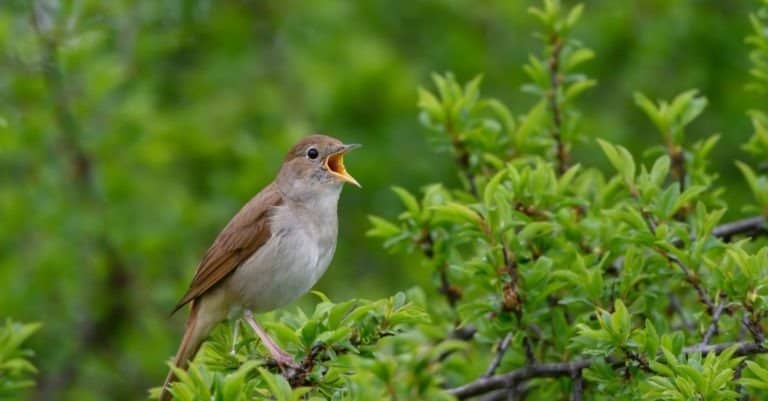
Plain feathers, legendary night song
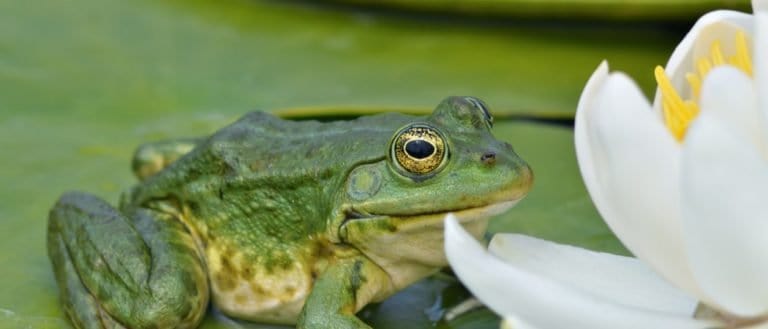
The laughing giant of the marsh
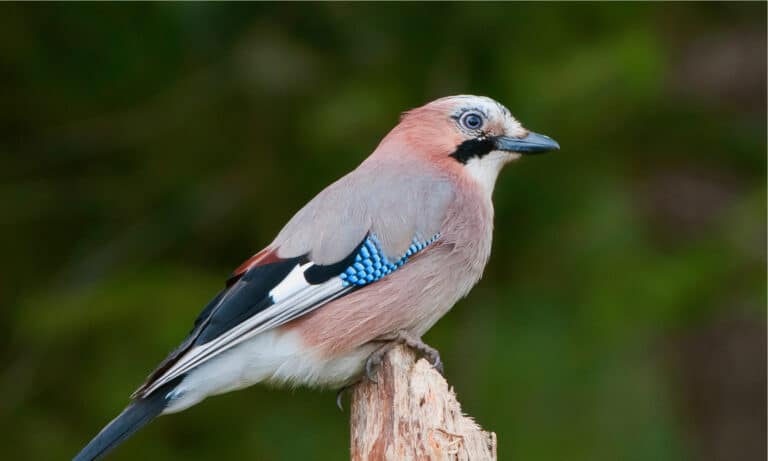
Oak Forest Planter with a Blue Flash
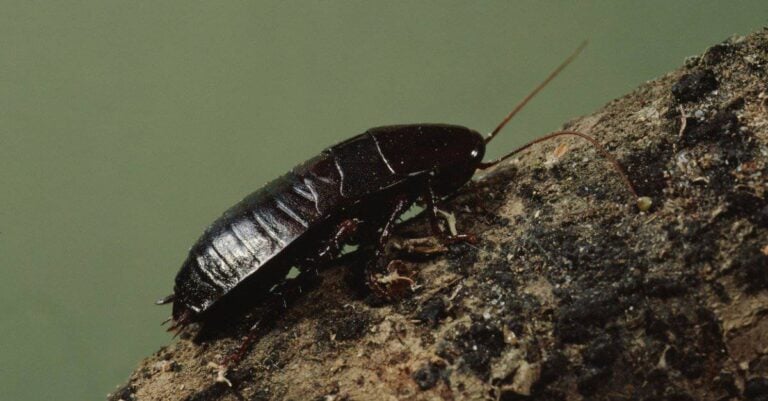
The basement-dwelling "black beetle"
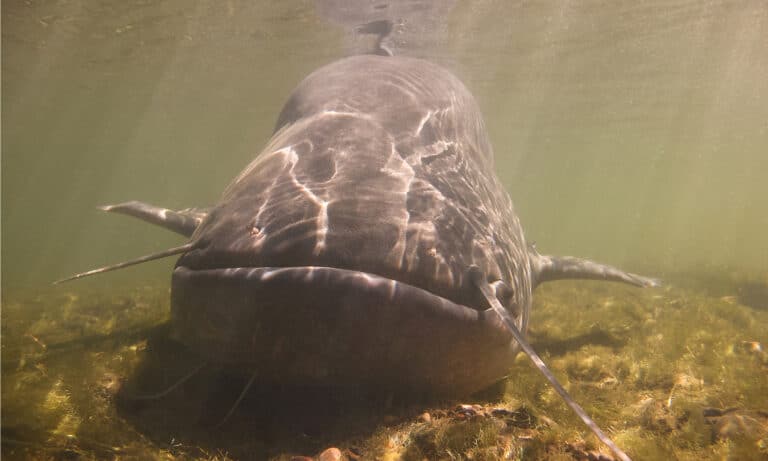
The whiskered giant of Eurasian rivers
Stavropol Krai sits on the Stavropol Upland, where classic Eurasian steppe meets the outer influence of the Greater Caucasus. This mix supports open-country species (grassland birds, small mammals, steppe-adapted predators) along with foothill woodland and river-valley species. Seasonal movement of birds is important: wide skies and broad valleys funnel migrants, while fields, ravines, and shelterbelts can hold wildlife in small pockets. Main habitats are feather-grass and fescue steppes on rolling uplands; erosion gullies and ravines with shrub and woodland fragments; and riparian corridors along rivers and reservoirs that add wetland and reedbeds. Dry ridge steppes and greener valley bottoms host many birds—ground-nesters and larks in grasslands, raptors and corvids on upland edges, and waterbirds in floodplains and reservoirs. Its strong steppe core and Caucasus foothill touch, plus a spot between the Black Sea and Caspian drainage basins, make it an important migration flyway.
Stavropol Krai lies on the Stavropol Upland at the crossroads of the Pontic-Caspian steppe and the northern Greater Caucasus. Open plains and uplands support steppe and farmland wildlife. Kuma–Manych river valleys form river corridors and wetlands that gather birds and semi-aquatic species. Southern foothills near the Caucasian Mineral Waters are cooler, woodier, and rockier, with more kinds of habitats.
Approximately ~13 m (lowest lowlands in the Kuma-Manych depression) to ~1,401 m (Mt. Beshtau in the south), creating a steppe-to-foothill gradient in temperature, moisture, and vegetation.
Stavropol Krai's protected areas are mostly regional: landscape and wildlife sanctuaries, many small nature monuments (notably isolated laccolith mountains near the Caucasian Mineral Waters), and steppe and river-valley sites protecting feather-grass steppe, ravine forests, and wetland bird habitat along the Kuma-Manych corridor. Kislovodsk National Park is the main federal site; most other protection is regional.
~2-3% of the krai's land area (approximate; composition is mostly small regional OOPT sites plus one federal national park).
A rare federally protected urban and foothill mix of broadleaf woods, meadow-steppe slopes, ravines, and springs on the northern edge of the Greater Caucasus. It hosts many animals in a compact, easy-to-visit area and protects foothill forest broken up by resorts and farms.
Important remnant of upland broadleaf woodland in the central part of the krai, offering breeding habitat for forest birds and refuge for medium mammals in a mostly farmed landscape. Best for woodland species, spring birding, and edge habitats where forest meets steppe gullies.
The Strizhament ridge and surrounding forest-steppe form one of the best local examples of a transition from steppe slopes to wooded ravines and upland forest. It is valuable for raptors using updrafts over open slopes and for conserving plant-rich meadow-steppe patches.
A forested laccolith massif with cool, moist ravines and mixed broadleaf woodland, acting as a biodiversity "island" amid resort development. Notable for woodland birds, bats, and mammal movement corridors between foothill habitats.
An accessible foothill woodland/steppe-edge site important for conserving native vegetation on a heavily visited mountain and for providing stopover and breeding habitat for common raptors and passerines around the resort belt.
Floodplain meanders, oxbows, reedbeds, and riparian woodland along the Kuma provide the krai's most important lowland wet habitat for breeding and migrating birds, as well as corridors for mammals in a dry steppe context. Best for waterbirds and raptors hunting along open water and reed edges.
Shallow lakes, saline depressions, and reed-fringed basins in/near the Kuma-Manych corridor support concentrations of migratory waterbirds and steppe-edge species. Conservation value is highest during spring/autumn migration when open water and mudflats attract diverse shorebirds and ducks.
Dry steppe, sandy patches, and saline hollows in the east of the krai preserve fragments of semi-desert and steppe fauna and provide nesting/foraging habitat for ground-nesting birds and open-country raptors. Valuable for conserving steppe biodiversity in an area under grazing and infrastructure pressure.
Stavropol Krai sits on the Stavropol Upland at the crossroads of the Pontic-Caspian steppe and the North Caucasus foothills. Its wildlife character is defined by open dry steppes, ravines and shelterbelts, river valleys (Kuma, Kuban headwaters/tributaries), and wetland complexes in the Kuma-Manych depression. This mix produces a classic steppe fauna (bustards, steppe eagles, ground squirrels/marmots) blended with forest-edge and riparian species (roe deer, boar, otter-like assemblages where suitable), plus strong seasonal bird movements along major flyways.
Stavropol Krai sits where the Eurasian steppe meets the northern Caucasus. Open grasslands have raptors and steppe specialists, while rivers and reservoirs bring migrating waterbirds. Wooded foothill parks near the Caucasian Mineral Waters have forest-edge mammals and songbirds. Great for birders in migration and breeding seasons and for hikers.
Peak migration: wetlands and reservoirs fill with ducks, geese, swans and waders; raptors move through the uplands; steppe birds begin displaying. Wildflower steppe is at its most scenic, and foothill parks (Kislovodsk area) have strong dawn choruses.
Breeding season: active nests and territorial behavior for many steppe and forest-edge birds; excellent time for butterflies and reptiles on warm slopes. Early mornings are best due to heat; evenings can be productive around water for herons, egrets and hunting owls.
Second migration peak: impressive raptor passage on ridgelines and open country; mixed flocks of passerines; wetlands host staging waterfowl. Cooler weather improves hiking comfort in the foothills and around Mount Beshtau/Mashuk.
Best for tracking and observing mammals (fox, hare, roe deer in suitable areas) in snow or frosty conditions; wintering waterbirds concentrate on open water (where unfrozen). Also a strong season for raptors over steppe-look for hunting behavior during clear, cold days.
Stavropol Krai sits on the Stavropol Upland where the Pontic‑Caspian steppe meets the North Caucasus foothills. A west–east moisture change shifts richer feather‑grass steppe and river woodlands in the west to drier steppe and semi‑arid areas near Kuma Basin. Farming has changed most habitats, but remnants remain in ravines (balka), floodplains, protected steppe and wooded foothills near Caucasus Mineral Waters.
Dominant steppe biome on uplands and plains (feather-grass/fescue steppe), with increasingly dry forb-grass steppe and semi-arid steppe elements toward the east and along the Kuma-Manych depressions.
Widespread; roughly ~60-75% of the territory as natural potential vegetation, though heavily converted to cropland and pasture.
Patchy broadleaf forests and woodland-steppe mosaics occur mainly in the southern foothill belt and on moist north-facing slopes, plus riparian forests in larger river valleys (oak, ash, elm; locally hornbeam and other broadleaf associates).
Localized; roughly ~5-15%, concentrated in the south/southwest and along major valleys and ravines.
River systems flowing to the Sea of Azov (Kuban and Don/Manych) and to the Caspian (Kuma basin), plus reservoirs, irrigation canals, and small steppe lakes and ponds that support fish, amphibians, and migratory waterbirds.
Linear and scattered; small area overall (~1-3%) but ecologically significant.
Floodplain wetlands, reedbeds, wet meadows, and marshy lake edges form along slow river reaches, reservoirs, and low spots, giving key resting and breeding habitat for waterfowl and wading birds in the dry steppe.
Patchy and limited (~1-3%), mostly in floodplains and lowland depressions.
Feather-grass and fescue steppe on the Stavropol Upland; best remnants persist on slopes, in protected areas, and in less-plowed parcels, with high spring wildflower diversity.
Grazed and secondary grasslands, including meadow-like patches in moister western/central areas and along ravines; often a mosaic with cropland and fallows.
Dry shrub-steppe on eroded slopes and gullies (balka edges), with thorny shrubs and drought-tolerant steppe plants, increasing toward drier eastern districts.
Foothill and ravine broadleaf stands (oak-dominated in many places) and riverine gallery forests; important refugia for woodland birds and mammals within the steppe landscape.
Forest-steppe transitions, shelterbelts, and sparse tree cover on slopes and valley margins; often shaped by land use and erosion-control plantings.
Medium and small rivers with floodplains and riparian corridors that connect habitats across the upland; key biodiversity corridors through agricultural landscapes.
Small natural and modified steppe lakes and waterbodies (often shallow and seasonally variable), supporting reeds, aquatic invertebrates, and migratory birds.
Farm ponds and irrigation/stockwater impoundments are widespread and can add breeding habitat for amphibians and foraging sites for herons and raptors.
Reedbeds, wet meadows, and floodplain wetland mosaics around reservoirs and lowland depressions; high importance for waterbirds.
Marshy margins of slow-flowing waters and reservoirs dominated by reeds/cattails; often fragmented but locally extensive where water levels are stable.
Low-mountain and foothill terrain at the northern edge of the Greater Caucasus influence (including isolated igneous/structural hills near the Caucasus Mineral Waters area), with more mesic microclimates and slope forests.
Rocky outcrops and steep ravine walls provide nesting/roosting sites for birds and refuge for xeric plants; most common in dissected upland terrain.
Small caves and rock shelters occur locally in rocky areas and ravines, offering bat roosting habitat where undisturbed.
Extensive grain and sunflower fields and irrigated agriculture dominate much of the steppe, strongly shaping habitat availability and fragmentation.
Cities and towns (e.g., Stavropol and the Caucasus Mineral Waters conurbation) create urban green-space habitats and heat-island effects, with synanthropic species assemblages.
Garden plots, dachas, and peri-urban mosaics combine orchards, shelterbelts, and small wetlands/ponds, sometimes supporting higher local bird diversity than intensively farmed areas.
Stavropol Krai sits on a subtle but important watershed divide: streams and reservoirs here connect toward both the Black Sea and the Caspian drainage systems-so the krai's bird migration and fish/freshwater communities are influenced by two major basins, not one.
In the krai's drier east, "steppe" can behave like near-semi-desert. That's why birds typically associated with arid landscapes (for example, sandgrouse in invasion years) are occasional visitors-an unexpected Caspian-side flavor inside the North Caucasus.
Some years, eastern Stavropol's saline/brackish steppe waters (Kuma-Manych lowland reservoirs) attract unexpected "headline" birds for inland Russia-such as Greater Flamingo in vagrant/irruptive occurrences recorded by birders in the wider Manych system.
Ground squirrels (susliks) in Stavropol's grasslands are more than cute burrowers: their colonies engineer the steppe-creating short-grazed "lawns," changing plant composition, and providing key prey that supports local raptors (including eagles) and foxes.
In Stavropol Krai, isolated laccolith mountains near the Caucasian Mineral Waters (Beshtau, Mashuk) rise as forested islands in the steppe, so you can quickly go from open grassland birds to woodland roe deer, boar, and passerines.
Great bustard in Stavropol's open steppe is a true heavyweight: males can reach ~16-18 kg, making the species one of the heaviest flying birds on Earth (and one of the signature "record" animals of the krai's grasslands).
Peregrine falcons recorded in the North Caucasus (including Stavropol Krai's cliffs and river valleys) are the fastest animals on the planet-stoops can exceed 300 km/h-turning local ravines and escarpments into high-speed hunting corridors.
Steppe eagles breeding/foraging across Stavropol's steppe-to-foothill belt are among the longest-distance raptor migrants: individuals can travel from the North Caucasus to southern Africa (on the order of many thousands of kilometers) and back in a single annual cycle.
The Kuma-Manych depression and Chogray Reservoir create large lakes and reservoirs that push many migratory waterbirds into narrow spots. Bird scientists call the area a major steppe wetland stopover on the Black Sea-Caspian flyway.
18 species documented in our encyclopedia
Thank you for reading! Have some feedback for us?
We appreciate your help in improving our content.
Our editorial team will review your suggestions and make any necessary updates.
There was an error submitting your feedback. Please try again.