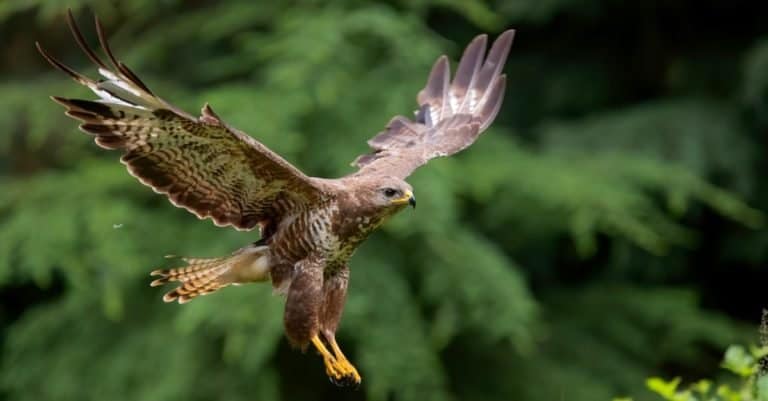
Common Buzzard
The countryside's master of thermals

Voronezh Oblast lies in Russia's forest-steppe, where broadleaf forests mix with open grasslands. This mix supports many kinds of wild animals: forest mammals and songbirds live next to steppe species, and rivers give routes for migration and places to breed. Protected areas, especially the Voronezh State Nature Biosphere Reserve, are key and have led work on studying and bringing back Eurasian beavers.
The Don River system has floodplain forests, oxbow lakes, reedbeds, and sandy banks—great habitat for waterfowl, herons, raptors, and many fish. Away from rivers, oak and mixed forests, meadow-steppes, and farm edges form a patchwork used by deer, wild boar, foxes, hares, butterflies, and pollinators. Chalk outcrops and steppe slopes support dry-grass plants and open-country birds. The close mix of steppe and forest in a small area, plus the Don floodplains and beaver work, make wildlife watching special.
Voronezh Oblast in southwestern European Russia lies where forest-steppe meets steppe, so wildlife depends on open grasslands, broadleaf woods and farm fields. Large rivers, especially the Don, make riparian forests, floodplain meadows, oxbow lakes and wetlands that support more species and help mammals and migratory birds. The Central Russian Upland adds ravines, gullies and chalk outcrops with unique plants.
Approximately ~70-270 m above sea level (low floodplains along major rivers up to higher rolling uplands), creating contrasts between wet riparian habitats and drier upland steppe/forest-steppe sites
Voronezh Oblast has two federal strict nature reserves that protect forest-steppe, Don and Khopyor river floodplains, and remnant old-growth forests. A ring of regional protected areas — sanctuaries, monuments, and landscapes — protects riparian wetlands, steppe and chalk outcrops, and small forest islands amid farms. Key species: beavers, wetland birds, Russian desman, and steppe-edge birds.
About 6% of the region (order-of-magnitude estimate; varies by accounting method and whether smaller nature monuments are included)
One of Russia's best-known beaver conservation strongholds, protecting large tracts of pine-oak forest and wetland complexes in the forest-steppe; excellent for observing forest mammals, raptors, and wetland birds associated with the Voronezh River basin.
Protects a long stretch of the Khopyor River floodplain with oxbow lakes, wetlands, and floodplain forests-critical habitat for rare semi-aquatic mammals and a major refuge for wetland and forest-edge birds in the steppe/forest-steppe transition.
A chalk-ridge and river-valley landscape along the Don with steppe-on-chalk habitats, cliff and ravine microhabitats, and high bird diversity; notable for species typical of open steppe edges and chalk outcrops rather than deep forest fauna.
A major 'island' of old oak-dominated broadleaf forest within an agricultural matrix, supporting forest mammals and cavity-nesting birds; valued for conserving mature forest structure in the forest-steppe zone.
Large pine-forest sands and mixed forest patches that form important cover and breeding habitat for forest birds and ungulates; also functions as a corridor between smaller wooded tracts in the steppe/forest-steppe transition.
Riparian forests, meadows, and oxbow-lake wetlands along the Bityug (a Don tributary) that concentrate wildlife in an otherwise intensively used agricultural region; strong for wetland birds and semi-aquatic mammals.
A federally protected strict nature reserve in Voronezh Oblast focused on conserving the Khopyor River floodplain (wetlands, oxbow lakes, and floodplain forests). It is especially known for protecting the Russian desman and other floodplain wildlife.
Protects floodplain lakes, reedbeds, and riparian woods along the Don River-important nesting and stopover habitat for waterbirds and raptors, and nursery habitat for fish that support higher-trophic-level wildlife.
A federally protected nature reserve in Voronezh Oblast centered on the Khopyor River floodplain, created to protect floodplain forests, wetlands, and associated wildlife (notably rare semi-aquatic mammals and wetland birds).
Voronezh Oblast sits in the forest-steppe and steppe belt of southwestern European Russia, where broad river valleys (especially the Don and its tributaries) intersect with oak forests, wetlands, meadow-steppe, and heavily farmed landscapes. This mosaic supports a mix of woodland mammals, steppe specialists, rich riverine birdlife, and a diverse fish fauna. The region is especially associated with river-and-wetland conservation history (notably the Voronezh Nature Reserve's role in Eurasian beaver recovery) and with declining steppe species tied to intact grasslands.
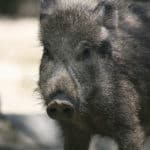
Voronezh Oblast has varied wildlife: broadleaf oak forests, steppe grasslands, chalk hills, floodplain meadows and the Don River system. Visit Voronezh State Nature Biosphere Reserve—the birthplace of beaver conservation in Russia—and the Don valley for raptors and waterbirds. Expect beaver, elk, wild boar, fox, hare, spring and autumn birding, hides, boat trips and guided reserve programs (some need permits).
Peak bird activity as rivers open and migrants return: cranes and geese overhead, raptors on passage, songbird chorus in oak forests, and busy beaver sign along streams. Floodplain meadows green up quickly-excellent for photography, especially at dawn and dusk. Ticks can be active; wear protective clothing and use repellent.
Long daylight for river trips and forest walks. Watch for beaver activity near dusk, dragonflies and butterflies in meadows, and fledged young birds in forest edges. Midday can be hot in steppe areas; plan wildlife time early/late. Mosquitoes can be intense near wetlands.
Best all-around season for comfortable temperatures and dramatic migration: waterfowl gather on the Don, raptors hunt over harvested fields, and forests show strong color. Mammal viewing can improve as vegetation thins; look for boar rooting and elk sign. Great for landscape + wildlife combos.
Track-based wildlife viewing in snow (when conditions are right): fox, hare, boar, and occasionally elk. Rivers and oxbows can concentrate birds at open water; otherwise birding focuses on woodland species. Short days and cold require planning, but photography is clean and crisp.
Voronezh Oblast sits in the transition between forest-steppe and steppe in southwestern European Russia, producing a mosaic of broadleaf forests, grasslands, and extensive agricultural land. River corridors (notably the Don and its tributaries) add riparian forests, floodplain meadows, oxbows, and marshy wetlands, creating locally high habitat diversity despite widespread cultivation and fragmentation of native steppe and forest-steppe.
Classic Eurasian steppe and forest-steppe grasslands on chernozem soils; much of the original grassland is converted to cropland, but remnants persist on ravines, chalk outcrops, protected areas, and less-arable slopes.
Widespread; dominant zonal background especially in the southern and southeastern parts, but heavily transformed by agriculture.
Broadleaf and mixed forest patches (oak-dominated forests, with maple, linden, ash in places) forming the forest-steppe matrix; includes shelterbelts and secondary woodland on abandoned fields.
Patchy to moderate; more common in the north and along river valleys, generally fragmented outside protected areas.
Large river systems (Don as the main axis) with tributaries, reservoirs/pond systems, oxbow lakes, and associated riparian habitats supporting fish, waterfowl, and floodplain vegetation.
Linear network throughout; highest density along the Don valley and tributary floodplains.
Floodplain wetlands: marshes, wet meadows, backwaters and seasonally inundated areas along major rivers; smaller reedbeds and wet depressions in lowlands.
Scattered; concentrated in Don floodplain and lower reaches of tributaries, with strong seasonal variation.
Oak (Quercus robur) forests and mixed broadleaf stands (often with maple/linden/ash) on interfluves and especially in river valleys and ravines; many stands are fragmented or secondary.
Forest-steppe groves and shelterbelts (windbreak plantings) embedded in farmland, plus successional scrub/young woodland on abandoned or marginal lands.
Feather-grass and forb-rich steppe remnants on slopes, gullies, and protected sites; important for steppe flora and invertebrates where not ploughed.
Floodplain and upland meadows, including hayfields and pasture; often semi-natural and species-rich where not intensively managed.
Shrubby ravines and field margins (hawthorn, rose, etc.) and early-successional scrub on disturbed ground, providing cover for birds and small mammals.
Don River and major tributaries with riparian belts, sandbars, backwaters, and erosion-cut banks; key migration corridor and biodiversity spine.
Oxbow lakes and floodplain lakes associated with the Don and tributaries; typically shallow, productive, and variable in area year-to-year.
Numerous small ponds and fish-farming/water-supply impoundments across agricultural landscapes; locally important for amphibians and waterbirds.
Seasonally flooded floodplains, wet meadows, and reedbeds; sensitive to drainage, river regulation, and drought years.
Reed/sedge marsh pockets in floodplains and around oxbows/ponds; breeding habitat for waterfowl and wetland passerines.
Chalk and limestone bluffs and steep riverbanks in parts of the Don basin; support specialized steppe plants and nesting/roosting sites for birds.
Extensive cropland on fertile chernozems (cereals, sunflower, sugar beet, etc.), forming the dominant land cover and heavily shaping ecosystem connectivity.
Voronezh and other towns with parks, river embankments, and urban green spaces; important for synanthropic species and river-edge habitats within cities.
Dacha zones and peri-urban mosaics of gardens, small fields, shelterbelts, and secondary woodland around major settlements.
Voronezh Oblast is one of the few places where two very different 'engineer' mammals live: beavers (in forest rivers and backwaters) and the Russian desman (in quiet floodplain channels and oxbows). Their ranges overlap, but microhabitats differ.
The Russian desman is not a rodent but a mole relative that became aquatic. Its long, flexible snout and sensitive whiskers help it hunt underwater in cloudy floodplain waters, surprising people who call it a muskrat.
The forest-steppe mosaic creates two biomes in one: forest species like elk (moose) in woods and floodplain forests, and steppe animals—ground squirrels, steppe raptors, and open-country birds—on grasslands and chalky slopes.
Beaver dams in Don basin tributaries can quickly change small streams into chains of shallow ponds, moving fish spawning, amphibian breeding, and waterfowl feeding areas into wetland complexes within a few seasons.
Chalk outcrops along the Don make dry, warm, mineral-rich microhabitats that support steppe invertebrates and plants, which attract insect-eating birds like bee-eaters to places that look too barren to be rich.
One of Russia's oldest strict nature reserves, the Voronezh State Nature Biosphere Reserve was set up in 1923 in Voronezh Oblast to protect the Eurasian beaver that survived in the Usman River basin.
The Voronezh Reserve opened a beaver nursery in the early 1930s. Its beaver breeding and relocation program became one of the USSR's biggest sources, helping put beavers back into many river basins beyond the Don watershed.
Khopyor State Nature Reserve (Voronezh Oblast) is a key stronghold for the rare Russian desman (Desmana moschata), protecting long stretches of Khopyor River floodplain and oxbow-lake habitat the species needs.
Along chalk cliffs and steppe slopes of the Middle Don (e.g., Divnogorye), Voronezh Oblast lies near the northern edge of breeding areas for southern steppe and cliff birds, where you can regularly see typical groups.
6 species documented in our encyclopedia
Thank you for reading! Have some feedback for us?
We appreciate your help in improving our content.
Our editorial team will review your suggestions and make any necessary updates.
There was an error submitting your feedback. Please try again.