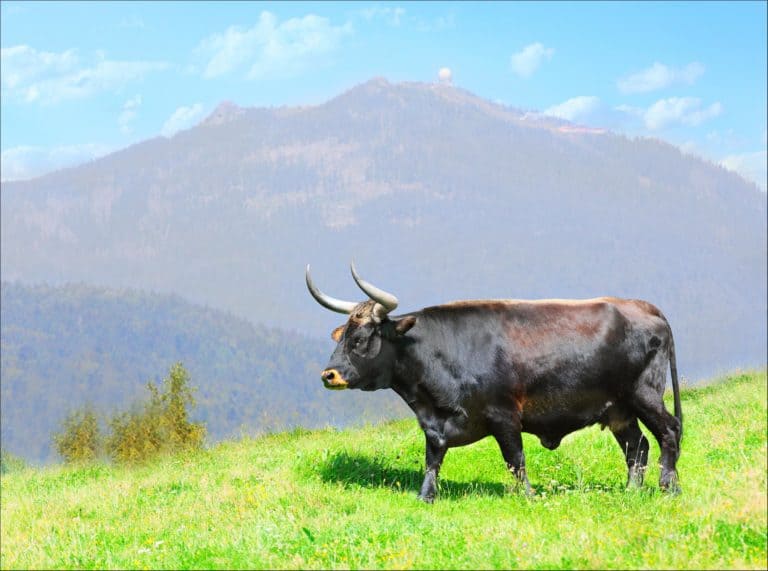
Aurochs
The original wild cattle

The original wild cattle
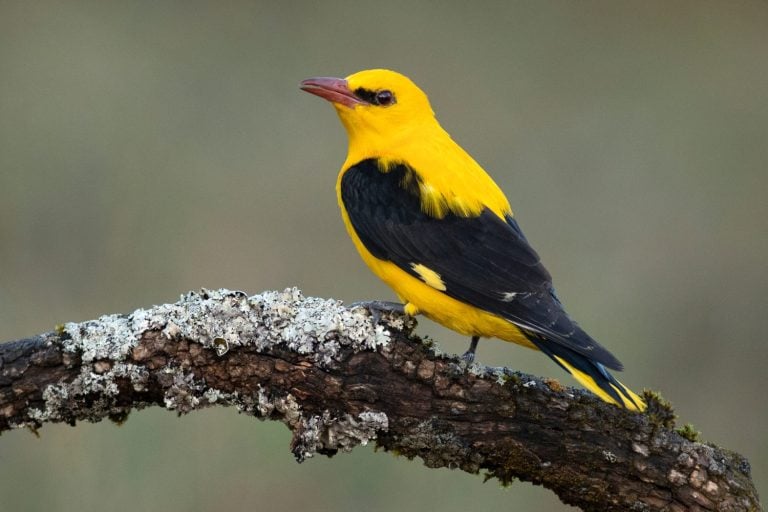
Golden voice in the green canopy
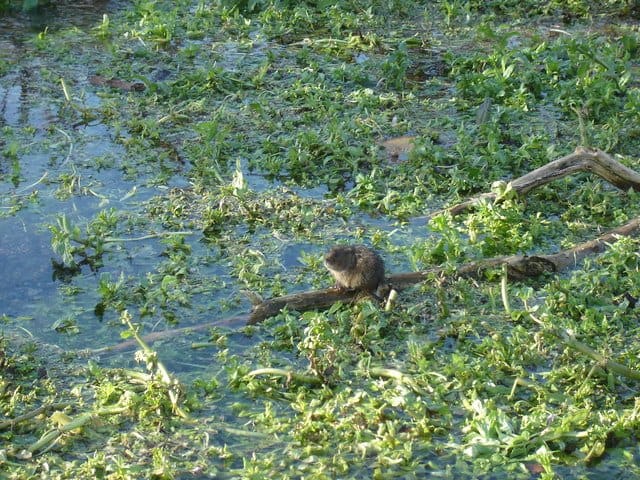
Burrowed banks, wild wetlands
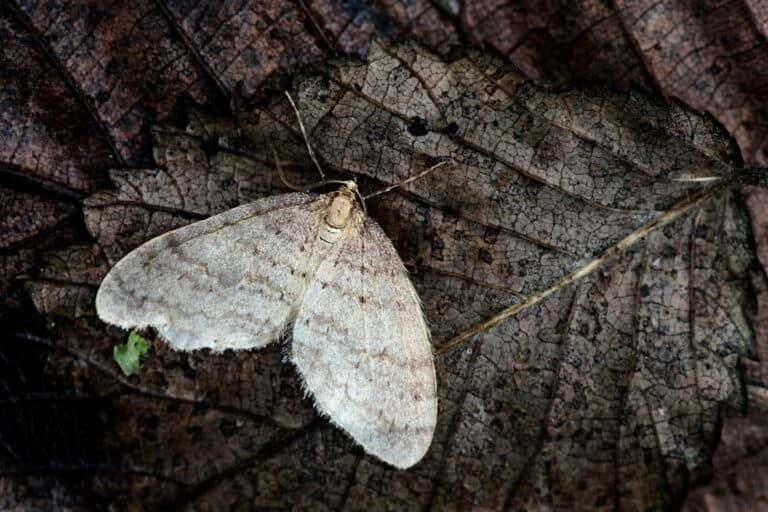
Winter flyer, spring defoliator
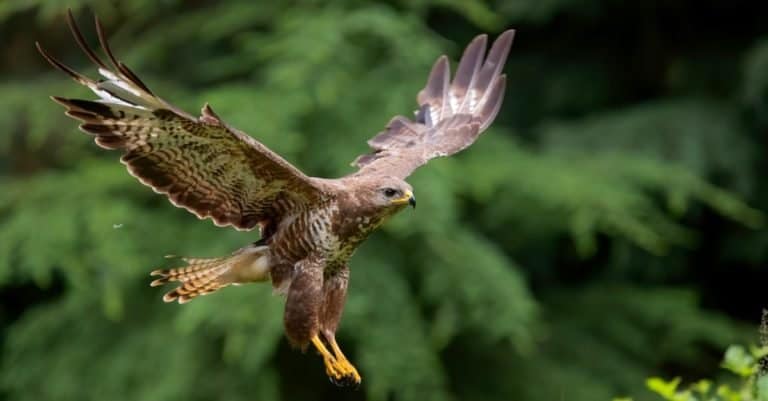
The countryside's master of thermals
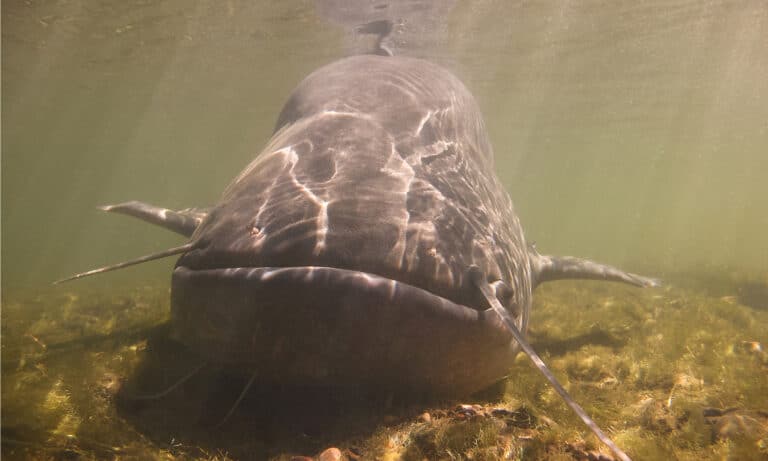
The whiskered giant of Eurasian rivers
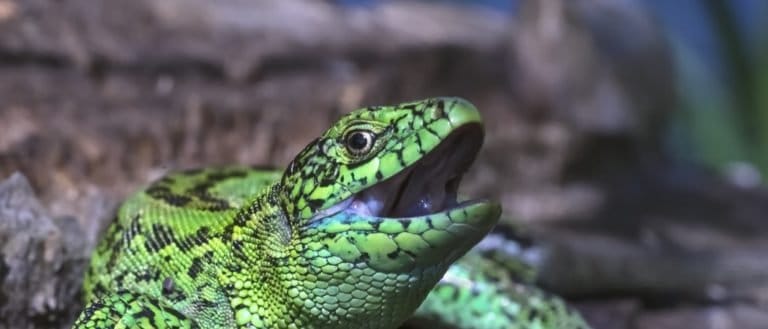
Green-flanked sprinter of the sands
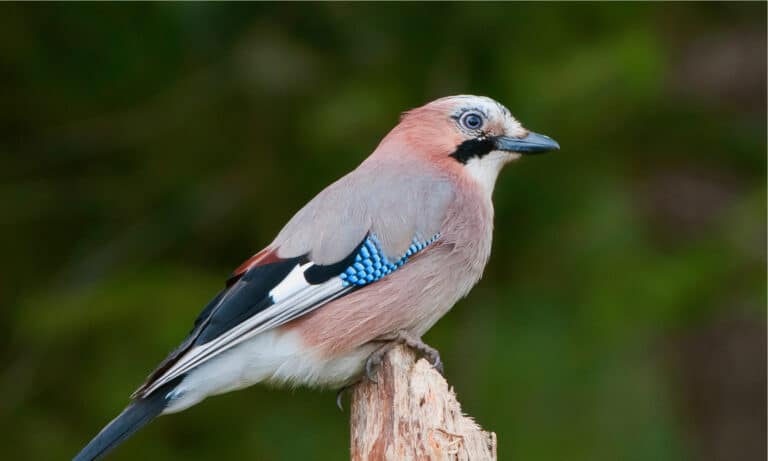
Oak Forest Planter with a Blue Flash
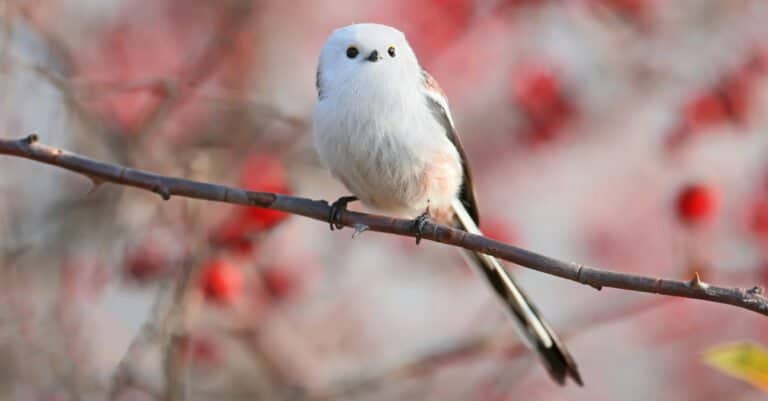
Long tail, tight flock, big personality
Saratov Oblast sits in the Lower Volga, where a wide river corridor cuts through steppe and forest-steppe. Wetlands and backwaters lie next to open grasslands and ravines, so the area supports a mix of water, edge, and grassland animals. That mix makes it a top place for birders and nature observers watching seasonal movements along the Volga flyway. Important habitats include the Volga’s floodplains, islands, oxbows, and reedbeds, which give nesting and stopover sites for waterfowl, waders, and raptors, and rich spawning and feeding areas that drive the food web. Away from the river, rolling steppe and forest-steppe patches with shelterbelts, gullies, and small river valleys host a Eurasian set of mammals and birds adapted to open land and edges. Saratov is notable for how close steppe views are to rich Volga wetlands, so you can quickly move from crane and goose areas to grassland raptor patrols and riverbank colonies.
Saratov Oblast lies in Russia's Lower Volga region. The Volga River and reservoirs form a north–south migration route and a productive ribbon of wetlands, floodplains, reedbeds, and riverside woods. Away from the river, steppe and forest‑steppe on rolling uplands support steppe birds, small mammals, and predators. Ravines (balkas), shelterbelts, and tributary valleys add moist refuges and boost habitat diversity.
Approximately ~20-370 m a.s.l. (low river/reservoir margins to higher points on the Volga Upland)
No ocean coastline; extensive freshwater 'coastlines' occur along the Volga River and its reservoirs, plus associated wetlands and floodplain lakes.
Saratov Oblast’s protected areas center on Khvalynsky National Park plus many regional sites—nature parks, wildlife sanctuaries, and natural monuments. They protect the Volga River corridor (reservoir islands, floodplains, reedbeds, backwaters) important for waterbirds and raptors, and upland forest-steppe and steppe (oak-linden forests, chalk slopes, ravines, feather-grass steppe) that support steppe mammals and declining grassland birds.
≈4-6% of the oblast (order-of-magnitude; varies by what categories of regional OOPT are counted)
The key federal wildlife-viewing area in Saratov Oblast. It protects the Khvalynsk Upland's forest-steppe mosaic-broadleaf forests, chalk outcrops, ravines, and steppe glades-creating high habitat diversity and good conditions for raptors, woodland mammals, and edge species.
A large protected forested upland on the outskirts of Saratov city that still holds a surprisingly rich forest-steppe bird community. Its oak groves, gullies, and spring-fed ravines act as a local refuge and migration stopover, making it one of the most accessible wildlife areas in the oblast.
A regionally protected forest-steppe complex valued for breeding songbirds and raptors, plus mammals using sheltered ravines and forest patches within otherwise open steppe. Notable as a biodiversity 'island' in the more agricultural parts of the oblast.
A chain of islands, shallow bays, reedbeds, and floodplain lakes along the Volga that functions as the oblast's prime waterbird refuge. Especially important during spring and autumn migration and for nesting colonial waterbirds; also a key feeding corridor for raptors.
Floodplain forests, oxbows, and wet meadows along the Khopyor River support beavers, rich amphibian communities, and high bird diversity. The mosaic of slow channels and wet woodland is especially good for observing woodland-edge birds and riparian mammals.
Steppe and semi-arid steppe remnants on the left bank of the Volga (Trans-Volga) that retain native grassland structure. These areas are most valuable for steppe-specialist birds and mammals, and for conserving intact open landscapes with minimal tree cover.
Saratov Oblast is in Russia's Lower Volga, where broad steppe and forest-steppe meet the Volga river with large reservoirs, floodplains, oxbows, and reedbeds. This mix gives a wildlife blend: steppe mammals and ground-nesting birds on open plains; forest-edge species in ravines and uplands, notably around Khvalynsk; and very rich bird life tied to wetlands and the Volga flyway migration route. Aquatic life reflects big-river and reservoir habitats, good for many freshwater fishes but hard for sturgeons because of dams and heavy fishing.
Saratov Oblast has classic Lower Volga wildlife: wide steppe and forest-steppe, the Volga River and Saratov Reservoir with islands and backwaters, and chalky hills with pine and oak woods of the Volga Upland. Great for birding—migration corridors, raptors, and waterfowl—and common mammals like beaver and roe deer. Best trips mix water watching and upland hikes.
Peak bird migration along the Volga: geese, ducks, swans, gulls/terns, and waders using flooded margins and backwaters. Excellent raptor movement over uplands (buzzards, harriers, eagles). Steppe wildflowers emerge; dawn/dusk is productive for fox and hare sightings on open country edges.
Breeding season and maximum diversity: songbirds in forest-steppe, herons and colonies around quieter bays, and active beavers at dusk on small rivers and canals. Great for butterfly/dragonfly watching in meadows and along forest tracks. Heat can reduce midday activity-plan early/late and use shade forests in uplands.
Second migration pulse: raptors and waterfowl concentrate again on the Volga and reservoir shorelines; visibility improves as vegetation thins. Forest-steppe edges can be good for roe deer movement and rut activity. Cooler temperatures make long hikes and viewpoint scanning comfortable.
A quieter but photogenic season: track-and-sign walks (fox, hare, roe deer) and chances for wintering raptors and owls near open water and fields. River ice and snow create stark landscapes; short daylight hours favor compact outings near Saratov/Engels or within protected parks.
Saratov Oblast is in Russia's Lower Volga, with mostly flat to rolling plains where forest-steppe in the north and west changes to drier steppe in the south and southeast. Biodiversity reflects that gradient, salty soils in dry areas, and the Volga River corridor. The river and reservoirs make floodplain, oxbow, and backwater habitats that attract many migratory birds.
The core landscape is Eurasian steppe and dry steppe with feather-grass/forb communities, wormwood and salt-tolerant vegetation on solonetz/solonchak soils, and extensive converted cropland/pasture.
Dominant across most of the oblast, especially central, southern, and southeastern areas (~60-75%).
Forest-steppe components occur as groves and belts of oak, birch, aspen, and mixed broadleaf stands (often in ravines, north-facing slopes, and river valleys), with shelterbelts and secondary regrowth where land use allows.
Patchy and limited overall; concentrated in the north/west and along valleys (~5-15% in scattered fragments).
The Volga River (with major impoundments such as the Saratov Reservoir) plus tributaries and numerous oxbows/backwaters support fish, aquatic plants, and waterfowl; spring flood pulses shape riparian habitats.
Linear but regionally important; main channels, reservoirs, and tributary networks (~2-5% surface area, locally higher along the Volga valley).
Floodplain wetlands, reedbeds, wet meadows, and seasonally inundated depressions occur along the Volga and tributaries; includes riparian marshes and shallow backwaters critical for nesting and migratory birds.
Concentrated along major rivers and reservoir margins (~1-4%), highly localized but biodiversity-rich.
Feather-grass and forb steppe remnants, dry steppe with wormwood, and saline steppe on solonetz/solonchak soils; most intact fragments persist on less-plowed land, ravines, and protected sites.
Meadow-steppe and grazed grasslands, including hay meadows in river valleys and managed pastures on uplands.
Dry, open shrub communities (e.g., wormwood and other xeric/salt-tolerant shrubs) on arid and saline patches, field margins, and erosion-prone slopes.
Small broadleaf stands (oak, birch, aspen) in forest-steppe zones, ravines (balka systems), and riparian terraces; often fragmented and intermixed with farmland.
Sparse tree cover and shelterbelts (including planted windbreaks) forming a semi-natural/managed mosaic that provides nesting and dispersal corridors across agricultural landscapes.
Volga River and tributaries (e.g., Medveditsa, Khopyor basin reaches within the oblast, and steppe rivers such as Bolshoy Irgiz) with riparian galleries, sandbars, and backwaters supporting fish and birdlife.
Large reservoirs (notably the Saratov Reservoir) and floodplain oxbow lakes; important for waterbirds, spawning areas, and aquatic vegetation zones.
Farm ponds, irrigation/storage ponds, and small impoundments used by amphibians and waterfowl, often embedded in cropland.
Floodplain wet meadows, reedbeds, and seasonally inundated depressions along the Volga and tributaries; key staging and nesting sites for migratory birds.
Reed and sedge marshes in backwaters, reservoir shallows, and oxbows; high productivity and critical cover for nesting birds.
River bluffs and erosional scarps along the Volga valley and upland ravines, with steppe-slope vegetation and nesting/roosting opportunities for birds.
Extensive croplands (grains, sunflower, and other field crops) dominate much of the steppe; remaining natural habitats persist as fragments, field margins, and ravines.
Major urban centers (Saratov, Engels, Balakovo) with riverfront infrastructure and urban green spaces that still function as local habitat for synanthropic and migratory birds.
Dacha settlements, peri-urban gardens, and mixed low-density development around cities creating a mosaic of orchards, hedges, and small wetlands.
The Russian desman is sometimes called a "living relic": it relies on a sensitive, trunk-like snout and underwater scent marking to navigate and communicate in murky rivers and oxbows-an unusual strategy among Eurasian mammals.
Steppe vipers (Vipera renardi group in Lower Volga steppes) don't lay eggs: they give birth to live young, which is a key adaptation for cooler, highly variable steppe climates where incubating eggs in soil can fail.
Steppe marmot (Marmota bobak) colonies in Saratov's open grasslands function as ecosystem engineers: their burrows can become ready-made shelters for other animals (from small mammals to ground-nesting birds), increasing local biodiversity around a colony.
Changing the Volga by building big reservoirs like the Saratov Reservoir near Balakovo created islands and bays where many birds now nest, but stopped migratory fish from reaching upstream spawning routes.
Great bustard (Otis tarda) - the heaviest living flying bird - is a signature "steppe heavyweight" of the Trans-Volga grasslands; Saratov Oblast lies within its historical breeding range in European Russia (today it's rare and strictly protected).
Beluga sturgeon (Huso huso) is the world's largest sturgeon and one of the biggest freshwater fishes. They once swam up the Volga past Saratov, reaching meters long and weighing hundreds of kilograms, but dams blocked their migrations.
The Eurasian eagle-owl (Bubo bubo), one of the world's largest owls and the largest in Europe, lives in Saratov Oblast's forest-steppe ravines and Volga bluffs (notably Khvalynsk uplands), nesting on cliffs and wooded slopes.
The Russian desman (Desmana moschata) is a semi-aquatic mammal found only in Russia and one of two living desman species. It still lives in parts of the Volga basin, including Saratov Oblast.
Saratov Oblast sits on the Volga, Europe's longest river; that single corridor concentrates riverine biodiversity (fish, otters, waterfowl) and makes the oblast's shoreline and islands disproportionately important for migration stopovers compared with surrounding dry steppe.
9 species documented in our encyclopedia
Thank you for reading! Have some feedback for us?
We appreciate your help in improving our content.
Our editorial team will review your suggestions and make any necessary updates.
There was an error submitting your feedback. Please try again.