Marsh Frog
The laughing giant of the marsh

Volgograd Oblast shows strong contrasts: dry steppe and semi-dry plains meet green floodplain forest, reedbeds, and oxbow lakes along the Volga-Akhtuba system and the Don basin. This transition zone between Europe’s steppes and large river corridors supports classic steppe mammals and raptors while also hosting rich wetland communities. Key ecosystems are the Volga-Akhtuba floodplain (a major nursery for fish and an important stopover for waterbirds), the Don and Khopyor river valleys with riparian woods and meadows, and wide feather-grass steppe on the uplands. In spring and autumn, migrants pour through the rivers—geese, ducks, waders, and raptors—while summer floodplain lakes and backwaters feed and breed herons and other wetland birds. The two-river mix is rare here: broad steppe next to two big drainage systems keeps lush habitat pockets in an otherwise dry landscape.
Volgograd Oblast lies in the Lower Volga steppe, with wide, mostly treeless plains and semi-dry lowlands that suit steppe mammals and ground-nesting birds. The Volga and Don rivers form strips of woodland, wetlands, and floodplain meadows that hold many species and guide migrating waterfowl and other birds. Large reservoirs, reedbeds, and salty lakes add wet and shore habitats.
Approximately −15 m (Caspian Depression near Lake Elton) to ~360 m (upland divides such as the Volga/Don uplands)
No marine coastline; significant shoreline habitats occur along the Volgograd Reservoir and the Don's Tsimlyansk Reservoir margin, plus large saline lakes such as Lake Elton.
The Volgograd Oblast's protected areas are mostly regional nature parks and small sites that protect steppe, semi-desert/saline lands, and the Volga-Akhtuba floodplain plus Don and Khoper river basins. They are very important for migratory and breeding birds, floodplain forests, ravine woodlands, and intact dry steppe. Few large federal national parks exist here.
Approx. ~5-7% of the oblast (estimate; protection is mainly via regional nature parks plus smaller protected sites).
A major Lower Volga floodplain mosaic of channels, oxbows, reedbeds, wet meadows, and floodplain forests. It is one of the oblast's best areas for migratory waterbirds and raptors and supports high seasonal wildlife concentrations during spring and autumn migration.
Centered on the hypersaline Lake Elton and surrounding semi-desert steppe, saline flats, and springs. Notable for specialized salt-steppe biodiversity and as a staging/feeding area for migratory shorebirds and steppe birds in an otherwise arid landscape.
A large riverine protected landscape along the lower Khoper system with floodplain forests, meadows, oxbows, and sandbars. Strong for viewing forest-steppe edge wildlife and river-associated species; important as a biodiversity corridor linking steppe to riparian habitats.
A scenic, biodiversity-rich complex of deep ravines (gullies), upland steppe, chalky/rocky slopes, and patches of woodland-often acting as a refugium for forest species within a steppe matrix. Notable for raptors, woodland birds, and mammal diversity along ravine systems.
A cluster of river-island habitats (riparian woodland, floodplain lakes, reedbeds) supporting breeding birds and heavy use by migrants. These islands function as a key urban-adjacent wildlife refuge and a stepping-stone along the Volga flyway.
A protected area in Volgograd Oblast centered on Lake Elton, a hypersaline salt lake, and surrounding salt-steppe habitats. The lake margins, mudflats, and saline meadows concentrate migratory shorebirds and waterbirds and support steppe-associated wildlife.
Smaller strictly managed pockets within the floodplain (reedbeds, shallow lakes, nesting islands) that are particularly important for colonial waterbirds and for minimizing disturbance during breeding seasons.
Volgograd Oblast sits at the meeting point of Eurasian steppe and the great river corridors of the Lower Volga and Don. The region's wildlife character is defined by open dry steppes and semi-arid plains (supporting steppe mammals and raptors) contrasted with rich riparian habitats-floodplain forests, reedbeds, oxbow lakes, and the Volga-Akhtuba floodplain-where migratory waterbirds concentrate and fish diversity is high. Seasonal migration is a major theme: spring/autumn movements of geese, ducks, cranes, and raptors can be spectacular along river valleys and reservoirs.
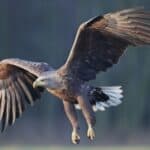
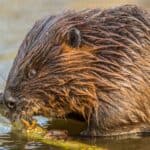
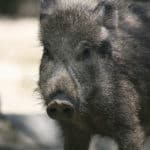
Volgograd Oblast has steppe and semi-desert wildlife plus rich river habitats in the Volga-Akhtuba floodplain and Don system. Visitors can see classic steppe species (saiga in the region, ground squirrels, foxes, raptors) and great birding at wetlands, oxbow lakes, reedbeds, and river islands during spring and autumn migrations. Best views from boats, trails, or dawn/dusk drives in protected floodplain parks.
Peak migration and breeding kickoff: cranes, geese, ducks, waders, and raptors funnel along the Volga corridor; songbirds return to riparian woods; wildflowers on steppe slopes. Expect variable weather and muddy tracks in the floodplain-ideal for birding from levees, observation points, and short boat trips.
Best for boat-and-water wildlife: heronries, terns, kingfishers, beavers/otter sign, and dense reedbed birdlife. Steppe heat can be intense; plan dawn/dusk for mammals and raptors and midday for shaded riparian walks or river cruises. Mosquitoes can be significant in the floodplain.
Second migration peak: large flocks of geese and ducks, raptor passage, and congregations at lakes and backwaters. Cooler temperatures make steppe drives comfortable, and visibility improves as vegetation dies back. Great season for photography and longer days in the field without midsummer heat.
Austere but rewarding: open steppe and river edges can produce wintering raptors and hardy flocks (depending on freeze-up), plus tracks in snow for fox, hare, and other mammals. Short daylight and windchill are the main constraints; focus on accessible viewpoints, river embankments, and guided day trips.
Volgograd Oblast in the Lower Volga sits where Pontic-Caspian steppe changes to drier semi-arid land. Open plains contrast with river corridors. The Volga and Don, with reservoirs and floodplains, form belts of riparian forests, meadows, reedbeds and oxbow wetlands vital for biodiversity and migrating birds. Farming and grazing have broken up much native steppe, while protected floodplains keep complex habitats.
Dominant steppe landscapes (feather-grass and fescue-type grasslands) on plains and uplands, with patches of dry meadow-steppe and disturbed/secondary grasslands around croplands and settlements.
Widespread across most of the oblast; the principal background biome (roughly the majority of the territory).
Semi-desert and very dry steppe elements in the southern and southeastern lowlands, with sparse vegetation, salt-affected soils in places, and drought-adapted shrubs/forbs.
Most prominent in the driest parts toward the Caspian Lowland influence; localized to regional belts and depressions rather than continuous cover.
Forest-steppe fragments and riparian/gallery forests along river valleys (notably the Volga-Akhtuba floodplain and Don tributaries), including willow-poplar stands, oak in some areas, and shelterbelts/plantations contributing to tree cover.
Patchy and linear-concentrated along major rivers, ravines (balkas), and northern/central forest-steppe pockets.
Large lowland rivers (Volga, Don), channels, backwaters, and major reservoirs supporting freshwater fish communities, aquatic macrophytes, and migration stopover habitat.
Occurs as a dense network along the Volga and Don systems; includes extensive reservoir shorelines and associated water bodies.
Floodplain wetlands with reeds, sedge meadows, oxbow lakes, seasonally inundated flats, and marshy backwaters important for breeding and staging waterbirds.
Concentrated in floodplains (especially Volga-Akhtuba) and around oxbows/backwaters; locally extensive but limited in overall area.
Feather-grass (Stipa) and fescue-dominated plains and uplands; remnants persist in less-ploughed areas, military lands, reserves, and along some slopes.
Meadow-steppe and secondary grasslands on fallows and pastures; often a mosaic with cropland edges and erosion gullies.
Dry shrub/forb communities on semi-arid sites and along ravines; includes drought- and salt-tolerant shrubs in the south/southeast.
Semi-desert-like open habitats on the driest lowlands with sparse plant cover and occasional saline patches (functionally desert edge within the steppe zone).
Major river corridors (Volga, Don) with channels, islands, side arms, and riparian belts; strong seasonal hydrology shapes habitat succession.
Oxbow lakes and floodplain lakes, plus large reservoir waters (e.g., Volgograd Reservoir) with broad littoral zones.
Small artificial ponds and irrigation/storage waters common in agricultural landscapes, sometimes supporting amphibians and waterfowl.
Seasonally inundated floodplain flats, reedbeds, sedge meadows, and wet depressions that expand/contract with river levels.
Reed (Phragmites) and cattail-dominated backwaters and shallow bays in floodplains and reservoir margins.
Overall tree cover is limited and mostly tied to river valleys, ravines, and planted shelterbelts; forests form habitat islands in steppe matrices.
Riparian/gallery stands dominated by willow, poplar, and locally oak/elm on higher floodplain terraces and along tributaries.
Open, patchy tree-and-shrub formations on ravine slopes and sandy/terrace sites; often transitional to steppe.
Extensive croplands (grain, sunflower, etc.) and grazed pastures dominate much of the plains, driving fragmentation of native steppe and wetlands via water management.
Urban/industrial habitats centered on Volgograd and other towns, with riverfront modification, parks, and transportation corridors influencing nearby floodplains.
A "tropical-looking" bird is a regular steppe-river resident here: European bee-eaters excavate nesting tunnels in sandy/clay bluffs along the Don and Volga, forming noisy, colorful breeding colonies.
Lake Elton's brine can be many times saltier than seawater; that extreme chemistry still supports swarms of tiny brine shrimp and salt-loving microbes-food that draws in migrating shorebirds despite the lake looking almost "lifeless."
Wildlife changes fast across the region: reedbeds and oxbow lakes of the Volga-Akhtuba floodplain can be a short drive from the semi-desert steppe near Elton, so you can see herons, turtles, larks, and steppe reptiles in one day.
Some years bring "invasion-style" bird events: rosy starlings can appear in very large, fast-moving flocks across the Lower Volga steppes, tracking boom years of steppe insects (especially locust outbreaks).
Volgograd Oblast sits on the Volga-Europe's longest river-so its banks, islands, and backwaters form one of the continent's biggest continuous freshwater wildlife corridors for fish and migrating waterbirds.
Lake Elton (Volgograd Oblast) is widely cited as Europe's largest mineral/hypersaline lake (about 150 km²), hosting extreme-life communities (halophilic microbes and brine shrimp) that few European inland waters can support.
The Volga historically supported beluga sturgeon (Huso huso)-the world's largest sturgeon and among the largest freshwater fishes-with migrations that once ran past today's Volgograd stretch of the river before modern dams altered the route.
Steppe areas of the oblast can host the great bustard (Otis tarda), one of the heaviest flying birds on Earth; males can exceed 15 kg, making any local encounter a "living heavyweight" sighting.
The Volga-Don system in the oblast includes habitat for wels catfish (Silurus glanis), commonly described as Europe's largest freshwater predatory fish, capable of reaching well over 2 m in length in big-river reservoirs and channels.
4 species documented in our encyclopedia
Thank you for reading! Have some feedback for us?
We appreciate your help in improving our content.
Our editorial team will review your suggestions and make any necessary updates.
There was an error submitting your feedback. Please try again.