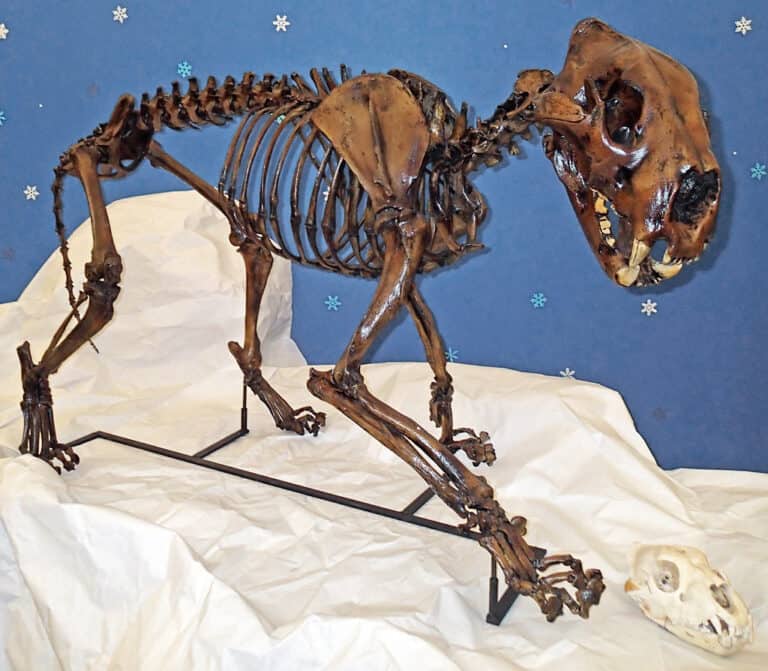
Cave Lion
Ice Age king of the open steppe

Ice Age king of the open steppe
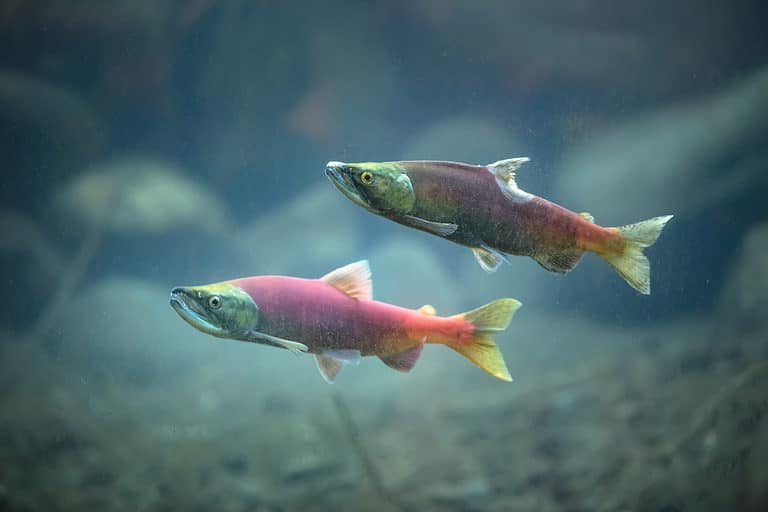
Red in the fall, lake-born for life
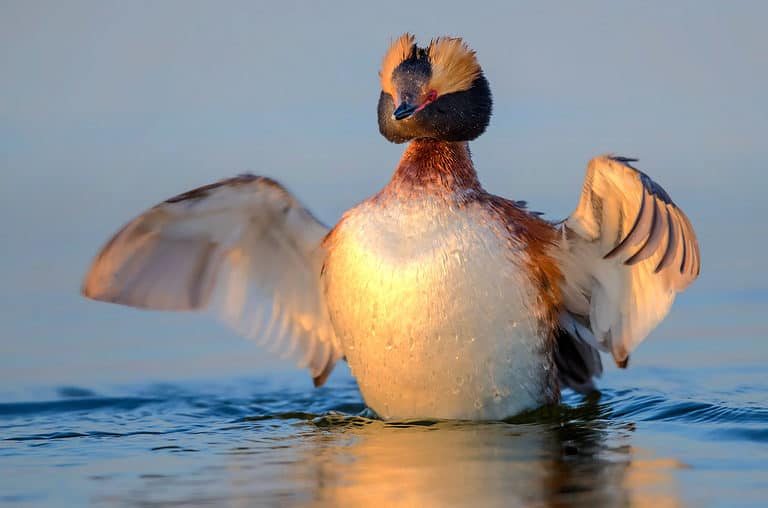
Golden horns, master of the dive
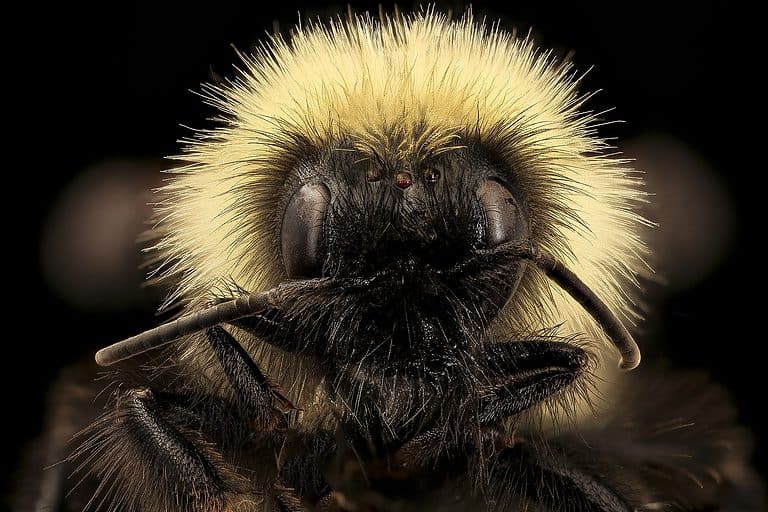
The nest-hijacking bumblebee
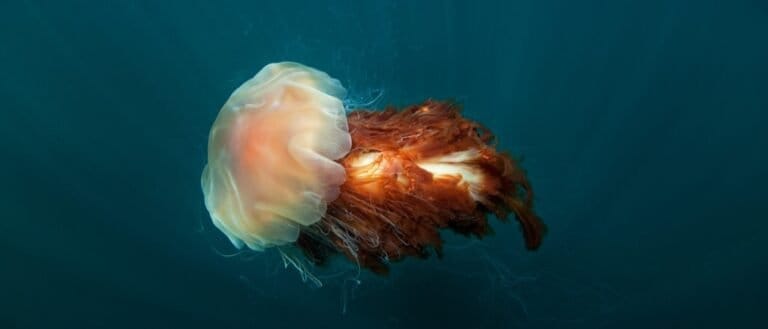
A living mane from cold seas
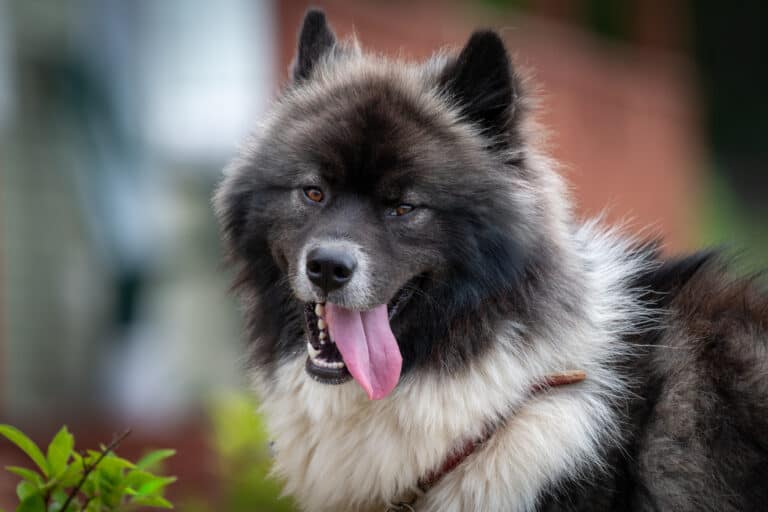
Fluff, brains, and a mind of its own
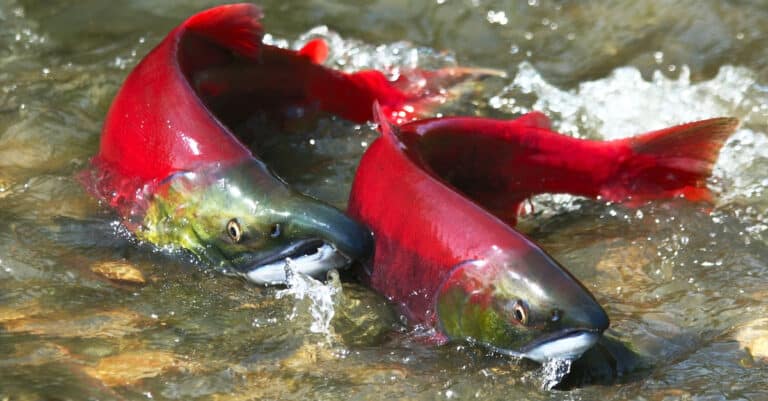
Silver at sea, scarlet to spawn
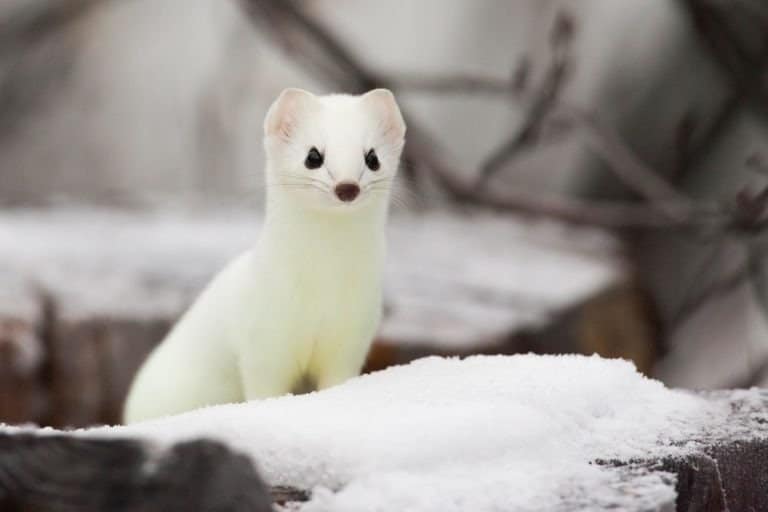
Black-tail hunter, winter-white
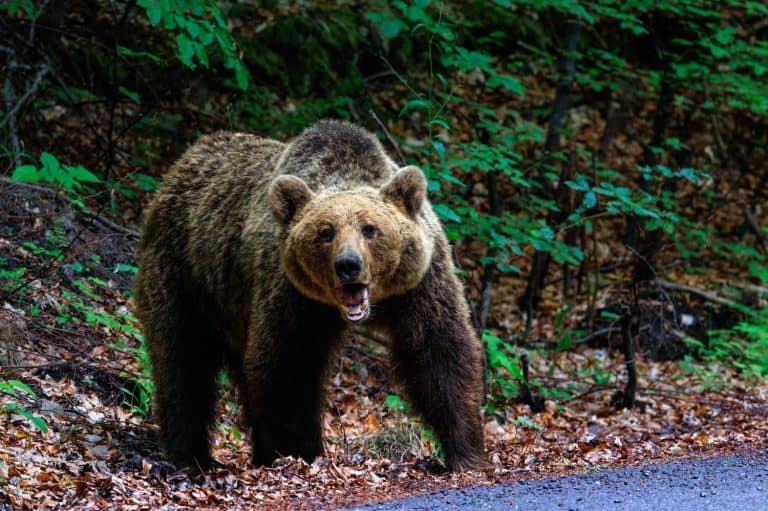
Hump-shouldered king of the wild buffet
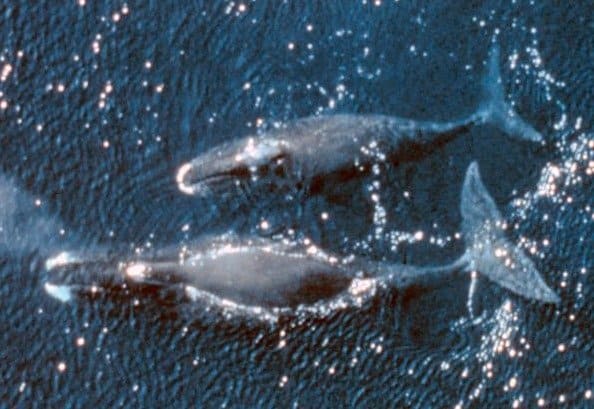
The Icebreaker with a 200-Year Life
Chukotka Autonomous Okrug is a wind-swept Arctic area on the Chukchi Peninsula where wildlife thrives along sea ice and in short summers. Marine mammals gather on productive coasts, predators roam the tundra, and breeding birds fill shorelines and wetlands. Key ecosystems are coastal sea-ice margins, the Bering Sea shelf and polynyas (open water in winter), and inland tundra with rivers, lakes, and wet meadows. Sea ice and nearshore waters are vital for polar bears and seals; rocky capes and offshore islets host dense seabird colonies. Inland tundra supports migratory geese, waders, raptors, and hardy herbivores. These systems form a wildlife corridor linking Eurasia and North America. Bordering both the Arctic Ocean and the Bering Sea, Chukotka’s closeness to Alaska and the Bering Strait funnels animals through a narrow, rich passage, producing concentrated gatherings like walrus haul-outs and seasonal surges of seabirds and whales.
Chukotka's cold, permafrost landscape has a north–south change from Arctic coastal tundra and sea-ice edges to milder Bering Sea coasts with richer wetlands and river deltas. Long shorelines, seasonal sea ice, and nutrient-rich sea waters support polar bears, walrus, seals, and whales. Tundra plains, river valleys, lagoons, and mountains provide breeding, dens, and migration routes.
Sea level to ~1,887 m (Mount Iskhodnaya), spanning coastal lowlands, rolling plateaus, and rugged uplands that create alpine tundra and snow-driven microhabitats
Extensive coastline on two seas: the Arctic Ocean (Chukchi Sea and East Siberian Sea) and the Bering Sea (including the Gulf of Anadyr and the Bering Strait), with seasonal sea ice, barrier spits/lagoons, and rocky headlands that shape seabird colonies and marine-mammal haul-out sites
Chukotka's protected areas are mostly large federal nature reserves and one national park that protect Arctic tundra, coastal lagoons, seabird cliffs, and marine-mammal haulouts along the Chukchi and Bering Sea coasts. Regional wildlife sanctuaries and monuments protect key rookeries, nesting sites, and wetlands used by migratory birds. Much is also kept safe by remoteness and few roads.
≈12-15% of land area under some form of legal protection (estimate; higher if counting adjacent marine protected waters and buffer zones).
A flagship protected landscape on the Chukchi Peninsula linking tundra, coastal lagoons, and nearshore waters; notable for seabird colonies, migratory bird concentrations on coastal wetlands, and frequent marine-mammal sightings along the Bering Sea coast.
A remote crater-lake basin with intact tundra wetlands and river corridors that support nesting and staging migratory birds; also notable for predators and ungulates in surrounding uplands.
Lowland tundra and coastal habitats used by waterfowl and geese, with seasonal use by coastal marine mammals; valued as a breeding and stopover site in Arctic migratory-bird networks.
A small but exceptionally dense seabird-breeding site with nearby sea-ice and coastal habitat used by polar bears; important for viewing large nesting aggregations in summer.
A globally significant High Arctic protected area centered on Wrangel and Herald islands, recognized for very high polar bear denning density, large seabird colonies, and important coastal habitat for marine mammals such as walrus and whales.
A strict nature reserve in Chukotka protecting coastal tundra and marine/nearshore habitats important for seabirds and migratory waterfowl, and for marine mammals including walrus and ice-associated seals.
Chukotka Autonomous Okrug sits at the junction of the Arctic Ocean and Bering Sea and is defined by tundra, river valleys, coastal lagoons, sea-ice edges, and seabird cliffs. Wildlife viewing is dominated by marine mammals (ice-associated seals, walrus, whales), large congregations of migratory birds during the short summer, and classic tundra mammals (Arctic fox, reindeer/caribou). The region includes Wrangel Island, a globally important Arctic refuge for polar bear denning and seabird/waterfowl breeding.
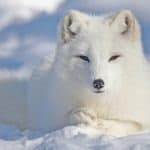
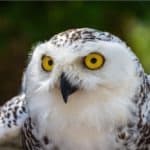
Chukotka Autonomous Okrug is a remote, rich-in-wildlife Arctic area of treeless tundra, river deltas, and coasts on the Bering Sea and Arctic Ocean facing Alaska. See walrus, whales, seals, polar bears, Arctic foxes, and huge seasonal bird migrations. Travel is hard—weather, sea ice, and permits matter—so trips center on Anadyr, Provideniya, Egvekinot and use expedition cruises or guided community visits.
Deep winter conditions with increasing daylight. Best for Arctic landscape photography and chances to see Arctic fox and ptarmigan near settlements; polar bear sightings are possible but typically depend on sea-ice conditions and access. Fewer birds and limited marine mammal viewing due to ice. Expect extreme cold, wind, and weather delays.
Ice begins to break up and wildlife activity rises. Excellent for migratory bird arrivals (geese, eiders, shorebirds) and tundra nesting behavior. Coastal areas may see seals and early whale movement depending on the ice year. Mosquitoes emerge by mid/late June inland; tundra becomes greener fast.
Peak overall wildlife diversity and the easiest time to travel. Prime season for Bering Sea whale watching (often including gray whales; other species possible), large seabird colonies, and walrus haul-outs. Tundra is productive with wildflowers and breeding birds; rivers and coasts are active. Expect fog, strong winds, and variable sea conditions; mosquitoes can be intense inland.
Golden tundra, fewer insects, strong photo light, and active migration. Good for bird migration (shorebirds, waterfowl) and continued marine mammal viewing early in the season; storms increase and daylight drops quickly. Walrus and whales can still be present, but conditions become more weather-dependent.
Very limited wildlife viewing compared with summer, but a striking Arctic experience. Best for aurora viewing and winter travel culture; wildlife encounters are opportunistic and access is constrained by cold, darkness, and storms.
Chukotka Autonomous Okrug has Arctic and sub-Arctic ecosystems shaped by permafrost, strong winds, short growing seasons, and long coasts along the Arctic Ocean (Chukchi and East Siberian seas) and the Bering Sea. Interior lowland tundra and wetlands, plus rugged uplands and isolated mountains, support marine mammal haul-outs, seabird colonies, and migratory bird breeding in rivers and lakes.
The prevailing biome: continuous permafrost landscapes with mosses, lichens, sedges, and dwarf shrubs; includes coastal tundra, inland lowland tundra, and shrub tundra in milder valleys.
Dominant across most of the mainland and islands (majority of land area).
High-elevation, wind-exposed zones on mountain ridges and massifs with sparse vegetation, frost-shattered rock, and long-lasting snowfields; transitions downslope into shrub tundra.
Patchy but widespread in uplands and mountain ranges (notably interior and southern highlands).
Very limited, occurring mainly as open larch-dominated forest patches or woodland-like stands in the southernmost/most sheltered river valleys and foothills where conditions are comparatively milder.
Minor and localized (small fraction of land area, concentrated in southern/riverine areas).
Permafrost-controlled wetlands: waterlogged tundra plains with polygonal ground, peatlands, sedge fens, marshy lake margins, and coastal lagoons/lowland wet areas important for nesting waterfowl.
Common and widespread within tundra lowlands and coastal plains; locally extensive.
Large, cold river systems and numerous tundra lakes/ponds, with strong seasonal flow pulses (snowmelt) and ice cover for much of the year; supports salmonids and migratory birds.
Widespread as river corridors and lake districts across the region.
Highly productive seasonal seas influenced by sea ice, polynyas, and nutrient-rich shelf waters; supports walrus haul-outs, polar bears (especially along the Arctic coast/sea-ice edge), whales, and major seabird colonies.
Extensive along the entire coastline on the Bering Sea and Arctic Ocean; broad continental shelf waters offshore.
Polar desert-like areas with extremely sparse vegetation on the most exposed northern coastal sites and some island/upland barrens (wind-scoured, very low plant cover).
Localized patches, most evident in the far north and on exposed island/upland terrain.
Sedge-moss tundra, dwarf-shrub tundra, and coastal tundra; key breeding habitat for migratory shorebirds and waterfowl.
Willow/alder-dominated shrub tundra in sheltered valleys and along some river terraces, providing browse and cover for terrestrial fauna.
Rugged uplands and massifs with steep slopes, scree, and snowbeds; strong elevational gradients over short distances.
Small, localized herb-rich patches on sheltered slopes and snowmelt areas during the short summer (often interspersed with rocky ground).
Sea cliffs and inland escarpments used by seabirds for nesting; also important raptor nesting sites in some areas.
Long, sparsely vegetated coasts with tundra-backed shorelines, coastal lagoons, and nearshore feeding/haul-out zones for marine mammals.
Gravel and sand beaches that can host walrus haul-outs and serve as storm-deposit habitats along the Bering and Arctic coasts.
Boulder and bedrock shorelines exposed to ice push and storm surge; intertidal zones are highly seasonal.
River mouths and deltas with brackish mixing zones, important for fish migration and foraging birds during ice-free periods.
Cold, dynamic rivers with braided sections and wide floodplains; key corridors across tundra, supporting salmonids and riparian shrubs.
Numerous shallow tundra lakes and thermokarst lakes with highly seasonal productivity; critical for nesting waterbirds.
Dense networks of small thaw ponds and ephemeral pools on polygonal tundra; important insect production supports birds in summer.
Sedge fens, marshy lowlands, and waterlogged peat surfaces driven by permafrost and poor drainage; extensive in coastal plains.
Sedge- and grass-dominated marshes around lake margins and low-lying coastal areas during the thaw season.
Peat-accumulating tundra peatlands in poorly drained basins; often with hummock-hollow microtopography.
Pelagic waters of the Bering and Chukchi seas used by migrating whales and wide-ranging seabirds, strongly structured by sea-ice seasonality.
Deeper offshore basins beyond the shelf edge (especially toward the Bering Sea) supporting cold-water pelagic and benthic communities.
Broad continental shelf seafloor habitats supporting benthic production that underpins walrus feeding areas and demersal fish communities.
Very limited; small settlements and ports (e.g., Anadyr and other coastal/river communities) with localized habitat disturbance.
Minimal and localized (mostly small-scale fodder/greenhouse or subsistence activity near settlements); not a dominant land cover.
In Chukotka you can often watch gray whales, belugas, and bowheads from shore. The Bering Strait squeezes them into a narrow funnel so they pass close to the coast.
Wrangel Island's wildlife can look "out of place" for the High Arctic: its mix of coastal polynyas (open-water areas) and varied terrain supports unusually rich breeding bird life for its latitude-hence the long-running nickname "the Galápagos of the Arctic."
At the Diomede Islands in the Bering Strait, the Russia–U.S. gap is only a few kilometers, so many birds and marine mammals move past Chukotka as one group; the border is invisible in nature.
In Chukotka, walruses may haul out on land in huge groups not because food is on the shore, but because sea ice, their usual resting spot, is far from shallow feeding grounds.
Chukotka's tundra supports both brown bears and polar bears, and along some coastal stretches in late summer/autumn the two species can be seen using the same food sources (carcasses, beach wrack)-a counter-intuitive overlap of "Arctic" and "taiga" icons.
Wrangel Island (a UNESCO World Heritage site within Chukotka) is widely cited as having the world's highest density of polar-bear maternity dens-so many females den there that it's often called a "polar bear maternity ward."
Wrangel Island is the last known refuge of the woolly mammoth: isolated dwarf mammoths survived there until roughly 4,000 years ago-later than anywhere else on Earth.
The Bering Strait and Chukchi Sea coast of Chukotka is on one of the world's biggest wildlife migration routes. Gray whales pass and feed here on a 15,000–20,000 km round-trip.
Chukotka hosts the Pacific walrus, and its coasts (notably haulouts on/near Wrangel Island and the mainland Chukchi Sea shore such as Cape Serdtse-Kamen) can hold tens of thousands of walruses at once-among the largest pinniped gatherings on Earth.
Seabird cliffs on Chukotka's Bering Sea side-especially around Cape Navarin-support some of the largest seabird breeding concentrations in Russia's Far Northeast (murres, kittiwakes, auklets), with colonies reaching the hundreds of thousands in strong years.
46 species documented in our encyclopedia
Thank you for reading! Have some feedback for us?
We appreciate your help in improving our content.
Our editorial team will review your suggestions and make any necessary updates.
There was an error submitting your feedback. Please try again.