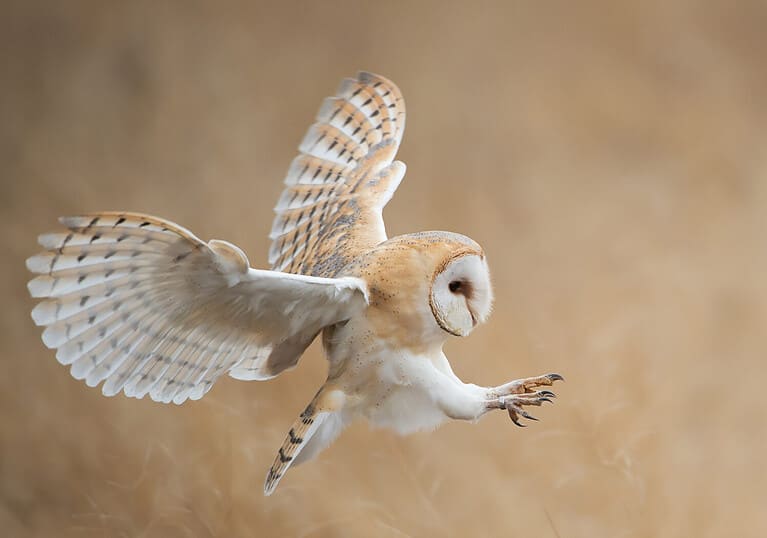
Barn Owl
Heart-faced hunter of the night

Heart-faced hunter of the night

Red mask, gold wing, thistle king.
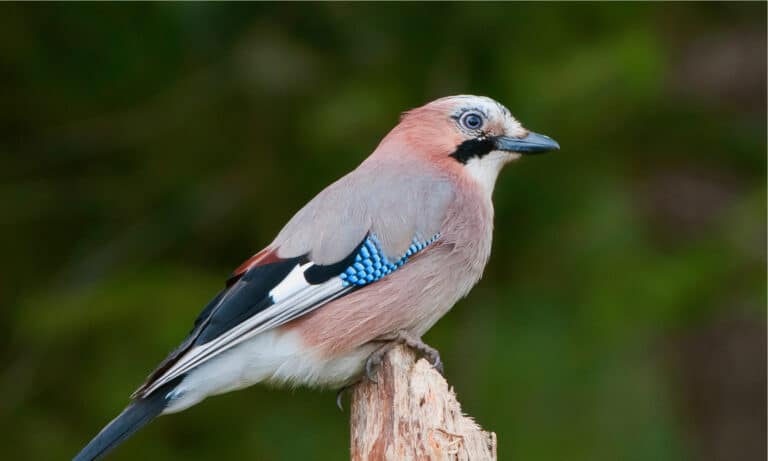
Oak Forest Planter with a Blue Flash
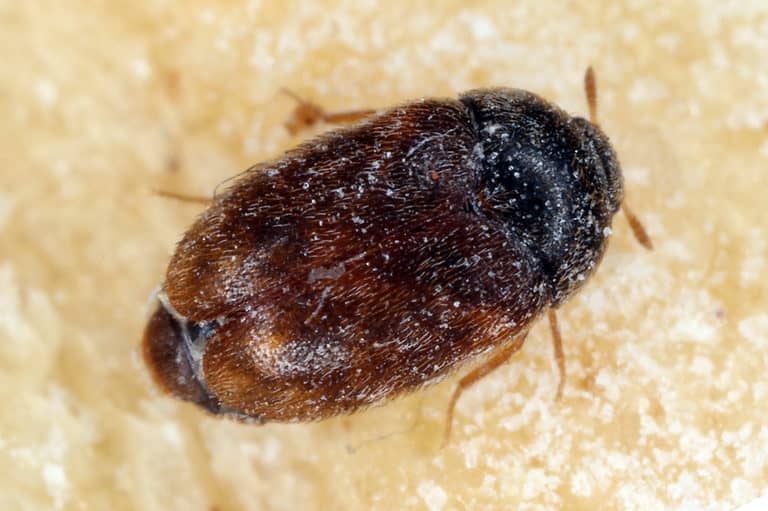
Tiny beetle, massive quarantine threat.
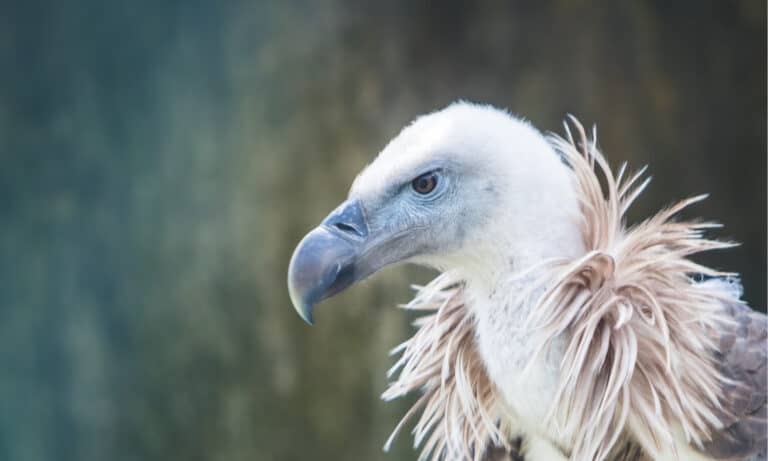
Nature's high-altitude clean-up crew
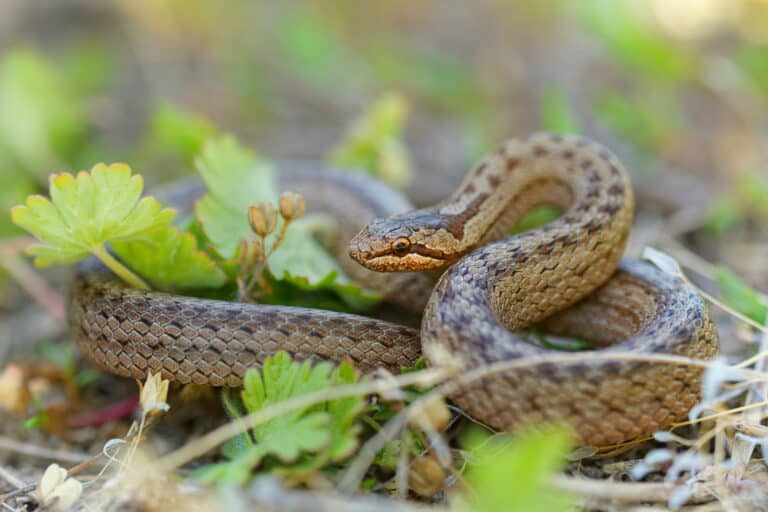
Smooth scales. Silent hunter.
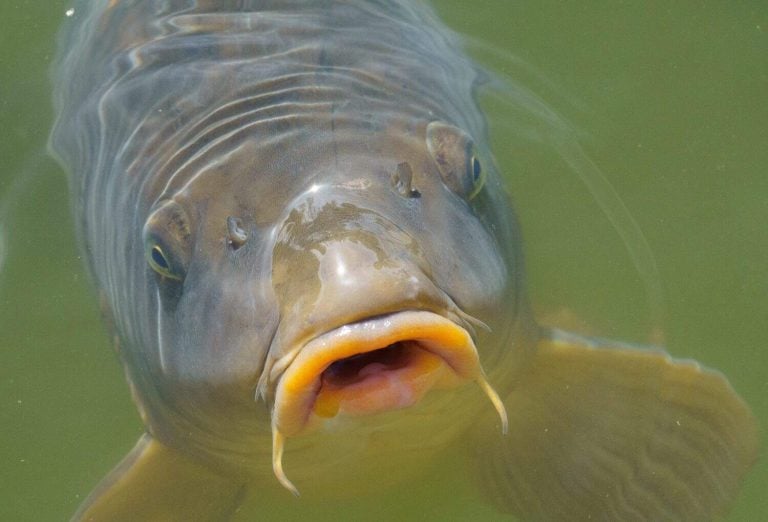
Tough fish, muddy footprint.
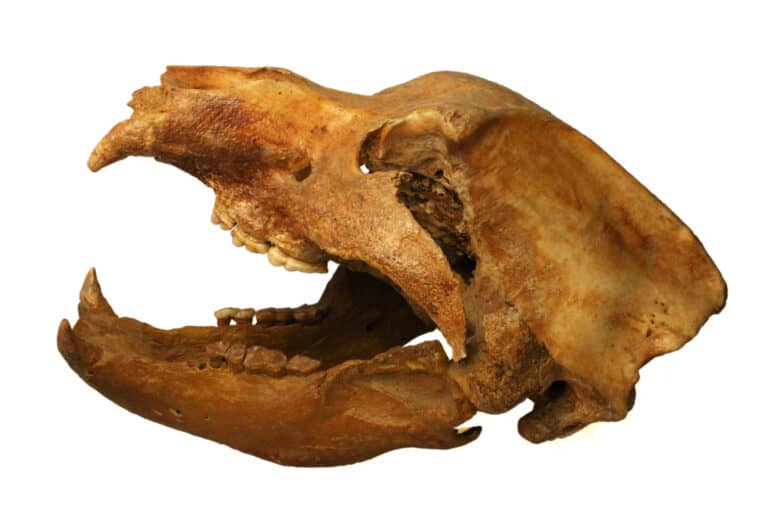
The Pleistocene cave hibernator
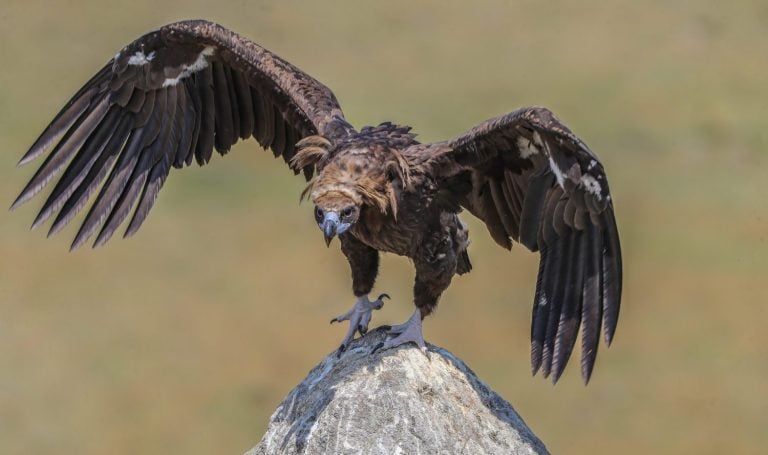
Big, black, and built to clean
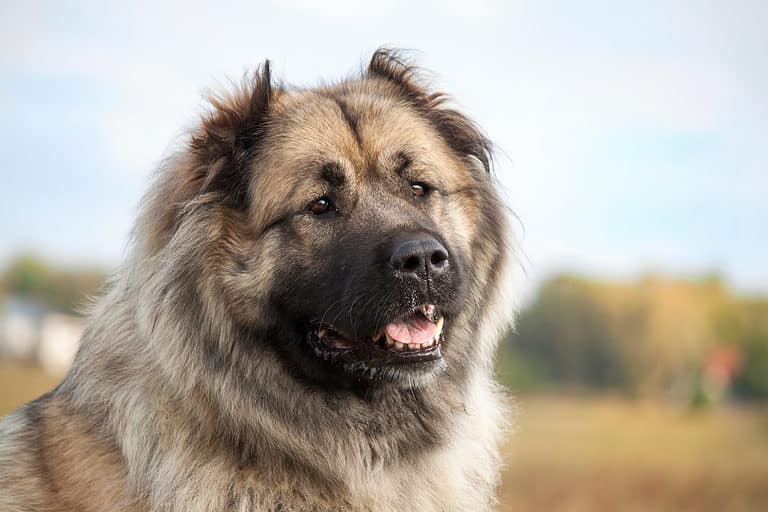
Built for the flock. Ready for the frontier.
Dagestan is known for a big mix of habitats in a small area: the Caspian Sea shore and lagoons change into semi-desert and steppe lowlands, then into forested foothills and the high, glacier-touched Greater Caucasus. This quick rise in height brings sea, wetland, grassland, and mountain animals close together, so many Caucasus mountain species live within a day’s travel of the Caspian coast. Important ecosystems include the Caspian coastal wetlands and river deltas, especially around the Terek, which are key stopping places on bird migration routes and hold large numbers of waterbirds. Inland, dry lowlands and scrubby foothills lead to mountain forests and subalpine meadows. Steep gorges and rocky ridges are home to cliff-dwelling hoofed mammals and big birds of prey. Wildlife here is unusually close-packed compared with nearby regions.
Dagestan rises from Caspian coastal lowlands (wetlands, deltas, semi‑desert and steppe) to foothill woodlands and the rugged Greater Caucasus highlands with subalpine and alpine zones. This steep change in climate and elevation creates many habitats, so waterbirds and coastal species stay by the shore, while big mammals, mountain birds, and special plants live higher up.
About −28 m (Caspian shoreline, below global sea level) to ~4,466 m (Mt. Bazardüzü on the Dagestan-Azerbaijan border), creating strong climatic and habitat zonation from arid lowlands to alpine terrain
Caspian Sea coastline (approximately 530 km), including bays and river-delta wetlands that concentrate fish, seals, and large numbers of resident and migratory waterbirds
Dagestan's protected areas include federal sites (a state nature reserve, a national park, monuments, and sanctuaries) plus regional sanctuaries that cover mountain gorges, high ridges, and Caspian wetlands. The wide range from Caspian semi-deserts and reedbeds to foothills and alpine meadows supports migrating birds on the Caspian flyway, rare steppe and desert species, and a Persian leopard corridor.
About 10-12% of the republic's land area (protected areas of varying strictness; figure is approximate and depends on whether regional wildlife sanctuaries and buffer zones are included).
Protects the Samur River delta and the famous Samur liana (vines) forest-one of the most distinctive riparian forest ecosystems in Russia-plus adjacent foothills. It is a key biodiversity and connectivity area for the southeastern Caucasus, important for migrating birds, riparian mammals, and leopard conservation.
Flagship strictly protected reserve with clustered sites spanning Caspian coastal wetlands (major stopover/wintering habitat for waterbirds) and the iconic Sarykum sand dune complex. Notable for high concentrations of waterbirds and for conserving rare semi-desert and dune biota.
One of Eurasia's largest sand dunes and a biodiversity 'island' of true dune/semi-desert habitats amid the foothill landscape. Especially notable for reptiles, invertebrates, and steppe/desert birdlife concentrated in a small area accessible for wildlife viewing.
Shallow lagoon-reedbed-mudflat system on the Caspian coast that supports mass congregations of migratory and wintering waterbirds, plus coastal fish nurseries and occasional Caspian seal use. Particularly valuable during migration peaks.
Remote alpine and subalpine landscapes (ridges, scree, high meadows) that function as an important refuge for mountain ungulates and raptors, with relatively low road density and strong wilderness character.
Mountain steppe and rocky plateau habitats with canyon systems that support raptors and cliff-dwelling fauna; notable as a scenic, comparatively intact upland mosaic where wildlife viewing often focuses on birds of prey and mountain mammals.
Forested gorges and high ridges in the southeast that help maintain ecological connectivity toward Azerbaijan and the Greater Caucasus. Important for large carnivores and intact montane river habitats.
A major shallow-water and reedbed wetland complex on the northwestern Caspian Sea, important for migratory stopovers and wintering waterbirds.
A state nature sanctuary protecting reedbeds, lagoons, and coastal wetlands around Agrakhan Bay that support large breeding colonies and migration stopover habitat for waterbirds; hydrology and salinity shifts can strongly affect concentrations of birds and fish.
Refuge-style protection for riparian forest, delta channels, and reedbeds that complement the national park's core zones; supports breeding and passage migrants and maintains habitat for otters and other wetland mammals.
Dagestan's wildlife is shaped by a steep ecological gradient: Caspian Sea coastal lagoons and semi-desert lowlands transition to foothill forests, river gorges, and high-alpine meadows of the Greater Caucasus. This mix supports a distinctly "Caspian + Caucasus" fauna-large mountain ungulates and raptors in the uplands, wetland bird concentrations along the Caspian flyway, and globally important (but heavily threatened) migratory fish in major rivers draining to the Caspian.
Dagestan has many wildlife habitats in a small area: Caspian Sea coastal wetlands and lagoons for migratory birds, semi-desert lowlands for steppe species, and Caucasus foothills to alpine zones for mountain animals and raptors. You can bird the shore and hike to see tur and ibex, chamois, wolves, foxes (often tracks), plus reptiles and butterflies. Spring and autumn are best.
Peak migration along the Caspian: large concentrations of waterbirds and shorebirds in coastal wetlands and river deltas. Raptors begin moving through mountain passes. In the foothills, wildflowers bring butterflies and increased activity for reptiles on warm days. Expect variable weather: windy coast, lingering snow in high mountains.
Best for high-elevation wildlife and scenery: alpine meadows, marmot activity, and chances for mountain ungulates (tur/ibex/chamois) on early-morning hikes. Seabird colonies and coastal birding continue, though midday heat reduces activity in lowlands. Great for herping (lizards, snakes) in foothills and semi-desert zones. Plan around heat on the Caspian lowlands and start days early.
Second migration peak and often the most comfortable conditions. Expect strong passage of raptors and waterbirds around the Caspian coast, lagoons, and river mouths. In the mountains, clearer air and cooler temps improve hiking; ungulates may be more visible as they move between elevations. Late autumn can bring storms on the coast and early snow at altitude.
Best for wintering waterfowl on the Caspian and ice-free coastal areas; large flocks can gather where conditions stay mild. Mountain access is limited by snow and road conditions, but lowland birding can be excellent on calm days. Dress for wind and sudden temperature swings.
Dagestan spans a steep environmental gradient from arid Caspian coastal lowlands and river deltas to forested foothills and high Greater Caucasus alpine belts. This creates a compact mosaic of steppe/semi-desert habitats, riparian corridors, mountain forests, subalpine-alpine meadows, extensive wetlands, and Caspian marine/coastal systems, supporting high regional biodiversity and many range-restricted Caucasus mountain species.
Dry steppes and grass-dominated plains on the Caspian lowlands and interior basins; often transitioning into semi-desert vegetation with salt- and drought-tolerant plants.
Large areas of the northern and northeastern lowlands; common across plains and gently rolling terrain.
Semi-desert and salt-desert features in the driest parts of the Caspian Depression influence zone (arid continental climate), including sparse shrub/halophyte communities on sandy or saline soils.
Patchy but locally prominent in the driest lowland sectors, especially toward the north/coastal-plain margins.
Foothill and mid-montane forests (broadleaf-dominated with mixed stands), especially in more humid mountain exposures and river valleys of the Greater Caucasus slopes.
Discontinuous belt on mountain foothills and mid-elevations; more extensive in wetter southern/mountain sectors than on the lowlands.
High-elevation subalpine and alpine zones with alpine meadows, rocky scree, and nival features above the treeline in the Greater Caucasus.
Upper mountain belt along the Greater Caucasus crest and high ridges; limited in area but ecologically distinct.
Mountain rivers, gorges, springs, and reservoirs (notably major river systems draining to the Caspian), with cold fast-flowing headwaters transitioning to slower lowland reaches.
Linear network across the republic; densest in mountain watersheds and major valleys.
River deltas, floodplain wetlands, reedbeds, coastal lagoons, and seasonally inundated lowlands-important for migratory and breeding birds along the Caspian flyway.
Concentrated along the Caspian coastal plain and at river mouths/deltas; also along major floodplains inland.
Caspian Sea coastal and nearshore marine environments, including sandy beaches, shallow shelves, and brackish-influenced near-delta waters.
Along the entire Dagestan Caspian shoreline; most extensive in shallow nearshore and shelf areas.
Open dry steppe on the Caspian lowlands with feather-grass and other drought-tolerant grasses; widely converted or fragmented by agriculture and grazing.
Grass-dominated plains and foothill openings, including pasturelands and semi-natural grasslands in valleys and lower slopes.
Arid and semi-arid shrub communities (including salt-tolerant shrubs) on sandy/saline soils and degraded steppe sites.
Semi-desert patches with sparse vegetation on saline flats and sandy areas in the driest lowland zones.
Montane and foothill forest mosaics on the Greater Caucasus slopes, shaped by elevation, aspect, and moisture gradients.
Broadleaf-dominated forests in foothills and mid-elevations, often in more humid exposures and sheltered valleys.
Scattered conifer components at higher elevations and in mixed montane stands, depending on local climate and exposure.
Subalpine and alpine meadow belts above the treeline with high herb diversity; important summer grazing areas and key habitat for mountain fauna.
Rugged Greater Caucasus terrain with sharp elevation gradients, creating many microclimates and isolated habitats.
Rock faces and canyon walls in mountain gorges supporting cliff-nesting birds and specialized rock-dwelling plants.
Localized karst/rock shelters and cave systems in mountainous areas, providing bat roosts and unique subterranean microhabitats.
Major rivers and tributaries (e.g., Terek, Sulak, Samur) with strong mountain-to-lowland ecological transitions and productive riparian corridors.
Small natural lakes and man-made reservoirs; important stopover and breeding sites for waterbirds in lowlands and valleys.
Floodplains, reedbeds, and deltaic wetlands along the Caspian lowlands-highly productive and biodiversity-rich.
Reed and sedge marshes in delta/floodplain settings, especially near coastal lowlands and river mouths.
River-mouth mixing zones and brackish coastal inlets along the Caspian, with high fish nursery value and bird habitat.
Caspian shoreline habitats including dunes, lagoons, and coastal wetlands; sensitive to sea-level fluctuation and development.
Sandy Caspian beaches and dune-backed shores, locally important for recreation and coastal biodiversity.
Localized rocky coastal segments and nearshore hard substrates, less common than sandy shores but ecologically distinct.
Shallow-shelf and deeper Caspian seabed habitats supporting benthic communities and key fish feeding grounds.
Offshore Caspian waters beyond the immediate nearshore zone (functionally 'open' marine habitat within an enclosed sea).
Deeper Caspian basins offshore (relative to the shelf) with colder, darker water and distinct benthic assemblages.
Lowland croplands, orchards, and irrigated fields concentrated on plains and river valleys; a major driver of habitat conversion.
Urban/industrial areas (notably along the Caspian corridor and major valleys) with associated fragmentation and coastal pressures.
In the Republic of Dagestan, you can drive in one day from Caspian coastal wetlands with waterbirds to high alpine zones with mountain ungulates like the East Caucasian tur. This is rare in Russia.
The Caspian Sea is brackish (partly salty), so many ocean species don't thrive; Dagestan's coast has salt-tolerant freshwater species, endemic species, and migratory fish using it as a large inland feeding ground.
Beluga and other Caspian sturgeons are anadromous: they feed in the Caspian but must migrate into freshwater rivers (including rivers reaching Dagestan's lowlands, such as the Terek system) to spawn-meaning "sea giants" depend on river health.
The Seal Islands earned their name because seals haul out there: even though Caspian seals are famous for breeding on northern Caspian ice, they also use southern areas (including off Dagestan) for feeding and seasonal movements.
Sarykum dune's hot, dry sands create a microclimate that can support distinctly arid-land fauna (notably many heat-loving insects and reptiles) unusually far north compared with classic Eurasian desert zones-right next to the much wetter Caspian wetlands.
Dagestan's Caspian shoreline borders the Caspian Sea-Earth's largest enclosed (inland) body of water-supporting a uniquely "inland-sea" fauna including sturgeons and the Caspian seal.
The beluga sturgeon (Huso huso), native to the Caspian basin off Dagestan, is the world's largest sturgeon and among the largest freshwater fishes; historical records report individuals up to ~7 m long and well over 1,000 kg.
The Caspian seal (Pusa caspica)-found along Dagestan's Caspian coast and around the Seal Islands-is one of the smallest living true seal species, and it is endemic to the Caspian Sea.
Russia's only native population of the Levant viper (Macrovipera lebetina)-one of the world's largest vipers-occurs in southeastern Dagestan; it is also considered the largest venomous snake found in Russia.
The Sarykum (Sary-Kum) dune in Dagestan, in the Dagestansky Nature Reserve, rises about 260 m and is one of Europe’s highest sand dunes, making a desert-like island habitat for sand insects and reptiles on the Caspian side of the Caucasus.
12 species documented in our encyclopedia
Thank you for reading! Have some feedback for us?
We appreciate your help in improving our content.
Our editorial team will review your suggestions and make any necessary updates.
There was an error submitting your feedback. Please try again.