N S W E
Wildlife Expeditions

Wildlife of
Moskovskaja oblast'

A ring of mixed forests, wetlands, and river valleys around megacity Moscow, Moscow Oblast is a surprisingly rich refuge for classic central-Russian wildlife.
13 Species
44,300 km² Land Area
Overview

About Moskovskaja oblast'

Moscow Oblast acts as a green belt around Moscow. Large areas of mixed spruce-pine and birch-aspen forests, oak and linden broadleaf pockets, peat bogs, and quiet river valleys still support central Russian mammals and many birds. The Oka, Moskva, and Klyazma rivers and their floodplains are key breeding and stopover sites for waterfowl and marsh birds. Wetlands are nurseries for amphibians, and big forest tracts give cover for forest mammals, especially in the quieter south and east. Even with many people nearby, wildlife lives in big forests, protected areas, and working countryside where woodlands, meadows, and waterways mix. Because nature is close to the city, edge habitats and river corridors help animals move and migrate. This "metropolitan wilderness" offers good chances to see wildlife while showing the need to protect them.

Physical Features

Geography

Moscow Oblast is on the flat East European Plain in the mixed-forest belt. Broadleaf–conifer forests, river valleys, peatlands, and farm clearings make a patchwork of homes for wildlife. A dense network of rivers and reservoirs (riparian corridors, floodplain meadows, wetlands), glacial and post-glacial soils, and growing edge habitats near Moscow and major roads shape where animals live.

44,300 km² Land Area
Mid-sized federal subject in Russia (roughly middle of 80+ federal subjects by area) Size Rank
Russia Country
Oblast Type
Elevation Range

Approximately 90-310 m above sea level (lowland floodplains to upland ridges), supporting variation from wetland/peatland habitats to drier mixed-forest uplands

Key Landscapes

East European Plain (generally flat to gently rolling terrain supporting broad mixed-forest coverage) Smolensk-Moscow Upland and the Klin-Dmitrov Ridge (higher, better-drained forested hills and headwaters influencing local habitat variation) Meshchera Lowland (sandy outwash plains with extensive peat bogs, fens, and wet conifer forests important for wetland and forest specialists) Oka River basin (major southern drainage with broad floodplains, oxbows, and meadow complexes) Moskva River and tributary network (e.g., Klyazma, Nara, Protva, Dubna) forming key movement corridors and riparian habitats through developed landscapes) Large reservoirs and regulated waterways (e.g., Ivankovo, Istra, Mozhaisk) providing open-water and marsh-edge habitats for waterbirds and semi-aquatic mammals
Parks & Reserves

Protected Areas

Moscow Oblast's protected areas include a few federal sites (one national park and one strict nature/biosphere reserve) and regional areas like wildlife sanctuaries. With heavy urban development and roads, priorities are protecting mixed-forest blocks, peat bogs and floodplains for birds, and river valleys (Oka, Moskva, Klyazma, Dubna) that connect habitats and support beaver, otter and mammals.

Protected Coverage

≈6-8% of the oblast (protected areas of federal + regional significance; approximate)

National Parks & Preserves

Losiny Ostrov National Park

≈116 km² (≈11,600 ha) total; spans Moscow city and Moscow Oblast

A major mixed-forest and wetland complex on the edge of Moscow; notable as one of the best places in the region to see large mammals in near-urban conditions, and for protecting floodplain forests, boggy meadows, and lakes used by breeding waterbirds.

Moose (Alces alces) Wild boar (Sus scrofa) Eurasian beaver (Castor fiber) Roe deer (Capreolus capreolus) Northern goshawk (Accipiter gentilis)

State & Provincial Parks

Crane Homeland wetland protected-area complex

≈20,000+ ha (network/complex of protected wetlands; size varies by component area)

A flagship regional wetland landscape in the north of Moscow Oblast supporting cranes, geese, and raptors during breeding and migration; one of the most important wildlife-viewing areas for large congregations of birds in the region.

Common crane (Grus grus) Eurasian bittern (Botaurus stellaris) Greater spotted eagle (Clanga clanga) White-fronted goose (Anser albifrons) Eurasian beaver (Castor fiber)

Lake Glubokoe and surrounding forest-wetland protected area

Typically a few thousand hectares (protected lake shoreline + adjacent wetlands/forest)

Lake-and-bog habitats with surrounding mixed forest; valuable for breeding waterbirds, amphibians, and semi-aquatic mammals, and for preserving relatively intact wetland edges in a densely developed region.

Osprey (Pandion haliaetus) Great crested grebe (Podiceps cristatus) Eurasian otter (Lutra lutra) Eurasian beaver (Castor fiber) Black woodpecker (Dryocopus martius)

Meshchera (Shatura area) peat bogs and pine-forest protected areas

Tens of thousands of hectares across multiple regional protected sites (bog complexes + forest blocks)

A large lowland mosaic of raised bogs, wet coniferous forests, and lakes; important for wetland birds, raptors, and maintaining hydrology/peatland biodiversity (also significant for fire-risk mitigation and carbon storage).

Eurasian crane (Grus grus) Honey buzzard (Pernis apivorus) Black grouse (Lyrurus tetrix) Eurasian beaver (Castor fiber) Eurasian hobby (Falco subbuteo)

Wildlife Refuges

Prioksko-Terrasny State Nature Biosphere Reserve (Prioksko-Terrasny Nature Reserve)

49.4 km² (about 4,940 ha)

A strictly protected nature reserve in Moscow Oblast along the Oka River terraces, internationally recognized as a UNESCO biosphere reserve and known for its European bison breeding center.

European bison (Bison bonasus) Moose / elk (Alces alces)

Wilderness Areas

  • Meshchera Lowlands (Shatura District): large peat bog-pine forest mosaics with relatively low road density compared with the rest of the oblast
  • Oka River terrace forests south of Moscow (around Serpukhov) forming one of the most intact forest blocks in the region
  • Northern wetlands and bog complexes in the Taldom-Dubna direction (key migration staging areas and comparatively quiet floodplain tracts)
  • Upper Moskva River / Ruza-Mozhaisk forest-and-reservoir landscapes: quieter mixed-forest blocks and wetland edges away from major urban centers
  • Klyazma floodplain forest-meadow corridor in the east: long linear habitat with pockets of low-access reedbeds and backwaters
Animals

Wildlife

Moscow Oblast lies in the mixed-forest belt of European Russia. It has many rivers (notably the Oka and tributaries), reservoirs, peat bogs, and large forest blocks of spruce-pine, birch-aspen, and oak/linden. Wildlife is a mix of taiga-influenced northern animals and more temperate forest-steppe species from the south. Wetlands shape animal life, and closeness to Moscow brings urban-edge birds and human-tolerant mammals. Protected places like Prioksko-Terrasny Biosphere Reserve and wide river floodplains show classic central-Russian forest and river wildlife.

~60-70 species Mammals
~250-320 species (including migrants) Birds
~7-10 species Reptiles
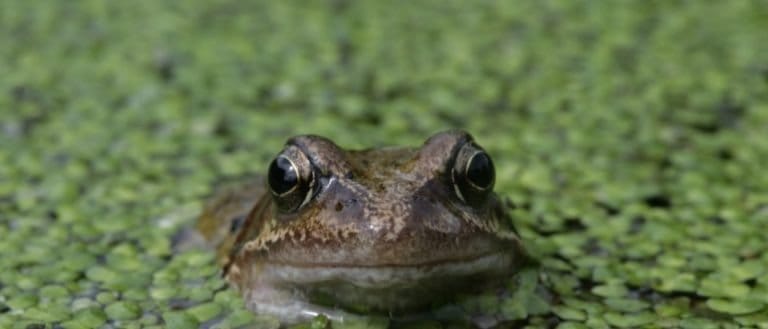
~10-12 species Amphibians
~40-60 species (rivers + reservoirs) Fish
Examples

Iconic Species

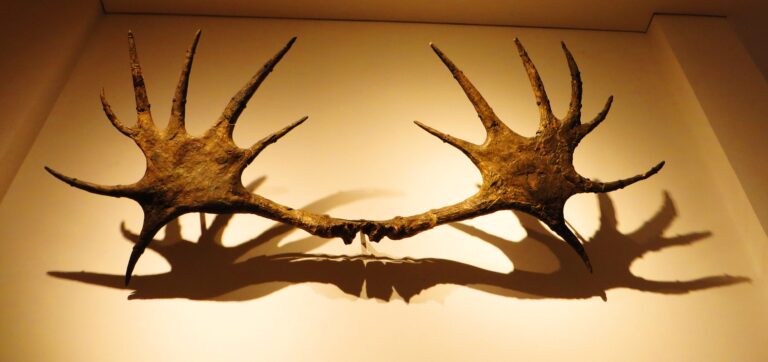
Moose
Moose The flagship large herbivore of the oblast's forests and riverine thickets; regularly encountered via tracks and winter browsing signs, and occasionally seen at forest edges and wetlands.
Eurasian Beaver
Eurasian Beaver A defining river-and-pond engineer across the region; dams, lodges, and gnawed trees are among the most characteristic wildlife signs along smaller rivers and oxbows.
Wild Boar
Wild Boar Common in mixed forests and floodplains where it roots in wetlands and fields; sightings are most likely in quieter forest blocks away from dense settlement.
European Roe Deer A typical forest-edge and mosaic-landscape deer; frequently observed at dawn/dusk in clearings, young forests, and agricultural margins.
Eurasian Otter A sought-after semi-aquatic predator of clean(er) rivers and lakes; usually detected by tracks and spraints along the Oka system and quieter tributaries.
White-tailed Eagle
White-tailed Eagle A top wetland predator associated with large water bodies (reservoirs and major rivers); a highlight for birdwatchers where nesting/foraging territories persist.
Black Stork A symbol of intact forested river valleys; rare and secretive, it draws visitors to large, undisturbed tracts with small rivers and wet gullies.
Common Crane An iconic voice of bogs and wet meadows; best experienced in spring and late summer near peatlands and floodplain wetlands.
Western Capercaillie A classic species of mature conifer and mixed forests; prized by wildlife watchers where lekking sites remain in larger forest massifs.
Raccoon Dog
Raccoon Dog A well-established, conspicuous introduced canid in European Russia; often associated with wetlands and edges and increasingly part of the oblast's night-time fauna.

Endemic & Rare Species

Russian Desman

Desmana moschata

Vulnerable (IUCN); very local and regionally rare in the Oka basin

A relict semi-aquatic mammal dependent on quiet oxbows and rich floodplain waters; its presence is an indicator of high-quality river-floodplain habitat (records are local and patchy).

European Pond Turtle

Emys orbicularis

Near Threatened (IUCN); rare/northern-edge, locally protected

Occurs near the northern edge of its range; dependent on warm, well-vegetated ponds/oxbows and vulnerable to wetland loss and disturbance.

Black Stork

Ciconia nigra

Least Concern (IUCN) globally; regionally rare breeder and strictly protected in many areas

Requires large, quiet forests near clean streams; sensitive to logging and disturbance, making it a conservation-priority species in the oblast.

White-tailed Eagle

Haliaeetus albicilla

Least Concern (IUCN); recovering but still sensitive, protected

Large raptors need undisturbed nesting sites near fish-rich waters; breeding pairs are significant markers of healthy large-water ecosystems.

Great Crested Newt

Triturus cristatus

Least Concern (IUCN); protected in parts of its range, declining locally with habitat fragmentation

A flagship amphibian for clean, fish-poor breeding ponds in forest/park mosaics; threatened by pond loss, fish stocking, and urban sprawl.

Aquatic Warbler

Acrocephalus paludicola

Vulnerable (IUCN); rare migrant/irregular in the region

A globally threatened wetland specialist; when recorded, it highlights the importance of sedge-fen and wet-meadow habitats along migration routes.

European Mink

Mustela lutreola

Critically Endangered (IUCN); historically present, now extremely rare or locally extirpated in many central regions

Once part of the oblast's riverine fauna; declines are linked to habitat change and competition from the invasive American mink, making it a key "lost/vanishing" conservation symbol.

Notable Populations

  • Prioksko-Terrasny Biosphere Reserve in Moscow Oblast protects mixed forests on the Oka River terraces and is especially known for its European bison (wisent) breeding and reintroduction program.
  • The Oka River floodplain wetlands function as an important regional corridor for migrating waterbirds and cranes, concentrating spring/autumn movements.
  • Eurasian beaver populations are nationally notable as a conservation-recovery success story in central European Russia, with widespread signs across many tributaries and wetlands.
  • Large reservoirs and major rivers can hold regionally important raptor/waterbird foraging areas (e.g., white-tailed eagle and other fish-eating birds) where human disturbance is managed.

Recent Changes

  • Eurasian beaver has continued a long-term recovery and expansion, increasing wetland complexity (more ponds/impoundments) and benefiting some amphibians and wetland birds.
  • Raccoon dog remains firmly established and widespread; it is now a routine part of the oblast's carnivore community and can affect ground-nesting birds and amphibians.
  • American mink (Neogale vison) has expanded and persists along waterways, contributing to the decline/near-disappearance of European mink in many central regions.
  • Wild boar numbers have shown sharp fluctuations in recent years in parts of European Russia due to African swine fever management and outbreaks, with local declines and rebounds depending on control intensity.
  • Some wetland- and fish-eating birds (e.g., great cormorant, Phalacrocorax carbo) have expanded their regional presence in central Russia since the late 20th century, increasingly using reservoirs and large rivers.
  • Urban-edge adaptation has increased visibility of certain mammals (red fox, roe deer, occasionally boar) near settlements and infrastructure, while sensitive forest specialists persist mainly in larger, quieter forest blocks.
  • Ongoing habitat fragmentation (roads, suburban development) continues to pressure pond-breeding amphibians and disturbance-sensitive breeders such as black stork, making protected river valleys and reserves increasingly important refuges.
Visit

Wildlife Viewing

Moscow Oblast offers rich wildlife close to Moscow. Mixed conifer-broadleaf forests, peat bogs, floodplain meadows and big rivers (Oka, Moskva, Klyazma) host elk, wild boar, beaver, fox and many woodland and wetland birds. Best times are early mornings on riverbanks, wetland boardwalks and forest edges, especially in Prioksko-Terrasny Biosphere Reserve and Losiny Ostrov. Ideal for short trips and guided tours.

Best Seasons

Spring (April-May)

Peak migration and songbird season: cranes and geese movements over wetlands, active woodpeckers, owls calling at dusk, and dramatic dawn choruses in mixed forest. Rivers open up and beavers become easier to spot near lodges at twilight. Trails can be muddy; bring waterproof footwear and plan for cooler mornings.

Summer (June-August)

Best for long days and warm-weather nature time: dragonflies, butterflies, orchids and meadow flora, and dependable wetland birding (herons, terns, reed warblers). Elk and boar are most often seen at forest edges at dawn. Mosquitoes can be intense near water/peat bogs-head net and repellent help.

Autumn (September-October)

Arguably the most comfortable season: fewer insects, clear air, and strong color in birch and mixed forests. Excellent for rut-season listening/spotting of elk (late Aug-Sept in some areas), plus autumn bird movements along rivers and reservoirs. Photography conditions are outstanding in early morning fog along the Oka.

Winter (November-March)

Track-and-sign season: fresh snow makes it easier to follow fox, hare, boar, and elk trails, and to read the forest (feeding marks, crossings, and burrows). Birding shifts to resident species (tits, woodpeckers) and winter visitors. Great for ski/hike safaris with a guide; dress for wind chill near open water.

Top Wildlife Experiences

  • Prioksko-Terrasny Biosphere Reserve (near Serpukhov): visit the European bison (wisent) breeding center and combine it with a guided forest-and-steppe-edge walk for woodpeckers, owls, and hoofed-mammal tracks.
  • Oka River dawn wildlife watch (Serpukhov/Stupino stretches): sunrise on high riverbanks for raptors, waterfowl, and misty landscape photography; scan sandbars and backwaters for herons and beaver activity at first light.
  • Losiny Ostrov National Park (edge of Moscow/Moscow Oblast): early-morning forest walk for elk habitat, winter track tours, and year-round birding; ideal for visitors with limited time who still want 'true forest' close to the city.
  • Zavidovo National Park area (Tver Oblast, near the Moscow region): forest-and-reservoir landscapes for large mammals (elk/boar sign), owls at dusk, and broad waterfowl views-best as a guided day trip with local experts who know access points.
  • Wetlands/peat bog boardwalk birding in regional protected areas (e.g., Shatura & Meshchyora-influenced landscapes on the oblast's eastern side): listen for cranes in migration periods, watch reedbed specialists, and photograph bog flora in summer.
  • Beaver-spotting evening walk along smaller rivers and oxbows (tributaries of the Moskva/Klyazma/Oka): choose quiet stretches with willow/alder banks; arrive before sunset to watch swimming beavers and fresh gnaw marks.
  • Winter 'tracks and trails' safari (various forest parks and reserves): guided ski or snowshoe routes focusing on identifying elk, boar, fox, and hare tracks, with hot-tea stops and basic wildlife forensics (scat, browse lines, bedding sites).

Wildlife Watching Types

Birding hotspots (river floodplains, reservoirs, reedbeds, forest clearings) Large-mammal watching (elk, wild boar-often via tracks, dawn meadow scanning, and guided routes) Beaver and riparian wildlife watching (twilight stakeouts along quiet rivers/oxbows) Raptor watching and migration scanning (high riverbanks, open wetlands, reservoirs) Winter tracking and nature interpretation (snow-tracks, feeding signs, camera-trap style locations with guides) Macro/nature photography (dragonflies, butterflies, bog and meadow flora; fungi in late summer/autumn) Night wildlife listening walks (owl calls; dusk mammal movement-best with a guide)

Guided Options

  • Prioksko-Terrasny State Nature Biosphere Reserve: official excursions and interpretive programs, including the European bison (wisent) nursery plus guided nature routes (book in advance; rules and seasonal access apply).
  • Losiny Ostrov National Park: ranger-led walks, seasonal eco-programs, and winter track-focused outings; useful for short, logistics-easy wildlife trips.
  • Local birding guides operating along the Oka River and major reservoirs: dawn-to-midday birding circuits tailored to migration vs. breeding season (often includes optics support and species checklists).
  • Nature-photography workshops (small-group) in Oka river landscapes and forest-edge meadows: sunrise/sunset sessions targeting raptors, beavers, foggy river scenes, and autumn color.
  • Regional eco-centers and protected-area visitor programs (by district): family-friendly guided boardwalk walks in wetland/peat-bog landscapes and educational programs on bog ecology, fire history, and restoration.
Habitats

Ecosystems

Moscow Oblast is in central European Russia in the mixed broadleaf-forest belt on flat plains left by glaciers. It has many rivers, especially the Oka and Moskva basins, and a patchwork of managed forests, farms, peatlands, and growing towns around the Moscow area. Wetlands, peat bogs, and river corridors help wildlife move.

Biomes

Temperate Forest

Dominant biome expressed as broadleaf-mixed forests (spruce/pine with birch, aspen, oak, linden and maple in places), heavily fragmented by settlements, forestry, and agriculture; includes secondary forests regenerating on former fields.

Primary matrix across most of the oblast; extensive but strongly patchy/fragmented, especially near major transport corridors and the Moscow urban ring.

Freshwater

Large lowland river systems (Oka, Moskva, Klyazma and tributaries), reservoirs/canals, and numerous small lakes and ponds; floodplains support rich riparian vegetation and spawning/nursery habitat for fish.

Widespread linear network throughout; highest ecological importance along major rivers and reservoir shorelines.

Wetland

Peatlands, fens, marshes, and waterlogged forest depressions; many wetlands are associated with glacial basins and poorly drained plains, with peat bogs especially notable in parts of the region.

Scattered pockets and complexes, locally extensive in low-lying/poorly drained areas and river floodplains; many sites historically drained or altered.

Temperate Grassland

Not true steppe, but extensive semi-natural meadows, hayfields, pasturelands, and grassy field margins that function as open-habitat analogs within the forest zone; supports grassland birds and pollinators where management remains low-intensity.

Common as a human-created/maintained mosaic, especially in agricultural districts and river valleys; typically interspersed with forest patches.

Boreal Forest (Taiga)

Taiga-like elements occur via cool, conifer-dominated stands (spruce and pine) and paludified forest-bog complexes, giving a northern flavor within the mixed-forest zone.

Minor to localized; more frequent in cooler, wetter, and peat-influenced parts of the oblast and in mature conifer stands.

Habitats

Forest

Mixed managed and semi-natural forests forming the main habitat matrix; includes large forest blocks as well as fragmented woodlots near towns and transport corridors.

Deciduous Forest

Birch-aspen secondary forests are widespread; pockets of broadleaf forest with oak, linden, maple and elm occur on richer soils and in sheltered areas.

Coniferous Forest

Spruce and pine stands (natural and plantation-like in places), including conifer-dominated tracts and mixed conifer-birch forests; important winter cover for wildlife.

Woodland

Open-canopy woods, forest edges, and small copses embedded in farmland; high edge density near settlements increases generalist species and human-wildlife interaction.

Grassland

Floodplain meadows, dry upland meadows, hayfields, pastures, and grassy infrastructure corridors; key for pollinators and ground-nesting birds where mowing is timed and less intensive.

Shrubland

Early-successional scrub on abandoned fields, clearcuts, and along river terraces; willow/alder scrub also occurs in wetter areas.

River/Stream

Oka, Moskva, Klyazma and many tributaries with riparian belts, oxbows, and floodplain forests/meadows; major ecological corridors through developed landscapes.

Lake

Relatively few large natural lakes but multiple smaller lake systems and glacial-basin lakes; often surrounded by forest and wetland mosaics.

Pond

Very common artificial and semi-natural ponds (including estate ponds, fish ponds, and quarry lakes), supporting amphibians and waterfowl in suburban/rural settings.

Wetland

Floodplain wetlands, wet meadows, and peat-influenced hollows; important for waterbirds, amphibians, and water purification.

Swamp

Waterlogged forest swamps (often alder or mixed swamp forest) in lowlands and along sluggish tributaries; locally rich in mosses and wetland flora.

Marsh

Reed/sedge marshes along reservoir margins, river backwaters, and lake edges; key breeding habitat for waterfowl and waders.

Bog

Peat bogs and boggy complexes (some degraded or drained historically) with sphagnum-dominated communities; sensitive to hydrological change and fire risk during droughts.

Urban

Dense built-up areas in satellite cities and industrial hubs; green infrastructure includes parks, river embankments, and remnant natural patches with high recreational pressure.

Suburban

Dacha belts and low-density housing with gardens and mixed vegetation; can provide connectivity via green corridors but increases fragmentation and disturbance.

Agricultural/Farmland

Arable fields, hayfields, and mixed farming landscapes; biodiversity depends strongly on field size, pesticide use, and retention of hedgerows/woodlots and wet features.

Ecoregions

Sarmatic mixed forests (WWF)
Protection

Conservation

Primary Threats

  • Rapid suburban expansion (cottage development, new housing districts, industrial parks) around the Moscow agglomeration converts and fragments mixed forests and meadows, reducing habitat continuity between remaining natural areas and increasing edge effects.
  • Dense road/rail networks (including major ring roads and radial highways) create barrier effects and wildlife mortality hotspots, complicate migration/seasonal movements (e.g., moose), and accelerate secondary development into previously semi-natural forest blocks.
  • River basins draining the metropolitan area (notably the Moskva River system) receive nutrient loads, road runoff, and legacy industrial contamination; this degrades aquatic habitats, contributes to eutrophication, and stresses sensitive species in floodplains and oxbows.
  • Historic drainage of peatlands and floodplain alteration (channel straightening, bank reinforcement, altered flow regimes) reduces wetland biodiversity and elevates fire risk during dry years; rewetting is improving some sites but many drained peatlands remain vulnerable.
  • Commercial forestry and sanitary logging in managed forests can simplify age structure and reduce deadwood and large-tree availability, impacting cavity-nesters and raptors; road building for timber access increases disturbance and fragmentation.
  • High recreation pressure (hiking, off-road vehicles, angling, mass mushroom and berry picking) near settlements and along river corridors disturbs nesting birds and can degrade sensitive wetlands and dunes through trampling and informal trail networks.
  • Legal hunting pressure combined with localized poaching affects ungulates and carnivores, and can reduce recovery potential in fragmented landscapes; enforcement is challenged by easy access via roads and a high density of users.
  • Aquatic and riparian invasives and synanthropic species spread along transport corridors and rivers; for mustelids, competition and disease dynamics linked to invasive American mink have historically contributed to declines of native European mink in Central Russia.
  • Wildlife disease risks rise where animal densities and contact rates are high near settlements (e.g., rabies risk in carnivores) and where feral/stray animals interact with wildlife; outbreaks can undermine small, fragmented populations.
  • Warmer winters and more frequent summer drought/heat extremes increase peatland and forest fire risk, shift hydrology in small rivers and wetlands, and can desynchronize breeding/food availability for some birds and amphibians.
  • Extraction of sand and gravel for construction (common near river terraces) can remove or degrade habitats, increase turbidity and noise, and leave disturbed pits that require restoration to prevent long-term biodiversity loss.
  • While agriculture is not the dominant land use compared to urban pressure, localized expansion/intensification (field consolidation, mowing regimes, pesticide use) can reduce meadow biodiversity and affect ground-nesting birds in the oblast's open landscapes.
Fun Facts

Did You Know?

A "mini steppe" exists inside the forest belt: Prioksko-Terrasny protects dry, south-facing terrace slopes with steppe-like vegetation (including feather-grass communities) at the northern edge of typical steppe habitats-an unexpected landscape for Moscow Oblast.

You can encounter Europe's heaviest wild land mammal (moose) in a place that is literally part of the Moscow agglomeration: Losiny Ostrov maintains a resident moose population, and animals periodically wander into nearby urban districts and roads.

Large fish-eating raptors persist near a dense human footprint: white-tailed eagles and ospreys are recorded breeding/foraging around the oblast's big reservoir-and-river systems (Upper Volga/Moscow Canal waters), where fish concentrations can offset disturbance.

Beavers are no longer a "wilderness-only" animal here: in many Moscow Oblast streams and floodplains, their dams and canals now measurably reshape small waterways-sometimes creating new wetlands that attract frogs, ducks, and waders close to towns.

Moscow Oblast's mixed forests are a true transition zone: species typical of northern taiga-leaning forests (e.g., hazel grouse) and more southern broadleaf-associated fauna can occur within relatively short distances, depending on river valleys, wetlands, and forest type.

Prioksko-Terrasny State Nature Biosphere Reserve (Moscow Oblast) is one of Russia's smaller strict nature reserves at about 49 km²-small by strict nature reserve standards, but rich in protected mixed-forest habitats.

Prioksko-Terrasny is also often cited as the closest strict nature reserve to the Moscow metropolitan area (roughly ~100 km south of Moscow), making it a nearby stronghold for intact mixed-forest wildlife in Central Russia.

Losiny Ostrov National Park (spanning Moscow City and Moscow Oblast) is often described as one of the world's largest urban national parks; its ~116 km² of forest-and-wetland habitat supports large mammals right on the edge of a major metropolis.

The Central European Bison Breeding Centre at Prioksko-Terrasny (founded in 1948) is the Moscow region's flagship bison facility and one of Russia's longest-running European bison conservation-breeding programs-maintaining a herd and supplying animals for reintroductions in other regions.

Thank you for reading! Have some feedback for us?