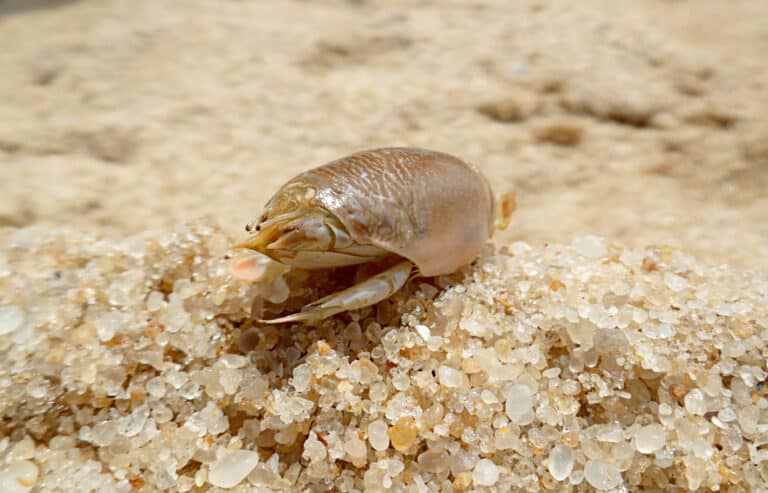
Mole Crab (Sand Flea)
Burrow fast. Filter the surf.

Burrow fast. Filter the surf.
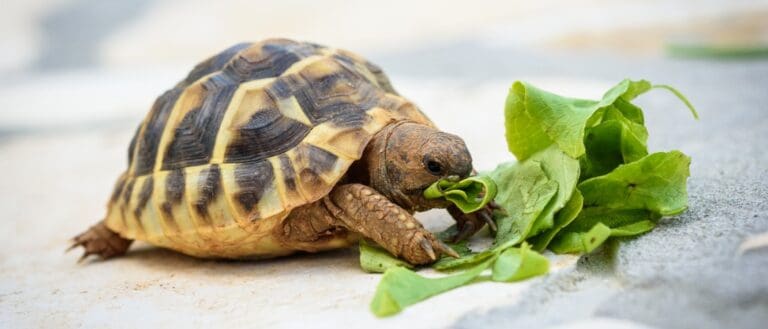
Armored travelers of sea and land
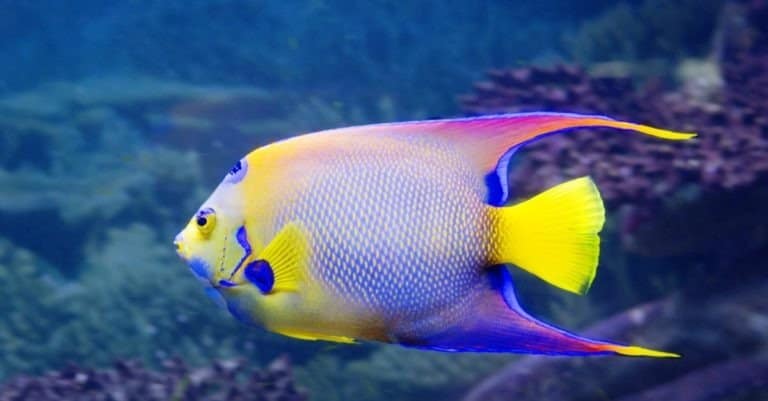
Reef royalty with a wardrobe change
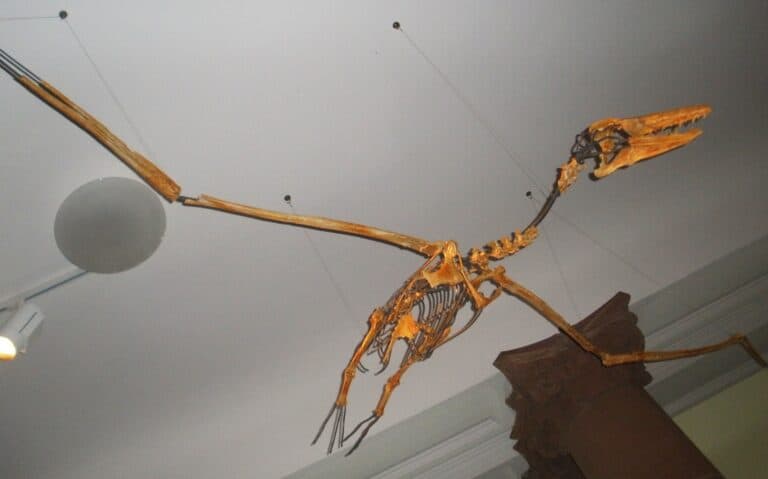
Giants of the wind, teeth of bone
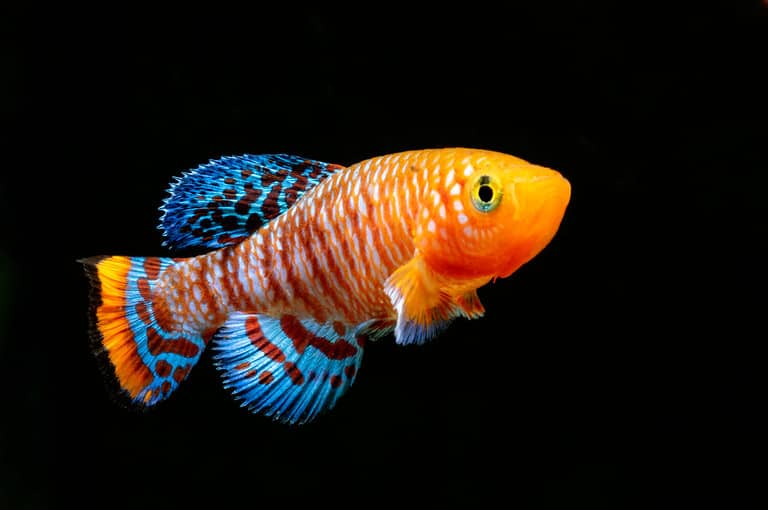
Small fish, big survival strategies
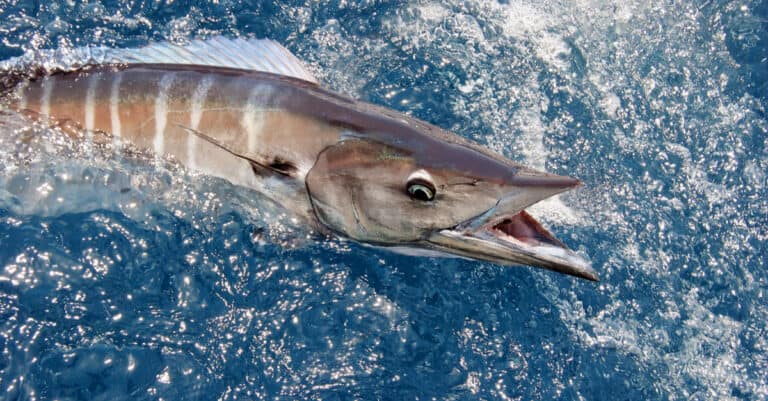
Wahoo: speed-striped pelagic predator
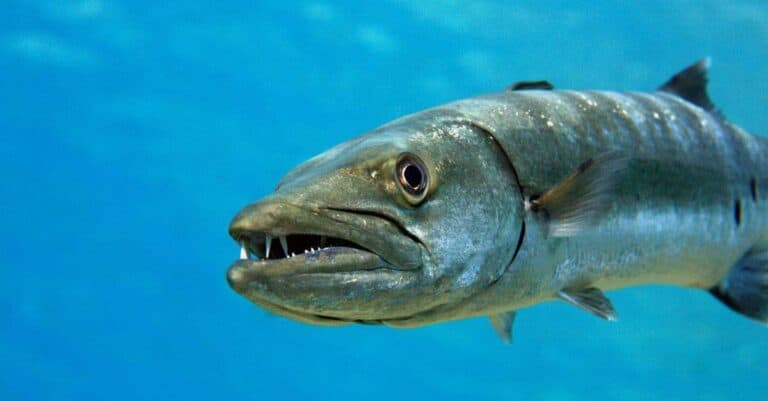
Silver speedsters with a bite
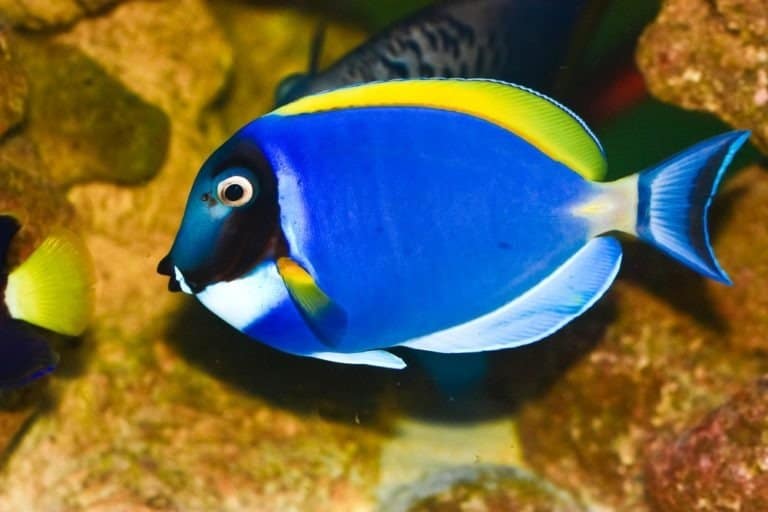
Reef gardeners with a hidden blade
Big flippers. Bigger journeys.

The bull-jack of the Atlantic
The Caribbean Sea is a tropical marginal sea of the western Atlantic Ocean bounded by the Antilles (Caribbean islands), Central America, and northern South America, connected to the Atlantic through multiple passages and to the Gulf of Mexico via the Yucatán Channel.
The Caribbean Sea forms the warm, turquoise heart of the western tropical Atlantic, framed by the arc of the Antilles to the north and east and by the continental coasts of Central and South America to the west and south. Its seafloor includes broad shelves and shallow banks that support prolific coastal ecosystems, as well as deeper basins separated by submarine ridges. Water exchange with the Atlantic through island passages and the inflow of the Caribbean Current help maintain its characteristic warmth, salinity structure, and regional circulation.
Ecologically, the Caribbean is renowned for extensive coral reef complexes, alongside seagrass meadows and mangrove forests that stabilize shorelines and provide nursery habitat for fish and invertebrates. These interconnected habitats underpin high biodiversity and support fisheries and tourism across the region. The sea's climate and oceanography are shaped by persistent trade winds and seasonal variability, while also being periodically disrupted by tropical storms and hurricanes that can rapidly alter coastal and reef environments.
Etymology: Named for the Caribs (Kalina), an Indigenous people encountered by Europeans in the Lesser Antilles; "Caribbean" derives from the ethnonym "Carib/Caribe," with the sea's name meaning essentially "the sea of the Caribs."
Coral reef biodiversity (incl. Mesoamerican Barrier Reef), tropical tourism, hurricanes, and historic trade/pirate routes
The Caribbean Sea is a tropical marginal sea in the western Atlantic Ocean, lying between the Caribbean island arcs (Greater and Lesser Antilles) to the north and east, Central America to the west and southwest, and the northern coast of South America to the south.
Cayman Trough (Bartlett Deep), between Jamaica and the Cayman Islands
Yucatán Peninsula fronts the northwestern Caribbean (Quintana Roo).
Caribbean-facing coast with the Belize Barrier Reef system.
Short Caribbean coastline around the Gulf of Honduras.
Northern Caribbean coast and Bay Islands area.
Long Caribbean coastline including extensive wetlands and lagoons.
Caribbean coast centered on Limón Province.
Caribbean coast including the San Blas (Guna Yala) region and Canal Atlantic entrance.
Northern coast and offshore islands (e.g., San Andrés and Providencia region).
Northern coast with gulfs and island groups along the southern Caribbean.
Southern boundary area near Atlantic-Caribbean exchange; Trinidad sits at the southeastern entrance region.
Southern and western coasts border the northern Caribbean.
Island in the north-central Caribbean above the Cayman Trough.
Western Hispaniola borders the northern Caribbean.
Eastern Hispaniola borders the northern Caribbean.
Eastern Greater Antilles; southern coast faces the northeastern Caribbean (U.S. territory).
Lesser Antilles state on the eastern boundary arc.
Northern Lesser Antilles state bordering the northeastern Caribbean.
Central Lesser Antilles island on the eastern boundary arc.
Windward Island with Atlantic passages connecting to the Caribbean.
Easternmost Caribbean state, near the Atlantic-Caribbean transition zone.
Windward Islands chain along the southeastern Caribbean.
Southern Windward Island near major Atlantic inflow passages.
Kingdom of the Netherlands territories (Aruba, Curaçao, Bonaire) along the southern Caribbean margin.
French territories in the Lesser Antilles (e.g., Guadeloupe, Martinique, Saint Martin/Saint Barthélemy) bordering the eastern/northeastern Caribbean.
UK Overseas Territories including the Cayman Islands, British Virgin Islands, Anguilla, and Montserrat (regional passages/edges).
North: Greater Antilles (including Cuba, Hispaniola, Jamaica, Puerto Rico) and passages to the North Atlantic; East: Lesser Antilles island arc with multiple Atlantic passages (e.g., Anegada, Martinique, St. Lucia, Grenada passages); West/Northwest: Yucatán Peninsula and the Yucatán Channel toward the Gulf of Mexico; Southwest: Central American coast (Belize to Panama); South: northern South America (Colombia, Venezuela) and the approaches to Trinidad and Tobago.
Surface avg: ~26-28°C (basin-wide mean; locally higher in shallow, restricted lagoons)
Deep avg: ~4-6°C below ~1500-2000 m (typical tropical Atlantic deep-water temperatures; Caribbean deep basins are relatively uniform)
Typically ~35.0-37.0 PSU in open waters; fresher patches (~33-35 PSU) near major river influence and plumes (e.g., Orinoco/Amazon seasonally entering the eastern/southern Caribbean) and in rainy-season coastal zones; higher salinity can occur in evaporation-dominated areas and restricted shelves/lagoon systems.
Surface waters are warm year-round with a modest annual cycle: coolest typically Jan-Mar, warmest Aug-Oct; hurricanes/cold fronts can cause short-lived cooling and mixing.
Dominated by the westward Caribbean Current fed by Atlantic inflow through the Lesser Antilles passages; strengthened flow through the south/east Caribbean with energetic mesoscale eddies (cyclonic/anticyclonic) that propagate west; acceleration toward the Yucatán Channel forming the Yucatán Current (feeding the Loop Current/Gulf Stream system); additional contributions from the North Brazil Current rings/plumes affecting the eastern/southern boundary and shelf exchanges along northern South America.
Generally microtidal: most coasts ~0.2-0.6 m typical range (locally up to ~1 m in some embayments/channels); mixed, mainly semidiurnal in many areas but can be mixed/diurnal in parts depending on local resonance and island channel geometry; sea-level variability is often dominated by weather, waves, and storm surge rather than astronomical tide alone.
Upper layer composed of warm, saline subtropical Atlantic surface water modified by regional evaporation/precipitation and riverine inputs; a prominent salinity maximum layer (subtropical underwater) often present around ~100-200 m; intermediate waters include Antarctic Intermediate Water influence entering via Atlantic passages (~600-1000 m, relatively fresher); deep waters are comparatively homogeneous and oxygenated but renewal is constrained by sills in the island arcs, leading to long residence times in the deepest basins and subtle basin-to-basin property differences.
Strong, persistent tropical stratification with a shallow mixed layer (often ~20-80 m, deeper during winter trades/cold-air outbreaks); a marked thermocline typically ~50-200 m and halocline influenced seasonally by rainfall/river plumes; stratification is weakened episodically by hurricanes and strong wind events that deepen mixing, cool SSTs, and inject nutrients into the euphotic zone.
Key upwelling zones occur along the southern margin (notably off Venezuela and Colombia, including the Guajira Peninsula) driven by trade-wind Ekman divergence and coastal jets; seasonal enhancement typically during boreal winter-spring when trades strengthen; localized upwelling and mixing also occur in island wakes and narrow passages (e.g., around the Lesser Antilles) and on certain shelf breaks, supporting higher productivity relative to the oligotrophic interior.
(1) Generally oligotrophic interior waters with clear, blue conditions favorable for coral reefs, contrasted by high-productivity coastal upwelling cells in the south. (2) Strong hurricane influence: rapid cooling/mixing, transient phytoplankton blooms, and reef stress from thermal anomalies and wave damage. (3) Seasonal low-salinity, nutrient/colored dissolved organic matter intrusions from Orinoco/Amazon plumes affecting the eastern/southern Caribbean and potentially altering light fields for reefs/seagrass. (4) Mesoscale eddies and island wakes create strong spatial variability in temperature, nutrients, larval transport, and reef connectivity. (5) Periodic marine heatwaves and coral bleaching risk during late summer/early fall when SSTs peak and stratification is strongest.
The Caribbean Sea has a warm tropical marine climate with relatively small annual temperature range, high humidity, and generally moderate to fresh easterly trade winds. Sea surface temperatures (SSTs) are typically warm year-round (roughly mid-20s to around 30°C), supporting extensive coral reefs, seagrass beds, and mangroves. Ocean conditions are strongly shaped by the westward-flowing Caribbean Current and ongoing exchange with the Atlantic through island passages, which influences salinity, nutrient supply, and regional circulation patterns. Rainfall is often delivered in showers and thunderstorms, with variability tied to the seasonal migration of the Intertropical Convergence Zone (ITCZ), the Caribbean Low-Level Jet, and occasional intrusions of Saharan dust that can suppress convection and affect visibility and air quality.
A common pattern is a dry season from about December to April and a wetter season from about May to November, though timing and intensity vary by location. During the dry season, trade winds and lower humidity dominate, with generally calmer convective activity and clearer conditions; winter cold fronts ("northers") can occasionally reach the northwest Caribbean, bringing brief wind shifts, higher seas, and cooler air. The wet season features higher humidity, more frequent thunderstorms, and peak river runoff into coastal waters. Mid-summer often includes a relative rainfall lull in parts of the basin (the "mid-summer drought," typically July-August). Late summer to early autumn is commonly the warmest period for SSTs and the time of highest marine heat stress risk for coral bleaching. Spring can bring episodic Saharan Air Layer events (haze, reduced visibility, and suppressed rainfall), while wave climates generally strengthen with trades in winter and with storm-driven swells during hurricane season.
Tropical cyclone activity occurs mainly during the Atlantic hurricane season (June 1-November 30), with peak risk from August through October. Storms may form in the western Caribbean, enter from the tropical Atlantic through the Lesser Antilles, or track nearby in the Atlantic and influence the basin with swell and squalls. The western and northwestern Caribbean (e.g., near the Yucatan Channel, Cayman region, and Gulf of Honduras) can be favored for late-season development due to very warm waters and conducive atmospheric conditions, though impacts are possible basin-wide. Primary hazards include destructive winds, storm surge along low-lying coasts, intense rainfall and flooding, coastal erosion, high and confused seas, and long-period swell affecting reefs and shorelines. Outside hurricane season, strong trade-wind surges can still generate rough seas and hazardous marine conditions, especially in typical wind-acceleration corridors.
No sea ice is present. The Caribbean Sea remains ice-free year-round, with no seasonal ice formation due to persistently warm tropical temperatures.
The Caribbean Sea is a warm, tropical western-Atlantic basin shaped by strong current-driven connectivity (Caribbean Current, eddies, and Atlantic exchange) and a mosaic of coastal habitats. Its ecology is dominated by coral-reef and carbonate-shelf systems interlinked with seagrass meadows and mangrove shorelines that provide nursery and feeding grounds for fishes, turtles, sharks, and invertebrates. Productivity and community structure vary locally with runoff, hurricanes, upwelling (notably along parts of the southern margin), and human pressures (overfishing, coastal development), while climate-driven marine heatwaves and disease have reshaped many reef communities in recent decades.
Species richness is high for the Atlantic, with extensive reef-associated diversity and strong habitat coupling among reefs, mangroves, and seagrass beds. While not as species-rich as the Indo-Pacific 'Coral Triangle,' the Caribbean supports many region-restricted reef taxa and unique community assemblages, including a characteristic suite of reef-building corals, sponges, and reef fishes. Biodiversity is spatially variable, typically highest on clearer offshore banks and protected reef tracts and lower near heavily impacted or sediment-influenced coasts.
Species count: Approx. 1,200+ marine fish species across the wider Caribbean region; ~60-70 reef-building coral species; thousands of described invertebrates (sponges, crustaceans, mollusks) with many more likely undescribed.
The Caribbean Sea's neritic zone spans warm, clear, sunlit shelf waters around islands and along continental margins, where coral reefs, mangroves, and seagrass meadows form tightly connected coastal mosaics. High light and stable temperatures promote strong benthic primary production (seagrasses, macroalgae, reef algae) alongside phytoplankton, while river plumes and coastal upwelling hotspots can locally raise nutrients and turbidity. Reefs create complex habitat that supports high biodiversity (reef fishes, spiny lobster, conch), mangroves serve as nurseries and sediment traps, and seagrass beds stabilize sediments and feed grazers such as green turtles. Water movement driven by trade winds and the Caribbean Current enhances larval dispersal among islands and maintains connectivity between reefs, banks, and coastal lagoons.
The pelagic zone is characterized by oligotrophic (nutrient-poor), warm Atlantic-derived waters carried westward by the Caribbean Current, with productivity concentrated where currents interact with island shelves, fronts, eddies, and localized upwelling (e.g., near passages and certain southern margins). Most primary production occurs in the upper euphotic layer via small phytoplankton, supporting a microbial loop and a midwater community of zooplankton, gelatinous predators, and mesopelagic fishes that migrate vertically each night. Open-water predators (tunas, billfishes, dolphinfish/mahi-mahi, sharks) track prey aggregated along convergences and floating habitat (Sargassum mats), while seabirds and marine mammals exploit transient "hotspots" created by physical forcing and prey schooling.
The benthic zone ranges from shallow carbonate platforms and reef flats to deep basins and troughs where fine sediments accumulate. On shallow bottoms, living coral frameworks, rubble fields, sand patches, and seagrass sediments support diverse invertebrate communities (sponges, corals, echinoderms, polychaetes) and bioturbators that recycle nutrients. Deeper benthic habitats are generally food-limited and rely on sinking organic matter ("marine snow"), carcass falls, and episodic inputs from surface blooms or coastal export; communities include deposit feeders, deep-sea corals and sponges on hard substrates, and organisms adapted to low light and low oxygen in some basins. Across depths, benthic processes (bioerosion, calcification, denitrification, sediment mixing) strongly influence water clarity, carbon storage, and reef stability.
The demersal zone-waters just above the seabed-links benthic production and pelagic consumers, especially along reef slopes, shelf edges, and banks. Here, currents interacting with topography concentrate plankton and detritus, fueling communities of bottom-associated fishes (groupers, snappers, grunts, goatfishes, flatfishes) and invertebrates (lobsters, crabs, octopus) that forage over sand, rubble, and reef. Many demersal species use structured habitats for shelter by day and feed into adjacent seagrass or sand flats at night, while predators patrol drop-offs where prey are funneled by slope currents. Demersal food availability is also shaped by benthic-pelagic coupling: coral mucus, seagrass detritus, and resuspended sediments provide energy pathways distinct from open-water plankton chains.
Notable migrations and seasonal movements include: (1) Humpback whales moving through and breeding in the Caribbean during boreal winter (roughly December-April), with northward departures in spring; (2) Sea turtles (green, hawksbill, loggerhead, leatherback) conducting seasonal nesting migrations to regional beaches, with peak nesting varying by species and location but often concentrated from spring through late summer; (3) Pelagic fishes (e.g., tunas, billfishes, mahi-mahi) shifting distributions with current-driven prey fields and spawning/feeding conditions, often peaking around fronts and eddies that vary seasonally; (4) Reef fish spawning aggregations-especially groupers and some snappers-forming at predictable sites commonly tied to lunar cycles, often in winter to early spring in many areas; (5) Sargassum-associated communities and juvenile fishes drifting seasonally as floating mats enter or recirculate within the basin, creating moving habitat corridors.
Key food webs and trophic relationships include: (1) Reef-based grazing chain: benthic algae/seagrass → herbivores (parrotfish, surgeonfish, urchins, green turtles) → mesopredators (snappers, jacks) → apex predators (reef sharks, large groupers), with grazing maintaining coral dominance by limiting algal overgrowth; (2) Coral reef detrital loop: coral mucus, sponge processing, and bioeroded carbonate → detritus/dissolved organic matter → microbes and meiofauna → small fishes/invertebrates → larger reef predators, emphasizing the "sponge loop" that retains nutrients on reefs; (3) Mangrove-seagrass-reef connectivity: mangrove detritus and nursery habitat → juvenile reef fishes and crustaceans in mangroves/seagrass → adult populations on reefs, exporting biomass to reef and offshore fisheries; (4) Pelagic planktonic chain: phytoplankton → zooplankton → small schooling fishes (sardines/anchovies where present, juvenile stages broadly) and squid → tunas/billfishes/dolphinfish/sharks, with productivity enhanced at fronts/eddies; (5) Sargassum food web: epiphytic algae and small invertebrates living on mats → juvenile fishes and turtles → pelagic predators and seabirds; (6) Benthic deep/export web: sinking organic matter ("marine snow") → deposit feeders and scavengers → demersal fishes and deep predators, linking surface productivity pulses to deep benthic communities.
The Caribbean Sea supports globally significant coral reef, seagrass, and mangrove ecosystems that underpin fisheries, coastal protection, and tourism. Overall ecological condition is pressured by widespread coral reef degradation, declining reef fish biomass, episodic mass bleaching, coastal water-quality deterioration, and localized habitat loss from development. While many countries have expanded marine protected areas and regional coordination exists, enforcement capacity and land-based pollution control often lag, leaving ecosystem resilience uneven across the basin.
Stressed and vulnerable; high ecological value but widespread degradation in reefs and coastal habitats
Rising sea temperatures drive mass coral bleaching and mortality; ocean acidification reduces calcification and reef-building; stronger storms increase physical damage and sediment/runoff pulses that hinder recovery.
Land-based nutrient loading and sewage increase eutrophication and harmful algal blooms; sediment runoff smothers corals and seagrass; plastics and microplastics affect wildlife and coastal habitats; oil/chemical contamination risks occur near ports and shipping lanes.
Overharvest of reef fishes (including herbivores in some areas) reduces grazing and promotes algal dominance; illegal, unreported, and unregulated (IUU) fishing persists; lobster and conch fisheries face localized depletion and compliance challenges.
Coastal development, dredging, and land reclamation degrade mangroves, seagrass beds, and nearshore reefs; shoreline hardening reduces nursery habitat and connectivity.
Tourism and recreation (anchoring on reefs, diver/snorkeler contact, cruise-ship activity) cause direct damage; vessel traffic increases noise and collision risk for marine fauna.
Lionfish predation suppresses native reef fish recruitment and biomass; invasive algae occur locally, especially where nutrients are elevated and herbivory is reduced.
Coral diseases (notably stony coral tissue loss disease in affected subregions) and episodic sponge/sea fan diseases reduce key reef framework species and slow recovery.
Ports, marinas, coastal roads, and energy infrastructure increase habitat fragmentation, dredging impacts, and chronic turbidity; shipping elevates spill risk and supports ballast-mediated introductions.
Altered freshwater flows, wetland drainage, and channelization change salinity and sediment regimes, affecting mangroves, estuaries, and coastal water clarity.
Key issues include untreated/partially treated sewage outfalls, stormwater and watershed runoff carrying nutrients/sediments, agricultural pesticides in some coastal catchments, plastics and marine debris accumulation on shorelines and reefs, and localized oil/chemical contamination near busy ports and shipping routes.
Many reef-associated stocks show reduced biomass and truncated size structures; pressure remains high on snapper-grouper complexes and nearshore reef fisheries. Spiny lobster and queen conch are economically important and are locally overexploited in parts of the region, with IUU fishing complicating management; some MPAs and seasonal/size limits have improved outcomes where compliance is strong.
Marine heatwaves and long-term warming increase bleaching frequency, reducing recovery windows; acidification weakens coral and crustose coralline algae calcification, slowing reef accretion; sea-level rise and stronger storms increase coastal erosion and damage to reefs, seagrass, and mangroves, with knock-on effects on fisheries and shoreline protection.
Lionfish remain the most significant basin-wide invasive predator, increasing mortality of juvenile reef fishes; localized invasive macroalgae outbreaks occur where nutrient enrichment and reduced herbivory favor algal dominance.
A vast coral reef complex running along the coasts of Mexico, Belize, Guatemala, and Honduras; includes reefs, lagoons, and cayes.
Second-largest barrier reef system on Earth and a global biodiversity hotspot; UNESCO-listed areas and iconic sites like Belize's atolls and reef passes.
A large carbonate atoll off the coast of Belize with extensive mangroves, seagrass flats, and fringing reefs.
One of the best-studied and most ecologically important atolls in the Caribbean; renowned for diving, bonefishing, and nursery habitats.
An offshore atoll in Belize that contains the Great Blue Hole, a large marine sinkhole surrounded by reef.
Among the Caribbean's most famous dive sites; notable for its geology, deep-water formations, and iconic aerial imagery.
A large atoll reef system off Mexico's Quintana Roo coast featuring reefs, sandy cays, and lagoons.
One of the biggest atolls in the Atlantic basin; important for coral, fish, and manatee habitat and a major protected area.
Protected waters around the island of Saba (Dutch Caribbean) with steep volcanic drop-offs, pinnacles, and coral communities.
A pioneering Caribbean marine protected area known for high-quality reef management and exceptional diving on dramatic topography.
A long-established marine park encircling Bonaire, protecting fringing reefs, seagrass beds, and mangroves.
Internationally recognized for effective reef stewardship and shore diving; often cited among the Caribbean's healthiest accessible reefs.
A shallow sandbar area on Grand Cayman where southern stingrays congregate in clear water.
One of the Caribbean's best-known snorkeling/diving attractions; iconic for close encounters with stingrays.
A protected section of the Mesoamerican reef off Cozumel featuring walls, spur-and-groove reefs, and strong currents.
World-famous drift diving with clear water and abundant marine life; cornerstone of Caribbean dive tourism.
A cluster of small islands and reefs in St. Vincent and the Grenadines with lagoons and seagrass beds.
Noted for turtle-rich seagrass meadows and picturesque reef-fringed anchorages; a flagship protected area in the Grenadines.
A protected coral reef and island near St. Croix (U.S. Virgin Islands) featuring elkhorn coral areas and an underwater trail.
One of the Caribbean's landmark marine monuments and a major coral reef conservation site with public underwater snorkeling routes.
A deep oceanic trench north of Puerto Rico marking a major plate boundary zone.
Deepest point in the Atlantic Ocean and a key area for tectonics, earthquakes, and deep-sea research.
A protected coastal strip along Curacao's leeward side with reefs, drop-offs, and marine habitats close to shore.
One of the Caribbean's earlier managed marine areas; popular for accessible diving and long-term reef monitoring.
Remains of a concrete-hulled vessel (SS Sapona) in shallow water near Bimini, Bahamas, now encrusted with marine growth.
A highly popular snorkel and dive wreck known for its unusual construction, clear water, and reef-associated fish life.
A former U.S. Navy submarine rescue vessel intentionally sunk as an artificial reef off Seven Mile Beach, Grand Cayman.
One of the Caribbean's most visited artificial reefs; accessible wreck-diving with well-defined structure and high diver safety planning.
A large WWII-era German freighter wreck lying in relatively shallow water off Aruba's northwest coast.
Often cited as one of the Caribbean's largest and most famous wreck dives; supports abundant reef fish and coral growth.
An extensive archipelago and reef system off southern Cuba with mangroves, seagrass beds, and pristine reefs.
Widely regarded as one of the Caribbean's most intact reef ecosystems, known for strong protection and healthy shark and fish populations.
A complex of islands, lagoons, mangroves, and coral reefs along Panama's Caribbean coast.
A major center for tropical marine research (corals, seagrass, mangroves) and an important biodiversity and ecotourism area.
A large Venezuelan marine park of coral reefs, sandy keys, and shallow lagoons in clear Caribbean waters.
One of the Caribbean's premier reef-and-lagoon systems, renowned for seabirds, fisheries, and exceptional visibility for diving and kitesurfing.
A broad embayment of the western Caribbean bordered by Belize, Guatemala, and Honduras with reefs, river inputs, and coastal wetlands.
Crucial for regional connectivity of the Mesoamerican Reef, including mangroves and seagrass nurseries; a focus area for transboundary conservation.
The Caribbean Sea has been a central corridor for Indigenous exchange networks (Arawak/Taino, Kalinago/Carib and others) linking islands with northern South America and Central America prior to European contact. From the late 15th century onward it became a primary theater of European exploration and colonization (Spanish, French, British, Dutch, Danish), tying New World extraction economies to Atlantic trade. It functioned as a hub in the Spanish Treasure Fleet system (silver and goods moved via Caribbean ports to Europe), and later as a key region in the transatlantic slave trade and plantation economies (sugar, rum, tobacco). The sea was also historically shaped by privateering and piracy, frequent naval conflict among colonial powers, and later by independence movements and shifting maritime boundaries that influence modern governance, shipping, and resource claims.
Major shipping activity concentrates along east-west and north-south routes linking the Atlantic to the Gulf of Mexico and Panama Canal approaches. Core lanes include: (1) the Yucatan Channel (between Mexico and Cuba) feeding traffic to/from the Gulf of Mexico and Florida Straits; (2) the Windward Passage (Cuba-Hispaniola) and Mona Passage (Hispaniola-Puerto Rico) connecting the North Atlantic with the eastern Caribbean; (3) routes across the central Caribbean connecting Panama/Colon and Cartagena with Jamaica, Hispaniola, Puerto Rico, and the U.S. East/Gulf coasts; and (4) southern routes along Venezuela/Trinidad servicing energy and bulk cargo. Major ports/transshipment and cruise hubs include Kingston (Jamaica), Freeport (Bahamas; regional gateway adjacent to the Caribbean basin), San Juan (Puerto Rico), Caucedo/Santo Domingo (Dominican Republic), Port of Spain/Point Lisas (Trinidad and Tobago), Cartagena and Barranquilla/Santa Marta (Colombia), Colon and Balboa (Panama; Caribbean and Pacific canal terminals), Santo Tomas de Castilla/Puerto Barrios (Guatemala), Puerto Limon/Moin (Costa Rica; Caribbean side), Puerto Cortes (Honduras), and terminals around Cuba (e.g., Havana, Santiago de Cuba) where trade patterns vary with policy constraints. Container transshipment, petroleum/product tankers, LNG/chemical cargoes near Trinidad, and large cruise itineraries are prominent maritime uses.
Commercial fisheries operate across the basin on reef, shelf, and pelagic resources. Key sectors include industrial and semi-industrial fleets targeting tuna and other large pelagics (often via regional and distant-water participation under ICCAT management), shrimp trawling on suitable shelf areas (notably along portions of the Central American coast and northern South America), and lobster/conch/reef-fish exports driven by high-value international markets. Overfishing pressures, IUU fishing, habitat degradation (reef/mangrove loss), and climate-driven impacts (warming, coral bleaching, sargassum influx events) affect stock status and profitability; many jurisdictions use seasonal closures, size limits, gear restrictions, and marine protected areas to stabilize catches.
Artisanal and small-scale fishing is widespread on islands and along mainland coasts, often operating from beaches or small harbors with small open fishing boats (skiffs). Common gears include handlines, traps/pots, gillnets, spearfishing, and small seine nets; livelihoods are frequently mixed with tourism and other coastal work. Nearshore dependence on reefs, seagrass beds, and mangroves makes artisanal fisheries particularly sensitive to coastal development, storms/hurricanes, and water quality changes. In many areas, community-based management, co-ops, and local enforcement are important for sustaining conch, lobster, and reef-fish resources.
Diving conditions are generally favorable year-round: warm tropical waters (often ~24-30 C depending on season and latitude), good visibility in many offshore/reef areas (commonly 15-30+ m, variable with weather, runoff, and sargassum), and typically moderate currents influenced by the Caribbean Current and local passages. Seasonal factors include hurricane risk (roughly June-November), winter swells in some exposures, and episodic turbidity near river outflows and urban coasts. Reef health varies widely; many sites feature walls, spur-and-groove reefs, seagrass-associated fauna, and wrecks, with ongoing impacts from bleaching events and disease (e.g., stony coral tissue loss disease in parts of the region).
Tourism is a dominant human use, centered on warm-water beach tourism, island-hopping cruises, and nature-based coastal recreation. Key activities include cruising (major itineraries through the Greater and Lesser Antilles), resort and boutique stays, sailing/yachting (Virgin Islands, Grenadines, St. Martin/St. Maarten, Antigua, Bahamas-adjacent routes), sportfishing, whale and dolphin watching (seasonal in some areas), kayaking and mangrove/ecotours, and visits to marine parks and coral reef reserves. Major destinations and clusters include the Bahamas-adjacent Caribbean gateways, Puerto Rico, Dominican Republic, Jamaica, Cuba (where accessible), the Cayman Islands, Turks and Caicos, Aruba-Curacao-Bonaire (ABC islands), the U.S./British Virgin Islands, St. Lucia, Barbados, Antigua and Barbuda, and the Belize Barrier Reef region. Tourism pressures include coastal construction, anchor damage, reef degradation, wastewater impacts, and crowding at cruise ports, balanced by growing protected-area tourism and reef restoration initiatives.
Hydrocarbon activity is significant, especially along the southern and southwestern Caribbean margins. Major producing and service areas include offshore and nearshore fields and infrastructure associated with Trinidad and Tobago (including gas production and LNG/petrochemical value chains), Venezuela's offshore/nearshore operations (with activity levels influenced by economic and sanctions constraints), and Colombia's Caribbean offshore exploration and production programs. Additional exploration and smaller-scale developments occur or have occurred in parts of the Greater Antilles and Central American Caribbean coasts, subject to national policy, environmental concerns, and market conditions. Risks include spill hazards, chronic pollution near industrial hubs, and conflicts with fisheries and sensitive habitats (reefs, mangroves), leading some jurisdictions to restrict or prohibit offshore drilling.
The Caribbean Sea has enduring strategic importance due to chokepoints and proximity to major economies and the Panama Canal approaches. Maritime security priorities include counter-narcotics trafficking, arms and human smuggling interdiction, search and rescue, disaster response (hurricanes), and protection of critical infrastructure (ports, energy facilities, undersea cables). The United States maintains a strong operational focus through regional partnerships and basing/rotational access (e.g., in Puerto Rico and through cooperative arrangements in the wider basin), while many Caribbean and Central/South American states operate coast guards/navies for EEZ enforcement and fisheries protection. Several European states retain overseas territories with associated security forces (e.g., France, the Netherlands, the United Kingdom), contributing to patrol, surveillance, and humanitarian response capabilities. Longstanding geopolitical sensitivities (including Cuba-U.S. dynamics and disputed maritime boundaries in places) also shape the security environment.
The basin is culturally diverse, reflecting Indigenous roots, African diaspora histories, European colonial legacies, and later Asian and Middle Eastern migrations. Indigenous peoples and descendant communities include Taino and other Arawakan-related heritages in the Greater Antilles, Kalinago/Carib communities in parts of the Lesser Antilles (notably Dominica), Garifuna communities along Central America's Caribbean coast (Belize, Honduras, Guatemala, Nicaragua), and numerous Indigenous groups in northern South America and the Caribbean-adjacent mainland (e.g., Wayuu in the Guajira region, and others). Coastal cultures across the islands and mainlands include Afro-Caribbean communities with maritime traditions (fishing, boatbuilding), Creole language communities (Haitian Creole, various English/French/Dutch/Spanish-based Creoles), and Hispanic Caribbean societies (Cuba, Dominican Republic, Puerto Rico, Caribbean coasts of Central and South America). These cultures maintain strong relationships with coral reefs, mangroves, and seagrass ecosystems through food systems (reef fish, conch, lobster), festivals and seafaring traditions, and increasingly through community-led conservation and sustainable tourism initiatives.
212 species documented in our encyclopedia
Thank you for reading! Have some feedback for us?
We appreciate your help in improving our content.
Our editorial team will review your suggestions and make any necessary updates.
There was an error submitting your feedback. Please try again.