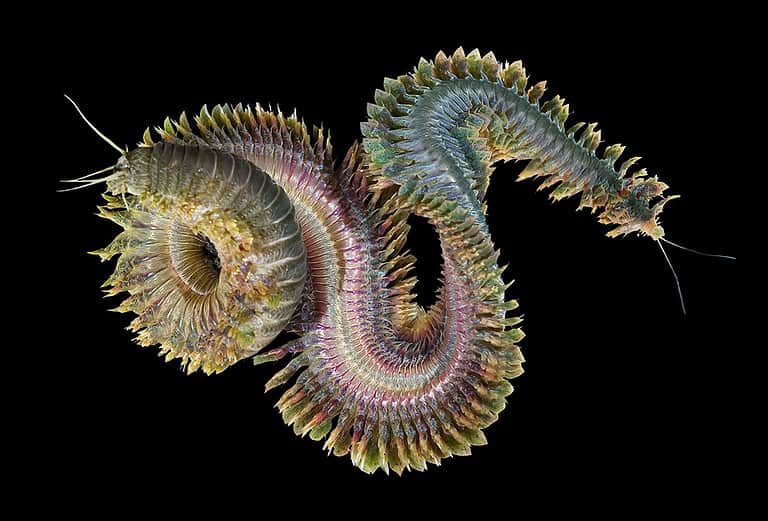
Sandworm
Bristle worms: engineers of the seafloor

Bristle worms: engineers of the seafloor
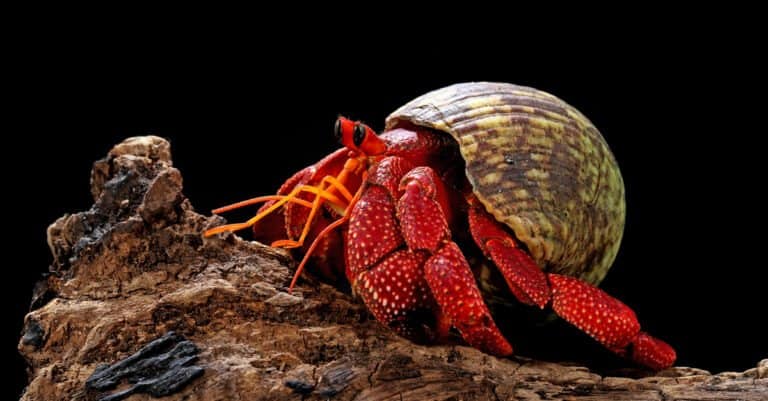
Red rover of the rainforest shore
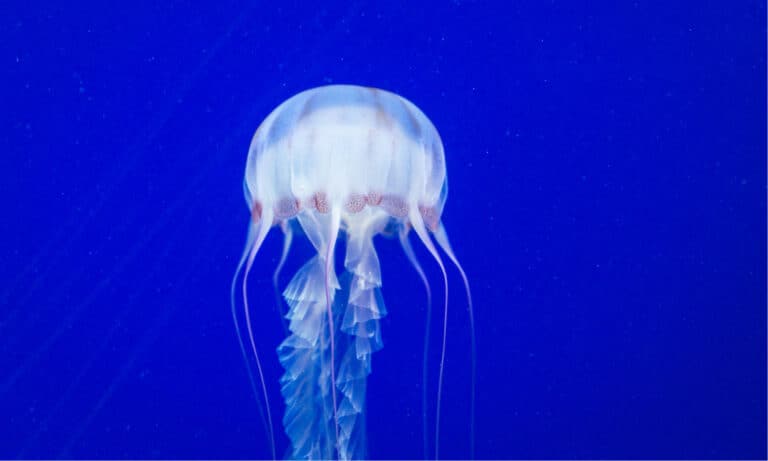
Square bell, sharp vision, serious sting
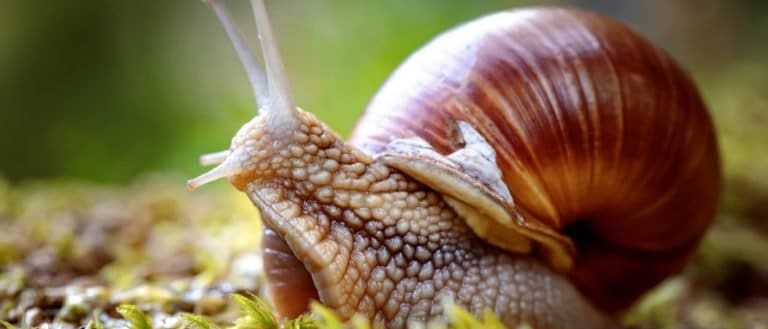
One class, a thousand ways to snail.
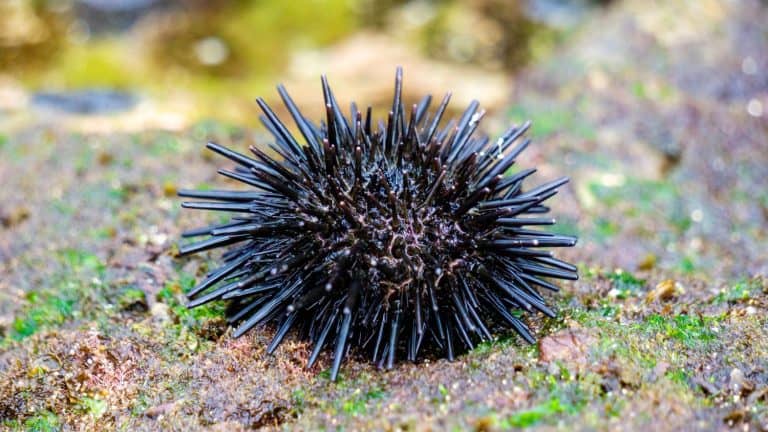
Spines, jaws, and ocean power
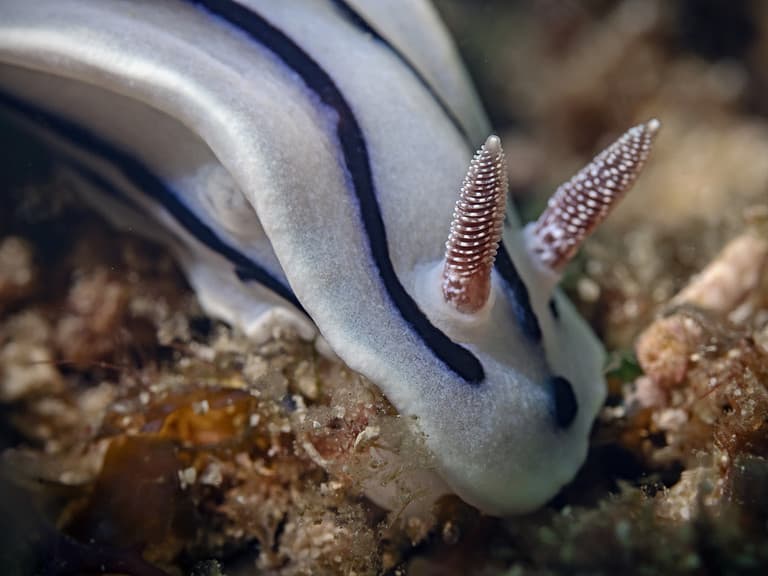
Bright colors, borrowed chemistry
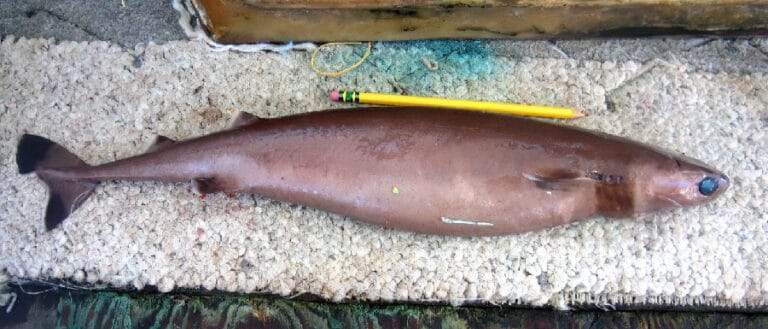
The deep-sea donut-cutter
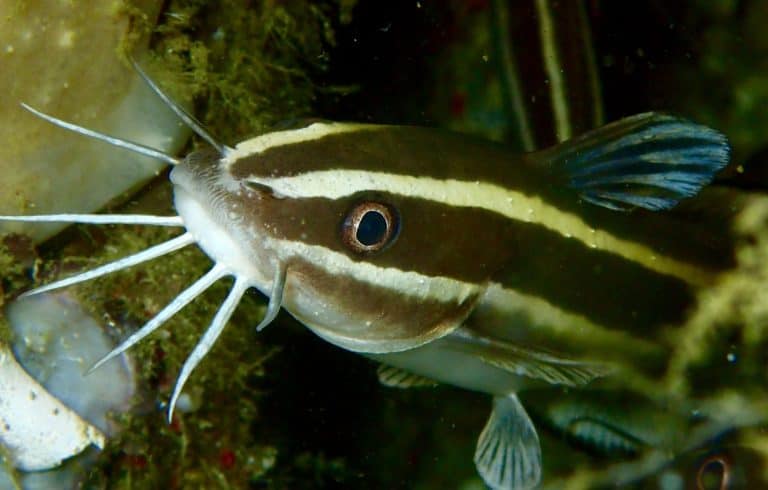
Eel-shaped, spine-armed, reef-to-river
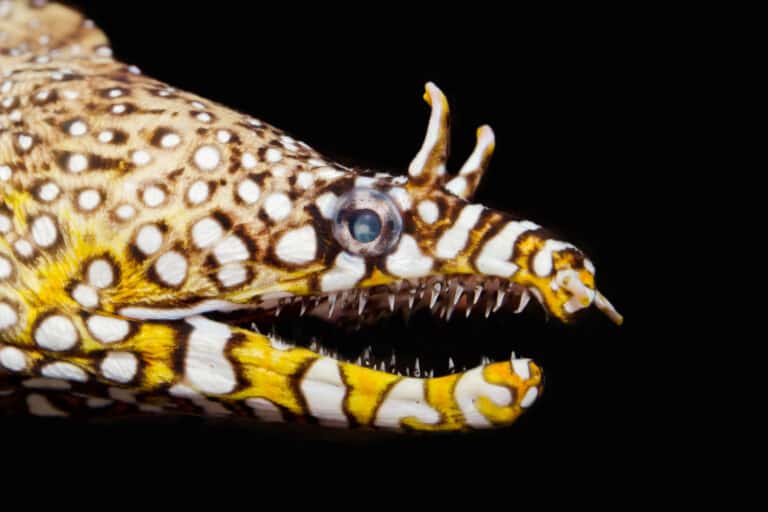
Spots, horns, and fangs after dark
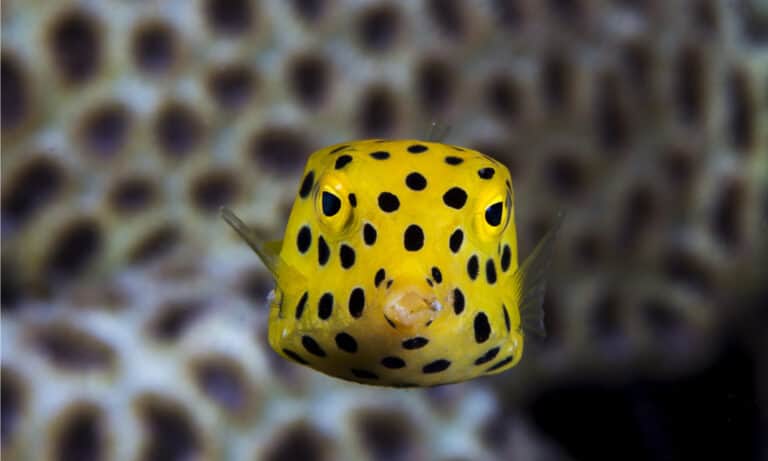
Built like a box, swims like a drone
The Coral Sea is a warm, tropical marginal sea of the South Pacific Ocean off northeastern Australia, bounded by the Great Barrier Reef and adjacent island arcs, and defined by extensive coral reef, shelf, and deep-ocean basins linked by regional circulation.
Lying off Australia's northeastern coast, the Coral Sea forms the broad blue expanse beyond the Great Barrier Reef, where shallow continental shelves, reef platforms, and steep drop-offs transition into deep basins and seamount-studded oceanic waters. Its clear, sunlit surface layers and year-round warmth create ideal conditions for reef-building corals and the diverse communities they support-ranging from corals and reef fishes to turtles, seabirds, and marine mammals.
Ecologically, the Coral Sea is a mosaic of habitats: the Great Barrier Reef's lagoon and outer reef slopes, isolated coral cays and atolls, seagrass meadows in sheltered areas, and pelagic zones where tunas, billfishes, sharks, and planktonic life move with currents and seasonal productivity. Complex circulation-including westward-flowing South Pacific waters and boundary-current influences along the Australian margin-connects reefs to the open ocean, transporting heat, larvae, nutrients, and organisms in ways that shape biodiversity patterns and food webs.
The region is globally significant for its biodiversity and as a natural laboratory for understanding how tropical marine ecosystems respond to climate variability, ocean warming, and extreme events such as cyclones and marine heatwaves. Because it spans reef, shelf, and open-ocean environments, the Coral Sea links some of the planet's most iconic coral reef systems with expansive pelagic ecosystems across the South Pacific.
Etymology: The name "Coral Sea" derives from the abundance and prominence of coral reefs-especially along the Great Barrier Reef and numerous offshore reefs and atolls-so it literally means a sea characterized by corals; the term was popularized in English-language navigation and geography during the age of European charting of the southwest Pacific.
Great Barrier Reef and vast coral reef systems; high marine biodiversity; WWII Battle of the Coral Sea
The Coral Sea is a tropical marginal sea of the South Pacific Ocean lying off northeastern Australia. It spans the offshore waters east of Queensland and the Great Barrier Reef, extending north toward Papua New Guinea, northeast toward the Solomon Islands, and east toward Vanuatu and New Caledonia, encompassing extensive reef, plateau, and deep-basin pelagic environments.
Bougainville Trench (near the Coral Sea's northeastern margin, east of Papua New Guinea and south of the Solomon Islands)
Queensland (northeast Australia) forms the main western edge, including the Great Barrier Reef and nearby Coral Sea waters.
Northern boundary influence; Coral Sea waters border PNG's southeast (including the Louisiade Archipelago region).
Northeastern boundary region; the sea grades toward the Solomon Island arcs and nearby trench systems.
Eastern boundary influence via the Vanuatu island arc, separating parts of the Coral Sea from the broader Pacific basins.
New Caledonia (French territory) forms a major eastern/southeastern rim with associated shelves, reefs, and troughs.
Bounded to the west by the northeastern Australian coast (Queensland) and the Great Barrier Reef shelf edge; to the north by the waters and island chains of Papua New Guinea (including the Louisiade region) and the southern Solomon Islands; to the east by the island arcs of Vanuatu and New Caledonia (France); and to the south by the transition into the open South Pacific and the Tasman Sea region.
Surface avg: ~26-28 °C (annual mean across much of the basin; warmer northward)
Deep avg: ~2-4 °C in the deep basin (>2000 m); ~8-12 °C around 700-1000 m; ~14-20 °C in the thermocline (~100-300 m, varies seasonally and by location)
Open Coral Sea waters are generally saline due to strong evaporation and limited direct river input offshore. Salinity decreases on/near the Great Barrier Reef shelf and in lagoonal areas during wet-season rainfall and flood plumes; a subsurface salinity maximum is often present in subtropical/tropical gyre waters.
Austral summer (Dec-Mar): surface commonly ~27-30 °C; Austral winter (Jun-Aug): surface commonly ~22-26 °C with southern/outer-shelf waters occasionally ~20-22 °C. Tropical cyclones can cause short-lived surface cooling and strong mixing.
Dominant systems include the westward South Equatorial Current (SEC) feeding the Coral Sea; bifurcation along the western boundary that contributes to the southward East Australian Current (EAC) and northward boundary flow toward the Solomon Sea/New Guinea Coastal region; intermittent Coral Sea Countercurrent/eddies and mesoscale eddy fields that modulate exchange across the reef shelf and through passages (e.g., near the Capricorn-Bunker and northern GBR regions).
Mixed (semi-diurnal with diurnal inequality) across much of the region; generally micro- to meso-tidal offshore, with stronger and more spatially complex tides on the Great Barrier Reef shelf, in reef passages, and in lagoons. Tidal currents can be locally intense around reef edges and channels, driving strong flushing and resuspension in shallow areas.
Warm, oligotrophic tropical surface waters dominate, influenced by South Pacific gyre/SEC waters; a pronounced thermocline overlies cooler intermediate waters. Water-mass properties reflect mixing of tropical gyre waters with western boundary inputs and episodic intrusions/exchange through island chains and reef passages; generally low nutrients at the surface, with nutrients increasing sharply below the euphotic zone.
Strong seasonal stratification is typical: a warm, well-lit mixed layer (often ~10-50 m, shallower during calm/strong heating) over a sharp thermocline (~50-200+ m). Stratification weakens during winter and during cyclone/wind events, which can deepen the mixed layer and entrain nutrients; shelf/lagoon waters can be intermittently well-mixed by tides and winds despite offshore stratification.
Persistent large-scale upwelling is limited due to warm stratified conditions, but localized/episodic upwelling occurs: (1) along the outer Great Barrier Reef shelf break where currents and internal tides interact with topography; (2) within and downstream of reef passages and canyons where internal waves enhance vertical mixing; (3) in mesoscale eddies and boundary-current variability (EAC-related) that can lift nutrient-rich thermocline waters toward the euphotic zone.
High sea-surface temperature and strong stratification make the region sensitive to marine heatwaves and coral bleaching; tropical cyclones can rapidly cool and mix the upper ocean while causing sediment resuspension and freshwater pulses on the shelf. Oligotrophic surface waters contrast with productivity "hotspots" generated by internal tides, eddies, and shelf-break mixing. Occasional low-salinity flood plumes (wet season) affect inner-shelf reefs and seagrass; intrusions of cooler, nutrient-richer subsurface waters can trigger localized phytoplankton blooms and alter reef water quality.
The Coral Sea has a warm tropical to subtropical maritime climate dominated by the Australian monsoon, trade winds, and the East Australian Current. Sea-surface temperatures are generally warm year-round (typically ~24-29°C, warmest in austral summer and coolest in winter), with high humidity and frequent convective cloud/rain in the wet season. Ocean conditions are shaped by strong air-sea coupling: persistent southeasterly trades drive surface mixing and wave climate for much of the year, while currents and eddies associated with the East Australian Current influence local temperature anomalies, productivity pulses, and reef stress (e.g., marine heatwaves that can contribute to coral bleaching).
Austral Wet Season (roughly Nov-Apr): Hotter, more humid, and generally wetter conditions with frequent showers/thunderstorms; lighter and more variable winds during active monsoon periods; higher river runoff and sediment/nutrient pulses near the coast and reef lagoons. Austral Dry/Trade-Wind Season (roughly May-Oct): Slightly cooler, drier, and more stable weather; persistent southeasterly trade winds are common, often bringing choppy seas and regular swell; clearer water and more consistent conditions for many marine operations. Shoulder periods (Apr-May, Oct-Nov): Transition months can feature rapid shifts in wind direction/strength and intermittent heavy rain events.
Tropical cyclones are the primary severe-storm hazard, occurring mainly during the Southern Hemisphere cyclone season (about Nov-Apr), with peak activity often in Jan-Mar. Cyclones can track through or near the Coral Sea, bringing extreme winds, very heavy rainfall, storm surge on exposed coasts/islands, and large waves that can cause reef damage and coastal erosion. Interannual variability is strong: El Niño-Southern Oscillation and other climate modes modulate cyclone frequency, preferred genesis regions, and track density from year to year.
No sea ice. The Coral Sea is tropical/subtropical and remains ice-free year-round.
The Coral Sea is a warm, tropical marginal sea off northeastern Australia that includes the Great Barrier Reef and remote oceanic reefs, atolls, and seamounts. Its ecology is shaped by clear, oligotrophic waters, strong cross-shelf gradients (coastal lagoons to deep ocean), and complex circulation (including eddies and boundary currents) that move nutrients, larvae, and plankton. This creates tightly linked reef-seagrass-mangrove (nearshore) and reef-pelagic (offshore) food webs that support high coral diversity, rich fish assemblages, marine megafauna migrations, and highly productive upper-ocean predator systems despite generally low background nutrients.
Globally significant tropical marine biodiversity with very high coral, reef-fish, invertebrate, and plankton diversity, plus important habitat for sharks, turtles, seabirds, and cetaceans. Diversity is highest on reefs and shelf-edge habitats; offshore pelagic waters have lower habitat complexity but support diverse migratory and open-ocean communities.
Species count: Approximate for the broader Coral Sea-Great Barrier Reef region: >400 hard coral species; >1,500 reef fish species; >4,000-6,000 mollusc species; >30 cetacean species recorded; 6 of the world's 7 marine turtle species occur seasonally or resident in the region.
The Coral Sea neritic zone spans the warm, sunlit continental shelf and reef platforms off northeastern Australia, including lagoonal waters behind the Great Barrier Reef and shelf-edge reef complexes. Clear, oligotrophic tropical water is common, with productivity often concentrated where currents interact with reefs, shelf breaks, and island/reef wakes that enhance mixing and nutrient delivery. Habitats are highly patchy and biodiverse: coral reefs (fringing, patch, and barrier reefs), sandy cays, seagrass meadows in sheltered lagoons, mangrove-lined coasts in places, and inter-reef soft-bottom plains. These coastal waters function as critical nurseries for many fishes and invertebrates, support intense coral-algae competition moderated by herbivores, and host frequent predator-prey interactions along reef edges and channels.
The pelagic zone of the Coral Sea is dominated by open-ocean tropical waters influenced by regional circulation (including boundary currents and mesoscale eddies) that create moving "hotspots" of productivity. Although generally nutrient-poor at the surface, episodic enrichment occurs via upwelling along the shelf break, eddy-driven vertical mixing, internal waves, and convergence zones that aggregate plankton and nekton. Surface and midwater communities include phytoplankton and zooplankton (copepods, krill-like euphausiids), gelatinous zooplankton, squid, and diverse forage fishes. Higher trophic levels-tunas, billfishes, sharks, dolphins, and seabirds-track fronts and eddies where prey concentrates. Light penetration is high, so the deep scattering layer is prominent, with nightly vertical migrations of micronekton linking deep and surface food webs.
The benthic zone encompasses the seafloor from shallow reef flats and lagoon bottoms to deep basins of the Coral Sea. In shallow areas, hard-substrate reefs support coral frameworks, crustose coralline algae, sponges, ascidians, and diverse invertebrates that build and recycle calcium carbonate, while adjacent soft sediments host seagrass (where present), burrowing worms, bivalves, sea cucumbers, and bioturbating crustaceans. Detritus from reefs (mucus, fecal pellets, broken coral/algal fragments) and seagrass litter fuels rich benthic detrital pathways. At greater depths, benthic communities shift to slope and deep-sea assemblages: sediment-dwelling invertebrates, deep-water corals and sponges on hard outcrops, and scavengers dependent on "marine snow" and occasional carcass falls. Overall, benthic habitats in the Coral Sea are central to nutrient regeneration, sediment stabilization, and long-term carbon storage.
The demersal zone-waters immediately above the seabed-forms an ecotone where benthic and pelagic processes meet. Along reef slopes, channels, and inter-reef sand plains, demersal fishes (groupers, snappers, emperors, grunts, goatfishes), rays, and reef-associated sharks hunt and patrol close to structure, using ledges and bommies as ambush points. On soft bottoms, nocturnal foragers sift sediments for invertebrates, while benthic predators (e.g., cephalopods and bottom-oriented sharks) exploit the high prey availability created by burrowing fauna. Around the shelf break and deeper slopes, demersal assemblages include deep-reef fishes and invertebrates adapted to lower light and cooler temperatures; they often rely on drifting plankton/nekton from above and detrital input from reefs and surface waters. This near-bottom layer is also where nutrient fluxes from sediments and reef surfaces can rapidly enter local food webs.
Notable migrations in the Coral Sea include annual humpback whale movements along Australia's east coast corridor, with northward travel to tropical breeding grounds during austral winter (roughly June-August) and southward return toward feeding areas in spring (about September-November). Several sea turtles undertake seasonal movements between foraging grounds (reefs and seagrass areas) and nesting beaches/cays, with nesting activity peaking in the warmer months depending on species and location. Many pelagic fishes (e.g., tunas and billfishes) shift distribution seasonally in response to sea-surface temperature, currents, and prey availability, often concentrating near fronts and eddies; sharks and rays also display seasonal and ontogenetic movements across reefs, shelf edges, and oceanic habitats. Seabirds track seasonal productivity pulses and fish aggregations, foraging widely over the open Coral Sea when conditions concentrate prey.
Key food webs are built on both reef-based and open-ocean energy pathways. (1) Reef autotrophic web: sunlight fuels symbiotic coral-zooxanthellae production and benthic algae; energy flows to herbivores (parrotfishes, surgeonfishes, rabbitfishes) and coral feeders (butterflyfishes, some starfish), then to mesopredators (snappers, emperors) and apex predators (reef sharks, large groupers). (2) Detrital reef loop: coral mucus, algal detritus, and seagrass litter feed microbes and detritivores (worms, crustaceans, sea cucumbers), which support bottom-feeding fishes and demersal predators-an important pathway in nutrient-poor tropical waters. (3) Planktonic pelagic web: phytoplankton → zooplankton → small pelagic fishes/squid → tunas, billfishes, sharks, dolphins, and seabirds; productivity spikes around shelf breaks, eddies, and convergence zones strengthen this chain. (4) Cross-shelf coupling: larvae, plankton, and organic matter exported from reefs subsidize pelagic consumers, while pelagic-derived nutrients and prey pulses (e.g., spawning events, baitfish aggregations) feed reef predators; vertical migrant micronekton transfers carbon from deep waters to surface predators nightly. Together these intertwined webs underpin the Coral Sea's high biodiversity and strong top-predator presence despite generally oligotrophic surface waters.

The Coral Sea marine zone off northeastern Australia includes the Great Barrier Reef (GBR) and vast pelagic waters with globally significant coral, seagrass, shark, turtle, seabird, and tuna ecosystems. While large portions remain relatively remote and protected compared with many tropical seas, the region's overall conservation outlook is constrained by repeated marine heatwaves driving mass coral bleaching, ongoing ocean acidification, and cumulative pressures from fishing, shipping, and land-based runoff (especially in GBR-adjacent waters). Management frameworks are comparatively strong (zoning, compliance, monitoring), but ecosystem condition-particularly shallow coral reefs-has become increasingly climate-limited.
Stressed; high biodiversity with pockets of good condition, but overall ecosystem health is compromised by climate-driven coral decline and cumulative local pressures.
Marine heatwaves and rising baseline temperatures cause mass coral bleaching and mortality; stronger cyclones and altered currents increase physical damage and disrupt recruitment; ocean acidification reduces calcification and reef-building capacity.
Land-based runoff (sediments, nutrients, pesticides) in GBR-connected catchments increases turbidity, promotes algal blooms, and degrades seagrass and coral resilience; marine debris (plastics/ghost gear) and localized shipping-related pollution add chronic stress.
Fishing pressure on reef and pelagic species (including sharks and some reef fish) can alter food webs and reduce resilience; bycatch affects turtles, seabirds, and non-target fish in some fisheries despite mitigation measures.
Shipping and boating increase noise, strike risk for megafauna, anchoring damage on reefs, and spill/incident risk; tourism and recreational use can concentrate impacts on accessible reefs without careful management.
Coral disease incidence can rise following thermal stress and poor water quality, slowing recovery after bleaching and cyclone damage.
Invasive or range-expanding species pressures are generally lower than in many regions, but biofouling/ballast introductions remain a risk; crown-of-thorns starfish outbreaks (native but outbreak-forming) can function as an invasive-like acute coral predator when conditions favor population explosions.
Loss and degradation of coral, seagrass, and associated habitats from bleaching, cyclones, and poor water quality reduce nursery areas and biodiversity-supporting structure.
Key issues include nutrient and sediment runoff from adjacent catchments affecting GBR waters (reduced water clarity, algal blooms), pesticide residues, marine debris/ghost nets, and localized risks from shipping (oil/chemical spills, antifouling contaminants) and port approaches.
Overall management is relatively strong with zoning and fishery regulations, but pressures persist on some reef fish and sharks, and pelagic fisheries can drive localized depletion and bycatch risk; ongoing monitoring and compliance are needed to keep extraction within sustainable limits.
Warming is the dominant driver of coral bleaching and mortality, reducing coral cover and shifting community composition; acidification impairs coral calcification and reef growth, with knock-on effects for habitat complexity and fisheries; more intense cyclones and heat-stress compounding events hinder recovery windows.
No single invasive dominates across the entire Coral Sea, but introduction risk via shipping (biofouling/ballast water) remains; episodic crown-of-thorns starfish outbreaks can cause severe, rapid coral loss when conditions favor outbreaks.
The world's largest coral reef system stretching along northeastern Australia, with outer reef edges influenced by Coral Sea waters.
Global biodiversity hotspot and iconic reef ecosystem; its outer reefs interact strongly with Coral Sea circulation, supporting rich coral, fish, and pelagic communities.
A coral cay on the southern Great Barrier Reef with surrounding lagoon, reef flats, and drop-offs connected to Coral Sea waters.
Famous research and ecotourism site; notable for turtle nesting, seabird colonies, and accessible reef habitats used in long-term reef studies.
A large, remote reef complex in the Coral Sea featuring reef flats, lagoons, and coral cays.
One of the largest reef structures in the Coral Sea; valued for pristine habitat, seabirds, and marine megafauna with limited human impact.
A small sand-and-coral cay on the Willis Islets in the Coral Sea, hosting a meteorological station.
A key reference point for Coral Sea weather and cyclone monitoring; also supports seabirds and surrounding reef habitats.
A remote, oceanic reef/atoll-like platform with steep walls and clear blue-water drop-offs.
One of Australia's most celebrated liveaboard dive sites; known for exceptional visibility, shark encounters, and dramatic wall diving.
An offshore reef system in the Coral Sea with lagoons and reef walls frequented by pelagic species.
Popular remote diving destination; notable for big-animal encounters (sharks, rays) and relatively undisturbed coral habitats.
A large, isolated coral reef complex with lagoons, bommies, and outer wall structures.
Renowned in the dive community for clear oceanic conditions and diverse reef and pelagic life in a remote setting.
A cluster of reefs off southeast Queensland on the edge of Coral Sea influence, featuring walls, gutters, and coral gardens.
One of the most accessible high-quality reef dive areas near Brisbane; noted for seasonal aggregations of marine life and strong oceanic influence.
A vast Australian Commonwealth marine park protecting oceanic reefs, deep-sea habitats, and pelagic ecosystems of the Coral Sea.
One of the world's largest marine protected areas; safeguards key habitats for sharks, tuna, seabirds, turtles, and remote reef systems.
A remote atoll-like reef complex in the Coral Sea with a shallow lagoon and surrounding reef rim.
Notable as an isolated oceanic reef system supporting seabirds and marine megafauna; historically hazardous for navigation due to shallow reefs.
A tiny, extremely remote reef platform with a small sand cay that can appear or vanish with storms and tides.
One of Australia's most isolated reefs; notable for its dynamic cay and importance as a reference point in the central Coral Sea.
A deep-ocean trough and basin feature within the Coral Sea region associated with complex seafloor topography.
Contributes to deep-sea habitat diversity and influences regional circulation; part of the broader system shaping Coral Sea ecology from surface to abyss.
A large reef complex in the southern Coral Sea with shallow flats, lagoons, and outer reef slopes.
Known for productive fishing grounds and reef biodiversity; a representative southern Coral Sea reef system with strong oceanic connectivity.
A remote coral reef platform with lagoons and reef walls in the Coral Sea.
Important habitat for seabirds and marine life; valued by divers and researchers for relatively intact coral communities.
The Coral Sea has long been traversed by Aboriginal and Torres Strait Islander peoples through coastal and island voyaging, trade, and cultural exchange networks along northeastern Australia and the Torres Strait region. European exploration intensified in the 18th century with mapping and navigation along Australia's northeast coast (notably James Cook's 1770 voyage, including the well-known reef hazards and subsequent charting efforts). In the modern era, the Coral Sea became globally significant during World War II as the site of the 1942 Battle of the Coral Sea-one of the first naval battles fought primarily by aircraft carriers-shaping Pacific maritime strategy and sea control. Since the mid-20th century, scientific exploration and reef research (marine biology, oceanography, climate studies) have been a defining human activity, given the Great Barrier Reef's role as a global reference ecosystem.
Major commercial shipping in and around the Coral Sea is concentrated along Australia's northeast seaboard and through reef-safe routes servicing Queensland ports. Key ports linked to Coral Sea trade include Brisbane (container and general cargo), Gladstone (bulk commodities), Townsville (bulk/general cargo and defense logistics), Mackay/Hay Point (coal export terminals), Abbot Point (coal), and Cairns (tourism-focused but also coastal shipping). Traffic patterns include bulk carriers (coal, LNG-related logistics via nearby terminals, minerals), coastal freighters, and cruise vessels. Navigation is shaped by the Great Barrier Reef's reef passages and regulated shipping routes (with vessel traffic services and designated channels) to reduce grounding and environmental risk. International connections largely route via the broader South Pacific/Coral Sea approaches to the Tasman Sea and onward to Asia-Pacific markets.
Commercial fishing occurs across reef-associated and pelagic zones, with management frameworks focused on sustainability and protected-area compliance (notably around the Great Barrier Reef and Coral Sea reserves). Commercial sectors include line fisheries (reef fish and tuna-like species), net fisheries in some inshore areas, and limited trawl activity where permitted (more common in adjacent shelf seas than on sensitive reef structures). Compliance, bycatch mitigation, and spatial closures are important due to high biodiversity and conservation values.
Artisanal and small-scale fishing is strongly tied to coastal Queensland communities and Indigenous sea-country practices (particularly in areas adjacent to the Great Barrier Reef and toward the Torres Strait interface). Activities typically include handline and spear fishing, gathering of shellfish and crustaceans in coastal/reef flats, and culturally governed harvest under customary management in relevant Traditional Owner sea-country areas. The scale is generally local, with emphasis on food, community sharing, and cultural continuity.
Diving conditions are typically warm tropical to subtropical, with seasonal variation: summer brings warmer water but can coincide with cyclone risk and higher rainfall/runoff; winter is cooler, often with clearer conditions and calmer periods in some areas. Visibility ranges from moderate to very high on offshore reefs (often best away from river plumes). Currents can be strong on outer reef walls and seamounts, enabling drift dives and pelagic encounters but requiring experience. Hazards include rapidly changing weather, marine stingers seasonally in some inshore areas, and the need for careful navigation around reef structures.
Tourism is a major human use centered on the Great Barrier Reef and Coral Sea islands/reefs. Common activities include reef cruises, snorkeling, scuba diving, sailing and yachting, sportfishing charters, island resort stays, wildlife watching (turtles, dolphins, whales seasonally), and scenic flights over reef structures. Major gateways and destinations include Cairns and Port Douglas (access to outer reef), the Whitsundays and Airlie Beach (sailing, island resorts, reef access), Townsville/Magnetic Island (coastal and reef tourism), and offshore reef systems that attract liveaboards and adventure tourism. Nature-based tourism is highly dependent on water clarity, coral health, and cyclone/seasonal conditions.
Oil and gas activity in the Coral Sea region is generally limited compared with other Australian offshore basins, with strong environmental sensitivities due to proximity to high-value reef ecosystems and protected areas. There has been periodic exploration interest in parts of the wider offshore region, but development is constrained by regulatory settings, conservation zoning, logistical challenges, and social license considerations. Where hydrocarbons are developed in northeast Australia, they are more prominently associated with adjacent basins and onshore-to-nearshore LNG supply chains rather than extensive new extraction within the most ecologically sensitive Coral Sea reef areas.
The Coral Sea has enduring strategic importance for Australia's maritime approaches on the northeast flank, sea lines of communication, and access to the broader Pacific. The WWII Battle of the Coral Sea established the area's historical military significance. Contemporary presence includes naval and air force training and transit in the wider region, maritime surveillance (including fisheries and border protection), and multinational exercises that may use Queensland ports and offshore training areas. The geography-reef passages, deep-water approaches, and proximity to key population centers and ports-makes situational awareness, hydrographic knowledge, and search-and-rescue capacity particularly important.
Bordering cultures include Aboriginal Australian coastal peoples of Queensland (with diverse language groups and sea-country traditions) and Torres Strait Islander communities to the north (closely linked to the wider Coral Sea and Torres Strait marine environment). Cultural practices include customary fishing and hunting where recognized, inter-island and coastal exchange networks, stewardship of reefs, seagrass, and turtle/dugong habitats, and cultural heritage associated with sea navigation, songlines, and sacred places. Contemporary coastal culture also includes long-established maritime communities (commercial fishers, port workers, tourism operators) in cities and towns such as Cairns, Townsville, Mackay, and the Whitsundays, whose identities and livelihoods are closely tied to reef and ocean conditions.
211 species documented in our encyclopedia
Thank you for reading! Have some feedback for us?
We appreciate your help in improving our content.
Our editorial team will review your suggestions and make any necessary updates.
There was an error submitting your feedback. Please try again.