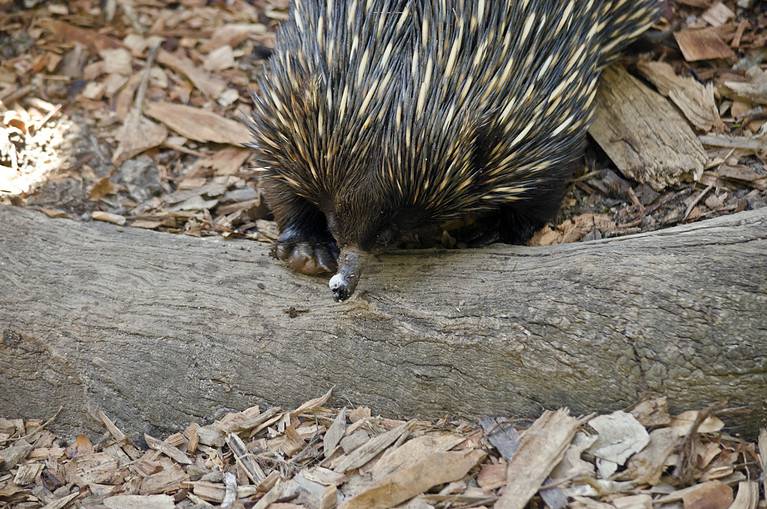
Echidna
Spines, eggs, and ant-eating mastery

Spines, eggs, and ant-eating mastery
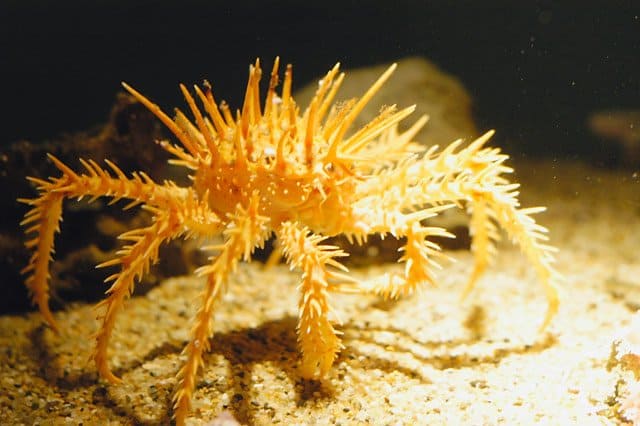
Cold-water royalty of the seafloor
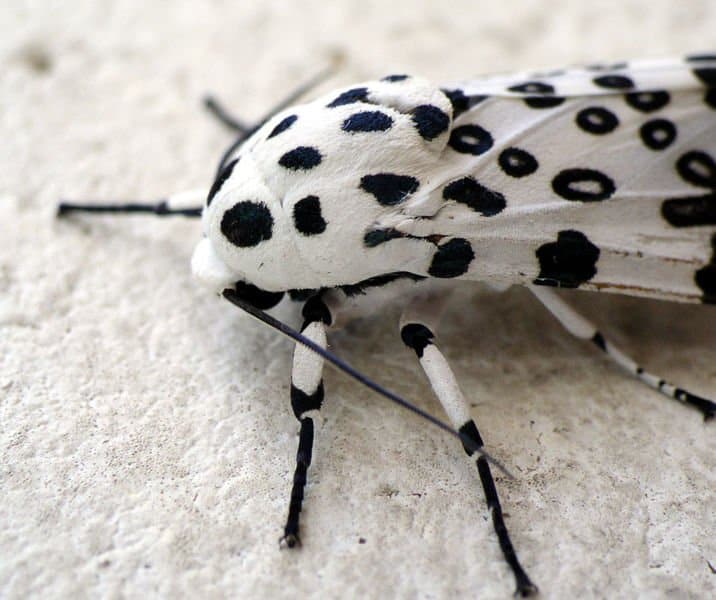
Six legs, endless lives.
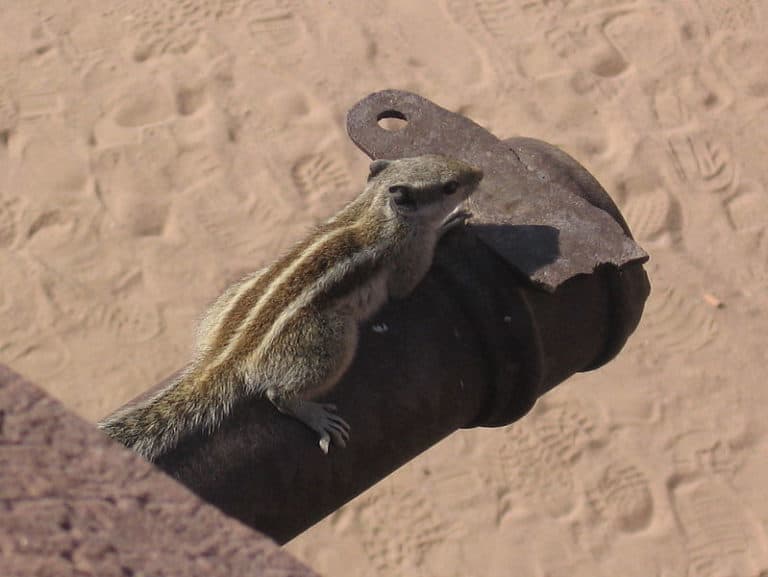
Three stripes. Big city attitude.
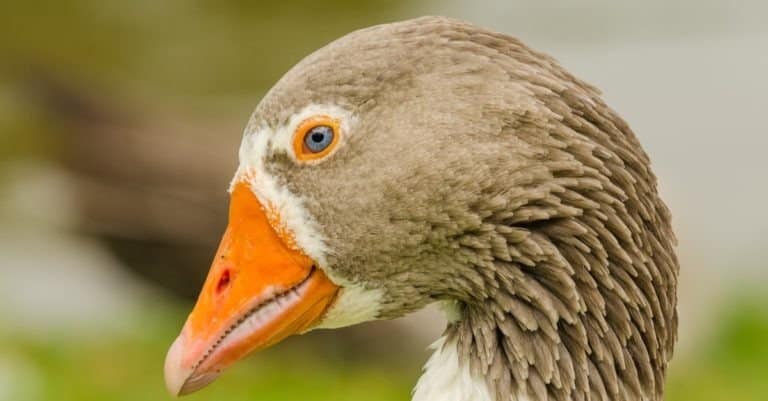
Webbed feet, sky roads, wetland lives
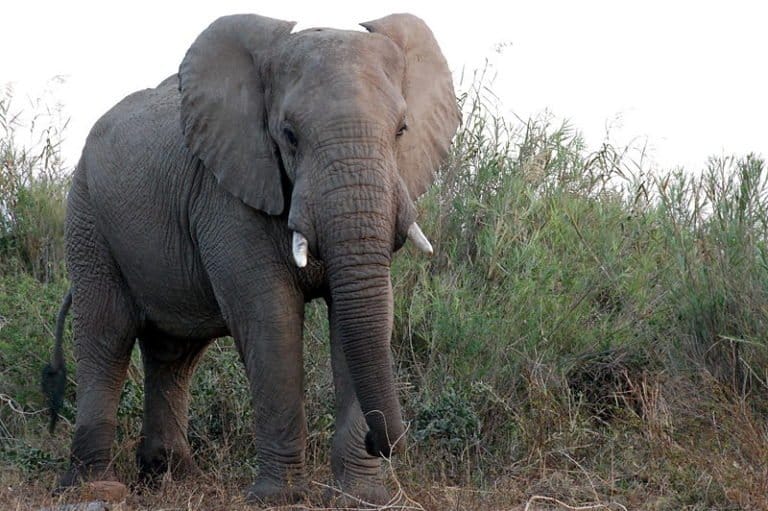
The rainforest's master gardener
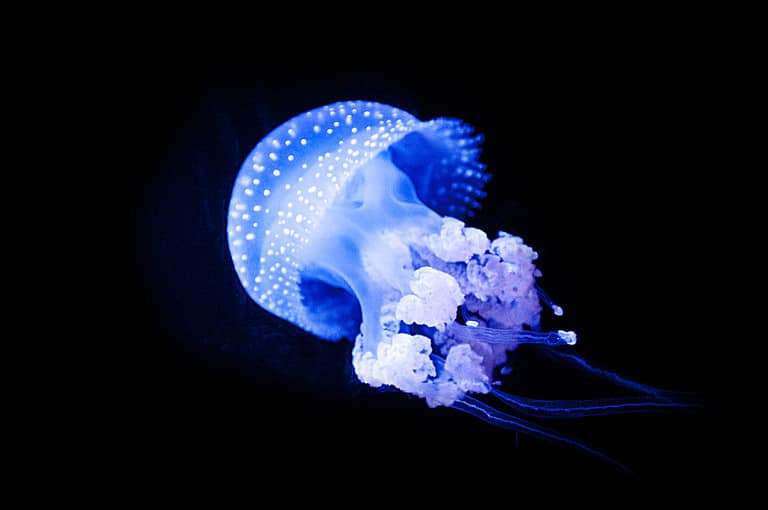
Sting-powered drifters of the sea
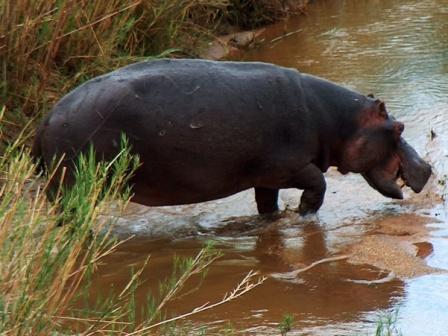
Big river grazer, bigger attitude
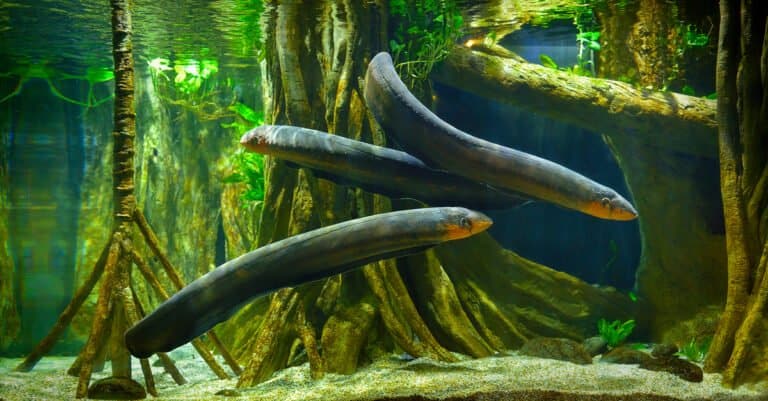
Lightning hunter of the Amazon
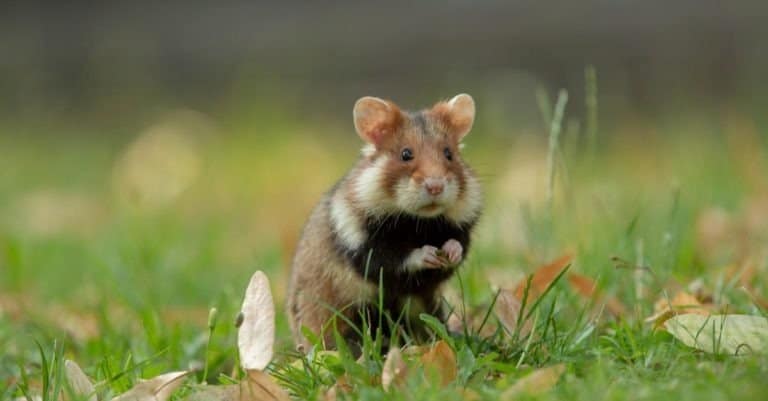
Pouches, burrows, and big impacts
Infrastructure development is the construction, expansion, and operation of linear and point-based built structures (e.g., roads, railways, dams, canals, pipelines, powerlines, ports, and associated facilities) that modify land- and seascapes and their ecological processes. As a conservation threat, it causes habitat loss and fragmentation and drives direct and indirect mortality and disruption of species movement, behavior, and ecosystem function.
Infrastructure development shows up as linear features (roads, railways, powerlines, pipelines, canals, fences) and node features (dams, ports, airports, substations, pumping stations, worker camps, quarries), often with side activities like clearing, grading, lights, noise, and more traffic. It removes or harms habitat, creates edges that change local climate, plants, fire patterns, and how predators and prey behave. Many animals die from collisions, shocks, or getting caught on fences, and others avoid areas, shrinking usable habitat. Breaking up landscapes and making barriers blocks movement and reduces gene mixing. Infrastructure also spreads invasive species, changes water flow, disturbs marine habitats, and increases human access and long-term impacts.
Infrastructure both directly removes habitat and fragments remaining patches, amplifying overall habitat loss by making remnants smaller, more isolated, and edge-dominated.
Roads, work sites, lights, and noise increase chronic disturbance; sensitive species avoid otherwise suitable habitat, effectively shrinking usable range.
New roads provide access and transport routes for hunters/poachers, increasing offtake and making enforcement harder across expanded road networks.
Improved access and logistics enable capture and rapid movement of live animals/parts from remote areas to markets, increasing exploitation pressure.
Corridors and vehicle traffic facilitate invasive plant seeds, rats/cats, and aquatic hitchhikers; disturbed edges favor invasives that outcompete natives.
Concentrated wildlife at crossings, fences, and artificial water sources plus increased domestic animal presence near settlements elevates pathogen transmission and spillover.
Infrastructure generates contaminants (runoff, dust, spills, noise/light pollution) that compound other stressors and reduce resilience to additional disturbances.
Fragmentation reduces the ability of species to shift ranges or track shifting climates; dams and altered flows exacerbate warming impacts on aquatic systems.
Settlements, traffic, and waste near infrastructure attract wildlife, increasing vehicle collisions and retaliation for crop/livestock losses.
Roads built for infrastructure often open forest frontiers to logging; cumulative canopy loss and road density magnify fragmentation and edge effects.
Infrastructure (roads, power supply) enables mining expansion; combined impacts increase habitat conversion, contamination, and human influx.
Road access raises land values and enables conversion to farms; drainage/irrigation tied to infrastructure further modifies habitats and water availability.
Transport corridors catalyze peri-urban growth, increasing impermeable surfaces, light/noise, pets, and traffic volumes that intensify wildlife mortality and displacement.
Improved access increases extraction of fish, timber, and bushmeat; depleted prey and resources make populations more vulnerable to fragmentation and disturbance.
Dams, canalization, and engineered shorelines modify hydrology and disturbance regimes; when combined with roads/rails, connectivity loss and ecosystem alteration compound.
A road's impact is often much wider than the pavement: noise, light, dust, invasive species, and human activity can turn a narrow corridor into a broad "edge zone" that changes habitat conditions hundreds of meters into surrounding land.
Fragmentation can harm wildlife even when little habitat is removed: dividing one large habitat into many small pieces can reduce breeding success, increase predation, and isolate populations more than the same area lost in one block.
Some species avoid roads entirely-not because of cars, but because of the open space: for forest animals, a road can feel like crossing a field with no cover, creating a behavioral barrier even when traffic is low.
Infrastructure can "unlock" other threats: new roads often increase access for logging, mining, hunting, and settlement, so the indirect impacts can exceed the direct footprint.
Road mortality isn't just large mammals: amphibians, reptiles, and insects can be hit in huge numbers, and even low per-kilometer death rates add up across millions of kilometers of roads.
Powerlines can be deadly in two different ways: collisions (birds hitting wires they can't see well) and electrocution (large birds bridging energized parts), making design details like line marking and perch guards surprisingly important.
Dams don't only affect fish: by changing natural flood pulses and sediment flow, they can reshape downstream wetlands, deltas, and coastal fisheries-sometimes far beyond the reservoir itself.
Pipelines and railways can act like long, continuous fences: even when animals can cross at some points, long linear barriers can disrupt migration routes and seasonal movements.
Small structures can create big "pinch points": a single bridge, culvert, or fenced section can block movement along an entire corridor if it sits at a narrow valley, river crossing, or ridge used by wildlife.
The effects accumulate over time: once a landscape is crisscrossed by multiple roads, rail lines, and transmission corridors, the combined "human footprint" can permanently change species composition, water flow, and fire patterns.
If the widely cited projections hold, the world could add ~25 million km of new paved roads by 2050-enough to circle Earth roughly 600+ times (Earth's circumference is ~40,000 km).
Think of linear infrastructure like "habitat scissors": one new road can split a continuous area into two, and each additional road multiplies the number of fragments-turning one block into a patchwork without removing much land on a map.
A single road can create two long edges; in ecology, edges can alter temperature, humidity, wind, and species interactions-so a narrow corridor can generate an "edge footprint" many times wider than the asphalt.
A dam can turn a river from a moving corridor into a series of disconnected pools-like converting a highway into cul-de-sacs for migratory fish and other river-dependent species.
Transmission corridors and pipelines are often maintained as permanent open strips; over long distances, they function like continuous clearings-similar to carving a narrow gap through habitat for hundreds of kilometers at a time.
Wildlife crossings can work like "bridges between islands": without them, habitats on either side of a busy road can become as isolated as islands in an ocean, even when they're only meters apart.
Road networks can behave like a "permanent web": even if each road is small, together they can surround and shrink core habitat areas, leaving many animals living closer to edges-where risks and disturbance are higher.
Infrastructure doesn't just take space-it increases presence: a new access road can bring repeated human traffic into previously quiet areas, like adding a daily disturbance schedule to a place that used to have none.
The rainforest's master gardener
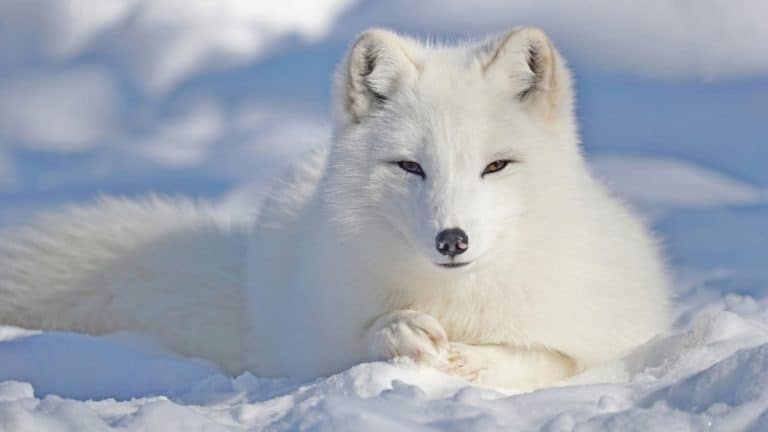
Built for blizzards, born for tundra
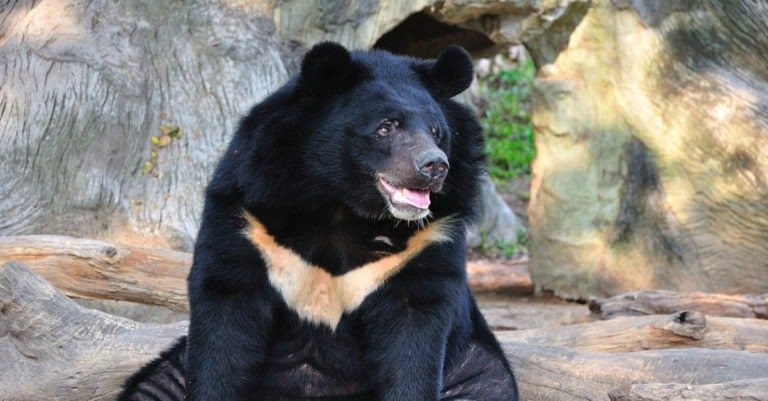
Moon-marked climber of Asian forests
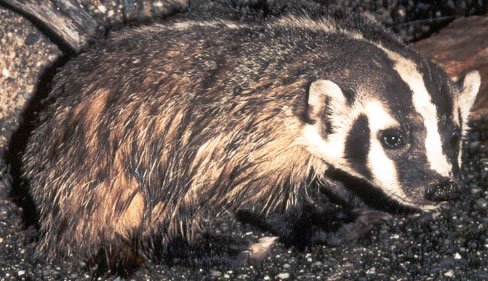
Built to dig. Born to endure.
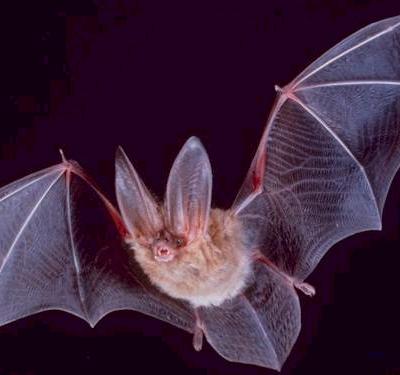
Night pilots of the mammal world
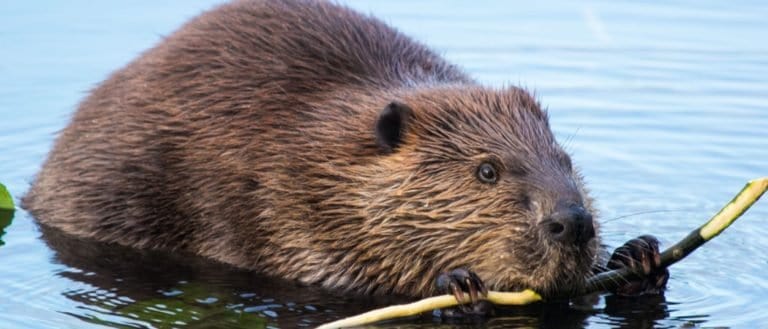
Build wetlands, shape worlds.
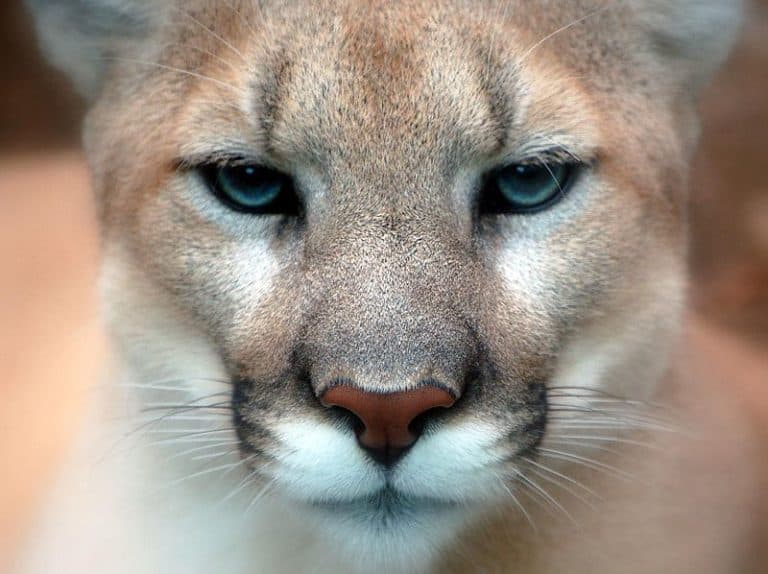
One cat. Two continents.
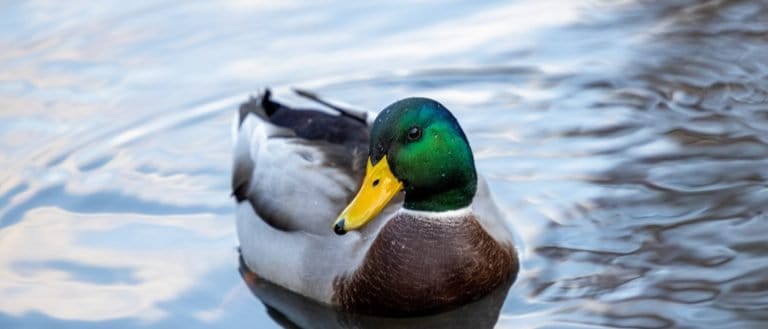
Webbed feet, world travelers.
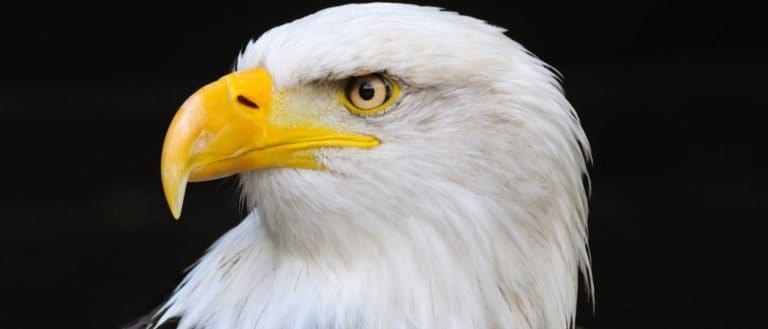
Built to soar, born to strike
Spines, eggs, and ant-eating mastery
Lightning hunter of the Amazon
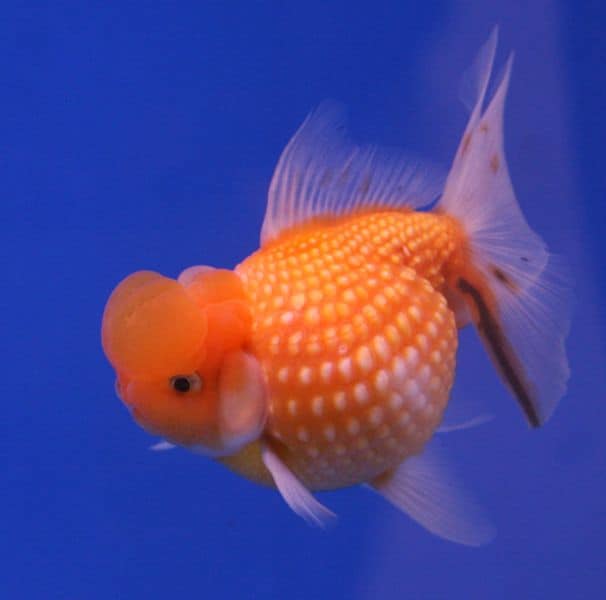
Bony rays, endless ways.
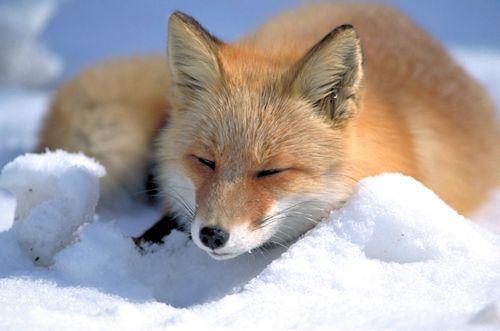
From dunes to tundra-fox smart.
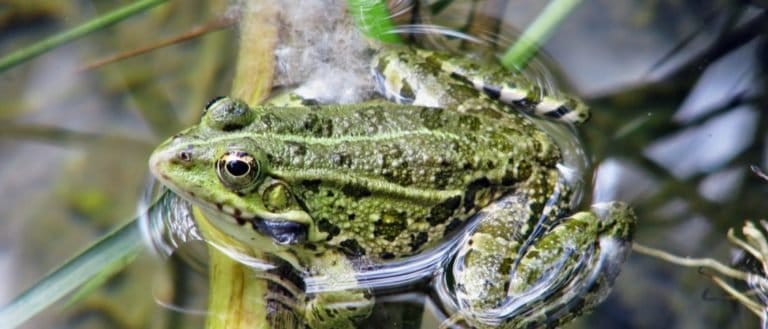
Tailless jumpers, masters of change
Webbed feet, sky roads, wetland lives
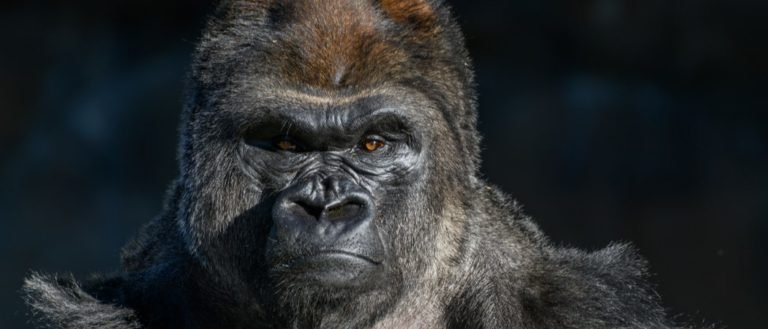
Gentle giants of the African forests
Pouches, burrows, and big impacts
Big river grazer, bigger attitude
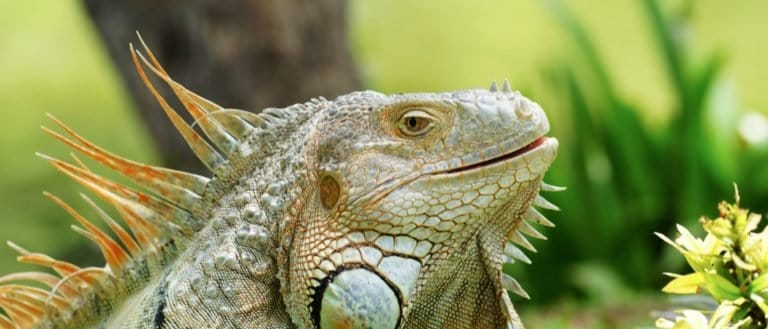
Sun-powered lizards of the Americas
Three stripes. Big city attitude.
Six legs, endless lives.
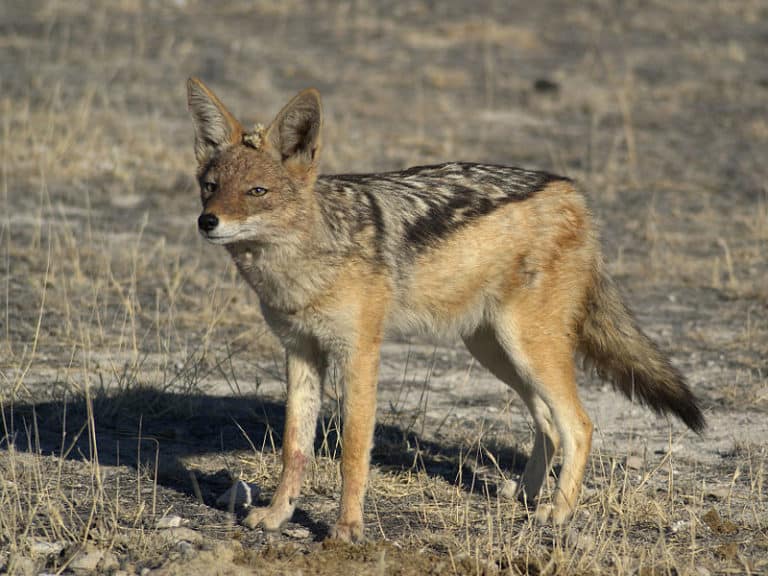
Small canids, big survival skills
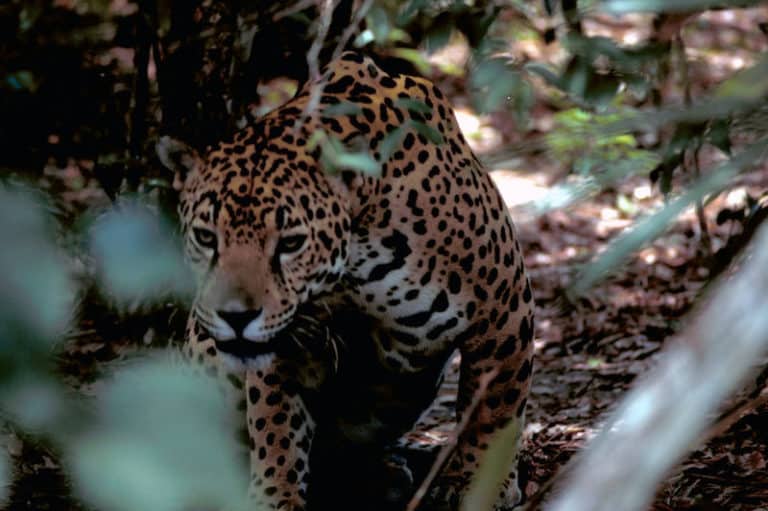
Power of the Americas' apex cat
Sting-powered drifters of the sea
Thank you for reading! Have some feedback for us?
We appreciate your help in improving our content.
Our editorial team will review your suggestions and make any necessary updates.
There was an error submitting your feedback. Please try again.