Conservation Threats

Habitat Loss

Destruction or degradation of natural environments through development, deforestation, or land conversion
1,881 Animals
1/79 Page
Overview

Understanding This Category

Habitat loss is the reduction, degradation, or complete removal of environmental conditions required for a species' survival and reproduction, leading to declines in population size, occupancy, and genetic connectivity. It most often results from land- and sea-use change that converts or simplifies natural ecosystems, reducing available space, resources, and breeding sites.

Habitat loss happens when natural or semi-natural places are changed so they no longer support native species, or when their quality gets so poor they become unsuitable. This includes converting forests, grasslands, wetlands, reefs, and other ecosystems into farms, pasture, plantations, cities, roads, reservoirs, mines, and factories. Even left-over habitat can be cut into small, isolated patches (fragmentation), causing edge effects like different local climate, more predators or invasive species, broken movement paths, and less food, shelter, or nesting space. Smaller, isolated populations are more likely to suffer random events, inbreeding, disease, and extreme weather, and are harder to come back. Habitat loss also makes other threats worse and reduces functions like water filtration, carbon storage, and pollination.

Key Characteristics

Direct reduction of habitat area and/or suitability that lowers carrying capacity and reproductive success
Often driven by conversion to human-dominated land uses (agriculture, urbanization, infrastructure, extractive industries)
Frequently involves fragmentation into smaller, isolated patches with increased edge effects
Can be gradual (degradation) or abrupt (clearance), and may include loss of critical microhabitats (nesting sites, spawning grounds)
Produces cascading ecological effects by disrupting species interactions and ecosystem functions, and amplifies other threats through isolation and stress
Mechanisms

How This Threat Works

Direct Impacts

  • Immediate mortality during clearing, draining, burning, blasting, or grading (crushing in burrows/nests, tree-fall deaths, destruction of eggs/young).
  • Acute displacement/forced emigration as cover, roosts, dens, or burrows are removed; animals pushed into suboptimal habitat.
  • Injury and physiological stress from loss of shelter and sudden exposure (heat/cold, dehydration, predation risk).
  • Rapid increase in predation risk when vegetation structure is removed (loss of hiding/escape cover, nest concealment).
  • Loss of critical breeding sites (nest trees, lek sites, spawning gravels, amphibian ponds) causing immediate reproductive failure in a season.
  • Increased encounters with people, vehicles, and domestic animals after habitat is removed, elevating direct mortality.

Indirect Impacts

  • Chronic population decline from reduced carrying capacity: fewer territories, nest sites, prey plants/hosts, and refuges.
  • Fragmentation-driven isolation reduces gene flow, increasing inbreeding and loss of adaptive potential.
  • Edge effects alter microclimate (temperature, humidity, wind) leading to higher nest failure, desiccation, or thermal stress.
  • Food-web disruption: loss of key plant species, pollinators, or prey base cascades to predators and mutualists.
  • Behavioral shifts (avoidance of open areas, reduced movement, altered foraging times) increase energetic costs and lower fitness.
  • Reproductive impacts from crowding in remnant patches: more competition, higher aggression, lower mate choice, and reduced breeding success.
  • Higher disease/parasite transmission as animals concentrate at remaining water/food sources or in smaller patches.
  • Increased human-wildlife interactions and conflict as wildlife uses crops, gardens, or urban edges for food/shelter.
  • Local extirpations can trigger community reassembly favoring generalists over specialists, reducing biodiversity and ecosystem function.
  • Reduced resilience to disturbances (drought, fire, storms) because smaller, degraded patches recover more slowly and offer fewer refugia.

Impact Pathways

  • Land conversion to cropland removes native plant communities, eliminating host plants for specialist herbivores and nesting substrate for ground-nesting birds.
  • Urban development replaces wetlands with fill/impervious surfaces, removing amphibian breeding ponds and altering hydroperiod so eggs/tadpoles fail.
  • Clear-cutting removes mature cavity trees; cavity-nesting birds and bats lose roost/nest sites and experience immediate breeding failure.
  • Road-adjacent clearing creates wide edges; increased light/wind dries leaf litter, raising mortality of moisture-dependent invertebrates and amphibians.
  • Fragmentation breaks continuous forest into small patches; dispersing juveniles must cross open matrix and suffer elevated predation and starvation.
  • Riparian vegetation removal increases water temperature and reduces insect emergence; fish lose cool refuges and food supply, lowering growth and survival.
  • Drainage of peatlands/wetlands lowers water table; ground-nesting species lose inundation buffers and become accessible to predators.
  • Grazing or repeated mowing simplifies grass structure; nests become exposed and trampled, and prey diversity declines.
  • Removal of reef structure (e.g., coastal development/dredging) reduces shelter complexity; juvenile fish have lower survival due to predation.
  • Loss of flowering plants from land clearing reduces pollinator resources; plant reproduction drops, further reducing habitat quality over time.

Threat Synergies

Climate Change

Habitat loss reduces microclimate refugia and dispersal corridors needed to track shifting climates; smaller, simplified patches amplify heat/drought stress and increase local extinctions during extreme events.

Infrastructure

New roads, powerlines, and fences often accompany land conversion, compounding fragmentation and increasing direct mortality (vehicle strikes) while further restricting movement between remaining patches.

Agricultural Expansion

Conversion to agriculture both removes habitat and increases edge exposure; wildlife displaced into field margins faces higher mortality, reduced breeding success, and conflicts with farmers.

Urbanization

Urban growth eliminates and isolates habitat, increases light/noise disturbance, and attracts subsidized predators (cats, rats), intensifying predation and lowering reproductive success in remnant patches.

Logging

Logging can convert complex old-growth into early-seral stands; when combined with prior fragmentation, loss of large trees/snags and canopy connectivity sharply reduces nesting/roosting opportunities and increases edge effects.

Mining

Mining removes or contaminates large areas and leaves long-lived barren substrates; when layered on existing habitat loss it can permanently sever connectivity and prevent natural recolonization.

Pollution

After habitat is reduced, remaining patches receive higher pollutant loads (runoff, dust, pesticides) per unit area; organisms concentrated in refuges experience greater exposure and lower health/reproduction.

Disease

Crowding into smaller remnants and shared water points increases contact rates; stress from displacement weakens immunity, raising outbreak likelihood and severity.

Hunting

Fragmentation creates access (roads/edges) that increases hunter reach; wildlife forced into predictable corridors or small patches becomes easier to locate and harvest.

Wildlife Trade

Habitat loss concentrates rare species into accessible remnants; collectors can more easily find and remove individuals, pushing small populations toward collapse.

Human Disturbance

Loss of interior habitat increases edge-to-area ratio, exposing more individuals to noise, recreation, and presence; repeated disturbance reduces feeding efficiency and breeding success.

Human-Wildlife Conflict

Displaced animals forage in crops, livestock areas, or urban settings; retaliatory killing rises and survival declines, creating a feedback loop that further depresses populations.

Genetic Threats

Smaller, isolated populations created by habitat loss experience inbreeding and drift; reduced genetic diversity lowers disease resistance and adaptive capacity, accelerating declines.

Resource Depletion

When habitat shrinks, key resources (water, prey, nesting sites) become limiting; additional depletion (water extraction, prey removal) pushes populations past viability thresholds.

Natural System Modification

Dams, fire regime changes, and altered hydrology degrade what remains after clearing; combined effects remove seasonal cues and critical habitat features (floodplains, early successional mosaics) needed for life cycles.

Invasive Species

Edges and disturbed sites created by habitat loss facilitate invasions; invasive plants alter structure and food availability, while invasive predators exploit fragmented landscapes, increasing mortality.

Overfishing

In coastal and freshwater systems, loss of nursery habitats (mangroves, seagrass, riparian zones) reduces recruitment; overfishing then removes remaining breeders, causing rapid stock collapse.

Solutions

Responses & Adaptations

Conservation Strategies

  • Establish and effectively manage protected areas (national parks, nature reserves, Indigenous/community conserved areas) with clear conservation objectives, staffing, and enforcement
  • Create ecological corridors and stepping-stone habitats to reconnect fragmented landscapes and enable gene flow and seasonal movement
  • Landscape-level spatial planning that avoids high-biodiversity areas and maintains intact habitat blocks (using biodiversity mapping and systematic conservation planning)
  • Habitat restoration and rewilding: reforestation with native species, wetland/peatland restoration, grassland management, removal of invasive species, and natural hydrology recovery
  • Implement biodiversity-friendly agriculture and forestry: agroforestry, reduced-impact logging, longer rotation periods, set-asides/riparian buffers, and certification systems (FSC/PEFC, Rainforest Alliance)
  • Mitigation hierarchy for development projects (avoid-minimize-restore-offset) with rigorous baseline surveys, monitoring, and transparent reporting
  • Combat land degradation through soil conservation, erosion control, fire management, and sustainable grazing to prevent habitat quality decline
  • Urban planning that integrates nature: green belts, protected riparian zones, wildlife crossings, limits on sprawl, and native habitat in city design
  • Community-based and Indigenous-led conservation programs that support local stewardship, tenure security, and benefit-sharing
  • Conservation finance tools: payments for ecosystem services (PES), conservation trust funds, habitat banking, and conservation easements/land purchases
  • Species- and ecosystem-specific recovery plans (e.g., for critical breeding sites, spawning grounds, or nesting beaches) paired with targeted habitat protection
  • Use remote sensing and monitoring (satellites, drones, eDNA, camera traps) to detect habitat loss quickly and guide enforcement and restoration priorities

Policy Mechanisms

  • Protected area legislation and expansion targets (e.g., national protected-area acts; global 30x30 target under the Kunming-Montreal Global Biodiversity Framework)
  • Environmental impact assessment (EIA) and strategic environmental assessment (SEA) requirements that integrate biodiversity and cumulative impacts into planning decisions
  • Land-use zoning and planning laws that limit conversion of critical habitats and regulate urban expansion and infrastructure siting
  • Endangered species and critical habitat protections that restrict activities harming designated habitats (e.g., habitat conservation plans and permitting frameworks)
  • No-net-loss/net-gain biodiversity policies and offset regulations with strict additionality, equivalence, permanence, and monitoring standards
  • Forest and land governance reforms: strengthened tenure rights, recognition of Indigenous land rights, anti-illegal clearing regulations, and transparent land registries
  • Deforestation-free supply chain regulations and import controls (e.g., due diligence requirements for commodities linked to habitat conversion)
  • International treaties and agreements: Convention on Biological Diversity (CBD), CITES (reducing habitat pressures via trade controls on some species), Ramsar Convention (wetlands), World Heritage Convention (site protection)
  • Climate policy tools that co-benefit habitats: REDD+ and jurisdictional forest programs when designed with biodiversity and rights safeguards
  • Water and coastal management regulations: riparian protections, wetland permitting, integrated coastal zone management, and mangrove protection laws
  • Incentive policies: agri-environment schemes, conservation subsidies, tax incentives for easements, and PES programs that reward habitat protection on private lands
  • Enforcement and compliance mechanisms: fines, restoration orders, environmental courts/tribunals, and mandatory disclosure of land-use impacts

Success Stories

  • Costa Rica's forest recovery: national PES program, protected area expansion, and ecotourism incentives helped reverse deforestation and increase forest cover over recent decades
  • Brazil's Atlantic Forest restoration and protected-area network: targeted reforestation and legal protections have improved connectivity in some corridors and supported species recovery locally
  • Mountain gorilla habitat protection in the Virunga region: coordinated protected area management, community engagement, and ecotourism revenues contributed to population increases despite ongoing pressures
  • Wetland restoration in the United States (e.g., portions of the Everglades and prairie pothole initiatives): hydrology restoration and conservation easements improved habitat for waterbirds and other wildlife in focal areas
  • EU Natura 2000 network: large-scale protected site designation and management requirements have slowed habitat degradation for some habitat types and improved planning outcomes in parts of Europe
  • Reforestation and natural regeneration projects in parts of China (e.g., Grain for Green): reduced erosion and expanded tree cover, with increasing attention to using native species and biodiversity outcomes
  • Community conservancies in Namibia and Kenya: communal land stewardship and wildlife-compatible livelihoods helped reduce habitat conversion locally and improved habitat connectivity in some landscapes
  • Mangrove protection and restoration in several countries (e.g., Vietnam, Philippines, Indonesia projects): restored coastal habitat and reduced storm impacts, supporting fisheries and biodiversity

Ongoing Challenges

  • Economic incentives favor conversion: short-term profits from agriculture, logging, mining, and urban development often outweigh conservation returns
  • Weak governance and enforcement: illegal clearing, corruption, unclear land tenure, and limited capacity undermine protected areas and land-use regulations
  • Fragmentation from roads and infrastructure: even small linear developments can sever connectivity and increase edge effects, invasive species, and human-wildlife conflict
  • Displacement/leakage: protection in one area can push land conversion into another region without jurisdictional or supply-chain-wide measures
  • Restoration complexity and time lags: ecological recovery can take decades; some ecosystems (peatlands, old-growth forests, coral reefs) are hard to restore fully
  • Competing stakeholder needs: food security, housing, and livelihoods can conflict with habitat protection without equitable planning and compensation
  • Climate change interactions: shifting species ranges, altered fire regimes, drought, and sea-level rise can degrade habitats even where land conversion is halted
  • Data and monitoring gaps: incomplete biodiversity baselines and limited long-term monitoring make it hard to target actions and verify outcomes
  • Offset pitfalls: poor-quality offsets, weak additionality, or non-permanent protection can legitimize continued habitat loss rather than reduce it
  • Social justice concerns: conservation actions can harm local communities if rights, access, and benefit-sharing are not addressed

What You Can Do

  • Reduce demand for high-risk commodities linked to habitat conversion (e.g., beef, soy-fed animal products, palm oil, cocoa, tropical timber) by choosing certified/verified deforestation-free options and reducing overall consumption
  • Choose sustainable wood and paper products (FSC/PEFC-certified), use recycled paper, and avoid products from unknown tropical timber sources
  • Support habitat-friendly agriculture: buy from local/regenerative farms, shade-grown coffee/cocoa, and producers with strong biodiversity standards
  • Cut your carbon footprint (energy efficiency, electrification, low-carbon transport) to reduce climate-driven habitat degradation and land pressures
  • Create or restore native habitat at home: plant native species, reduce lawn area, add pollinator gardens, retain leaf litter/woody debris, and avoid invasive ornamentals
  • Reduce pesticide and herbicide use; adopt integrated pest management to improve habitat quality for insects, birds, and amphibians
  • Support conservation organizations and local land trusts via donations, memberships, or volunteering (habitat restoration days, invasive removal, tree planting with native species)
  • Engage civically: comment on local development plans/EIAs, advocate for greenbelts, wildlife crossings, wetland protections, and smart-growth zoning
  • Make wildlife-friendly choices in your community: keep cats indoors, reduce night lighting, and support bird-safe building measures to lessen pressures on fragmented habitats
  • Travel and recreate responsibly: stay on trails, follow seasonal closures, and avoid damaging sensitive habitats (dunes, wetlands, coral reefs)
  • Use your financial influence: ask banks/pension funds about deforestation exposure, support companies with deforestation-free commitments, and vote as a shareholder when possible
  • Learn whose land you live on and support Indigenous-led conservation initiatives and policies that strengthen land rights and stewardship
Fun Facts

Did You Know?

Habitat loss doesn't just remove homes-it can *silence* ecosystems: when forests are fragmented, many seed-dispersing birds and mammals disappear first, so some trees stop regenerating even if the forest "looks" intact.

Fragmentation can be as harmful as outright clearing: a single road or field can split one population into many tiny ones, increasing inbreeding and making local extinctions much more likely.

Some species avoid habitat edges (where it's hotter, drier, windier, and riskier). That means a forest can lose a large share of its "usable" area even when most trees remain standing.

Small, isolated habitat patches can become "ecological traps": animals move in because it looks suitable, but survival and breeding success are lower due to predators, traffic, pets, invasive species, or human disturbance.

Habitat loss can trigger a time-lagged "extinction debt": species may persist for years or decades after a habitat is reduced, then decline later-so the real impact can be hidden until it's harder to fix.

More habitat doesn't automatically mean better habitat: degradation (pollution, logging, frequent fires, draining wetlands) can reduce food and nesting sites so dramatically that a place becomes functionally unusable.

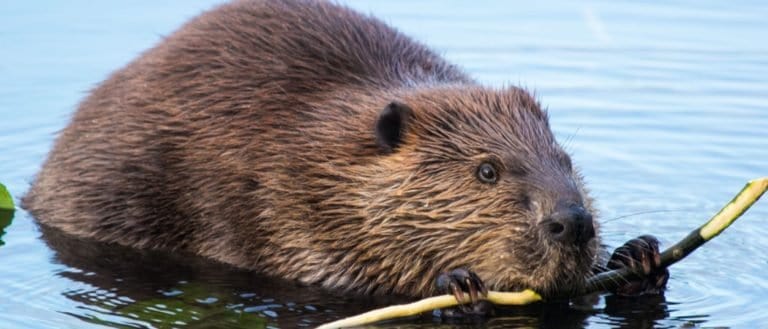
Losing habitat can reshape entire food webs: removing top predators or key "engineers" (like beavers in wetlands) can cause cascading changes that simplify ecosystems and reduce resilience to droughts and heat waves.

Urban expansion isn't just a city problem-its footprint spreads through roads, light and noise pollution, and increased demand for timber, water, and farmland, all of which pressure surrounding habitats.

Many animals need *connected* habitat more than large habitat: corridors and stepping-stone patches can be the difference between a population surviving or becoming stranded.

Habitat loss and climate change reinforce each other: intact forests and wetlands store carbon and buffer temperature extremes; once cleared or drained, they can shift from carbon sinks to carbon sources.

Tropical primary rainforest loss is often reported at roughly the scale of **dozens of football fields per minute** globally-an easy way to picture how quickly high-biodiversity habitat can disappear.

Habitat fragmentation is like turning a large library into hundreds of tiny book piles scattered across town: the "information" (genes, species interactions) is still there in pieces, but it's far harder to access and maintain.

A single new road can act like a "wall" for many small animals-functionally similar to building a fence across a neighborhood for everything that can't safely cross traffic.

When habitat is broken into isolated patches, populations can behave like people on separated islands: fewer "visitors" (migrants) means less genetic mixing and higher risk that one bad year wipes out the group.

Edge effects can make a forest patch work like an apple with a big bruise: the outer layer degrades first, so the healthy "core" can be far smaller than the patch looks on a map.

Wetland drainage is like removing a city's storm-water system: floods get worse, water quality drops, and the whole downstream network feels the impact.

Converting diverse natural habitat to a single crop is like replacing a bustling neighborhood with a single warehouse: the area may still be "used," but it supports far fewer types of residents and jobs (species and ecological roles).

Losing connected habitat is like deleting the side streets from a town map: everything funnels onto a few risky routes (narrow corridors), increasing collisions, stress, and bottlenecks.

Habitat loss can shrink an animal's "daily commute" range: for wide-ranging species, it's like trying to live normally while your entire city is reduced to a few small parks.

A forest cleared for development is often compared to cashing out a savings account: you get short-term gains, but you lose long-term interest-carbon storage, water filtration, pollination, and natural pest control.
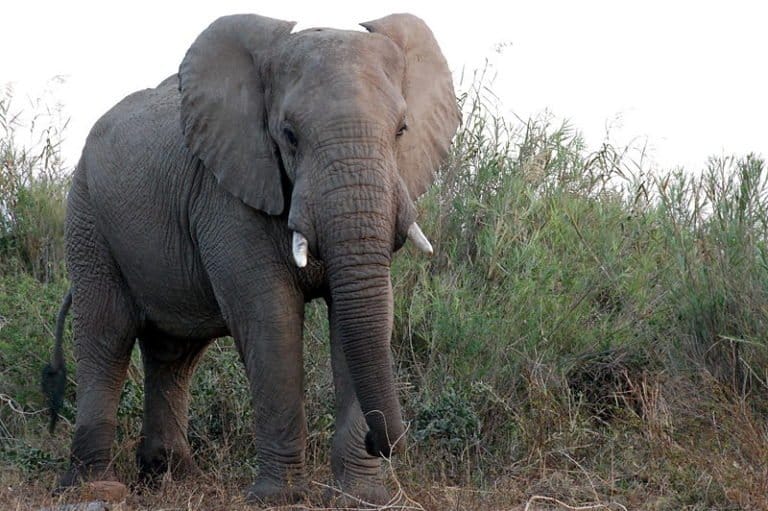
Habitat Loss Animals

Showing 1-24 of 1,881

All Animals A-Z

A

B

C

G

M

P

S