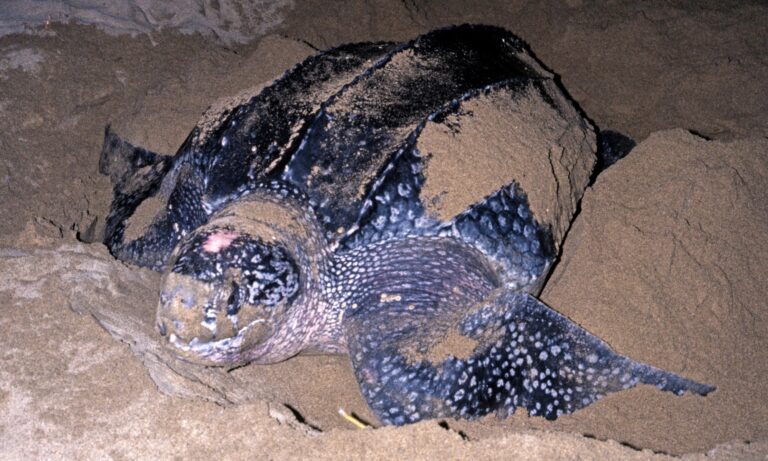
Leatherback Sea Turtle
Leathery shell, ocean-spanning traveler

Leathery shell, ocean-spanning traveler
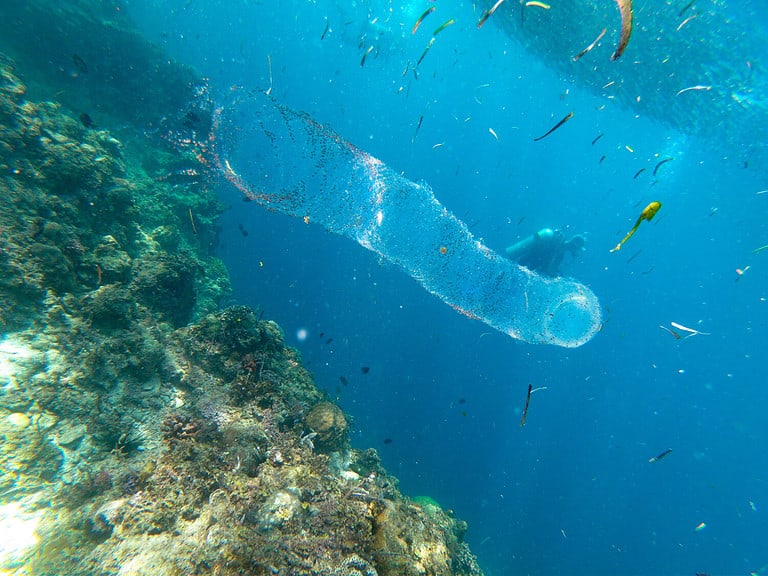
Glowing tubes that filter the sea
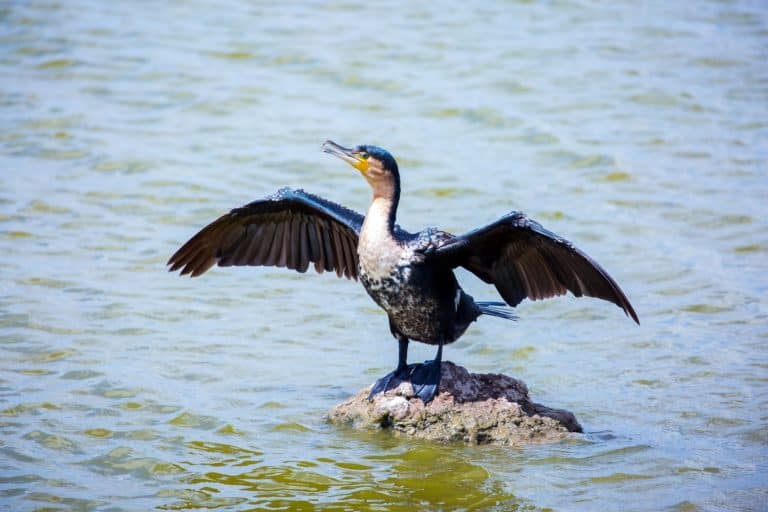
Dive deep. Hunt sleek. Dry proud.
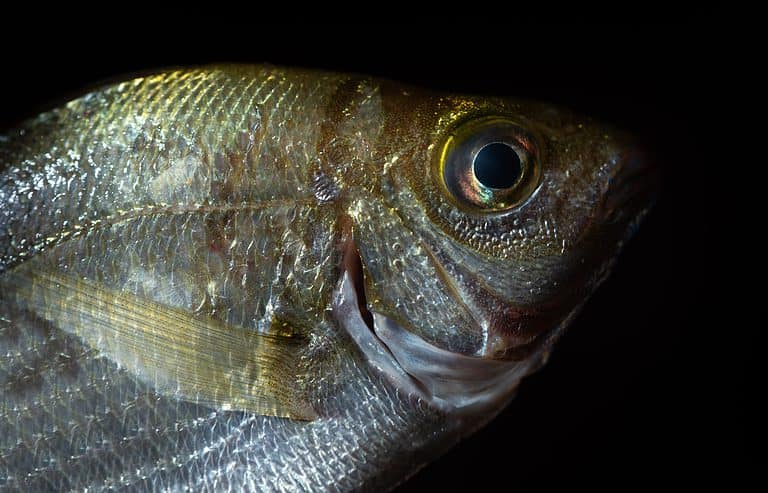
Teeth, speed, and surface blitzes

Feathers, flight, and endless variety
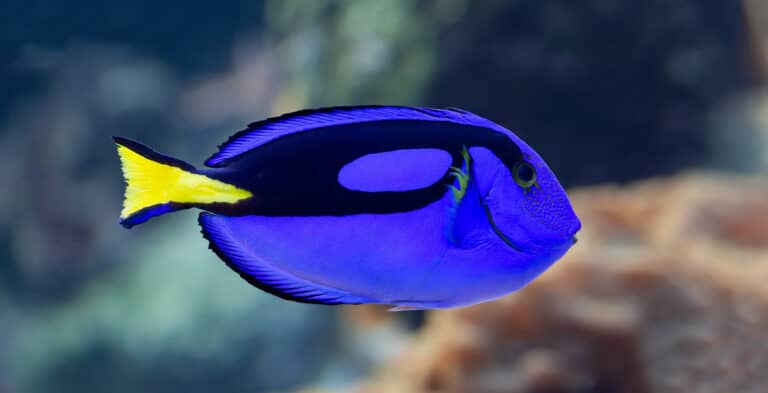
Scalpels on the tail, gardeners of reefs
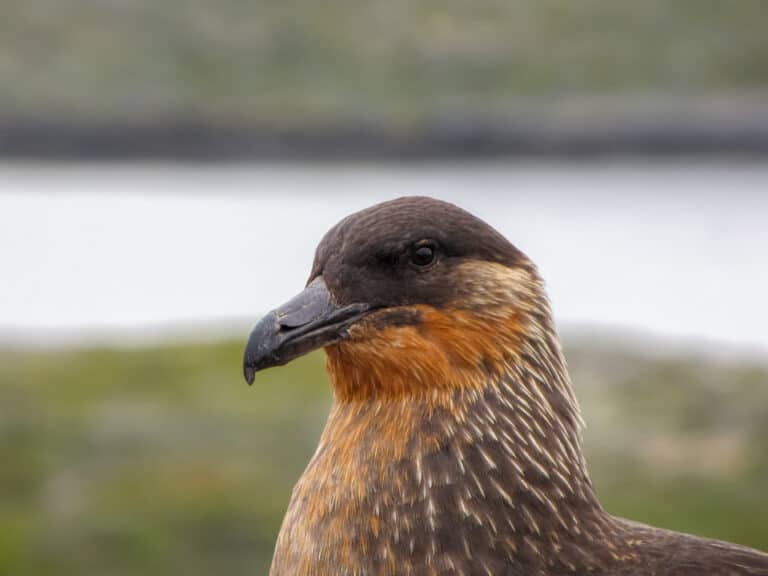
Pirates of the polar seas
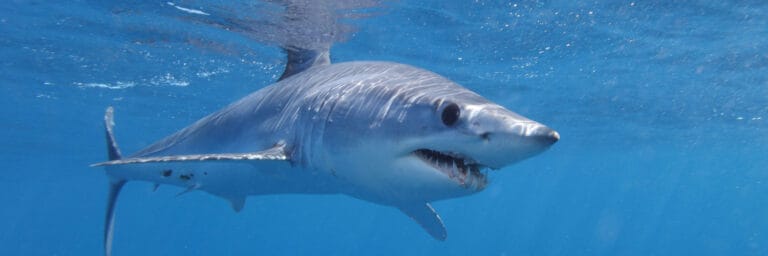
Warm-blooded speed in the open sea
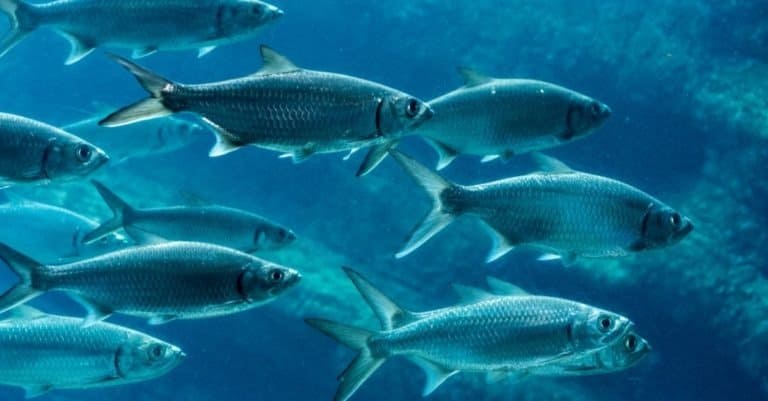
Small fish, huge impact

Ancient shells, modern survivors
The Sea of Japan is a marginal sea of the western North Pacific Ocean, semi-enclosed by the Japanese Archipelago, the Korean Peninsula, and the Russian Far East, and connected to adjacent seas through a few shallow straits.
The Sea of Japan lies between Japan and continental Asia, forming a semi-enclosed basin that behaves in many ways like a miniature ocean. Narrow connections-most notably through the Korea (Tsushima), Tsugaru, Soya (La Pérouse), and Tatar straits-constrain exchange with surrounding waters, helping create strong internal contrasts between warm surface inflow and cold, dense deep waters. The sea's circulation is shaped by the warm Tsushima Current entering from the south and by cyclonic (counterclockwise) gyres that redistribute heat, salt, and nutrients across distinct basins.
Seasonal monsoons strongly modulate conditions: winter brings cold, dry continental air, intense heat loss, and vigorous vertical mixing, while summer tends toward warmer, more stratified surface layers. In the northern basins, wintertime cooling and brine rejection during sea-ice formation can promote deep-water formation, ventilating deep layers with cold, oxygen-rich water-an unusual feature for a marginal sea at these latitudes.
These dynamics support high biological productivity and major fisheries, including small pelagics and demersal species associated with shelf breaks and frontal zones. At the same time, the Sea of Japan is sensitive to climate variability and human pressures: changes in ventilation, warming, and nutrient inputs can alter oxygen levels, plankton communities, and fish distributions, with cascading ecological and socioeconomic effects across surrounding nations.
Etymology: The English name "Sea of Japan" is a geographic name that references the sea's position alongside the Japanese archipelago; the standard Japanese-language name for the body of water literally means "Japan Sea."
Strong seasonal monsoons, productive fisheries (e.g., squid/pollock), and notable deep-water formation driving distinct circulation
The Sea of Japan is a marginal sea in the western North Pacific, lying between the Japanese Archipelago to the east and the Asian mainland to the west and north (the Korean Peninsula and Russia's Far East).
Japan Basin (central-northern deep basin of the Sea of Japan)
Forms the entire eastern boundary; extensive coastlines along Hokkaido, Honshu, and northern Kyushu with many bays and fishing ports.
Borders the southwestern margin; includes the southeastern Korean coast and associated shelf areas.
Borders the western margin; coastline along the east coast of the DPRK.
Borders the northern and northwestern margins; Primorsky Krai coast and nearby strait systems toward Sakhalin.
East: Japan (Hokkaido, Honshu, Kyushu). West: Korean Peninsula (North Korea and South Korea). North/Northwest: Russian mainland (Primorsky Krai) and Sakhalin vicinity. It connects to the broader North Pacific through several straits, notably the Tsugaru Strait (between Honshu and Hokkaido) and the Korea/Tsushima Strait (between Korea and Kyushu), and to the Sea of Okhotsk via the La Pérouse (Soya) Strait (between Hokkaido and Sakhalin) and the Strait of Tartary (between mainland Russia and Sakhalin).
Surface avg: ~ 12-14 °C (basin-wide annual mean; warmer in the south, cooler in the north)
Deep avg: ~ 0-1 °C (Japan Sea Proper Water; cold and relatively uniform below ~1000 m)
Surface salinity varies seasonally and regionally: fresher in summer/near river inputs and in the north; saltier in winter due to cooling, evaporation, and vertical mixing. Deeper waters are comparatively stable and well-mixed for an enclosed marginal sea.
Strong seasonality driven by East Asian monsoon: winter cooling and deep convection (especially in the northern basins); summer heating with a pronounced thermocline and warm surface layer influenced by the Tsushima Warm Current.
Major current systems include the Tsushima Warm Current entering via the Korea/Tsushima Strait and flowing northward along Japan (with branching jets and mesoscale eddies), the East Korea Warm Current along the Korean slope, and colder currents in the north/west such as the Liman Current and the North Korea Cold Current. Overall circulation forms basin-scale cyclonic/anticyclonic gyres with strong eddy activity.
Generally small-to-moderate tidal range with predominantly semidiurnal (M2) character; typical open-coast ranges ~0.2-1.0 m, locally larger in straits and embayments where resonance and constriction enhance currents (e.g., narrow passages around the Korean/Tsushima and Tsugaru straits). Tidal mixing is secondary to monsoon and current-driven variability over much of the basin.
Distinct Japan Sea Proper Water (JSPW): cold, dense, and oxygen-rich deep water formed by intense winter cooling and brine rejection in the northern regions; relatively homogeneous properties below ~1000 m compared with the open Pacific. Intermediate layers show mixing between warm/saline Tsushima-derived waters and colder northern waters, producing marked frontal zones.
Strong vertical layering in summer: warm, relatively fresh surface layer over a sharp seasonal thermocline (~20-100 m) and a deeper, more uniform cold layer. In winter, surface cooling and wind forcing weaken stratification; deep convection and mixing can penetrate hundreds of meters to >1000 m in the north, contributing to deep-water renewal.
Wind-driven coastal upwelling is most notable along the eastern Korean Peninsula and parts of the Russian/northwestern margins during favorable monsoon winds, enhancing nutrient supply and supporting productive fisheries. Upwelling/mixing also occurs where strong currents and fronts interact with steep topography and straits, promoting localized nutrient enrichment.
Notable for active deep-water formation and ventilation within a semi-enclosed marginal sea, yielding unusually high deep-water oxygen relative to many similar basins. Strong monsoon-driven seasonal reversals in winds and mixing, frequent mesoscale eddies/frontal variability tied to the Tsushima system, and seasonal sea ice in the far north (e.g., near the Tatar Strait/northern shelves) create pronounced spatial and temporal contrasts in ecosystem productivity and water properties.
The Sea of Japan has a mid-latitude, monsoon-influenced marine climate with strong seasonality. Winters are dominated by cold, dry continental air outbreaks from Siberia that cross the sea and produce heavy snowfall on Japan's west coast, while summers are warm, humid, and generally calmer under the Pacific subtropical influence. Sea-surface temperatures range from near-freezing in the far north in winter to warm subtropical values in the south in summer, and the basin's semi-enclosed nature supports distinct circulation and deep-water formation in northern areas.
Winter (Dec-Feb): Strong northwest monsoon; frequent cold-air outbreaks, rough seas, and intense sea-effect snowfall downwind of the sea (especially along Honshu). SSTs lowest; enhanced vertical mixing and dense-water formation in northern basins. Spring (Mar-May): Transition season with weakening monsoon, improving visibility and sea state; rapid warming begins, stratification develops, and fog can occur as air warms over cooler water. Summer (Jun-Aug): Warm, humid conditions; generally lighter winds except during storms. Stratified upper ocean; SSTs peak (south and central basin warmest). Rainy-season influences occur regionally (e.g., the East Asian rainy season and monsoon rains affecting surrounding coasts). Autumn (Sep-Nov): Cooling and increasing windiness; breakdown of stratification, stronger mixing, and rising storminess as mid-latitude systems become more active; late autumn often marks the return of strong monsoonal flow.
Tropical cyclones (typhoons) most commonly affect the Sea of Japan from late summer into early autumn (roughly Jul-Oct, peak Aug-Sep), typically after recurving north/east around Japan; they can enter the basin via the Tsushima/Korea Strait region or track along/near Japan's west coast, bringing high waves, storm surge, and heavy rain. Even when weakening or transitioning to extratropical systems, these storms can produce significant gales and swell. Outside the typhoon season, the dominant storm hazards are mid-latitude cyclones and strong winter monsoon gales (Nov-Mar), which frequently generate hazardous seas and coastal impacts.
Sea ice is seasonal and mainly confined to the northern Sea of Japan-especially the Tatar Strait and areas influenced by the Amur/Primorye coast and the northernmost basin. Ice typically forms in mid-winter (around Jan-Feb), with extent varying strongly year to year, and retreats in early spring (often Mar-Apr). The central and southern Sea of Japan (including most waters off Japan and Korea) are generally ice-free, though they experience cold SSTs and occasional frazil/ice edge influence only in far northern reaches.
The Sea of Japan (East Sea) is a temperate-to-subarctic marginal sea with strong seasonality driven by monsoons and winter cooling. Its semi-enclosed basins and distinct circulation (including deep-water formation in northern basins) support high primary productivity, major pelagic and demersal fisheries, and pronounced north-south biogeographic mixing: warm-water species enter via the Tsushima Current in the south while boreal taxa dominate the north. Habitats range from productive shelves and rocky coasts (notably kelp-dominated) to deep, cold basins with relatively well-oxygenated waters and localized chemosynthetic seep communities.
Biodiversity is spatially and seasonally variable: southern areas influenced by the Tsushima Current host more warm-temperate species and higher overall richness, while northern sectors are colder and dominated by boreal assemblages. High nutrient supply and strong spring-summer plankton blooms underpin diverse food webs (zooplankton, forage fish, squid, groundfish) and rich benthic communities on shelves, slopes, and in deep basins.
Species count: On the order of several thousand described marine species recorded across the basin (commonly summarized as ≥5,000 total taxa), including roughly ~300-400 fish species, hundreds of macroalgae, and several thousand invertebrates (numbers vary by survey scope and taxonomy).
The Sea of Japan neritic zone is a highly productive coastal shelf system shaped by strong seasonal monsoons, large temperature swings, and mixing from wind and tides. River inputs and coastal upwelling/mixing fuel spring-summer phytoplankton blooms, supporting extensive fisheries along Japan, Korea, and Russia. Kelp forests and rocky reefs (especially along Hokkaido and the Russian Far East) provide habitat and nursery grounds for invertebrates and juvenile fish, while sandy and muddy bays support bivalves, crabs, and flatfish. In winter, intensified cooling and storms increase vertical mixing and can shift communities toward cold-tolerant species; in summer, stratification and coastal fronts concentrate plankton and forage fish nearshore.
The pelagic (open-water) zone is driven by basin-scale circulation and strong seasonality: winter cooling and monsoon winds deepen the mixed layer, while spring warming creates stratification that promotes large phytoplankton blooms. Mesoscale fronts and eddies concentrate plankton, forage fish, and predators, creating "hotspots" for feeding seabirds and pelagic fishes. The Sea of Japan's relatively isolated nature and active deep-water formation in northern basins help maintain oxygenated deep layers compared with many other marginal seas, influencing nutrient recycling and supporting robust midwater food webs. Pelagic communities commonly include abundant zooplankton, small schooling fishes (e.g., sardines/anchovies depending on regime), and higher predators such as tuna-like pelagics (seasonally entering through straits), squids, and marine mammals in northern waters.
The benthic zone ranges from shallow shelves to deep basins with cold, well-oxygenated bottom waters formed by winter cooling and dense-water production in the north. On shelves, sediments (sand and mud) host diverse infauna-polychaetes, amphipods, bivalves, and echinoderms-that process organic matter raining down from seasonal surface blooms. Rocky bottoms support sessile filter feeders (sponges, ascidians) and macroalgae in shallower lighted areas. In deeper basins, benthic life depends on detrital flux and includes deposit-feeding worms, brittle stars, and crustaceans; periodic pulses of organic material from spring blooms can trigger short-lived increases in benthic respiration and scavenger activity.
The demersal zone (near-bottom waters and organisms) is dominated by commercially important groundfish and invertebrates that forage on benthic prey and small fishes. Flatfishes, cod-like fishes, sculpins, and demersal cephalopods exploit shelf and slope habitats, often tracking temperature and oxygen conditions and moving along depth gradients seasonally. Bottom fronts where cold dense water meets warmer shelf water can concentrate prey and create productive fishing grounds. Demersal predators link benthic production (worms, crustaceans, bivalves) to higher trophic levels, while also consuming pelagic-derived inputs such as sinking zooplankton and discarded/offal from predator feeding events.
Notable migrations are strongly seasonal. In spring-summer, many pelagic fishes and squids move northward into the Sea of Japan to feed on developing plankton and forage-fish concentrations; seabirds likewise arrive to exploit bloom-driven prey. In autumn, cooling and changing currents trigger southward movements of pelagic fishes and cephalopods toward warmer waters and out through straits. Anadromous salmonids migrate along northern and western margins (feeding in the sea and returning to rivers to spawn), while some marine mammals shift distribution with ice/temperature and prey availability, generally concentrating in northern waters during productive seasons and dispersing or moving southward as conditions change.
1) Bloom-to-forage-fish web: spring phytoplankton blooms → copepods/krill → small schooling fish (sardine/anchovy-type assemblages, juvenile fishes) → larger pelagics, seabirds, and marine mammals. 2) Squid-centered pathway: phytoplankton → zooplankton → micronekton (small fishes) → squid → tunas, billfishes (seasonal), marine mammals, and large demersal fishes. 3) Benthic detritus web: sinking organic matter from surface blooms → benthic microbes/detritivores (polychaetes, amphipods) → demersal fishes (flatfish, cod-like species) → top predators and fisheries removals. 4) Kelp/reef coastal web: kelp and epiphytic algae → grazers (urchins, gastropods) and filter feeders (bivalves) → crabs and nearshore fishes → pinnipeds/seabirds and human harvest; this coastal web also supplies nursery habitat that subsidizes offshore fisheries.
The Sea of Japan is a productive but increasingly pressured marginal sea where strong seasonal monsoons and distinctive circulation (including deep-water formation in northern basins) support rich food webs and major fisheries. Overall conservation conditions are mixed: some coastal habitats and local stocks benefit from protections and management, but cumulative impacts from intensive fishing, coastal development, pollution, warming-driven ecosystem shifts, and expanding maritime activity are degrading habitats and reducing resilience. Key risks concentrate in nearshore zones (bays, estuaries, seagrass/kelp areas) and on shared or migratory species that cross national jurisdictions.
Moderate concern: productive system under significant cumulative pressure, with localized degradation and declining resilience.
High fishing pressure on commercially valuable species (e.g., small pelagics, demersal fish, squid/crab in some areas) plus bycatch impacts on non-target species; stock productivity is sensitive to regime shifts and variable recruitment.
Warming and marine heatwaves altering species distributions (poleward shifts, changes in timing/strength of plankton blooms), affecting recruitment and deep-water formation dynamics; increasing stratification can reduce nutrient mixing in some seasons.
Coastal and semi-enclosed embayments experience nutrient loading (eutrophication), harmful algal blooms, microplastics and ghost gear, industrial/urban contaminants, and episodic oil/chemical spills along busy shipping corridors.
Conversion and hardening of coastlines (ports, seawalls), reclamation, dredging, and degradation of seagrass/kelp beds and tidal flats that serve as nursery habitats.
Intense shipping, underwater noise, coastal recreation, and vessel strikes affecting marine mammals and seabirds; disturbance can be acute near major ports and migratory bottlenecks.
Port expansion, coastal engineering, seabed cables/pipelines and associated dredging increase turbidity, fragment habitats, and modify sediment transport.
Ballast-water and hull-fouling introductions (including opportunistic algae and invertebrates) can outcompete native communities and alter nearshore food webs, especially in ports and warming coastal waters.
Altered freshwater/sediment inputs from river regulation and coastal works, plus localized seabed disturbance from some fishing gears, modify benthic habitats and ecosystem function.
Depletion of forage species and benthic invertebrates can propagate food-web effects, reducing prey availability for higher trophic levels (seabirds, marine mammals) and lowering ecosystem stability.
Nutrient enrichment and eutrophication in enclosed bays; harmful algal blooms; widespread plastic debris and microplastics; derelict fishing gear; localized industrial contaminants (e.g., hydrocarbons, heavy metals) near urban/industrial coasts; spill risk along dense shipping routes.
Major fisheries remain economically important but are vulnerable to overcapacity, IUU risk in contested/shared areas, and climate-driven stock variability; bycatch and habitat impacts from some gears remain concerns; recovery is uneven and stock status differs by species and jurisdiction.
Rising sea temperatures and more frequent marine heatwaves are shifting distributions and seasonal productivity; acidification risks to calcifiers (shellfish and planktonic calcifiers) and hatchery/aquaculture operations; potential changes to deep-water formation and oxygen/nutrient dynamics in northern basins could reduce system resilience.
Elevated invasion risk via ballast water and port hubs; warming increases establishment probability for non-native algae/invertebrates; invasives can alter rocky reef and soft-bottom communities and complicate restoration of seagrass/kelp habitats.
A major passage linking the East China Sea and the Sea of Japan between Kyushu (Japan) and the Korean Peninsula, consisting of multiple channels around Tsushima Island.
Controls the main inflow of warm water (Tsushima Current) into the Sea of Japan, shaping circulation, fisheries productivity, and regional climate/ocean conditions.
Narrow strait between Hokkaido (Japan) and Sakhalin (Russia), connecting the Sea of Japan with the Sea of Okhotsk.
Key gateway for water-mass exchange and seasonal sea-ice/oceanographic influences affecting northern Sea of Japan ecosystems and shipping routes.
Strait between Honshu and Hokkaido (Japan) connecting the Sea of Japan to the North Pacific.
A principal outlet for Sea of Japan waters; important to regional circulation, nutrient transport, and one of Japan's busiest maritime corridors.
Large bay complex on Russia's Primorsky Krai coast, including numerous inlets and islands around Vladivostok.
Noted for rich temperate marine biodiversity, strong seasonal variability (ice in winter in some areas), and many coastal dive sites and shipwrecks.
Rocky coastline and offshore reefs on the Sea of Japan side of central Honshu, Japan, with kelp forests and clear seasonal visibility.
Popular diving and coastal ecology area known for dramatic geology, temperate reef communities, and seasonal migrations of fish/invertebrates.
Island archipelago off Shimane Prefecture, Japan, surrounded by rocky reefs, sea caves, and kelp-dominated habitats.
Recognized for distinctive coastal ecosystems of the Sea of Japan, important seabird and marine life habitat, and a well-known destination for diving and nature tourism.
Large island off Niigata Prefecture, Japan, with rugged coasts and surrounding reefs influenced by the Tsushima Current.
Notable for productive fishing grounds, rich coastal biodiversity, and as a prominent landmark shaping local circulation and coastal upwelling patterns.
Volcanic island in the southwestern Sea of Japan (East Sea), South Korea, with steep submarine slopes and clear offshore waters.
Ecologically important for pelagic and rocky-reef communities; a regional hotspot for fisheries and oceanographic studies in the southwestern basin.
Small rocky islets in the central Sea of Japan with surrounding reefs and deep nearby waters.
Notable for localized marine habitats and as an oceanographic reference point; also widely known for geopolitical significance that drives monitoring and research activity.
Submarine rise (a major topographic high) in the central Sea of Japan, associated with prominent elevated features near the Yamato Basin area and influencing regional seafloor relief.
An important physiographic high used in studies of Sea of Japan tectonic evolution and ocean circulation; it affects deep-water pathways, mixing, and deep-sea habitats.
The northern deep basin of the Sea of Japan, reaching depths over ~3,000 m in places, characterized by cold deep waters.
Core area for deep-water formation and ventilation in winter; crucial to the Sea of Japan's distinct deep oceanography and biogeochemistry.
Deep basin in the southwestern Sea of Japan (East Sea) adjacent to the Korean Peninsula, with complex eddies and frontal features.
A major site of mesoscale circulation (eddies/fronts) that enhances productivity, influences fisheries, and is heavily studied in physical oceanography.
Deep bay on Honshu's Sea of Japan coast, Japan, with a steep continental slope close to shore and riverine inputs.
Known for high biological productivity and unique seasonal phenomena (e.g., firefly squid displays) tied to nutrient supply and local circulation.
Coastal and offshore rocky reef systems along western Honshu, influenced by the Tsushima Current with extensive kelp and temperate reef fauna.
Important fishing grounds and representative temperate reef habitat of the Sea of Japan, supporting commercially valuable species and biodiversity.
Strait between mainland Russia (Khabarovsk Krai) and Sakhalin Island that connects the Sea of Japan with the Sea of Okhotsk.
Major northern gateway influencing water-mass exchange, ice conditions, and shipping access between the Sea of Japan and the Sea of Okhotsk.
The Sea of Japan has long functioned as a corridor between Northeast Asian polities, linking the Japanese archipelago with the Korean Peninsula, Manchuria, and the Russian Far East. Coastal and near-sea trade supported exchange of metals, ceramics, textiles, salt, and marine products among historic states such as Silla/Goryeo/Joseon in Korea and various Japanese polities and domains (including Kyushu-facing and Japan Sea-facing ports). Maritime movement also connected to broader East Asian networks via straits (Tsushima/Korea Strait to the East China Sea; Tsugaru Strait to the Pacific; La Pérouse/Soya Strait to the Okhotsk). Exploration and mapping by regional navigators accelerated from the medieval period onward, with major European/Russian hydrographic attention in the 18th-19th centuries (including expeditions associated with La Pérouse and Russian Far East exploration). In the modern era, the sea became strategically and economically central during industrialization, colonial-era shipping, and 20th-century conflicts, reinforcing its role as a contested and heavily monitored maritime space.
Major lanes concentrate along the west coast of Japan and across straits connecting to the Pacific and East China Sea: (1) Korea/Tsushima Strait routes linking Busan-Japanese ports and onward to Shanghai/Yellow Sea systems; (2) Tsugaru Strait routes providing a direct Japan Sea-Pacific connection for domestic and international traffic; (3) La Pérouse (Soya) Strait routes linking to the Sea of Okhotsk and Russian Far East corridors; and (4) coastal cabotage along Honshu's Japan Sea side supporting bulk cargo and ferry networks. Key ports include Japan: Niigata, Toyama (Fushiki-Toyama), Kanazawa, Tsuruga, Maizuru, Sakaiminato, Shimonoseki and other Japan Sea-facing industrial and ferry ports; Republic of Korea: Busan as the dominant hub plus east-coast ports such as Pohang, Ulsan, Donghae/Sokcho/others; Russia: Vladivostok, Nakhodka/Vostochny and additional Primorsky Krai terminals. Cargoes commonly include containers and general cargo, energy and petrochemicals, steel and industrial inputs, and fisheries products; seasonal weather (winter monsoon, sea-effect snowfall, storms, and sea ice toward the north) influences routing and safety practices.
Commercial fisheries are among the sea's most economically important uses, supported by high productivity and strong seasonal dynamics. Large-scale fleets from Japan, Korea, and Russia target pelagic and demersal stocks using trawls, purse seines, longlines, and fixed gears. Management is complicated by migratory stocks, variable recruitment, and overlapping jurisdictions; enforcement and stock rebuilding measures have been periodic priorities in parts of the basin.
Artisanal and small-scale coastal fisheries are widespread, especially around Japanese and Korean coasts and in parts of the Russian Far East. Typical activities include set nets, handlines, small gillnets, traps and pots (notably for crab and octopus), seaweed and shellfish harvesting, and seasonal targeting of nearshore schooling fish. Many communities integrate fisheries with local food culture (e.g., dried/salted seafood, winter hotpot traditions, roe products) and coastal festivals tied to fishing seasons.
Diving conditions vary widely with season: summer offers generally better visibility and calmer seas, while winter brings colder water, rougher conditions, and in northern areas potential ice impacts. Visibility can be reduced near river-influenced coasts or during plankton blooms; currents and surge are site-dependent, and exposure to monsoon-driven weather requires conservative planning. Wetsuits/drysuits are often needed outside peak summer, and many sites are best for intermediate to advanced divers due to surge, depth, or variable conditions.
Tourism emphasizes coastal scenery, seafood cuisine, hot-spring towns, beaches, and winter sports. On Japan's side, common draws include seaside onsen areas and winter snow tourism (driven by strong monsoonal snowfall), coastal drives and viewpoints, festivals, and local markets known for crab and squid seasons. On Korea's east coast, beach tourism, coastal rail/road trips, seafood destinations, and cultural sites in port cities are popular. In Russia's Far East, nature-focused tourism and maritime city attractions around Primorsky Krai, including boat trips and coastal hikes, are notable. Birding, whale/dolphin watching in suitable seasons, kayaking, and island excursions occur where access and conditions allow; tourism is strongly seasonal due to winter seas and storms.
Hydrocarbon activity is present but more limited than in some other marginal seas. The primary developments relevant to the basin occur around Russia's Far East and Sakhalin-related systems (noting that many major Sakhalin projects are oriented to the Sea of Okhotsk, but infrastructure and regional energy logistics influence Sea of Japan shipping and ports). Where exploration or production occurs, it is generally offshore/nearshore under national jurisdiction, with associated pipeline/terminal logistics and environmental risk management for spills and sensitive fisheries. South Korea and Japan rely heavily on imported energy arriving via sea lanes rather than extensive domestic offshore extraction in this basin.
The Sea of Japan is strategically significant for all bordering states due to proximity to key population centers, industrial ports, and straits that serve as chokepoints between the Japan Sea, the Pacific, and adjacent seas. Naval and air forces regularly operate for patrol, training, and surveillance; anti-submarine warfare and monitoring of submarine transit are recurring features given deep basins and access routes through straits. The sea's strategic relevance is heightened by regional security dynamics involving Japan, the Koreas, Russia, and the nearby U.S. alliance posture, making it a heavily observed maritime theater with frequent exercises and intelligence activity.
Coastal cultures around the Sea of Japan include diverse Japanese, Korean, and Russian Far East communities with strong maritime identities shaped by fishing seasons, winter weather, and port economies. In Japan, Japan Sea-side regions (Hokuriku, San'in, parts of Tohoku/Hokkaido) emphasize seafood cuisines (crab, squid, yellowtail), coastal festivals, and onsen towns tied to maritime travel. On the Korean Peninsula's east coast, port-city and fishing-village cultures highlight fresh and dried seafood, beach tourism, and seasonal harvest traditions. In Russia's Far East, maritime city culture around Vladivostok and coastal settlements connects to fishing, naval presence, and cross-border trade. Indigenous and minority cultures in the wider region include Ainu communities in/around Hokkaido (with historical maritime livelihoods) and Indigenous peoples of the Russian Far East (e.g., Nivkh, Udege, Nanai in broader regional contexts), whose traditional practices and subsistence activities are intertwined with coastal and riverine ecosystems that connect to the sea.
202 species documented in our encyclopedia
Thank you for reading! Have some feedback for us?
We appreciate your help in improving our content.
Our editorial team will review your suggestions and make any necessary updates.
There was an error submitting your feedback. Please try again.