Conservation Threats

Natural System Modification

Altered fire regimes, water management, and ecosystem engineering
1,334 Animals
1/56 Page
Overview

Understanding This Category

Natural system modification is the human-driven alteration of natural ecosystem processes and disturbance regimes (e.g., hydrology, fire, flooding, sediment transport) that changes habitat structure, function, and species composition. It includes intentional or incidental actions that shift how ecosystems operate over time, often outside the range of natural variability for a place.

Natural system modification happens when people change the processes that keep ecosystems working, not only by clearing land. Examples are dams, water diversions, draining wetlands, channelizing rivers, changing fire regimes, and levees or dikes. These actions change water supply, flood timing and size, sediment, and disturbance. Habitats may look intact but lose function—riparian forests may not regrow, wetlands can dry to shrubland, and fire-adapted areas can become shaded forests. Changes can block fish, favor invasive species, simplify food webs, and reduce biodiversity and services like water cleaning, flood buffering, carbon storage and fisheries. Restoring species often needs restoring flows, reconnecting rivers and floodplains, reintroducing fire or reversing drainage, but human needs and hard-to-reverse ecosystem shifts make it hard.

Key Characteristics

Targets ecosystem processes (hydrology, fire, sediment, flooding) rather than only direct habitat removal or pollution inputs
Often operates at large spatial scales (catchments, floodplains, fire landscapes) with downstream/landscape-wide effects
Produces long-lasting or self-reinforcing ecological changes (regime shifts) even after the initial action stops
Frequently changes timing, frequency, and intensity of disturbances (e.g., floods and fires) that structure habitats and life cycles
Commonly causes connectivity loss and barrier effects (e.g., blocked migrations, floodplain disconnection)
Can degrade habitat quality without obvious land-cover conversion, making impacts less visible but persistent
Mechanisms

How This Threat Works

Direct Impacts

  • Hydrological alteration causing immediate habitat loss (e.g., wetlands drying after drainage; river margins dewatered by abstraction) leading to rapid displacement and mortality of aquatic and semi-aquatic species
  • Acute mortality and injury from altered flow regimes (e.g., sudden dam releases/peaking flows stranding fish, scouring eggs/larvae; low-flow events concentrating organisms and increasing die-offs)
  • Barrier effects from dams/weirs and regulated channels preventing movement, spawning migrations, and access to refugia, causing immediate displacement and failed breeding attempts
  • Direct nest/den destruction from changes in disturbance regimes (e.g., suppression or intensification of fire; altered flooding) that burn, inundate, or expose nests and burrows
  • Thermal shock and oxygen stress when reservoirs, diversions, or reduced riparian cover change water temperature and dissolved oxygen, triggering fish kills and sublethal stress
  • Entrapment and desiccation from channelization and bank hardening that remove shallow refuges and backwaters needed during droughts/floods
  • Immediate prey collapse after abrupt habitat conversion (e.g., loss of floodplain productivity after leveeing; loss of insect emergence after flow regulation) causing starvation and reduced body condition

Indirect Impacts

  • Loss of natural disturbance mosaics (fire/flood cycles) homogenizes habitats, reducing niche diversity and long-term carrying capacity for specialists
  • Disruption of life-history cues (flow pulses, seasonal flooding, fire signals) leads to mistimed breeding, migration, metamorphosis, and reduced recruitment
  • Food web restructuring (e.g., shift from lotic to lentic systems below dams; altered primary production on floodplains) causing trophic mismatches and predator-prey imbalance
  • Sediment trapping behind dams reduces downstream habitat complexity (fewer gravel bars, riffles, and spawning substrates), lowering reproductive success for fish and invertebrates
  • Reduced connectivity among subpopulations (e.g., fragmented river networks; isolated wetlands) increases inbreeding risk and lowers recolonization after local extinctions
  • Increased vulnerability to extreme events: regulated systems often lack natural refugia, so droughts/heatwaves/fires produce larger population crashes
  • Changes in vegetation composition (e.g., woody encroachment under fire suppression; loss of riparian forests under altered flooding) reduce shelter, nesting sites, and microclimate buffering
  • Chronic stress from altered resource availability and habitat instability elevates disease susceptibility and lowers fecundity
  • Declines in ecosystem services that support wildlife (water purification by wetlands, nutrient cycling by floods) leading to progressive habitat degradation

Impact Pathways

  • Damming a river converts fast-flowing habitat to reservoir: rheophilic fish lose spawning grounds; migrants cannot reach upstream breeding sites; altered release temperatures reduce egg survival downstream
  • Hydropeaking causes rapid stage changes: juvenile fish and mussels become stranded in shallow margins when flows drop; eggs/larvae are scoured during sudden releases
  • Water abstraction lowers groundwater and baseflows: springs and headwater streams shrink; amphibian breeding pools dry before metamorphosis; riparian corridors fragment
  • Levees and floodplain disconnection remove seasonal inundation: floodplain forests fail to regenerate; fish lose nursery habitat; waterbirds lose feeding pulses tied to floods
  • Wetland drainage and ditching remove standing water and peat moisture: nest sites disappear; peat subsidence increases fire risk; specialized plants/invertebrates collapse
  • Fire suppression allows dense fuels and canopy closure: shade-intolerant understory plants decline; open-habitat birds lose territory; eventual high-severity fires cause broad mortality
  • Artificial burning or too-frequent fires prevent maturation of fire-sensitive species: hollow-bearing trees fail to develop; slow-recruiting shrubs are eliminated
  • Channelization straightens rivers and hardens banks: reduces pools, riffles, and backwaters; eliminates spawning gravels; increases flow velocity that washes out eggs
  • Sediment trapped by dams starves downstream reaches: coastal deltas erode, reducing estuary and mangrove nursery areas used by fish and shorebirds
  • Removal of large wood and snag "cleaning" in streams reduces cover: fish have fewer refuges from predators and heat; invertebrate production drops
  • Altered salinity regimes from reduced freshwater inflow: estuaries become hypersaline; seagrass and invertebrate communities shift, reducing forage for fishes and birds

Threat Synergies

Habitat Loss

Natural system modification often converts or degrades habitat (e.g., floodplain disconnection, wetland drainage), amplifying area loss and reducing habitat quality simultaneously; remaining patches become less functional and less resilient.

Climate Change

Warming and altered precipitation intensify the impacts of regulated flows and drained wetlands: higher evaporation and drought make abstraction and flow regulation more damaging, while reduced natural flood/fire buffering increases extreme-event mortality.

Pollution

Lower flows and longer water residence times in reservoirs concentrate nutrients, contaminants, and algal blooms; altered hydrology reduces dilution and flushing, increasing toxic exposure and hypoxia risk.

Invasive Species

Flow regulation and altered fire regimes favor generalist invaders (e.g., reservoir-adapted fish, invasive grasses), which then outcompete natives and further change habitat structure and disturbance dynamics.

Disease

Crowding in reduced-water refuges and chronic physiological stress from thermal/oxygen changes increase transmission and susceptibility; stagnant impoundments can create conditions favorable for pathogens and vectors.

Hunting

Concentrated wildlife at limited water sources or along constrained movement corridors becomes easier to target, increasing offtake and disturbance during critical periods.

Overfishing

Dams and flow alteration reduce recruitment and connectivity of fish stocks; combined with high harvest, populations cannot replenish, accelerating collapses and bycatch impacts on dependent predators.

Human Disturbance

Managed waterways (dams, canals, controlled burns) often increase human access and activity, compounding stress, disrupting breeding, and increasing collision/entanglement risks in modified habitats.

Human-Wildlife Conflict

When natural resources are reduced or redistributed (e.g., diminished prey fish, fewer watering sites), wildlife may shift into farms and settlements, increasing retaliation and lethal control.

Genetic Threats

Fragmentation of river networks and isolated wetlands reduces gene flow; small, trapped populations experience inbreeding and loss of adaptive capacity, especially under continued regime shifts.

Resource Depletion

Water abstraction and altered fire/flood regimes reduce primary productivity and prey availability; simultaneous depletion of key resources (fish, freshwater, forage) compounds nutritional stress and reproductive failure.

Infrastructure

Dams, levees, canals, and water-control structures physically enable system modification; together they multiply barriers, alter sediment/flow patterns at larger scales, and constrain restoration options.

Agricultural Expansion

Irrigation withdrawals, drainage, and leveeing for agriculture drive hydrologic modification; agricultural demand locks in altered regimes and increases seasonal extremes (drawdowns, polluted return flows).

Urbanization

Urban water demand and stormwater engineering intensify flow regulation and channelization; impervious surfaces amplify flashy flows that, combined with modified channels, increase scouring and habitat simplification.

Logging

Where fire regimes are modified, logging can remove structural legacies (snags, large wood) needed for recovery; combined effects reduce riparian shade and increase sediment pulses, worsening habitat alteration.

Mining

Water diversions and dewatering for mining add to abstraction impacts; altered hydrology can mobilize mine contaminants and change redox conditions, amplifying toxicity in already modified aquatic systems.

Solutions

Responses & Adaptations

Conservation Strategies

  • Restore natural hydrology and flow regimes (e.g., environmental flows, dam re-operation, bypass channels, reconnection of floodplains and side channels) to recover habitat dynamics and migration cues.
  • Remove or retrofit barriers (dam removal where feasible; fish ladders/ways; culvert replacement; nature-like fish passes) to restore connectivity for aquatic and riparian species.
  • Protect and restore wetlands and peatlands (rewetting, blocking drainage ditches, peatland restoration, invasive removal) to rebuild water storage, filtration, and carbon functions.
  • Implement integrated watershed/landscape planning (source-to-sea management, cumulative-impact assessment, ecological connectivity corridors) to reduce piecemeal modifications.
  • Use nature-based solutions for flood and erosion control (living shorelines, riparian buffers, floodplain restoration, beaver-based restoration where appropriate) instead of hard engineering when possible.
  • Re-establish appropriate disturbance regimes (prescribed burning, cultural burning, managed grazing, mechanical thinning) to avoid destructive fire suppression legacies and maintain fire-adapted ecosystems.
  • Reduce unsustainable water abstraction via demand management (leak reduction, irrigation modernization, water reuse, tiered pricing) and allocate water for ecosystems.
  • Adopt environmental impact assessment (EIA) and strategic environmental assessment (SEA) with strong avoidance-minimize-restore-offset sequencing, emphasizing avoidance of irreversible hydrologic changes.
  • Design infrastructure with biodiversity outcomes (multi-objective dam operations, sediment management, fish-friendly turbines, spill timing for migrations, minimum flow commitments).
  • Monitor and adapt (long-term hydrologic and ecological monitoring, adaptive management triggers, remote sensing for wetland extent and flow alteration) to ensure interventions achieve outcomes.
  • Prioritize key refugia and climate-resilient habitats (cold-water tributaries, spring-fed wetlands, intact floodplains) for protection and restoration to buffer modification impacts.
  • Collaborate with Indigenous and local communities to incorporate traditional ecological knowledge and co-management for fire, water, and wetland stewardship.

Policy Mechanisms

  • Environmental flow standards and basin allocation rules that legally reserve water for ecosystems (minimum flows, seasonal flow targets, drought contingency plans).
  • River basin authorities and integrated water resources management (IWRM) frameworks to coordinate abstraction, hydropower, irrigation, and ecosystem needs across jurisdictions.
  • Dam licensing/renewal requirements that mandate fish passage, flow releases, sediment management, and periodic environmental review; decommissioning provisions for obsolete dams.
  • Wetland protection laws and "no net loss"/mitigation sequencing policies (avoid-minimize-restore-offset), including wetland banking with strict ecological equivalency rules.
  • Protected area designations covering rivers, floodplains, and wetlands (Ramsar sites, national parks, ecological reserves) and buffer-zone regulations.
  • Endangered species and habitat protections that constrain harmful modifications (critical habitat rules, consultation requirements, take prohibitions).
  • Water quality and habitat directives that indirectly curb system modification (e.g., requirements to maintain 'good ecological status' or biological integrity).
  • Fire management regulations enabling prescribed/cultural burns, liability reform, smoke management permitting, and funding for fuels reduction and restoration.
  • Land-use planning and zoning that restrict drainage, channelization, and floodplain development; setback requirements along rivers and coasts.
  • Environmental impact assessment laws requiring alternatives analysis, cumulative-impact assessment, and public participation for major water/land modifications.
  • International river and wetland agreements (transboundary water treaties, Ramsar Convention) and joint commissions to manage shared basins and protect key sites.
  • Payment for ecosystem services (PES) and agri-environment schemes that incentivize maintaining wetlands, riparian buffers, and natural hydrology on private lands.

Success Stories

  • Elwha River, USA: removal of two large dams restored river connectivity and sediment supply, leading to rapid recovery of salmon runs and rebuilding of coastal and riverine habitats.
  • Kissimmee River, USA: large-scale re-meandering and floodplain restoration improved water quality and brought back wading bird and fish populations after channelization impacts.
  • Rhine River (Europe): coordinated basin-wide improvements, including floodplain reconnection and fish passage, helped re-establish migratory fish like salmon in parts of the system.
  • Murray-Darling Basin, Australia: environmental water allocations and coordinated releases have produced measurable benefits for some wetlands and floodplain ecosystems during targeted watering events (though challenges remain).
  • Loire and other European rivers: selective dam removals and fish passage projects have improved migratory routes for salmonids and lampreys in multiple catchments.
  • Peatland restoration in the UK (e.g., Flow Country and upland bogs): rewetting and drain blocking reduced erosion, improved water retention, and supported bog-dependent biodiversity.
  • Netherlands "Room for the River": shifting from hard flood defenses to floodplain expansion and river restoration reduced flood risk while improving habitat quality.
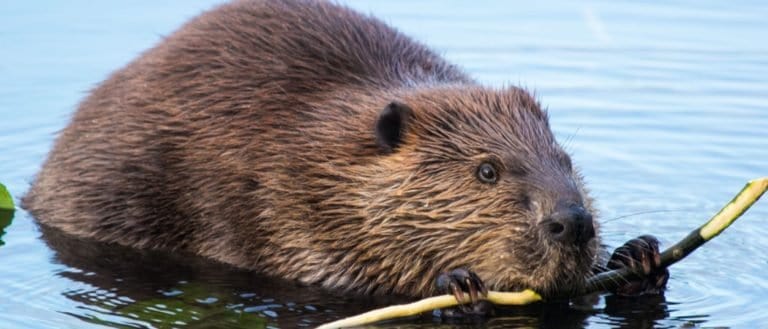
  • Beaver-assisted restoration in parts of North America and Europe: re-establishing beaver activity (where ecologically appropriate) has increased wetland habitat, improved summer baseflows, and boosted local biodiversity.

Ongoing Challenges

  • Competing water demands (agriculture, hydropower, cities) make environmental flow allocations politically and economically difficult, especially during drought.
  • Legacy infrastructure and sunk costs: existing dams, levees, drainage networks, and floodplain development constrain restoration options and raise removal/retrofit costs.
  • Fragmented governance: rivers and fire regimes cross property and political boundaries, leading to inconsistent rules and weak basin-scale coordination.
  • Cumulative impacts: many small diversions, culverts, drains, and local channel modifications collectively cause major ecosystem change but are hard to regulate individually.
  • Short-term risk perceptions: fear of flooding, smoke, or reduced water supply can block nature-based solutions and prescribed/cultural fire programs.
  • Climate change amplifies stressors (more extreme droughts/floods, hotter fires), making historic "natural" regimes harder to define and achieve.
  • Data and monitoring gaps: insufficient flow, groundwater, biodiversity, and sediment data hinder setting targets and evaluating outcomes.
  • Ecological time lags: species and habitats may take years to recover, creating pressure to abandon projects before benefits become visible.
  • Social equity concerns: restoration and reallocation can affect livelihoods; poorly designed programs can burden marginalized or downstream communities.
  • Invasive species and altered baselines: modified systems may favor invasives, requiring additional management to realize restoration gains.
  • Financing and maintenance: restoration is often funded as a one-time project without long-term resources for operation, enforcement, and adaptive management.

What You Can Do

  • Reduce household and yard water use (fix leaks, install efficient fixtures, choose drought-tolerant landscaping) to lower pressure for water abstraction.
  • Support water-smart food choices (reduce waste; consider lowering consumption of water-intensive products in water-stressed regions) and buy from producers using sustainable irrigation.
  • Engage locally on river, wetland, and fire management plans (public comments on dam relicensing, watershed plans, prescribed burn proposals, wetland permitting).
  • Volunteer with restoration groups (riparian planting, invasive removal, stream cleanups, wetland monitoring, citizen science for flows and wildlife).
  • Advocate for nature-based flood management and keeping development out of floodplains (support zoning, setbacks, and green infrastructure in your community).
  • Practice responsible fire behavior (follow burn bans, maintain defensible space, support prescribed/cultural burning programs where appropriate).
  • Choose recreation practices that minimize disturbance (stay on trails, avoid sensitive wetlands, respect seasonal closures).
  • Support organizations and initiatives working on dam removal, wetland protection, watershed restoration, and Indigenous-led stewardship through donations or membership.
  • Report harmful activities (illegal wetland draining, unpermitted water diversions, blocked culverts) to relevant local authorities.
  • Vote and communicate with representatives about policies for environmental flows, wetland protections, climate resilience, and funding for restoration and monitoring.
Fun Facts

Did You Know?

A river can look "healthy" from the surface while being ecologically broken underneath: dams and diversions can keep water flowing but remove the natural flood pulses many fish, plants, and insects rely on to reproduce.

"Stability" can be harmful in nature. Flood control that prevents normal seasonal flooding can slowly starve floodplains of sediment and nutrients-shrinking habitat even when no land is directly cleared.

Fire suppression can *increase* fire risk. In fire-adapted ecosystems, decades without smaller natural burns can build up fuels, making eventual fires hotter, larger, and more destructive to wildlife and soils.

Wetlands aren't just wildlife habitat-they're hydrological machinery. Draining a wetland can flip an area from a water sponge to a fast-draining system, changing downstream flow timing, water quality, and drought resilience.

Many aquatic species depend on "disturbance" as a cue. Altered flow schedules from hydropower or irrigation releases can disrupt migration, spawning, and feeding even if total annual water volume seems similar.

A single barrier can split a population. For species that must move up- and downstream (e.g., migratory fish), one dam or weir can turn one connected population into isolated fragments, reducing genetic diversity over time.

Natural system modification often causes delayed losses. A habitat can appear intact for years while "extinction debt" builds-species persist briefly but fail to successfully reproduce under the new conditions.

Wetlands have declined dramatically worldwide-commonly reported estimates suggest over 80% have been lost since pre-industrial times-meaning many wetland-dependent species now live in a small fraction of their former habitat.

Water taken from rivers isn't just "used"-it changes the river's physics. Lower flows warm faster, carry less oxygen, and concentrate pollutants, stressing aquatic life even without additional contamination.

Changing a disturbance regime can rewrite the entire community. When floods, fires, or seasonal droughts are removed or intensified, the winners and losers shift-often favoring generalists and invasive species over specialized natives.

River fragmentation: only about one-third of the world's longest rivers remain free-flowing for most of their length-meaning many "highways" for fish and nutrients now function more like networks of cul-de-sacs.

A dam can act like a wall across a migration route: imagine a city building a solid barricade across the main highway and expecting commuting to stay the same-many species face that exact problem in rivers.

Floodplain disconnection is like unplugging a battery from a device. Floodplains store water, sediment, and nutrients; levees and channelization can "disconnect the charger," reducing ecosystem productivity over time.

Draining wetlands is like removing a home's insulation and sump pump at once: the landscape becomes less buffered against both floods (water rushes through) and droughts (less stored moisture).

Altered flow timing from releases can be like changing daylight hours for a whole region: even if total water remains similar, shifting the "schedule" can break life cycles synchronized to seasonal cues.

Water abstraction can be compared to spending from a bank account's principal instead of living off interest: rivers need a minimum "base flow" to keep habitats functioning, not just occasional deposits.

Fire suppression in fire-adapted landscapes can be like never emptying a trash bin: fuel accumulates until one spark triggers a much bigger problem than the small, frequent burns that would have happened naturally.

Channelizing a river is like straightening a coiled garden hose: the water moves faster, erodes more, and spends less time interacting with wetlands and side channels that normally provide nursery habitat and filtration.

Replacing a naturally variable system with constant conditions is like turning a complex playlist into a single looping track: fewer "moods" (disturbances) means fewer niches, so biodiversity tends to drop.

When floodwaters no longer spread across a floodplain, it's like shrinking a restaurant's kitchen but keeping the same menu: the system has less space and capacity to produce the food web that supports fish, birds, and mammals.
Natural System Modification Animals

Showing 1-24 of 1,334

All Animals A-Z

B

C

S