
Arctic Fox
Built for blizzards, born for tundra

Built for blizzards, born for tundra
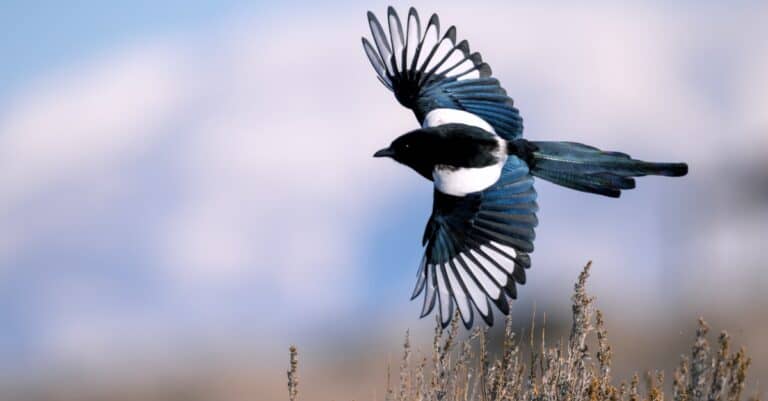
Brains, boldness, and a brilliant tail
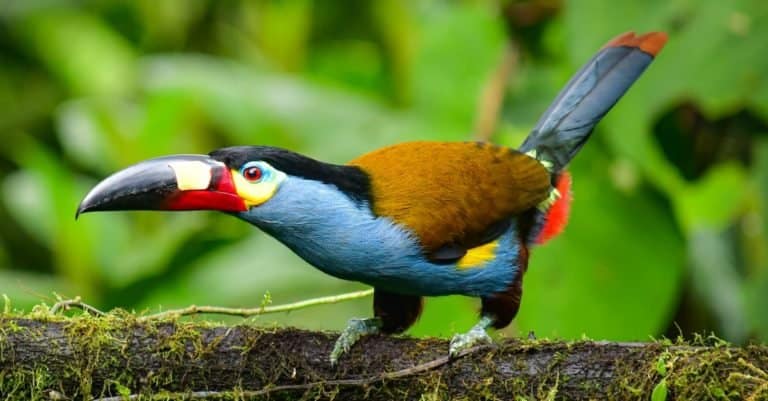
Big bill, bigger forest role

Small canids, big survival skills

Big ears. Small fox. Sahara night.

Long necks, loud wings, living legends.
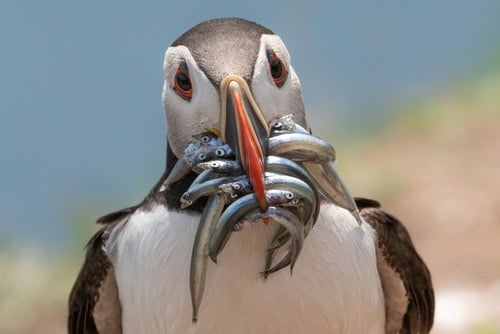
Wing-powered divers of the cold seas

Built for the High Arctic
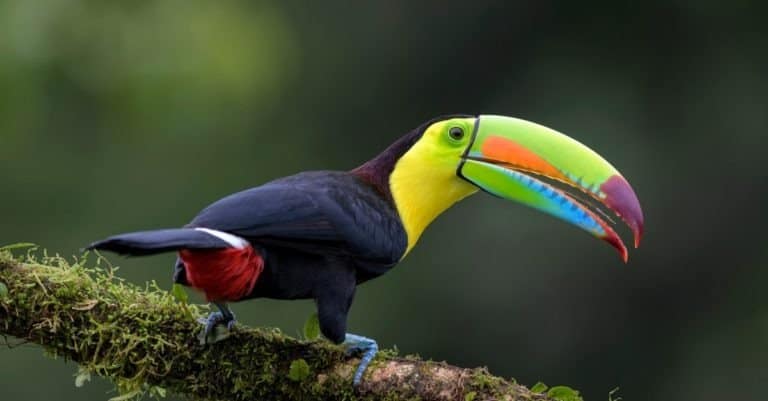
Big bill, big role in the rainforest
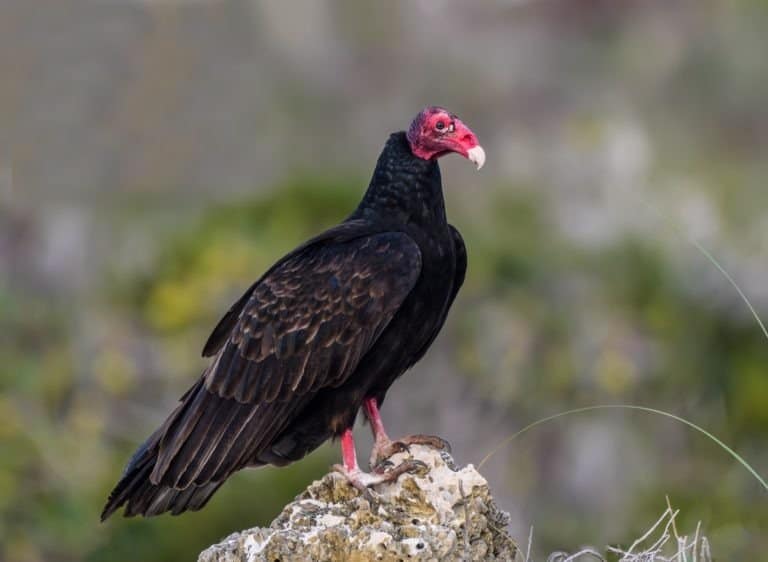
Nature's clean-up crew from the skies
A long-term (multi-year) pair bond is a mating system in which two individuals maintain an ongoing social and reproductive association for multiple years, typically spanning more than one breeding season. Partners commonly re-mate across successive seasons and remain behaviorally affiliated beyond single copulation events, though the bond may not persist for their entire adult lives.
In a long-term (multi-year) pair bond, two animals stay linked across years by reunion, shared nesting or territory, and coordinated breeding like shared incubation or feeding young. Bonds boost success when young are costly or sites are defendable, cut mate-search time, and improve cooperation. Bonds may end by death, divorce, or changing conditions. Social pairs may not equal genetic parents.
Multiple years (across several breeding seasons)
Persistent pair bond with repeated seasonal breeding and ongoing partner association
Species with recurring breeding at stable sites/territories and benefits from partner familiarity and cooperation, often where parental care or territory defense is important
Long-term pair bonds form over years through repeated, mutual interactions during courtship and breeding. Pairs often start by sharing territory or meeting seasonally, then choose partners by showing compatible behavior and good performance (courtship, calls, feeding, territory). Bonds grow with shared nest work, guarding, and raising young. Past success and familiarity make reuniting likely.
Courtship: Moderate
Time: Days to weeks for initial pairing, often solidified over the first breeding attempt; multi-year stability commonly emerges after one successful season and is reinforced at seasonal reunions.
Moderate to high ongoing effort. Maintenance typically requires frequent low-cost affiliation (contact calls, proximity) plus periodic high-cost cooperation (parental care, defense). Effort is highest during breeding and when ecological pressures or rival pressure increase; it may relax during non-breeding periods but usually persists via regular contact and coordination.
Common. Partners often show recognizable reunion behaviors after separations (daily foraging separations or seasonal migration), such as intensified vocal exchanges/duets, greeting displays, increased allopreening, close following, and brief re-establishment of coordinated routines before resuming normal duties.
Pairs end most often when one partner dies or is gone for a long time (failed migration or displacement). 'Divorce' happens with poor breeding, a better mate, worsening territory, or conflict. Forced breakup can follow competition, eviction, or habitat disturbance.
Divorce Rate: Low to moderate (context-dependent). Many taxa with multi-year pair bonds show high partner fidelity across seasons when reproduction is successful; separation before expected is more likely following breeding failure, strong mate competition, or major territory/habitat changes.
If the partner is lost or the bond dissolves, individuals typically return to mate-search behavior and may re-pair within the next breeding opportunity (sometimes rapidly if time-limited). Former partners usually do not maintain a bond once separated; if both survive and encounter each other again, re-pairing is possible but depends on availability of alternatives, timing, and whether prior cooperation was beneficial. Post-termination strategies often shift toward securing a territory first, then attracting or selecting a new mate, with courtship intensity increasing if competition is high.
Partners typically maintain a stable association across seasons, often sharing a home range or territory for much of the year. Many pairs remain in close proximity (traveling/roosting/denning together) and reunite reliably after temporary separations (e.g., solo foraging trips, molt/migration, or brief absences). Territoriality is common: pairs may jointly hold and advertise a territory or core area, though some species keep overlapping ranges without strict defense. Living separately is uncommon during the bonded period but can occur in seasonal systems (e.g., one partner overwinters elsewhere) with reunions at familiar sites.
Partners use multi-modal, learned or reinforced signals to maintain coordination over long periods: regular contact calls to reunite after separation; location signaling during foraging; and ritualized greeting/affiliative behaviors at reunions (postures, synchronized movements, grooming/allopreening). Many taxa employ pair-specific or strongly coordinated vocalizations (duets, antiphonal calling) to advertise the bond and territory and to synchronize breeding behavior. Visual signals (tail/wing displays, head bobs), tactile signals (nuzzling, grooming), and scent marking (in species with strong olfaction) can all be involved, often becoming stereotyped within the pair.
Individual recognition is typically strong and stable across seasons. Partners distinguish each other via learned cues such as unique vocal signatures, facial/body patterning, scent profiles, or idiosyncratic behavioral routines. Recognition supports reliable reunion after separation, selective tolerance at close range, mate-specific affiliative responses, and rapid resumption of coordinated breeding activities. Many systems show partner-specific responses (e.g., faster approach, reduced aggression, preferential food sharing) that indicate true individual identification rather than simple familiarity with any conspecific.
Long-term pair bonds work closely together over years. Partners divide roles (one broods or guards while the other brings food), adjust effort to the mate’s condition and the young’s needs, alternate incubation/brooding shifts, and time feeding to avoid predators. They choose nest sites together, may escort and teach young for months. If a partner is lost, success at raising young drops until a new mate is found and care matches.
Long-term pairs often cooperate when finding food: they may forage together, share food, watch for danger, or take different jobs, like one flushing prey while the other catches. Sometimes they feed apart but meet often and share information.
Long-term pairs often jointly defend space and each other: they repel rivals, mob predators, and keep boundaries. Coalitionary defense and mate guarding lower risks, with partners taking roles—one fights while the other watches or guards young, learned over time.
Multi-year pair bonds are most common in species with moderate-to-long lifespans: individuals must live long enough for the benefits of partner familiarity and repeated breeding to accrue, but when adult mortality or dispersal is nontrivial, bonds often end before lifetime. Thus, bond duration typically scales positively with lifespan and annual adult survival, but remains shorter than the full adult lifespan when replacement/re-pairing is periodically favored or forced.
Multi-year pair bonds typically increase offspring survival and quality by improving partner compatibility and coordination across breeding attempts. Returning to the same mate can reduce time and energy spent on mate search and courtship, enabling earlier breeding, better territory/resource retention, and more consistent provisioning/defense. Experienced pairs often show higher reproductive output over successive seasons (more fledglings/weaned young, higher recruitment), especially in environments where territory quality, predation risk, or foraging skills strongly affect juvenile success. Benefits are strongest when partners can learn each other's roles (e.g., efficient nest defense vs. provisioning) and when stable pair tenure correlates with access to better sites. Downsides can occur if one partner is low-quality or conditions change; staying paired may reduce the chance to "trade up," so fitness gains depend on partner quality and ecological stability.
Long-term pair bonds are commonly associated with sustained biparental care and division of labor that becomes more efficient over time. Partners often share incubation/brooding and provisioning, with negotiated or complementary roles (one more vigilant/defensive, the other more foraging-focused). Because the relationship spans multiple seasons, investment can be more predictable, and conflict over care may be reduced through established routines and reciprocity ("I invested last bout, you invest next"). These bonds also facilitate coordinated site defense, predator deterrence, and continued support through extended dependency (e.g., post-fledging care), which can raise juvenile condition and survival.
Partners typically synchronize breeding via repeated seasonal association, site fidelity, and pre-breeding coordination behaviors (reuniting at territories, courtship reinforcement, nest-site preparation, or hormonal/behavioral cues linked to day length and resource peaks). Familiarity allows faster alignment on timing-earlier clutch/parturition dates and tighter coordination of incubation shifts and foraging schedules-because partners can anticipate each other's readiness and adjust effort based on known partner behavior. Multi-year bonds also enable consistent timing with local resource pulses (e.g., food abundance), improving match between peak parental demand and food availability.
Extra-pair mating is variable but often present at low-to-moderate levels depending on ecology and mate-guarding constraints. Long-term bonds can reduce extra-pair behavior by increasing partner trust/compatibility, improving within-pair sexual access, and enabling effective mate guarding through close association and coordinated schedules. However, extra-pair mating may still occur as a strategy to gain genetic benefits (e.g., increased offspring heterozygosity) or as insurance against partner infertility, especially when one sex can seek extra-pair copulations with limited impact on parental care. Rates tend to rise when opportunities are high (dense breeding neighborhoods, asynchronous fertility, frequent separations during foraging/migration) and fall when partners can closely monitor each other or when parental care demands strongly favor paternity certainty and pair stability.
Long-term (multi-year) pair bonds are a minority mating-duration strategy across animals overall. They are most prevalent in birds and in a smaller subset of mammals and fishes where biparental care, high costs of re-mating, and stable breeding territories favor staying with the same partner across multiple breeding seasons. In most other taxa, especially many invertebrates, reptiles, amphibians, and many fishes, pair bonds usually last only for a breeding event or a single season (if they occur at all).
Common (one of the most frequent contexts for multi-year pair bonds)
Multi-year pair bonds are widespread because biparental care is common and coordinated care increases offspring survival. Many socially monogamous species keep the same partner across years, though divorce and extra-pair mating can be common in some species. Longevity and site fidelity can further stabilize multi-year pairing.
Uncommon to rare
Most mammals are polygynous or have short-term associations; lactation and female-only care reduce the necessity of long-term male association. Multi-year pair bonds occur in a minority of species, often where male care, mate guarding, or resource/territory defense improves reproductive success (e.g., some canids, some rodents, some ungulates in certain systems).
Uncommon (but more frequent than in mammals overall)
A notable minority form long-term pair bonds, often associated with paternal care, infant carrying/defense, and dispersed resources. Pair bonds may be multi-year but not always lifelong; social monogamy can coexist with extra-pair mating or occasional partner changes.
Uncommon (concentrated in a few lineages)
Multi-year pair bonds are best known in canids where biparental care and cooperative territory defense are important. Many other carnivores are solitary and do not form persistent pair bonds.
Rare to uncommon
Most fishes have short-lived pairings or no stable pairing. Multi-year pair bonds occur in a limited set where partners repeatedly cooperate in territory defense, nest guarding, or mutual benefits (often in species with stable territories or long lifespans). In many reef and nesting systems, pairing can persist across seasons but is sensitive to partner loss and local ecological conditions.
Rare (but documented in some species)
Reptiles more often show short-term mating associations; extended parental care is less common. Multi-year pairing can occur in certain ecological contexts (e.g., stable home ranges, repeated den/territory use, or benefits of familiar partners), but it is not widespread across the group.
Very rare
Breeding is often seasonal, with high turnover and limited partner association outside breeding. Parental care exists in some lineages but typically does not translate into stable multi-year pair bonds.
Rare overall (but common in termites)
Most insects have brief mating encounters and high mate turnover, often with short adult lifespans. However, termites are a major exception: colonies are typically founded by a monogamous king and queen that form a long-term pair bond and can remain together for many years. Outside termites, true multi-year pair bonding is uncommon.
Very rare
Mate interactions are typically brief and often risky; stable long-term pairing is uncommon. A few systems can show extended cohabitation or repeated interactions, but multi-year pair bonds are not a dominant pattern.
Absent to very rare
Most are short-lived with semelparous or near-semelparous life histories; mating associations are generally brief and do not persist across years.
Found across: Birds (especially seabirds like albatrosses/petrels; many waterfowl; raptors; cranes), Mammals (canids like wolves; beavers; some primates such as gibbons; some rodents like California mice), Reptiles (select lizards and some snakes with seasonal reunion/partner fidelity), Fishes (certain reef fishes like angelfishes and butterflyfishes that form stable pairs)
"Long-term pair bond" often means social partnership, not sexual exclusivity-many bonded animals still engage in extra-pair mating while maintaining the same primary partner.
Multi-year bonds can be a practical energy-saver: keeping the same partner reduces time spent searching, courting, and fighting rivals, letting pairs invest more in territory defense and parental care.
Some species effectively "re-negotiate" the bond each year-partners reunite after months apart (migration or wintering) by returning to the same site and choosing each other again.
Pair bonds can improve performance over time: established pairs may synchronize better (nest building, incubation shifts, feeding schedules), boosting breeding success compared with newly formed pairs.
Long-term bonds aren't only about raising young-some pairs stay associated year-round for cooperative foraging, predator vigilance, or maintaining a territory even outside the breeding season.
Built for blizzards, born for tundra

Built to soar, born to strike

From dunes to tundra-fox smart.

Gentle giants of the African forests
Small canids, big survival skills

Not cavemen-Ice Age people
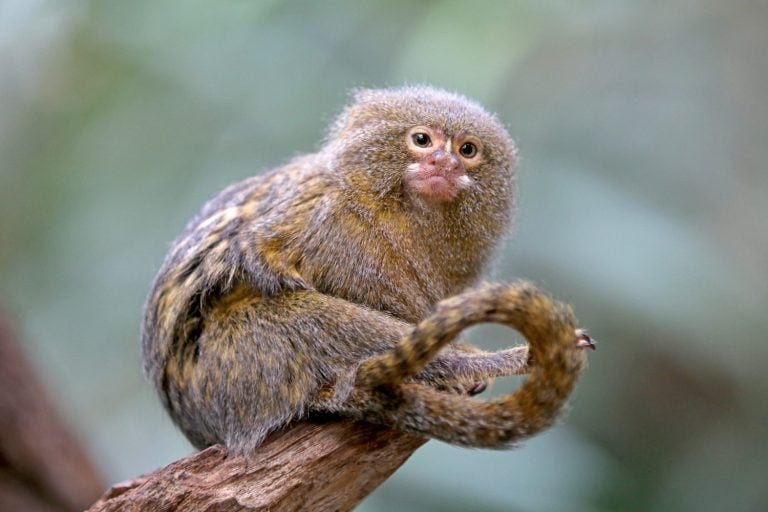
Tiny sap-sipping acrobats of the Amazon

Nature's master recyclers (and builders)

Packs, howls, and healthy wildlands

Speed, smarts, and sky mastery

Heart-faced hunter of the night

The hoot that rules the woods

Kalahari's cooperative lookout

Brains, beaks, and big voices
Big bill, bigger forest role
Wing-powered divers of the cold seas
Long necks, loud wings, living legends.

Built for every habitat.
Built for the High Arctic

Color-coded courtiers of the coral reef

Reef royalty with a wardrobe change

The anemone's bold little bodyguard
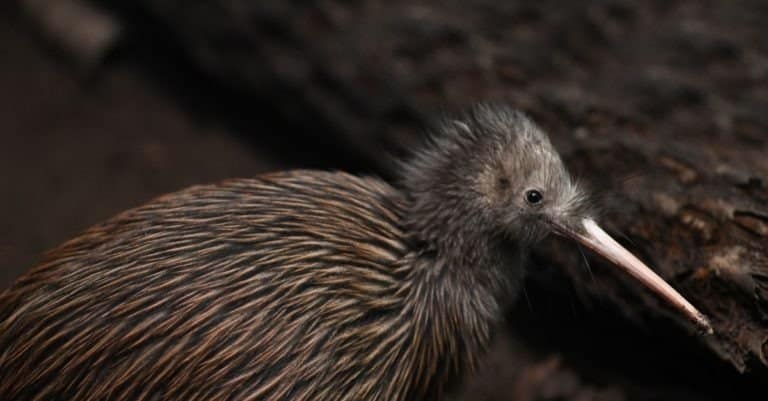
New Zealand's night-walking icon
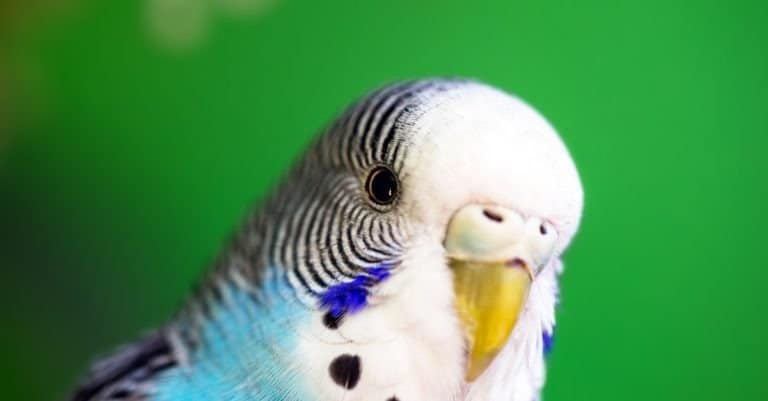
Tiny nomad parrot, big personality
Thank you for reading! Have some feedback for us?
We appreciate your help in improving our content.
Our editorial team will review your suggestions and make any necessary updates.
There was an error submitting your feedback. Please try again.